In This Guide
- Can You Drive an RV in Paris? License & Age Rules
- Road Conditions & Terrain in Paris
- RV Size Limits, Bridges & Restricted Zones
- Fuel: Diesel vs. Petrol & Cost per 100 km
- Tolls, Vignettes & Border Rules
- Driving Tips for rv rental Travelers
- Recommended RV Class for Paris Roads
- Should I Choose a Compact Van Instead of a Large RV in Paris?
- Can I Park Anywhere? Free & Wild Camping Rules in Paris
- Can I Drive an RV Into the City Center? Heights, Tunnels & Local Signage
- Do I need a Crit'Air sticker for my motorhome in France?
- Are D-roads in France suitable for motorhomes?
- Do I have to pay Paris low emission zone?
- Is France motorhome friendly?
- Can I drive in Paris with a US driver's license?
- What kind of license is required for an RV?
- How much is insurance on a $200,000 RV?
- Does France have public liability insurance?
Exploring Paris and Beyond by Motorhome
Imagine waking up to the smell of fresh croissants, then setting off to explore charming French villages or the picturesque Loire Valley, all from the comfort of your own rented motorhome. Whether you're planning a week-long trip with your family (4-6 people) or a romantic getaway as a retired couple, understanding the local driving rules and road conditions is key to a seamless experience. Our full transparency means no hidden fees, no surprises, just honest advice to help you prepare for your incredible journey.Can You Drive an RV in Paris? License & Age Rules
Most standard RVs up to 3,500 kg Gross Vehicle Weight (GVW) in Paris require a standard B-category driver's license (like a US Class D), which is typically obtainable at 18 years old in France. For larger, heavier RVs exceeding 3,500 kg GVW, a C1 license (or equivalent) is necessary, with minimum age requirements often higher. Non-EU citizens, including those from the US, can use their national driving license for short visits, usually up to 1 year, but must carry an International Driving Permit (IDP) alongside it, as legally required by French law to act as a certified translation. Rental companies, including Bandana's partners, typically require drivers to be at least 21 years old (not 25) with at least 1-3 years of driving experience; there are no young driver surcharges or vehicle class restrictions based on age with our rentals. Always double-check your specific rental agreement and local laws before you embark on your adventure.Road Conditions & Terrain in Paris
Parisian road quality within the city center is generally good, featuring well-maintained asphalt, although cobblestone streets can be found in historic districts like Le Marais, requiring slower speeds for motorhomes. The terrain around Paris is predominantly flat, making driving a rented motorhome relatively easy in terms of inclines or mountainous challenges, which is a relief for many travelers. Navigating Paris involves dense urban traffic, numerous roundabouts (like the infamous Place de l'Étoile around the Arc de Triomphe), and occasional narrow streets, all of which necessitate careful maneuvering and constant attention, particularly for larger RVs. Drive slowly and carefully, and you can drive almost anywhere without issues. No need to stress - just use common sense and pay attention. Outside the immediate urban core, French roads, including scenic routes (D-roads), are excellent for motorhomes, offering smooth surfaces and picturesque landscapes for a more relaxed driving experience.RV Size Limits, Bridges & Restricted Zones
Drivers of RVs in Paris must be highly aware of various height, width, and weight restrictions, particularly for underground parking garages, tunnels, and low bridges. Many older Parisian bridges and tunnels have strict height limits, often around 2.5m - 3.5m (8.2-11.5 feet), making it crucial to check signage carefully as even average Class C Alcove RVs can be around 7.5m (24.6 feet) in length. Paris operates a Low Emission Zone (Zone à Faibles Émissions - ZFE), which requires all vehicles, including rented motorhomes, to display a Crit'Air vignette, with access restrictions based on the vehicle's emission class. For example, older diesel motorhomes may face restrictions during weekdays from 8 am to 8 pm. Large vehicles may also be prohibited from certain central city areas or directed to designated routes to alleviate congestion and manage urban flow around iconic sites such as the Eiffel Tower or Notre Dame.Fuel: Diesel vs. Petrol & Cost per 100 km
Most rental RVs in France, including many in Bandana's fleet from trusted suppliers like Apollo and Britz, run on diesel fuel ('Gazole' or 'Diesel'), which is widely available at service stations across Paris and throughout France. Based on Bandana's global fleet averages, Class SI - Semi-integrated RVs typically consume 10-11 Liters/100 km, while Class C - Alcove RVs use 10-12 Liters/100 km, and Class B - Camper Vans are more efficient at 8-10 Liters/100 km. The average cost per 100 km for a diesel RV in France can fluctuate with global fuel prices but generally ranges from €18 to €25, based on current prices and typical consumption rates. Always factor fuel costs into your overall travel budget; for easy tracking and itemization of every expense along your route, explore RV PLANET routes. Some rental providers may offer fuel discount cards or pre-paid fuel options, which can help manage costs and offer convenience during your extended road trip.Tolls, Vignettes & Border Rules
France has an extensive network of toll roads ('autoroutes') which are typically paid electronically (via a 'télépéage' tag) or manually at booths, and these are often the fastest routes for motorhome travel, especially for longer distances. Beyond tolls, a Crit'Air vignette (emission sticker) is mandatory for driving in specific low-emission zones (ZFEs) in Paris and other French cities to avoid fines. This French-specific regulation is crucial for international travelers to understand. For cross-border travel from Paris, such as into Switzerland or Austria, drivers should research specific vignette requirements for those countries (e.g., Swiss motorway vignette) and any border control protocols. Some Bandana RV partners offer the option to pre-purchase toll passes or include 'télépéage' tags, simplifying travel and helping avoid potential fines by automating toll payments, ensuring a smoother journey.Driving Tips for rv rental Travelers
Planning your RV adventure in Paris and its surroundings requires careful consideration, but with a few pointers, you'll be navigating like a pro. First, **Plan Your Route Carefully**: Use GPS systems that allow for RV dimensions to avoid height-restricted tunnels, narrow streets, and low bridges, especially when approaching central Paris or historic towns like Versailles. Next, **Understand Parisian Traffic**: Expect dense traffic, particularly during peak hours around areas like the Boulevard Périphérique; consider utilizing public transport for navigating the city center after parking your rented motorhome at a designated area on the outskirts. Third, **Crit'Air Vignette is Crucial**: Ensure your rental RV has the correct Crit'Air sticker displayed for access to Paris's low-emission zone, verifying its category and validity to avoid fines. Fourth, **Patience and Awareness**: Drive defensively, allow extra braking distance due to the RV's size, and be mindful of scooters and cyclists, which are prevalent in Paris's urban environment. Finally, **Familiarize with French Road Signs**: Pay close attention to signs indicating vehicle restrictions, parking rules, and speed limits, which can differ from your home country and are essential for compliance. Remember to travel slowly, averaging max 100-150 km per day, to truly absorb the culture, food, and scenery of France.Recommended RV Class for Paris Roads
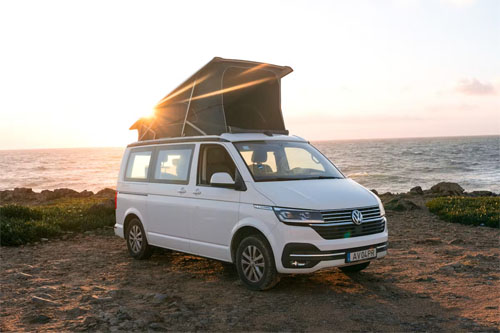
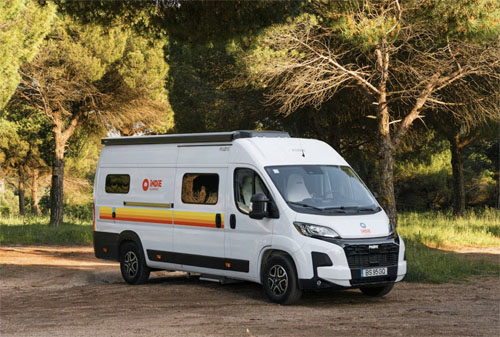
For navigating Paris and its surrounding areas, a Class B - Camper Van or a Class SI - Semi-integrated RV is generally recommended due to their more manageable dimensions. Bandana's Class B Camper Vans, like the "Active Pop Top Select" (approx. 5.99m long, sleeping 4 people), are significantly easier to maneuver in urban settings and to find parking compared to larger models. A "Luxury Small" model, for example, is around 6.75m long with 2 beds and an 80-liter fuel tank. Class SI - Semi-integrated RVs, with an average length of 6.9m (and sleeping 3.8 people), offer a good balance of comfort and maneuverability, suitable for both city approaches and touring the French countryside. While larger Class C - Alcove (avg. 7.5m) or Class A - Integrated (avg. 7.5m) RVs offer more living space, their increased length and height can make urban driving and parking in Paris more challenging, though not impossible for experienced drivers. Our experts are always available before, during, and after your booking to help you compare motorhome prices for Paris and choose the right vehicle.Should I Choose a Compact Van Instead of a Large RV in Paris?
Choosing between a compact camper van and a larger RV in Paris depends on your travel style and itinerary, but a larger RV often provides superior comfort without significant driving drawbacks for touring the region. While a compact camper van, such as a "Category Van" (typically less than 6m long), can offer slightly easier maneuverability and parking in very tight historic centers or narrow streets, Parisian driving challenges predominantly revolve around traffic density and parking availability, not necessarily the specific length of a typical RV, as long as it adheres to height and weight restrictions. A larger RV, like a "Class Family" (often around 7m long, sleeping 6 people), offers amenities such as full bathrooms, dedicated sleeping areas, and more storage, significantly enhancing the travel experience, especially for longer trips or families. If your itinerary focuses heavily on parking within the hyper-center of Paris for extended periods, a compact van might offer a marginal advantage, but for touring the region and occasional city visits, a larger RV remains a comfortable and practical choice, often best parked at dedicated RV parks on the outskirts with good public transport links into the city. Remember, the choice is yours, and we're here to help you find rv rentals in Paris that perfectly match your needs.Can I Park Anywhere? Free & Wild Camping Rules in Paris
Wild camping or 'free camping' in a rented RV is generally prohibited within the city limits of Paris and in many urban and popular tourist areas across France. Parking overnight in an RV on public streets in Paris is subject to standard parking regulations, which often have time limits and can be expensive, and it does not typically permit setting up camp (e.g., putting out awnings, chairs). France, however, is very accommodating with dedicated 'aires de services' (service areas) and numerous municipal and private campsites that provide specific facilities for motorhomes, making it a motorhome-friendly country overall. For overnight stays near Paris, it's best to use official campsites like Camping de Paris in the Bois de Boulogne or designated RV parks located on the city's outskirts, which offer security and essential services like water, electricity, and waste disposal points. Always check local regulations and follow local law before parking overnight, as rules vary by region. For finding campsites and campgrounds during your trip, we recommend using RV PLANET (rvplan.net) - a great resource for locating available spots along your route.Can I Drive an RV Into the City Center? Heights, Tunnels & Local Signage
Yes, it is generally possible to drive a rented RV into the city center of Paris, but drivers must be extremely vigilant for local signage indicating various restrictions. Key watchouts include specific height limits for tunnels and low bridges, which are common in older European cities and can vary significantly (e.g., as low as 1.9m in some underground parking or 2.5m for specific passages on Quai Anatole France). Paris's low-emission zone (ZFE) encompasses the city center, meaning a valid Crit'Air vignette is absolutely necessary, and certain emission classes are restricted during peak hours (e.g., Monday-Friday, 8 am-8 pm, on Boulevard Saint-Germain). Drivers should also pay close attention to signs for 'réservé aux riverains' (residents only) or 'livraisons' (deliveries) which prohibit general traffic, and look for designated RV parking signs which are rare in the immediate center, emphasizing the need for peripheral parking solutions. Drive slowly and carefully, and you can drive almost anywhere without issues. No need to stress - just use common sense and pay attention.Do I need a Crit'Air sticker for my motorhome in France?
Yes, a Crit'Air sticker is mandatory for motorhomes to enter many low-emission zones (ZFE) across France, including Paris, to identify vehicle emissions levels and regulate access based on pollution. This vignette system helps reduce air pollution in urban areas by restricting older, more polluting vehicles, which is a key French-specific regulation often overlooked by international travelers. Motorhomes are assigned a Crit'Air category based on their Euro emission standard, and higher categories (more polluting) face more stringent restrictions, especially in Paris's active ZFE hours. Failure to display a valid Crit'Air sticker in a ZFE can result in fines, so it's essential to obtain one in advance through the official government website or ensure your rental provider supplies it. Our full transparency commitment means we ensure you're aware of all such requirements before your trip.Are D-roads in France suitable for motorhomes?
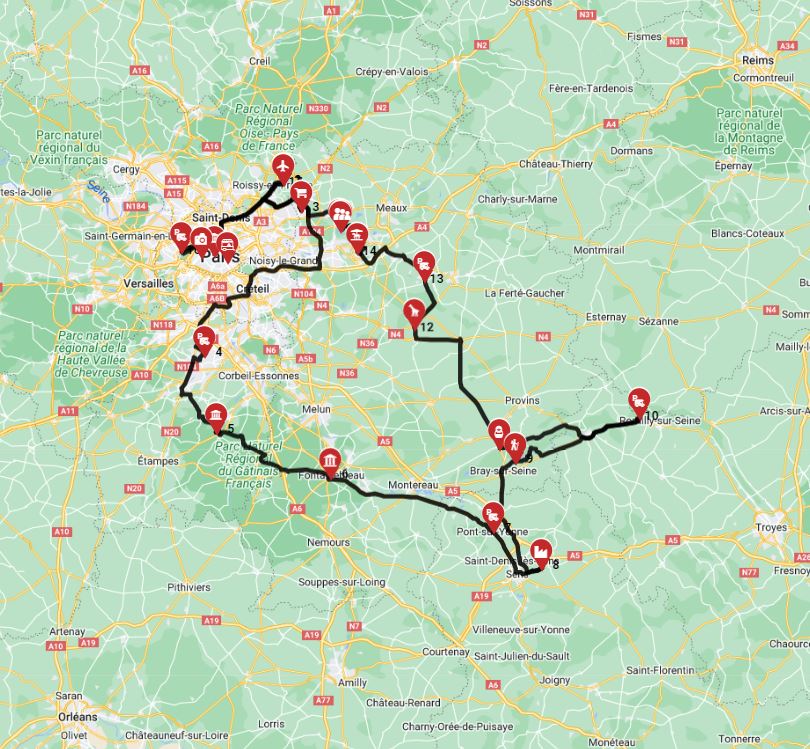
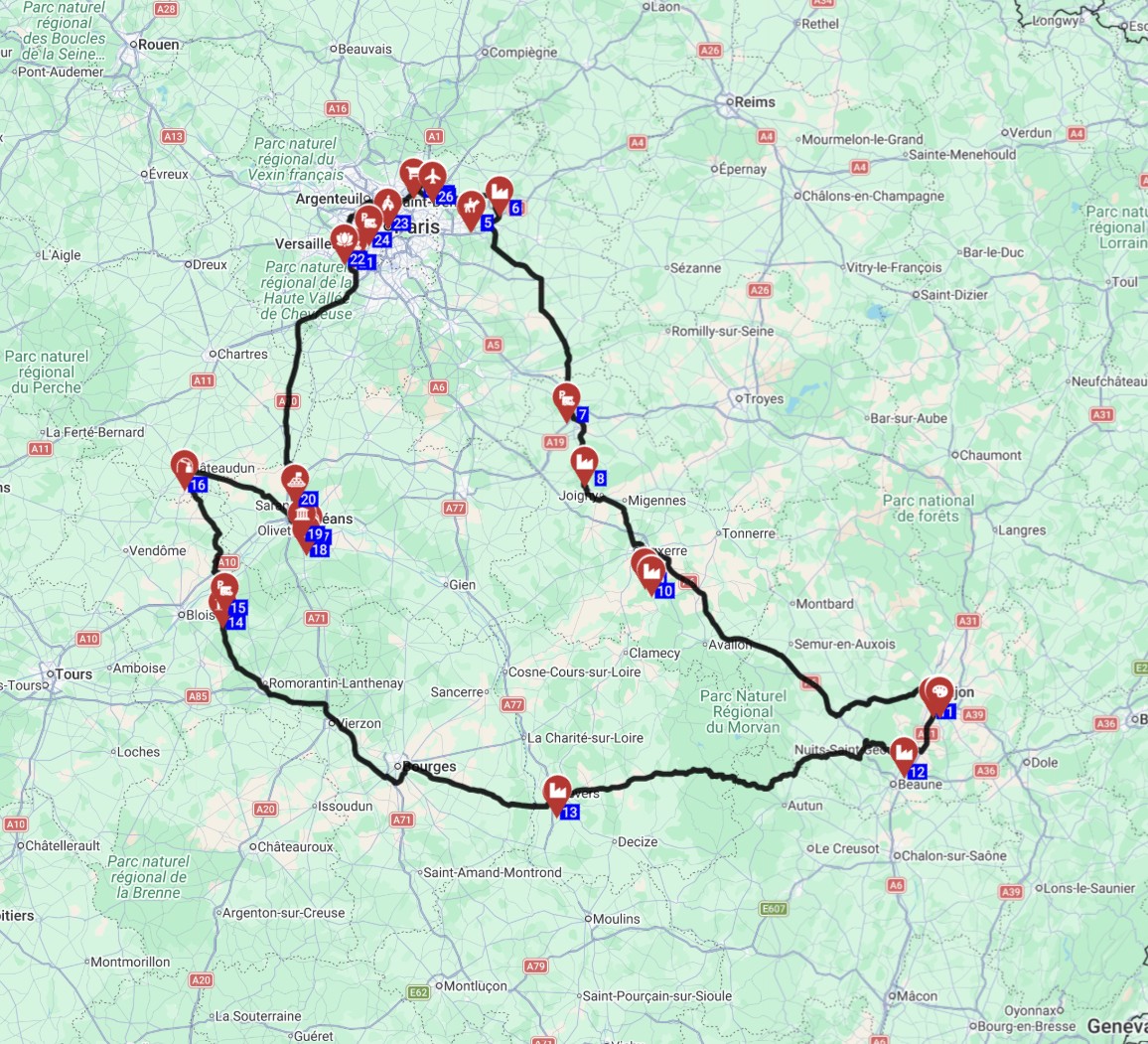
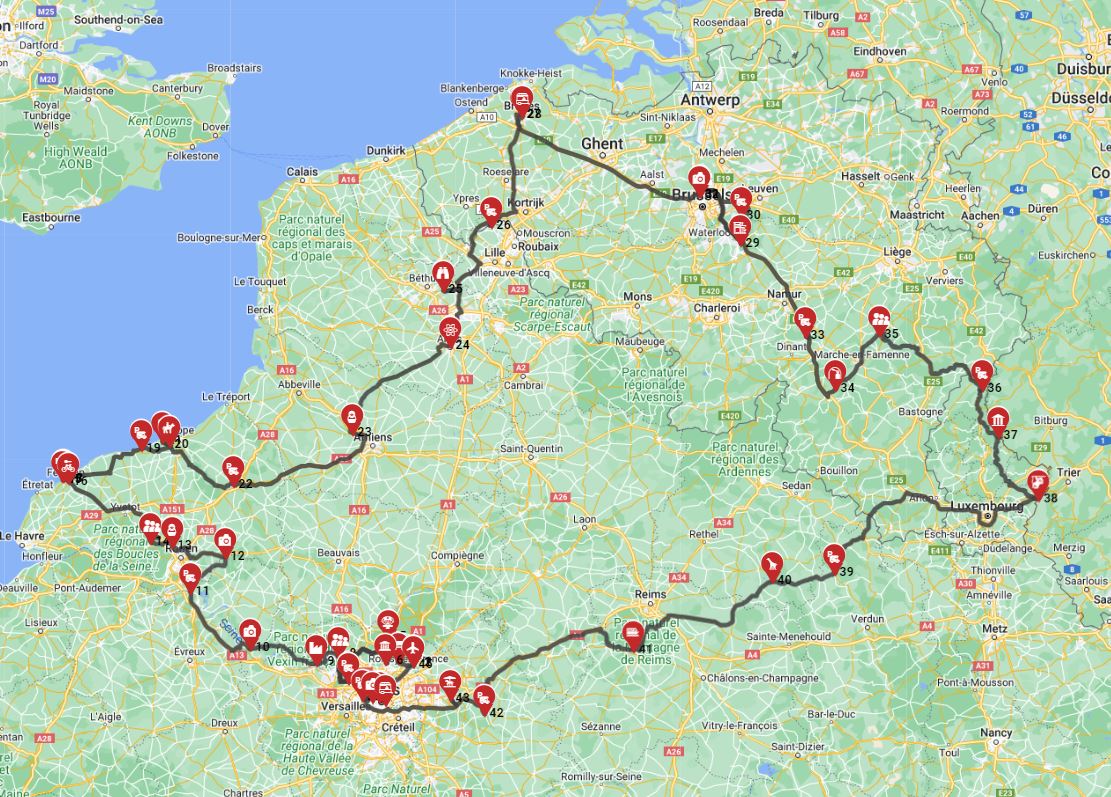
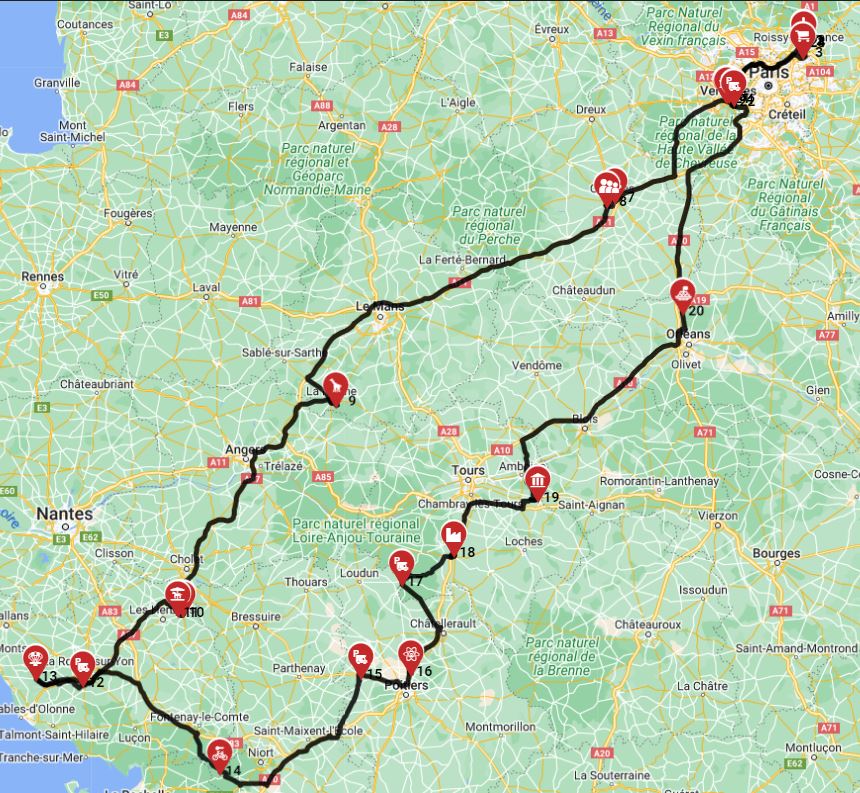
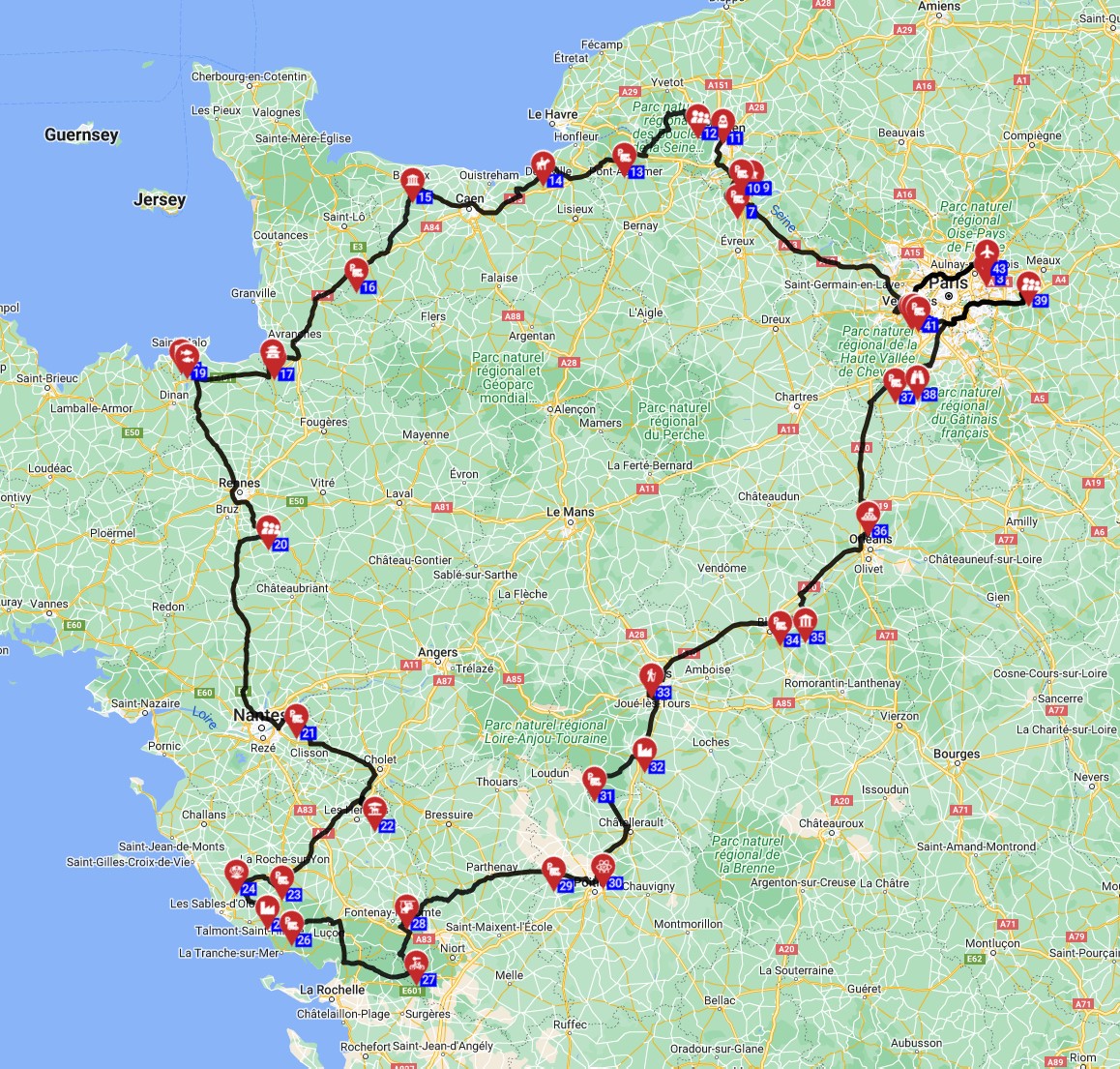
Yes, French 'D-roads' (Routes Départementales) are generally suitable and often ideal for rented motorhomes, offering scenic routes through diverse landscapes that enhance the RV experience. Unlike faster toll 'Autoroutes,' D-roads typically pass through charming villages, along picturesque rivers, and offer direct access to local attractions and smaller towns, making them perfect for leisurely motorhome travel. The quality of D-roads is usually excellent, well-maintained, and they are wide enough for most RVs, though some very narrow village roads, particularly in older historic areas, might require extra caution and slower speeds. Opting for D-roads allows travelers to fully experience France's countryside and avoid toll fees, contributing to the overall 'motorhome friendly' nature of the country and reducing cost implications. For planning your route, consider a pre-planned route like "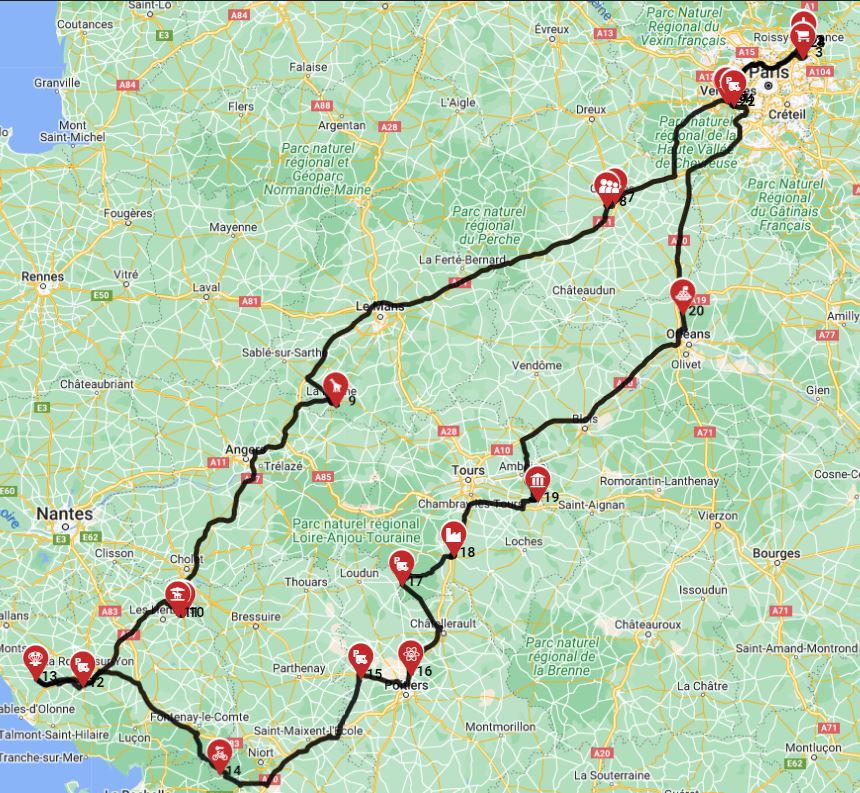
Paris Round trip - Heading Au fil de la Loire
Do I have to pay Paris low emission zone?
You do not 'pay' to enter the Paris low emission zone directly, but your motorhome must display a valid Crit'Air vignette, and vehicles with higher emission classifications are restricted during specific hours, potentially incurring fines if rules are not followed. The ZFE in Paris is active from Monday to Friday, 8 am to 8 pm, with restrictions applying to different Crit'Air categories on a rotating basis, aiming to limit traffic of the most polluting vehicles. It's essential to understand your rented RV's Crit'Air category; for instance, older diesel RVs might be prohibited during specific periods, significantly impacting your ability to drive into central Paris. Ignoring the ZFE rules or not displaying a valid sticker can result in fines ranging from €68 for light vehicles to €135 for heavy vehicles like motorhomes, highlighting the cost implications of non-compliance. Always check Paris RV Rental Prices Now and their terms for specific Crit'Air advice.Is France motorhome friendly?
France is widely considered a highly motorhome-friendly country, boasting excellent infrastructure for RVs, including numerous campsites, 'aires de services,' and a generally welcoming attitude towards RV travelers. The extensive network of 'aires de services' (dedicated motorhome service points) across France provides convenient access to fresh water, waste disposal (for both black and grey water tanks), and sometimes electricity, often for a small fee or even free. French regulations are well-established for motorhomes, and local communities are accustomed to RV tourism, making it easy to find parking and overnight stops, especially outside major city centers. The country's diverse landscapes, from the coastal roads of Normandy to the mountainous regions of the Alps and picturesque villages like those along the Loire, are easily accessible by RV, reinforcing its reputation as a prime destination for motorhome enthusiasts and travelers seeking extended road trips.Can I drive in Paris with a US driver's license?
Yes, you can generally drive in Paris with a valid US driver's license for short visits, typically up to one year, provided it is accompanied by an International Driving Permit (IDP), as legally required by French law. While some rental companies may allow a US license alone, French law specifically requires an IDP, which serves as an official translation of your license, when driving in France as a non-EU resident. Ensure your US driver's license is current and that you carry both documents (US license and IDP) with you at all times while driving in France to comply with legal requirements and avoid potential issues with law enforcement or insurance providers. For comprehensive details on licensing requirements for different RV weights and ages, refer to the 'Can You Drive an RV in Paris? License & Age Rules' section above. Bandana RV provides 24/7 support for pre-booking inquiries to clarify any licensing questions.What kind of license is required for an RV?
For most standard recreational vehicles (RVs) available for rental in France, a Class B (or equivalent US Class D) driver's license is sufficient, provided the vehicle's Gross Vehicle Weight Rating (GVWR) does not exceed 3,500 kg (approximately 7,700 lbs). This covers the majority of camper vans (Class B) and many semi-integrated (Class SI) RVs offered by rental companies, such as a "Category Small AT" which is an automatic semi-integrated model ideal for a couple. If an RV's GVWR exceeds 3,500 kg, which some larger Class C - Alcove or Class A - Integrated models might (like a "Comfort Family 6", typically around 7.5m long), a higher license category like a Class C1 (or equivalent) would be recommended for some non-EU licenses, although for Bandana rentals, a standard car driver's license is sufficient for ALL motorhome classes. Always confirm the specific license requirements with your rental provider and check the GVWR on the vehicle's registration documents before driving; for further details on age and foreign license rules, see 'Can You Drive an RV in Paris? License & Age Rules' above.How much is insurance on a $200,000 RV?
The cost of insurance for a $200,000 RV in Europe can vary significantly, typically ranging from a few hundred euros to over a thousand euros per year, based on factors such as the driver's history, the specific coverage selected, the duration of the rental/ownership, and the insurer. For RV rentals in Paris, basic third-party liability insurance ('assurance responsabilité civile') is usually included in the rental price, covering damages to other vehicles or property. Collision Damage Waiver (CDW) or comprehensive coverage, which protects the rental RV itself, is often an additional cost or comes with a high deductible (excess) that can be reduced by purchasing supplementary insurance. You can upgrade to a top-level deductible for extra peace of mind, an optional enhancement for your trip. It's crucial to thoroughly review your rental agreement and consider additional insurance options, such as excess reduction insurance, travel insurance, or personal accident cover, for comprehensive peace of mind and to fully understand cost implications. Our team of true RV specialists can help clarify these details before you finalize your booking.Does France have public liability insurance?
Yes, France mandates public liability insurance for all vehicles driven on its roads, which is known as 'assurance responsabilité civile' and is typically included in your rental agreement when you rent an RV from a reputable company like Bandana RV's partners. This mandatory insurance covers damages you might cause to third parties (other vehicles, property, individuals) while driving your rented RV in France, ensuring legal compliance and providing essential coverage. It is a legal requirement to ensure all drivers are adequately insured against such risks, protecting both the driver and others on the road. While public liability is standard, it's important to differentiate it from personal injury coverage for the RV occupants or comprehensive insurance for the RV itself, which are often additional or optional coverages to consider for your trip. For specific quotes and details on insurance options, check Paris RV Rental Prices Now directly through our comparison platform.What You Shouldn't Miss
- **A Seine River Cruise by Night:** While your RV might be parked, taking a Bateaux-Mouches or Bateaux Parisiens cruise after dusk offers breathtaking views of illuminated landmarks like the Eiffel Tower and Notre Dame.
- **The Palace of Versailles:** Just a short drive southwest of Paris, this opulent former royal residence and its vast gardens (with designated RV parking nearby) are an absolute must-see, offering a full day of exploration.
- **Loire Valley Châteaux Tour:** Extend your weekend into a longer trip and use your motorhome as a base to explore several of the Loire Valley's magnificent castles, such as Chenonceau or Chambord, many with RV-friendly parking.
- **Giverny and Monet's Gardens:** Head northwest to the charming village of Giverny to wander through Claude Monet's iconic gardens and house, a serene escape just 1.5 hours from Paris by RV.
- **Local Parisian Markets:** Experience the vibrant local culture by visiting markets like Marché des Enfants Rouges or Marché Bastille. Stock up on fresh produce, cheeses, and delicious French bread to enjoy back at your motorhome. RV-friendly recipes playlist.
- **Disneyland Paris:** For families with kids, a day or two at Disneyland Paris, located east of the city, is an unforgettable experience, with plenty of RV parking options available at the park itself.
Looking for expert insights from Avi Bandana? Top 5 Adventures - recommendations from Avi Bandana
Final Thoughts
Renting an RV in Paris opens up a world of possibilities, allowing you to immerse yourself in French culture and breathtaking scenery at your own pace. While navigating a motorhome in a bustling city like Paris requires careful planning and awareness of local regulations like the Crit'Air vignette, the freedom to explore beyond the city limits is truly rewarding. Remember to travel slowly, max 100-150 km per day on average, to savor every moment and truly connect with the places you visit. We handle the details, you live the journey, ensuring personal service from day one until your booking is confirmed.So, are you ready to embark on an unforgettable French adventure? Discover top destinations, planning tips, all in one place!
Find Motorhome Rentals in ParisOn the routes offered through RV PLANET routes, you can itemize and track every expense along the way for easy budgeting.