In This Guide
- Can You Drive an RV in Madrid? License & Age Rules
- Road Conditions & Terrain in Madrid
- RV Size Limits, Bridges & Restricted Zones
- Fuel: Diesel vs. Petrol & Cost per 100 km
- Tolls, Vignettes & Border Rules
- Driving Tips for RV Rental Travelers
- Recommended RV Class for Madrid Roads
- Should I Choose a Compact Van Instead of a Large RV in Madrid?
- Can I Park Anywhere? Free & Wild Camping Rules in Madrid
- Can I Drive an RV Into the City Center? Heights, Tunnels & Local Signage
- What do I need to drive my motorhome in Spain?
- Can I drive in Madrid with a US license?
- What are the new motorhome rules in Spain?
- What requirements do you need to drive an RV?
- Is Spain camper van friendly?
- Do you need a license to get an RV?
- What is the typical cost of RV insurance?
- What is the best insurance company in Spain?
Exploring the vibrant heart of Spain in a rented RV opens up a world of adventure, from the bustling streets of Madrid to the serene landscapes just a short drive away. Imagine the freedom of having your accommodation and transport all in one, ready to take you on a journey through culture, history, and stunning scenery. At Bandana RV, we believe in making your RV adventure as smooth and enjoyable as possible, which is why we're dedicated to providing full transparency, 24/7 support, and expert knowledge on all things RV travel. For live availability and current prices, start with our RV Rental Madrid - Complete Guide 2026 guide.
Can You Drive an RV in Madrid? License & Age Rules
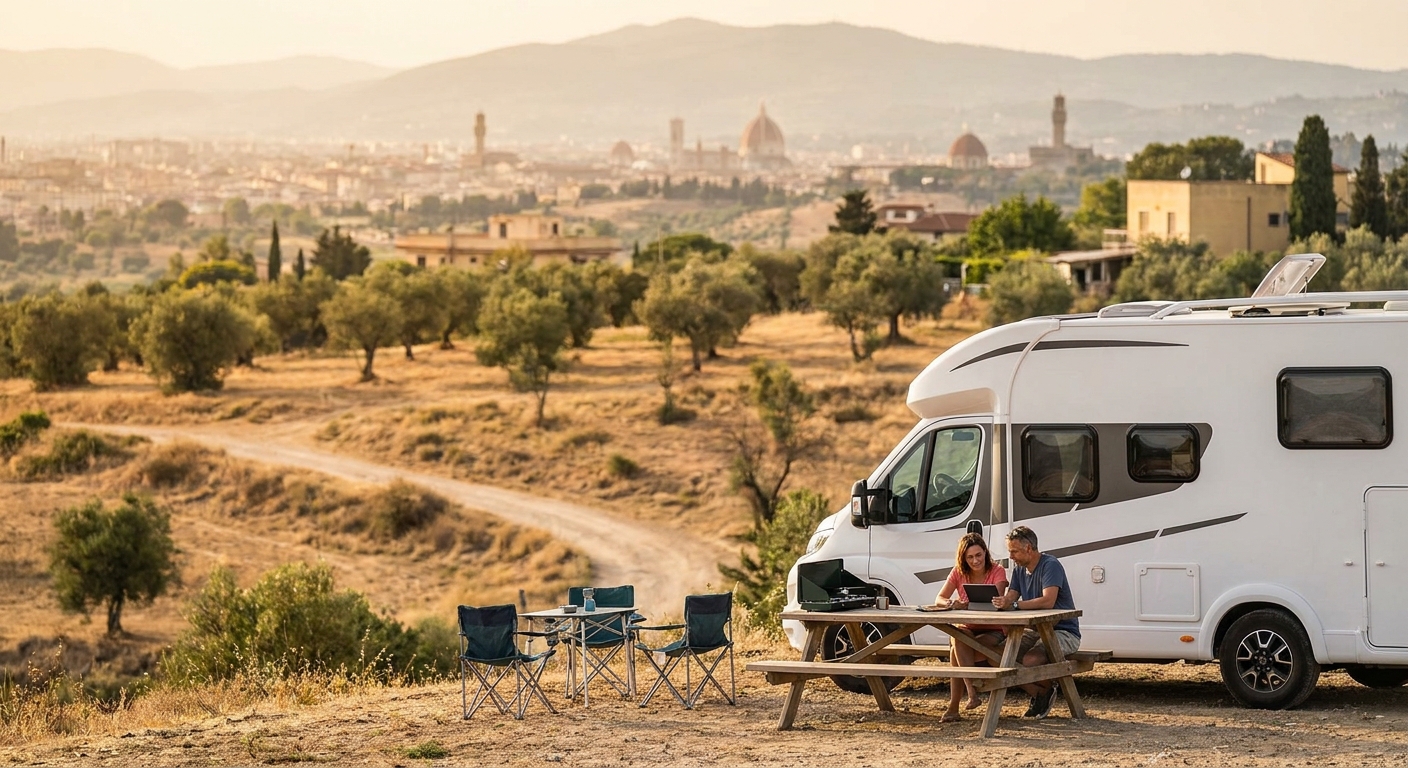
Yes, you can confidently drive a rented RV in Madrid, as standard car driver's licenses are sufficient for most rental motorhomes. A standard 'B' category driving license is all you need for RVs up to 3,500 kg, which includes popular models like many Class B Camper Vans or Class SI Semi-integrated RVs, such as the `rv rental denver example Category Van` or the `hire campervan example Paradise S/T`. For larger RVs between 3,500 kg and 7,500 kg, like some Class C and Class A motorhomes, a 'C1' license is required. The minimum driving age for RV rental in Madrid is typically 21 years old, and Bandana ensures there are no young driver surcharges or vehicle class restrictions based on age, making RV travel accessible to a wider range of adventurers. If your license is from outside the EU/EEA, such as a US license, you must also carry an International Driving Permit (IDP) in conjunction with your national license to legally drive in Spain.
Navigating Madrid's roads with a rented motorhome, whether it's a nimble campervan or a spacious Class C, is entirely manageable with common sense and careful attention. We believe in empowering you to discover the freedom of the open road without unnecessary stress. For a deeper dive into vehicle types and how they suit different trips, consider consulting our RV Travel Guide to Madrid - Tips and Top Spots 2026.
Road Conditions & Terrain in Madrid
Madrid's main roads and highways, like the M-30 and M-40 orbital motorways, are generally in excellent condition, providing smooth travel for your rented RV to and from the city. These modern, well-maintained routes ensure comfortable driving, allowing you to focus on the journey and the surrounding scenery. However, urban areas within Madrid feature dense traffic, multi-lane roads, and specific low-emission zones (ZBE) that require careful navigation and vehicle compliance. Drive slowly and carefully, and you can drive almost anywhere without issues. No need to stress - just use common sense and pay attention to signage.
The terrain immediately surrounding Madrid is mostly flat, part of the central Meseta, which makes for easy driving. Further afield, especially towards the Sierra de Guadarrama to the north-west, the landscape transitions to rolling hills and mountains. These regions offer breathtaking views but introduce winding roads and elevation changes that call for a more attentive driving approach, particularly with larger Class C motorhomes, like the `rv rentals example Comfort Class` which can be up to 7.5 meters long. Rural roads leading to smaller villages may also be narrower and less perfectly maintained, necessitating a slower pace to fully enjoy the authentic Spanish countryside experience. Remember to travel slowly, averaging a maximum of 100-150 km per day, to truly connect with the culture, food, and scenery.
RV Size Limits, Bridges & Restricted Zones
Driving an RV in Madrid requires careful attention to specific vehicle dimensions, environmental restrictions like the Zona de Bajas Emisiones (ZBE), and occasional low bridges, particularly in older urban areas. Madrid operates a Low Emission Zone (ZBE) in its central districts, restricting access for certain vehicle types based on their environmental label; ensure your rented RV is compliant to avoid fines when driving within the city. Check the vehicle's environmental sticker before entering the central zone or plan to park on the outskirts.
While Spain does not have a national RV height limit, it is crucial to be aware of signage indicating height restrictions for tunnels, underpasses, and multi-story car parks, which are common in urban centers around areas like the Chamartín district or near Atocha train station. Always know your RV's exact height. For instance, a Class A Integrated motorhome like `rent rv example E3` can be quite tall. Be mindful of the RV's overall length, especially with Class C (averaging 7.5m) and Class A (averaging 7.5m) models, when navigating tight turns, roundabouts, and parking spaces, particularly in historic neighborhoods. Many areas just outside the M-30 ring road, such as those near Ciudad Universitaria, offer easier RV parking with good public transport connections into the core of Madrid.
Fuel: Diesel vs. Petrol & Cost per 100 km
Diesel, known as Gasóleo A in Spain, is the predominant fuel type for rented RVs, generally offering superior fuel efficiency compared to petrol vehicles. Most rental RVs in Bandana's fleet run on diesel, consuming an average of 8-12 Liters per 100 km, though this can vary slightly by model. For instance, a Class B Camper Van like a `2 Berth Hi Top` might be at the lower end of that range, while a larger Class C motorhome such as the `Motorhome MC6 Gold` could be at the higher end. Diesel is widely available at service stations across Spain, making it convenient for travelers.
Fuel prices in Spain are comparable to other Western European countries and are clearly displayed per liter at stations. To manage your travel budget effectively, monitoring current prices through apps or planning your fuel stops in advance can be helpful. Remember that ancillary costs like fuel, campground fees, and tolls are part of your overall trip expense. For planning your RV PLANET routes, you can itemize and track every expense along the way for easy budgeting, ensuring full transparency in your trip costs. Knowing your motorhome's fuel efficiency is key to smart budgeting, as highlighted in our "RV Rental in Madrid - Prices and Best Deals 2026" guide. On the routes offered through RV PLANET routes, you can itemize and track every expense along the way for easy budgeting.
Tolls, Vignettes & Border Rules
Spain features a network of toll roads, called autopistas, which are quite common, but unlike some other European countries, it does not operate a vignette system. Instead, tolls are generally paid per distance traveled. These payments can be made manually at booths (accepting cash and card) or, more conveniently, via electronic transponders, which are often available as an optional add-on with your RV rental from suppliers like El Monte or Cruise America. Opting for a transponder can simplify your journey and help avoid unexpected fines.
If your RV adventure from Madrid plans to cross borders into neighboring countries like France or Portugal, be aware that these nations have their own specific toll systems. France uses a similar per-distance toll system, while Portugal has electronic tolls that often require prior registration or a specific transponder, different from Spain's. Always research the toll requirements for any countries you plan to enter. For those considering an extended adventure, our One-Way RV Rental in Madrid - Price Guide 2026 can provide insights into cross-border travel logistics and potential drop-off fees, which typically range from €150-€500.
Driving Tips for RV Rental Travelers
For a seamless RV adventure around Madrid, familiarizing yourself with your rented motorhome's dimensions is paramount for safe navigation. Before you set off, make a note of the height, length, and width of your campervan or motorhome, as this information is critical for urban driving, especially when approaching low bridges, tunnels, or multi-story car parks near major landmarks like the Museo del Prado.
Always adhere to posted speed limits, which vary for RVs depending on the road type; for example, highways may have higher limits than conventional roads or urban areas. When traveling with family or a group, plan regular stops every 2-3 hours to ensure everyone stays refreshed and alert, making the journey safer and more enjoyable. Consider using GPS systems specifically designed for RVs, which can factor in your vehicle's dimensions to help you avoid restricted zones and narrow streets. Additionally, be aware of local traffic laws, such as rules for roundabouts and priority, which may differ from your home country. Drive slowly and carefully, and you can drive almost anywhere without issues. No need to stress - just use common sense and pay attention.
Recommended RV Class for Madrid Roads
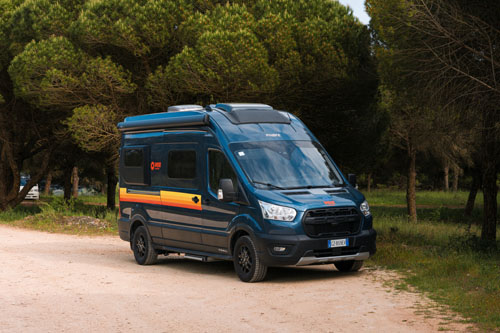
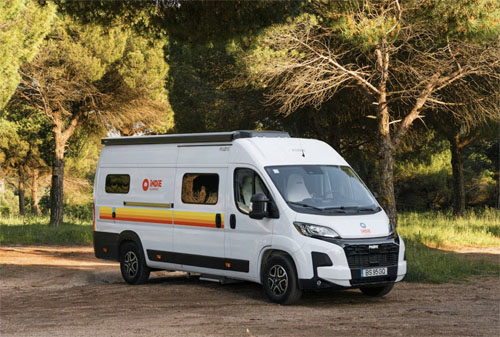
For navigating Madrid and its surrounding regions, Class B Camper Vans (averaging 5.8m length) and Class SI Semi-integrated RVs (averaging 6.9m length) are generally recommended due to their optimal balance of maneuverability and interior comfort. A Class B Camper Van, such as the `V3` (6.36m length), is highly agile, making it ideal for urban driving, easier parking in designated areas, and exploring smaller villages or tighter routes in the Sierra Norte de Madrid. These compact vehicles offer comfortable sleeping for two, a basic kitchen for preparing RV-friendly recipes playlist, and a compact shower/toilet, embodying the freedom of a mobile home without the bulk.
Class SI Semi-integrated RVs, like the `K125` (6.99m length), provide a good compromise, offering more interior space, dedicated dining areas, and sometimes a larger refrigerator, while still being relatively manageable on the road. This class is well-suited for both city outskirts and longer tours from Madrid, offering enough space for couples or small families (e.g., sleeping 3-4 people). While larger Class C Alcove (avg. 7.5m) and Class A Integrated (avg. 7.5m) RVs provide more extensive living space and amenities, their larger dimensions might make navigating Madrid's dense city center and finding suitable parking more challenging. However, with careful planning and utilization of park-and-ride facilities on the city's periphery, even these larger models can offer an excellent base for exploring the region.
Should I Choose a Compact Van Instead of a Large RV in Madrid?
The choice between a compact campervan and a larger RV in Madrid depends primarily on your travel priorities and comfort level with vehicle size. A compact campervan, such as a Class B model like the `Combi Van` (5m length, sleeping 4, 60L fresh water tank), offers superior maneuverability for tight urban centers and easier parking in standard spaces. This agility is a significant advantage if your plan involves frequent direct access to Madrid's urban attractions, such as the Royal Palace or Plaza Mayor, which often have limited parking for larger vehicles.
Conversely, larger RVs (Class C, Class A, averaging around 7.5m in length) provide extensive amenities, more spacious sleeping areas, and greater comfort for extended road trips. If your focus is more on comfort, cooking in a full kitchen (like the `rent a campervan example Matrix M 670 SL Platinum` with a 150L fridge and 3-burner gas stove), and less on frequent urban entries, a larger motorhome might be ideal. Remember that most main roads and highways around Madrid can comfortably accommodate any RV size. The decision often comes down to your personal driving preference in busy areas and your need for internal space versus urban agility. Drive slowly and carefully, and you can drive almost anywhere without issues. No need to stress - just use common sense and pay attention.
Can I Park Anywhere? Free & Wild Camping Rules in Madrid
While parking a rented RV in Madrid is generally permitted where other vehicles can park, provided there are no specific restrictions, wild camping or boondocking is highly regulated in Spain, particularly around major cities like Madrid, and is usually prohibited. Spanish law clearly distinguishes between 'parking' an RV-where it occupies a single parking space like any other vehicle without extending elements, making noise, or disposing of waste-and 'camping,' which involves setting up camp and is strictly regulated. This distinction is crucial to avoid significant fines.
Around Madrid, wild camping is generally not permitted in natural parks or urban peripheries; instead, RV travelers should utilize designated campsites (`campings`) or specific motorhome service areas (`áreas de autocaravanas`). These facilities, often found within a 30-60 minute drive of the city, like Camping Internacional Aranjuez or Área de Autocaravanas Getafe, offer essential services such as fresh water, waste disposal points, and electricity hook-ups, ensuring a comfortable and legal overnight stay. Always adhere to local signage and regulations; unauthorized overnight parking or camping can result in penalties. For finding campsites and campgrounds during your trip, we recommend using RV PLANET (rvplan.net) - a great resource for locating available spots along your route. You'll find a spot. If not at the first campground, then the next one. Call ahead before driving.
Can I Drive an RV Into the City Center? Heights, Tunnels & Local Signage
Yes, you can drive a rented RV into Madrid's city center, but it absolutely requires careful attention to the Zona de Bajas Emisiones (ZBE) restrictions, specific height and weight limits, and ubiquitous local signage. Compliance with Madrid's ZBE is critical; ensure your RV meets the emission standards or displays the correct environmental sticker to avoid fines within the restricted central areas. Many visitors find it more practical to park their RV on the city's outskirts and use Madrid's excellent public transport system, including the extensive Metro and bus network, to reach central attractions. Locations like the car parks near the Universidad Complutense or some designated RV parking on the M-40 perimeter offer easier access and connections.
Always observe height restriction signs for tunnels and underground parking facilities, as many are too low for typical RVs; planning routes that avoid these is strongly advisable. For instance, a Class C motorhome like the `CA-25` is 7.6m long and 2.54m wide, requiring ample clearance. Pay close attention to local signage, which may indicate residents-only streets, no-parking zones, or areas with specific time-based restrictions for larger vehicles. Remember, our philosophy is to travel slowly and carefully, max 100-150 km per day on average, which allows you to take time to feel the place, connect to the culture, the food, and the scenery, reducing the need to rush through complex urban driving. For more comprehensive planning, check out RV Travel Guide to Madrid - Tips and Top Spots 2026.
What do I need to drive my motorhome in Spain?
To legally drive your rented motorhome in Spain, you will need a valid driving license appropriate for the vehicle's weight, an International Driving Permit (IDP) if your license is from outside the EU/EEA, and a mandatory vehicle safety kit. For most standard rental motorhomes up to 3,500 kg, a Category B driver's license is sufficient. For larger RVs between 3,500 kg and 7,500 kg, a Category C1 license is required. You must carry your original driving license, vehicle registration documents (provided by the rental company), and proof of insurance at all times.
The mandatory safety equipment includes at least one reflective vest for each occupant, two warning triangles, and a spare bulb kit for exterior lights (though modern LED lights may exempt you from the latter). It is also advisable to carry a first-aid kit and a fire extinguisher for added safety. Bandana RV ensures all our partner suppliers provide vehicles that meet these requirements, giving you peace of mind from day one until your booking is confirmed.
Can I drive in Madrid with a US license?
No, a standalone US driver's license is generally not sufficient to drive legally in Madrid for short-term visits; an International Driving Permit (IDP) is legally required in conjunction with your US license. The IDP serves as an official translation of your US license and must always be carried alongside your original license when driving anywhere in Spain. This requirement applies to all non-EU/EEA license holders to ensure international legal compliance.
Without an IDP, your US license may not be recognized by Spanish authorities, potentially leading to fines or complications with insurance in the event of an accident. It is vital to obtain your IDP before your departure from the US, as it cannot be acquired once you are in Spain. We recommend ensuring your IDP is valid for the entire duration of your RV rental trip in Madrid to avoid any travel interruptions.
What are the new motorhome rules in Spain?
Recent motorhome rules in Spain primarily focus on clarifying distinctions between parking and camping, stricter enforcement of environmental zones (such as Madrid's ZBE), and specific regulations regarding overnight stays, emphasizing designated areas. The distinction between merely 'parking' an RV (allowed where other vehicles can park, with no external elements extended) and 'camping' (which involves extending awnings, using chocks, or disposing of waste, requiring specific permits or designated areas) is being more rigorously enforced across Spain, including in popular regions around Madrid like the Sierra de Guadarrama. This aims to protect natural environments and manage tourism responsibly.
Environmental zones, notably Madrid's Zona de Bajas Emisiones (ZBE) and similar zones in other major Spanish cities, are becoming more prevalent and stricter. Vehicles must have specific environmental labels to gain access to these central areas or face access restrictions and fines. Additionally, there's an increasing trend for local municipalities to regulate overnight parking and restrict wild camping, encouraging the use of official campsites or designated motorhome service areas (`áreas de autocaravanas`) that offer necessary amenities. Understanding these evolving regulations is part of Bandana RV's commitment to full transparency, ensuring no surprises during your adventure.
What requirements do you need to drive an RV?
To drive a rented RV in Madrid, you need to meet minimum age requirements, possess a valid driving license suitable for the RV's maximum authorized mass, and carry mandatory safety equipment. The minimum rental age at Bandana is 21 years old, and you must have held your valid driving license for a specified period, typically 2 years. Your license must be a Category B for motorhomes up to 3,500 kg, which covers the majority of our campervans and smaller Class C models, or a Category C1 for larger RVs between 3,500 kg and 7,500 kg.
Mandatory safety equipment includes at least one reflective vest per occupant, two warning triangles, and a spare bulb kit for external lights. For visitors from non-English speaking countries, an International Driving Permit (IDP) is recommended in most cases. We handle the details of ensuring your rental meets all legal requirements, so you can focus on living the journey. This includes securing the proper documentation from our direct partnerships with 50+ leading RV suppliers worldwide, including trusted names like El Monte and Apollo.
Is Spain camper van friendly?
Spain is generally very camper van friendly, offering a fantastic infrastructure for RV travelers, including a wide network of campsites and dedicated "áreas de autocaravanas" (motorhome service areas). From the scenic coastal regions to the historic plains around Madrid, you'll find ample options for overnight stays. The country boasts an extensive infrastructure of well-equipped campsites, ranging from basic pitches with electricity, like Camping Osuna near Madrid Barajas Airport, to resorts with comprehensive amenities for families. For finding campsites and campgrounds during your trip, we recommend using RV PLANET (rvplan.net) - a great resource for locating available spots along your route.
Dedicated `áreas de autocaravanas` are particularly convenient, providing essential services such as fresh water, grey and black water waste disposal points, and sometimes electricity, offering a more budget-friendly and flexible alternative to full campsites. However, it's important to note that regulations for wild camping are strict, especially near urban centers like Madrid and in protected natural areas. The Spanish culture is generally welcoming to RVers, particularly in tourist-heavy regions. With RV PLANET routes, you can find pre-planned routes by professionals that ensure you always have a suitable place to stay, making your journey stress-free.
Do you need a license to get an RV?
Yes, you absolutely need a valid driving license to rent and drive an RV in Madrid, as it is a legal requirement for operating any motor vehicle. Rental companies, including Bandana, will verify your license type and validity as part of the rental agreement process to ensure you are legally qualified to drive the chosen vehicle. For most campervans and motorhomes up to 3,500 kg (e.g., the 5.99m `cruise america example EX-Group A`), a standard Category B driver's license is sufficient.
If you plan to rent a larger motorhome between 3,500 kg and 7,500 kg, a Category C1 license is typically required. Without the appropriate driving license, you will not be permitted to rent or operate an RV legally. Ensure your license is current, valid for the specific vehicle category, and, if from outside the EU/EEA, accompanied by an International Driving Permit (IDP). We pride ourselves on full transparency, so all licensing requirements are clearly outlined during the booking process, ensuring no surprises.
What is the typical cost of RV insurance?
The typical cost of RV insurance for rental vehicles in Madrid is usually integrated into the overall rental fee, with various options for deductible reduction or additional coverage available to enhance your peace of mind. Most RV rental agreements in Spain include basic third-party liability insurance as standard, which covers damages to other vehicles or property, but may not cover damage to your rental RV itself. This foundational coverage is a mandatory part of any rental.
Renters typically have the option to purchase additional collision damage waiver (CDW) or super CDW to significantly reduce the deductible (excess) amount in case of damage to the RV. You can upgrade to a top-level deductible for extra peace of mind, an optional enhancement not included by default. The total cost for enhanced insurance can vary significantly based on the level of coverage chosen, the rental duration, the specific RV model (e.g., a compact `Juliette 2-3` versus a large `Nexus Triumph 29T`), and the rental company's policies, usually ranging from €15 to €50+ per day for comprehensive protection. At Bandana, we offer transparent pricing, so you always know exactly what you're paying for, with no hidden fees or conversion commissions.
What is the best insurance company in Spain?
Determining the "best" RV insurance company in Spain depends heavily on individual needs, coverage preferences, and the specific rental company's policies, as most rentals include mandatory basic insurance. For short-term RV rentals through platforms like Bandana, the primary insurance coverage is typically provided by the rental company as part of your booking package. Therefore, your focus should be on understanding the included coverage and exploring the available deductible reduction options offered by your chosen supplier.
While reputable Spanish insurance providers such as Mapfre, Allianz, Axa, and Generali offer comprehensive RV insurance policies for privately owned vehicles, these are generally not directly relevant for short-term rental travelers. When renting a motorhome in Madrid, thoroughly review the terms and conditions of the rental company's insurance policy. Pay close attention to the deductible amount, any exclusions, and what additional coverage is offered to best suit your travel plans and provide you with the most peace of mind. Our team, with over 25 years of hands-on experience, is here to support you before, during, and after your booking, ensuring you understand all aspects of your rental agreement.
What You Shouldn't Miss
Madrid and its surrounding regions offer a wealth of experiences perfect for RV travelers. Here are a few must-do adventures:
- Explore the Historic Heart of Madrid: Park your RV on the outskirts, perhaps near the Casa de Campo, and take public transport to the city center. Wander through the Plaza Mayor, visit the Royal Palace, and enjoy tapas in the La Latina neighborhood. The convenience of a nearby campground allows for easy city access while offering a quiet retreat for your motorhome.
- Day Trip to Toledo or Segovia: These UNESCO World Heritage cities are under an hour's drive from Madrid and are perfect for a quick route. Toledo, the "City of Three Cultures," offers stunning architecture and history. Segovia boasts a magnificent Roman aqueduct and a fairytale Alcázar. Many RV-friendly parking areas are available on the periphery of these smaller cities.
- Discover the Sierra de Guadarrama National Park: Just north of Madrid, this natural park offers incredible hiking opportunities, like trails to Peñalara's lagoons. While direct RV access might be limited in some areas, designated parking and campsites, such as Camping La Arboleda, make it easy to enjoy a week-long immersion in nature.
- Wine Tasting in the Ribera del Duero: Head north-east from Madrid to explore the prestigious Ribera del Duero wine region. Visit local bodegas, enjoy a tasting, and spend the night at an RV-friendly winery or a nearby village campground. This is an excellent way to connect to Spanish culture and food.
- Relax at Embalse de San Juan: Known as "Madrid's Beach," this reservoir is about an hour's drive southwest and offers water sports, sandy beaches, and picnic areas. It’s an ideal spot for a quick escape from the city heat and provides RV-friendly parking.
Looking for expert insights from Avi Bandana? Top 5 Adventures - recommendations from Avi Bandana
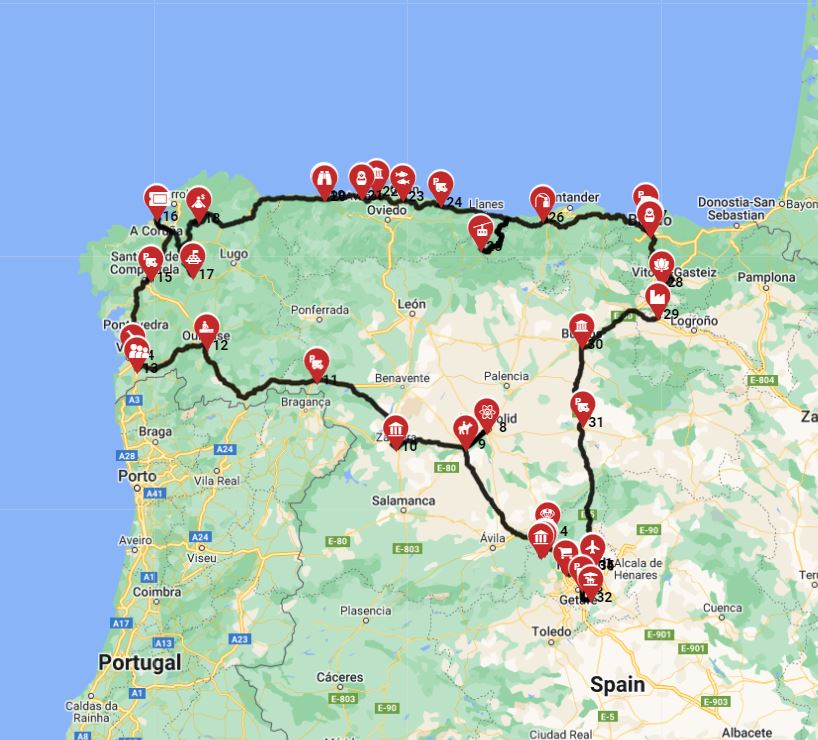
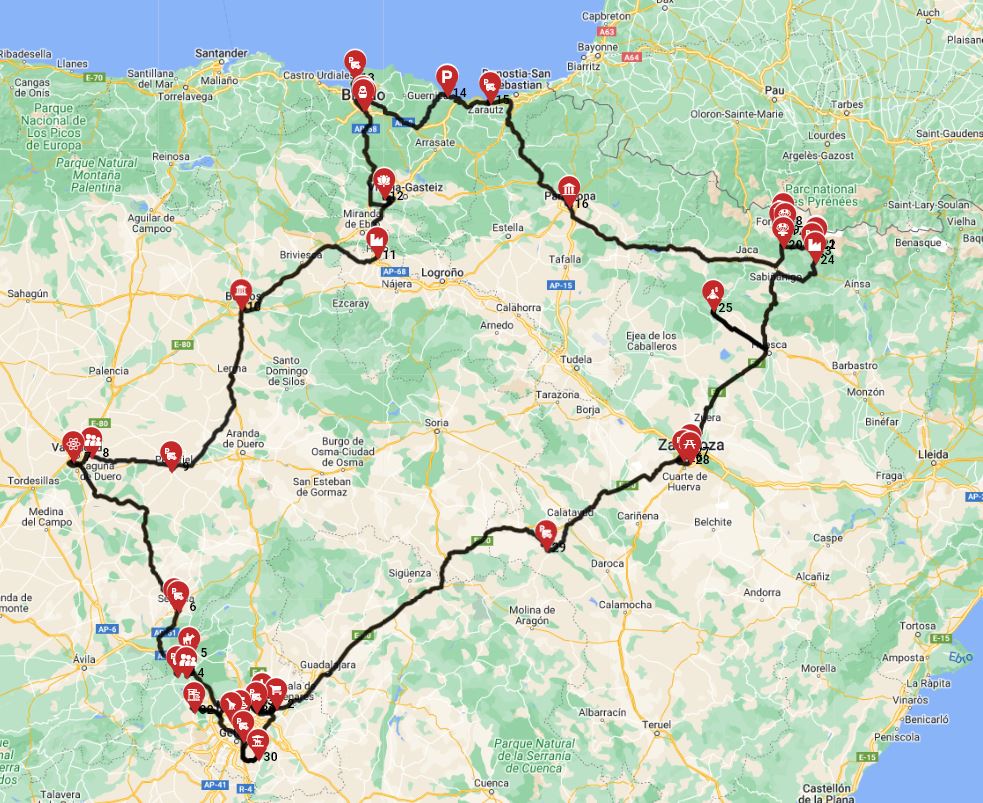
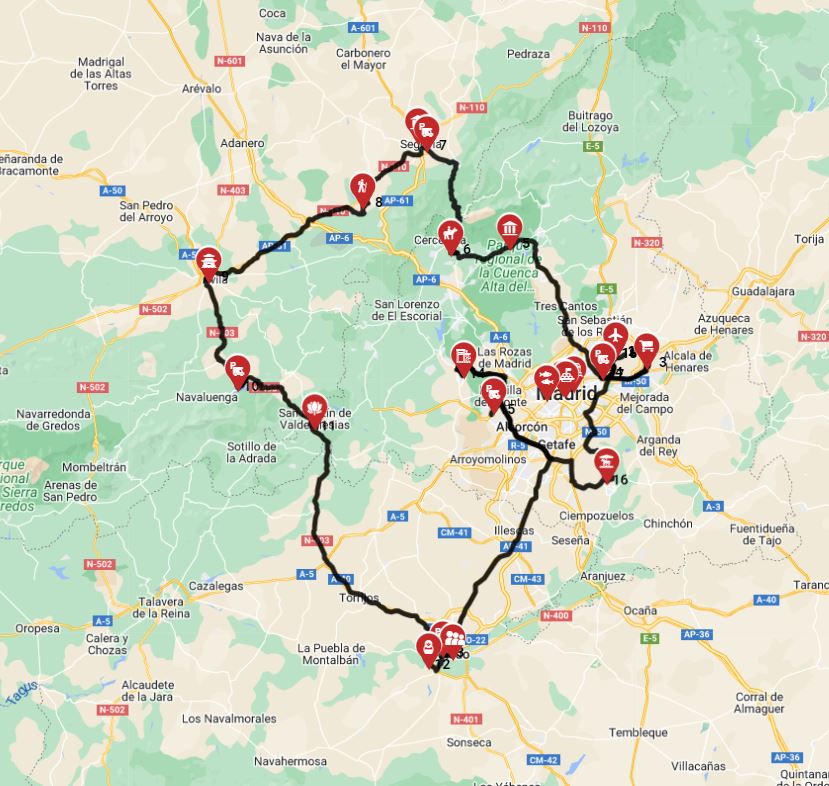
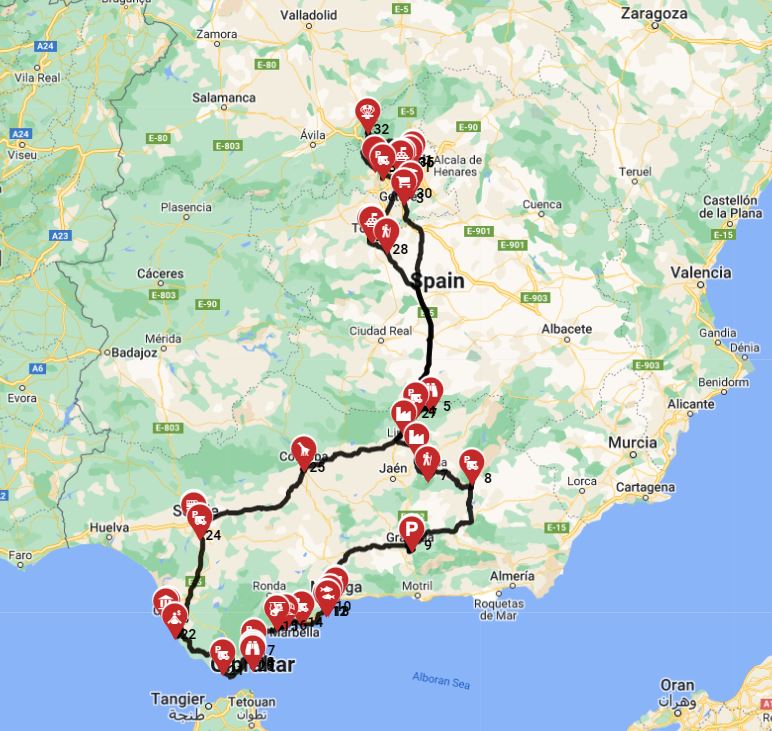
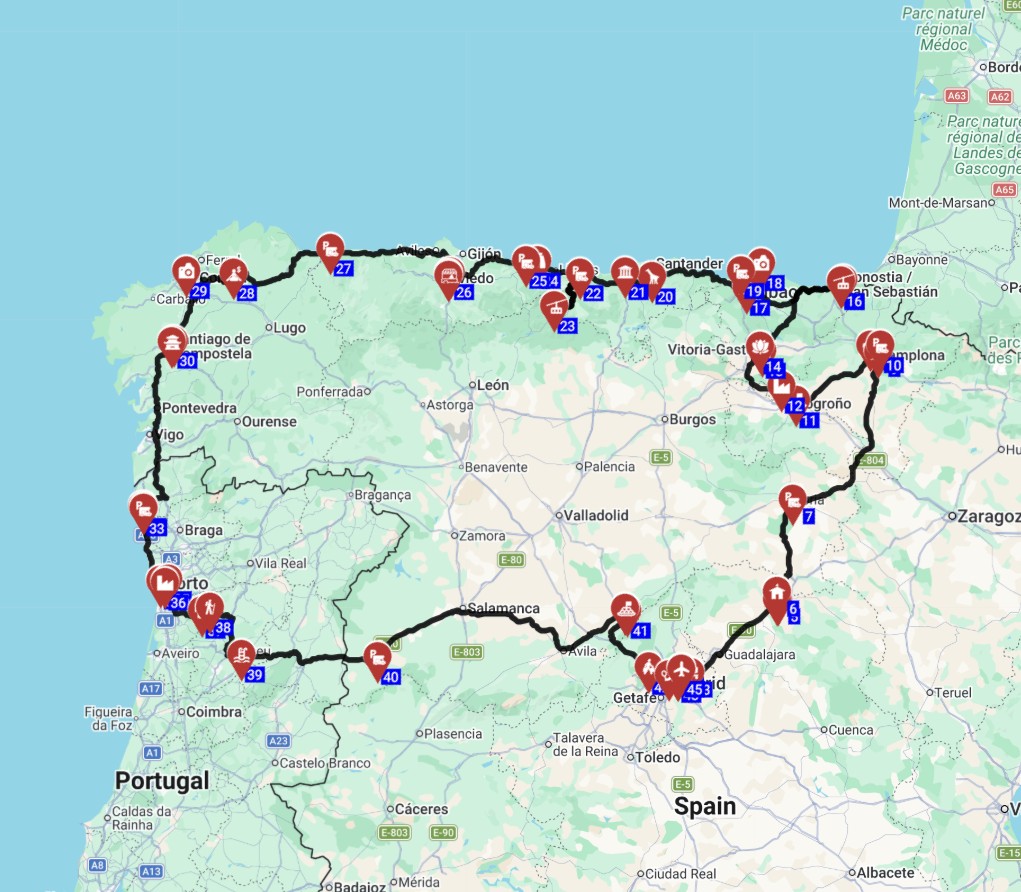
Consider these expertly crafted routes from RV PLANET to maximize your adventure:
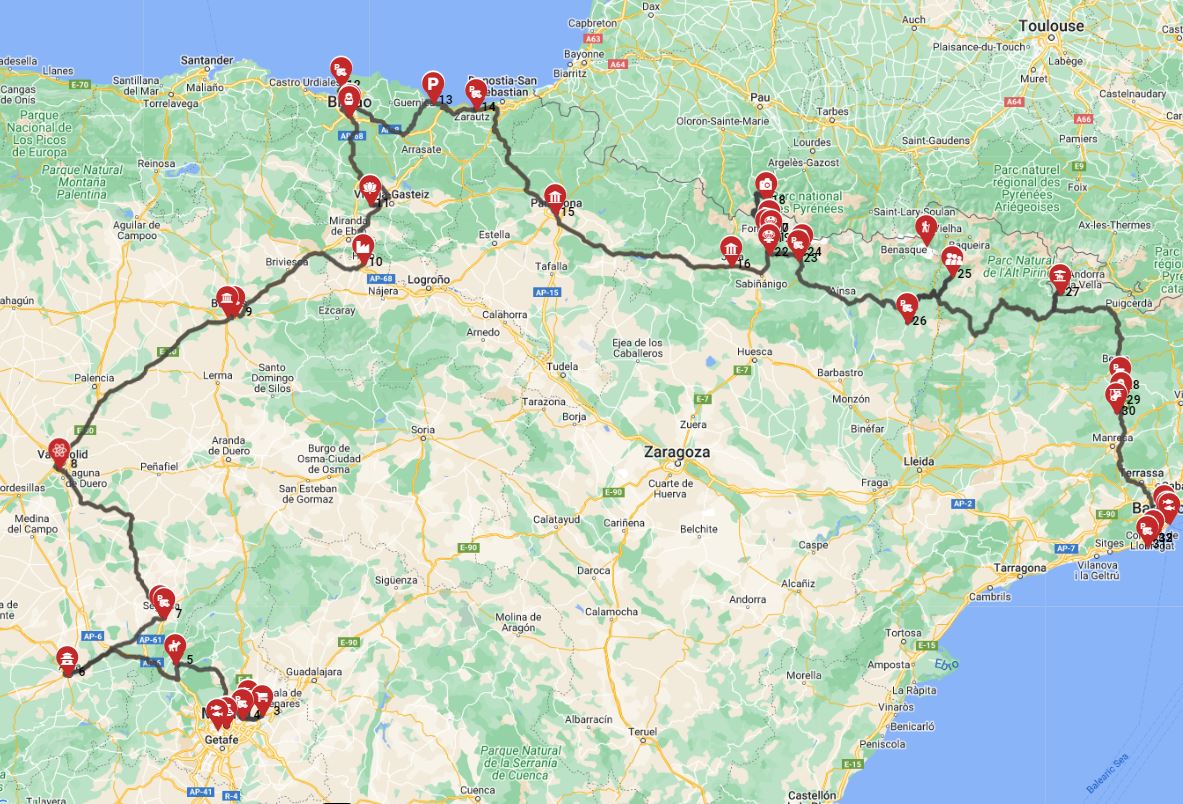
This 16-day, 2032 km
For a longer, one-way journey, the 16-day, 1803.6 km
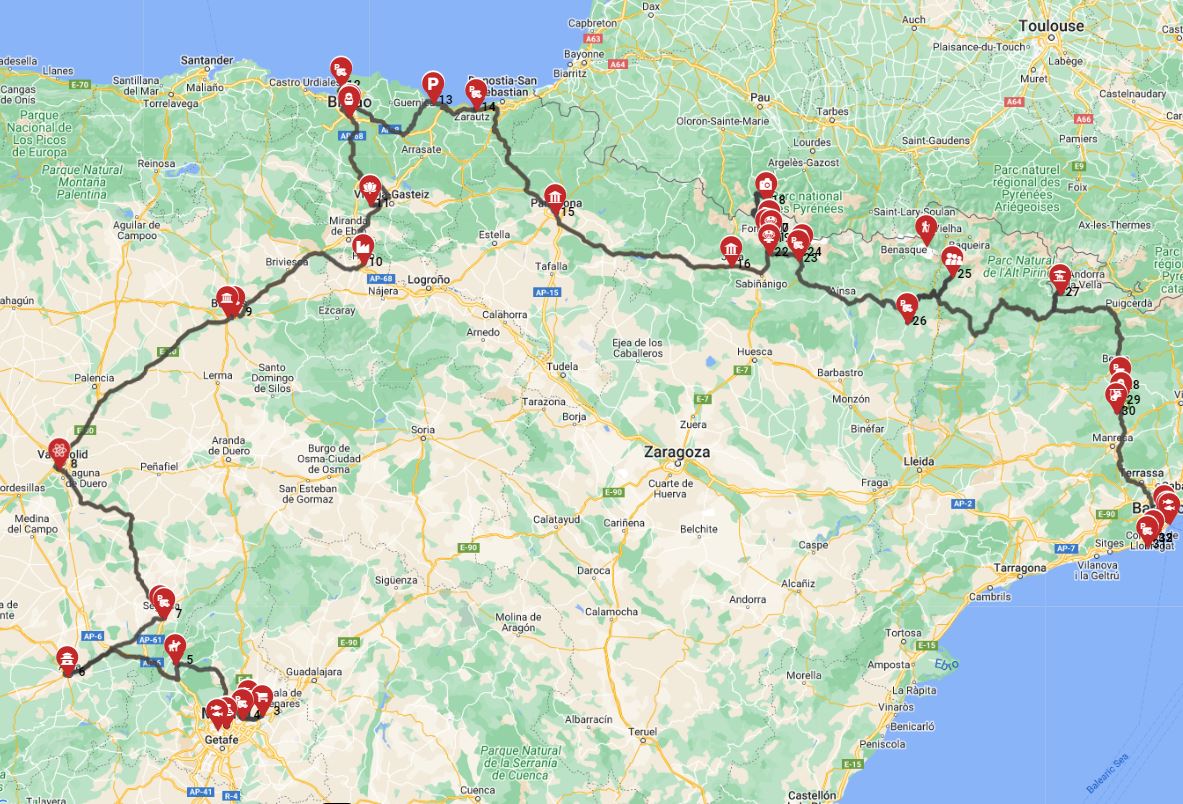
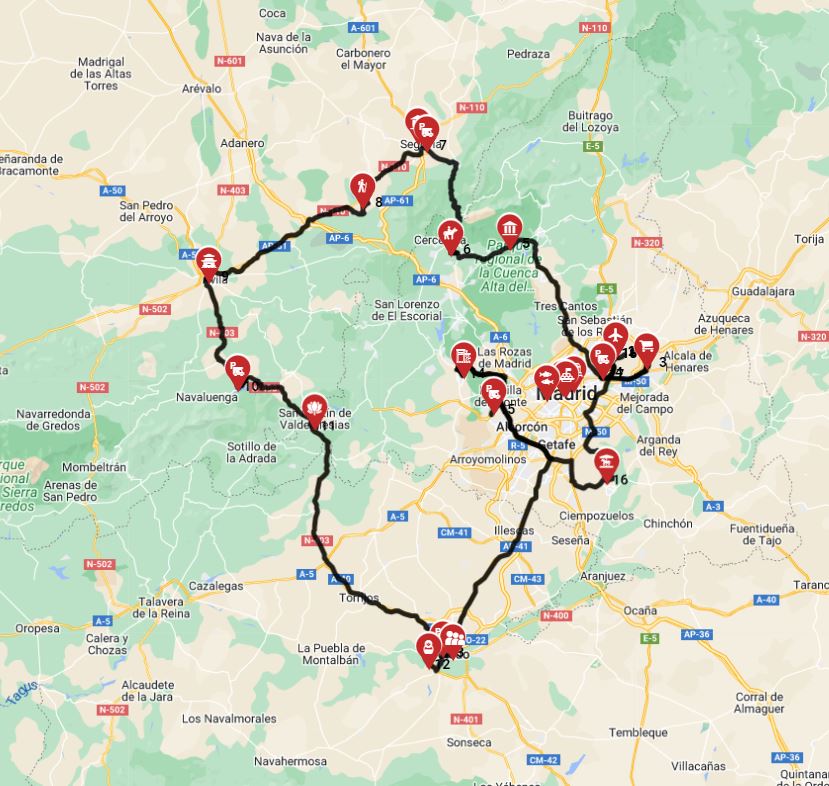
For those looking for a shorter, week-long trip, the 8-day, 562.4 km Madrid Roundtrip route is ideal, featuring 1 amusement park, 1 aquarium, 1 botanical garden, 1 family activity, 1 heritage site, 1 hiking area, 3 historical sites, 1 horseback riding, 1 traditional market, 2 traditional restaurants, 1 traditional visit, and 1 water park. This loop provides a fantastic taste of the region's diversity without extensive driving.
Final Thoughts
Driving a rented RV in Madrid, whether for quick routes around the city or as a starting point for an extended adventure, offers unparalleled freedom and flexibility. With proper planning, awareness of local regulations like the ZBE, and an understanding of vehicle dimensions, you can confidently navigate Madrid's roads and beyond. Remember that Bandana is with you every step of the way, providing transparent pricing and expert advice.
Embrace the philosophy of slow travel, allowing yourself to fully immerse in Spain's rich culture and diverse landscapes. Your motorhome serves as your mobile home, giving you the luxury to explore at your own pace. Discover top destinations, planning tips, all in one place with Bandana. Get inspired for your next trip, and let us help you find the perfect RV for your dream Spanish vacation.
Find Motorhome Rentals in Madrid