In This Guide
- Can You Drive an RV in Germany? License & Age Rules
- Road Conditions & Terrain in Germany
- RV Size Limits, Bridges & Restricted Zones
- Fuel: Diesel vs. Petrol & Cost per 100 km
- Tolls, Vignettes & Border Rules
- Driving Tips for Weekend RV Rental Travelers
- Recommended RV Class for Germany Roads
- Should I Choose a Compact Van Instead of a Large RV in Germany?
- Can I Park Anywhere? Free & Wild Camping Rules in Germany
- Can I Drive an RV Into the City Center? Heights, Tunnels & Local Signage
- How to Ensure Safety and Connectivity During Your Germany RV Trip?
- What are Stellplätze vs. Campingplätze for RVs in Germany?
- What are Key German RV Etiquette and Cultural Nuances to Know?
- Can You Travel with Pets in an RV in Germany?
- How to Practice Sustainable RVing in Germany?
- How to Experience Germany's Culinary Delights on an RV Trip?
- Where are the Best Places to Go for a Weekend RV Trip in Germany?
- How Much Does a Weekend RV Rental Trip in Germany Cost?
Can You Drive an RV in Germany? License & Age Rules
Most standard RVs, especially those under 3,500 kg Maximum Permissible Mass (MPM), can be driven in Germany with a regular B driving license. This category typically covers most campervans and smaller Class C motorhomes. For larger RVs, particularly those with an MPM between 3,500 kg and 7,500 kg, a C1 license is required. This is crucial for international drivers to verify their license validity for the specific RV class they intend to rent. The minimum driver age for most RV rentals in Germany is generally 21 years old. However, some rental providers may have a higher minimum age, such as 25, for larger or more powerful motorhome classes, and it's essential to check this requirement when booking. International travelers from non-EU countries will typically need a valid national driving license accompanied by an International Driving Permit (IDP) or a certified German translation of their license to be legally compliant on German roads. This ensures that authorities can easily understand the driver's qualifications.
Road Conditions & Terrain in Germany
Germany boasts an excellent and extensive road infrastructure, featuring high-quality Autobahns that allow for efficient travel between major cities. Beyond the Autobahns, the network includes well-maintained federal roads (Bundesstraßen) and regional routes that are also suitable for RV travel, often leading through picturesque countryside. The terrain in Germany varies significantly, offering diverse landscapes for RV exploration. The northern parts of the country are generally flatter, ideal for relaxed driving, while central Germany features rolling hills. In the south, you'll encounter more mountainous regions, such as the Bavarian Alps and the Black Forest, which offer stunning scenery but may present narrower, winding roads. While the Autobahns are designed for speed, we highly encourage you to explore the scenic routes that meander through smaller towns and rural areas. Driving slowly and carefully on these routes allows you to fully appreciate Germany's diverse landscapes, charming villages, and rich cultural tapestry.
RV Size Limits, Bridges & Restricted Zones
German roads are generally well-equipped to handle standard RV sizes, but drivers must always remain vigilant regarding height and width restrictions, particularly in older towns, tunnels, and under low bridges. These restrictions are clearly marked with maximum height allowances in meters. Many German cities enforce "Umweltzonen" (environmental zones), which require a "Feinstaubplakette" (emission sticker) to be displayed on the vehicle for entry, regardless of its size or weight. These stickers can usually be obtained in advance or at authorized inspection centers. While weight limits do exist for certain smaller bridges and specific roads, these are less likely to affect typical rental RVs that are usually under the 3.5-tonne threshold. Generally, there are no significant ferry limitations within Germany for standard RVs operating on internal waterways or island routes.
Fuel: Diesel vs. Petrol & Cost per 100 km
The vast majority of rental RVs in Germany, including those available through Bandana, operate on diesel fuel, which is readily available at service stations across the country. When considering fuel efficiency, a common benchmark is that a Class SI - Semi-integrated RV typically consumes between 10–11 liters per 100 km. For those opting for more compact options, Class B - Camper Vans are generally more fuel-efficient, using around 8-10 liters per 100 km. Larger Class C - Alcove models, which offer more living space, typically consume slightly more, around 10–12 liters per 100 km. The actual cost per 100 km will depend on current fuel prices. For example, at an approximate diesel price of €1.80 per liter, you can expect to pay roughly €14.40 to €21.60 per 100 km for common RV classes. Some rental providers may offer fuel discount cards, which can be a helpful way to manage your travel expenses.
Tolls, Vignettes & Border Rules
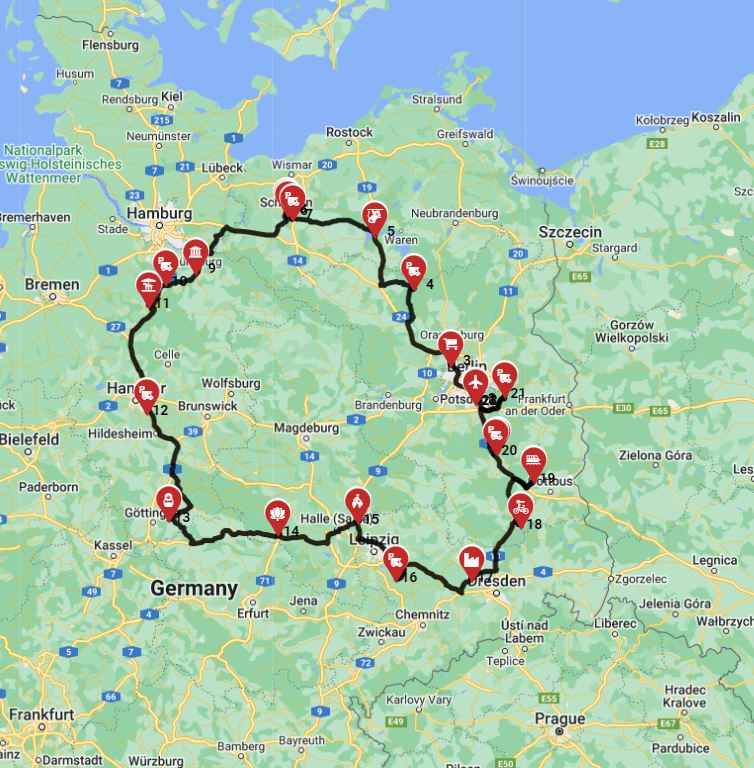
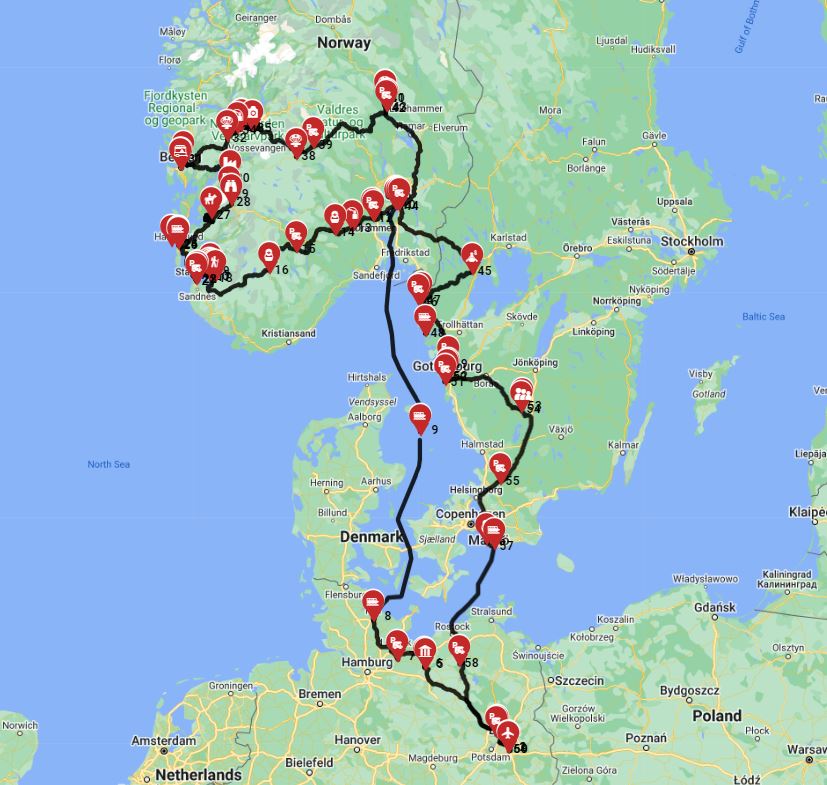
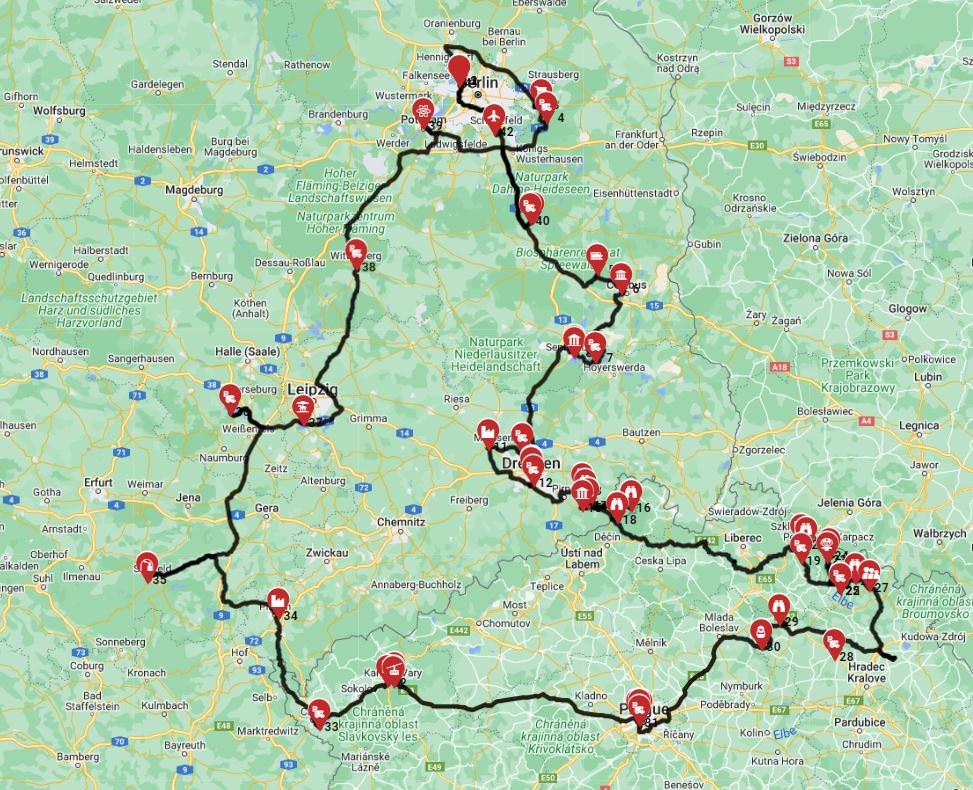
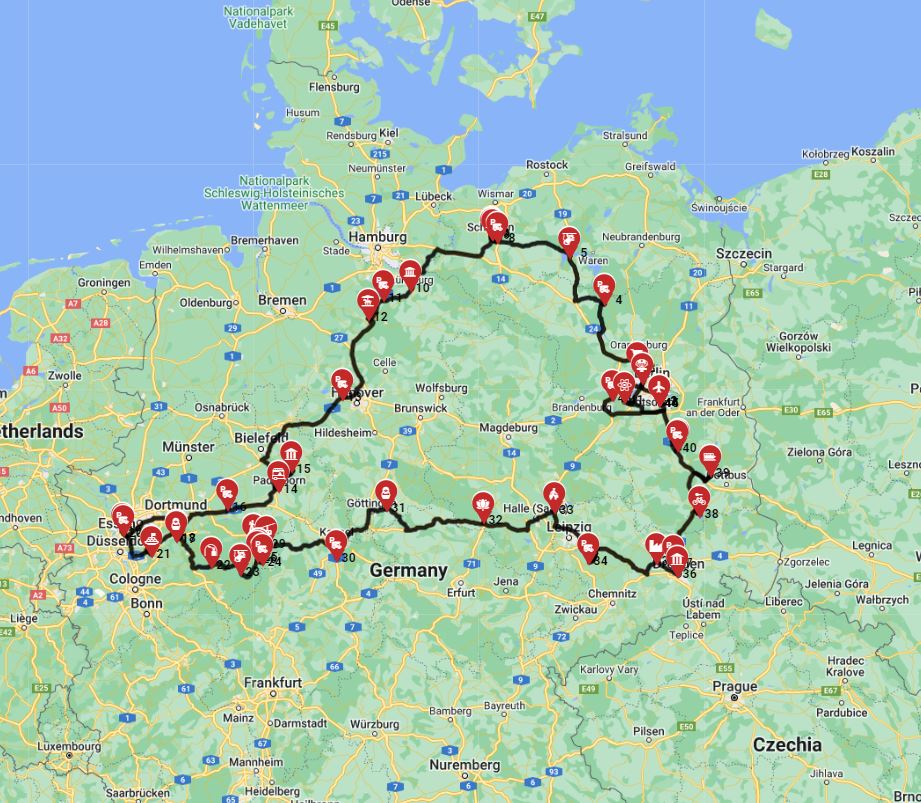
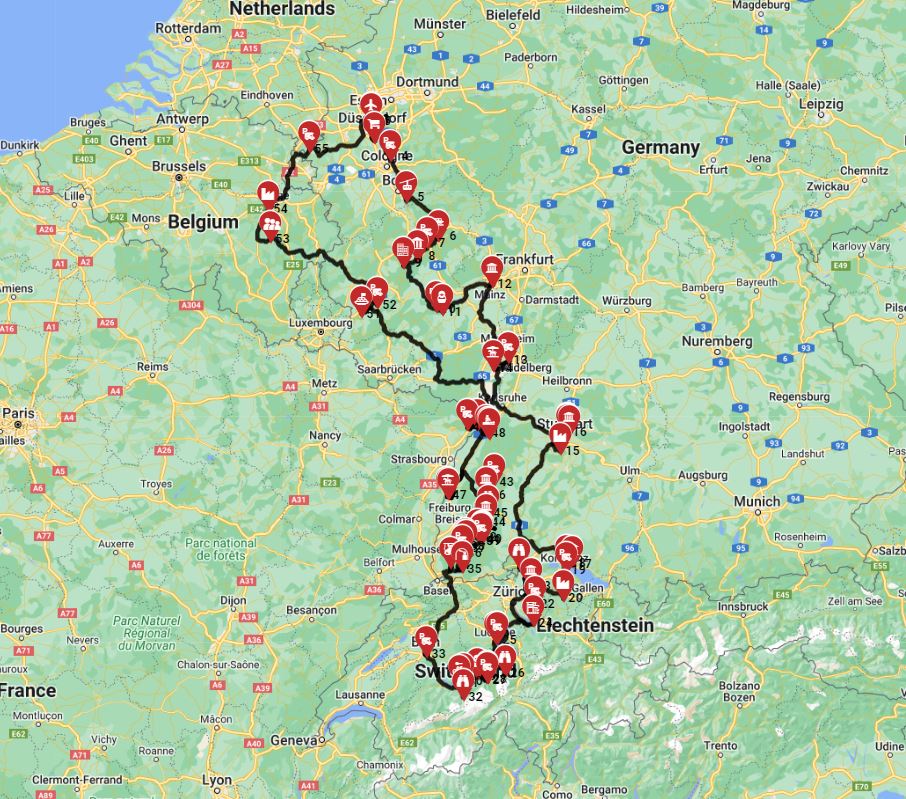
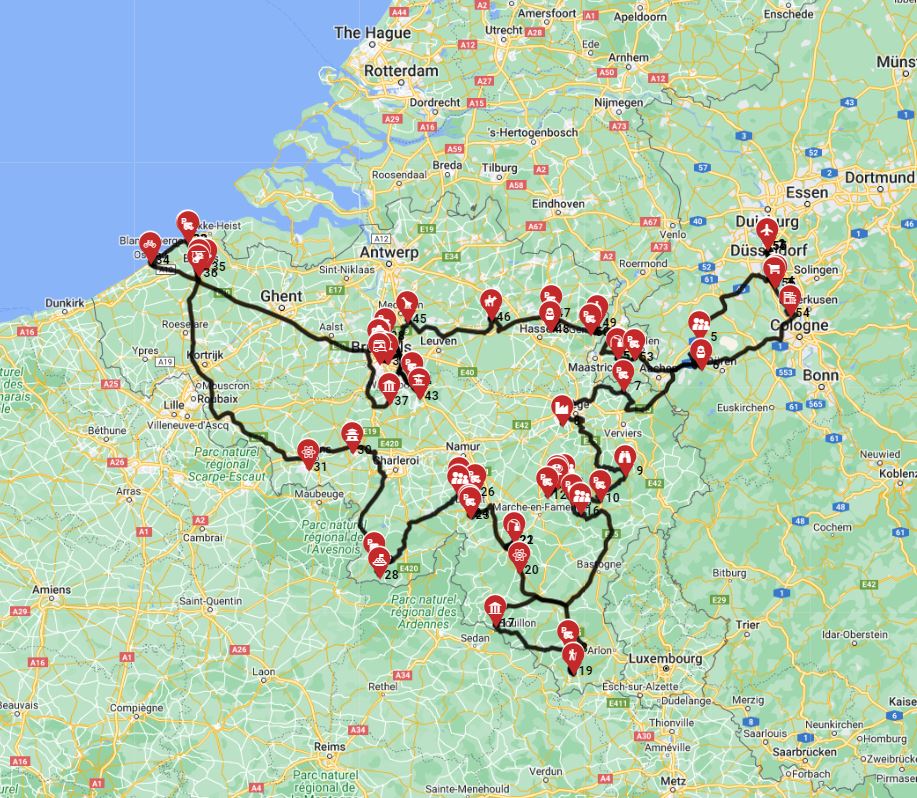
One of the significant advantages of RV travel in Germany is that the country generally does not impose tolls for passenger vehicles or RVs on its extensive Autobahn network, a stark contrast to many neighboring European countries. This policy makes cross-country travel particularly appealing and budget-friendly. However, it is essential to be aware of environmental stickers, known as "Umweltplakette," which are required for entry into designated "Umweltzonen" (environmental zones) within German cities. If your itinerary includes travel into neighboring countries like Austria or Switzerland, you will need to purchase country-specific vignettes or pay tolls for certain routes, which should be factored into your travel plans. Some rental providers may offer the option to pre-purchase these toll passes for nearby countries, helping you avoid potential fines and simplifying your border crossings. On the routes offered through RV PLANET routes, you can itemize and track every expense along the way for easy budgeting.
Driving Tips for Weekend RV Rental Travelers
When navigating Germany in a rented RV, always drive defensively and anticipate traffic, especially on busy Autobahns. Remember to keep to the right lane unless you are actively overtaking another vehicle. Familiarize yourself with German road signs; key ones to know include "Einbahnstraße" (one-way street) and speed limit signs, which may differ for vehicles over 3.5 tonnes if your rental falls into that category. It's wise to plan your routes using GPS systems with RV-specific settings that account for height and weight restrictions, potentially helping you avoid very narrow village centers or historical districts. For family trips, remember to plan frequent short breaks every 2-3 hours at designated rest stops or parks to allow everyone to stretch and refresh. If you're prioritizing a more relaxed driving experience, especially for shorter weekend trips where ease of use is paramount, consider opting for an RV equipped with an automatic transmission.
Recommended RV Class for Germany Roads
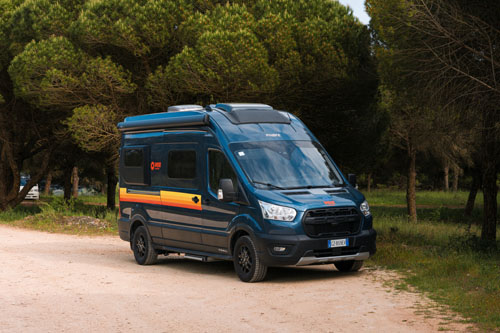
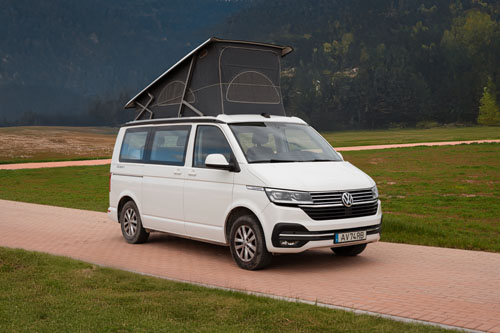
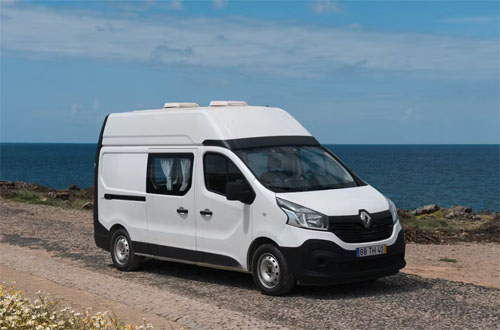
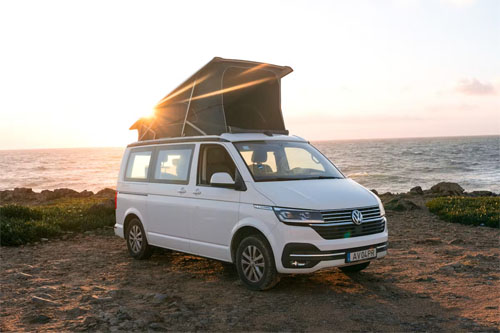
For a weekend RV rental adventure in Germany, **Class B - Camper Vans** and **Class SI - Semi-integrated** RVs are highly recommended. These classes offer an optimal balance of maneuverability, comfort, and suitability for the diverse German road conditions. Class B Camper Vans, which average around 5.8 meters in length across Bandana's global fleet data, provide excellent agility for navigating charming villages and the outskirts of urban areas. The Class SI Semi-integrated models, averaging approximately 6.9 meters in length, provide more comfortable living space and amenities while remaining quite manageable on federal and regional roads. Both these classes offer a good compromise between the interior space needed for a comfortable weekend trip and external dimensions that are well-suited to Germany's well-developed infrastructure.
Should I Choose a Compact Van Instead of a Large RV in Germany?
While Germany's excellent road network can comfortably accommodate various RV sizes, choosing a compact van, like a Class B Camper Van, genuinely helps when your travel plans include exploring tight historic town centers or navigating narrow mountain passes. These compact vans offer superior maneuverability and make parking in urban areas significantly easier, making them an ideal choice for shorter weekend trips that might focus on cities or specific scenic routes with limited space. However, many travelers find that on-board comfort, including sufficient space for cooking, dining, and relaxation, often matters more than ultimate maneuverability, even for a weekend trip. If you prioritize on-board comfort and don't anticipate extensive city driving, larger RVs such as Semi-integrated or Alcove models might offer a better trade-off, providing more amenities, storage, and living area. For ideas you can prep on the road, watch our RV-friendly recipes playlist on YouTube.
Can I Park Anywhere? Free & Wild Camping Rules in Germany
Wild camping, or "free camping," which involves setting up a full campsite outside of designated areas, is generally prohibited throughout Germany. The rules are quite strict to preserve the natural environment and ensure peaceful coexistence. However, overnight parking solely for the purpose of restoring driving fitness ("parken zur Wiederherstellung der Fahrtüchtigkeit") is often tolerated for a single night in public parking lots or designated areas, provided no camping behavior, such as deploying awnings or setting out chairs, is exhibited. The best and most recommended legal options for overnight stays are "Stellplätze" (dedicated motorhome parking spots) and "Campingplätze" (traditional campsites). These locations offer designated spaces and often essential amenities. It's important to note that rules for overnight parking and wild camping can vary by region within Germany, so it's always advisable to check local regulations and signage before parking overnight.
Can I Drive an RV Into the City Center? Heights, Tunnels & Local Signage
Yes, you can almost always drive an RV into German city centers, but it requires careful attention to local signage due to potential height limits, narrow streets, and environmental zones. It's essential to be aware of and adhere to signs indicating height restrictions, which are common around underpasses, historic archways, and in older city sections. Many city centers are designated "Umweltzonen" (environmental zones), which, as mentioned, require an appropriate "Feinstaubplakette" (emission sticker) for entry. Always watch out for directional signs like "Einbahnstraße" (one-way street) and be mindful of street names that might indicate areas not ideal for larger vehicles, such as those ending in "weg" (path) or "gasse" (alley). While access is generally possible, finding suitable parking for larger RVs in central areas can indeed be challenging.
How to Ensure Safety and Connectivity During Your Germany RV Trip?
For immediate emergencies in Germany, dialing the pan-European emergency number 112 is your best course of action; it connects directly to police, fire, and ambulance services across the country. It's crucial to ensure you have reliable breakdown assistance, either through your rental provider or a reputable service like ADAC (Germany's largest automobile club), for any roadside emergencies. Always carry a well-stocked first-aid kit and consider travel insurance that specifically covers RV-related incidents. To stay connected and navigate effectively, using a local SIM card or eSIM for mobile data is highly recommended, as it's essential for GPS navigation, communication, and accessing online resources. You can also utilize public Wi-Fi hotspots commonly found at campsites, cafés, or tourist information centers, and it's always a good idea to carry a power bank for charging your devices on the go.
What are Stellplätze vs. Campingplätze for RVs in Germany?
Germany offers a unique system for RV travelers with its "Stellplätze" and "Campingplätze." Stellplätze are dedicated motorhome parking spots, often found in towns, at scenic locations, or near attractions, providing a convenient and frequently more affordable overnight option. Typically, Stellplätze are cheaper (sometimes even free) than traditional campsites and offer basic amenities like fresh water, waste disposal points, and occasionally electricity hookups. However, they generally do not permit full "camping behavior," such as deploying awnings or setting out outdoor furniture. Campingplätze, on the other hand, are full-service campgrounds that provide extensive amenities, including showers, toilets, laundromats, shops, and recreational facilities, catering to families and those seeking a more traditional camping experience. Campingplätze are usually more expensive and often require advance booking, but they allow for full "camping behavior" on your designated pitch.
What are Key German RV Etiquette and Cultural Nuances to Know?
When RVing in Germany, understanding local etiquette is key to a smooth and respectful trip. Punctuality and order are highly valued; therefore, adhere strictly to arrival and departure times at campsites and Stellplätze. Respecting designated quiet hours, known as "Mittagsruhe" (midday rest) and typically observed from 1 PM to 3 PM, in addition to nighttime quiet hours (usually 10 PM to 7 AM), is crucial for ensuring a peaceful environment for all campers. Practice diligent waste separation, utilizing the clearly marked recycling bins for different materials that are standard at most sites. Maintain proper lane discipline on the Autobahn by keeping to the right lane unless actively overtaking. A simple "Guten Tag" (good day) or "Hallo" (hello) when interacting with locals is always appreciated and demonstrates respect for local customs.
Can You Travel with Pets in an RV in Germany?
Yes, traveling with pets in an RV in Germany is generally permitted, provided you comply with specific regulations concerning pet identification, vaccinations, and movement. All pets, especially dogs and cats, must possess a valid EU Pet Passport, be microchipped, and be up-to-date on their rabies vaccinations at least 21 days prior to travel. It's also important to adhere to local leash laws, which are common in many public areas, and to always responsibly dispose of pet waste. Research in advance is recommended, as some campsites or Stellplätze may have specific restrictions on pets or charge additional fees. Never leave pets unattended in the RV for extended periods, particularly in warm weather, and always ensure they have adequate ventilation and access to fresh water.
How to Practice Sustainable RVing in Germany?
Practicing sustainable RVing in Germany aligns with the country's strong environmental consciousness. Start with diligent waste separation and recycling, as Germany has an excellent recycling infrastructure, so be sure to use the designated bins at campsites and public recycling points. Minimize your water and energy consumption within the RV by being mindful of freshwater refills and greywater disposal, and by turning off lights and appliances when not in use. Support local communities by purchasing groceries from local "Bauernmärkte" (farmers' markets) or small shops, and consider dining at traditional regional restaurants to taste authentic cuisine. When exploring natural areas, always stay on marked paths when hiking or cycling to avoid disturbing wildlife or damaging natural habitats. Furthermore, reduce noise pollution, especially during quiet hours at campsites, to ensure a peaceful environment for fellow campers and local residents.
How to Experience Germany's Culinary Delights on an RV Trip?
Embarking on an RV trip through Germany offers a fantastic opportunity to explore its rich culinary landscape. Embrace the local markets by visiting "Bauernmärkte" (farmers' markets) or "Wochenmärkte" (weekly markets) in towns and villages to source fresh, regional ingredients that you can then prepare in your RV's kitchen. For authentic dining experiences, seek out traditional "Gasthäuser" (guesthouses/restaurants) to sample regional specialties like Bavarian "Weißwurst," Black Forest "Schwarzwälder Kirschtorte," or hearty "Sauerbraten." Germany is also renowned for its beer culture; explore this by visiting local breweries or "Biergärten" (beer gardens), especially in Bavaria, or discover exceptional Riesling wines in regions like the Mosel and Rhine valleys. Utilizing your RV's kitchen to prepare meals with these local produce discoveries not only enhances the cost-effectiveness of your trip but also adds an authentic layer to your culinary journey. Don't miss regional food festivals ("Volksfeste") or wine festivals, particularly during the summer and autumn months, for truly immersive culinary experiences.
Where are the Best Places to Go for a Weekend RV Trip in Germany?
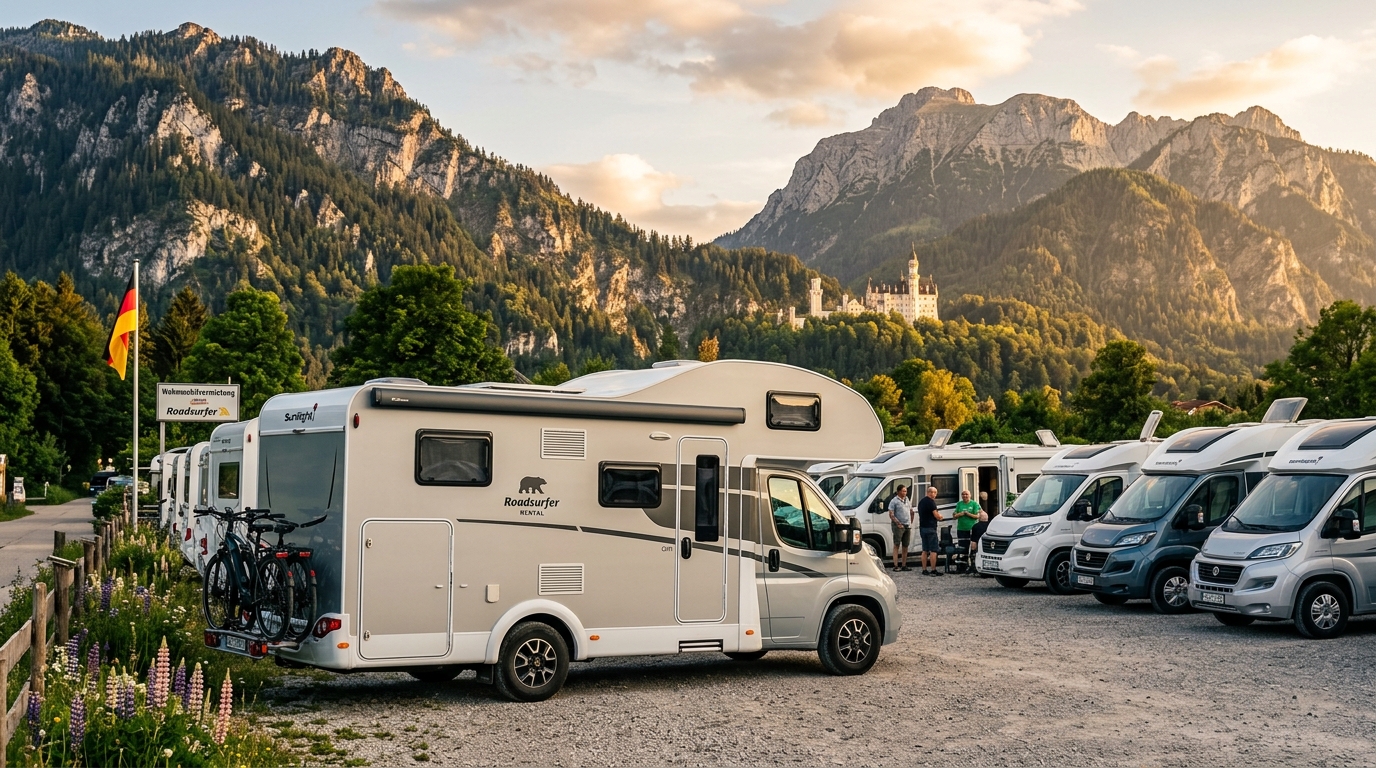
For a classic German RV experience, consider exploring the **Romantic Road (Romantische Straße)** in Bavaria, a picturesque route linking charming medieval towns like Rothenburg ob der Tauber and Füssen, which is near the iconic Neuschwanstein Castle. Alternatively, the **Mosel Valley** offers stunning terraced vineyards, captivating riverside villages, and numerous opportunities for wine tasting. For nature enthusiasts, the **Black Forest (Schwarzwald)** in Baden-Württemberg is ideal, offering scenic drives, ample hiking trails, and the chance to visit traditional cuckoo clock villages. For those seeking off-the-beaten-path experiences, explore the **Harz Mountains** for their historical towns, dense forests, and traditional steam train rides, or head to the **Baltic Sea Coast** for beautiful beaches and islands like Rügen. A great tip for truly local experiences is to seek out smaller towns and regions where you can discover local festivals, unique markets, and authentic cultural interactions away from the major tourist crowds.
How Much Does a Weekend RV Rental Trip in Germany Cost?
The total cost of a weekend RV rental trip in Germany is influenced by several factors, including the base rental fee, fuel expenses, camping or Stellplatz fees, food costs, and any potential attraction entries or local tolls. Rental fees for an RV can typically range from approximately €80 to €200+ per night, depending heavily on the RV class, the season of your travel, and the duration of your rental. Fuel costs, primarily for diesel, can add a significant amount, potentially ranging from €15-€25 per 100 km, based on current prices and the average consumption rates of typical RVs. Overnight stays can vary greatly, from free tolerated parking spots to €0-€20 for Stellplätze and €20-€50+ for full-service Campingplätze per night. It's also wise to budget for groceries, which might be around €20-€40 per day for self-catering, versus dining out, which can easily be €15-€30 per person per meal, and be sure to allocate funds for environmental stickers or any specific attraction entry fees you plan to experience.
What You Shouldn't Miss
- Drive a section of the **Romantic Road** in Bavaria, stopping in towns like Rothenburg ob der Tauber for a step back in time.
- Explore the vineyards and charming villages along the **Mosel Valley**, perhaps stopping for a wine tasting.
- Experience the natural beauty of the **Black Forest**, enjoying scenic drives and hiking trails through its dense, verdant forests.
- Visit a traditional **Bavarian Biergarten** for authentic food, local beer, and the chance to experience genuine German hospitality – many even welcome overnight RV parking.
- Discover the unique "Stellplatz" culture by finding a spot at a vineyard or farm, often allowing overnight stays in exchange for purchasing local produce or a meal.
- Take advantage of Germany's extensive network of lakes by finding an RV campsite or Stellplatz offering beautiful waterside views and relaxation.
Final Thoughts
Renting an RV for a weekend trip in Germany opens up a world of possibilities for exploration and adventure. From the historic charm of medieval towns to the breathtaking natural beauty of the Black Forest, a motorhome provides the freedom and flexibility to create your own unforgettable journey. By understanding the road rules, planning your routes, and embracing the local culture, you're set for an incredible experience. Remember, the joy of RV travel is in the journey itself, allowing you to discover hidden gems and create lasting memories at your own pace.
We hope this guide has inspired you to consider Germany for your next RV adventure. With Bandana Caravan, you can easily compare options and book the perfect vehicle for your needs, ensuring a transparent and hassle-free experience. For finding ideal campsites and campgrounds along your route, remember to check out RV PLANET (rvplan.net) – a fantastic resource for locating available spots that perfectly complement your itinerary.