For live availability and current prices, start with our RV Rental France - Complete Guide 2026 guide.
In This Guide
- Can You Drive an RV in France? License & Age Rules
- Road Conditions & Terrain in France
- RV Size Limits, Bridges & Restricted Zones
- Fuel: Diesel vs. Petrol & Cost per 100 km
- Tolls, Vignettes & Border Rules
- Driving Tips for Weekend RV Rental Travelers
- Recommended RV Class for France Roads
- Should I Choose a Compact Van Instead of a Large RV in France?
- Can I Park Anywhere? Free & Wild Camping Rules in France
- Can I Drive an RV Into the City Center? Heights, Tunnels & Local Signage
- What do I need to rent an RV in France?
- How much does it cost to rent an RV in France for a weekend?
- What are the best places to visit in France for a weekend RV trip?
- What are the rules for motorhomes in France?
- Can you just park up anywhere in France in a motorhome?
- What side of the road do they drive on in France?
- Do you need an international driving permit for France?
- How much does it cost to fuel an RV in France?
- Where can I empty my grey water in France?
- What are the speed limits for RVs in France?
- What are 'aires' in France?
- What is the best month to RV in France?
- What apps are useful for RV travel in France?
- How do I prepare for emergencies during an RV trip in France?
- Are there pet-friendly RV options and rules in France?
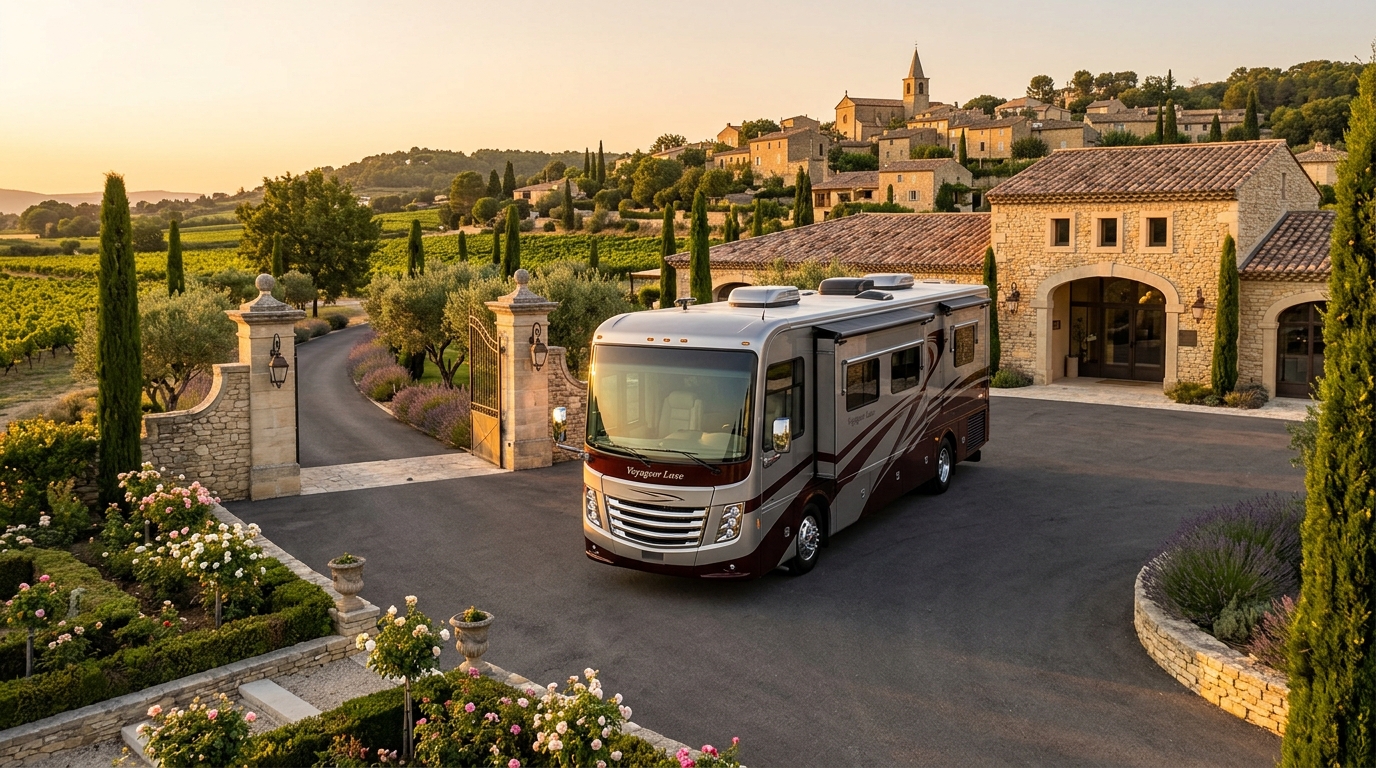
Imagine yourself cruising along sun-drenched French country roads, a gentle breeze wafting through your window, the aroma of fresh bread and blooming lavender in the air. A weekend RV rental in France offers an unparalleled sense of freedom, allowing you to discover hidden gems and iconic sights at your own pace. Whether you're dreaming of a quick escape to the vineyards of Burgundy or a coastal jaunt to Normandy, France is perfectly set up for an unforgettable motorhome adventure.
Here at Bandana, we're dedicated to helping you plan the easiest, safest, and most affordable way to rent an RV. We compare final prices across 50+ suppliers, ensuring you have full transparency and no hidden fees. For live availability and current prices, start with our RV Rental France - Complete Guide 2024.
Can You Drive an RV in France? License & Age Rules
Yes, you can absolutely drive an RV in France, and it's a fantastic way to explore the country. Drivers typically need a standard B category license for RVs up to 3,500 kg, which includes most Class B campervans and Class SI (Semi-integrated) motorhomes commonly rented in France. For larger RVs exceeding 3,500 kg, a C1 license or equivalent may be required, though most rental fleet motorhomes fall under the standard B license category. The minimum driver age for RV rental in France is typically 21 years old across most of our suppliers, and there are no young driver surcharges or vehicle class restrictions based on age. Some rental companies may require drivers to have held their license for at least 2-3 years, a detail we make fully transparent during the booking process.
Road Conditions & Terrain in France
France boasts excellent road infrastructure that is generally suitable for motorhome travel, ensuring smooth journeys whether you’re on a week-long trip or an extended adventure. The country's network includes well-maintained autoroutes (motorways), national roads (N-roads), and scenic departmental routes (D-roads). While autoroutes offer swift passage between major cities like Paris and Marseille, many RV travelers, especially those on a weekend RV trip, prefer the smaller departmental roads for their scenic beauty and access to charming villages, allowing you to truly travel slowly, averaging 100-150 km per day. Terrain varies significantly across France, from the flat plains of the Loire Valley and coastal regions to the rolling hills of Burgundy and the challenging, winding mountain passes in the Alps and Pyrenees. Driving in mountainous areas requires careful attention and lower speeds, but is perfectly manageable with a rented RV.
RV Size Limits, Bridges & Restricted Zones
While France generally accommodates various RV sizes, drivers must be aware of specific restrictions to ensure a smooth journey. Height restrictions are important, especially under bridges, through tunnels, and at entrances to historic cities, with typical clearances indicated by clear signage. Width limits can also be a factor on narrower rural roads or in older village centers, but driving slowly and carefully allows you to navigate almost anywhere without issues; no need to stress, just use common sense and pay attention. Additionally, many urban centers in France, including Paris, have introduced Crit'Air environmental zones (Zones à Faibles Émissions or ZFEs). These zones restrict access for older, higher-emission vehicles, so ensure your rental RV is compliant by checking if it has the correct Crit'Air sticker or plan routes to park outside these areas and use public transport for city exploration.
Fuel: Diesel vs. Petrol & Cost per 100 km
Most RVs in Bandana's extensive global fleet, including Class SI (Semi-integrated) and Class C (Alcove) models commonly rented for France, run on diesel fuel (Gazole or Diesel), which is widely available at service stations across the country. Based on Bandana's global fleet averages, a Class SI RV typically consumes 10-11 Liters per 100 km, while a Class C Alcove RV averages 10-12 Liters per 100 km. As of 2024, the average cost for diesel in France can fluctuate, but budgeting €1.80-€2.00 per liter is a reasonable estimate, resulting in a fuel cost of approximately €18-€24 per 100 km for typical RVs. When planning your route, especially for a weekend RV rental in France, knowing these figures helps in accurately calculating your total trip costs. Remember that on RV PLANET routes, you can itemize and track every expense for easy budgeting. On the routes offered through RV PLANET routes, you can itemize and track every expense along the way for easy budgeting.
Tolls, Vignettes & Border Rules
France primarily uses a toll system (péage) on its autoroutes, collected either manually, by credit card, or via automated electronic toll tags (e.g., Liber-t badge), rather than a vignette system like some other European countries. Toll costs can add up quickly, especially on longer journeys; for a weekend RV rental, planning routes using national roads (N-roads) can help you avoid or minimize tolls, though your travel time will increase. For seamless travel, some Bandana partner RVs offer the option to pre-purchase toll passes, which can save time at toll booths and prevent potential fines for non-payment. When traveling across European borders with your rented motorhome, generally no specific border rules beyond standard passport control apply within the Schengen Area, making it easy to combine your France adventure with a broader exploration, perhaps following a "RV Rental Europe - Complete Guide 2024". Always keep your vehicle documents, including rental agreement and insurance, readily accessible.
Driving Tips for Weekend RV Rental Travelers
Driving a rented RV in France for a weekend trip is an enjoyable experience, especially when you follow a few practical tips to make your journey even smoother. First, plan scenic routes: for a truly immersive weekend RV trip, prioritize smaller departmental roads (D-roads) over faster autoroutes to fully experience France's picturesque landscapes and charming villages. This allows you to truly travel slowly, taking time to feel the place, connect to the culture, the food, and the scenery. Second, take regular breaks, especially if traveling with family; plan stops every 2-3 hours at dedicated aires de repos (rest stops) or scenic viewpoints to refresh, stretch, and savor the journey. Third, budget consciously: pre-paying tolls via an electronic badge or opting for toll-free routes can significantly reduce costs, freeing up your budget for local markets and unique French experiences. It's also wise to familiarize yourself with your rental vehicle; take a short practice drive to get accustomed to its size and handling before embarking on longer routes. Finally, respect local etiquette by driving courteously, allowing faster vehicles to pass on narrow roads, and being mindful of pedestrians and cyclists in villages and on country lanes.
Recommended RV Class for France Roads
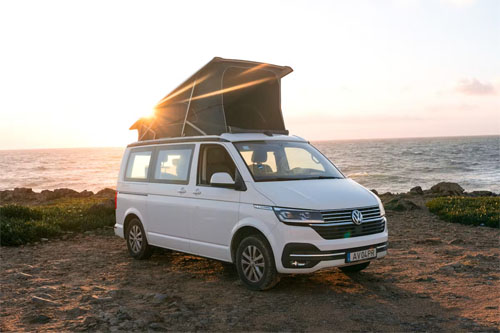
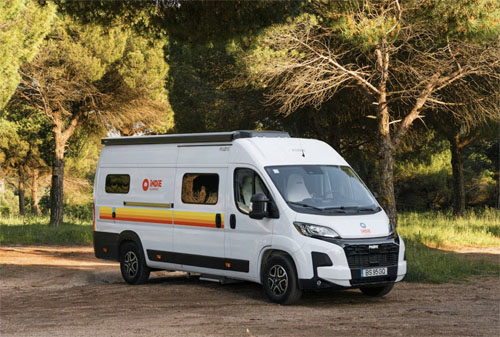
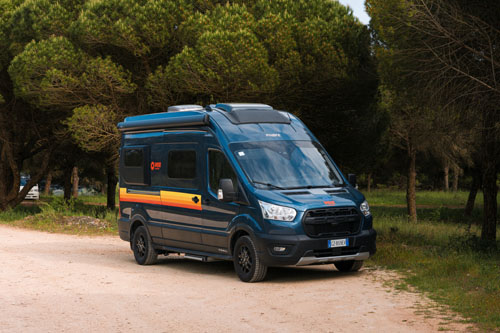
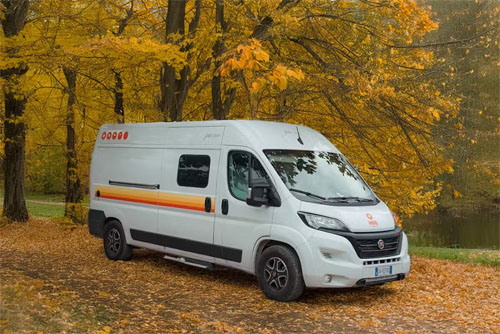
For most weekend RV adventures in France, a Class SI (Semi-integrated) motorhome or a Class B (Campervan) is highly recommended due to their balanced maneuverability, compact size, and comfort, making them ideal for diverse French roads. Class SI RVs, with an average length of around 6.9 meters in Bandana's fleet and sleeping spaces for approximately 3.8 people, offer a good compromise of interior space and ease of navigation on both national roads and slightly narrower country lanes. For example, the "2 Berth Rover" is a Class SI Semi-integrated RV with automatic transmission, front and roof air conditioning, ideal for a couple, and a medium RV size. Class B Campervans, averaging 5.8 meters in length with sleeping places for about 3.2 people, are particularly suited for navigating narrower village streets and parking in more constrained spots. This makes them excellent for urban exploration and accessing smaller country lanes, providing the flexibility needed for a quick route. Regardless of your choice, a standard car driver's license is sufficient for all motorhome classes, making rental accessible.
Should I Choose a Compact Van Instead of a Large RV in France?
While France's road network is largely accommodating for various RV sizes, the choice between a compact campervan and a larger motorhome primarily depends on your comfort preferences and specific travel intentions for a weekend RV trip. A compact Class B Campervan, typically averaging 5.8 meters in length, offers superior maneuverability and significantly easier parking in tight historic village centers or crowded coastal towns. This can be a huge advantage for weekend trips focused on exploring specific sites or spontaneous stops, and Bandana offers many models like the "Combi Van" which sleeps 4 and is 5 meters long, or the "Juliette 2-3" with a small RV size. However, a larger Class SI (average 6.9m) or Class C (average 7.5m) RV provides significantly more indoor living space, greater amenities, and enhanced comfort, which can be a better trade-off if your weekend involves more time spent inside the RV, traveling with a family, or seeking more home-like conveniences. For those seeking a balance, an RV rental in France for Couples - Pricing 2024 might lead you to a Class SI for a touch more space without the bulk.
Can I Park Anywhere? Free & Wild Camping Rules in France
In France, strictly speaking, "wild camping" (parking overnight outside designated areas) is generally prohibited or heavily restricted, particularly in coastal areas, national parks, and near protected sites, to protect natural beauty and local communities. However, France offers an extensive and highly organized network of 'Aires de Service pour Camping-Cars' (motorhome service areas) and 'France Passion' sites (free overnight stays at farms/vineyards for members), which are legal and highly recommended alternatives to wild camping. These facilities provide designated spots for parking, fresh water, and waste disposal, ensuring responsible travel. Rules vary by region and municipality, so it is crucial to check local signage and adhere to local law before parking overnight, as unauthorized parking can result in fines. For finding campsites and campgrounds during your trip, we recommend using RV PLANET (rvplan.net) - a great resource for locating available spots along your route, ensuring you always find a legitimate place to stay. You'll find a spot; if not at the first campground, then the next one. Always call ahead before driving.
Can I Drive an RV Into the City Center? Heights, Tunnels & Local Signage
Yes, you can generally drive a rented RV into most French city centers, but it requires careful attention to specific local signage, height restrictions, and environmental zones. Always pay close attention to signs indicating height limits for tunnels, low bridges, and underground car parks, as these are often designed for smaller passenger vehicles. Drive slowly and carefully, and you can drive almost anywhere without issues. No need to stress - just use common sense and pay attention. Many larger cities, including Paris, have implemented Crit'Air environmental zones (ZFEs); ensure your RV has the correct sticker or plan routes to park outside these zones and use public transport for access. For example, parking outside the main city ring and using public transport like the Métro in Paris (as you might do when using an app like TheFork to find a restaurant) can be a smart strategy to avoid navigating narrow streets and finding suitable parking for your motorhome. You can find detailed information on such zones in our RV Rental France - Complete Guide 2024.
What do I need to rent an RV in France?
To rent an RV in France, you typically need a valid driving license, a credit card for payment and security deposit, and often an International Driving Permit (IDP) if your license is not from an EU/EEA country. For most rental motorhomes up to 3,500 kg, a standard B category license (the same one you use for a car) is sufficient. Bandana offers full transparency on these requirements for each supplier. Most rental companies require drivers to be at least 21 years old (not 25) and have held their license for a minimum of 2-3 years, with no young driver surcharges or vehicle class restrictions based on age. You will also need proof of identity (such as a passport) and a basic understanding of the rental agreement terms, including insurance coverage and any mileage limits for your extended trip. We provide 24/7 support for pre-booking comparisons and post-booking coordination, ensuring you have all the information before you embark on your adventure.
How much does it cost to rent an RV in France for a weekend?
The cost to rent an RV in France for a weekend can range significantly, typically starting from €150-€250 per night for a compact campervan like the "Active Original" or "HiTop Camper" and increasing for larger, more luxurious models or during peak season. Prices are dynamic, similar to flight tickets, changing daily based on availability, seasonality, and supplier marketing decisions. The final price is set at the actual booking time, so early planning is advisable for the best deals. A comprehensive budget for a weekend RV trip should include not only the rental fee but also fuel costs (approx. €18-€24 per 100 km for typical RVs), tolls, campsite or aire de service fees (often €10-€30 per night), and food expenses. You can upgrade to a top-level deductible reimbursement for extra peace of mind. Consider additional costs like optional insurance, activity fees, and potential hidden charges. Exploring options like "Cheap RV Rental in France - Budget Guide 2024" can help. Cooking more meals in the RV, utilizing its kitchen features like the 2-burner gas stove and 80-liter refrigerator in the "V3" campervan, is a smart way to manage your food budget effectively. For example, our RV-friendly recipes playlist offers great ideas for meals on the go. On RV PLANET routes, travelers can itemize and track every expense along the way for easy budgeting, ensuring no surprises.
What are the best places to visit in France for a weekend RV trip?
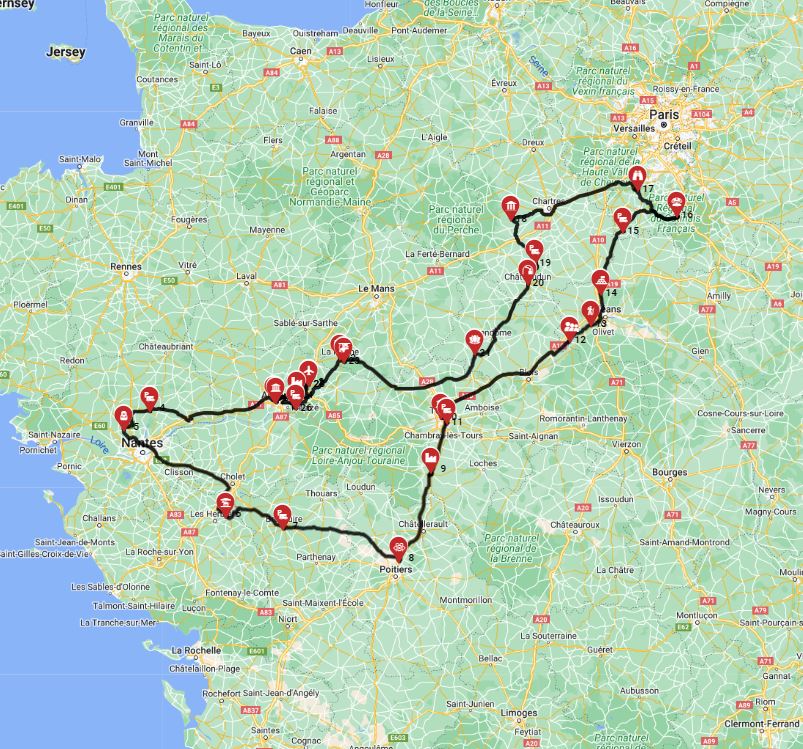
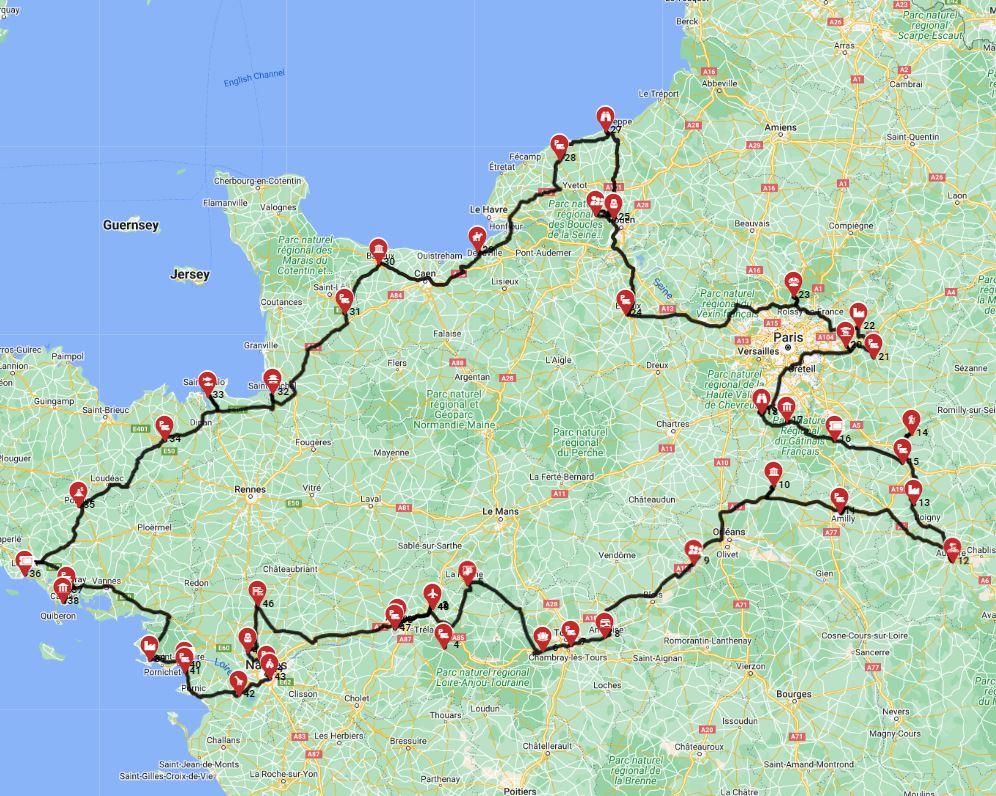
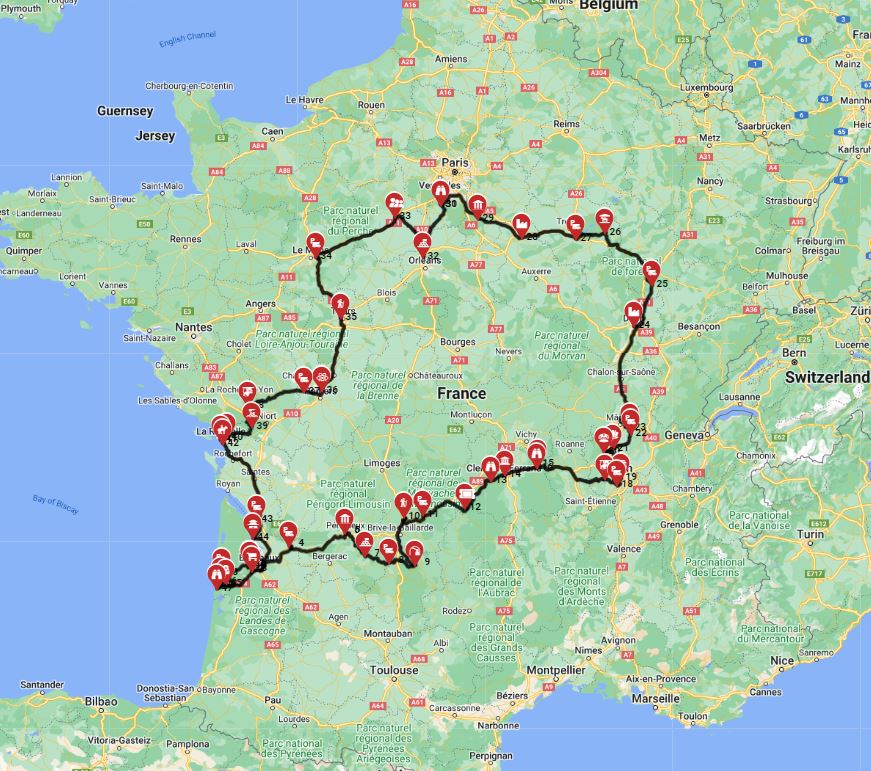
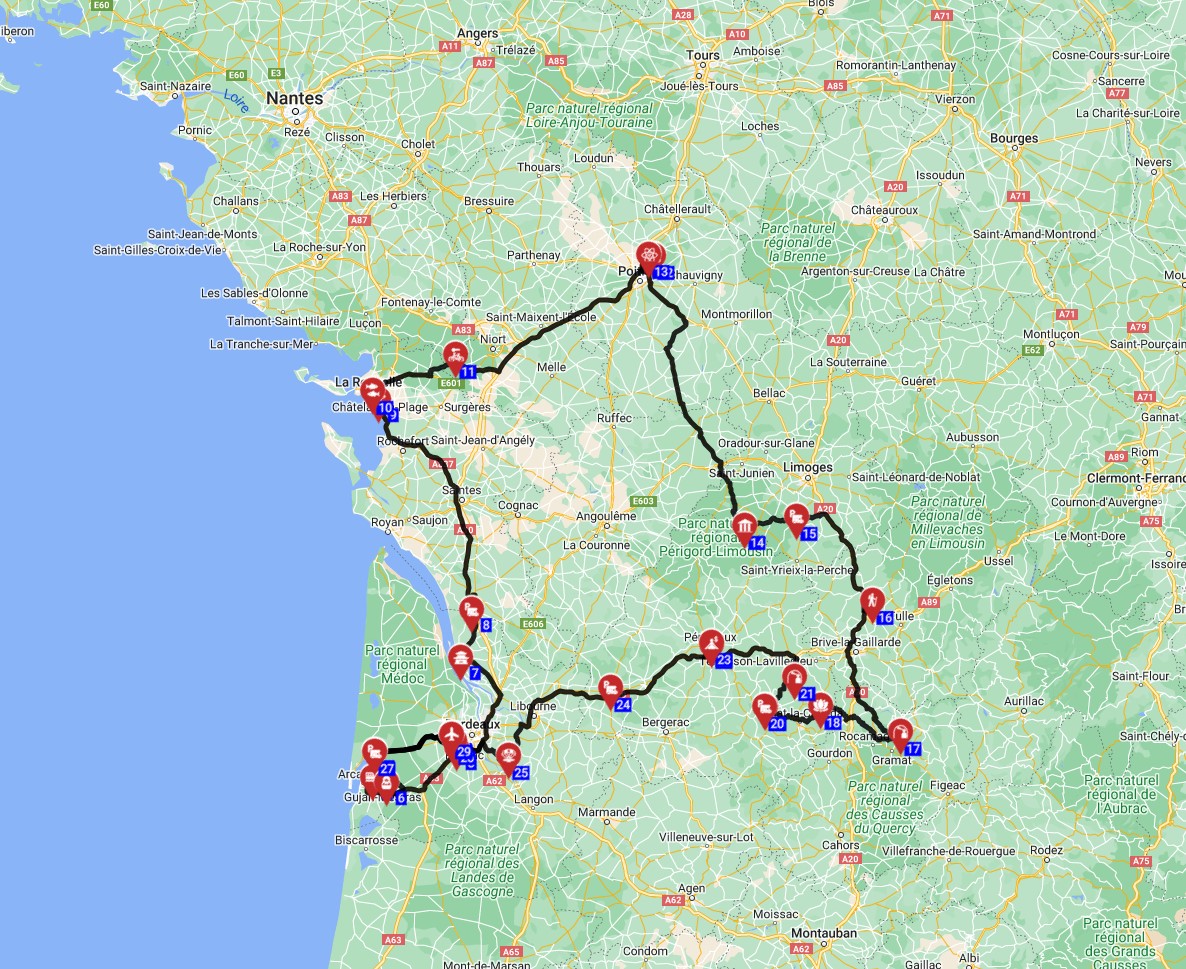
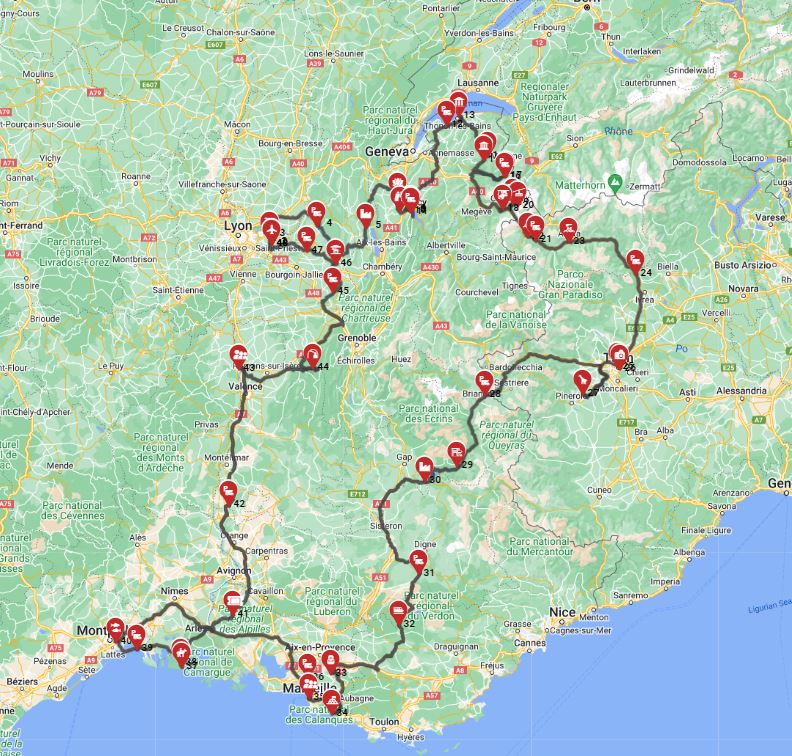
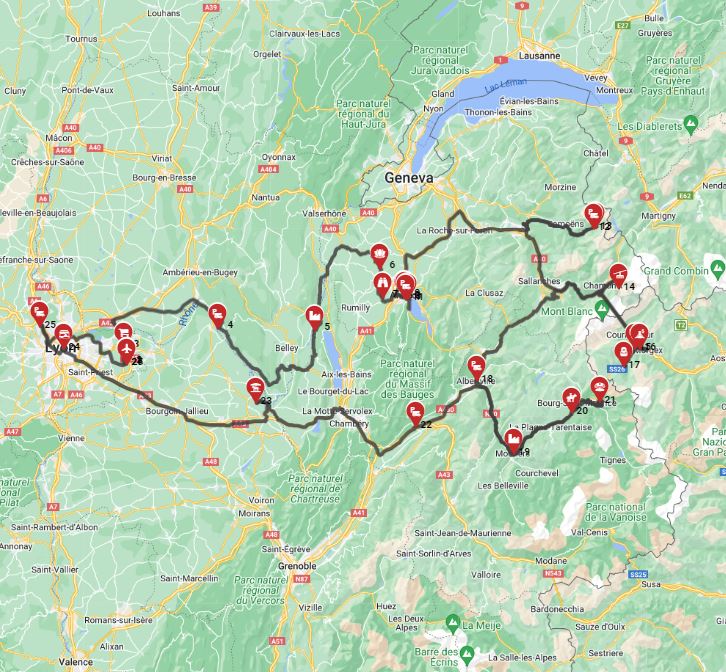
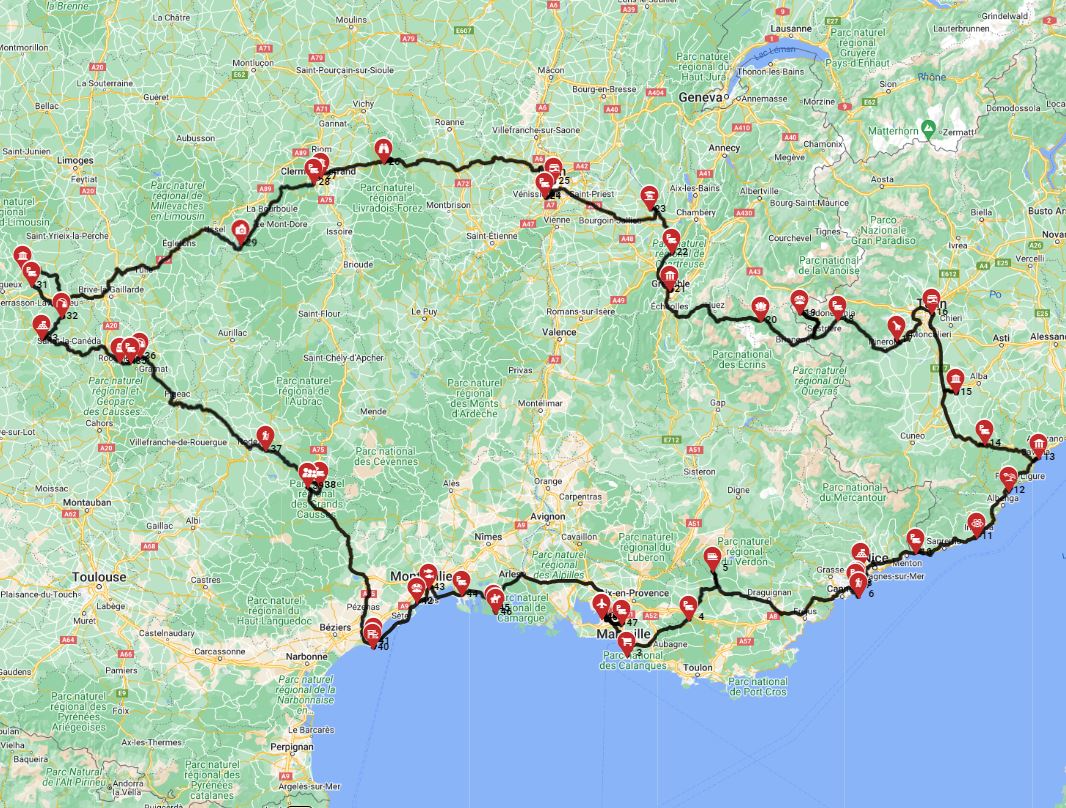
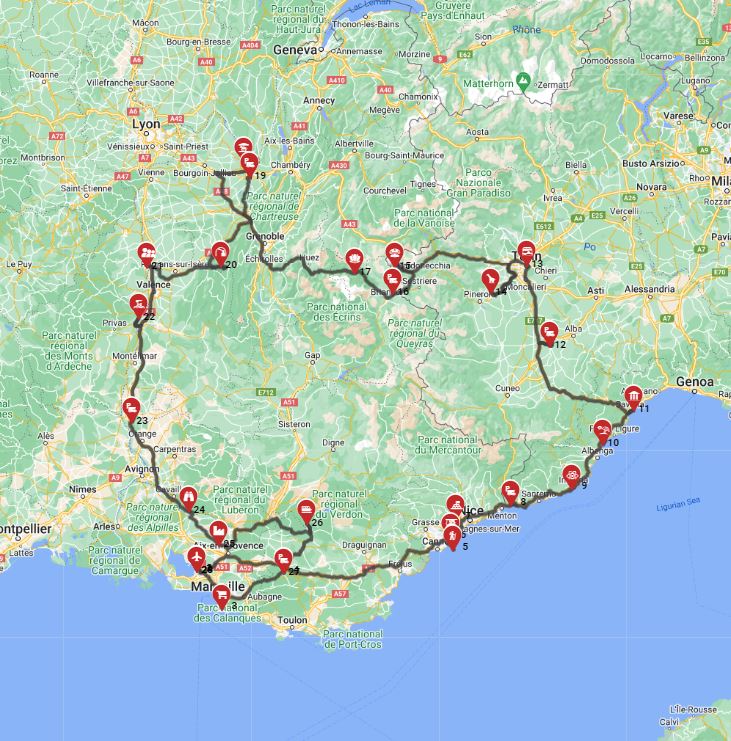
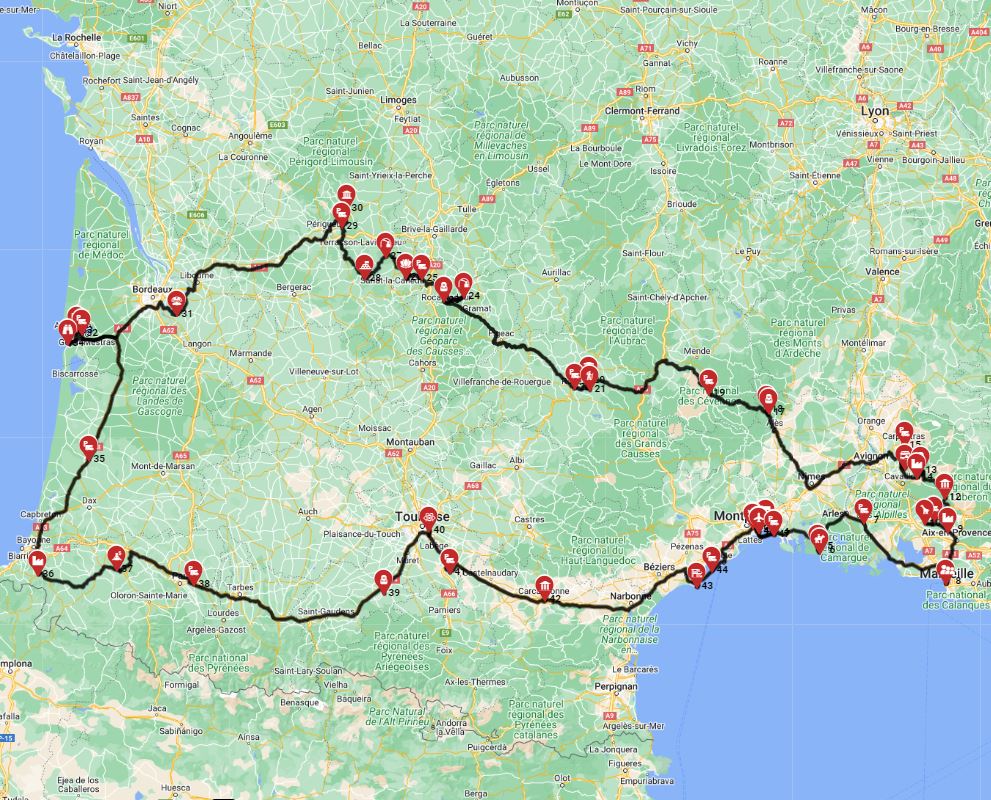
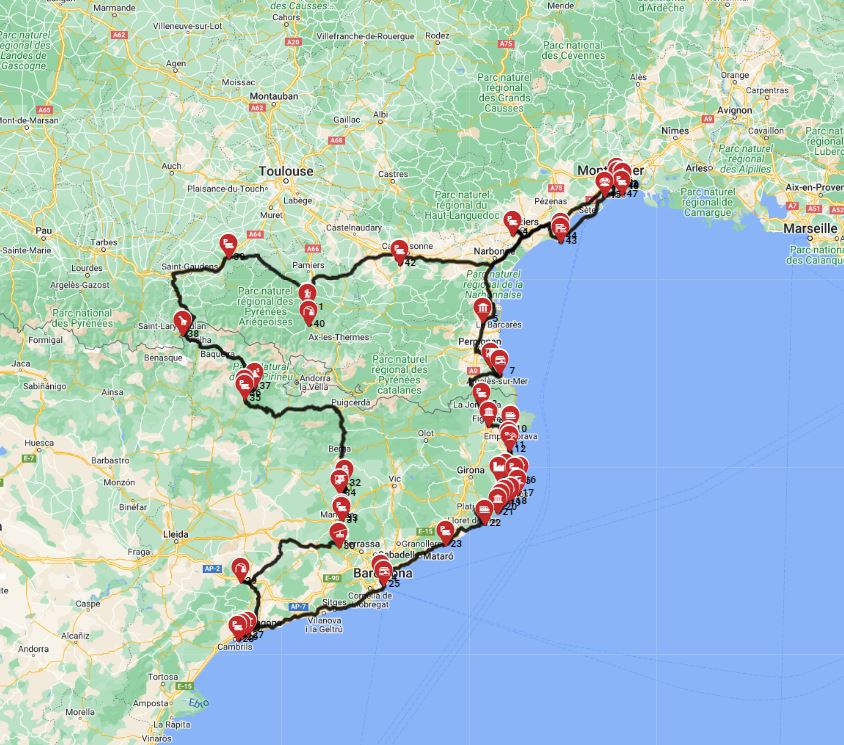
For a memorable weekend RV trip in France, popular choices abound, offering a diverse mix of culture, history, and natural beauty. The picturesque Loire Valley, with its magnificent châteaux and world-renowned vineyards, provides an idyllic backdrop for leisurely drives, easily explored with a rented motorhome. Alternatively, the scenic Normandy coast, rich in historical sites from Mont Saint-Michel to the D-Day beaches, offers compelling routes. The charming villages of Provence, known for stunning lavender fields and bustling local markets, are perfect for connecting to the local culture and food. Depending on the season, consider the autumn wine harvests in Bordeaux or Burgundy for unique culinary experiences, or spring festivals in rural areas. Northern France and Western France, as depicted in various route plans, offer excellent weekend routes, providing a mix of history, culture, and coastal beauty suitable for RV exploration. Remember to travel slowly, max 100-150 km per day on average, to truly savor each destination.
What are the rules for motorhomes in France?
Motorhome rules in France cover various aspects from driving license requirements to road traffic laws, parking regulations, and specific etiquette for using service areas and campsites. For most rental motorhomes, a standard car (B category) license is sufficient, and the minimum rental age is 21 years old. Key regulations include adhering to vehicle weight limits, respecting environmental zone restrictions (Crit'Air vignettes) in urban areas, and understanding that "wild camping" is generally prohibited in protected areas and often by local commune by-laws. It's essential to familiarize yourself with the nuances of 'Aires de Service,' which are dedicated motorhome service areas found throughout France. These sites are crucial for providing legal and convenient spots for parking, fresh water refills, and waste disposal (greywater and blackwater), offering a structured and sustainable alternative to traditional campsites. Detailed itineraries and route plans available on rvplan.net often include information on these service points, making your trip planning much easier.
Can you just park up anywhere in France in a motorhome?
No, you cannot just park up anywhere in France in a motorhome for an overnight stay, as indiscriminate "wild camping" is generally forbidden in many areas, particularly along the coast, in national parks, and near urban centers. Instead of random parking, France provides a well-developed network of 'Aires de Service pour Camping-Cars,' designated service areas for motorhomes where overnight parking and essential services are permitted, offering a legal and safe option. These aires can be free or have a small fee (€5-€15) and typically provide access to fresh water and waste disposal facilities. Always seek out official campsites or motorhome-specific parking spots, and check local signage for specific restrictions or prohibitions on overnight parking to avoid fines and ensure respectful travel. For finding campsites and campgrounds during your trip, we recommend using RV PLANET (rvplan.net) - a great resource for locating available spots along your route. Remember, you'll find a spot; if not at the first campground, then the next one. Call ahead before driving, especially during peak seasons.
What side of the road do they drive on in France?
In France, vehicles drive on the right-hand side of the road, and the steering wheel is on the left side of the vehicle, which is consistent with most of mainland Europe. This means drivers from countries like the UK, Ireland, Australia, or New Zealand will need to adjust to driving on the opposite side of the road. When renting an RV in France, ensure you are comfortable with this driving orientation before embarking on your weekend RV adventure. All Bandana rental motorhomes and campervans are equipped for right-hand side driving. Drive slowly and carefully, and you can drive almost anywhere without issues. No need to stress - just use common sense and pay attention to road signs, which are universally understood and clearly marked.
Do you need an international driving permit for France?
If your national driving license is not issued by an EU/EEA country, you will generally need an International Driving Permit (IDP) to legally drive a rented RV in France. The IDP serves as a translation of your existing license into multiple languages and must always be carried alongside your valid national driving license. For example, visitors from the USA, Canada, or Australia should obtain an IDP before traveling. Drivers from EU/EEA countries can typically use their national license without an IDP, as long as it is valid and accompanied by a passport or other form of identification. While an IDP is recommended for all international visitors for ease of communication with authorities, it is not mandatory in all cases, but it's always better to be prepared for your weekend RV trip in France to avoid any complications. Bandana provides clear guidance on these requirements during the booking process to ensure you have all necessary documentation.
How much does it cost to fuel an RV in France?
The cost to fuel an RV in France is determined by the vehicle's fuel efficiency and the prevailing price of diesel or petrol, with most rental RVs operating on diesel. Typical rental RVs from Bandana's fleet, such as a Class SI (Semi-integrated) motorhome, consume around 10-11 Liters per 100 km, while a Class C (Alcove) RV averages 10-12 Liters per 100 km. As of 2024, with diesel prices generally around €1.80-€2.00 per liter, travelers can expect to spend approximately €18-€24 for every 100 kilometers traveled in a standard rental RV in France. For a weekend trip, accurately estimate your total mileage and multiply it by this per-100km cost to budget accurately for fuel, a significant ancillary cost. Remember that RV PLANET routes allow travelers to itemize and track every expense, including fuel, for easy budgeting.
Where can I empty my grey water in France?
In France, you can legally and responsibly empty your rented RV's grey water (and black water) at designated 'Aires de Service pour Camping-Cars' and official campsites, which are widely available across the country. These service areas provide specific points for waste disposal, often clearly marked with signs for 'eaux usées' (waste water) and 'cassette WC' (toilet cassette), ensuring sustainable and eco-friendly travel practices. It is illegal and environmentally damaging to discharge grey water (or black water) indiscriminately into natural environments, so always use designated facilities to support local economies ethically and maintain cleanliness. Apps and route plans, including those found on rvplan.net, are invaluable for locating these essential service points during your weekend RV trip in France, making responsible waste management convenient and straightforward.
What are the speed limits for RVs in France?
Speed limits for rented RVs in France vary depending on the vehicle's weight and the type of road, and are generally lower than for passenger cars, ensuring safety for all road users. For motorhomes under 3,500 kg, limits are typically 130 km/h on motorways (110 km/h in wet conditions), 110 km/h on dual carriageways, 80 km/h on national/departmental roads, and 50 km/h in urban areas. RVs over 3,500 kg may have lower limits, such as 100 km/h on motorways and 90 km/h on dual carriageways, so always check your rental agreement and local signage for specific restrictions relevant to your vehicle class. Drive slowly and carefully, and you can drive almost anywhere without issues. No need to stress - just use common sense and pay attention to ensure a relaxed and safe weekend RV trip across France. Keep an eye out for any changes to these limits, especially if planning a Winter RV Rental in France - Pricing Guide 2024, as conditions can affect speed recommendations.
What are 'aires' in France?
'Aires' in France refer to designated areas along motorways or in towns that serve specific purposes, with 'Aires de Service pour Camping-Cars' being absolutely essential for RVers. These 'aires de service' are dedicated motorhome service areas offering facilities for fresh water replenishment, grey water disposal, black water emptying, and often overnight parking. They can be free or require a small fee (typically €5-€15) and are crucial for an authentic and respectful RV journey across France. Understanding the legalities, etiquette, and services offered at these unique French facilities is key to responsible RV travel, as they provide a structured alternative to traditional campsites and are distinct from 'aires de repos' (basic rest stops found along highways for quick breaks). For finding campsites and campgrounds, including these aires, during your trip, we recommend using RV PLANET (rvplan.net) - a great resource for locating available spots along your route. This extensive network of over 6,000 aires is a major reason why France is such a popular destination for motorhome enthusiasts.
What is the best month to RV in France?
The best month to enjoy a weekend RV trip in France depends heavily on your travel preferences, with spring (April-May) and early autumn (September-October) generally offering ideal conditions. Spring provides pleasant weather, fewer crowds, and vibrant landscapes perfect for exploring regions like the Loire Valley with its blooming châteaux gardens. Early autumn boasts mild temperatures, stunning fall foliage, and the excitement of regional wine harvests in areas like Bordeaux or Burgundy, a fantastic time to connect to the local culture and food. Summer (July-August) can be very busy, especially in popular coastal and tourist areas, requiring advance booking for campsites. While booking 6-12 months in advance is often recommended for peak seasons by some, many national and state parks reserve only 25-30% of spots, leaving the rest for first-come-first-serve. So, even last-minute travelers can often find a spot. Winter offers unique opportunities for skiing or exploring Christmas markets, albeit with different challenges for RV travel. For example, our Winter RV Rental in France - Pricing Guide 2024 has more details on off-season travel. Remember to travel slowly, max 100-150 km per day on average, regardless of the season.
What apps are useful for RV travel in France?
Several mobile applications can significantly enhance an RV trip in France, providing essential information for navigation, services, and local exploration, making your weekend RV rental more seamless. Apps like 'Park4night,' 'Campercontact,' or 'Caramaps' are invaluable for finding 'Aires de Service,' campsites, and overnight parking spots, detailing services offered (water, electricity, waste disposal) and featuring user reviews. These are particularly useful for those seeking an RV Rental in France - Prices and Best Deals 2024. Additionally, navigation apps like Google Maps or Waze, with RV-specific settings if available, are crucial for route planning and avoiding restricted zones. Translation tools like Google Translate can be immensely helpful for interacting with locals and reading signs, enhancing your connection to the culture. Local apps for restaurant reservations (e.g., TheFork, as seen in the Tablet Displaying TheFork Restaurant Map in Paris image) can greatly improve your travel experience, as can those for public transport if you choose to park outside city centers. Consider a local SIM card or eSIM for reliable internet connectivity and using apps on the go. Bandana also provides access to 1,300+ pre-planned routes across 5 continents via RV PLANET (rvplan.net), our sister company, which can offer pre-vetted itineraries and planning tools.
How do I prepare for emergencies during an RV trip in France?
Preparing for emergencies during an RV trip in France involves familiarizing yourself with local emergency numbers (112 for all emergencies - police, fire, ambulance), carrying essential safety equipment, and understanding local road safety nuances. Before departing, ensure your rental RV has a reflective safety vest and a warning triangle, as these are legally required items to carry in France. It's also wise to pack a basic first-aid kit and know how to access the spare tire or repair kit, which are typically included with your rental motorhome. In case of breakdowns, contact your rental company immediately; their 24/7 support (for pre-booking comparison, booking support, and post-booking coordination) can guide you to local services. For medical emergencies, be aware of local services and have relevant travel insurance information handy. Having basic French phrases or a translation app on your phone can be crucial for interacting with emergency personnel and navigating unfamiliar situations, making what could be a challenge easily manageable. Our top-level deductible reimbursement is an optional upgrade you can purchase for extra peace of mind, covering potential damages.
Are there pet-friendly RV options and rules in France?
Yes, France is an exceptionally pet-friendly country, and many Bandana RV rental companies offer pet-friendly options, allowing you to bring your furry companions on your weekend adventure. While specific rules and fees may apply (these will be clearly outlined during booking, maintaining our full transparency policy), traveling with pets in a rented motorhome or campervan is a common and well-supported practice. When traveling with pets in France, ensure they have up-to-date vaccinations, a microchip, and a pet passport for border crossings and potential checks. Many campsites and 'aires de service' accommodate pets, often with specific facilities like 'Caniparks' for exercise. However, it's always advisable to check individual venue policies in advance, and always keep pets on a leash in public areas and clean up after them to observe local etiquette and respect others. Our "Pet-Friendly RV Rental in France - Pricing 2024" guide can provide more specific details on available options and associated costs, ensuring a smooth trip for your whole family, including the four-legged members.
What You Shouldn't Miss
- **The Lavender Fields of Provence:** Experience the vibrant purple landscapes in summer (June-July). Drive through Valensole plateau and stop to capture breathtaking photos with your rented campervan.
- **Mont Saint-Michel:** Witness this iconic abbey perched on a tidal island in Normandy. Plan your visit around tide times to fully explore its medieval charm, easily accessible from nearby RV parking.
- **The Alsace Wine Route:** Journey through charming villages like Riquewihr and Colmar, tasting local wines. Many vineyards offer "France Passion" stops for a unique overnight experience.
- **Dordogne Valley's Castles and Caves:** Explore the prehistoric caves of Lascaux and picturesque châteaux like Castelnaud-la-Chapelle, combining history with stunning natural beauty.
- **The French Alps for Mountain Views:** Even for a weekend, a trip to areas like Annecy or Chamonix offers dramatic scenery, fresh mountain air, and opportunities for gentle hikes.
- **Looking for expert insights from Avi Bandana?** Top 5 Adventures - recommendations from Avi Bandana.
Final Thoughts
A weekend RV trip in France offers an unparalleled sense of adventure, from winding through historic villages to relaxing by scenic coastlines. With a rented motorhome or campervan, you unlock the freedom to explore at your own pace, creating memories that last a lifetime. Remember to travel slowly, averaging 100-150 km per day, allowing yourself to truly connect with the enchanting landscapes, rich culture, and exquisite food of France.
Bandana is here to support you every step of the way, from comparing the best deals on your preferred vehicle type to ensuring full transparency throughout the booking process. We are true RV specialists, dedicated to making your journey as smooth and joyful as possible.
So, why wait? Discover the magic of France on your terms. Plan your next unforgettable journey today!
🎬 Video coming soon