In This Guide
- Can You Drive an RV in Finland? License & Age Rules
- Road Conditions & Terrain in Finland
- RV Size Limits, Bridges & Restricted Zones
- Fuel: Diesel vs. Petrol & Cost per 100 km
- Tolls, Vignettes & Border Rules
- Driving Tips for weekend rv rental Travelers
- Recommended RV Class for Finland Roads
- Should I Choose a Compact Van Instead of a Large RV in Finland?
- Can I Park Anywhere? Free & Wild Camping Rules in Finland
- Can I Drive an RV Into the City Center? Heights, Tunnels & Local Signage
- How Much Does an RV Trip Cost in Finland?
- What are the Challenges and Advantages of Seasonal RVing in Finland?
- How Do Everyman's Rights (Jokamiehenoikeus) Apply to RVs in Finland?
- What are the Best Off-the-Beaten-Path RV Routes in Finland?
- How is Mobile Connectivity and Wi-Fi for RVs in Remote Finland?
- What Safety and Emergency Tips Do I Need for RVing in Remote Finland?
- What are Sustainable RV Practices for Traveling in Finland?
Can You Drive an RV in Finland? License & Age Rules
Most standard RVs, especially those weighing up to 3,500 kg, can be driven in Finland with a regular B-category driving license. For heavier RVs exceeding this weight, a C1 license is typically required.
While the legal driving age in Finland is 18, most reputable RV rental companies, including Bandana, have a minimum driver age of 21, and sometimes 23 for larger or more powerful vehicles. It's always best to check the specific age requirements with your chosen rental provider.
For international travelers, particularly those from outside the EU/EEA, it's highly recommended to carry an International Driving Permit (IDP) in addition to your national driving license. This ensures you have the correct documentation readily available for any rental company or authority.
Road Conditions & Terrain in Finland
Finland boasts an excellent network of well-maintained paved roads, particularly on the main routes connecting cities and towns, ensuring a comfortable journey for your rented RV. Beyond the main arteries, you'll discover an extensive system of well-maintained gravel roads that are perfect for RV exploration, often leading to more scenic and secluded natural areas.
The Finnish terrain is generally characterized by its flatness to gently rolling hills, dominated by vast forests and a myriad of lakes, rather than dramatic mountain ranges. This landscape lends itself to a more serene and visually accessible road trip experience.
A key aspect of driving in Finland is vigilance for wildlife. Moose and reindeer are common, especially in more remote, forested areas and particularly at dawn and dusk. Always be prepared to slow down and brake suddenly if animals appear on the road, as they can pose a significant collision risk. The emphasis is truly on slow, scenic driving to fully appreciate the breathtaking natural beauty surrounding you.
RV Size Limits, Bridges & Restricted Zones
Finland's road infrastructure is generally very accommodating for RVs, with few blanket restrictions on standard RV sizes. Most vehicles from Bandana's fleet, including larger Class C Alcove models which average around 7.5 meters in length, can navigate Finnish roads with freedom and ease.
Low bridges or weight restrictions are uncommon on main routes and in most urban centers. However, if you plan to explore very old city centers or use smaller, localized access roads, it's always wise to be observant of any posted signs indicating height or weight limitations. These are rare but can exist on older, minor structures.
Finland does not typically impose widespread environmental or low-emission zones that would commonly affect RV access to its cities. If your travels include island hopping via ferries, always check the specific vehicle length and weight limitations with the individual ferry operator beforehand, as these can vary.
Fuel: Diesel vs. Petrol & Cost per 100 km
Consistent with Bandana's global fleet, the majority of RVs available for rent in Finland operate on diesel fuel. Diesel is widely available at service stations across the country, making refueling straightforward.
Fuel consumption varies by RV class. For Bandana's Class SI Semi-integrated RVs, expect an average consumption of 10–11 Liters per 100 km. The slightly larger Class C Alcove RVs typically average between 10–12 Liters per 100 km. For those opting for a more compact option, the Class B Camper Vans are more fuel-efficient, consuming approximately 8-10 Liters per 100 km.
Fuel prices in Finland tend to be higher compared to many Central European countries. It's worth inquiring with your rental provider if they offer any fuel discount cards or associated perks that could help manage these costs during your journey.
Tolls, Vignettes & Border Rules
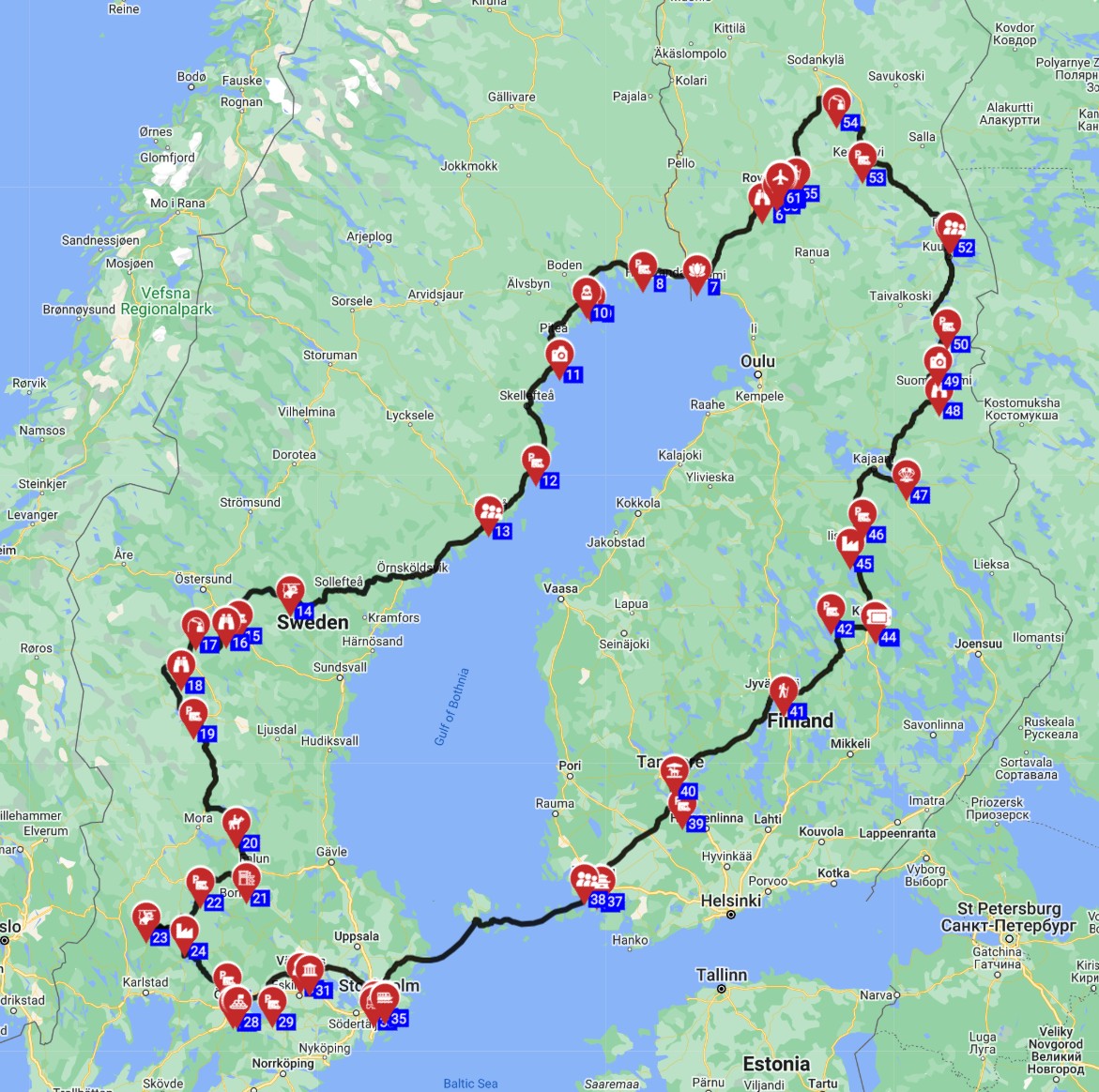
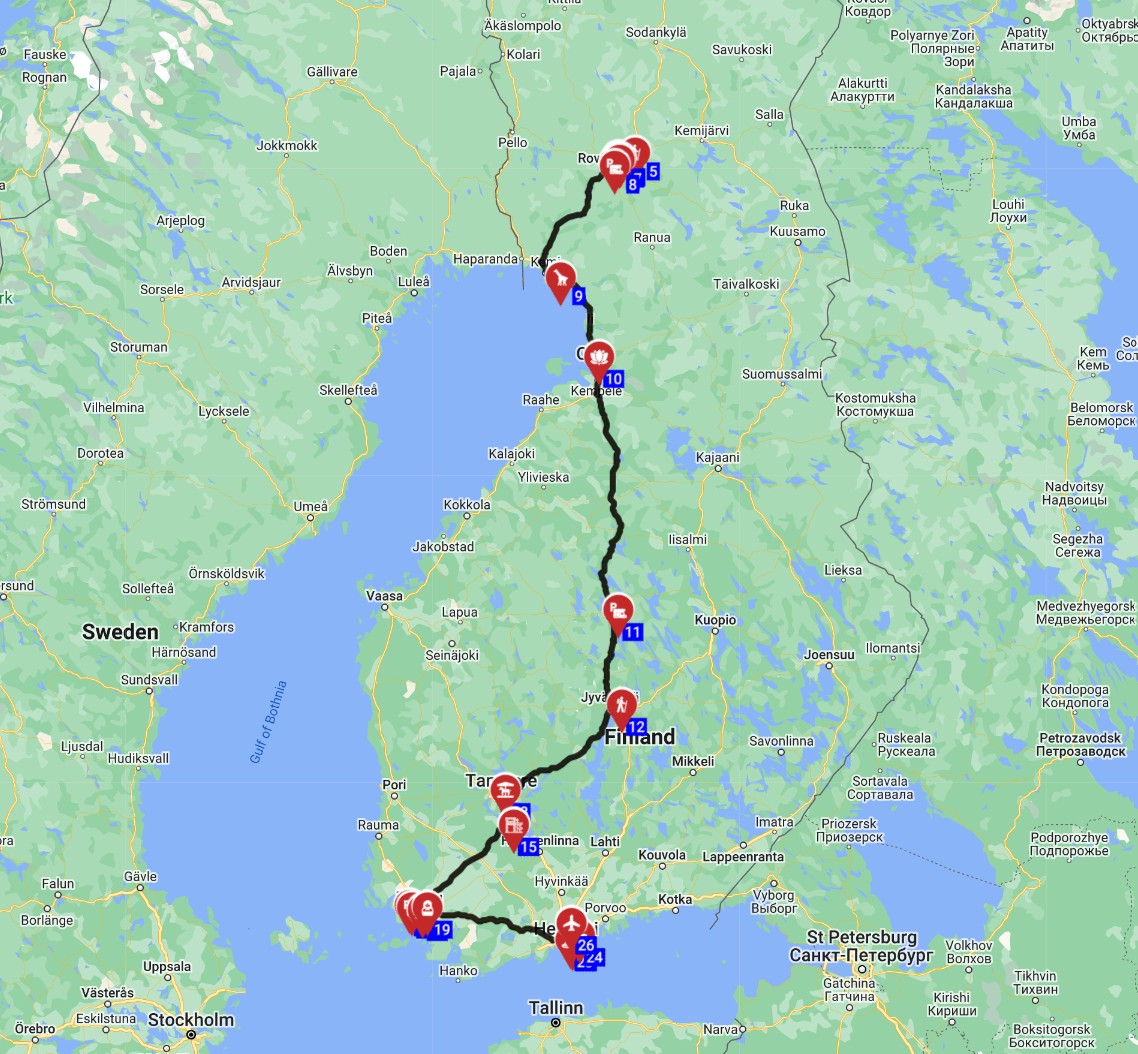
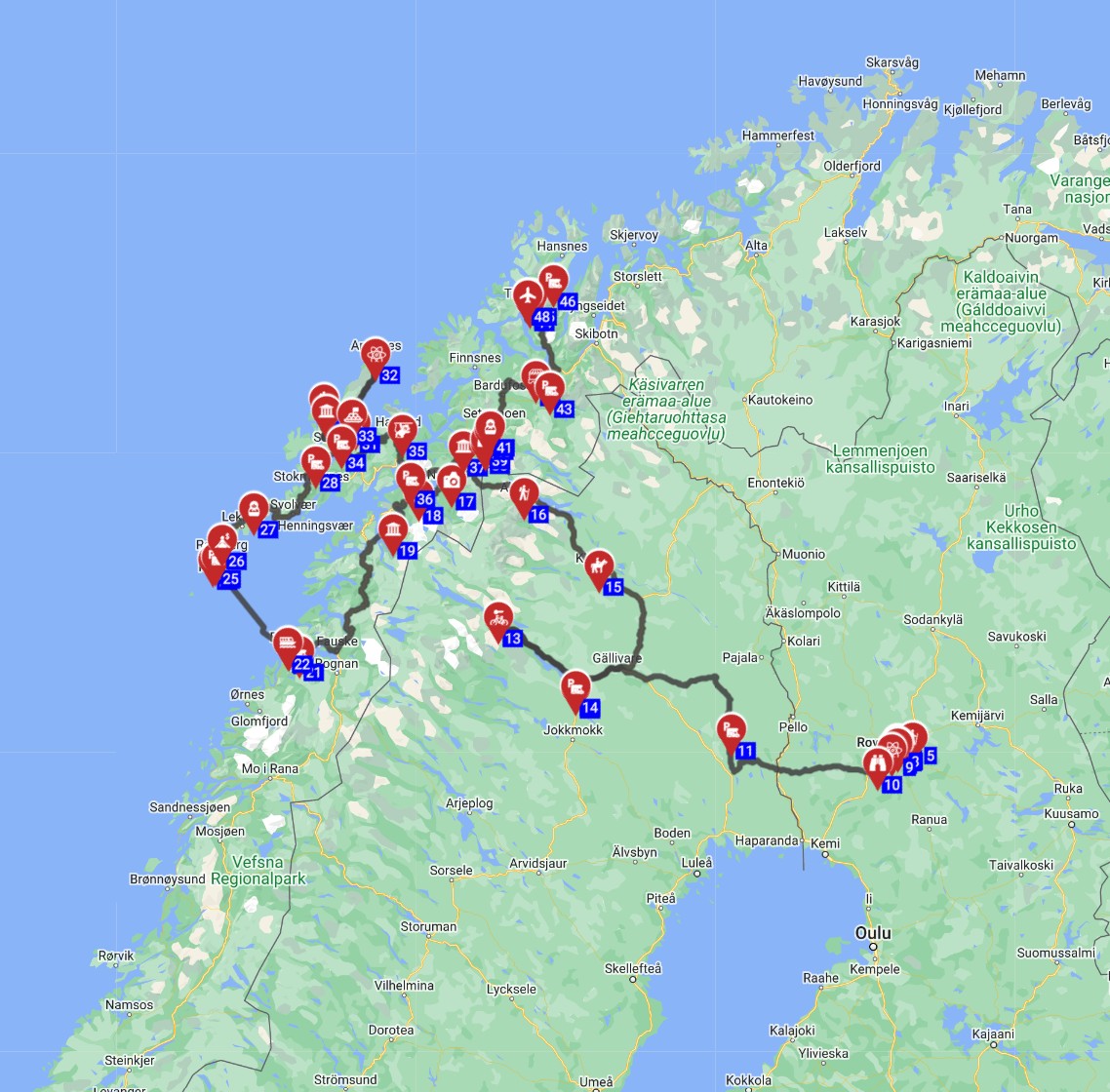
Finland is notably free of road tolls and does not require a vignette for any vehicle class, including RVs. This makes traveling within the country straightforward and cost-effective, allowing you to focus on the scenery rather than toll payments. On the routes offered through RV PLANET routes, you can itemize and track every expense along the way for easy budgeting.
Border crossings into neighboring Sweden and Norway are generally simple and swift, especially for EU/Schengen citizens, requiring only standard identification. If you're planning an extended RV journey that extends beyond Finland into other non-Nordic countries, it's advisable to research their specific toll and vignette requirements in advance.
Driving Tips for weekend rv rental Travelers
**Wildlife Awareness:** Be extremely vigilant for moose, reindeer, and other large animals, especially at dawn, dusk, and on rural roads; they pose significant collision risks and can appear suddenly.
**Speed Limits:** Strictly adhere to Finland's clearly posted speed limits, which can vary seasonally and are generally lower in rural areas than in many other countries. Observance ensures safety and respect for local driving customs.
**Parking & Overnights:** Always park legally and safely. Utilize designated RV parking areas or official campsites for overnight stays, clarifying local rules for any non-designated spots you might consider. Respect private property and avoid obstructing traffic or natural areas.
**Weather Preparedness:** Be ready for variable weather conditions. Roads can be wet, slippery, or even snow-covered depending on the season, necessitating appropriate tires (mandatory in winter) and cautious driving practices.
**Route Planning:** For weekend trips, pre-plan your route to maximize your time. Identify essential stops, book popular attractions in advance if necessary, and ensure you have a realistic travel schedule to cover your desired destinations efficiently.
Recommended RV Class for Finland Roads
For a weekend RV rental in Finland, both Class B Camper Vans and Class SI Semi-integrated RVs are highly recommended. They offer an optimal balance of maneuverability and comfort, which is ideal for navigating Finland's diverse road network.
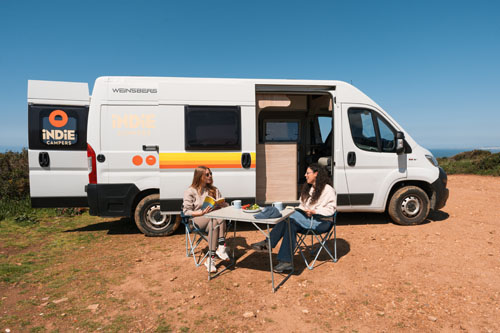
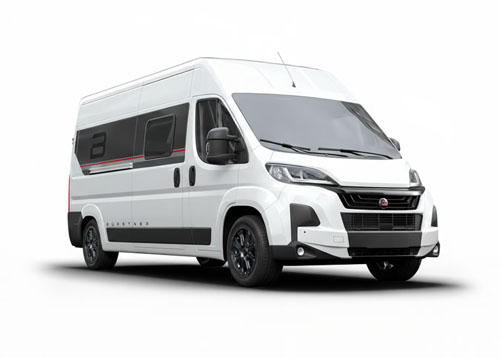
**Class B Camper Vans:** With an average length of 5.8 meters and sleeping 2-3 adults, these offer excellent agility for navigating smaller roads and easier parking. They are ideal for couples or small groups prioritizing flexibility and access to more remote locations. For example, the Active Classic campervan is a great choice for couples, offering comfort and ease of driving.
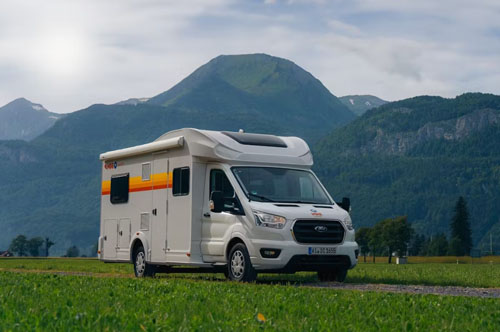
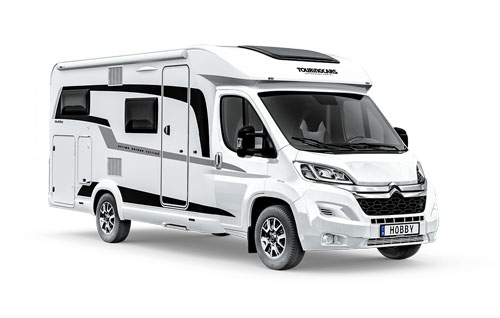
**Class SI Semi-integrated RVs:** Averaging 6.9 meters in length and comfortably accommodating 3-4 adults, these provide more interior living space and enhanced amenities while remaining manageable for driving on Finland's roads. A model like the Euro Tourer offers a good balance of space and drivability.
Should I Choose a Compact Van Instead of a Large RV in Finland?
While a compact van offers superior maneuverability and ease of parking, most RV sizes, including larger models, navigate Finland's generally open and well-maintained roads without significant issues. For instance, the Cruise America example EX-Group A, a compact motorhome, is ideal for exploring cities.
**Compact Van Advantages:** Greater agility for very remote or unpaved tracks, easier access to smaller village centers, and slightly better fuel efficiency. For example, Bandana's Class B Camper Vans average 8-10 Liters/100 km.
**Larger RV Advantages:** Provide significantly more indoor living space, enhanced comfort for longer stays, and often better amenities like larger bathrooms and kitchens. Bandana's Class C Alcove RVs, averaging 7.5 meters in length, offer this comfort, such as the 4 Berth Henty.
For a weekend trip, the choice depends on your priorities: opt for a compact van for maximum flexibility and access, or a larger RV for superior comfort and amenities if you plan to spend more time inside or are traveling with a larger group.
Can I Park Anywhere? Free & Wild Camping Rules in Finland
While Finland's 'Everyman's Rights' (*Jokamiehenoikeus*) permit extensive freedom for tent camping and access to nature, RVs typically face more restrictions and are generally expected to use designated campsites or obtain landowner permission for overnight parking.
Everyman's Rights primarily apply to non-motorized activities; parking an RV is not considered 'wild camping' under these rights. However, RVs are generally permitted to park overnight on public roadsides where parking is not explicitly prohibited, provided it does not obstruct traffic or cause environmental damage. This is classified as parking, not 'wild camping' under *Jokamiehenoikeus*.
Always prioritize official campsites and RV parks, which provide essential amenities and legal certainty for overnight stays. For private land, explicit permission from the landowner is always required. Ethical RV practices emphasize using designated areas and respecting sensitive ecosystems by following 'leave no trace' principles.
Can I Drive an RV Into the City Center? Heights, Tunnels & Local Signage
Yes, RVs can generally be driven into Finnish city centers, as urban infrastructure is largely accommodating. However, drivers must remain vigilant for specific local regulations and signage.
Pay close attention to height limits, especially for underground parking garages (where RVs rarely fit) and any occasional older underpasses, though these are not common on main city routes. Finland does not typically have widespread environmental or low-emission zones that would restrict RV access to city centers, unlike some other European countries.
Always observe blue parking signs indicating permitted areas and red restriction signs for 'no parking' or 'no entry' zones, particularly for larger vehicles. Planning your parking strategy in advance is crucial, as central city parking spaces can be limited or subject to fees.
How Much Does an RV Trip Cost in Finland?
The total cost of an RV trip in Finland extends beyond rental fees, requiring a comprehensive budget for fuel, groceries, camping site fees, and specific activities. Rental fees vary significantly by RV class, season, and rental duration; booking in advance can often secure better rates.
Fuel is a major expense; expect Bandana's semi-integrated RVs to consume 10-11 Liters/100 km, with Finnish fuel prices generally higher than in Central Europe. Budgeting for groceries and cooking in your RV is a great way to save, as supermarket prices are comparable to Western Europe.
Camping site fees typically range from €20-€45 per night for sites with amenities. Utilizing the limited opportunities for roadside parking where permitted can reduce this cost. Allocate additional funds for activities such as national park services, traditional Finnish sauna experiences, or local ferry costs if island hopping.
Factor in potential ancillary costs such as propane refills, waste disposal fees (if not included at campsites), and insurance deductibles. For finding campsites and campgrounds during your trip, we recommend using RV PLANET routes, a great resource for locating available spots along your route.
What are the Challenges and Advantages of Seasonal RVing in Finland?
RVing in Finland offers distinct experiences each season, from the endless daylight of summer to the unique allure of winter's Northern Lights, each with its own set of challenges and advantages.
**Spring (April-May):** Advantages include thawing landscapes, lighter crowds, and awakening nature. Challenges are potentially muddy roads in remote areas, variable weather, and late-season snow in Lapland.
**Summer (June-August):** Boasts the Midnight Sun with endless daylight and the warmest temperatures, offering full accessibility to all regions. Challenges include peak season pricing, more crowded popular destinations, and the potential presence of mosquitoes.
**Autumn (September-October):** Offers spectacular 'Ruska' (autumn foliage), fewer tourists, and excellent foraging opportunities. Challenges are shorter daylight hours, cooler temperatures, and the start of hunting season in some areas.
**Winter (November-March):** Provides a unique snowy landscape, prime Northern Lights viewing, and winter sports. Significant challenges include driving on snow and ice (winter tires are mandatory), very low temperatures requiring robust RV heating, limited access to some remote areas, and very short daylight hours.
How Do Everyman's Rights (Jokamiehenoikeus) Apply to RVs in Finland?
While Everyman's Rights (*Jokamiehenoikeus*) grant extensive freedom for hiking, foraging, and tent camping in nature, they generally do not extend to motorized vehicles like RVs for overnight parking or camping on public land without specific designation or permission.
Everyman's Rights permit individuals to move freely, pick wild berries and mushrooms, and tent camp for a short period without landowner permission, provided no damage or disturbance is caused. The distinction for RVs is critical: motor vehicles are not covered by the same extensive rights as non-motorized activities and structures like tents.
RVs are typically allowed to park overnight on public roadsides where parking is not explicitly prohibited and does not obstruct traffic or cause environmental harm; however, this is classified as parking, not 'wild camping' under *Jokamiehenoikeus*. For private land, explicit permission from the landowner is always required for any overnight RV parking or camping.
Ethical RV practices emphasize using designated campsites, respecting sensitive ecosystems, avoiding noise pollution, and following strict 'leave no trace' principles, even where legal ambiguities exist.
What are the Best Off-the-Beaten-Path RV Routes in Finland?
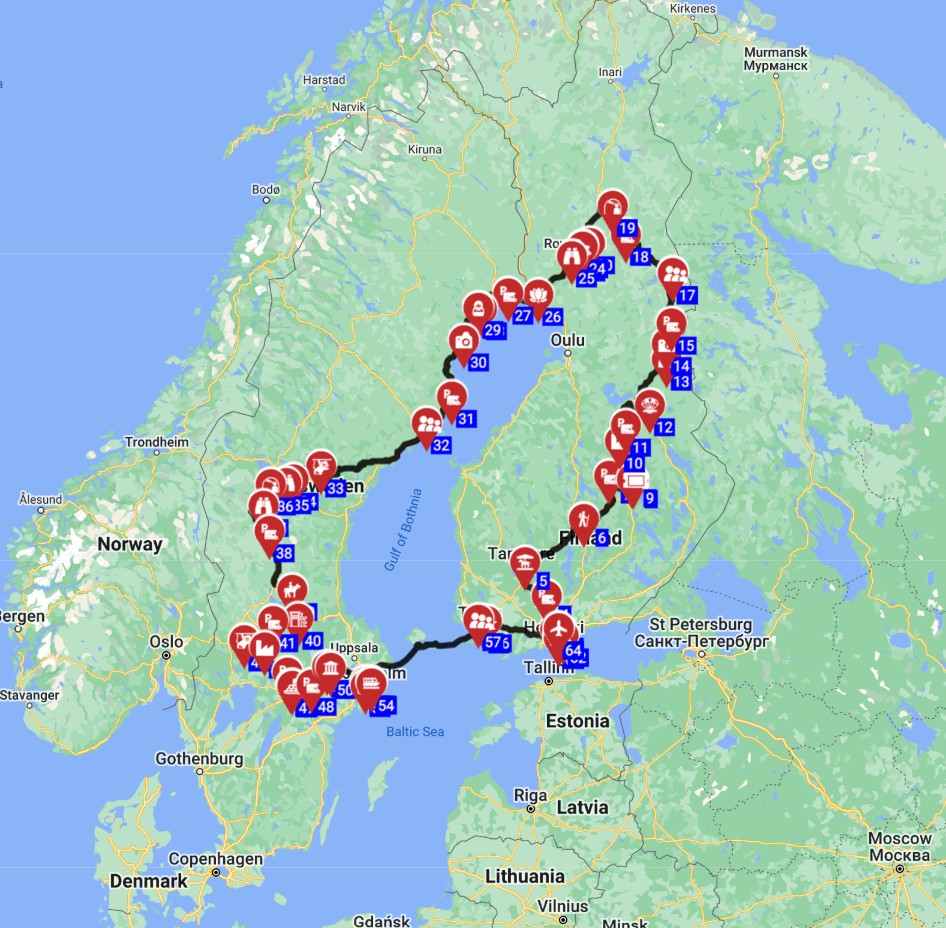
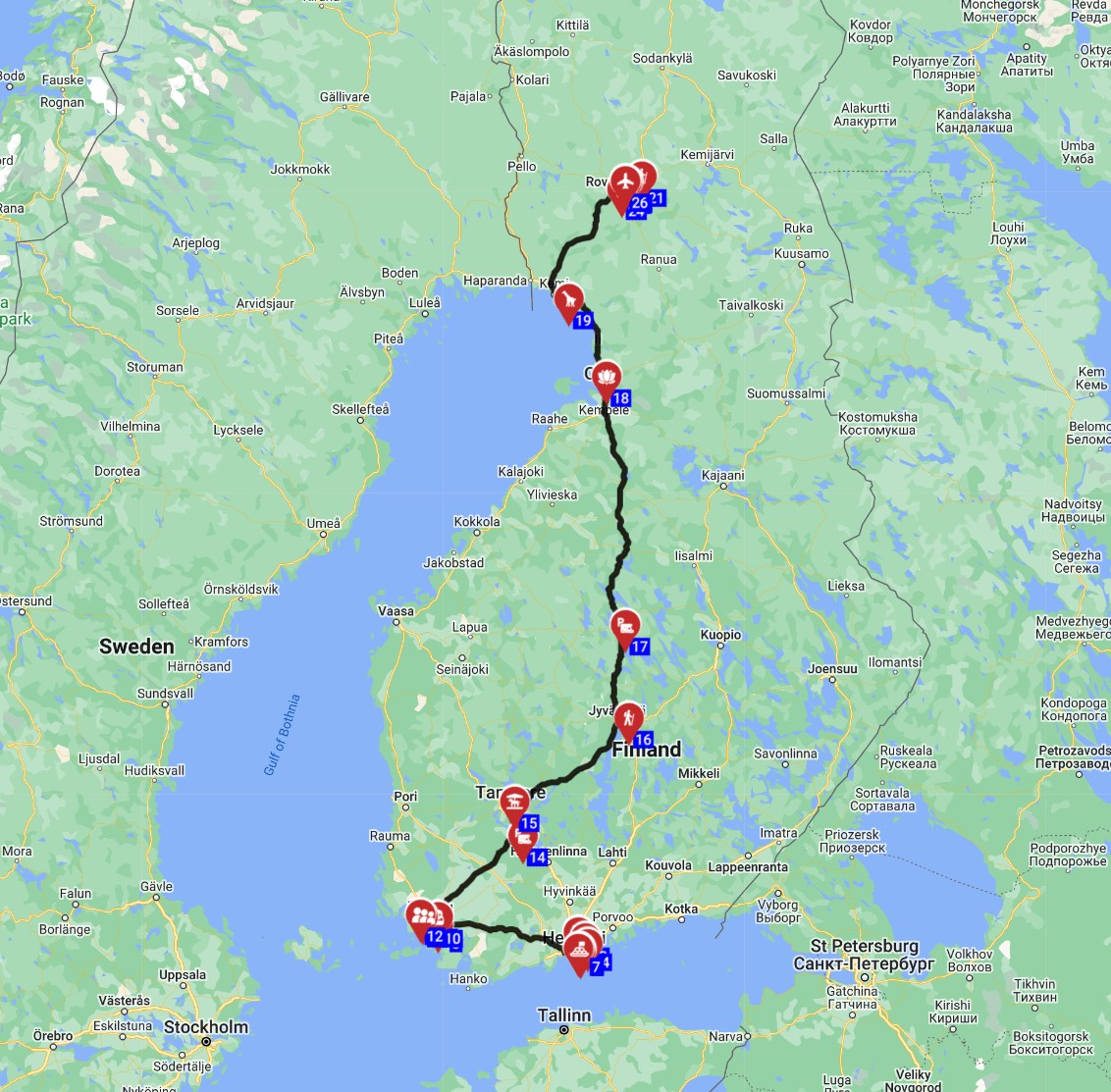
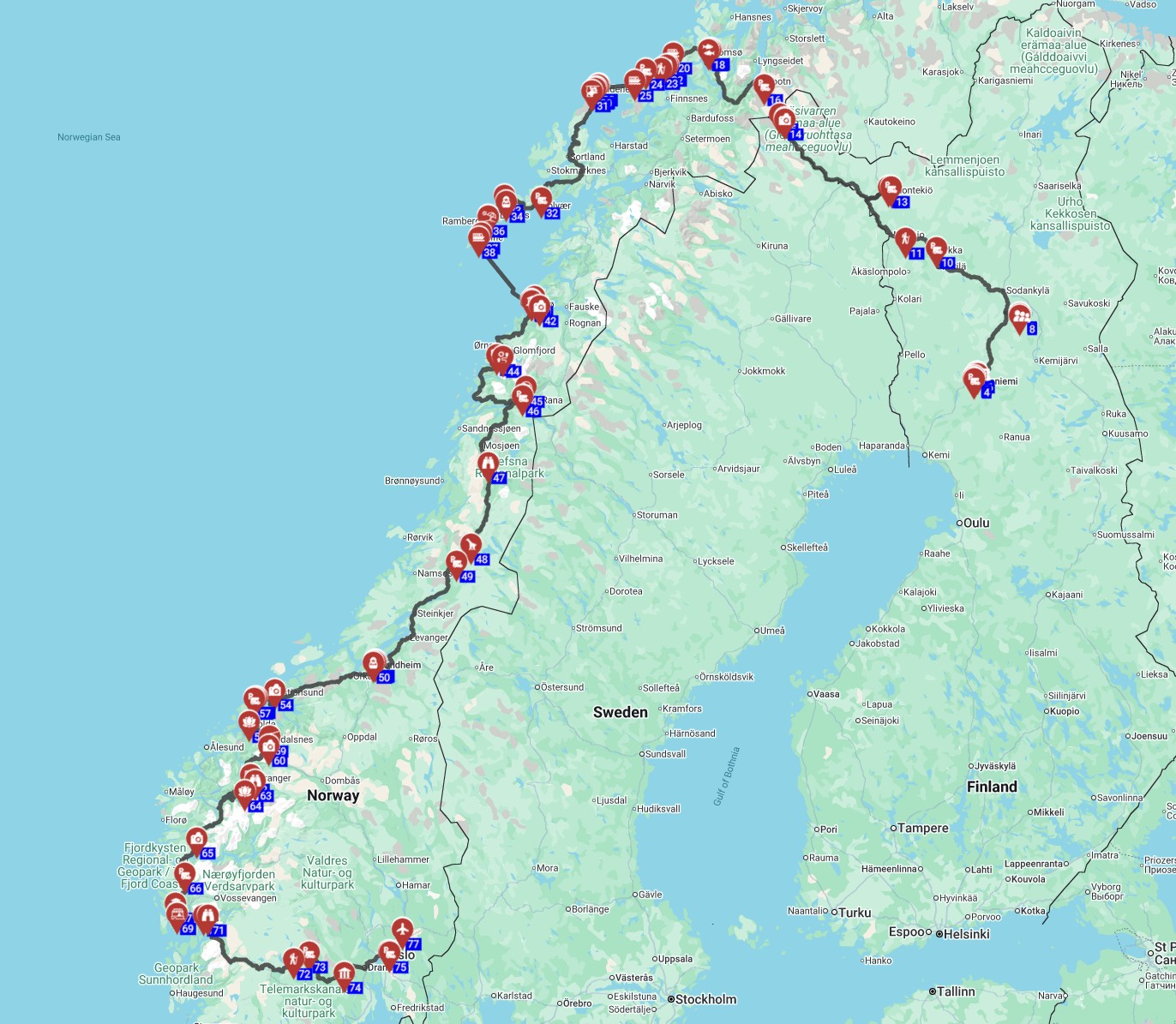
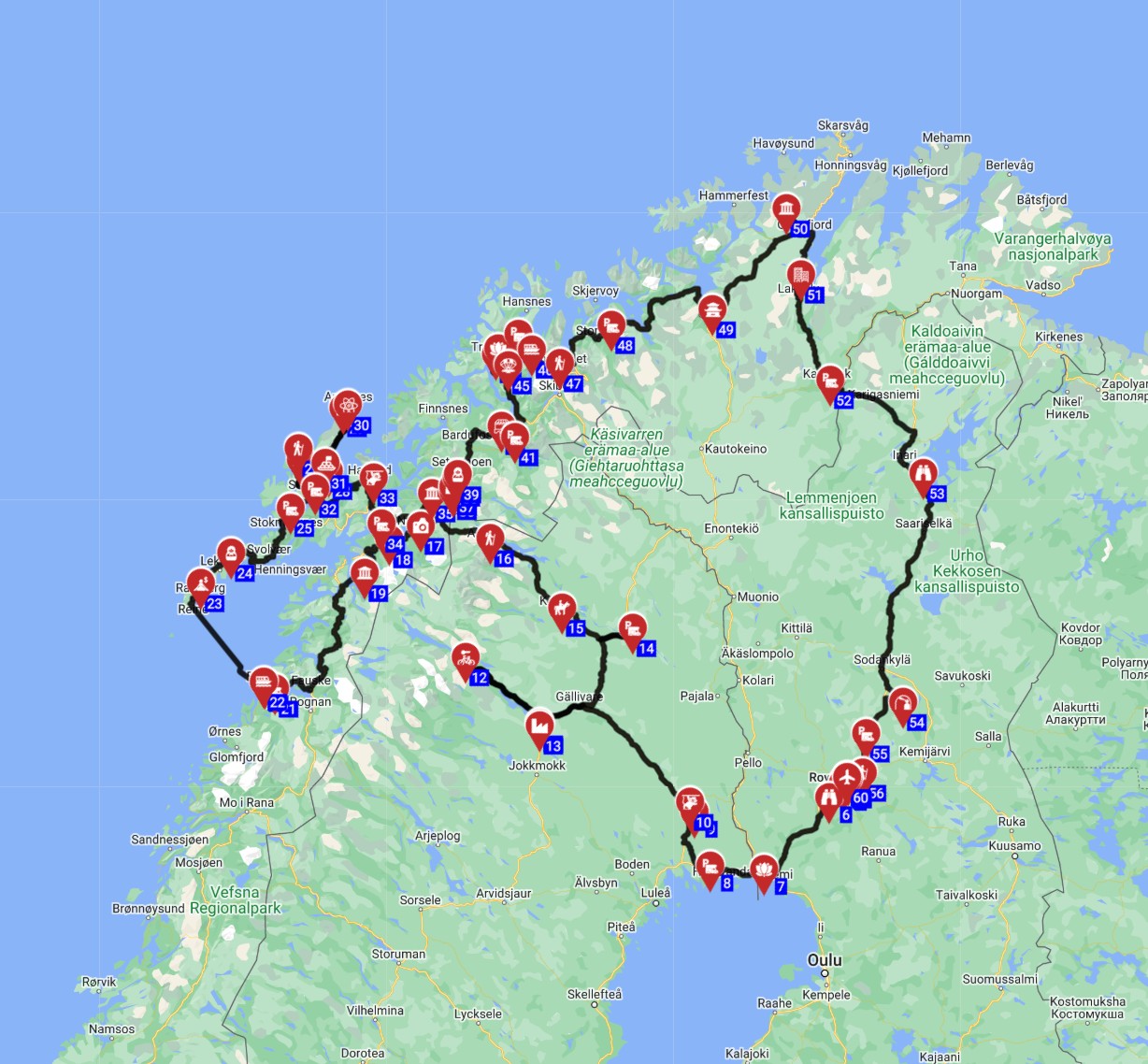
Finland offers numerous off-the-beaten-path RV routes that lead to unique cultural experiences, lesser-known natural wonders, and activity-specific adventures away from typical tourist crowds. Consider exploring the Kainuu Region in East Finland, known for its vast taiga forests and opportunities for brown bear observation, or the UNESCO World Heritage Kvarken Archipelago on the west coast for its unique geological formations and coastal villages.
For wilderness enthusiasts, Hossa National Park in Koillismaa offers ancient rock paintings and clear waters, ideal for canoeing and hiking, with designated RV-friendly parking. Venturing far north along the Inari-Utsjoki Route in Finnish Lapland allows for experiencing authentic Sámi culture, reindeer herding, and prime Northern Lights viewing spots in winter.
You can also plan your trip around specific wild berry or mushroom seasons, often found along smaller forest roads in central and eastern Finland for a unique culinary adventure. Seeking out lesser-known local events, such as village markets or folk music festivals, offers deeper cultural immersion. For assistance with planning these unique journeys, explore the 1,300+ pre-planned routes available via RV PLANET, accessible through our sister company.
How is Mobile Connectivity and Wi-Fi for RVs in Remote Finland?
Finland generally boasts excellent mobile network coverage, with 4G and increasingly 5G services widely available even in many remote areas, making connectivity for RVers relatively reliable. For optimal performance, consider purchasing a local Finnish SIM card from providers like Elisa, Telia, or DNA, which offer affordable plans with ample data.
While coverage is strong on major routes and in population centers, be prepared for occasional dead zones in extremely remote wilderness areas or deep valleys, particularly in parts of Lapland. Most official campsites provide Wi-Fi, often included in the nightly fee or available for a small charge, and free public Wi-Fi is common in town libraries and cafes.
Ensure your rented RV has adequate charging solutions like USB ports or 12V outlets, and consider auxiliary batteries or solar panels for extended off-grid stays if your rental vehicle is equipped. GPS navigation systems function reliably throughout Finland, even without mobile signal; however, downloading offline maps as a backup is always a prudent measure for remote travel.
What Safety and Emergency Tips Do I Need for RVing in Remote Finland?
Preparing for remote conditions in Finland involves understanding potential wildlife encounters, planning for vehicle breakdowns, and ensuring effective communication strategies for a safe RV trip. Remain highly alert for moose and reindeer on roads, especially in forested areas, as collisions can be severe.
In case of breakdowns in isolated areas, carry a comprehensive emergency kit including a first-aid kit, basic tools, extra water and non-perishable food, warm blankets, and a fully charged phone with a power bank. Importantly, note your rental company's roadside assistance number.
Familiarize yourself with the locations of nearest medical centers or hospitals along your planned route. In a severe emergency, always dial the pan-European emergency number 112. While mobile coverage is generally good, it can be patchy in very remote parts of Lapland, so consider carrying a satellite messenger or informing someone of your itinerary.
Always carry an adequate supply of fresh water and non-perishable food, especially when heading to areas with limited services. Monitor Finnish weather forecasts closely, as conditions can change rapidly, and ensure your RV is equipped for the anticipated seasonal challenges.
What are Sustainable RV Practices for Traveling in Finland?
Practicing sustainable and eco-conscious RV travel in Finland involves responsible waste management, water conservation, respecting fragile ecosystems, and actively supporting local, environmentally friendly businesses. Utilize designated waste and recycling facilities at campsites and public collection points, minimize single-use plastics, and always pack out everything you pack in.
Be mindful of water consumption, especially when off-grid, and dispose of greywater and blackwater only at approved dump stations. Stick to established roads and trails, avoiding driving or parking on sensitive natural terrain, particularly in national parks or wetland areas.
Always ensure your campsite or parking spot is left pristine, removing all trash and signs of your presence. Supporting local businesses by purchasing groceries from local shops, dining at local restaurants, and buying souvenirs from local artisans fosters the local economy sustainably.
If campfires are permitted and conditions allow, use designated fire pits and ensure fires are completely extinguished, always checking for local fire warnings, especially during dry periods. Keep noise levels to a minimum to avoid disturbing wildlife and fellow campers.
What You Shouldn't Miss
- The Enchanting Northern Lights: During the winter months (September to March), venture to Finnish Lapland for the best chances to witness the magical Aurora Borealis dancing across the night sky. This is an unparalleled natural spectacle best viewed away from city lights.
- A Taste of Finnish Cuisine: Explore local markets and restaurants to sample traditional Finnish dishes. Don't miss out on delicacies like smoked salmon (lohikeitto), Karelian pies (karjalanpiirakka), and the unique cloudberries (lakka) found in Lapland's bogs. You can even try some RV-friendly recipes playlist for a taste of Finnish flavors on the go.
- Midsummer Magic in the Archipelago: Experience the unique Finnish Midsummer celebrations (Juhannus) in the Finnish Archipelago, where islands come alive with bonfires, music, and a vibrant community spirit. Renting a smaller campervan or Class B RV can make navigating the island roads and smaller villages particularly enjoyable.
- The Golden Circle of Finnish Nature: Embark on a scenic route encompassing national parks like Koli, Oulanka, and Syöte. These parks offer stunning landscapes, hiking trails, and opportunities for activities like canoeing and wildlife spotting, accessible with a rented RV.
- Discover Sámi Culture in Lapland: Travel north to Inari and Utsjoki to immerse yourself in the rich culture of the indigenous Sámi people. Visit reindeer farms, learn about traditional crafts, and experience the unique way of life in the Arctic region.
Final Thoughts
Renting an RV for a weekend trip in Finland offers an unparalleled way to connect with its stunning natural beauty and unique culture. Whether you're chasing the ethereal Northern Lights in winter or basking in the Midnight Sun of summer, Finland's diverse landscapes and well-maintained roads provide a fantastic backdrop for your adventure.
Remember to plan ahead, pack appropriately for the season, and embrace the slower pace of travel that an RV journey allows. By leveraging resources like RV PLANET for route planning and campground discovery, you can craft an itinerary that perfectly suits your interests, ensuring a memorable and hassle-free experience.
So, pack your bags, prepare for breathtaking scenery, and get ready to discover the magic of Finland from the comfort and freedom of your rented RV. Your Finnish adventure awaits!