In This Guide
- Can You Drive an RV in Europe? License & Age Rules
- Road Conditions & Terrain in Europe
- RV Size Limits, Bridges & Restricted Zones
- Fuel: Diesel vs. Petrol & Cost per 100 km
- Tolls, Vignettes & Border Rules
- Driving Tips for Weekend RV Rental Travelers
- Recommended RV Class for Europe Roads
- Should I Choose a Compact Van Instead of a Large RV in Europe?
- Can I Park Anywhere? Free & Wild Camping Rules in Europe
- Can I Drive an RV Into the City Center? Heights, Tunnels & Local Signage
- What is the 3-3-3 rule for RV travel?
- What is the 4-4-4 rule for RV?
- How difficult is it to drive in Europe as an American?
- Is Europe RV friendly?
- What is the 3-3-3 rule for campervan?
- Can you park a motorhome anywhere in Europe?
- Can you get temporary RV insurance?
- Can I park my campervan anywhere in Europe?
- How much does travel insurance cost for 1 week in Europe?
Imagine yourself cruising through picturesque European landscapes, the freedom of a rented motorhome allowing you to discover charming villages, stunning coastlines, and ancient cities at your own pace, even if it's just for a quick weekend getaway. Europe offers an incredible tapestry of experiences for RV travelers, from the rugged mountains to serene lakesides. Whether you're a seasoned RVer or planning your first adventure, a weekend RV rental in Europe provides an unmatched blend of flexibility and comfort. For live availability and current prices, start with our RV Rental Europe - Complete Guide 2026 guide.
Can You Drive an RV in Europe? License & Age Rules
Most EU residents with a standard 'B' driving license can drive RVs up to 3,500 kg (7,700 lbs), covering the majority of Class B campervans and many Class C motorhomes. Non-EU drivers typically need an International Driving Permit (IDP) alongside their valid national license to legally operate a rented RV in Europe. The minimum driver age for RV rentals in Europe is generally 21 years, though some suppliers may require drivers to be 25 for larger vehicles, but Bandana has no age-based vehicle class restrictions or young driver surcharges. No special license or CDL is required for any of our rental motorhomes. It’s all about the vehicle's weight, not its size, that determines licensing needs.Understanding the license requirements for a weekend RV rental in Europe is crucial for a smooth trip. A standard Class B driver's license, which allows you to drive vehicles up to 3,500 kg, is generally sufficient across the continent for most campervans and smaller motorhomes. For example, a popular Class B Camper Van like a `Category Van` or a `V3` (approx. 5.99m to 6.36m in length) falls comfortably within this weight limit. Visitors from non-English speaking countries are highly encouraged to obtain an International Driving Permit (IDP) as it translates your existing license into multiple languages, simplifying interactions with local authorities.
Road Conditions & Terrain in Europe
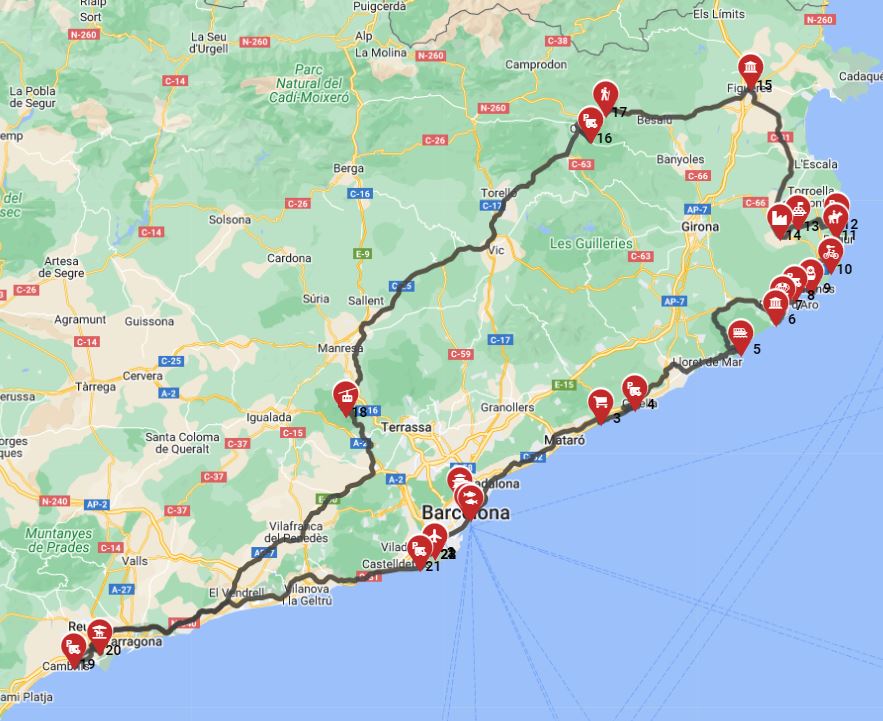
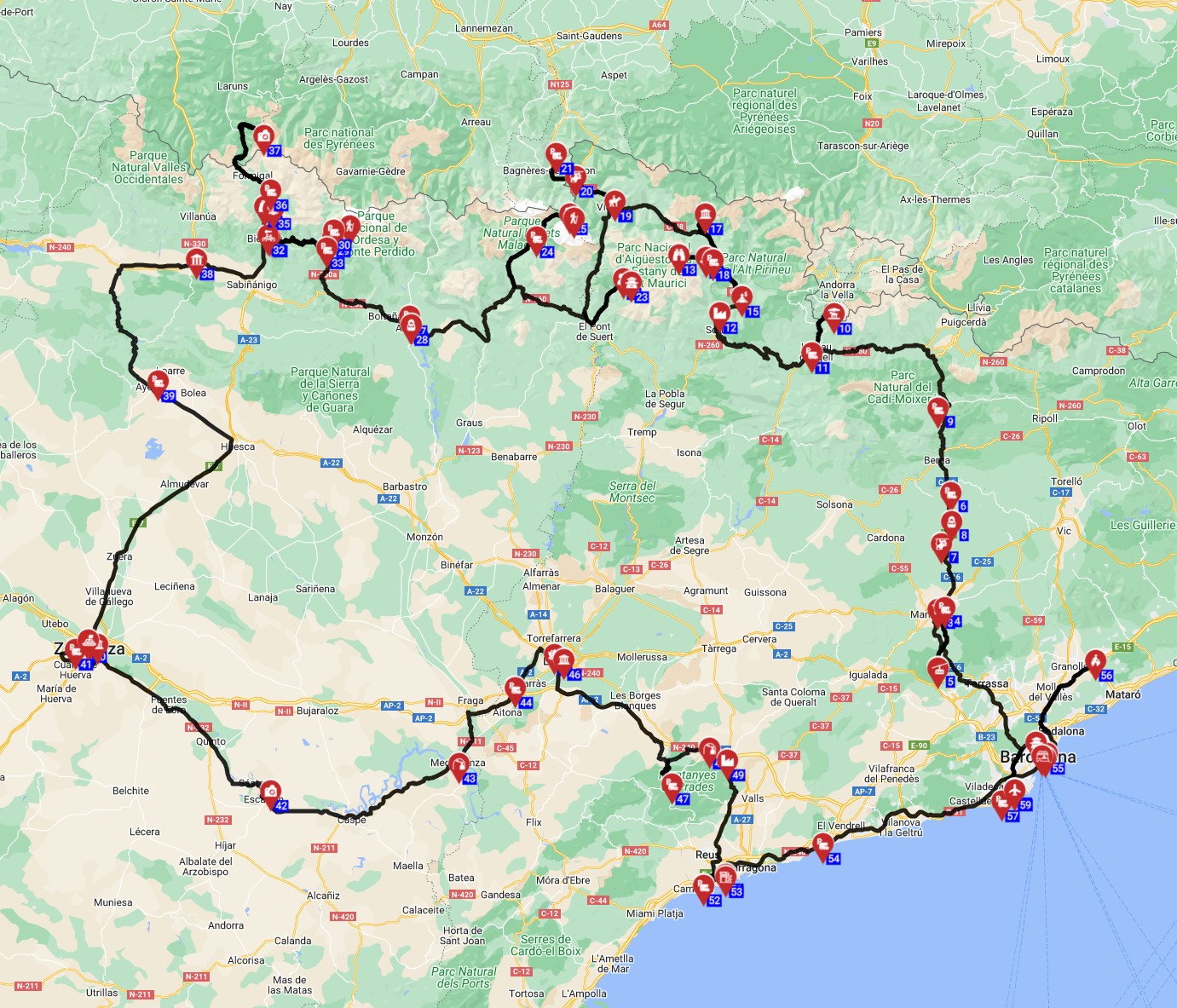
European road quality varies significantly, from impeccably maintained motorways to narrower, winding rural roads and ancient cobblestone streets in historic towns, all of which are manageable with a weekend RV rental. You can expect diverse terrain, including challenging mountainous regions like the Alps and Pyrenees, breathtaking coastal routes, and dense urban areas. The key to enjoying these varied conditions is to embrace slower, scenic routes, especially for weekend trips. This allows you to fully experience Europe's incredible landscapes and connect to the culture, the food, and the scenery, reducing driving stress. For inspiration on pre-planned routes by professionals, consider our Rent&Plan service through RV PLANET (rvplan.net).🎬 Video coming soon
RV Size Limits, Bridges & Restricted Zones
Travelers planning a weekend RV rental in Europe must be aware of height and weight restrictions, particularly on older roads, underpasses, and in historic city centers, so always know your RV's exact dimensions. Many European cities enforce Low Emission Zones (LEZ) that require specific vehicle environmental stickers, such as a Crit'Air in France or an Umweltplakette in Germany, which must be purchased in advance to avoid fines. For example, some city centers might have height restrictions of 3.5 meters (11.5 feet) or less. While Bandana does not recommend avoiding cities due to size, drive slowly and carefully, and you can drive almost anywhere without issues. No need to stress - just use common sense and pay attention.Fuel: Diesel vs. Petrol & Cost per 100 km
The vast majority of rented RVs in Bandana's global fleet, including those typically available in Europe, run on diesel, which is widely available at European fuel stations. Bandana's Class SI - Semi-integrated and Class C - Alcove RVs typically consume 10-12 Liters/100 km, while Class B - Camper Vans average 8-10 Liters/100 km. It is essential to budget for fuel costs, which can fluctuate daily, impacting the total trip cost.For example, a Class B Camper Van like the `cruise america example EX-Group A` (length 5.99m) has a fuel consumption of about 8 Liters/100 km. Keeping an eye on fuel prices across countries can save you money. On RV PLANET routes, travelers can itemize and track every expense along the way for easy budgeting. This transparency ensures no hidden fees or surprises when it comes to your ancillary costs. On the routes offered through RV PLANET routes, you can itemize and track every expense along the way for easy budgeting.
Tolls, Vignettes & Border Rules
Many European countries utilize toll roads or require vignettes (pre-paid stickers for highway use), particularly in nations such as Austria, Switzerland, and the Czech Republic. It is crucial to research specific toll and vignette requirements for your planned weekend route, as fines for non-compliance can be substantial. For example, a 10-day vignette for Austria typically costs around €9.90. Border crossings within the Schengen Area are generally seamless for EU citizens, but non-EU travelers should always carry passports and all vehicle documents for potential checks, especially when crossing into non-Schengen countries. This is part of our commitment to full transparency, helping you prepare for every aspect of your journey.Driving Tips for Weekend RV Rental Travelers
For a safe and enjoyable weekend RV trip in Europe, plan your route using RV-specific GPS navigation that accounts for vehicle height and weight, preventing unexpected detours or hazards. Familiarize yourself with European road signs, which are often pictorial and standardized across the EU-for instance, a red circle with a diagonal line usually means 'no entry', and 'Einbahnstraße' is German for one-way street. Always carry mandatory safety equipment, such as a high-visibility vest, a warning triangle, and spare bulbs, which are legally required in many countries, and ensure your rented camper is equipped with these items. Allow extra travel time for spontaneous stops at scenic viewpoints or charming cafes, and account for potential traffic, especially if traveling with family. Remember to travel slowly, aiming for a maximum of 100-150 km per day on average, to truly immerse yourself in the local culture and scenery. This is key for a relaxing weekend RV rental.Recommended RV Class for Europe Roads
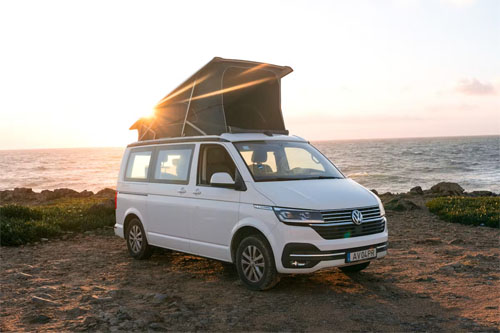
For optimal maneuverability on Europe's varied roads during a weekend trip, a Class B - Camper Van, averaging 5.8m in length, is highly recommended. These compact motorhomes, like a `V2L` (5.99m long with a 2-burner gas stove), offer excellent agility for navigating narrower streets and parking in smaller towns, making them perfect for quick getaways. If more comfort and interior space are desired without significant compromise on agility, a Class SI - Semi-integrated RV, averaging 6.9m in length, provides a good balance for European travel. These vehicles offer more amenities while still being manageable on most European roads, proving that Bandana's true RV specialists can match you with the perfect vehicle.If you're interested in a Weekend RV Rental in Europe - Pricing 2026, you'll find that smaller campervans often offer more budget-friendly options, with dynamic pricing based on availability and season.
Should I Choose a Compact Van Instead of a Large RV in Europe?
While a compact van (like a Class B Camper Van such as a `Combi Van`, 5m long) offers superior maneuverability for tight city streets and narrow mountain passes, most modern RVs of all sizes can navigate European roads effectively with careful driving. The choice for your weekend RV rental often comes down to balancing desired comfort and indoor living space against maximum agility, with personal preference for amenities often outweighing minor driving challenges. Opt for a compact van if extensive city exploration or traversing extremely narrow, winding roads is your primary goal; otherwise, a larger RV provides a more comfortable 'home on wheels' experience for a relaxed journey, particularly if you want features like a private shower and toilet, as found in a 4-berth `F2` motorhome.Can I Park Anywhere? Free & Wild Camping Rules in Europe
No, you cannot park a rented RV anywhere in Europe for overnight stays; wild camping and free camping are restricted or illegal in most European countries, especially in popular or protected areas. Designated motorhome parking areas, known as Stellplätze in Germany and Austria, Aires de Services in France, or Sosta in Italy, offer specific, often free or low-cost, overnight parking with basic services like water and waste disposal. Always prioritize legal campsites or designated motorhome parking areas; rules vary significantly by region, so it is essential to check local regulations and follow local laws before parking overnight. This proactive planning prevents unexpected fines or issues, ensuring a stress-free weekend RV rental.Can I Drive an RV Into the City Center? Heights, Tunnels & Local Signage
Almost always, yes, you can drive a rented RV into city centers in Europe, but close attention to local signage is critical to navigate restrictions and avoid penalties. Drivers must watch out for height and weight restrictions, low bridges, narrow tunnels (which can be as low as 2.8 meters or 9.2 feet in some older areas), and environmental zones (LEZ) that may limit access for larger vehicles or require specific permits. For instance, the length of a typical Class C motorhome like the `MHC24` (7.3m long) requires careful maneuvering in compact urban environments. Pay particular attention to signs indicating 'residents only' parking, pedestrian zones (like parts of Venice), or areas with limited access for large vehicles. If parking directly in the city center is difficult, consider using park-and-ride facilities on city outskirts, which are often RV-friendly and provide easy public transport access to central areas.What is the 3-3-3 rule for RV travel?
The 3-3-3 rule suggests driving no more than 300 miles (approximately 480 km) a day, arriving at your destination by 3 PM, and staying for at least 3 nights to ensure a relaxed and enjoyable RV trip. This guideline helps prevent driver fatigue, allows ample time for setting up camp and relaxing, and encourages deeper exploration of each location. For a weekend RV rental in Europe, adapting this rule is ideal; for example, focus on much shorter driving distances (e.g., 100-150 km per day), aim to arrive early, and embrace staying for two nights at a single charming spot. This slow travel approach maximizes your leisure time and truly allows you to savor the European experience.What is the 4-4-4 rule for RV?
The 4-4-4 rule for RV travel is a variation of pacing guidelines, often interpreted as driving no more than 400 miles (approximately 640 km) a day, arriving by 4 PM, and staying for at least 4 nights, or alternately, driving no more than 4 hours and stopping every 4 hours. This rule is more suitable for travelers who prefer covering slightly longer distances or planning extended stays at fewer locations, offering a balanced approach to the road trip. While helpful for extended adventures, for a short weekend RV rental in Europe, the 3-3-3 rule's emphasis on shorter drives and earlier arrivals is often more practical for maximizing enjoyment.How difficult is it to drive in Europe as an American?
Driving a rented RV in Europe as an American presents a moderate challenge due to narrower roads, different signage, varying traffic laws, and specific vehicle size considerations, but it is highly rewarding with proper preparation. Mainland Europe predominantly drives on the right, but road signs, speed limits (which are metric, e.g., 120 km/h on motorways), and right-of-way rules (e.g., priority to the right at unmarked intersections in some countries) differ from the US. RVs can feel larger on European roads, requiring extra caution on bends, in villages, and when parking, especially for drivers accustomed to wider American infrastructure, but with common sense and attention, you will navigate without issues. Our Rent&Plan service can provide pre-planned routes to ease your navigation.Is Europe RV friendly?
Europe is largely RV friendly, offering an extensive network of campsites, dedicated motorhome parking areas (Stellplätze/Aires), and diverse landscapes perfect for road trips and weekend RV rentals. RV friendliness varies significantly by country and region; for instance, countries like Germany and France are particularly well-equipped with infrastructure for motorhomes, boasting thousands of designated spots. While wild camping is often restricted, the abundance of designated overnight spots and a strong RV culture make touring Europe by RV a popular and accessible option for families and couples seeking adventure. Consider exploring our "Cheap RV Rental in Europe - Budget Guide 2026" for more cost-effective options.What is the 3-3-3 rule for campervan?
The 3-3-3 rule for campervan travel is identical to the RV rule, advising drivers to cover no more than 300 miles (approx. 480 km) a day, arrive at their destination by 3 PM, and stay for at least 3 nights. This pacing guideline is particularly well-suited for campervans, like a `V2L` or `Combi Van` (both around 6m long), promoting a relaxed journey and ample time to enjoy the compact vehicle's versatility and chosen destinations. It encourages a slow travel approach, allowing campervan enthusiasts to fully immerse themselves in the European weekend experience without feeling rushed. For a shorter trip, you might adapt this to 100-150 km per day and arrive by 2 PM for a 2-night stay.Can you park a motorhome anywhere in Europe?
No, you cannot park a motorhome anywhere in Europe for overnight stays, as parking regulations vary widely by country, region, and even municipality, often prohibiting wild or unauthorized overnight parking. Designated motorhome parking areas, such as Stellplätze and Aires, and official campsites are the primary legal options for overnight accommodation. Always research local laws for your specific destination to avoid fines or unwanted attention, ensuring a compliant and stress-free weekend RV rental experience. Utilizing resources like rvplan.net can help you locate suitable and legal parking spots along your route.Can you get temporary RV insurance?
Yes, temporary RV insurance is typically included as part of your rental agreement for RVs rented in Europe, but travelers should always confirm the coverage details with their chosen supplier. This basic insurance often covers third-party liability; however, additional comprehensive travel or excess liability insurance is strongly recommended to cover damages to the rental RV or personal belongings. Familiarize yourself with the 'Green Card' system, which serves as proof of minimum third-party liability insurance coverage for international motor vehicle travel within Europe. With Bandana, you can upgrade to a top-level deductible for extra peace of mind, ensuring you travel with full confidence, knowing there are no hidden fees, just transparent protection.Can I park my campervan anywhere in Europe?
Similar to motorhomes, parking a rented campervan anywhere in Europe for overnight stays is generally not permitted, as specific regulations govern wild camping and unauthorized parking. Campervan travelers should rely on designated campsites, Stellplätze/Aires, or explicitly permitted parking spots for overnight accommodation to avoid issues. Always check local signage and rules, as enforcement can be strict, especially in protected areas, national parks, and popular tourist regions. A reliable itinerary from RV PLANET can help identify appropriate overnight stops, removing guesswork and stress for your weekend RV rental in Europe.How much does travel insurance cost for 1 week in Europe?
The cost of travel insurance for one week in Europe can vary significantly, typically ranging from €20 to €100 or more, depending on factors like the traveler's age, coverage level, and chosen provider. Basic policies generally cover emergency medical expenses, while comprehensive plans often include trip cancellation, interruption, baggage loss, and sometimes RV rental excess waivers. It's crucial to compare different policies and understand what is and isn't covered, especially considering the specific needs of an RV trip, such as our top-level deductible reimbursement option. For broader pricing insights, refer to our "RV Rental in Europe - Prices and Best Deals 2026" guide.What You Shouldn't Miss
- **Explore a European Capital:** For a quick weekend RV rental, immerse yourself in the culture of a single city like Vienna. Experience the vibrant history and festive atmosphere of its traditional markets, which feature 10 unique options and 2 historical sites.
- **Family Fun in France:** A weekend RV trip to a region near Toulouse can offer delightful experiences for families, including visits to 1 amusement park, 1 aquarium, and 2 unique caves.
- **Northern Wilderness Getaway:** For adventurous souls, a quick route starting from Rovaniemi, Finland, can bring you to 3 wildlife watch locations and 4 hiking areas, even for a condensed version of this 18-day itinerary.
- **Taste Local Delights:** With a rented RV, you have a portable kitchen to prepare meals using fresh local ingredients. Be sure to visit a traditional market and try a local restaurant. For inspiration, check out our RV-friendly recipes playlist.
Looking for expert insights from Avi Bandana? Top 5 Adventures - recommendations from Avi Bandana.
Final Thoughts
Embarking on a weekend RV rental in Europe is an experience that combines the thrill of discovery with the comforts of home. With a little preparation and the right mindset, you'll find that navigating Europe's diverse roads and cities is an exciting part of the adventure, not a hurdle. From understanding local driving rules to choosing the perfect campervan size, every detail contributes to a memorable journey.At Bandana Caravan, we are with you every step of the way-from comparing transparent prices to providing expert advice for your trip. We believe in helping you craft unforgettable memories without hidden fees or surprises. So, pack your bags, choose your route, and get ready to experience the freedom of the open road in Europe.
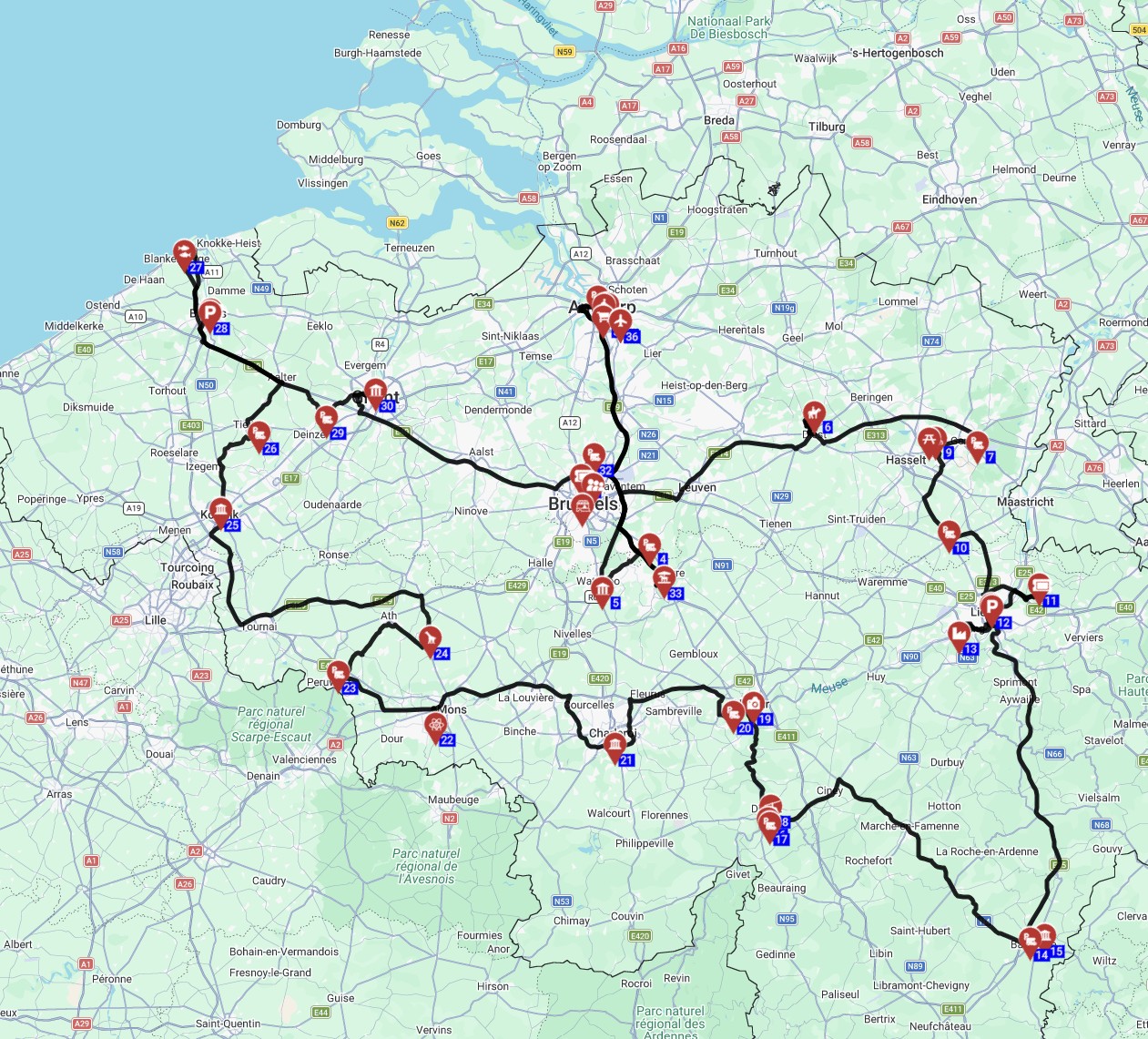
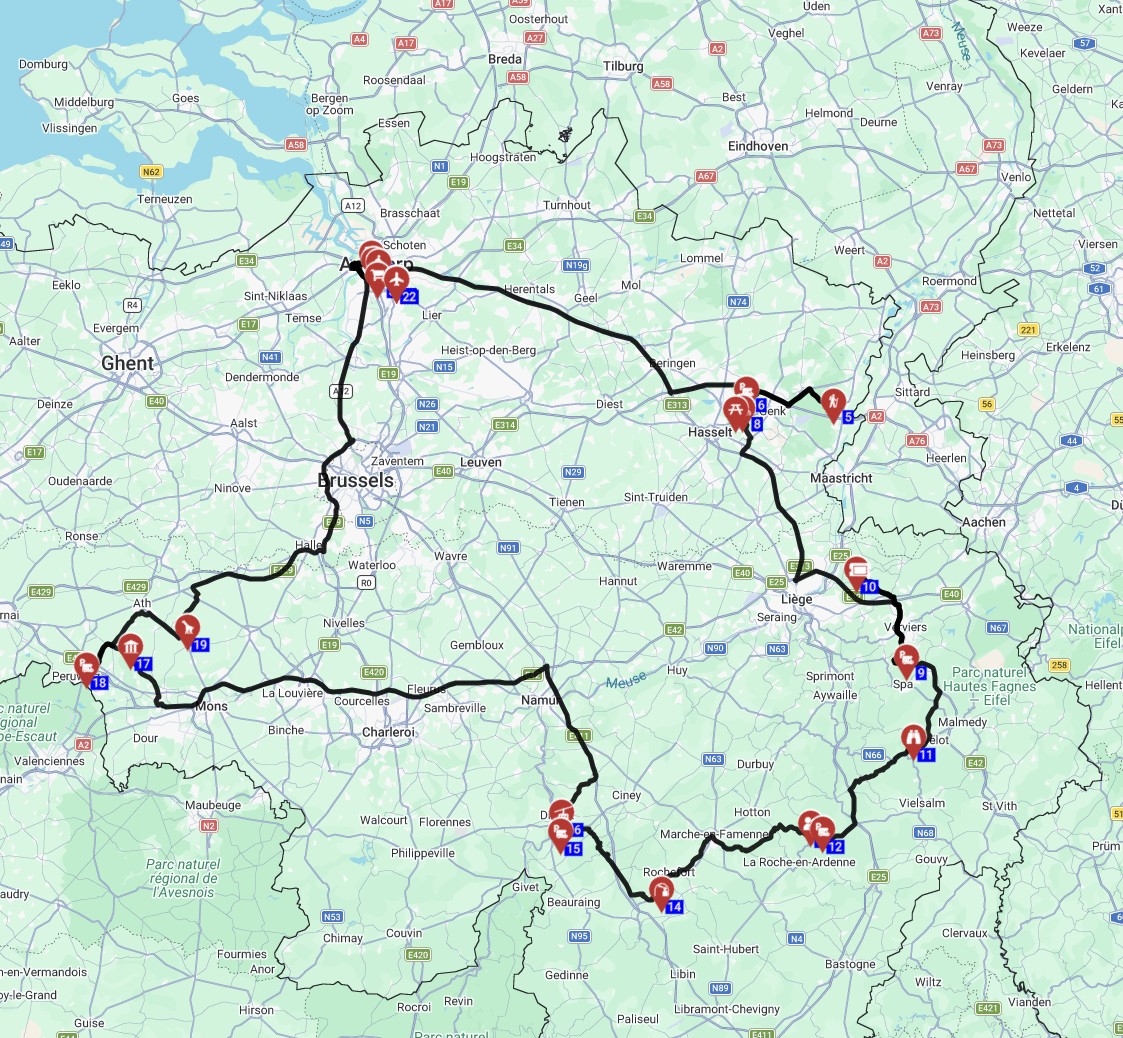
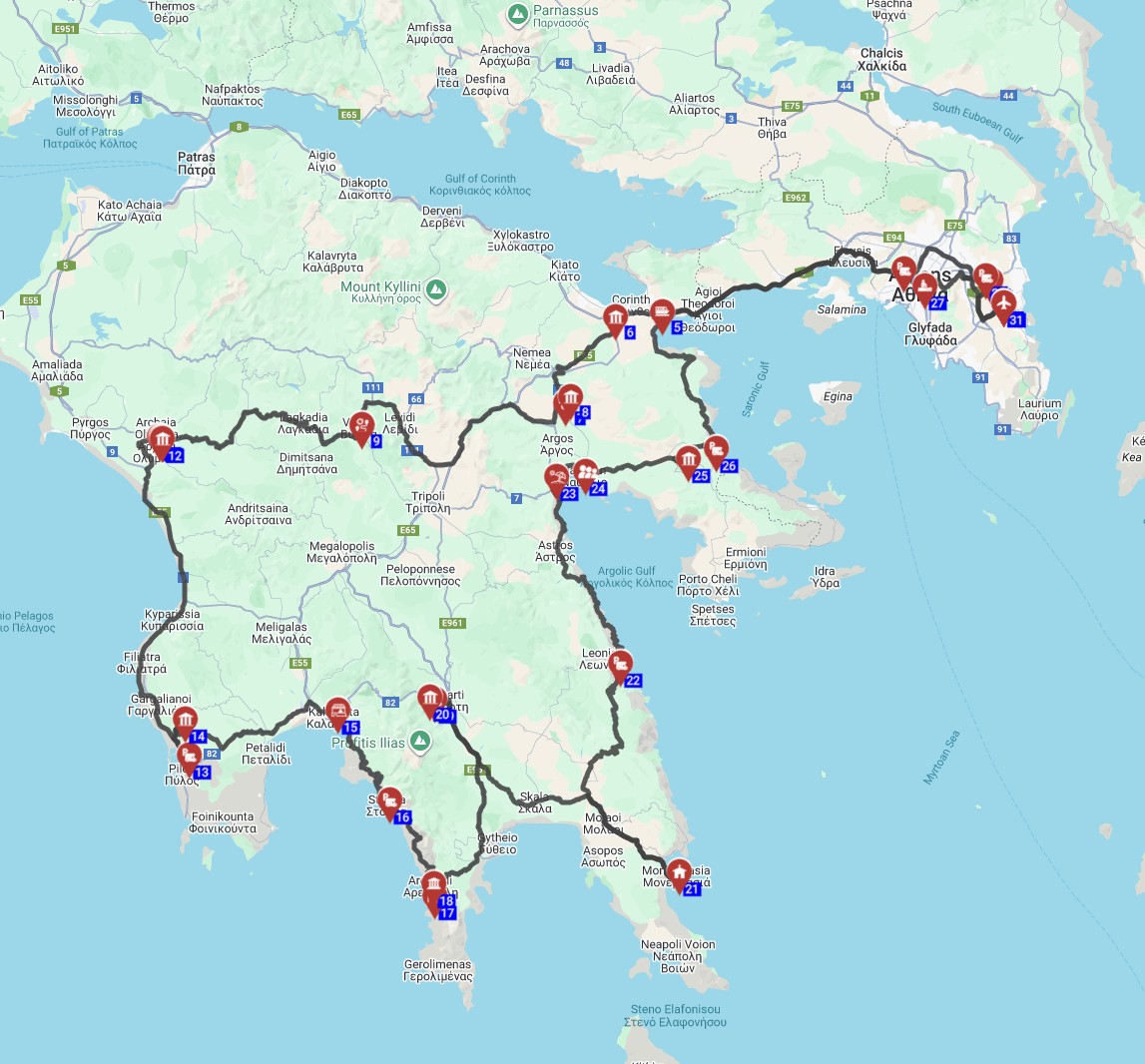
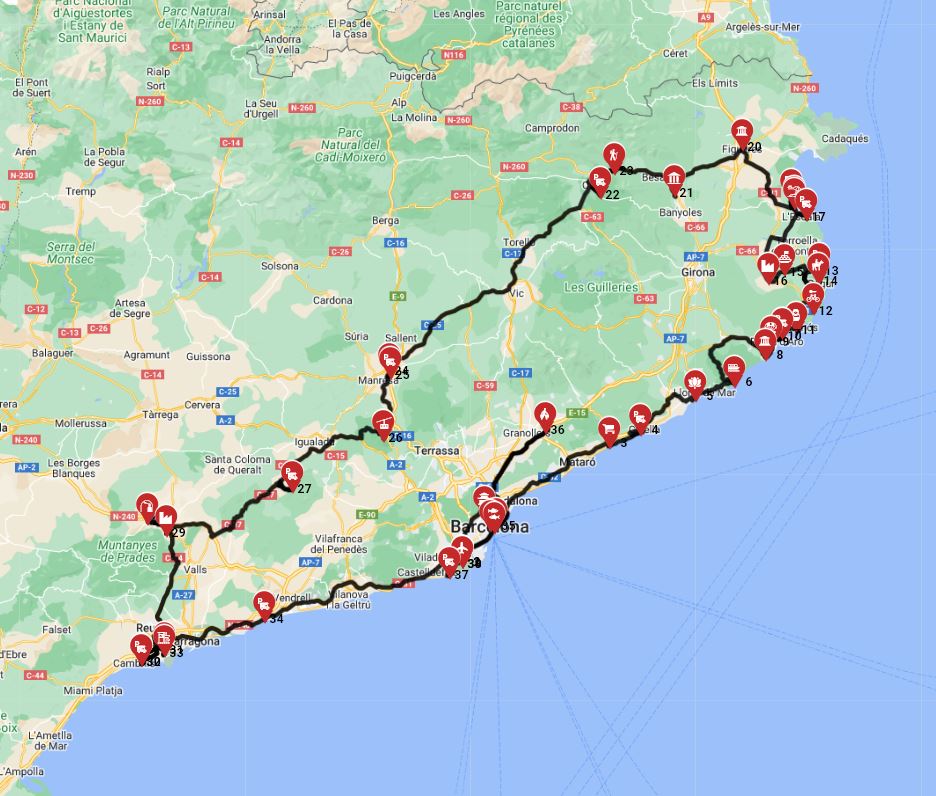
Discover top destinations, planning tips, all in one place! Plan a trip itinerary in advance with minimal effort and maximum enjoyment. Your European RV adventure awaits!
Compare Weekend RV Rental Prices for Europe Now