In This Guide
- Can You Drive an RV in East Canada? License & Age Rules
- Road Conditions & Terrain in East Canada
- RV Size Limits, Bridges & Restricted Zones
- Fuel: Diesel vs. Petrol & Cost per 100 km
- Tolls, Vignettes & Border Rules
- Driving Tips for weekend rv rental Travelers
- Recommended RV Class for East Canada Roads
- Should I Choose a Compact Van Instead of a Large RV in East Canada?
- Can I Park Anywhere? Free & Wild Camping Rules in East Canada
- Can I Drive an RV Into the City Center? Heights, Tunnels & Local Signage
- What is the 3-3-3 rule for RV travel?
- What do you need to cross the Canadian border by RV?
- Can you walk around in a motorhome while driving in Canada?
- What is the new RV law in Ontario?
- Do they search your RV at the Canadian border?
- Where can I park my RV for free in Canada?
- Can you drive to Nova Scotia without taking a ferry?
- Top Cities for RV Rental in East Canada
- Essential Connectivity and Utilities for RV Travel in East Canada
- Emergency Preparedness and Wildlife Awareness in East Canada
- Pet Travel Requirements for East Canada RV Trips
- Seasonal Considerations for an East Canada RV Adventure
- Ancillary Costs Beyond Your RV Rental in East Canada
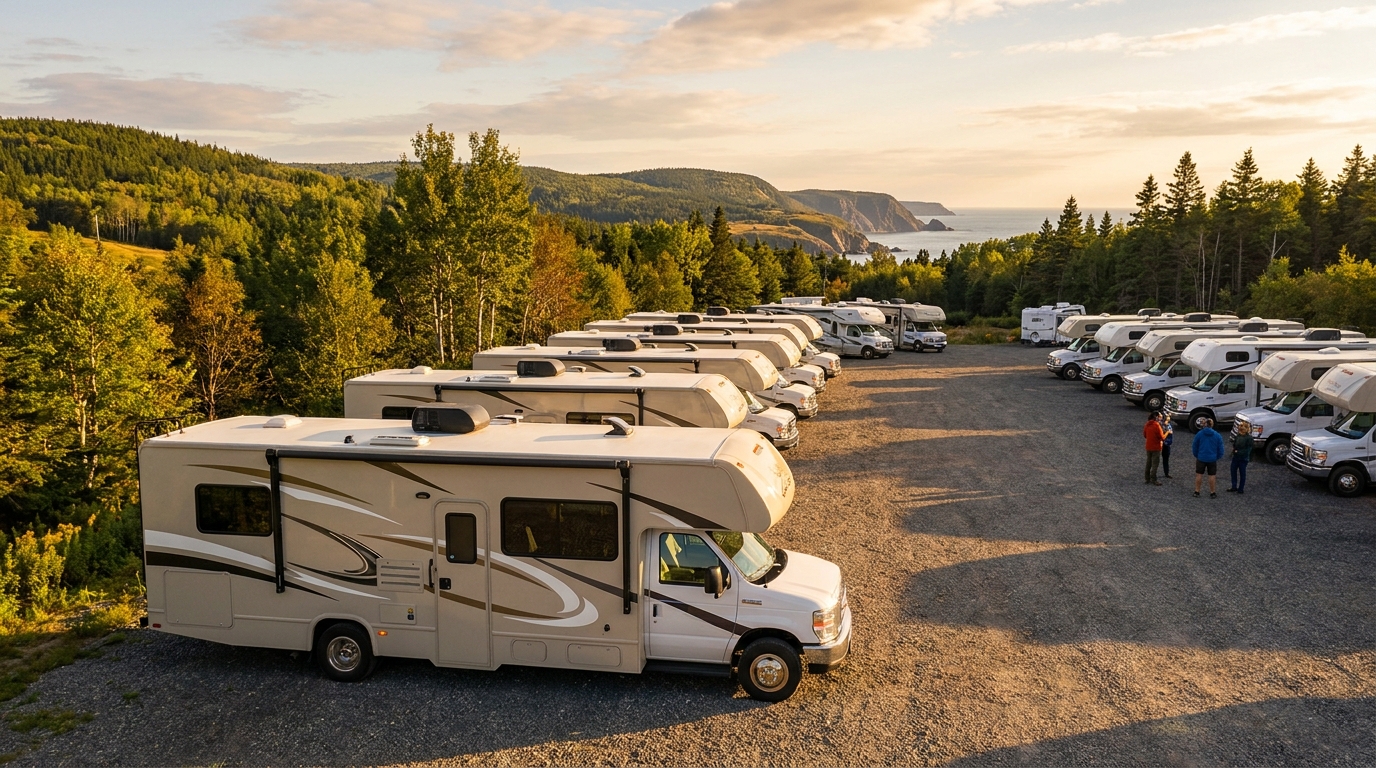
Embarking on a weekend RV adventure in East Canada offers unparalleled freedom to explore its stunning coastlines, historic cities, and pristine natural parks. At Bandana RV, we specialize in helping you navigate the world of RV rentals, ensuring your journey is as smooth and memorable as possible. For live availability and current prices, start with our RV Rental East Canada - Complete Guide 2026 guide.
Can You Drive an RV in East Canada? License & Age Rules
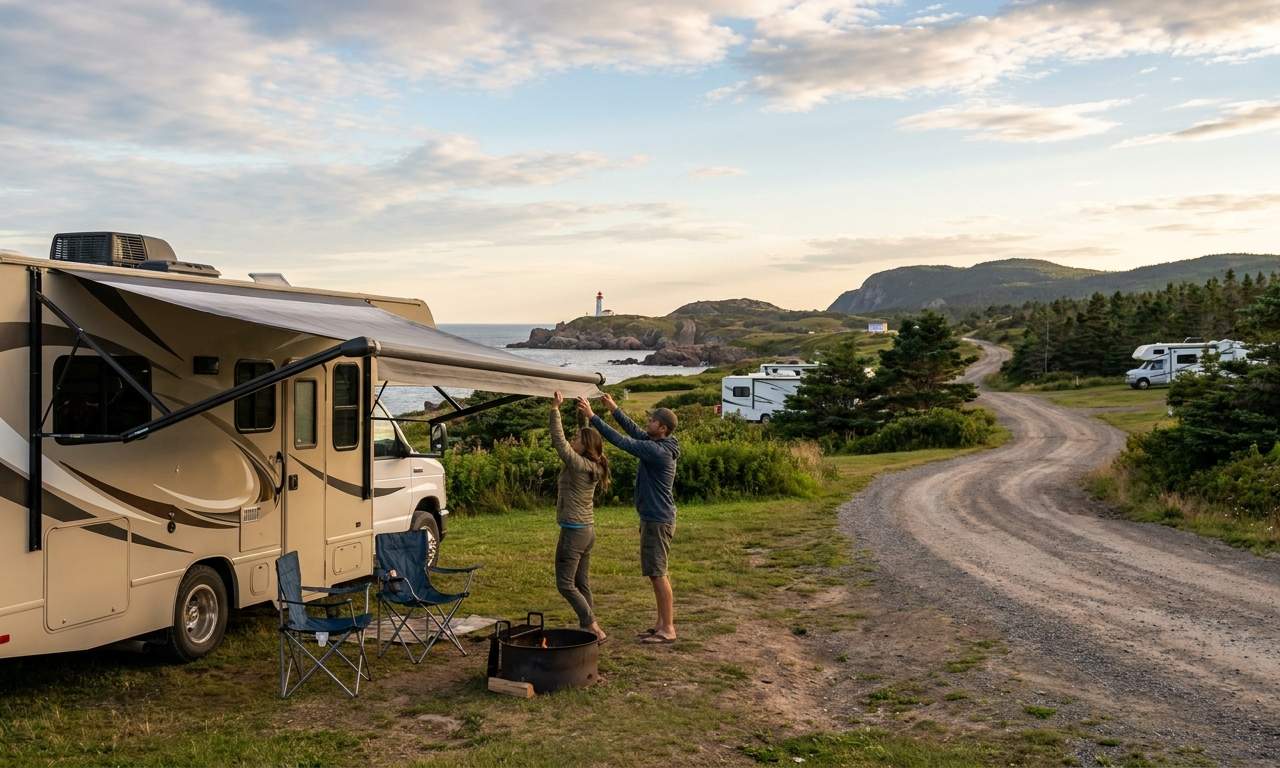
Yes, you can absolutely drive an RV in East Canada with a standard car driver's license, provided the vehicle's gross vehicle weight rating (GVWR) is under 11,000 kg (24,250 lbs). This covers nearly all rental motorhomes and campervans, including Class A, B, and C models, meaning no special license or CDL is required for your adventure. For international visitors with non-English or non-French licenses, an International Driving Permit (IDP) is highly recommended for ease of communication and to comply with local recommendations, though it is not mandatory in most cases. The minimum age for RV rental across Bandana's network of suppliers, including those in East Canada, is typically 21 years old, with no young driver surcharges applied to any vehicle class. We believe in full transparency, ensuring you know all the rules upfront with no surprises.
Road Conditions & Terrain in East Canada
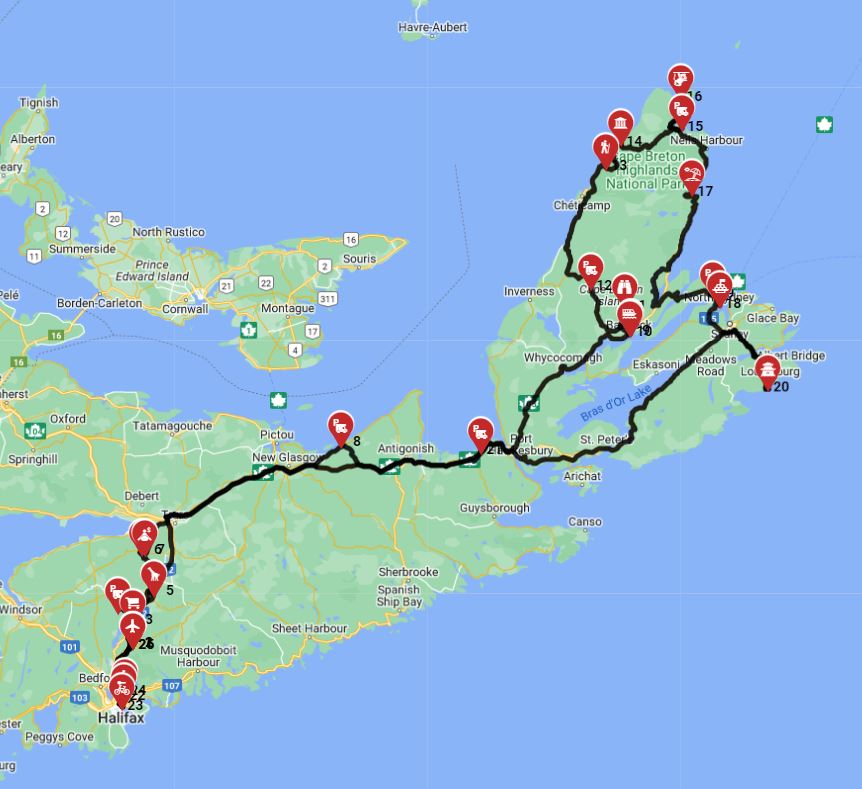
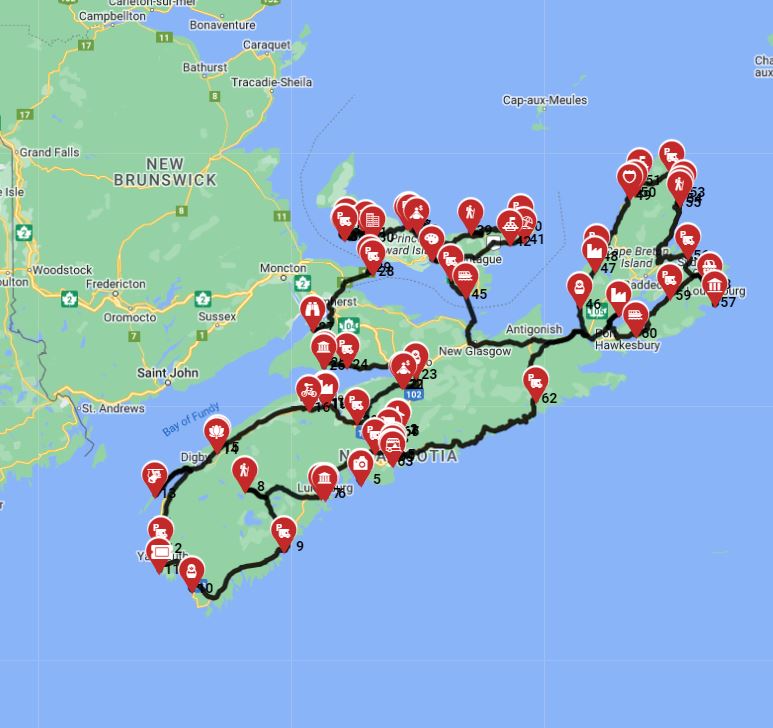
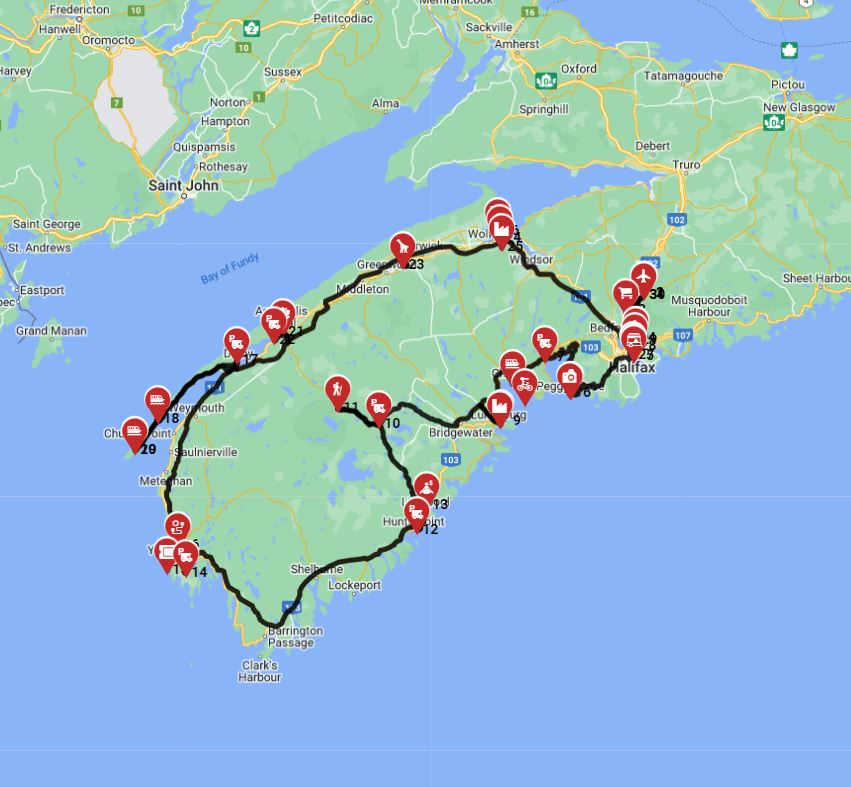
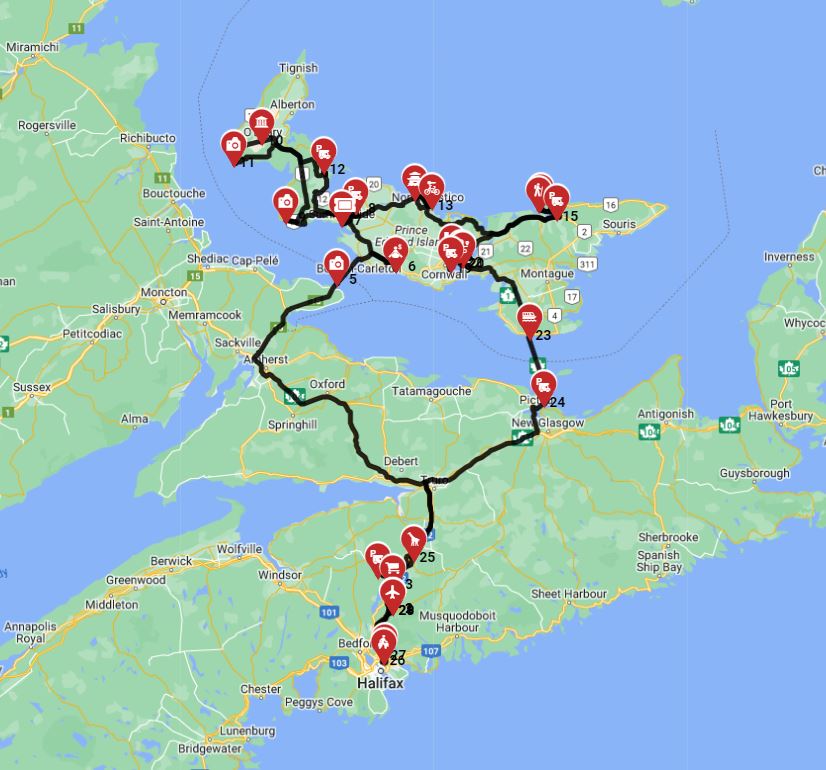
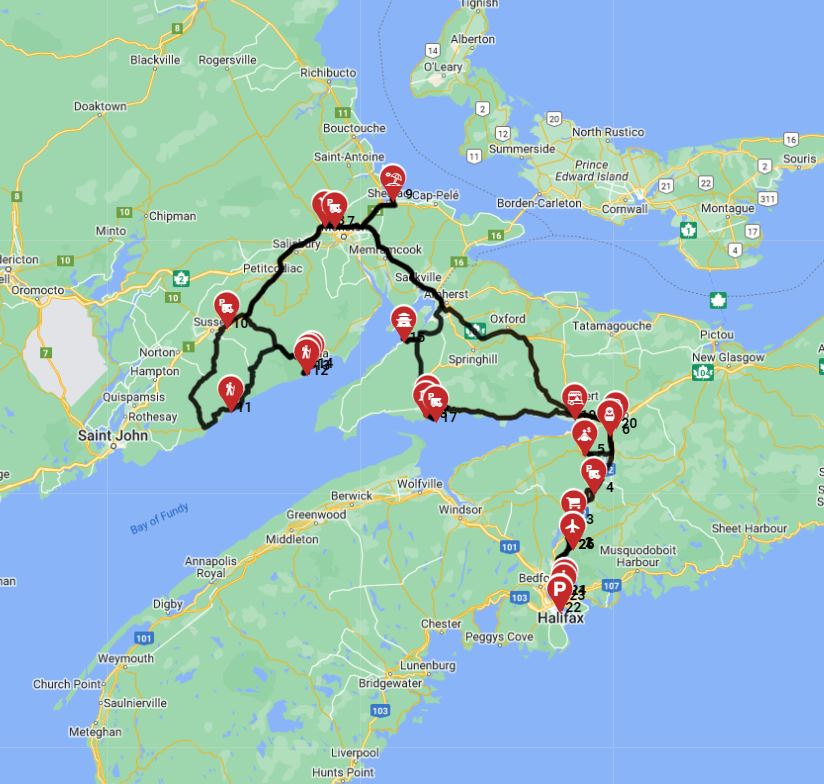
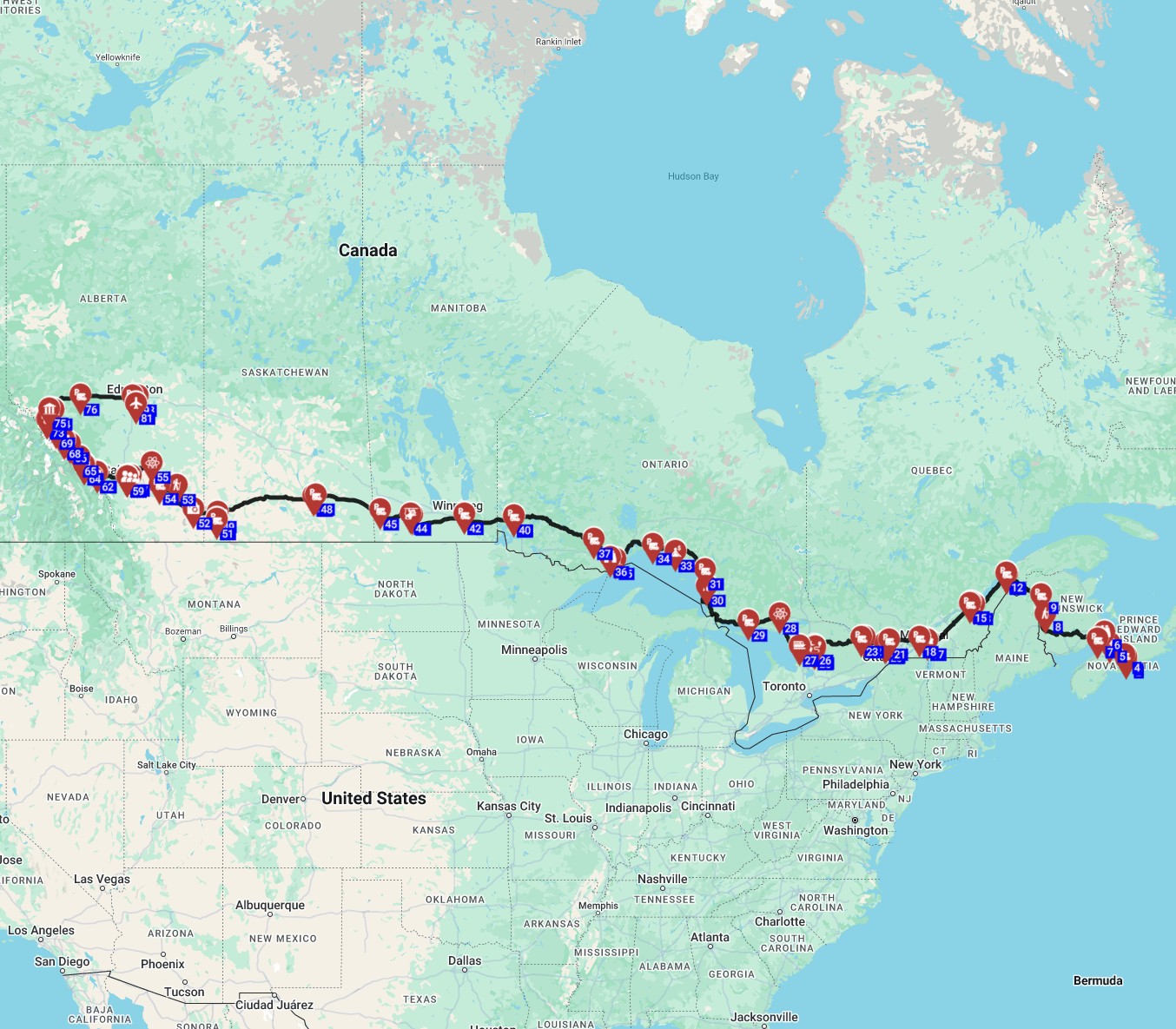
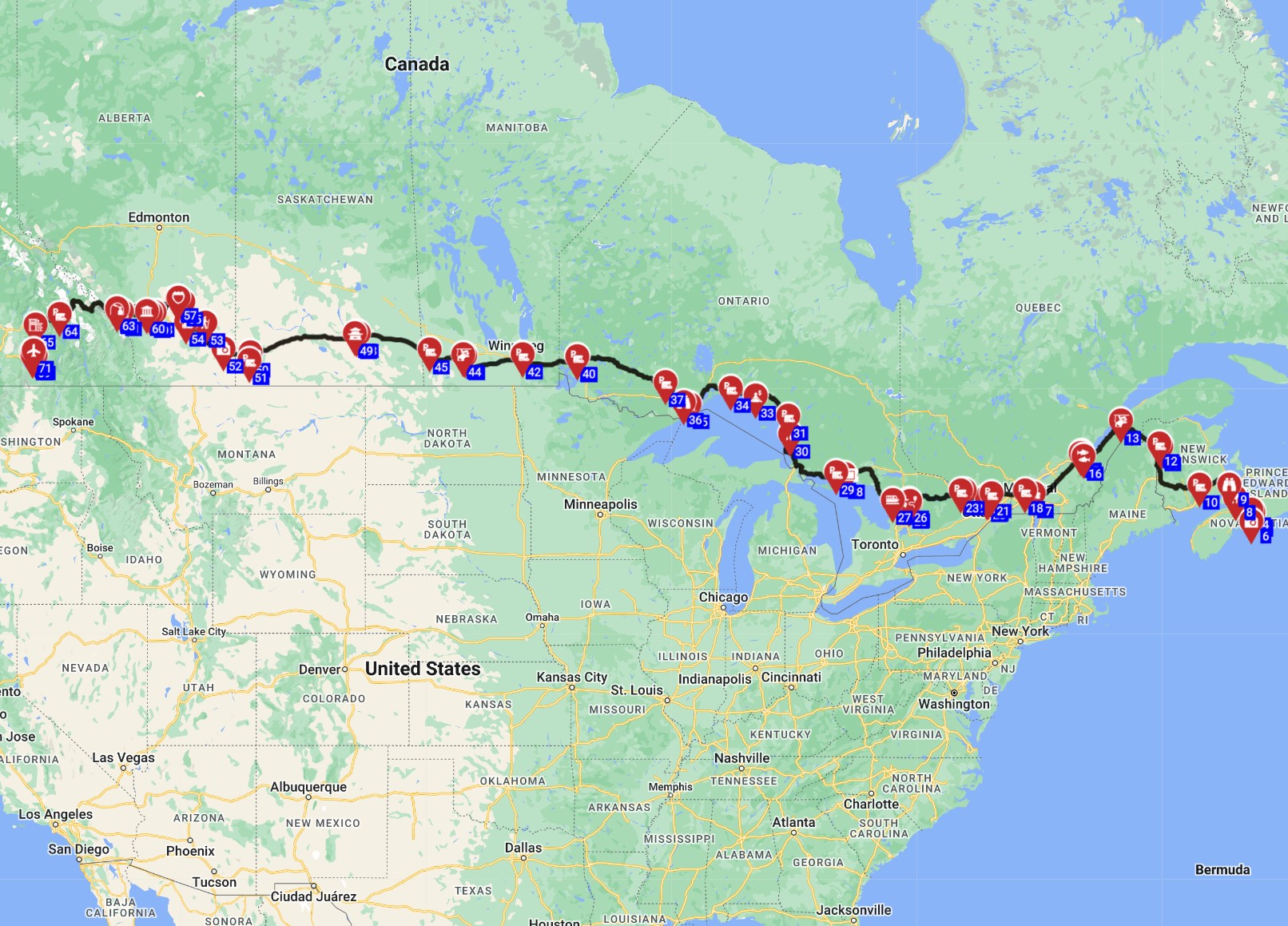
East Canada offers a diverse range of road conditions and terrains, from well-maintained trans-Canada highways perfect for cruising, to winding coastal routes and occasionally unpaved provincial park roads. The region's geography includes the rugged Atlantic coastlines of Nova Scotia and Newfoundland, the rolling hills and picturesque valleys of New Brunswick, and the more urbanized landscapes of southern Quebec and Ontario. Navigating steep grades, like those found on Cape Breton Island's Cabot Trail, is part of the scenic experience; just drive slowly and carefully, paying attention to road signs, and you'll manage almost anywhere without issues. RV travelers should anticipate varied road surfaces and plan their routes with a leisurely pace, aiming for around 100-150 km per day on average, allowing ample time to truly connect with the stunning scenery and local culture. For more detailed itineraries, consider exploring RV PLANET (rvplan.net) routes, which offer professional planning and the ability to track expenses.
RV Size Limits, Bridges & Restricted Zones
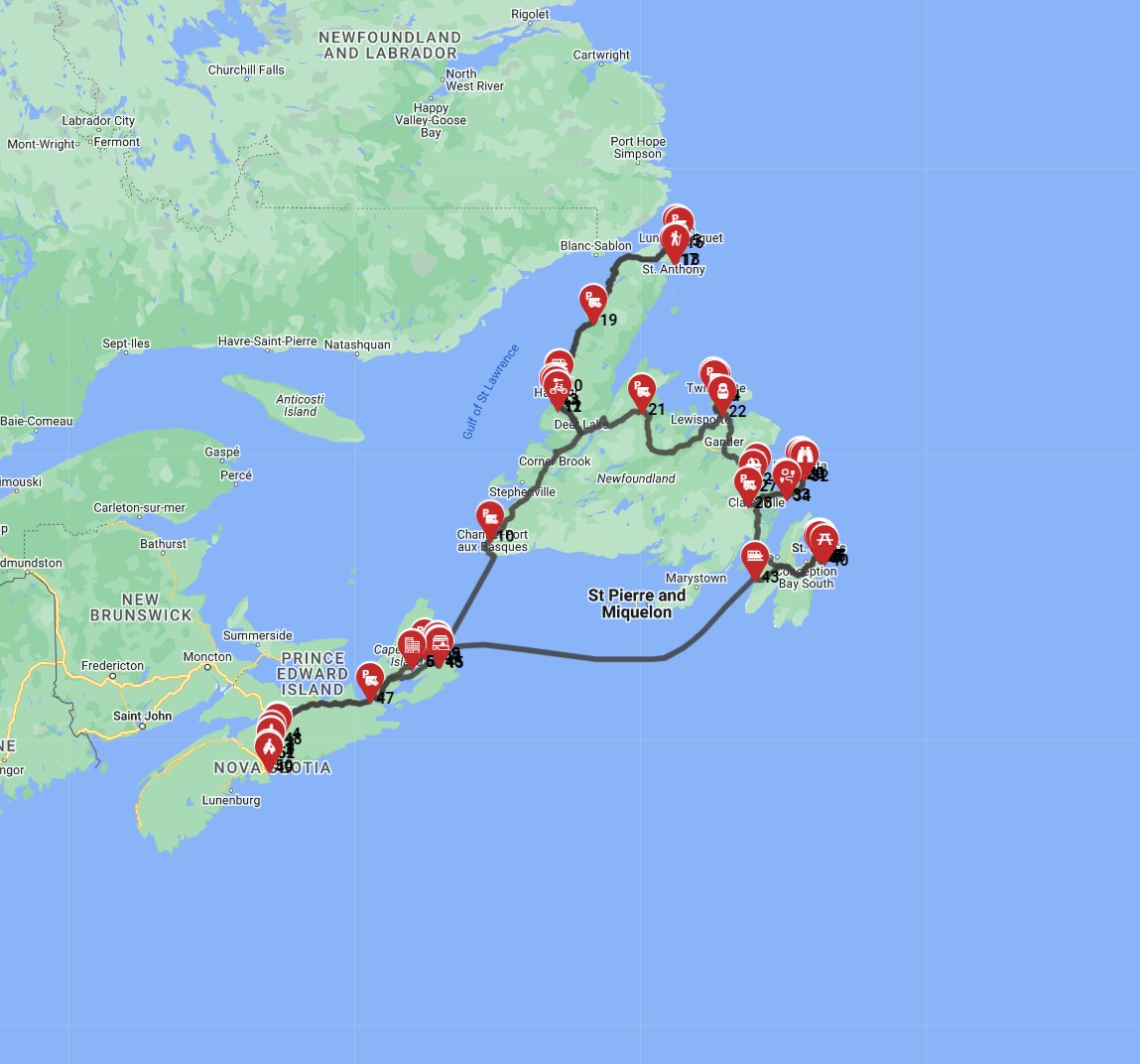
While most major Canadian highways accommodate various RV sizes, drivers of rented motorhomes should remain vigilant for specific size restrictions, especially concerning height, length, and weight on older bridges, secondary roads, and within certain provincial parks. Historic towns across East Canada, such as Lunenburg, Nova Scotia, or Quebec City, may feature narrower streets and limited parking, requiring extra caution. If your planned route includes ferry travel to destinations like Newfoundland or Prince Edward Island, it is critical to confirm the RV's exact length and height with the ferry operator and book well in advance, as space is often limited for larger vehicles. Always observe local signage for low bridges, weight limits, and any vehicle restrictions, particularly when venturing into urban centers or charming, quaint villages, to ensure a smooth journey without unexpected detours. Drive slowly and carefully, and you can drive almost anywhere without issues. No need to stress - just use common sense and pay attention.
Fuel: Diesel vs. Petrol & Cost per 100 km
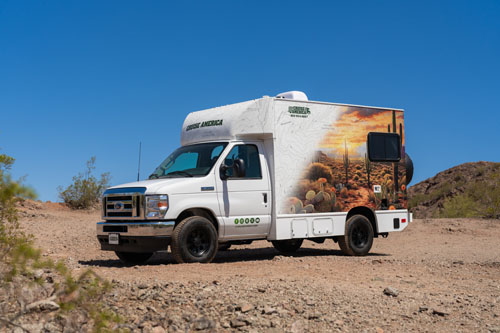
Most rental motorhomes and campervans in East Canada operate on either petrol (gasoline) or diesel, both of which are readily available at service stations across the region, though diesel might be less common in very remote areas. Based on Bandana's global fleet data, a Class B Camper Van typically consumes 8-10 Liters/100 km, while a Class SI Semi-integrated model averages 10-11 Liters/100 km. Larger Class C Alcove motorhomes, such as the `cruise america rv rental example Explorer` (7.1 meters long, 75 Liter fuel tank), generally use 10-12 Liters/100 km, and a `Truck Camper` (7.49 meters, 128 Liter fuel tank) might range from 12-17 Liters/100 km. Fuel costs are dynamic and can fluctuate, so it's wise to allocate a flexible portion of your budget for this expense. For a comprehensive overview of potential costs and to manage your finances seamlessly, remember that RV PLANET routes allow you to itemize and track every expense, from fuel to campground fees, for easy budgeting. On the routes offered through RV PLANET routes, you can itemize and track every expense along the way for easy budgeting.
Tolls, Vignettes & Border Rules
East Canada includes a few tolled roads, most notably the Cobequid Pass on Highway 104 in Nova Scotia and specific sections of Highway 407 ETR in Ontario, though "vignettes" (pre-paid road use stickers common in some European countries) are not a typical requirement. Most tolls encountered can be conveniently paid with cash or credit card at toll booths, while some modern highways utilize electronic tolling systems that automatically bill registered vehicles. It's always a good idea to have some Canadian currency on hand, especially for smaller, more remote toll points. While some RV rental companies may offer optional toll passes for seamless travel, it's generally easy to manage tolls directly. When crossing the US-Canada border by RV, ensure all occupants have valid passports, and the driver carries their driver's license, vehicle registration, and proof of insurance, such as a Canadian Non-Resident Insurance Card, obtainable from your insurer.
Driving Tips for weekend rv rental Travelers
For an enjoyable weekend rv rental trip in East Canada, planning your route with frequent stops every 2-3 hours is crucial for driver alertness and passenger comfort. This slow travel approach, averaging 100-150 km per day, allows you to truly immerse yourself in the local culture, food, and scenery. Always familiarize yourself with your rented motorhome's dimensions, including height, length, and width, paying careful attention to clearance signs, particularly in historic towns or areas with older infrastructure. Wildlife, such as moose and deer, is prevalent in rural and forested regions of East Canada; reduce your speed and stay vigilant, especially during dawn and dusk. Ensure your mobile phone plan covers Canada, as connectivity can be intermittent in remote areas; consider downloading offline maps or investing in a local SIM card. Remember, we're here to help you before, during, and after your booking, providing comprehensive support to make your trip stress-free.
Recommended RV Class for East Canada Roads
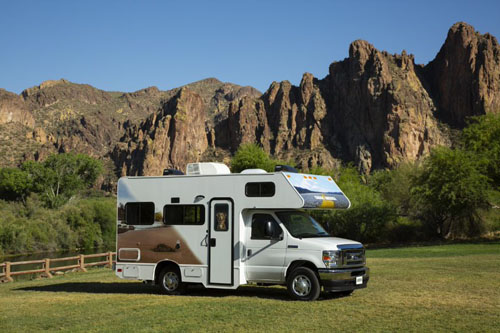
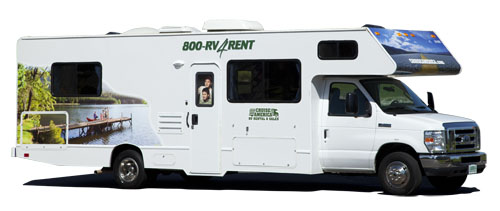
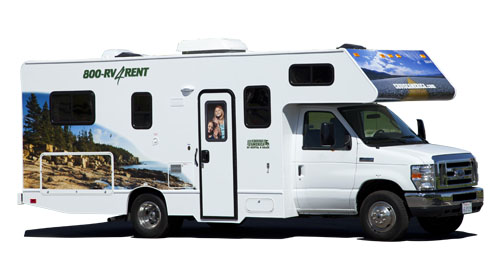
For a comfortable and versatile weekend RV rental in East Canada, Class B Camper Vans or Class SI Semi-integrated motorhomes are generally highly recommended due to their excellent balance of maneuverability and onboard amenities. A Class B Camper Van, like the `Patagonia Camper 4x4 double cab`, averaging around 5.8 meters in length, offers superb agility for navigating smaller towns and parking at popular attractions while comfortably sleeping 2-3 people. If you desire more interior living space and enhanced amenities, a Class SI Semi-integrated model, such as the `2 Berth Tamar` (averaging 6.9 meters in length, with shower and toilet), provides a spacious feel for up to 4 adults. For families or groups of 4-6, a Class C Alcove RV like the `24' Class C Motorhome` (typically 7.5 meters long, with sleeping for 5 and a 166 Liter fresh water tank) offers ample space, a full kitchen for preparing RV-friendly recipes playlist, and remains manageable on most East Canadian roads. The right choice depends on your group size and desired level of comfort, but all these rental options provide a fantastic mobile home for your adventure.
Should I Choose a Compact Van Instead of a Large RV in East Canada?
While a compact campervan, like the `Category Van` or `Class I Van`, certainly offers superior maneuverability and easier parking in tighter spots, the truth is that most RV sizes are perfectly suitable for driving in East Canada. Opting for a larger Class C or Class SI motorhome often means enhanced living space, private bathroom facilities, and more extensive kitchen amenities, which significantly contribute to a more comfortable and enjoyable extended road trip. You don't need to stress about navigating a larger vehicle; just drive slowly and carefully, paying attention to signage, and you can handle almost any road without issues. Consider your travel priorities: if agile city-center parking is your absolute top concern, a compact van has an edge. However, if comfort, space for your family (like a `MH-B` that sleeps 6 with 6 seatbelts, a 302 Liter refrigerator and a 208 Liter fuel tank), and comprehensive onboard amenities are key, a larger RV remains an excellent choice for exploring East Canada's vast and varied landscapes.
Can I Park Anywhere? Free & Wild Camping Rules in East Canada
Free camping, often referred to as 'boondocking' or 'wild camping,' is generally permissible on many tracts of public Crown Land throughout East Canada, though it is restricted on private land without explicit permission. Provinces like Ontario, Quebec, New Brunswick, and Nova Scotia have distinct regulations governing Crown Land use, so it is essential to consult the respective provincial Ministry of Natural Resources or land management bodies for precise rules and accessible areas. Many large retailers, such as Walmart stores, as well as some casino parking lots and truck stops, may allow overnight parking for self-contained RVs; however, always make it a point to ask permission from store management first. Remember to always practice 'Leave No Trace' principles by packing out all trash and disposing of waste properly. Before settling in for the night, diligently check local bylaws and signage, as 'no overnight parking' restrictions are common in many urban and popular tourist destinations, to ensure compliance with local laws.
Can I Drive an RV Into the City Center? Heights, Tunnels & Local Signage
Yes, you can confidently drive a rented motorhome or campervan into almost any city center in East Canada, but it is absolutely critical to pay close attention to local signage regarding height limits, tunnels, and low bridges. Major urban areas like Montreal, Quebec City, Toronto, and Halifax possess varied road infrastructure; older districts, in particular, may feature narrower streets or limited parking options that can be challenging for larger vehicles. Always be on the lookout for signs indicating restricted zones, such as environmental zones or residents-only streets, which might limit RV access or require special permits. Utilizing a modern navigation system that allows you to input your RV's height and weight can be immensely helpful in avoiding problematic routes. Alternatively, consider parking your RV on the city outskirts at a designated RV parking area or campground and using public transportation for exploring the bustling city core. Drive slowly and carefully, and you can drive almost anywhere without issues. No need to stress - just use common sense and pay attention.
What is the 3-3-3 rule for RV travel?
The 3-3-3 rule for RV travel is a widely recommended guideline, especially beneficial for new RVers, encouraging safer and more enjoyable trips by suggesting you drive no more than 300 miles (approximately 480 km) in a day, arrive at your destination by 3 PM, and stay for at least 3 nights. Limiting daily driving to around 300 miles helps to prevent driver fatigue, allowing for a more relaxed journey without the pressure of rushing. Arriving at your chosen campsite by 3 PM provides ample daylight to comfortably set up your rented motorhome, explore your immediate surroundings, and relax before sunset. Finally, staying for at least 3 nights at each location helps to prevent 'travel burnout,' offering sufficient time to fully immerse yourself in the destination, connect to the local culture, and enjoy the scenery without the constant need to pack up and move. This philosophy perfectly aligns with our recommendation to travel slowly, maximizing your enjoyment of East Canada.
What do you need to cross the Canadian border by RV?
To ensure a smooth crossing into East Canada by RV, all occupants, including children, must possess valid passports or other approved travel documents. The driver of the rented motorhome must present a valid driver's license, the vehicle registration, and crucial proof of insurance, typically a Canadian Non-Resident Insurance Card, which your U.S. insurance provider can issue. Be prepared for a customs declaration process where you must truthfully declare all goods, including any food items, alcohol, and tobacco; certain items are strictly prohibited or restricted, such as firearms, specific agricultural products, and cannabis, even if it is legal in your home state or province. For pet owners, specific documentation like a valid rabies vaccination certificate is generally required. Always consult the latest regulations from the Canadian Border Services Agency (CBSA) well before your trip to avoid any unexpected issues and ensure your journey starts on a positive note. We provide 24/7 support leading up to your booking to clarify any such requirements, making your travel planning easier.
Can you walk around in a motorhome while driving in Canada?
No, passengers are generally prohibited from walking around in a rented motorhome or campervan while it is in motion anywhere in Canada; all occupants must be seated and properly secured with seatbelts. Canadian traffic laws, which are reinforced by provincial regulations, mandate that all individuals in a moving vehicle must utilize the available seatbelts for their safety. This critical rule applies uniformly to all types of motorhomes, including Class A, Class B, and Class C units. The only rare exception would be if the vehicle is specifically designed with a dedicated standing area that also provides belted seating during transit. Failing to comply with seatbelt laws can result in significant fines for both the driver and any unsecured passengers, and more importantly, it poses severe safety risks in the event of a sudden stop or accident, underscoring the importance of adherence to safety regulations during your RV rental adventure in East Canada.
What is the new RV law in Ontario?
While there isn't one single "new RV law" that has comprehensively reshaped all aspects of RV travel in Ontario recently, the province consistently updates its Highway Traffic Act and related regulations concerning vehicle safety, licensing, and road usage. Recent legislative adjustments have typically focused on areas such as stricter distracted driving penalties, updated commercial vehicle safety standards that may impact larger rental motorhomes, and specific rules governing towing (though Bandana only rents motorhomes and campervans, not towables). These changes aim to enhance road safety for all vehicles, including RVs. Travelers planning a rented RV trip to East Canada, specifically through Ontario, should consult the official Ontario Ministry of Transportation (MTO) website for the most current and detailed regulations relevant to motorhomes, particularly concerning any updates to general driving laws or specific vehicle operation requirements. We are true RV specialists, dedicated to providing you with the most accurate and up-to-date information for your journey.
Do they search your RV at the Canadian border?
Yes, Canadian Border Services Agency (CBSA) officers possess the full authority to search your rented motorhome or campervan at the border, primarily to ensure compliance with all import regulations and to check for any prohibited or restricted goods. Although not every RV undergoes a thorough search, officers may initiate secondary inspections based on your declarations, their risk assessment, or through random selection. During such a search, you might be asked to open cupboards, refrigerators, and various storage compartments. It is crucial to remain cooperative, transparent, and honest with all declarations to facilitate a smoother border crossing experience, even if a detailed search occurs. Having all your required documents-valid passports for all travelers, driver's license, vehicle registration, and proof of Canadian Non-Resident Insurance-organized and readily accessible will significantly aid in a quick and hassle-free process. This full transparency on procedures is part of our commitment to your peace of mind.
Where can I park my RV for free in Canada?
You can find opportunities to park your rented RV for free in many parts of East Canada, primarily on public Crown Land, in designated municipal parking areas that permit overnight stays, or with prior permission at certain private businesses like large retailers and truck stops. Extensive areas of Crown Land are available for free camping across provinces such as Ontario, Quebec, New Brunswick, and Nova Scotia, often allowing stays for up to 21 days; however, specific rules, access points, and any required permits vary significantly by region. Many Walmart stores and some casino parking lots in Canada often allow overnight RV parking for self-contained units, but it is imperative to always ask management for permission before settling in for the night. Always diligently check local bylaws and look for "no overnight parking" signs, especially in urban and popular tourist areas, and practice responsible boondocking etiquette by leaving no trace of your stay. For finding campsites and campgrounds during your trip, we recommend using RV PLANET (rvplan.net) - a great resource for locating available spots along your route.
Can you drive to Nova Scotia without taking a ferry?
Yes, you can absolutely drive your rented motorhome or campervan directly to Nova Scotia without the need for a ferry by utilizing the Canso Causeway. This impressive engineering feat provides a convenient land bridge connecting mainland Nova Scotia to Cape Breton Island, which in turn offers continuous road access from New Brunswick and the rest of mainland North America. The Canso Causeway eliminates any additional cost, scheduling, or potential height/length restrictions associated with ferry travel, making Nova Scotia an easily accessible destination for RVers who prefer uninterrupted road journeys. While ferries offer scenic routes to other parts of Atlantic Canada, like Newfoundland or Prince Edward Island, the Canso Causeway ensures a straightforward driving experience into Nova Scotia. This direct access makes planning a "Weekend RV Driving in East Canada - Quick Routes 2026" itinerary to this scenic province especially appealing for those seeking ease and flexibility.
Top Cities for RV Rental in East Canada
East Canada offers several fantastic gateway cities for beginning your rented RV adventure, each providing access to diverse landscapes and cultural experiences. Halifax, Nova Scotia, is a vibrant port city with a rich maritime history, serving as an excellent starting point for coastal routes like the Cabot Trail. Montreal, Quebec, a bustling metropolis with European charm, offers a blend of historic architecture and modern amenities, leading to routes through the Laurentians or along the St. Lawrence River. Toronto, Ontario, while not strictly "East Canada" in the traditional sense of the Maritimes and Quebec, is a major hub and a convenient pickup location if you are exploring the broader region and offers extensive rental options through suppliers like El Monte and Cruise America. St. John's, Newfoundland, provides unique access to Iceberg Alley and the province's rugged beauty, perfect for those seeking an untamed adventure. Quebec City, with its fortified Old Town, is another iconic starting point for exploring the province's French heritage. Fredericton, New Brunswick, offers a more relaxed pace, ideal for exploring the Bay of Fundy. For travelers looking into options spanning the continent, our "RV Rental USA - Complete Guide 2026" is a useful resource.
Essential Connectivity and Utilities for RV Travel in East Canada
Staying connected and managing utilities is straightforward during a rented RV trip in East Canada, with many options available to ensure a comfortable journey. Reliable cell service is generally available in populated areas and along major highways, though coverage can become spotty in remote national parks or wilderness regions; consider purchasing a local SIM card or a portable Wi-Fi hotspot if consistent connectivity is crucial. Finding dump stations and fresh water refills is easy, with most provincial and private campgrounds providing these facilities, often included in your nightly fee. Dedicated RV service stations and some larger gas stations also offer these services, sometimes for a small fee. Propane for heating and cooking is widely available at service stations and hardware stores throughout East Canada. Remember to check out the "RV Travel Guide to East Canada - Tips and Top Spots 2026" video for more visual guidance. We ensure full transparency on what's included with your rental, so you can plan your utilities budget with confidence.
Emergency Preparedness and Wildlife Awareness in East Canada
Preparing for potential roadside emergencies and understanding wildlife interactions is crucial for a safe and enjoyable rented RV trip through East Canada's diverse landscapes. For any emergencies, dial 911 (North America's universal emergency number) for immediate assistance from police, fire, or ambulance services. While Bandana provides robust pre-booking and post-booking support, during your trip, roadside assistance is typically handled through your rental supplier's dedicated service. Carrying a basic emergency kit, including a first-aid kit, jumper cables, flashlight, and extra blankets, is always a good practice. East Canada is home to abundant wildlife, including bears, moose, and deer; always maintain a safe distance, never feed wild animals, and store food securely in your RV to prevent attracting them. If dry camping in remote areas, research local wildlife activity and take appropriate precautions. Being honest and transparent about your preparedness ensures a safe and supportive travel experience.
Pet Travel Requirements for East Canada RV Trips
Traveling with pets in your rented RV across East Canada is often a wonderful experience, but it requires adherence to specific regulations and careful planning. When crossing the US-Canada border, pets, particularly dogs and cats, must have a valid rabies vaccination certificate signed by a licensed veterinarian, clearly stating the vaccine's date and duration of immunity. Additionally, the pet must be identifiable, usually via a microchip or tattoo. Within Canada, provincial and national parks, campgrounds, and public spaces may have their own pet policies, which often include leash requirements and designated pet-friendly areas. Always check individual park websites or call ahead to confirm rules. Many rental motorhomes, such as the `24' Class C Motorhome` or `Active Bunk Auto`, are pet-friendly, allowing you to bring your furry companions along for the adventure. Remember to always clean up after your pet and respect local wildlife. Our knowledgeable team can help you compare final prices and features, including pet policies, across suppliers.
Seasonal Considerations for an East Canada RV Adventure
Choosing the right season for your East Canada RV rental adventure significantly impacts your experience, with each time of year offering unique charm and considerations. Summer (June-September) is peak season, offering the warmest weather, longest daylight hours, and full accessibility to all national and provincial parks and attractions, though popular spots fill up quickly. Spring (May-early June) and Fall (late September-October) offer cooler temperatures, vibrant foliage, and fewer crowds, often with more availability for campsites, as many national and state parks reserve only 25-30% of spots-the rest are first-come-first-serve. You'll find a spot; if not at the first campground, then the next one. Call ahead before driving. Winter RV travel (November-April) is challenging and generally not recommended for renters due to road closures, limited campground services, and harsh weather conditions. Always check for seasonal closures of parks, roads, and attractions before finalizing your plans. For tailored travel advice and route plans, explore the extensive options on RV PLANET (rvplan.net).
Ancillary Costs Beyond Your RV Rental in East Canada
Beyond the cost of your rented motorhome, several ancillary expenses contribute to the total trip cost for an RV adventure in East Canada, which careful budgeting can help manage. Fuel will be a significant cost, with prices fluctuating; a Class B Camper Van, for instance, consumes approximately 8-10 Liters/100 km, while a Class C could be 10-12 Liters/100 km. Campground fees typically range from $30-$70 CAD per night for a powered site, though basic unserviced sites might be less. Factor in costs for propane refills, dump station fees (if not included with your campground), and any tolls you may encounter, particularly on routes like Nova Scotia's Cobequid Pass. Groceries and dining out will depend on your travel style, but cooking in your fully equipped rental RV can lead to significant savings. Lastly, budget for national or provincial park entrance fees and any desired activities or tours. With RV PLANET routes, you can itemize and track every expense along the way for easy budgeting, ensuring full transparency in your trip planning.
🎬 Video coming soon
What You Shouldn't Miss
- **Drive the Cabot Trail:** Experience the breathtaking coastal views and challenging mountain passes of Cape Breton Island, Nova Scotia.
- **Explore the Bay of Fundy:** Witness the world's highest tides and dramatic geological formations at places like Hopewell Rocks in New Brunswick.
- **Discover Historic Quebec City:** Wander through the only fortified city in North America, a UNESCO World Heritage site with a vibrant European atmosphere.
- **Spot Icebergs in Newfoundland:** From May to July, embark on a coastal journey along "Iceberg Alley" to witness colossal icebergs drifting from Greenland.
- **Enjoy Prince Edward Island's Beaches:** Relax on the unique "singing sands" of Basin Head Provincial Park and explore Anne of Green Gables country.
- **Visit Gros Morne National Park:** Navigate the stunning fjords and diverse landscapes of this UNESCO site in Newfoundland, perfect for hiking and scenic drives.
Looking for expert insights from Avi Bandana? Top 5 Adventures - recommendations from Avi Bandana
Final Thoughts
A weekend RV rental in East Canada promises an unforgettable journey filled with stunning landscapes, rich history, and warm hospitality. Whether you're chasing the world's highest tides, navigating scenic coastal routes, or exploring charming historic towns, a rented motorhome or campervan provides the ultimate flexibility and comfort. Remember to travel slowly, immerse yourself in the local experiences, and embrace the freedom of the open road.
With Bandana RV, you're not just renting a vehicle; you're gaining a supportive partner dedicated to making your adventure seamless from start to finish. Our commitment to full transparency and expert guidance ensures you're prepared for every mile. So, pack your bags, choose your perfect rented RV, and get ready to discover the magic of East Canada!
Discover top destinations, planning tips, all in one place! Compare Motorhome Prices for East Canada now and start planning your quick routes. Plan a trip itinerary in advance with minimal effort and maximum enjoyment at rvplan.net!