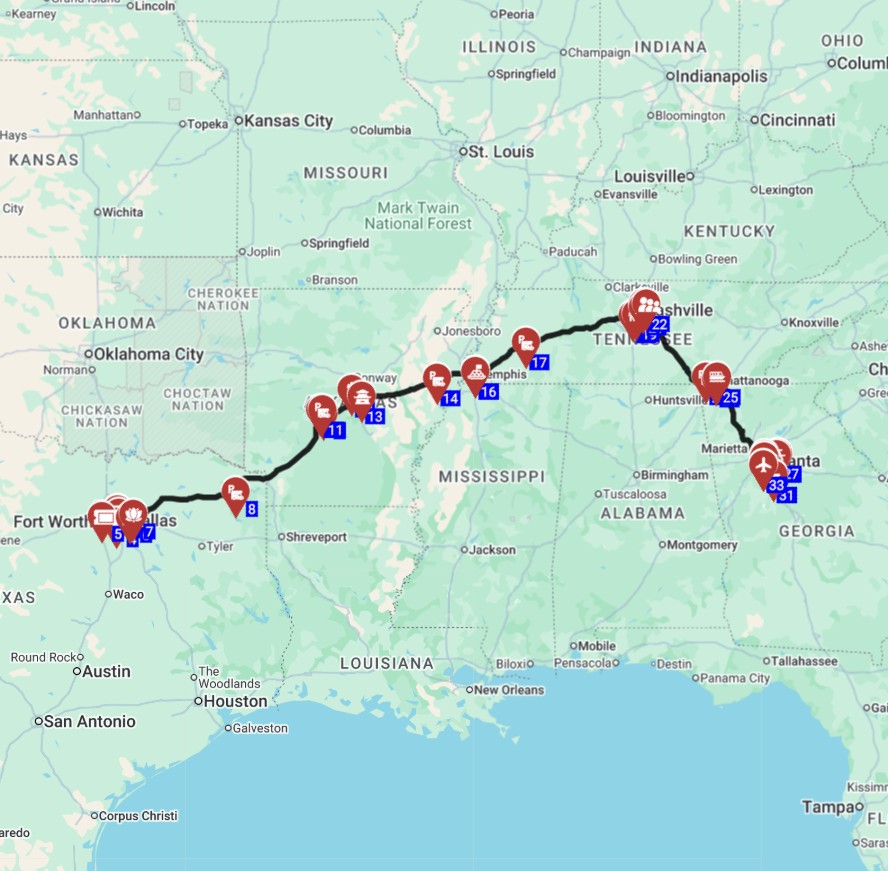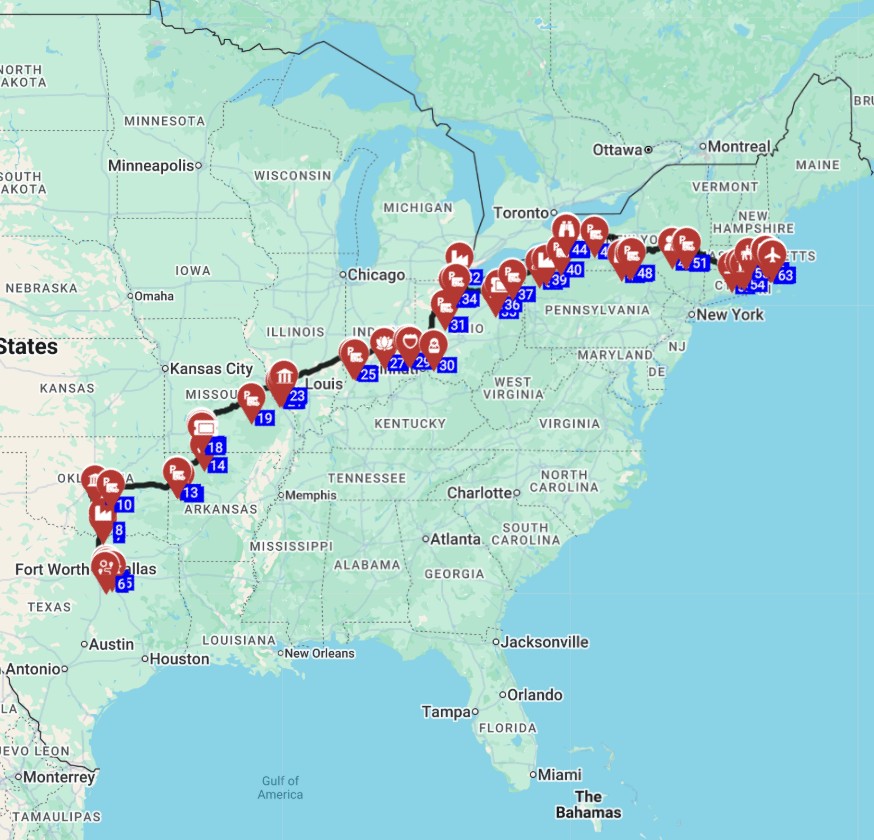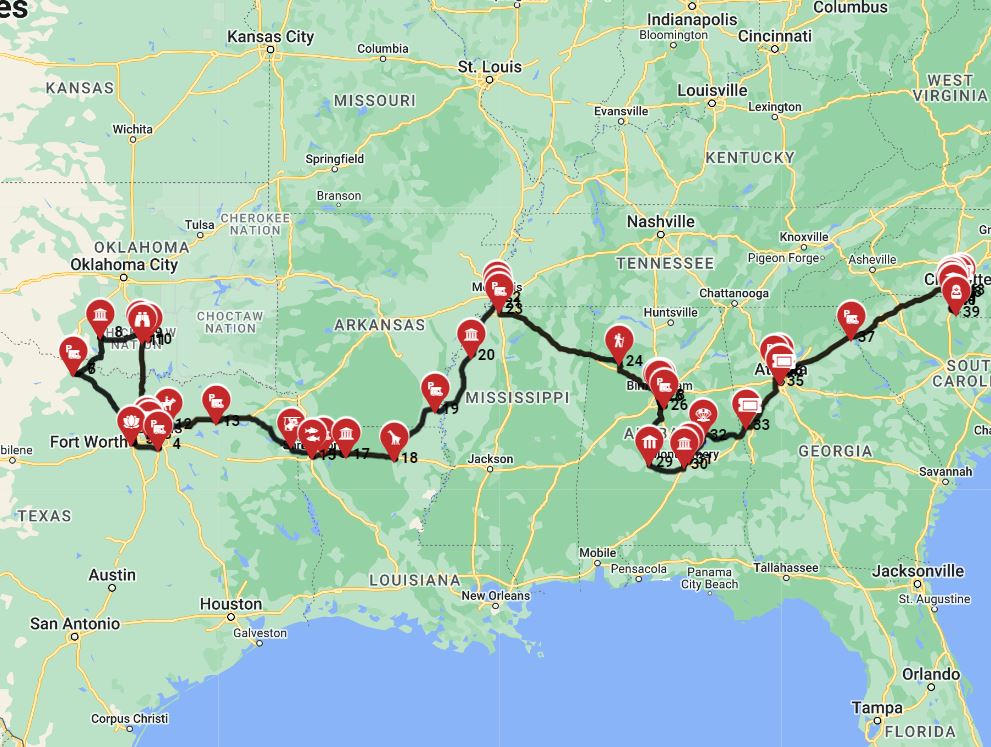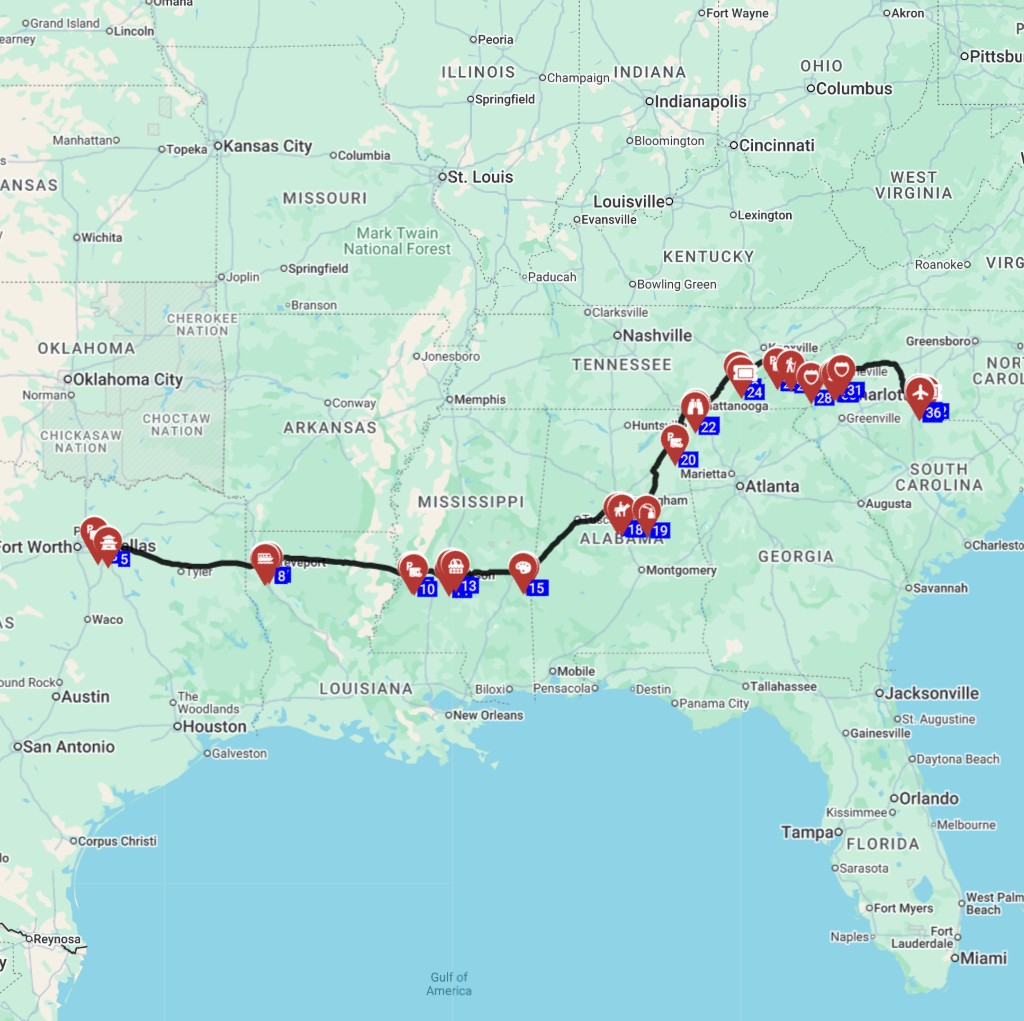
For live availability and current prices, start with our RV Rental Dallas - Complete Guide 2026 guide.
In This Guide
- Can You Drive an RV in Dallas? License & Age Rules
- Road Conditions & Terrain in Dallas
- RV Size Limits, Bridges & Restricted Zones
- Fuel: Diesel vs. Petrol & Cost per 100 km
- Tolls, Vignettes & Border Rules
- Driving Tips for weekend rv rental Travelers
- Recommended RV Class for Dallas Roads
- Should I Choose a Compact Van Instead of a Large RV in Dallas?
- Can I Park Anywhere? Free & Wild Camping Rules in Dallas
- Can I Drive an RV Into the City Center? Heights, Tunnels & Local Signage
- What is the 3-3-3 rule for RVs?
- What is the 4-4-4 rule for RVs?
- How long can you drive an RV in one day?
- Can you ride in an RV while driving in Texas?
- Do I need a class A license to drive an RV in Texas?
- Can you get temporary RV insurance?
- What is the average cost to insure an RV?
- How much does it cost to insure an RV in Texas?
- How much is insurance on a $200,000 RV?
Can You Drive an RV in Dallas? License & Age Rules
In Texas, operating most recreational vehicles (RVs) under 26,001 pounds Gross Vehicle Weight Rating (GVWR) is permissible with a standard Class C driver's license. For RVs exceeding this weight or towing heavy trailers where the combined GVWR surpasses 26,001 lbs, a non-commercial Class A or B license is necessary. For travelers from abroad, a valid driver's license from your home country is generally accepted, with an International Driving Permit (IDP) recommended if your license is not in English. The minimum age for renting an RV is typically 21, with no young driver surcharges applied across all vehicle classes.
Road Conditions & Terrain in Dallas
Dallas and the surrounding North Texas region predominantly feature flat terrain. Major highways and interstates are generally well-maintained, making RV travel straightforward. However, urban areas, including Dallas itself, can present significant traffic challenges, especially during peak hours. Roads are typically wide and suitable for all RV classes, minimizing concerns about steep inclines. Be prepared for potential construction zones, a common occurrence in a growing metropolitan area. Planning your routes to avoid rush hour and utilizing navigation apps with real-time traffic updates is highly recommended for a smoother experience.
RV Size Limits, Bridges & Restricted Zones
While Dallas's major road network generally accommodates all RV sizes, drivers must always be mindful of their vehicle's height and weight, particularly when navigating parking garages or narrower local roads. Texas does not impose widespread "restricted zones" or specific environmental regulations for RVs. General height limits on overpasses and tunnels are typically generous, often around 14 feet (4.27 meters), but always watch for specific signage. Parking garages in urban areas will have strict height restrictions, often 7 feet (2.13 meters) or less, rendering them unsuitable for most RVs. Dallas does not feature any ferry systems relevant to typical RV travel.
Fuel: Diesel vs. Petrol & Cost per 100 km
RVs in Dallas can operate on either petrol (gasoline) or diesel. Petrol is more common for smaller Class B and C units, while larger Class A RVs often utilize diesel engines. Both fuel types are widely available at service stations throughout the city and surrounding areas. Larger truck stops often offer more convenient access for bigger RVs. For a Class C - Alcove RV, Bandana's fleet typically consumes between 25 to 35 liters per 100 km. Based on average fuel prices, this translates to an estimated cost of $25-$40 per 100 km, though actual costs will fluctuate with market prices and driving habits. Some Bandana rentals may include fuel discount cards to help mitigate these costs.
Tolls, Vignettes & Border Rules
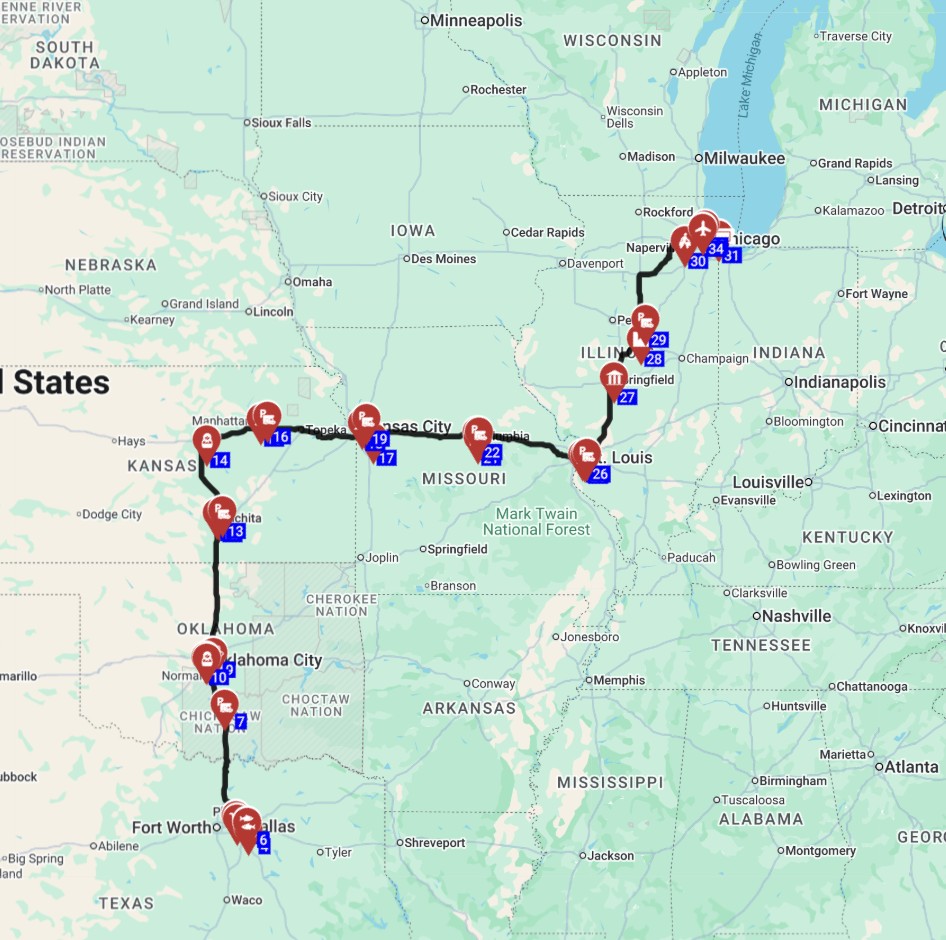
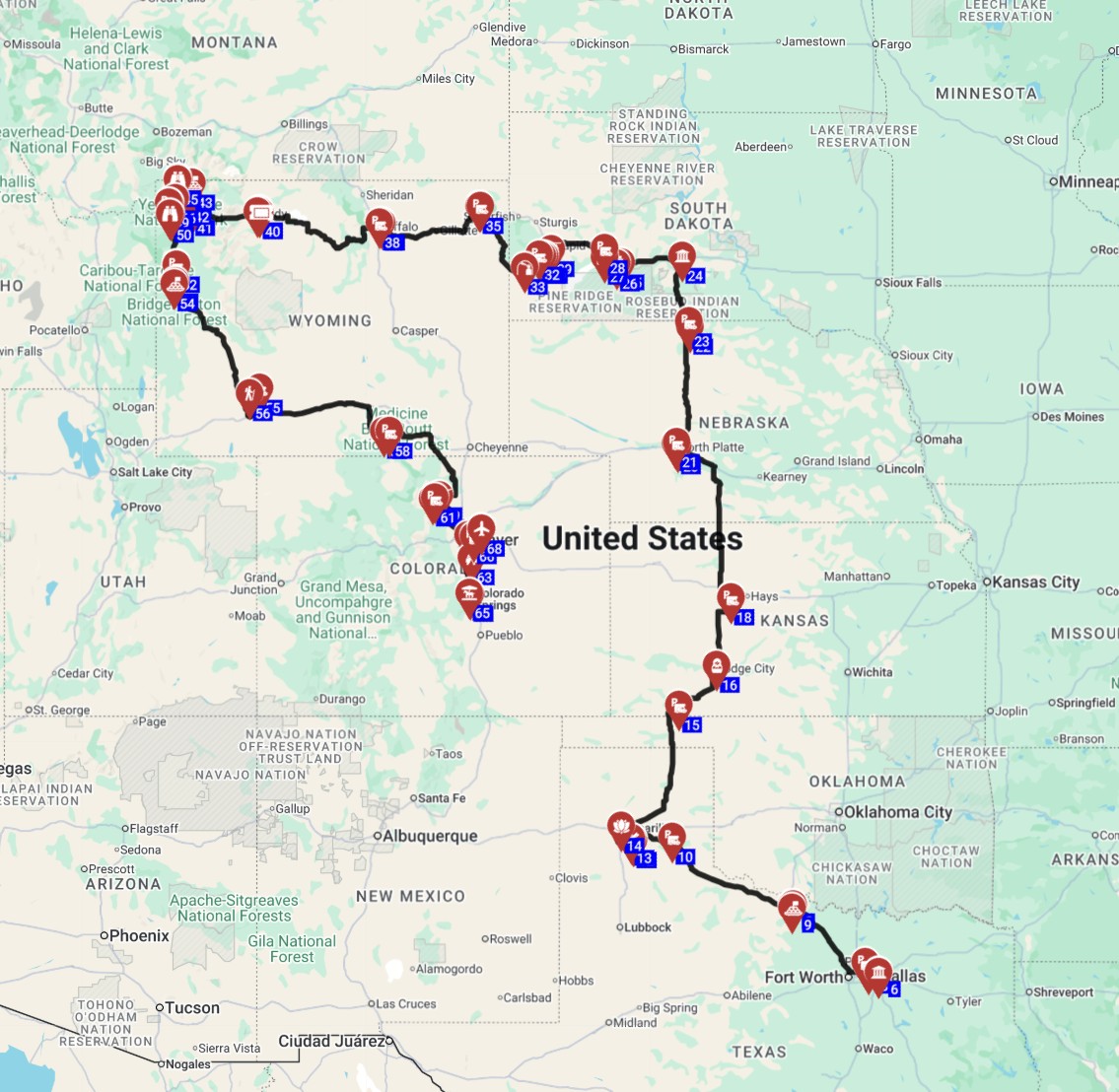
Dallas is part of an extensive tollway system managed by the North Texas Tollway Authority (NTTA). Many major roadways and bypasses incur electronic tolls, but no vignettes are required for driving within Texas or anywhere else in the US. It's common for rental RVs to be equipped with a toll tag, or you can use a personal toll tag or opt to be billed via mail, which often incurs higher rates and administrative fees. Some rental companies allow pre-purchasing toll passes or include them in the rental agreement, which is highly recommended to avoid fines. There are no specific border rules for traveling between US states from Texas. On the routes offered through RV PLANET routes, you can itemize and track every expense along the way for easy budgeting.
Driving Tips for weekend rv rental Travelers
When driving an RV in Dallas for a weekend trip, prioritizing safety and comfort is key. This includes planning your routes meticulously, being acutely aware of your vehicle's dimensions, and always allowing ample braking distance, especially if you are new to RV driving. Use RV-specific GPS or apps to identify suitable roads and avoid low clearances. Remember that RVs are heavier than cars and require significantly longer stopping distances. Constantly monitor your mirrors, particularly when changing lanes or turning, due to larger blind spots. Be mindful of crosswinds on open highways or from passing trucks, which can affect RV stability; reduce speed in windy conditions. For Dallas summers, ensure your RV's air conditioning is functional and carry extra water. Check tire pressure frequently, as heat impacts tires. Practice parking your RV in an empty lot before navigating busy campgrounds or parking areas to build confidence.
Recommended RV Class for Dallas Roads
For weekend RV rentals in Dallas, Class C - Alcove and Class B - Camper Vans are highly recommended. These offer a comfortable balance of living space and maneuverability, making them suitable for both highways and urban fringes. A Class C RV, averaging 8.1 meters (around 26.5 feet) in length, provides ample space for up to 4-6 sleepers, ideal for families, and is still manageable for driving in and around Dallas. The Class B Camper Van, averaging 6.1 meters (around 20 feet), is perfect for couples or smaller groups seeking greater agility and easier parking, feeling more like driving a large van than a dedicated RV. Bandana also offers Class A units, averaging 8.9 meters (around 29 feet), which are best suited for experienced drivers comfortable with larger vehicles.
Should I Choose a Compact Van Instead of a Large RV in Dallas?
While a compact van (Class B Camper Van or Truck Camper) offers superior maneuverability and easier parking, larger RVs like Class C or Class A models are generally manageable on Dallas roads and often provide significantly more comfort and amenities for a weekend trip. Dallas's wide roads and ample highway infrastructure typically accommodate even larger RVs without major difficulty. A compact van excels in tighter spaces and can often fit into standard parking spots. However, larger RVs offer more interior living space, dedicated sleeping areas, full bathrooms, and more storage, which can greatly enhance comfort for a weekend getaway. The choice often depends on prioritizing ease of parking versus the benefits of increased space and amenities.
Can I Park Anywhere? Free & Wild Camping Rules in Dallas
Free or "wild camping" is generally not permitted within Dallas city limits or on private land without explicit permission. The legal options for overnight stays are designated campgrounds, RV parks, or specific overnight parking spots. Overnight parking in public areas, residential streets, or most retail parking lots (like Walmart) is often prohibited or restricted; always check local signage or ask store management for permission. Designated RV parks and state/county campgrounds in and around Dallas offer essential facilities such as hookups for water, electricity, and sewage, providing a legal and comfortable overnight solution.
Can I Drive an RV Into the City Center? Heights, Tunnels & Local Signage
Yes, you can generally drive an RV into the Dallas city center, but it requires careful attention to your vehicle's dimensions, parking restrictions, and local signage, especially for height limits in parking garages. Dallas's urban infrastructure is modern and generally accommodating for RVs on its main arterial roads. The primary challenge will be finding suitable RV parking, as most downtown garages have low height clearances (often 7 feet or less), making them unsuitable for most RVs. Surface parking lots or designated oversized vehicle parking, if available, are better options, though these may be located further from your intended attractions. Always observe local signage for any temporary restrictions or height warnings.
What is the 3-3-3 rule for RVs?
The "3-3-3 rule" is a popular guideline suggesting RV drivers travel no more than 300 miles a day, arrive at their destination by 3 PM, and stay for at least 3 nights. This promotes a more relaxed and safer travel pace. Limiting daily driving to 300 miles or less prevents fatigue, especially for new RVers, and allows time for sightseeing and unexpected stops. Arriving by 3 PM ensures enough daylight for setting up camp, navigating a new campground, and addressing any issues before dark. Encouraging stays of 3 nights or more reduces the stress of constant packing and unpacking, allowing more time to enjoy each location. Adhering to this rule can significantly enhance safety and enjoyment for weekend RV renters in Dallas.
What is the 4-4-4 rule for RVs?
The "4-4-4 rule" is a similar guideline for RV travel, recommending drivers cover no more than 400 miles a day, drive for a maximum of 4 hours, and stop every 4 hours for a break. This rule focuses on limiting continuous driving time to mitigate fatigue, with 400 miles being a slightly more ambitious daily distance than the 3-3-3 rule, suitable for more experienced RV drivers or longer trips. Stopping every 4 hours emphasizes frequent breaks to stretch, refresh, and maintain alertness behind the wheel. Like the 3-3-3 rule, this is a recommendation for safe and enjoyable travel, offering a slightly more flexible framework for daily driving limits.
How long can you drive an RV in one day?
While there are no strict legal limits on how long a non-commercial RV driver can operate in one day, safety guidelines like the "3-3-3" or "4-4-4" rules recommend limiting daily travel to 300-400 miles or about 4-8 hours of driving to prevent fatigue. Unlike commercial truck drivers, private RV operators do not have federal Hours of Service (HOS) regulations. The primary factor is driver fatigue; long hours behind the wheel of a large vehicle can be dangerous. New RVers should start with shorter driving days. Consider weather conditions, traffic, and the need for breaks when planning daily mileage. For a weekend rental, shorter driving days allow more time for enjoyment at your destination rather than on the road.
Can you ride in an RV while driving in Texas?
Yes, in Texas, it is generally legal to ride in the living area of an RV while it is in motion, provided that occupants are wearing seatbelts if available and the vehicle is manufactured with seats equipped with seatbelts. Texas law allows passengers in the "house" part of an RV as long as they are properly restrained in designated seats with seatbelts. It is always safest for all passengers to be seated and buckled up whenever the RV is moving. Moving around, cooking, or using facilities while the RV is in motion can be extremely dangerous due to sudden stops or turns. For ideas you can prep on the road, watch our RV-friendly recipes playlist on YouTube.
Do I need a class A license to drive an RV in Texas?
Most RV renters in Texas will not need a Class A license, as a standard Class C driver's license is sufficient for operating the majority of RVs, including Class B, Class C, and many Class A motorhomes, that have a Gross Vehicle Weight Rating (GVWR) under 26,001 pounds. A Class A or B non-commercial driver's license is only required in Texas for RVs with a GVWR of 26,001 pounds or more, or if towing a trailer exceeding 10,000 pounds when the combined GVWR is over 26,001 pounds. For the vast majority of weekend RV rentals, your regular Class C license will be adequate. Always verify the specific GVWR of your rented RV to ensure you meet the licensing requirements.
Can you get temporary RV insurance?
Yes, temporary RV insurance is typically available for rental RVs, often provided directly through the rental company as part of the rental agreement or purchased as a separate short-term policy. Rental companies like Bandana usually offer insurance coverage options, including liability, collision, and comprehensive coverage, specifically designed for the rental period. It's wise to check your personal auto insurance policy, as some may extend limited coverage to rental vehicles, but RVs are often excluded or have higher deductibles; verify these terms carefully. Credit card benefits can also offer rental car insurance, but RVs are frequently not covered; always verify terms carefully. Third-party temporary RV insurance policies can be purchased for short periods, offering peace of mind.
What is the average cost to insure an RV?
The average cost to insure an RV varies widely but generally ranges from $800 to $2,500 per year for comprehensive coverage. This cost depends on factors like the RV's class, value, driver's history, and chosen coverage limits. Class A RVs, being larger and more expensive, typically incur higher premiums than Class C or Class B camper vans. The RV's value also plays a significant role; more expensive or newer RVs cost more to insure due to higher replacement or repair costs. Full coverage policies are naturally more expensive than liability-only options. For a weekend rental, this annual cost is effectively broken down into a daily or per-rental fee, often included in the rental price or offered as an add-on.
How much does it cost to insure an RV in Texas?
The cost to insure an RV in Texas aligns with national averages, typically ranging from approximately $800 to over $2,500 annually for comprehensive coverage. This is influenced by the RV's type, value, usage patterns, and specific Texas-based rating factors like population density in areas such as Dallas. Texas's specific insurance regulations and the potential for severe weather events, like hailstorms and high winds, can influence comprehensive coverage costs. Urban areas like Dallas, with higher traffic density and theft rates, might see slightly higher premiums compared to rural parts of the state. Insurers also consider Texas-specific factors, such as mandatory liability minimums. When renting, the rental company's insurance options will reflect these local cost considerations for coverage during your weekend trip.
How much is insurance on a $200,000 RV?
Insuring a $200,000 RV will significantly increase the cost compared to average policies, typically ranging from $1,500 to $4,000 or more per year for a full coverage policy. This reflects the higher replacement value and potential repair costs associated with such a high-value asset. A $200,000 RV is often a Class A motorhome, which tends to have higher insurance costs due to its size, complexity, and specialized parts. Location, driver's record, and chosen deductibles will still be significant factors in the final premium. For rental purposes, while you won't pay the full annual premium, the rental insurance options will factor in the high value of such a vehicle when determining your rental insurance cost or deductible.
What You Shouldn't Miss
- Explore America's Largest Arts District: Immerse yourself in Dallas's 118-acre contiguous urban arts district, visiting world-class museums and performance venues. Remember to research RV parking options in advance due to the area's density.
- Experience the State Fair of Texas: If visiting in the fall, don't miss the iconic State Fair of Texas, complete with Big Tex, unique fried foods, and thrilling rides. Book your RV campsite well in advance as spots fill up quickly.
- Connect with Nature at Cedar Hill State Park: Escape the urban bustle at this expansive state park on Joe Pool Lake, offering numerous RV campsites with full hookups for a convenient natural retreat just outside Dallas.
- Discover the Trinity River Corridor Project: Explore Dallas's ambitious urban park development, featuring extensive trails, green spaces, and conservation areas for incredible access to nature, biking, and recreation within the city.
Final Thoughts
Renting an RV for a weekend in Dallas offers a fantastic way to experience the city and its surroundings with flexibility and comfort. By understanding the driving regulations, road conditions, and choosing the right vehicle for your needs, you're set for an unforgettable adventure. Remember to plan your routes, be mindful of potential tolls, and consider utilizing resources like RV PLANET (rvplan.net) for detailed trip itineraries that can help you navigate every aspect of your journey, from attractions to operational costs.
Bandana Caravan is here to make your RV rental experience seamless and transparent. We pride ourselves on being true RV specialists, not just another travel agency side department. Our commitment is to provide you with the best possible service, ensuring you have all the information and support you need for a successful and enjoyable RV trip. Explore our options and get ready to hit the road!
Find Motorhome Rentals in Dallas