
In This Guide
- Can You Drive an RV in China? License & Age Rules
- Road Conditions & Terrain in China
- RV Size Limits, Bridges & Restricted Zones
- Fuel: Diesel vs. Petrol & Cost per 100 km
- Tolls, Vignettes & Border Rules
- Driving Tips for Weekend RV Rental Travelers
- Recommended RV Class for China Roads
- Should I Choose a Compact Van Instead of a Large RV in China?
- Can I Park Anywhere? Free & Wild Camping Rules in China
- Can I Drive an RV Into the City Center? Heights, Tunnels & Local Signage
- What is the Total Cost of an RV Rental Weekend in China?
- How to Navigate China's Digital Ecosystem as an RV Traveler?
- Where Can I Find RV Infrastructure Services in China (Dump Stations, Water, Repairs)?
- How to Overcome Language Barriers and Practice Cultural Etiquette in China?
- What Safety Protocols and Emergency Preparedness are Essential for RVing in China?
- Should I Rent an RV in China or Import My Own?
- How to Source Food and Water While RVing in China?
- Top Cities for RV Rental in China
- What You Shouldn't Miss
Embarking on a rented RV adventure through China offers an unparalleled blend of ancient history, breathtaking natural landscapes, and vibrant modern culture. While often perceived as a challenging destination for RV travel, with the right planning and a spirit of adventure, you can discover incredible routes and create unforgettable memories. For comprehensive live availability and current prices, start with our RV Rental China - Complete Guide 2026.
Can You Drive an RV in China? License & Age Rules
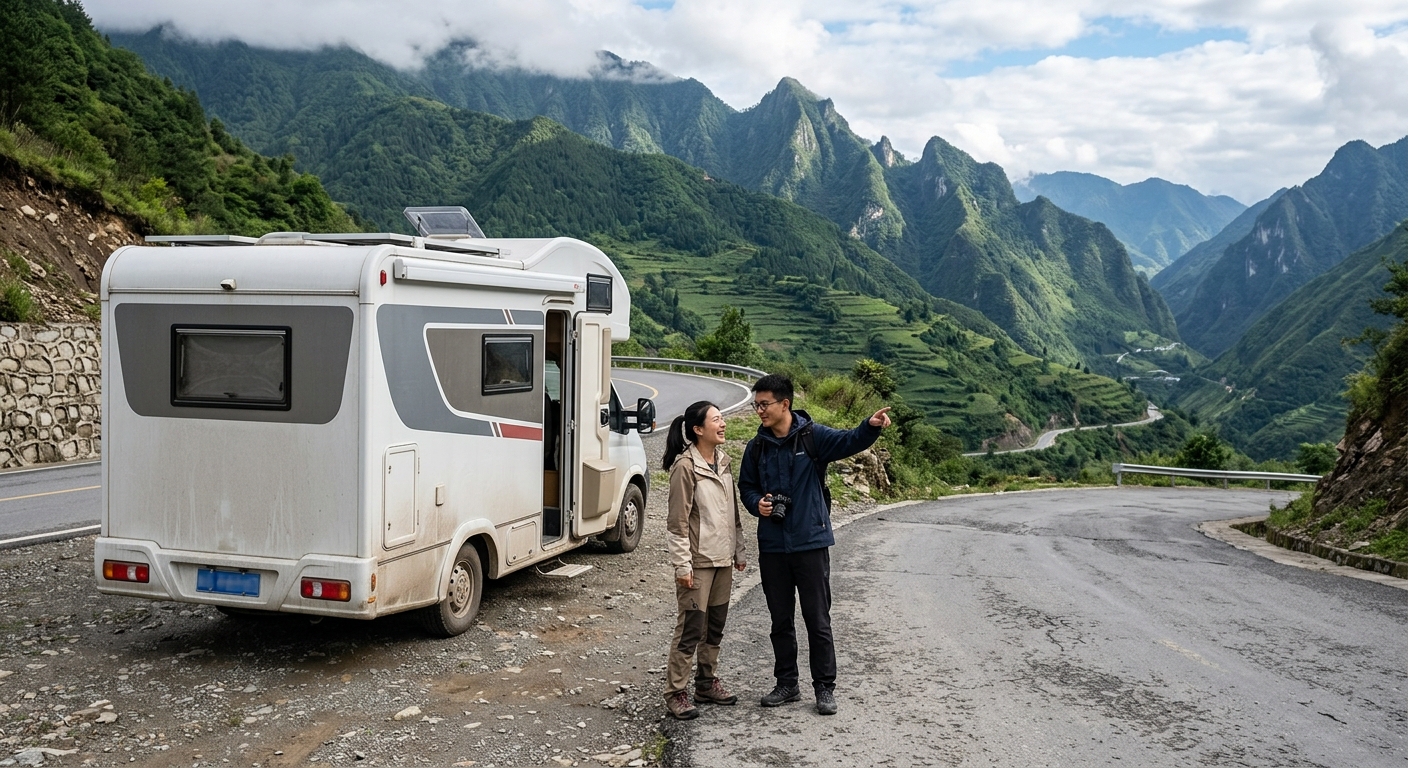
Foreigners can generally drive a rented RV in China, but it requires obtaining a valid Chinese driver's license, as International Driving Permits (IDPs) are not directly recognized. This process typically involves converting your home country license into a temporary Chinese driver's permit, which is usually valid for up to three months and might necessitate a written theory test. A standard Class C1 Chinese driver's license is generally sufficient for most recreational vehicles up to 6 meters in length and under 4,500 kg total mass, covering popular Class B and Class C motorhomes. Drivers must be at least 21 years old to rent an RV in China, a common age requirement across our global network of suppliers with no additional young driver surcharges for any vehicle class. This transparency ensures you know exactly what to expect before you even pick up your keys. For those considering an extended road trip across the continent, our RV Rental Asia - Complete Guide 2026 offers a broader perspective on regulations in the region.
Road Conditions & Terrain in China
China boasts an extensive network of modern, well-maintained highways that connect major cities, offering smooth and efficient driving for rented RVs. Beyond these primary routes, particularly when exploring scenic provincial or rural areas, road quality can vary significantly. You might encounter narrower, less-maintained, or even unpaved roads, requiring a slower, more careful approach. The country's diverse terrain spans from flat, expansive plains ideal for easy cruising to dramatic mountainous regions like Sichuan and Yunnan, rugged coastal roads, and arid desert landscapes. Each presents unique driving opportunities and stunning scenery. For shorter adventures, such as weekend RV driving in China focusing on quick routes, we always recommend slow travel, averaging a maximum of 100-150 km per day. This pace allows you to truly immerse yourself in the local culture, savor the delicious food, and fully appreciate the breathtaking landscapes, making your journey far richer than simply rushing from point A to point B.
RV Size Limits, Bridges & Restricted Zones
Most standard rented RVs, such as Class B campervans or Class C motorhomes, generally face no issues with height or weight restrictions on China's main highways. For instance, a typical Class B camper van averages around 5.8 meters in length, while a Class C motorhome like the "Explorer" is about 7.1 meters long with a 2.78-meter width. These dimensions are well within the common allowances for major Chinese roads. However, it is crucial for drivers to remain vigilant for specific signage in older city centers, tunnels, and certain rural routes that may indicate lower height clearances (e.g., 3.5m or 4m) or weight limits. Environmental protection zones, especially around national parks or major tourist sites, might impose restrictions on certain vehicle types or require special permits; always check local regulations in advance for your planned route. While ferry travel is less common for internal RV trips in China, if you plan island excursions, verify length and weight allowances with the ferry operator. No need to stress - just use common sense and pay attention when navigating new areas.
Fuel: Diesel vs. Petrol & Cost per 100 km
Both diesel (柴油 – cháiyóu) and petrol (汽油 – qìyóu) are widely available at gas stations across China, though travelers venturing into very rural areas might find fewer diesel options. Bandana's global fleet averages indicate that Class B Camper Vans typically consume around 8-10 Liters/100 km, offering great fuel efficiency for your quick routes in China. Larger Class C or Class SI Semi-integrated RVs generally use slightly more, around 10-11 Liters/100 km. The cost per 100 km will naturally vary based on current fuel prices in China, which are regulated by the government and subject to market fluctuations. It's wise to budget approximately 80-120 RMB ($11-$17 USD) per 100 km for fuel, depending on your vehicle and current prices. Some RV rental packages may include fuel discount cards or specific arrangements, which can help manage costs over your trip. When planning your budget, remember that you can itemize and track every expense along the way using RV PLANET routes, providing full transparency on all ancillary costs. On the routes offered through RV PLANET routes, you can itemize and track every expense along the way for easy budgeting.
Tolls, Vignettes & Border Rules
China has an extensive toll road network (高速公路 – gāosù gōnglù) that is exceptionally efficient and widely used for inter-city travel. Toll fees vary by distance and vehicle type, and they can add up quickly, especially on longer journeys. Unlike some European countries, China does not operate a vignette system; tolls are paid per-use at booths or electronically. Foreign drivers typically use cash at manual booths or an integrated payment system provided by the rental company, usually linked to mobile payment apps like WeChat Pay or Alipay. It is crucial to be prepared for these payment methods. For quick routes in China, tolls can be several hundred RMB for a round trip. Border crossing rules for rented RVs into or out of mainland China are complex and generally not applicable for a domestic rental journey. Therefore, your primary focus should be on understanding and navigating China's internal toll systems.
Driving Tips for Weekend RV Rental Travelers
Successfully navigating China in a rented motorhome, even for quick routes, demands preparedness and a keen awareness of local customs. Firstly, for digital navigation, rely on local apps like Baidu Maps or Amap (Gaode Maps) for real-time traffic updates and accurate routing, as international apps like Google Maps may have limited functionality without a VPN. Secondly, payment preparedness is paramount; ensure you have access to WeChat Pay or Alipay, as these are the dominant methods for almost all transactions including fuel and tolls. Thirdly, language and communication can be a barrier; utilize translation apps (e.g., Baidu Translate, Google Translate with a VPN) for communicating at gas stations, shops, and with local authorities. Fourthly, be aware of varied driving styles; anticipate frequent lane changes, horn usage, and the presence of motorbikes, scooters, and pedestrians, especially in urban and rural fringe areas. Drive slowly and carefully, and you can drive almost anywhere without issues. No need to stress - just use common sense and pay attention. Finally, plan for frequent breaks at service areas (服务区 – fúwù qū) along highways, which offer restrooms, food, and parking, crucial for comfortable travel with family or friends.
🎬 Video coming soon
Recommended RV Class for China Roads
For RV driving in China, especially on quick routes or more focused regional trips, Class B Camper Vans and Class SI Semi-integrated RVs are highly recommended. These categories offer an excellent balance of maneuverability, comfort, and essential amenities without being overly cumbersome on narrower roads or in busier areas. Class B Camper Vans, averaging around 5.8 meters in length, are ideal for easier navigation on varied road conditions and more flexible parking options in towns and scenic spots. For example, a "Patagonia Camper 4x4 double cab" offers 4 Wheel Drive for varied terrain, while a "hire campervan example Paradise S/T" provides automatic transmission and a shower/toilet. These typically consume about 8-10 Liters/100 km. If you desire a bit more indoor space and sleeping capacity, Class SI Semi-integrated RVs, with an average length of 6.9 meters, are a superb choice. They typically offer around 3.8 sleeping places and consume 10-11 Liters/100 km, providing enhanced living comfort for families of 2+2 or small groups. These classes generally provide sufficient ground clearance for most road conditions encountered on a diverse itinerary, from modern highways to occasional rural routes.
Should I Choose a Compact Van Instead of a Large RV in China?
For quick routes and focused exploration in China, the decision between a compact campervan (Class B) and a larger motorhome (Class SI or C) depends on your priorities for maneuverability versus comfort. A compact campervan, like an "rv rental denver example Category Van" at a smaller size, definitely offers superior maneuverability and easier parking, making it a good choice for navigating potentially tighter urban areas or winding scenic roads. However, larger motorhomes, such as a "rent rv example A3" offering space for two couples, generally provide significantly more living comfort, storage, and amenities, which can be a greater priority for any trip, even a shorter one. For most major tourist routes and highway travel in China, even larger motorhomes encounter no significant driving challenges, making the extra space for families or groups a beneficial trade-off. While a compact van truly shines in very tight historic city centers or extremely narrow mountain passes, many of these areas might restrict larger vehicles anyway. Ultimately, the choice hinges on your balance of maximum driving ease in all conditions versus enhanced living comfort for your adventure.
Can I Park Anywhere? Free & Wild Camping Rules in China
Wild camping, or free parking overnight outside of designated areas, is generally discouraged and often restricted in China, particularly in developed regions or ecologically sensitive zones. For a legal and comfortable overnight stay during your RV trip in China, designated 'car camps' (汽车营地 – qìchē yíngdì) and RV parks are increasingly common. These sites, which often cost between 50-200 RMB ($7-$28 USD) per night, offer amenities such as power hookups, fresh water, and dump stations, along with enhanced security. Some scenic areas or national parks may have designated parking spots that allow overnight stays, but it is crucial to confirm local regulations and obtain any necessary permits beforehand. Rules and enforcement vary significantly by region, so always prioritize checking local laws and opting for official RV parks when possible to ensure both safety and compliance. For finding campsites and campgrounds during your trip, we recommend using RV PLANET (rvplan.net) - a great resource for locating available spots along your route.
Can I Drive an RV Into the City Center? Heights, Tunnels & Local Signage
You can generally drive a rented RV into most city centers in China, but careful attention to local signage is absolutely crucial due to potential restrictions. For instance, watch diligently for height limits on tunnels, underpasses, and multi-story parking garages, especially for larger motorhomes like Class C or Class A vehicles. While Class C motorhomes with a height of around 3.1 meters are common, some city infrastructure might have lower clearances. Some bustling urban areas may also have environmental protection zones, residents-only streets, or temporary traffic controls that could restrict larger vehicles. Always observe posted signs and be ready to adjust your route. Utilize local navigation apps like Baidu Maps or Amap, which often provide real-time updates on road restrictions and can effectively help you avoid areas unsuitable for RVs. Drive slowly and carefully, and you can drive almost anywhere without issues. No need to stress - just use common sense and pay attention.
What is the Total Cost of an RV Rental Weekend in China?
The total cost for an RV trip in China extends beyond the base rental fee, encompassing fuel, tolls, permits, local insurance, food, and potential accommodation. Base RV rental prices are dynamic, much like flight tickets, and vary significantly based on the vehicle class (e.g., Class B campervan, Class C motorhome), age, season, and rental duration. Generally, daily rates can range from a few hundred to over a thousand RMB per day ($100-$300 USD). For example, finding a "Cheap RV Rental in China - Budget Guide 2026" might lead you to options starting from $80-120 USD per day during off-peak seasons, while a "Luxury RV Rental in China - Premium Prices 2026" could be $300+ daily. Fuel costs, as previously mentioned, will be approximately 8-12 Liters/100 km. Tolls on China's extensive highway network can add several hundred RMB for even a shorter journey. Mandatory local liability and collision damage waiver (CDW) insurance are required, so clarify coverage and deductibles with your rental provider. For food, budgeting for groceries if cooking in your RV can be cost-effective, while designated 'car camps' (汽车营地) typically charge 50-200 RMB per night for amenities. Keep an eye out for "RV Rental Deals in China - Latest Offers 2026" and consider a "Weekly RV Rental in China - Pricing 2026" for better value on longer trips. Remember, Bandana ensures full transparency, so there are no hidden fees or surprises in the final price you see at booking.
How to Navigate China's Digital Ecosystem as an RV Traveler?
Successfully navigating China's digital ecosystem as an RV traveler requires embracing local apps and services, as they are central to daily life and nearly all transactions. Firstly, mobile payments are dominant; you'll need to set up WeChat Pay and Alipay. These apps are indispensable for everything from highway tolls to gas stations, supermarkets, and local eateries. This usually requires linking a local Chinese bank account or, for foreigners, sometimes linking an international credit card via a special tourist setup. Secondly, a reliable Virtual Private Network (VPN) is absolutely essential. Many international websites and apps, including Google services and Western social media, are blocked in mainland China, so a VPN ensures continued access to your familiar digital tools. Thirdly, download and utilize China-specific navigation apps like Baidu Maps or Amap (Gaode Maps) for accurate, real-time traffic information and points of interest, as their local data is far superior. Lastly, keep translation apps such as Baidu Translate or Google Translate (with VPN) handy for effective communication with locals, reading signs, and understanding menus.
Where Can I Find RV Infrastructure Services in China (Dump Stations, Water, Repairs)?
RV infrastructure, such as dump stations, water refill points, and specialized repair shops, is increasingly available in China, primarily concentrated around growing 'car camps' (汽车营地) and larger cities. Designated RV parks, or 'car camps', are the most reliable locations for finding essential facilities like fresh water, gray water disposal, and black water dump stations. These are vital for maintaining your motorhome's self-sufficiency. Larger highway service areas often provide basic amenities and sometimes water, but specific RV services are less common than at dedicated parks. For mechanical issues or repairs, major cities will have auto repair shops that can service common vehicle platforms, such as those built on Ford Transit or Iveco Daily chassis, which are frequently used for rented motorhomes. However, specialized RV parts might be harder to source quickly outside of major metropolitan areas. To minimize potential issues, ensure your rental RV is thoroughly checked before departure, and it's always wise to carry basic tools and a first-aid kit for minor issues on your adventure.
How to Overcome Language Barriers and Practice Cultural Etiquette in China?
Overcoming language barriers in China, especially when venturing into less touristy areas on your RV route, can be managed effectively with preparation and respectful cultural engagement. Firstly, rely heavily on offline translation apps with voice input, such as Baidu Translate or Google Translate (with a VPN), for real-time communication. Secondly, learning a few essential Mandarin phrases will go a long way; simple greetings (你好 - nǐ hǎo), 'thank you' (谢谢 - xièxiè), 'excuse me' (不好意思 - bù hǎo yìsi), and numbers can significantly improve interactions. Thirdly, practice polite cultural etiquette: for example, giving and receiving items with two hands, avoiding pointing with your finger, and accepting hospitality graciously. Chinese culture highly values respect and harmony. Lastly, approach communication challenges with patience and a friendly demeanor; a positive attitude is key to bridging gaps and connecting with locals, making your RV trip in China even more rewarding.
What Safety Protocols and Emergency Preparedness are Essential for RVing in China?
Essential safety protocols and emergency preparedness for RVing in China include robust navigation, communication, and health strategies, particularly when exploring quick routes or more remote areas. Always carry fully charged phones and a portable power bank, and ensure local navigation apps like Baidu Maps are downloaded offline. It's prudent to share your itinerary with someone and keep a list of local emergency numbers readily available, such as 110 for police and 120 for an ambulance, along with your rental company's roadside assistance contact. Medical preparedness is vital; carry a comprehensive first-aid kit and any necessary prescription medications, and research the nearest hospitals or clinics along your planned route. In the event of an interaction with local authorities, remain cooperative, provide necessary documentation, and use translation apps if communication is difficult; generally, they are helpful. Finally, perform daily vehicle checks on tires, fluids, and lights, and ensure you understand how to operate all basic RV systems safely before setting out.
Should I Rent an RV in China or Import My Own?
For a quick RV trip in China, renting an RV locally is overwhelmingly more practical and logistically simpler than attempting to import your own vehicle. Renting locally allows you to avoid complex customs procedures, vehicle homologation (modifications to meet Chinese standards), insurance challenges, and the lengthy process of obtaining a temporary Chinese license for your personal vehicle. You gain immediate access to a road-ready motorhome or campervan. While the selection of specific models may be more limited compared to Western markets, and rental costs can vary (check for "RV Rental Deals in China - Latest Offers 2026"), the convenience is unparalleled. Importing your own RV involves extensive paperwork, permits, customs duties, and potentially long waits, making it unfeasible for short-term visits. Therefore, for any trip length from a quick route exploration to a week-long adventure, local RV rental is the only realistic and recommended option.
How to Source Food and Water While RVing in China?
Sourcing food and water while RVing in China is convenient through various local options, with an emphasis on food safety and immersing yourself in local markets. Major cities and towns throughout China have large supermarkets, including international chains like Walmart or Carrefour, as well as local chains, where you can find a wide range of groceries, fresh produce, and readily available bottled water. For a more authentic culinary experience, venture into local 'wet markets' (菜市场 – cài shìchǎng) where you can discover incredibly fresh, often organic, produce, meats, and local delicacies at excellent prices. When purchasing from these markets, always practice good hygiene and select items that appear fresh. Crucially, always rely on bottled water for drinking and cooking to avoid potential stomach issues, even in urban areas; large bottles are widely available and affordable. Don't shy away from enjoying local street food and small eateries for an immersive culinary experience, but always choose busy, clean establishments for food safety. Utilizing your RV's refrigerator and cooking facilities to prepare meals, perhaps with ingredients from local markets, offers both flexibility and cost savings. Check out our RV-friendly recipes playlist for inspiration!
Top Cities for RV Rental in China
While RV rental infrastructure in China is still developing compared to Western countries, several major cities serve as excellent starting points for your motorhome adventure, particularly for those planning quick routes. Beijing, the nation's capital, offers access to northern historical sites like the Great Wall and is a common pick-up location for various Class C and Class B motorhomes. Shanghai, a global financial hub, provides routes to eastern coastal regions and picturesque water towns, making it ideal for those exploring diverse landscapes. From Guangzhou, in the bustling south, travelers can easily reach the scenic karst landscapes of Guangxi or the tropical climate of Hainan. Chengdu, nestled in Sichuan province, is your gateway to the stunning mountains and rich culture of western China, perfect for an adventurous week-long trip. Xi'an, the ancient capital, serves as a fantastic base for exploring central China's historical treasures, including the Terracotta Army, offering shorter, impactful itineraries. Each of these cities provides a unique cultural backdrop and convenient access to highways for your rented RV exploration.
What You Shouldn't Miss
An RV trip through China, even for quick routes, promises an array of unforgettable experiences. Here are a few must-do adventures to consider:
- **The Great Wall of China (Badaling or Mutianyu sections):** Drive your rented motorhome to a nearby 'car camp' and spend a day exploring this iconic wonder. Mutianyu offers a less crowded experience with a fun toboggan ride down.
- **Huangshan (Yellow Mountain):** Explore the stunning granite peaks, twisted pines, and mystical cloud seas. While RVs aren't permitted directly on the mountain, nearby towns offer designated parking and shuttle services to the scenic area.
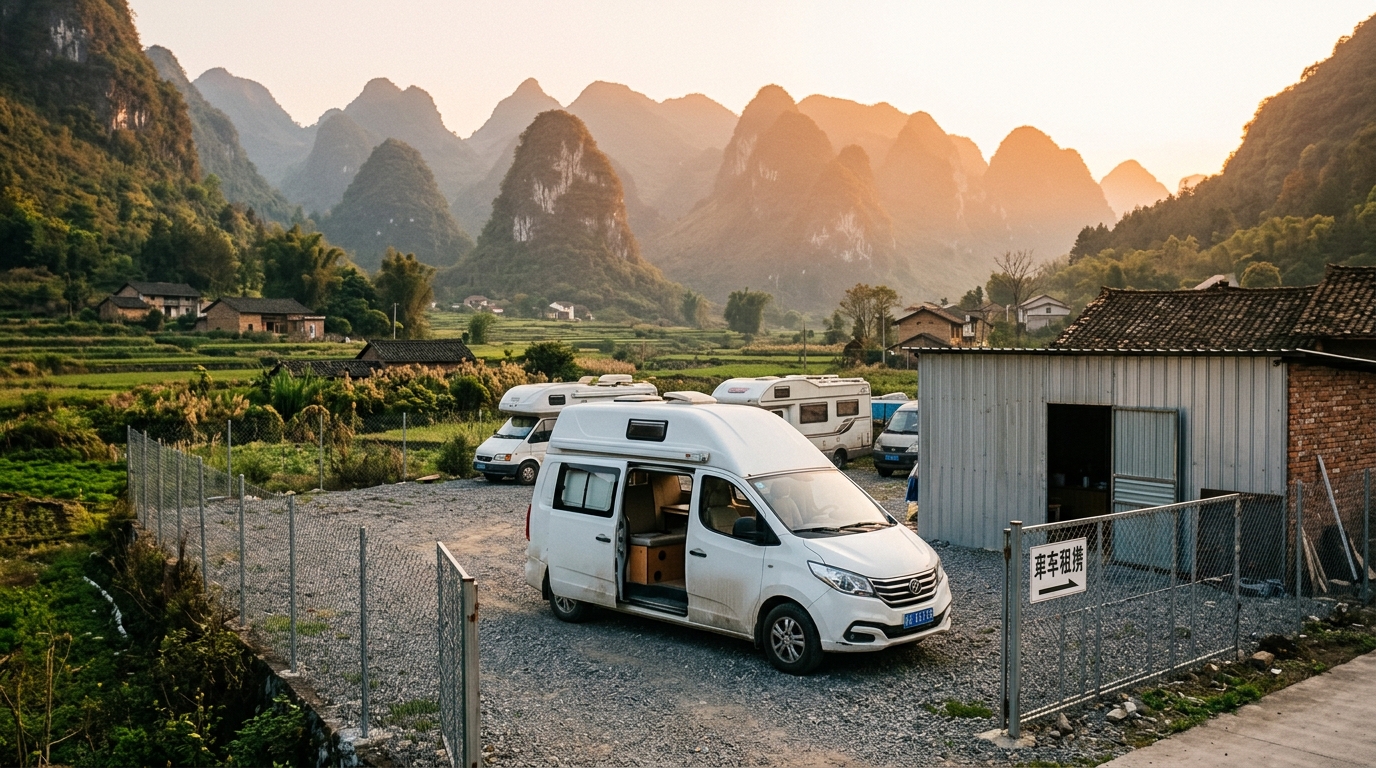
- **Yangshuo and the Li River Karst Landscape:** Imagine cruising in your campervan through the dramatic, verdant karst peaks of Guangxi. Enjoy a bamboo raft ride, explore local villages, and soak in the serene beauty.
- **Chengdu Panda Base:** A family-friendly highlight in Sichuan. Witness giant pandas in a naturalistic habitat. Many local RV parks offer convenient access to this heartwarming experience.
- **Xi'an's Terracotta Army:** Travel back in time with a visit to this archaeological marvel. A rented RV provides the flexibility to arrive early, avoiding peak crowds, and explore the surrounding historical sites at your own pace.
- **Explore a water town near Shanghai (e.g., Zhujiajiao):** Park your motorhome on the outskirts and take a local boat ride through ancient canals, experiencing traditional Chinese charm.
Looking for expert insights from Avi Bandana? Top 5 Adventures - recommendations from Avi Bandana.
Final Thoughts
Exploring China by rented RV for quick routes or extended adventures is an incredibly rewarding way to see this magnificent country. It offers the freedom to delve into ancient cultures, traverse diverse landscapes, and truly connect with the heart of local life at your own pace. While unique considerations like obtaining a local driving permit and navigating digital payment systems are part of the journey, with careful planning, these become manageable steps in an exciting adventure. Remember to embrace slow travel, allowing yourself to savor each destination and every experience.
At Bandana Caravan, we are passionate about making your RV dreams a reality, offering unmatched expertise and support every step of the way. We believe that God is in the small details, and we take care of them to make the big difference in your travel experience. From comparing the best motorhome options to providing transparent pricing and valuable planning resources, we're here to ensure your RV trip in China is smooth, safe, and utterly unforgettable.
Get inspired for your next trip! Discover top destinations, planning tips, all in one place! Plan a trip itinerary in advance with minimal effort and maximum enjoyment. Your extraordinary Chinese RV adventure awaits.
