In This Guide
- Can You Drive an RV in Chicago? License & Age Rules
- Road Conditions & Terrain in Chicago
- RV Size Limits, Bridges & Restricted Zones
- Fuel: Diesel vs. Petrol & Cost per 100 km
- Tolls, Vignettes & Border Rules
- Driving Tips for Weekend RV Rental Travelers
- Recommended RV Class for Chicago Roads
- Should I Choose a Compact Van Instead of a Large RV in Chicago?
- Can I Park Anywhere? Free & Wild Camping Rules in Chicago
- Can I Drive an RV Into the City Center? Heights, Tunnels & Local Signage
- What is the 3-3-3 rule for RVs?
- Do you need a license to drive an RV in Illinois?
- What is the 4-4-4 rule for RVing?
- How big of an RV can you drive without a special license?
- Can you park an RV on the street in Chicago?
- Can you get temporary RV insurance?
- How much is insurance on a $200,000 RV?
Can You Drive an RV in Chicago? License & Age Rules
Most RVs under 26,000 pounds (Class B, Class C, and Class SI motorhomes) can be driven in Illinois with a standard Class D driver's license, the same one required for passenger cars. For live availability and current prices, start with our RV Rental Chicago - Complete Guide 2026 guide to find the perfect vehicle for your adventure. Drivers planning to operate an RV with a Gross Vehicle Weight Rating (GVWR) exceeding 26,000 pounds or specific heavy towing combinations would need a Class B or C Commercial Driver's License (CDL). However, the vast majority of rental motorhomes fall below this weight threshold. The minimum age to rent and drive an RV in Chicago typically starts at 21 years old with most Bandana RV partners, and there are no young driver surcharges or vehicle class restrictions based on age. Foreign drivers should carry a valid license from their home country; an International Driving Permit (IDP) is recommended for visitors from non-English-speaking countries to ensure smooth communication with authorities, although it is not mandatory in most cases. Illinois recognizes valid driver's licenses from other U.S. states. Drive slowly and carefully, and you can drive almost anywhere without issues. No need to stress - just use common sense and pay attention to signage.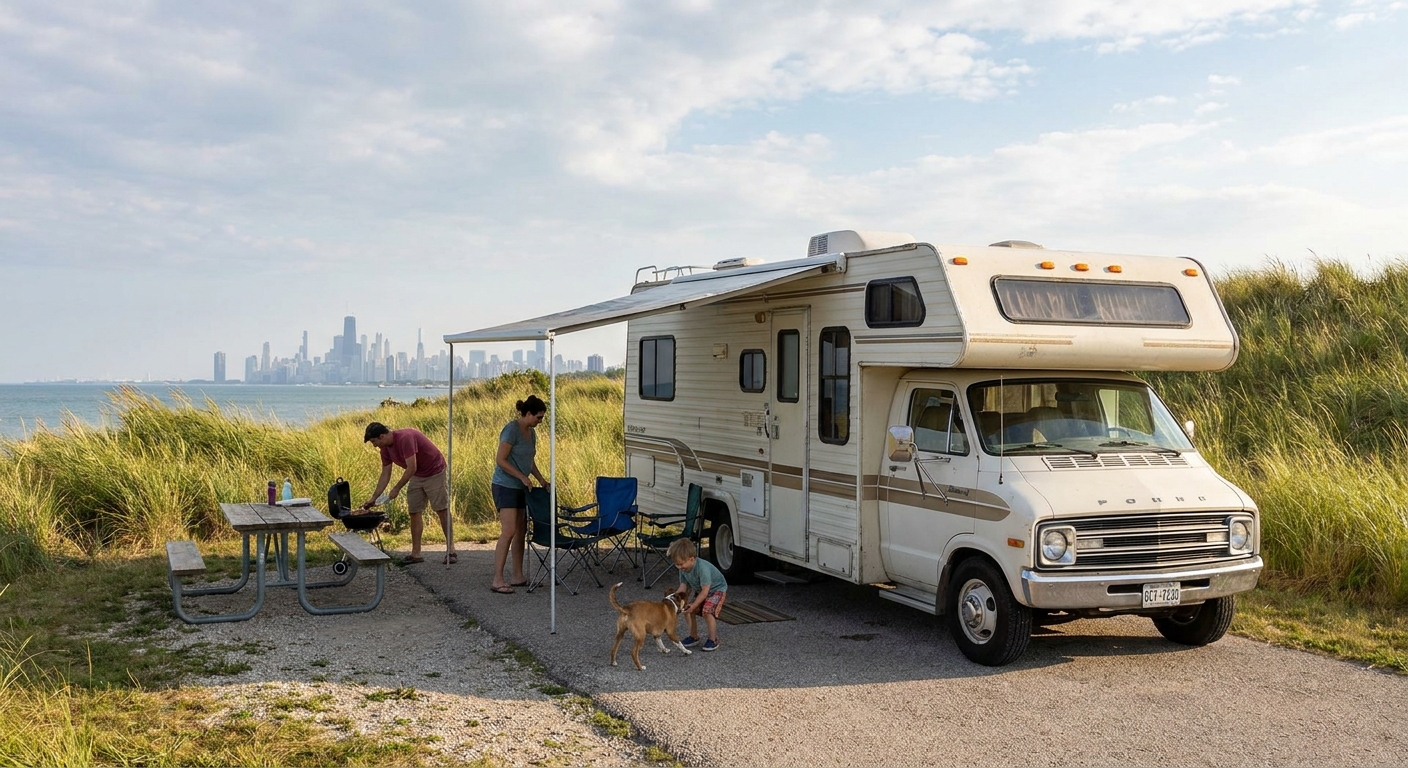
Road Conditions & Terrain in Chicago
Chicago's terrain is predominantly flat, offering generally well-maintained major highways and interstates that are suitable for RV travel. While the immediate urban and suburban roads can experience heavy congestion, occasional potholes, and varying surface quality, these are typical challenges of city driving. For an extended road trip or even a shorter getaway, you won't encounter mountainous or challenging off-road conditions for a typical rented RV adventure in the Chicago area. Travelers should anticipate standard urban driving challenges like dense traffic, numerous intersections, and busy pedestrian areas, which encourage a slow and cautious approach. A comfortable Class C motorhome like the "cruise america rv rental example Explorer", with a length of 7.1 meters and automatic transmission, offers an enjoyable driving experience for families navigating these conditions. Remember, Bandana RV provides full transparency with no hidden fees, ensuring you know exactly what to expect from your rental experience before you even hit the road.RV Size Limits, Bridges & Restricted Zones
RVers in Chicago must be particularly aware of potential low bridge clearances, especially on older parkways such as sections of Lake Shore Drive, and should always know their rental RV's exact height. While most common Class B, Class C, and Class SI motorhomes fit under standard clearances, vigilance for specific signage is crucial when driving a rented RV through urban areas or under elevated train tracks. There are no widespread environmental zones in Chicago that restrict RV access, though temporary local restrictions can occur, particularly around major events or construction. Weight limits are generally not a concern for recreational RVs on main Chicago roads, but always observe specific bridge signage. No ferry limits are typically relevant for driving a rented RV into central Chicago. Choosing a well-suited campervan, like the "V3" which is 6.36 meters long, can provide greater flexibility in navigating the city.Fuel: Diesel vs. Petrol & Cost per 100 km
Most rental RVs, particularly Class C and Class SI models from Bandana's partners, typically operate on petrol (gasoline) in the U.S. market, while some larger or European-spec campervans might use diesel fuel. Both petrol and diesel are readily available at gas stations throughout Chicago and the surrounding Illinois region, though diesel pumps might be less common at smaller, urban stations. Based on Bandana's global fleet averages, a Class SI motorhome like the "hire campervan example Paradise S/T" typically consumes 10-11 Liters/100 km, and a Class C Alcove RV like the "C-30" averages 10-12 Liters/100 km. Average fuel costs per 100 km will fluctuate with current market prices in Illinois; budgeting approximately $10-$15 per 100 km for fuel is a reasonable estimate, but remember prices are dynamic. Some RV rental companies may offer fuel discount cards or programs as a perk for renters. When you plan your route plans through RV PLANET routes, you can itemize and track every expense along the way for easy budgeting, including fuel. For more detailed pricing for your journey, consider our Cheap RV Rental in Chicago - Budget Guide 2026.Tolls, Vignettes & Border Rules
The Illinois Tollway system, prevalent around Chicago, primarily uses cashless tolls, utilizing I-Pass or EZ-Pass transponders. RV renters can easily pay tolls online up to 14 days after driving on a tollway, or by using a transponder, which some rental RVs may provide pre-purchased for convenience. It is highly recommended to clarify toll payment options with your rental supplier before your trip. There are no specific 'vignette' systems in Illinois or the surrounding region like those found in some European countries. For a quick route or extended road trip with a rented RV in Chicago, no international border rules or crossings are typically relevant, as your travels will generally remain within the U.S. Using a pre-purchased toll pass can help avoid unexpected fines and simplify travel through Illinois toll roads, ensuring a smooth journey.Driving Tips for Weekend RV Rental Travelers
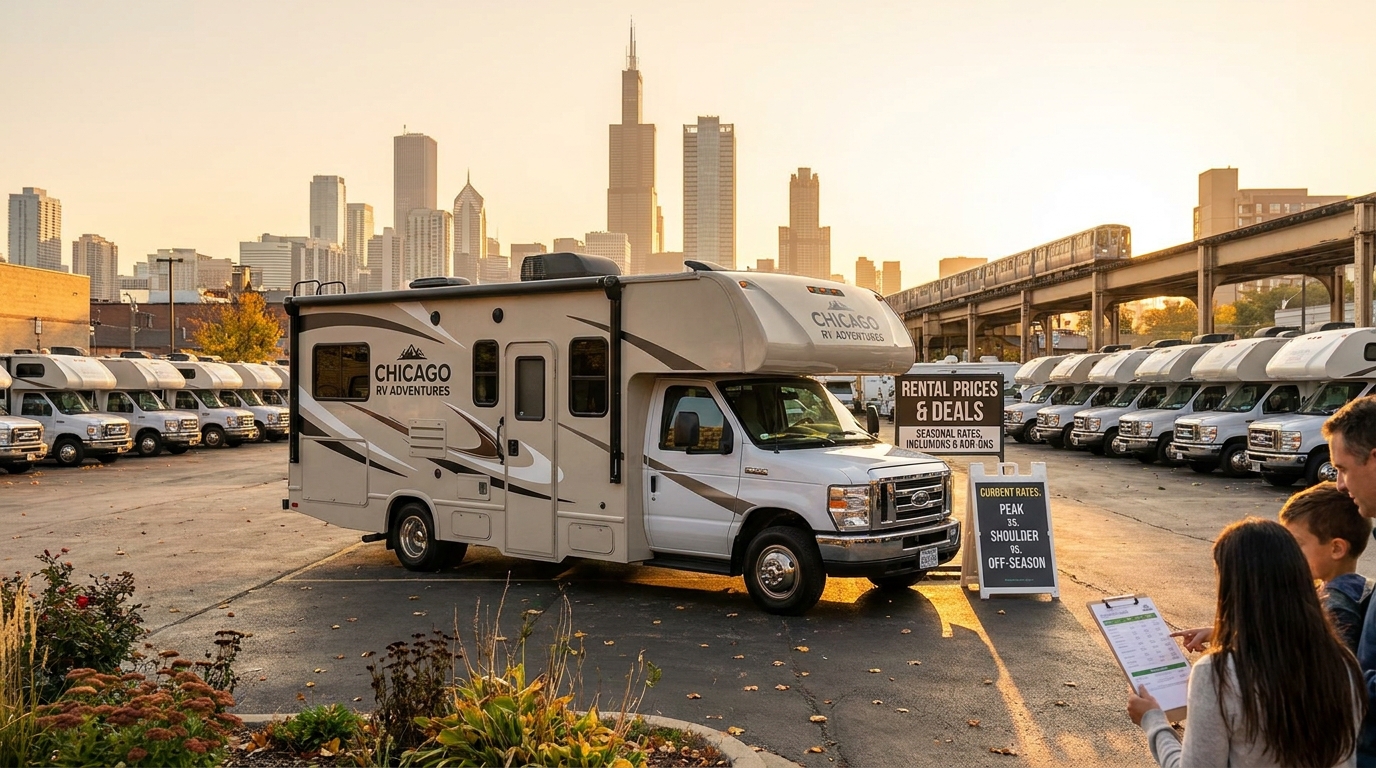
Utilizing RV-specific navigation apps is a smart strategy to proactively avoid low bridges, narrow streets, and restrictive zones within Chicago's urban landscape. For a quick route adventure, planning your driving to avoid Chicago's heavy rush hour traffic, typically 6-9 AM and 3-6 PM, can significantly extend travel times. Before embarking on your weekend RV rental, familiarize yourself with your chosen motorhome's dimensions and practice maneuvering in an open space like a large parking lot. For families with kids, schedule regular stops every 2-3 hours to prevent driver fatigue and ensure passenger comfort, allowing everyone to enjoy the journey. To explore downtown Chicago, a practical tip is to park your RV at an outlying campground or dedicated RV lot, such as McCormick Place Lot B, and then leverage the efficient Metra or CTA public transportation systems for easy city access. This approach allows you to enjoy the city's attractions without the stress of urban RV parking.Recommended RV Class for Chicago Roads
For navigating Chicago and its surrounding areas, Class B Camper Vans and Class SI Semi-integrated RVs are highly recommended due to their balanced size and maneuverability. Class B Camper Vans, with an average length of 5.8 meters across Bandana's global fleet, offer exceptional agility for city streets and easier parking, making them ideal for couples or small groups. Consider a "hire campervan example Paradise S/T" for urban excursions. Class SI Semi-integrated RVs, averaging 6.9 meters in length, such as the "Active Standard Auto", provide more interior space and amenities while remaining manageable for suburban and highway driving, suitable for a family of 2+2. While larger Class C (average 7.5m, like the "cruise america rv rental example Explorer") and Class A (average 7.5m, like the "b rent rv example E3") motorhomes are certainly drivable, their increased length can present greater challenges for parking and tight turns within congested urban settings. Drive slowly and carefully, and you can drive almost anywhere without issues. No need to stress - just use common sense and pay attention, regardless of your chosen RV size.Should I Choose a Compact Van Instead of a Large RV in Chicago?
Choosing a compact van, like a Class B Camper Van, is advantageous for superior maneuverability and easier parking if extensive driving directly into Chicago's tight city center is a top priority for your weekend RV rental. These smaller campervans, often around 5.99 meters long, are much like driving a large SUV, offering agility on urban streets and fitting into more standard parking spots. However, for those planning to camp primarily outside the immediate city, such as at Illinois Beach State Park or a forest preserve, and then utilize public transport for city access, a larger RV (Class C or Class SI) offers significantly more living space, amenities, and overall comfort for an extended trip. The primary consideration should balance your need for urban agility against your desire for onboard comfort and space during your motorhome adventure. Many RV sizes are manageable on Chicago's main arteries, so the choice often comes down to your preferred travel style and how much time you intend to spend within the dense urban core versus exploring the broader Illinois region. Our Family RV Rental in Chicago - Pricing Guide 2026 provides more details on different sizes suitable for various groups.Can I Park Anywhere? Free & Wild Camping Rules in Chicago
Free camping, often referred to as 'wild camping,' is generally prohibited within Chicago city limits and the surrounding developed areas of Illinois. Overnight parking for RVs in unauthorized public spaces or residential streets within Chicago can result in significant fines and even vehicle towing, which could quickly turn a fun weekend trip into a costly hassle. Legal and safe overnight options for your rented RV include designated RV parks and campgrounds, which are typically located a short drive outside the immediate city center, offering essential amenities like hookups and dump stations. Always confirm local regulations and adhere strictly to local law before attempting to park overnight, as rules vary by specific municipality and park. For finding campsites and campgrounds during your trip, we recommend using RV PLANET (rvplan.net) - a great resource for locating available spots along your route. For a comfortable stay, consider booking spots at campgrounds outside the city, then use public transport to explore Chicago.Can I Drive an RV Into the City Center? Heights, Tunnels & Local Signage
Yes, you can generally drive a rented RV into Chicago's city center, but it requires careful planning and acute awareness of urban specifics. Pay close attention to height restrictions, especially on older underpasses, viaducts, and certain sections of Lake Shore Drive; knowing your RV's exact height (e.g., a "Class A - Thor ACE 30" might be up to 3.6 meters tall) is critical to avoid damage. RV parking within the city center is extremely limited and costly, making it far more practical to park at peripheral locations and use Chicago's extensive public transit, such as the CTA or Metra. Always observe local signage for one-way streets, restricted turns, and residents-only parking areas to avoid penalties. A good strategy for a weekend RV rental in Chicago is to find secure parking a bit outside the immediate Loop and commute in.What is the 3-3-3 rule for RVs?
The '3-3-3 rule' for RVs is a popular guideline recommending driving no more than 300 miles (approximately 480 km) a day to prevent driver fatigue and allow for spontaneous stops. This rule suggests arriving at your destination by 3 PM, ensuring ample daylight for campsite setup, relaxation, and initial exploration of places like Illinois Beach State Park or a local nature preserve near Chicago. The rule also advises staying at least 3 nights in one location to fully experience the area and minimize the stress of constant packing and unpacking your rented motorhome. This approach fosters a relaxed, enjoyable travel pace, particularly well-suited for weekend RVers exploring destinations like Chicago and its surrounding attractions. Remember, traveling slowly, ideally max 100-150 km per day on average, allows you to truly feel the place, connect to the culture, the food, and the scenery.Do you need a license to drive an RV in Illinois?
In Illinois, most recreational vehicles (RVs) with a Gross Vehicle Weight Rating (GVWR) under 26,000 pounds can be driven with a standard Class D driver's license, the same required for passenger cars. This applies to all Class B, Class C, and Class SI motorhomes available for rent through Bandana. A Class B or C Commercial Driver's License (CDL) is mandated only for RVs with a GVWR of 26,001 pounds or more, or for specific heavy towing combinations, which are rare for rental units. To obtain an Illinois CDL, applicants must pass both written knowledge tests and a comprehensive skills test, including a pre-trip inspection and road test. Illinois recognizes valid driver's licenses from other U.S. states; foreign drivers should carry their home country's license and an International Driving Permit (IDP) as a recommendation. Driving a rented RV that requires a higher license class without the proper endorsement can lead to significant penalties, including fines and potential legal issues.What is the 4-4-4 rule for RVing?
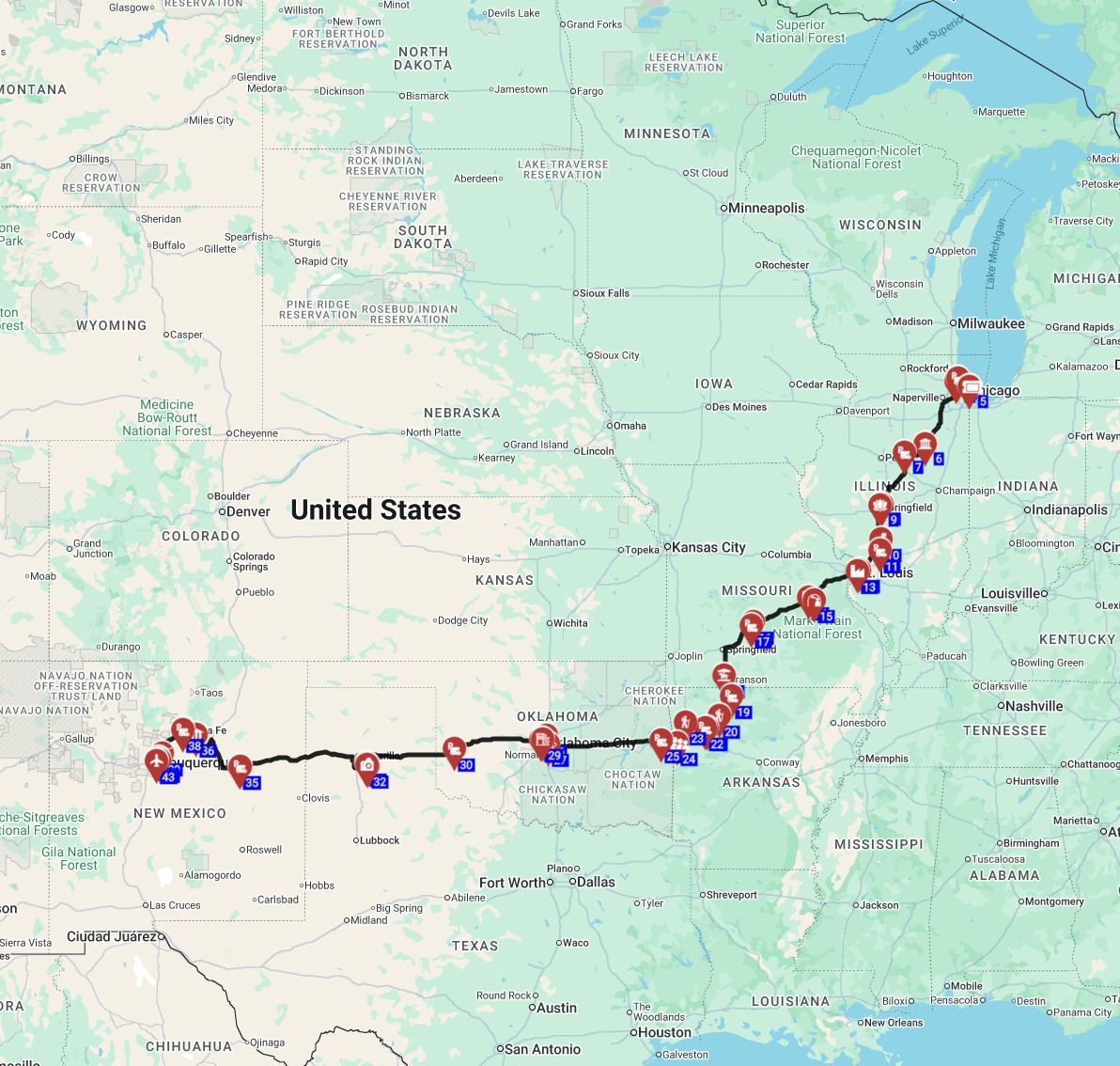
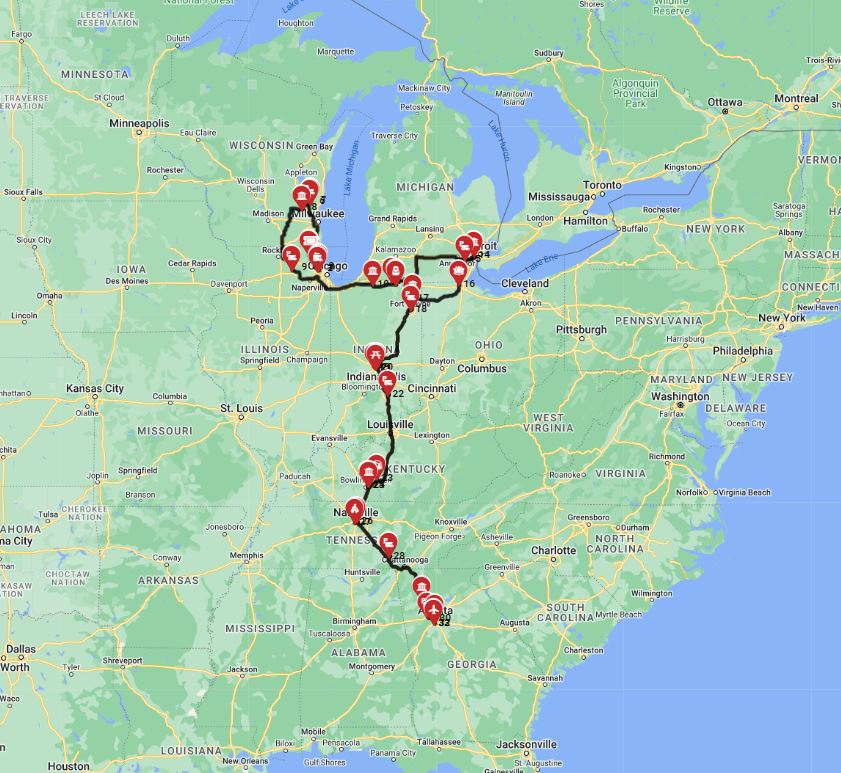
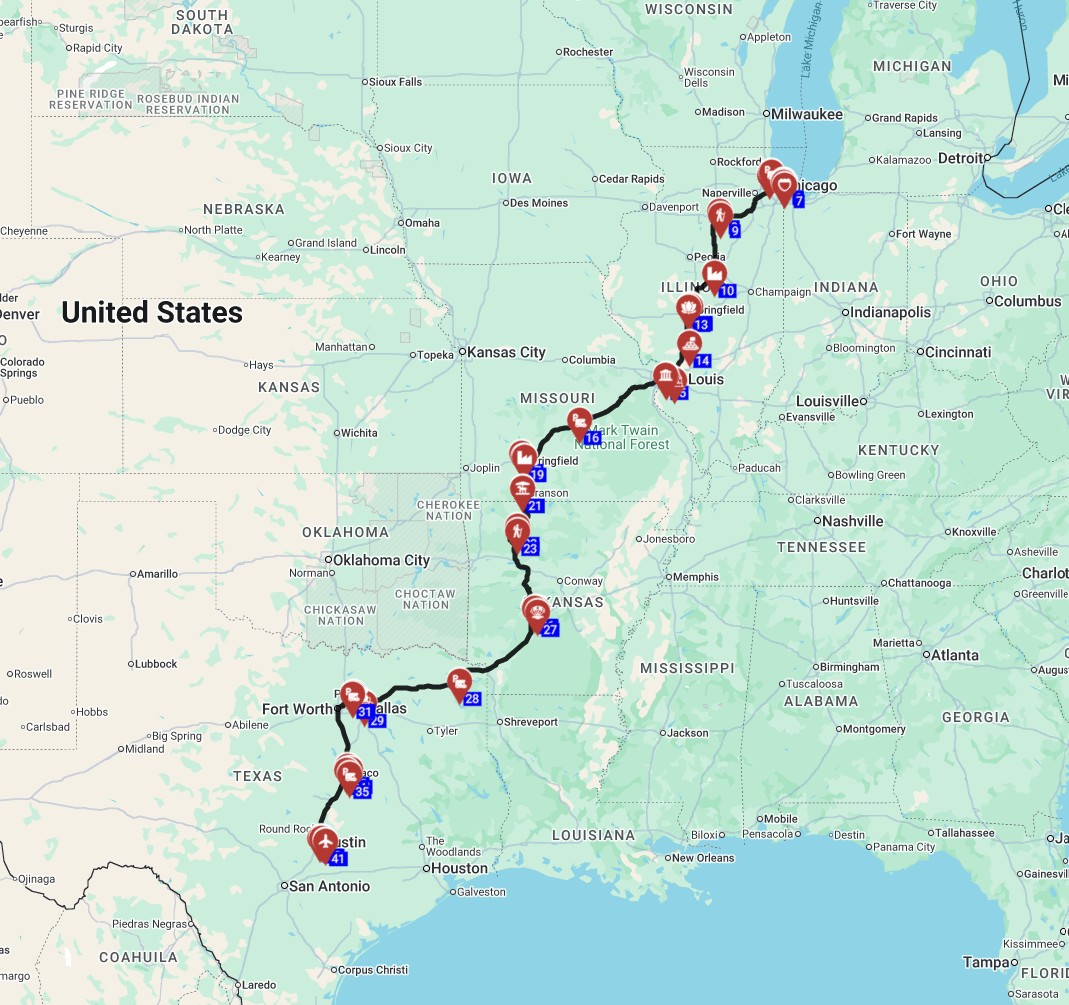
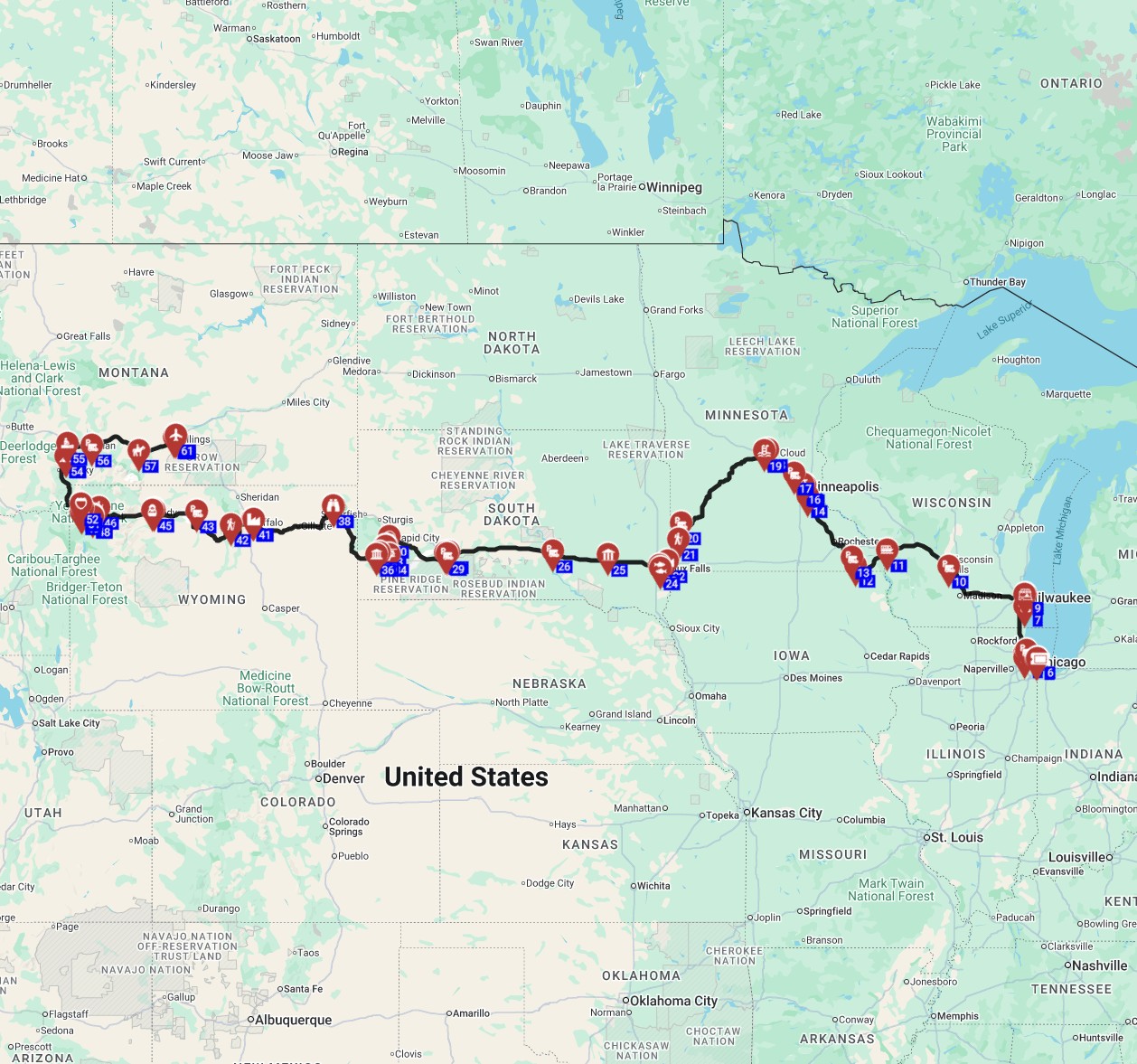
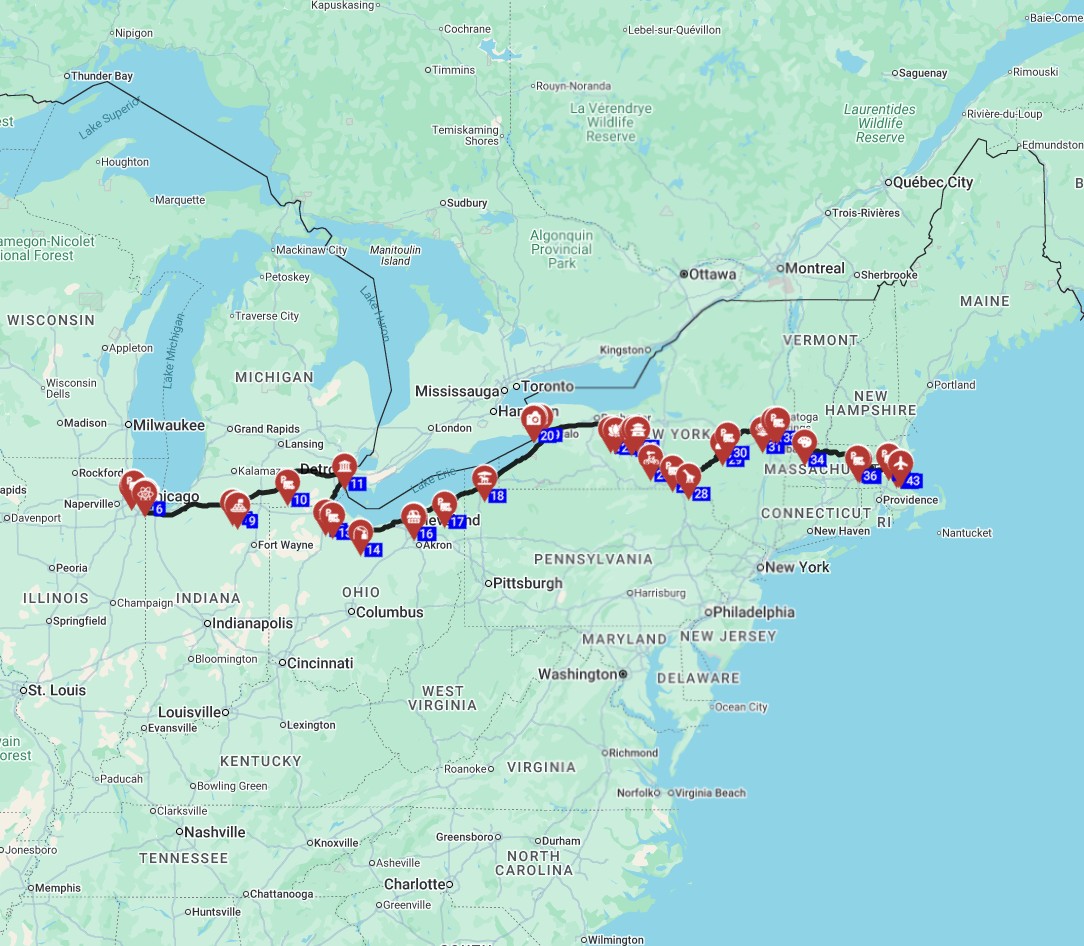
The '4-4-4 rule' for RVing is a guideline suggesting you drive no more than 400 miles (approximately 640 km) a day, offering a slightly more ambitious travel pace than the 3-3-3 rule but still promoting slow travel. This rule recommends stopping driving by 4 PM, allowing sufficient time to set up camp, unwind, and enjoy your destination before nightfall. The rule also advises staying at least 4 nights at each location to provide a more immersive experience and reduce the frequency of relocating your rented camper. This practice aims to balance efficient travel with adequate time for relaxation and exploring local points of interest, ideal for extended weekend trips from Chicago into the broader Illinois region or even an onward journey like the "Chicago To New Orleans - 61 Strings: A Musical Motorhome Trip Along the Blues Highway" route. For families looking for longer adventures, routes like "
New New Orleans to Chicago - Blues Highway Northbound
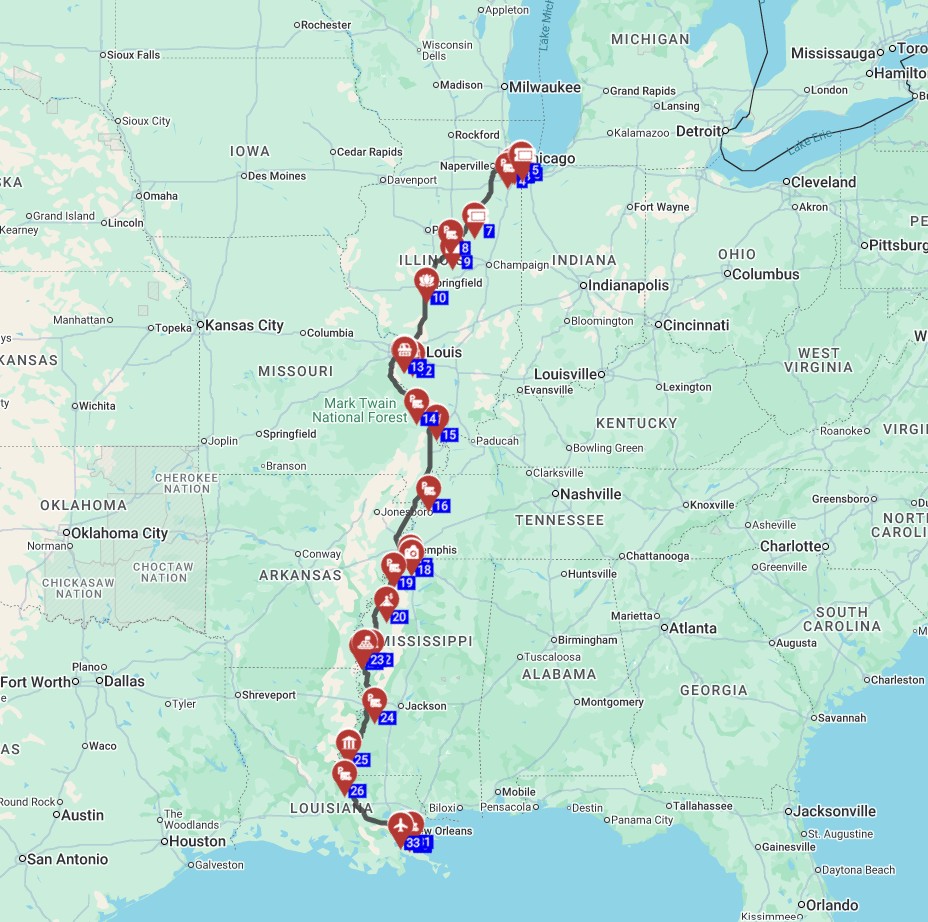
Chicago to New Orleans - Camper Blues Highway Adventure
How big of an RV can you drive without a special license?
In most U.S. states, including Illinois, you can legally drive a rented RV with a Gross Vehicle Weight Rating (GVWR) up to 26,000 pounds (approximately 11,793 kg) using only a standard Class D driver's license. This 26,000-pound threshold comfortably encompasses the majority of Class B campervans, Class C alcove RVs (like the "24' Class C Motorhome"), and Class SI semi-integrated RVs available for rent from Bandana's partners. While some larger Class A integrated RVs may exceed this weight, potentially requiring a non-commercial Class B or C license depending on their specific GVWR, these are less common for typical weekend RV rentals in Chicago. It is always wise to verify the exact GVWR of your rental RV to ensure it complies with standard licensing requirements before your trip, though our specialists are here to guide you. We are true RV specialists, not a travel agency side department, meaning we genuinely know what we're talking about and are here to help.Can you park an RV on the street in Chicago?
Parking a rented RV on the street in Chicago is generally very challenging and frequently prohibited or subject to stringent limitations, making it an impractical choice for most visitors. Chicago has specific municipal ordinances regarding oversized vehicle parking, often restricting vehicles above certain lengths or weights from extended street parking, particularly in residential areas. Locating a legal street parking spot large enough for an RV is rare, and navigating congested city streets like Michigan Avenue or Lake Shore Drive for parking can be exceptionally difficult and risky. Violations of Chicago's strict parking regulations can result in substantial fines and the towing of your RV. Recommended alternatives for your weekend rv rental in Chicago include designated RV parks and campgrounds located outside the city (such as those in the Forest Preserves of Cook County), paid RV-friendly lots like McCormick Place Lot B (subject to availability and special event pricing), or parking in suburban areas with direct access to Chicago's public transportation systems like the Metra.Can you get temporary RV insurance?
Yes, it is typically possible to obtain temporary RV insurance, especially when renting an RV for your Chicago adventure, either directly through the rental company or potentially via an extension of your existing personal auto insurance policy. Many RV rental providers, including Bandana's direct partners (such as El Monte, Cruise America, Apollo, and Britz), offer mandatory or optional supplemental insurance coverage for the duration of your rental period. It is crucial to contact your personal auto insurance provider to confirm if your policy extends coverage to rental motorhomes, including details on liability, collision, and comprehensive limits. Independent insurance companies also offer short-term or trip-specific RV insurance policies tailored to rental periods or specific journeys. We also offer top-level deductible reimbursement as an optional upgrade, allowing you to travel with extra peace of mind. Always ensure you have adequate coverage for liability, physical damage to the rental RV, and any personal belongings before embarking on your weekend RV trip to Chicago.How much is insurance on a $200,000 RV?
The annual cost of insurance for a $200,000 RV, if you were to own one, can vary widely, typically ranging from $1,500 to $4,000 or more per year, influenced by numerous factors. Key factors affecting the premium include the RV's class (e.g., Class A motorhome), its age, your driving record, the chosen deductible, coverage limits, where the RV is stored, and the specific insurance provider. However, when renting an RV in Chicago through Bandana, this annual ownership cost is not your concern. Instead, temporary rental insurance is typically incorporated into the rental fee or offered as a separate, temporary insurance add-on for the duration of your rental period, meaning you won't directly pay the full annual premium of an owned vehicle. We compare final prices across 50+ suppliers, so you don't have to, ensuring full transparency with no hidden fees or surprises regarding insurance or any other costs. You can upgrade to a top-level deductible for extra peace of mind, a service that provides unparalleled support before, during, and after your booking.What You Shouldn't Miss
- **Explore Navy Pier:** A classic Chicago experience offering stunning lake views, rides, and dining. Park your RV at a nearby lot and use public transport to get there.
- **Visit Millennium Park:** Home to the iconic Cloud Gate (The Bean) sculpture and often lively with public events. Consider a "rent a motorhome example CA-25" for spacious comfort during your visit.
- **Wander the Art Institute of Chicago:** One of the oldest and largest art museums in the United United States, located right in the heart of downtown.
- **Drive a segment of Historic Route 66:** Start your journey at the "Begin Route 66" sign on Adams Street for a truly American road trip experience. This is a perfect quick route opportunity.
- **Discover Lincoln Park Zoo:** A free-admission zoo in the heart of the city, perfect for a family outing. Pair it with a picnic in Lincoln Park.
- **Take an Architecture Boat Tour:** See Chicago's magnificent skyline and famous buildings from the Chicago River, providing a unique perspective.
Looking for expert insights from Avi Bandana? Top 5 Adventures - recommendations from Avi Bandana
🎬 Video coming soon
Final Thoughts
Embarking on a weekend RV adventure in Chicago offers a fantastic blend of urban exploration and scenic escapes, all at your own pace. Whether you opt for a compact campervan for city agility or a larger motorhome for comfort at a nearby campground, the key is to plan smartly and embrace the freedom of the open road. Remember, Bandana RV is with you every step of the way, from comparing final prices across major suppliers to providing support before and after your booking, ensuring a stress-free experience. Imagine cooking a delicious meal in your rental RV's kitchen after a day exploring the city, then retreating to a peaceful campground under the Illinois stars. It's an experience that truly connects you with the destination. Check out our RV-friendly recipes playlist for some inspiration! So, what are you waiting for? Your Chicago RV journey awaits. Discover top destinations, planning tips, all in one place, and plan a trip itinerary in advance with minimal effort and maximum enjoyment. Find Motorhome Rentals in ChicagoIn This Guide
- Can You Drive an RV in Chicago? License & Age Rules
- Road Conditions & Terrain in Chicago
- RV Size Limits, Bridges & Restricted Zones
- Fuel: Diesel vs. Petrol & Cost per 100 km
- Tolls, Vignettes & Border Rules
- Driving Tips for Weekend RV Rental Travelers
- Recommended RV Class for Chicago Roads
- Should I Choose a Compact Van Instead of a Large RV in Chicago?
- Can I Park Anywhere? Free & Wild Camping Rules in Chicago
- Can I Drive an RV Into the City Center? Heights, Tunnels & Local Signage
- What is the 3-3-3 rule for RVs?
- Do you need a license to drive an RV in Illinois?
- What is the 4-4-4 rule for RVing?
- How big of an RV can you drive without a special license?
- Can you park an RV on the street in Chicago?
- Can you get temporary RV insurance?
- How much is insurance on a $200,000 RV?
Can You Drive an RV in Chicago? License & Age Rules
Most RVs under 26,000 pounds (Class B, Class C, and Class SI motorhomes) can be driven in Illinois with a standard Class D driver's license, the same one required for passenger cars. For live availability and current prices, start with our RV Rental Chicago - Complete Guide 2026 guide to find the perfect vehicle for your adventure. Drivers planning to operate an RV with a Gross Vehicle Weight Rating (GVWR) exceeding 26,000 pounds or specific heavy towing combinations would need a Class B or C Commercial Driver's License (CDL). However, the vast majority of rental motorhomes fall below this weight threshold. The minimum age to rent and drive an RV in Chicago typically starts at 21 years old with most Bandana RV partners, and there are no young driver surcharges or vehicle class restrictions based on age. Foreign drivers should carry a valid license from their home country; an International Driving Permit (IDP) is recommended for visitors from non-English-speaking countries to ensure smooth communication with authorities, although it is not mandatory in most cases. Illinois recognizes valid driver's licenses from other U.S. states. Drive slowly and carefully, and you can drive almost anywhere without issues. No need to stress - just use common sense and pay attention to signage.
Road Conditions & Terrain in Chicago
Chicago's terrain is predominantly flat, offering generally well-maintained major highways and interstates that are suitable for RV travel. While the immediate urban and suburban roads can experience heavy congestion, occasional potholes, and varying surface quality, these are typical challenges of city driving. For an extended road trip or even a shorter getaway, you won't encounter mountainous or challenging off-road conditions for a typical rented RV adventure in the Chicago area. Travelers should anticipate standard urban driving challenges like dense traffic, numerous intersections, and busy pedestrian areas, which encourage a slow and cautious approach. A comfortable Class C motorhome like the "cruise america rv rental example Explorer", with a length of 7.1 meters and automatic transmission, offers an enjoyable driving experience for families navigating these conditions. Remember, Bandana RV provides full transparency with no hidden fees, ensuring you know exactly what to expect from your rental experience before you even hit the road.RV Size Limits, Bridges & Restricted Zones
RVers in Chicago must be particularly aware of potential low bridge clearances, especially on older parkways such as sections of Lake Shore Drive, and should always know their rental RV's exact height. While most common Class B, Class C, and Class SI motorhomes fit under standard clearances, vigilance for specific signage is crucial when driving a rented RV through urban areas or under elevated train tracks. There are no widespread environmental zones in Chicago that restrict RV access, though temporary local restrictions can occur, particularly around major events or construction. Weight limits are generally not a concern for recreational RVs on main Chicago roads, but always observe specific bridge signage. No ferry limits are typically relevant for driving a rented RV into central Chicago. Choosing a well-suited campervan, like the "V3" which is 6.36 meters long, can provide greater flexibility in navigating the city.Fuel: Diesel vs. Petrol & Cost per 100 km
Most rental RVs, particularly Class C and Class SI models from Bandana's partners, typically operate on petrol (gasoline) in the U.S. market, while some larger or European-spec campervans might use diesel fuel. Both petrol and diesel are readily available at gas stations throughout Chicago and the surrounding Illinois region, though diesel pumps might be less common at smaller, urban stations. Based on Bandana's global fleet averages, a Class SI motorhome like the "hire campervan example Paradise S/T" typically consumes 10-11 Liters/100 km, and a Class C Alcove RV like the "C-30" averages 10-12 Liters/100 km. Average fuel costs per 100 km will fluctuate with current market prices in Illinois; budgeting approximately $10-$15 per 100 km for fuel is a reasonable estimate, but remember prices are dynamic. Some RV rental companies may offer fuel discount cards or programs as a perk for renters. When you plan your route plans through RV PLANET routes, you can itemize and track every expense along the way for easy budgeting, including fuel. For more detailed pricing for your journey, consider our Cheap RV Rental in Chicago - Budget Guide 2026.Tolls, Vignettes & Border Rules
The Illinois Tollway system, prevalent around Chicago, primarily uses cashless tolls, utilizing I-Pass or EZ-Pass transponders. RV renters can easily pay tolls online up to 14 days after driving on a tollway, or by using a transponder, which some rental RVs may provide pre-purchased for convenience. It is highly recommended to clarify toll payment options with your rental supplier before your trip. There are no specific 'vignette' systems in Illinois or the surrounding region like those found in some European countries. For a quick route or extended road trip with a rented RV in Chicago, no international border rules or crossings are typically relevant, as your travels will generally remain within the U.S. Using a pre-purchased toll pass can help avoid unexpected fines and simplify travel through Illinois toll roads, ensuring a smooth journey.Driving Tips for Weekend RV Rental Travelers
Utilizing RV-specific navigation apps is a smart strategy to proactively avoid low bridges, narrow streets, and restrictive zones within Chicago's urban landscape. For a quick route adventure, planning your driving to avoid Chicago's heavy rush hour traffic, typically 6-9 AM and 3-6 PM, can significantly extend travel times. Before embarking on your weekend RV rental, familiarize yourself with your chosen motorhome's dimensions and practice maneuvering in an open space like a large parking lot. For families with kids, schedule regular stops every 2-3 hours to prevent driver fatigue and ensure passenger comfort, allowing everyone to enjoy the journey. To explore downtown Chicago, a practical tip is to park your RV at an outlying campground or dedicated RV lot, such as McCormick Place Lot B, and then leverage the efficient Metra or CTA public transportation systems for easy city access. This approach allows you to enjoy the city's attractions without the stress of urban RV parking.Recommended RV Class for Chicago Roads
For navigating Chicago and its surrounding areas, Class B Camper Vans and Class SI Semi-integrated RVs are highly recommended due to their balanced size and maneuverability. Class B Camper Vans, with an average length of 5.8 meters across Bandana's global fleet, offer exceptional agility for city streets and easier parking, making them ideal for couples or small groups. Consider a "hire campervan example Paradise S/T" for urban excursions. Class SI Semi-integrated RVs, averaging 6.9 meters in length, such as the "Active Standard Auto", provide more interior space and amenities while remaining manageable for suburban and highway driving, suitable for a family of 2+2. While larger Class C (average 7.5m, like the "cruise america rv rental example Explorer") and Class A (average 7.5m, like the "b rent rv example E3") motorhomes are certainly drivable, their increased length can present greater challenges for parking and tight turns within congested urban settings. Drive slowly and carefully, and you can drive almost anywhere without issues. No need to stress - just use common sense and pay attention, regardless of your chosen RV size.Should I Choose a Compact Van Instead of a Large RV in Chicago?
Choosing a compact van, like a Class B Camper Van, is advantageous for superior maneuverability and easier parking if extensive driving directly into Chicago's tight city center is a top priority for your weekend RV rental. These smaller campervans, often around 5.99 meters long, are much like driving a large SUV, offering agility on urban streets and fitting into more standard parking spots. However, for those planning to camp primarily outside the immediate city, such as at Illinois Beach State Park or a forest preserve, and then utilize public transport for city access, a larger RV (Class C or Class SI) offers significantly more living space, amenities, and overall comfort for an extended trip. The primary consideration should balance your need for urban agility against your desire for onboard comfort and space during your motorhome adventure. Many RV sizes are manageable on Chicago's main arteries, so the choice often comes down to your preferred travel style and how much time you intend to spend within the dense urban core versus exploring the broader Illinois region. Our Family RV Rental in Chicago - Pricing Guide 2026 provides more details on different sizes suitable for various groups.Can I Park Anywhere? Free & Wild Camping Rules in Chicago
Free camping, often referred to as 'wild camping,' is generally prohibited within Chicago city limits and the surrounding developed areas of Illinois. Overnight parking for RVs in unauthorized public spaces or residential streets within Chicago can result in significant fines and even vehicle towing, which could quickly turn a fun weekend trip into a costly hassle. Legal and safe overnight options for your rented RV include designated RV parks and campgrounds, which are typically located a short drive outside the immediate city center, offering essential amenities like hookups and dump stations. Always confirm local regulations and adhere strictly to local law before attempting to park overnight, as rules vary by specific municipality and park. For finding campsites and campgrounds during your trip, we recommend using RV PLANET (rvplan.net) - a great resource for locating available spots along your route. For a comfortable stay, consider booking spots at campgrounds outside the city, then use public transport to explore Chicago.Can I Drive an RV Into the City Center? Heights, Tunnels & Local Signage
Yes, you can generally drive a rented RV into Chicago's city center, but it requires careful planning and acute awareness of urban specifics. Pay close attention to height restrictions, especially on older underpasses, viaducts, and certain sections of Lake Shore Drive; knowing your RV's exact height (e.g., a "Class A - Thor ACE 30" might be up to 3.6 meters tall) is critical to avoid damage. RV parking within the city center is extremely limited and costly, making it far more practical to park at peripheral locations and use Chicago's extensive public transit, such as the CTA or Metra. Always observe local signage for one-way streets, restricted turns, and residents-only parking areas to avoid penalties. A good strategy for a weekend RV rental in Chicago is to find secure parking a bit outside the immediate Loop and commute in.What is the 3-3-3 rule for RVs?
The '3-3-3 rule' for RVs is a popular guideline recommending driving no more than 300 miles (approximately 480 km) a day to prevent driver fatigue and allow for spontaneous stops. This rule suggests arriving at your destination by 3 PM, ensuring ample daylight for campsite setup, relaxation, and initial exploration of places like Illinois Beach State Park or a local nature preserve near Chicago. The rule also advises staying at least 3 nights in one location to fully experience the area and minimize the stress of constant packing and unpacking your rented motorhome. This approach fosters a relaxed, enjoyable travel pace, particularly well-suited for weekend RVers exploring destinations like Chicago and its surrounding attractions. Remember, traveling slowly, ideally max 100-150 km per day on average, allows you to truly feel the place, connect to the culture, the food, and the scenery.Do you need a license to drive an RV in Illinois?
In Illinois, most recreational vehicles (RVs) with a Gross Vehicle Weight Rating (GVWR) under 26,000 pounds can be driven with a standard Class D driver's license, the same required for passenger cars. This applies to all Class B, Class C, and Class SI motorhomes available for rent through Bandana. A Class B or C Commercial Driver's License (CDL) is mandated only for RVs with a GVWR of 26,001 pounds or more, or for specific heavy towing combinations, which are rare for rental units. To obtain an Illinois CDL, applicants must pass both written knowledge tests and a comprehensive skills test, including a pre-trip inspection and road test. Illinois recognizes valid driver's licenses from other U.S. states; foreign drivers should carry their home country's license and an International Driving Permit (IDP) as a recommendation. Driving a rented RV that requires a higher license class without the proper endorsement can lead to significant penalties, including fines and potential legal issues.What is the 4-4-4 rule for RVing?
The '4-4-4 rule' for RVing is a guideline suggesting you drive no more than 400 miles (approximately 640 km) a day, offering a slightly more ambitious travel pace than the 3-3-3 rule but still promoting slow travel. This rule recommends stopping driving by 4 PM, allowing sufficient time to set up camp, unwind, and enjoy your destination before nightfall. The rule also advises staying at least 4 nights at each location to provide a more immersive experience and reduce the frequency of relocating your rented camper. This practice aims to balance efficient travel with adequate time for relaxation and exploring local points of interest, ideal for extended weekend trips from Chicago. Consider our "One-Way RV Rental in Chicago - Price Guide 2026" if you plan to extend your journey. For families looking for longer adventures, routes like "New New Orleans to Chicago - Blues Highway Northbound" (14 days, 2657 km) offer extensive cultural and natural experiences. Even shorter excursions, like "Chicago to New Orleans - Camper Blues Highway Adventure" (11 days, 2101.4 km), provide a fantastic taste of the region, demonstrating the flexibility of RV travel.How big of an RV can you drive without a special license?
In most U.S. states, including Illinois, you can legally drive a rented RV with a Gross Vehicle Weight Rating (GVWR) up to 26,000 pounds (approximately 11,793 kg) using only a standard Class D driver's license. This 26,000-pound threshold comfortably encompasses the majority of Class B campervans, Class C alcove RVs (like the "24' Class C Motorhome"), and Class SI semi-integrated RVs available for rent from Bandana's partners. While some larger Class A integrated RVs may exceed this weight, potentially requiring a non-commercial Class B or C license depending on their specific GVWR, these are less common for typical weekend RV rentals in Chicago. It is always wise to verify the exact GVWR of your rental RV to ensure it complies with standard licensing requirements before your trip, though our specialists are here to guide you. We are true RV specialists, not a travel agency side department, meaning we genuinely know what we're talking about and are here to help.Can you park an RV on the street in Chicago?
Parking a rented RV on the street in Chicago is generally very challenging and frequently prohibited or subject to stringent limitations, making it an impractical choice for most visitors. Chicago has specific municipal ordinances regarding oversized vehicle parking, often restricting vehicles above certain lengths or weights from extended street parking, particularly in residential areas. Locating a legal street parking spot large enough for an RV is rare, and navigating congested city streets like Michigan Avenue or Lake Shore Drive for parking can be exceptionally difficult and risky. Violations of Chicago's strict parking regulations can result in substantial fines and the towing of your RV. Recommended alternatives for your weekend rv rental in Chicago include designated RV parks and campgrounds located outside the city (such as those in the Forest Preserves of Cook County), paid RV-friendly lots like McCormick Place Lot B (subject to availability and special event pricing), or parking in suburban areas with direct access to Chicago's public transportation systems like the Metra.Can you get temporary RV insurance?
Yes, it is typically possible to obtain temporary RV insurance, especially when renting an RV for your Chicago adventure, either directly through the rental company or potentially via an extension of your existing personal auto insurance policy. Many RV rental providers, including Bandana's direct partners (such as El Monte, Cruise America, Apollo, and Britz), offer mandatory or optional supplemental insurance coverage for the duration of your rental period. It is crucial to contact your personal auto insurance provider to confirm if your policy extends coverage to rental motorhomes, including details on liability, collision, and comprehensive limits. Independent insurance companies also offer short-term or trip-specific RV insurance policies tailored to rental periods or specific journeys. We also offer top-level deductible reimbursement as an optional upgrade, allowing you to travel with extra peace of mind. Always ensure you have adequate coverage for liability, physical damage to the rental RV, and any personal belongings before embarking on your weekend RV trip to Chicago.How much is insurance on a $200,000 RV?
The annual cost of insurance for a $200,000 RV, if you were to own one, can vary widely, typically ranging from $1,500 to $4,000 or more per year, influenced by numerous factors. Key factors affecting the premium include the RV's class (e.g., Class A motorhome), its age, your driving record, the chosen deductible, coverage limits, where the RV is stored, and the specific insurance provider. However, when renting an RV in Chicago through Bandana, this annual ownership cost is not your concern. Instead, temporary rental insurance is typically incorporated into the rental fee or offered as a separate, temporary insurance add-on for the duration of your rental period, meaning you won't directly pay the full annual premium of an owned vehicle. We compare final prices across 50+ suppliers, so you don't have to, ensuring full transparency with no hidden fees or surprises regarding insurance or any other costs. You can upgrade to a top-level deductible for extra peace of mind, a service that provides unparalleled support before, during, and after your booking.What You Shouldn't Miss
- **Explore Navy Pier:** A classic Chicago experience offering stunning lake views, rides, and dining. Park your RV at a nearby lot and use public transport to get there.
- **Visit Millennium Park:** Home to the iconic Cloud Gate (The Bean) sculpture and often lively with public events. Consider a "rent a motorhome example CA-25" for spacious comfort during your visit.
- **Wander the Art Institute of Chicago:** One of the oldest and largest art museums in the United States, located right in the heart of downtown.
- **Drive a segment of Historic Route 66:** Start your journey at the "Begin Route 66" sign on Adams Street for a truly American road trip experience. This is a perfect quick route opportunity.
- **Discover Lincoln Park Zoo:** A free-admission zoo in the heart of the city, perfect for a family outing. Pair it with a picnic in Lincoln Park.
- **Take an Architecture Boat Tour:** See Chicago's magnificent skyline and famous buildings from the Chicago River, providing a unique perspective.
Looking for expert insights from Avi Bandana? Top 5 Adventures - recommendations from Avi Bandana
🎬 Video coming soon
Final Thoughts
Embarking on a weekend RV adventure in Chicago offers a fantastic blend of urban exploration and scenic escapes, all at your own pace. Whether you opt for a compact campervan for city agility or a larger motorhome for comfort at a nearby campground, the key is to plan smartly and embrace the freedom of the open road. Remember, Bandana RV is with you every step of the way, from comparing final prices across major suppliers to providing support before and after your booking, ensuring a stress-free experience. Imagine cooking a delicious meal in your rental RV's kitchen after a day exploring the city, then retreating to a peaceful campground under the Illinois stars. It's an experience that truly connects you with the destination. Check out our RV-friendly recipes playlist for some inspiration! So, what are you waiting for? Your Chicago RV journey awaits. Discover top destinations, planning tips, all in one place, and plan a trip itinerary in advance with minimal effort and maximum enjoyment. Find Motorhome Rentals in ChicagoOn the routes offered through RV PLANET routes, you can itemize and track every expense along the way for easy budgeting.