For live availability and current prices, start with our RV Rental Central South US - Complete Guide 2026 guide.
Can You Drive an RV in Central South US? License & Age Rules
Yes, driving a rented RV in the Central South US is straightforward, as a standard Class D driver's license is typically sufficient for most rental motorhomes. These vehicles generally have a Gross Vehicle Weight Rating (GVWR) under 26,001 pounds, which is the common threshold for requiring a special commercial license. The minimum age to rent an RV is usually 21, although this can vary slightly by rental company. For international visitors, carrying an International Driving Permit (IDP) alongside your valid home country license is highly recommended for clarity. The states in the Central South US (Arkansas, Mississippi, Louisiana, Alabama, Tennessee, and Kentucky) generally align with federal guidelines, meaning no special endorsements are typically needed for standard weekend rentals, even for larger Class C models.
Road Conditions & Terrain in Central South US
The Central South US presents a varied driving landscape, from the flat, fertile delta regions of Mississippi and Louisiana to the gently rolling hills and the more rugged foothills of the Appalachian Mountains in Tennessee and Kentucky. The region's Interstate highways are generally well-maintained and easily navigable for any size of rented RV. However, when venturing onto state or county roads, especially in historic towns or more remote natural areas, drivers should be prepared for narrower routes, potentially older or lower bridges, and winding roads, particularly in eastern Tennessee and Kentucky. Summer months bring significant heat and humidity, and coastal areas like Alabama, Mississippi, and Louisiana are susceptible to hurricane season from June through November, so it's wise to stay informed about weather advisories. Be mindful of wildlife, especially in forested or rural areas, and drive defensively to ensure a safe journey.
RV Size Limits, Bridges & Restricted Zones
Navigating the Central South US with a rented RV is generally free of major size restrictions. Most states in this region typically permit RVs up to 45 feet in length and 8.5 feet in width without requiring special permits, aligning with federal highway standards. While federal regulations ensure minimum bridge clearances on most major routes, it's always prudent to observe local signage, especially in older towns or along scenic byways, for any specific low bridge or vehicle restrictions. The Central South US generally lacks the extensive environmental zones or emissions-restricted areas that might affect RV travel in other parts of the world. If your itinerary includes coastal travel involving ferries, be sure to verify their specific size and weight limitations in advance to ensure smooth passage.
Fuel: Diesel vs. Petrol & Cost per 100 km
Understanding your rented RV's fuel needs is key. Larger motorhomes and Class C models, often found in Bandana's fleet, typically run on diesel, offering better fuel efficiency for their size. Smaller Class B campervans, however, commonly use petrol (gasoline). For Bandana's Class SI Semi-integrated and Class C motorhomes, expect a fuel consumption of around 10-12 liters per 100 km, while the more compact Class B campervans typically average 8-10 liters per 100 km. While diesel may sometimes be pricier per gallon, its efficiency often makes it more economical for longer journeys in heavier vehicles. Both fuel types are readily available across the Central South US, with service stations conveniently located along major interstates and within most towns.
Tolls, Vignettes & Border Rules
The Central South US, like much of the United States, operates on a toll system rather than a vignette (sticker) requirement for road use. You'll encounter tolls on specific highways, bridges, and tunnels throughout the region. While exact regional toll data varies, states such as Alabama (e.g., the Beach Express) feature tolled routes, and many significant bridges, particularly those spanning major waterways or state lines, may also have tolls. Since the Central South US states (Arkansas, Mississippi, Louisiana, Alabama, Tennessee, and Kentucky) are landlocked within the US, there are no international borders to consider with specific RV border rules. Some Bandana RV rentals offer the option to pre-purchase toll passes, which can streamline your journey by saving time and helping to avoid potential fines for missed tolls. On the routes offered through RV PLANET routes, you can itemize and track every expense along the way for easy budgeting.
Driving Tips for weekend rv rental Travelers
Embarking on a weekend RV rental adventure in the Central South US is exciting, and a few driving tips can ensure it's also smooth and safe. Thoroughly plan your route, always considering your RV's dimensions and weight, especially when navigating through historic city centers or rural backroads. Remember that RVs require longer braking distances and wider turning radii than standard vehicles; practice defensive driving and always maintain ample space around your motorhome. Frequent breaks are essential to combat driver fatigue – aim for a stop every 2-3 hours, providing an opportunity for passengers, especially families, to stretch and explore. Before setting off, conduct a quick pre-drive check of tire pressure, fluid levels, and all lights. Being prepared for changing weather conditions is also crucial, particularly during summer storm seasons or potential hurricane activity along the coast.
Recommended RV Class for Central South US Roads
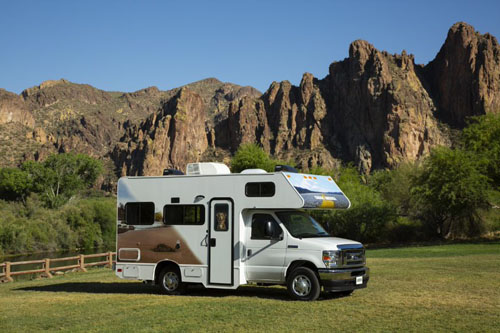
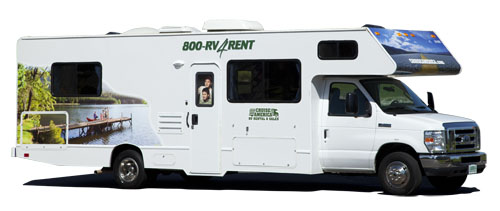
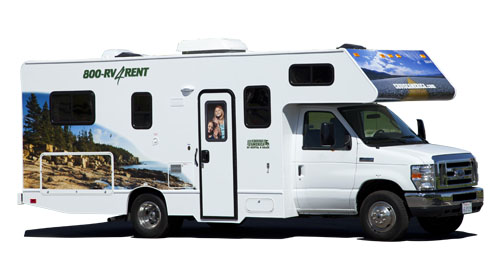
For a versatile and enjoyable weekend RV rental experience on the diverse roads of the Central South US, consider a Class B Camper Van or a Class SI Semi-integrated RV. A Class B van, typically around 5.8 meters long, offers excellent maneuverability, making it ideal for navigating tighter urban spaces and securing parking. The Class SI Semi-integrated models, averaging 6.9 meters, provide a great balance of interior comfort and manageable exterior dimensions. If you're traveling with family or seeking more amenities, a Class C Alcove RV, usually around 7.5 meters, is also a fantastic option. These larger models offer ample sleeping and living space without being overly cumbersome for the region's varied road conditions, from interstates to state park entrances.
Should I Choose a Compact Van Instead of a Large RV in Central South US?
When planning your Central South US RV adventure, the choice between a compact van and a larger RV often hinges on your priorities. For most routes, there's generally no significant issue driving any RV size, and the increased indoor comfort and living space of a larger RV can significantly enhance your experience, especially for families or longer weekend trips. However, a compact van, like a Class B campervan, truly shines when you plan to explore tight historic city centers, navigate narrow mountain passes, or frequently seek easier parking in crowded areas. Ultimately, the decision depends on your itinerary: if your weekend focuses on urban exploration and tight maneuvering, a compact van might be preferable. Conversely, if your focus is on comfort, amenities, and a more relaxed pace with more living space, a larger Class C or SI motorhome is likely the better choice.
Can I Park Anywhere? Free & Wild Camping Rules in Central South US
In the Central South US, free overnight parking and wild camping (boondocking) are possible, primarily on designated public lands such as National Forests and Bureau of Land Management (BLM) areas, where permitted. Many large retail chains across the region, including Walmart, Cracker Barrel, and Cabela's, often allow RVs to park overnight in their lots, though it's always best to seek permission from store management first, as policies can vary. Rest areas and truck stops can also be viable options for short overnight stays, though facilities are usually limited to basic amenities. Remember that rules can differ significantly by specific location and local jurisdiction, so always check local regulations and heed posted signage before deciding to park overnight.
Can I Drive an RV Into the City Center? Heights, Tunnels & Local Signage
Absolutely, you can drive an RV into city centers throughout the Central South US! The key is to remain attentive to local signage, which is your best guide. Common considerations include height restrictions for parking garages and tunnels, which are more frequently encountered in older urban areas. Some historic districts might also have narrower streets or specific prohibitions on oversized vehicles, so a quick pre-trip research of your destination's layout is always advisable. By adhering to all local traffic laws, speed limits, and any specific environmental zone rules or residents-only street restrictions, you can confidently navigate city centers in your rented RV.
What is the 3-3-3 rule for RV driving?
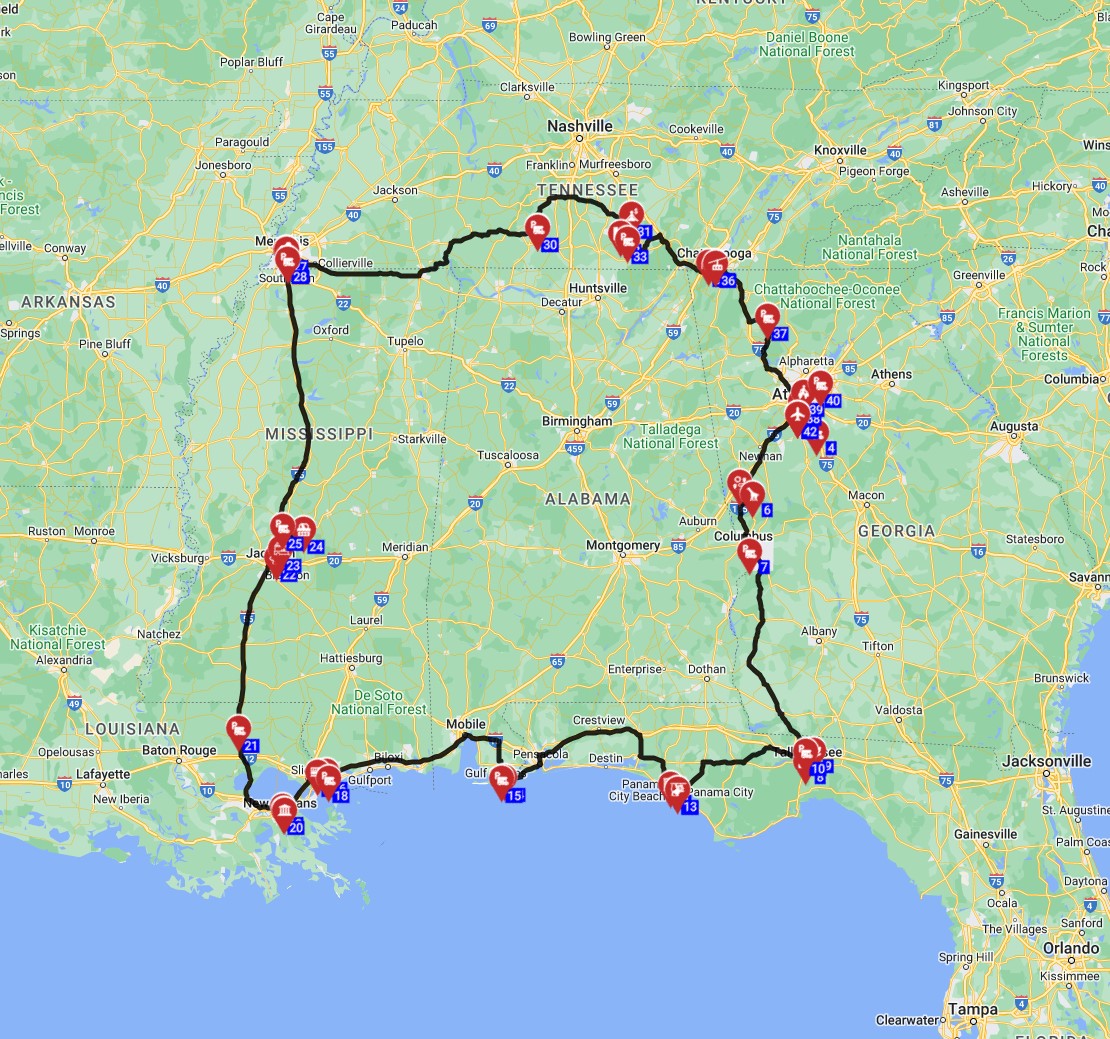
The popular '3-3-3 rule' for RV driving suggests a relaxed travel pace: drive no more than 300 miles per day, arrive at your destination by 3 PM, and stay for a minimum of 3 days. This guideline is designed to prevent driver fatigue, allow ample time for setting up and breaking down camp, and ensure you can truly explore and enjoy each location. Adhering to this rule can significantly enhance your weekend RV rental by preventing burnout and maximizing leisure time. Within the Central South US, this approach allows for comfortable travel between major cities like Nashville and Memphis, or a leisurely journey from New Orleans to the Gulf Coast beaches, with plenty of time for sightseeing and spontaneous discoveries.
What is the 333 rule for campervan?
The 333 rule, also known as the 'three-by-three' rule, applies equally to campervan travel as it does to larger RVs. It's a fantastic guideline for promoting a stress-free and immersive experience by limiting daily travel to around 300 miles, aiming for a 3 PM arrival, and dedicating at least 3 days to exploring each stop. Even with a more maneuverable campervan, following this rule helps prevent rushed itineraries, allowing you to find ideal campsites and fully experience local attractions. It also encourages safer driving habits and may lead you to discover charming, lesser-known spots off the beaten path as you explore the Central South US.
Do you need a special license to drive an RV in SC?
Generally, no special license is required to drive most recreational vehicles (RVs) in South Carolina or the surrounding Central South US states (Arkansas, Mississippi, Louisiana, Alabama, Tennessee, and Kentucky). A standard driver's license, typically classified as Class D, is sufficient as long as the RV's Gross Vehicle Weight Rating (GVWR) remains under 26,001 pounds. Special licenses or commercial endorsements are usually only necessary for exceptionally heavy vehicles or those equipped with air brakes, which are uncommon for typical weekend rentals. Always confirm with the specific state's Department of Motor Vehicles (DMV) for the most current regulations before your trip.
What states have banned RVs?
No US states have implemented outright bans on all recreational vehicles (RVs). However, it's important to be aware that specific municipalities, national parks, or private properties might have restrictions concerning RV size, type, or overnight parking. Within the Central South US, there are no statewide prohibitions on RVs across Arkansas, Mississippi, Louisiana, Alabama, Tennessee, or Kentucky. Restrictions tend to be localized, such as height limits in urban parking garages, prohibitions on oversized vehicles in residential zones, or size limitations within certain campgrounds. Always research local ordinances for your specific destinations to ensure a smooth trip.
Where can RVs stay overnight for free?
RVs can often find free overnight stays in various locations across the Central South US. Dispersed camping on National Forest lands or Bureau of Land Management (BLM) areas is a popular option for those seeking a more natural experience. Many large retail chains like Walmart, Cracker Barrel, and Cabela's, as well as some casinos, welcome overnight RV parking, but it's always best practice to confirm with management first. Additionally, rest areas and truck stops can provide short-term overnight resting spots. Remember to always respect the rules of these locations and practice Leave No Trace principles when free camping.
Who has the least expensive RV insurance?
Finding the least expensive RV insurance is a bit like shopping for any insurance: it depends on many factors, including the RV's type, age, value, your driving record, and the coverage you choose. Companies like Progressive, National General, and Good Sam often receive mentions for competitive RV insurance rates. Specialized RV insurers may offer more tailored policies and potentially better pricing than standard auto insurers. To get the best rate, always compare quotes from multiple providers and ensure the chosen policy meets your specific Central South US state's minimum liability requirements.
Can you get temporary RV insurance?
Yes, temporary RV insurance is available and is an excellent option for those renting an RV for a specific period, like a weekend trip. These short-term policies can cover liability, collision, and comprehensive needs during your rental duration, ensuring you have peace of mind. It's always wise to first check if your existing personal auto insurance policy offers coverage for rental vehicles, including RVs, as it might extend to your rented motorhome. If not, several specialized insurers offer standalone temporary policies designed precisely for these situations, ensuring you're protected for your Central South US adventure.
Who is the cheapest for motorhome insurance?
Determining the absolute cheapest motorhome insurance provider is challenging, as rates are highly personalized. However, companies like Progressive and National General are frequently noted for competitive pricing, especially for larger recreational vehicles. The cost of motorhome insurance is significantly influenced by the vehicle's class (e.g., Class A, B, C), its value, age, your usage patterns, and personal factors such as driving history. Always gather multiple quotes from specialized RV insurers to ensure you secure the best possible rate while meeting your Central South US state's minimum liability requirements.
What You Shouldn't Miss
- Drive a portion of the Natchez Trace Parkway in Mississippi and Tennessee for a serene, historic, and commercial-free RV journey.
- Explore the unique thermal springs and cave systems at Hot Springs National Park in Arkansas and Mammoth Cave National Park in Kentucky.
- Experience Louisiana's distinctive bayou culture with RV-accessible spots for unique swamp tours and wildlife viewing.
- Immerse yourself in the passionate RV tailgating scene at a college football game in Alabama, a truly unique cultural experience.
- Discover the diverse landscapes of the Central South US, from the Mississippi Delta to the Appalachian foothills, all from the comfort of your rented RV.
Final Thoughts
Renting an RV for a weekend getaway in the Central South US offers a fantastic way to explore the region's diverse beauty and rich culture. With Bandana Caravan, you get the peace of mind that comes from transparent pricing and dedicated support, making your journey as enjoyable as the destination itself. Remember to embrace the slow travel ethos: take your time, savor the moments, and truly connect with the places you visit.
Whether you're drawn to the historic charm of Mississippi's delta towns, the natural wonders of Kentucky's caves, or the unique bayou experiences of Louisiana, an RV provides the perfect mobile basecamp for your adventures. Planning your route, packing wisely, and understanding local driving nuances will set you up for an unforgettable weekend road trip.
Ready to start planning your Central South US RV adventure? Compare options and discover the perfect motorhome for your needs today! Get inspired for your next trip!