In This Guide
- Can You Drive an RV in Botswana? License & Age Rules
- Road Conditions & Terrain in Botswana
- RV Size Limits, Bridges & Restricted Zones
- Fuel: Diesel vs. Petrol & Cost per 100 km
- Tolls, Vignettes & Border Rules
- Driving Tips for Weekend RV Rental Travelers in Botswana
- Recommended RV Class for Botswana Roads
- Should I Choose a Compact Van Instead of a Large RV in Botswana?
- Can I Park Anywhere? Free & Wild Camping Rules in Botswana
- Can I Drive an RV Into the City Center? Heights, Tunnels & Local Signage
- How much does a weekend RV rental in Botswana truly cost?
- What are essential safety protocols for RV travel in Botswana?
- How to apply for national park permits for RVs in Botswana?
- What advanced 4x4 driving techniques are needed for Botswana's diverse terrains?
- Where can RVers find cultural immersion opportunities in Botswana?
- What essential gear and packing list are needed for RV travel in Botswana?
- How to practice 'Leave No Trace' principles while RV camping in Botswana?
- How to connect with local services and emergency support in remote Botswana?
- Is RV travel in Botswana suitable for families, solo females, or other specific travelers?
- What You Shouldn't Miss
- Why Book with Bandana Caravan
- Final Thoughts
- Frequently Asked Questions
Can You Drive an RV in Botswana? License & Age Rules
In Botswana, a standard car driver's license is sufficient for driving all classes of motorhomes, including Class A, Class B, and Class C vehicles. Foreign drivers are recommended to carry an International Driving Permit (IDP) alongside their original national driving license, especially if their home country's license is not in English. The minimum age to rent an RV in Botswana is 21 years old, and importantly, Bandana RV does not impose young driver surcharges or vehicle class restrictions based on age, making RV travel accessible for younger adventurers. This straightforward approach to licensing and age ensures that planning your RV Rental Africa - Complete Guide 2026 adventure is as easy as possible.Road Conditions & Terrain in Botswana
Botswana offers a diverse range of road conditions, from well-maintained tarred roads between major towns to challenging gravel, sand, and even muddy tracks within its captivating wilderness areas. While the Trans-Kalahari Highway provides a smooth, paved route, venturing into renowned national parks and reserves like Moremi or Chobe will almost exclusively involve driving on deep sand, corrugated gravel, or, during the wet season, potentially muddy tracks. Successfully navigating these diverse terrains in Botswana requires a patient approach and often benefits from advanced 4x4 driving techniques, which we’ll delve into further. Drivers should always proceed slowly and carefully, allowing ample time for journeys due to variable conditions and frequent wildlife crossings. Traveling slowly, with an average of 100-150 km per day, allows you to truly immerse yourself in the scenery and cultural nuances of Botswana.RV Size Limits, Bridges & Restricted Zones
Botswana generally does not impose strict height or weight restrictions that significantly impede typical RV travel on main routes, ensuring most rented motorhomes can navigate the country's primary road network without issues. However, when planning deeper wilderness explorations, be aware that some remote tracks, smaller bridges, or river crossings, particularly within less developed areas or specific national park concessions, may have unposted or less obvious weight or width limitations. It is always wise to check with park authorities or your rental supplier beforehand about any specific restrictions for the regions you plan to visit, as certain environmental zones may also require specialized permits for specific vehicle types. Our expertise as True RV Specialists ensures you get the right advice for your trip.Fuel: Diesel vs. Petrol & Cost per 100 km
Both diesel and petrol are widely available in Botswana, particularly in major towns and along key routes, but fuel stations can become significantly scarce in remote wilderness areas, demanding careful planning for refuels. Most motorhomes and campervans in Bandana's fleet typically consume diesel; for instance, a Class SI (Semi-integrated) or Class C (Alcove) model might average 10-12 Liters per 100 km, while a more compact Class B (Camper Van) model often achieves better fuel efficiency at 8-10 Liters per 100 km. The actual cost per 100 km in Botswana will fluctuate based on dynamic fuel prices. To accurately budget for all your trip expenses, including fuel and other ancillary costs, consider utilizing the detailed itemization tools found on RV PLANET routes. Carrying extra fuel in approved jerry cans is a wise precaution for extended trips into less populated areas, as mentioned in our One-Way RV Rental in Botswana - Price Guide 2026.Tolls, Vignettes & Border Rules
Botswana does not typically employ a widespread toll or vignette system on its roads, so direct road fees are generally not a major concern for RV travelers within the country. However, crossing into Botswana with a rented motorhome will involve specific border procedures, including vehicle import permits, road safety levies, and carbon taxes, which are payable at the border post. It's crucial to research these requirements and have all necessary vehicle documentation prepared well in advance. If your journey extends beyond Botswana into neighboring Southern African countries, you should also research their specific toll and vignette requirements, as these can vary significantly. Transparency is our policy; with Bandana, there are no hidden fees or surprises related to your rental agreement.Driving Tips for Weekend RV Rental Travelers in Botswana
Prioritizing safety is paramount for any RV adventure in Botswana, especially with its unique wildlife and expansive landscapes. Always adhere to posted speed limits, which are strictly enforced, and maintain constant vigilance for wildlife, particularly at dawn, dusk, and night, as animals often roam freely across roads. When navigating Botswana's diverse terrains, including the deep sand of the Kalahari or potential water crossings in the Okavango, ensure your rented RV is equipped with comprehensive safety protocols, including extra water, food, essential spares, a reliable recovery kit (e.g., snatch strap, shovel), and satellite communication devices for areas without mobile signal. Planning your route carefully and allowing ample time for travel, perhaps keeping to a comfortable pace of max 100-150 km per day, will minimize stress. It's also vital to identify how to access local services, such as mechanics or medical facilities in remote areas, and to know your emergency support networks before departing. A detailed packing list, including recovery gear and water purification methods, is essential for a safe and self-sufficient trip.🎬 Video coming soon
Recommended RV Class for Botswana Roads
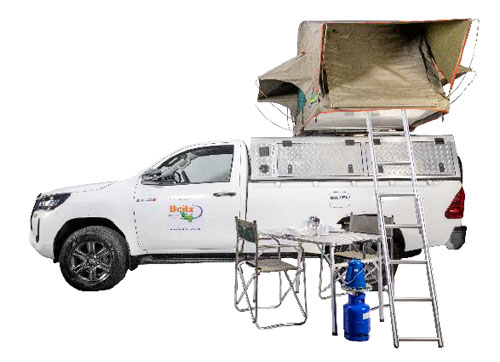
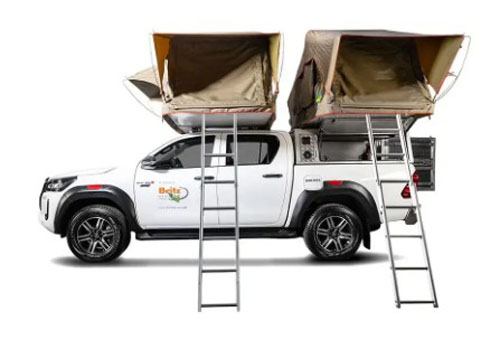
For challenging Botswana roads, particularly within national parks and remote areas characterized by deep sand and rough terrain, a 4x4-capable Class TC (Truck Camper) is highly recommended. These robust vehicles, often averaging around 5.5 meters in length and accommodating 2-3 adults, offer superior ground clearance and off-road prowess, ensuring access to more secluded wilderness areas. Alternatively, a Class B (Camper Van) can be suitable for more accessible tarred and gravel routes, providing a compact solution with an average length of 5.8 meters and sleeping for up to 3 adults, often praised for better fuel efficiency (typically 8-10 Liters/100 Km). While larger motorhomes, such as Class SI (Semi-integrated, average 6.9m) or Class C (Alcove, average 7.5m) models that sleep 3-5 adults, offer enhanced comfort and amenities, their larger size and typical 2WD drivetrain might limit access to the most rugged and remote parts of Botswana. As True RV Specialists, we ensure you have the best advice for selecting the right vehicle for your adventure. For families, consider our Family RV Rental in Botswana - Pricing Guide 2026 options.Should I Choose a Compact Van Instead of a Large RV in Botswana?
Choosing between a compact van and a larger RV for your Botswana adventure largely depends on your specific itinerary, desired comfort levels, and a realistic assessment of the terrains you plan to tackle. A compact van, such as a Class B Camper Van, offers superior maneuverability, better fuel economy (typically 8-10 Liters/100 Km from our diverse fleet), and easier navigation on narrower tracks or within smaller, more rustic campsites. This can be ideal for couples or solo travelers seeking a nimble experience. However, for extended trips, families, or groups of friends of 4-7 people, a larger RV like a Class C Alcove, which averages 7.5 meters and provides significantly more indoor space, amenities, and sleeping capacity (up to 4-5 adults), can greatly enhance comfort during longer stays or unexpected weather. The critical factor for truly venturing deep into challenging, sandy terrains of the Okavango or Central Kalahari is whether the vehicle is 4x4-equipped, which is more important than its sheer size. Many of our partner suppliers, like Apollo and Britz, offer reliable options in both categories.Can I Park Anywhere? Free & Wild Camping Rules in Botswana
Free and wild camping is generally not permitted in Botswana, particularly within national parks, game reserves, and populated areas, where designated campsites are mandatory. Botswana strictly enforces 'Leave No Trace' principles, adapted for its sensitive wilderness ecosystems, emphasizing the importance of staying at official, often privately managed, campsites to minimize environmental impact and protect wildlife. These designated campsites provide essential facilities, contribute to conservation efforts, and ensure your safety by placing you in secure, monitored locations. Rules can vary slightly by region and specific concession, so always check local regulations and follow the local law before considering any overnight parking, especially when exploring areas outside established parks or towns. Many national/state parks reserve only 25-30% of spots for pre-booking, with the rest being first-come-first-serve; "You'll find a spot. If not at the first campground, then the next one. Call ahead before driving."Can I Drive an RV Into the City Center? Heights, Tunnels & Local Signage
Yes, you can generally drive a rented RV into city centers in Botswana, such as Gaborone, Francistown, or Maun, as these urban areas typically lack the extensive narrow streets or restrictive height and tunnel limits found in many older European cities. When navigating urban areas, drivers should always proceed slowly and carefully, paying close attention to local signage for any occasional height limits, low bridges, or specific parking regulations that might be present. No need to stress - just use common sense and pay attention. Parking for larger motorhomes and campervans can naturally be a challenge in busy central areas, so planning your city visits during off-peak hours or utilizing designated RV-friendly parking (where available) is advisable. While urban access is typically unhindered, the primary allure of an RV trip to Botswana often lies in its spectacular wilderness areas, where specific permit and access rules take precedence over city driving concerns. Consider our options for RV Rental Deals in Botswana - Latest Offers 2026 for your urban and wilderness adventures.How much does a weekend RV rental in Botswana truly cost?
The true cost of a weekend RV rental in Botswana extends significantly beyond the daily rental fee, encompassing essential expenses such as fuel, national park fees (which apply per person and per vehicle), specific camping fees, groceries for on-board cooking, and a crucial contingency fund for unexpected repairs or delays. Budget for substantial fuel consumption, as RVs typically consume 8-12 Liters/100 km, and consider that fuel prices can fluctuate, particularly in remote areas. National park entry fees can be considerable (e.g., a daily fee per person plus a vehicle entry fee), and pre-booking campsites is mandatory in most parks, with costs varying widely by location and amenities. When planning your meals, preparing food in your RV's kitchen is a fantastic way to save money and enjoy the wilderness; explore our RV-friendly recipes playlist for ideas. For a comprehensive overview of all these ancillary costs and to easily track every expense, we recommend utilizing the budgeting tools available through RV PLANET routes, ensuring full price transparency from the outset. Prices are dynamic and change daily based on availability, seasonality, and supplier decisions, with the final price set at actual booking time. For more pricing details, check "RV Rental in Botswana - Prices and Best Deals 2026".What are essential safety protocols for RV travel in Botswana?
Essential safety protocols for RV travel in Botswana are crucial for navigating its wild and remote landscapes, demanding comprehensive preparation for a range of potential challenges. Always maintain a safe and respectful distance from wildlife; never approach animals, especially dangerous ones like elephants or lions, and exercise extreme caution for their presence on roads, particularly at night. Carrying sufficient water and fuel supplies is non-negotiable, as scarcity is common in remote areas, and always inform someone of your planned route and expected return time. Equip your rented RV with appropriate recovery gear, such as a high-lift jack, shovel, sand ladders, and a snatch strap, and ensure you understand basic 4x4 driving techniques for safely navigating deep sand, mud, and water crossings. Be prepared for medical emergencies by carrying a well-stocked first-aid kit, knowing basic emergency procedures, and having a satellite phone or reliable communication for remote assistance, as mobile signal is often absent in the deep bush. We're with you before, during, and after your booking, providing pre-booking comparison and post-booking coordination, and our trusted partners offer breakdown assistance during your trip.How to apply for national park permits for RVs in Botswana?
Applying for national park permits for your RV in Botswana typically involves contacting the Department of Wildlife and National Parks (DWNP) or specific park concessionaires well in advance of your trip. Permits are required for both individuals and vehicles entering national parks and game reserves, and fees vary significantly by park, duration of stay, and whether you are a resident or non-resident. Due to high demand, especially during peak season (May-October), bookings for campsites within popular parks like Moremi Game Reserve or Chobe National Park are often managed by private concessionaires and must be secured months, sometimes even a year, in advance. Ensure you have all necessary vehicle documentation, including your temporary import permit if driving a rental RV, as this will be meticulously checked alongside your park entry permits at the gate. We handle the details and support you from day one until your booking is confirmed, making the process as smooth as possible. You can always upgrade to a top-level deductible for extra peace of mind.What advanced 4x4 driving techniques are needed for Botswana's diverse terrains?
Advanced 4x4 driving techniques are indispensable for safely navigating Botswana's diverse and often challenging terrains, which include deep sand, corrugations, and potential mud or water crossings, especially in regions like the Kalahari and Okavango Delta. For deep sand, it's crucial to deflate tire pressures to around 1.5-1.8 bar (22-26 psi) to increase traction, engage 4-wheel drive (4H for most sand, 4L for very soft or uphill sections), and maintain steady momentum without aggressive acceleration or braking. When encountering corrugations, maintaining a steady speed, typically between 60-80 km/h, allows the vehicle to 'float' over the bumps, minimizing wear and tear and maintaining control. Approaching water crossings requires careful assessment of depth and current; if safe to proceed, engage 4L, maintain a slow, steady speed, and avoid sudden movements that could create a bow wave and flood the engine. Always carry recovery gear such as a high-lift jack, shovel, sand ladders, and a snatch strap, and crucially, know how to use them safely in case you encounter challenging conditions. Our rental motorhomes, especially the 4x4 variants like the "Patagonia Camper 4x4 double cab", are designed to tackle these adventures.Where can RVers find cultural immersion opportunities in Botswana?
RVers can find rich cultural immersion opportunities in Botswana beyond the traditional safari parks by actively seeking out local experiences and engaging with communities. Explore vibrant local markets in towns such as Maun or Gaborone to witness daily life, interact with friendly vendors, and discover unique local crafts, fresh produce, and traditional foods. Consider visiting a San (Bushman) village, particularly in the Central Kalahari region, to learn firsthand about their ancient hunter-gatherer culture, remarkable tracking skills, and rich traditions through respectful, guided tours. Engaging with local communities by staying at community-run campsites or lodges often provides unique opportunities for guided walks, village tours, and learning about local customs and conservation efforts. Keep an eye out for cultural festivals or events, which can offer profound insights into Botswana's diverse heritage, music, dance, and storytelling traditions, truly connecting you to the heart of the country. Get inspired for your next trip and plan a journey that goes beyond the ordinary!What essential gear and packing list are needed for RV travel in Botswana?
An essential gear and packing list for RV travel in Botswana must be meticulously tailored for self-sufficiency, safety, and navigating challenging wilderness conditions. Crucial recovery gear includes a high-lift jack, shovel, an air compressor and tire pressure gauge for adjusting tire pressure on different terrains, a snatch strap, and sand ladders or recovery boards. Ensure you have ample water storage and purification methods (e.g., a reliable filter, purification tablets), as potable water sources can be extremely scarce, along with extra fuel in approved jerry cans, especially for longer segments between fuel stops. For communication and navigation, pack a reliable GPS device with updated maps, detailed paper maps as a backup, a satellite phone or personal locator beacon (PLB) for emergencies in areas without mobile coverage, and a good quality first-aid kit. Other essentials include robust camping equipment (if you plan to supplement your RV sleeping with tents), appropriate layered clothing for varying temperatures, sturdy closed-toe footwear, high-quality insect repellent, and a good pair of binoculars for unparalleled wildlife viewing. Consider a Class B Camper Van like the "2 Berth Hi Top" for more compact packing.How to practice 'Leave No Trace' principles while RV camping in Botswana?
Practicing 'Leave No Trace' principles while RV camping in Botswana is absolutely critical for preserving its pristine and sensitive wilderness areas and showing respect for the local environment. Firstly, plan ahead and prepare thoroughly by researching regulations, understanding local wildlife behavior, and aiming to minimize your impact. Secondly, always travel and camp on durable surfaces; stick strictly to designated roads and established campsites, avoiding driving or parking off-road, especially in fragile ecosystems like riverbeds or salt pans. Thirdly, dispose of all waste properly: pack out everything you pack in, including all garbage, food scraps, and human waste (using designated facilities or portable toilets, and following proper disposal methods for greywater). Minimize campfire impacts by using existing fire rings, keeping fires small, and ensuring they are completely extinguished; better yet, use your RV's camp stove for cooking. For preparing delicious meals on the go, check out our RV-friendly recipes playlist. Finally, always respect wildlife by observing animals from a distance, never feeding them, and storing food securely to prevent attracting scavengers. Be considerate of other visitors and local communities, keeping noise levels down and leaving natural areas as you found them, or even better.How to connect with local services and emergency support in remote Botswana?
Connecting with local services and emergency support in remote Botswana requires proactive planning due to limited infrastructure and unreliable mobile communication networks. It is highly recommended to carry a satellite phone or a personal locator beacon (PLB) as mobile network coverage is often non-existent in many wilderness areas and national parks. Before entering remote regions, meticulously research and note down contact details for local mechanics, medical facilities (hospitals, clinics), and park ranger stations nearest to your planned route. Establish an emergency contact plan with someone reliable outside Botswana, providing them with your detailed itinerary and regular check-in times so they can alert authorities if you go missing. Additionally, inquire about emergency services provided by your RV rental company, which often include a breakdown assistance line operated by their local partners. Ensure your travel insurance provides comprehensive coverage, including remote medical evacuation, for ultimate peace of mind. Remember, at Bandana, we offer continuous support for pre-booking comparison, booking, and post-booking coordination, ensuring you are well-prepared before your trip.Is RV travel in Botswana suitable for families, solo females, or other specific travelers?
RV travel in Botswana is highly suitable for various traveler demographics, including families with children, retired couples, young couples, and friend groups, provided proper planning and safety measures are in place. For families, renting a motorhome or campervan offers unparalleled flexibility, comfort, and the convenience of carrying all necessary supplies, making it easier to manage daily routines and provide rest breaks as needed amidst long drives. Solo female travelers can safely enjoy RVing in Botswana by adhering to strict safety protocols: always choosing secure, designated campsites, avoiding driving alone at night, and maintaining reliable communication with external contacts via satellite phone. Considerations for all travelers include securing reservations for campsites well in advance, understanding the unique road conditions and potential wildlife hazards, and ensuring self-sufficiency with water, food, and fuel. The inherent amenities within modern RVs, such as internal cooking facilities, enclosed sleeping areas, and private bathrooms, significantly enhance comfort and safety for all demographics, offering a private, mobile base amidst the stunning Botswana wilderness. Discover top destinations and planning tips, all in one place!What You Shouldn't Miss
- Okavango Delta Mokoro Trip: Glide through the tranquil waterways of the Okavango Delta in a traditional mokoro (dugout canoe) for a serene and intimate wildlife viewing experience from a unique perspective.
- Chobe National Park Safari: Drive your rented RV through Chobe National Park, particularly the Chobe Riverfront, renowned for its massive elephant herds and abundant wildlife, offering incredible photographic opportunities.
- Makgadikgadi Pans Adventure: Experience the otherworldly vastness of the Makgadikgadi Pans, especially during the dry season when you can drive and even camp on the expansive salt flats, witnessing unique desert-adapted wildlife and stunning stargazing.
- Moremi Game Reserve Self-Drive: Explore the diverse ecosystems of Moremi Game Reserve with your 4x4 RV, from lush floodplains to dense mopane woodlands, spotting predators and plains game.
- Nxai Pan National Park Baobabs: Visit the iconic Baines' Baobabs in Nxai Pan National Park, magnificent ancient trees that stand majestically in the vast, flat landscape, offering a breathtaking and historic stop.
- Gaborone City Exploration: Take time to experience Botswana's vibrant capital, Gaborone, for cultural insights, local cuisine, and amenities before venturing into the wilderness.
Final Thoughts
Embarking on a weekend RV rental adventure in Botswana offers an incredible opportunity to connect deeply with nature, experience unique wildlife encounters, and immerse yourself in a vibrant culture. From the vastness of the Makgadikgadi Pans to the wildlife-rich Okavango Delta, a rented motorhome or campervan provides the flexibility and comfort needed for an unforgettable journey. Remember to plan slowly, embracing the journey at a pace of 100-150 km per day, allowing you to truly savor each moment and discover hidden gems along your chosen route. At Bandana Caravan, we are dedicated to making your RV travel dreams a reality, providing full transparency, expert guidance, and unwavering support from your initial search to your confirmed booking. God is in the small details, and we take care of them. That's what makes the big difference in your travel experience. So, go ahead, imagine yourself exploring Botswana's incredible landscapes, knowing you have a trusted partner every step of the way. Ready to start your Botswana adventure? Compare Motorhome Prices for Botswana today and find your perfect mobile home for an epic journey.On the routes offered through RV PLANET routes, you can itemize and track every expense along the way for easy budgeting.