In This Guide
- Can You Drive an RV in Alaska? License & Age Rules
- Road Conditions & Terrain in Alaska
- RV Size Limits, Bridges & Restricted Zones
- Fuel: Diesel vs. Petrol & Cost per 100 km
- Tolls, Vignettes & Border Rules
- Driving Tips for RV Rental Travelers
- Recommended RV Class for Alaska Roads
- Should I Choose a Compact Van Instead of a Large RV in Alaska?
- Can I Park Anywhere? Free & Wild Camping Rules in Alaska
- Can I Drive an RV Into the City Center? Heights, Tunnels & Local Signage
- Can I Drive My RV to Alaska?
- What is the 3-3-3 rule for RV living?
- Can you sleep in an RV while driving in the USA?
- Can you turn left on a Red Light in Alaska?
Alaska, "The Last Frontier," offers an unparalleled adventure for rented motorhome travelers, with its vast wilderness, majestic mountains, and abundant wildlife. Exploring Alaska in a rented RV provides the ultimate freedom and flexibility to truly immerse yourself in this incredible landscape. Whether you're planning an extended journey or a quick trip to experience its stunning natural beauty, understanding the unique driving conditions and rules for RV rental in Alaska is key to a memorable vacation. For live availability and current prices, start with our RV Rental Alaska - Complete Guide 2026 guide, offering comprehensive insights into planning your journey.
Can You Drive an RV in Alaska? License & Age Rules
A standard Class D driver's license is generally sufficient for driving most recreational vehicles (RVs) in Alaska, as rental units typically fall below the 26,000 lbs Gross Vehicle Weight Rating (GVWR) threshold that would require a Commercial Driver's License (CDL).
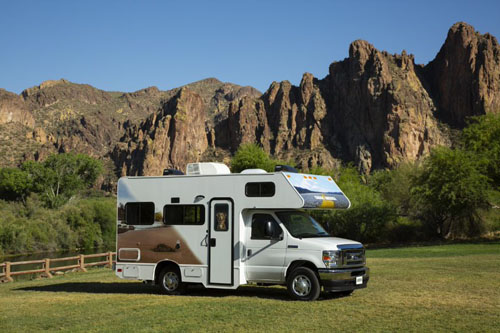
This includes popular Class C motorhomes, often around 7.1 meters (23 feet) in length like the Cruise America Explorer model with a 75 Liter fuel tank, which can be comfortably driven with a regular license. Even larger Class A motorhomes in our fleet, such as the Class A - Thor ACE 30 (9.37 meters / 30.7 ft), are designed for easy handling and do not require a special license. The minimum age for renting an RV in Alaska through Bandana is 21 years old, and importantly, there are no young driver surcharges or vehicle class restrictions based on age, making grand Alaskan adventures accessible to more travelers. Foreign drivers should carry a valid driver's license from their home country, and an International Driving Permit (IDP) is strongly recommended for clearer communication with authorities and rental agencies, although it is not mandatory in most cases.
Road Conditions & Terrain in Alaska
Alaska's road conditions are highly diverse, ranging from well-maintained paved highways to significant gravel sections, and are subject to dramatic weather changes and geological factors like permafrost.
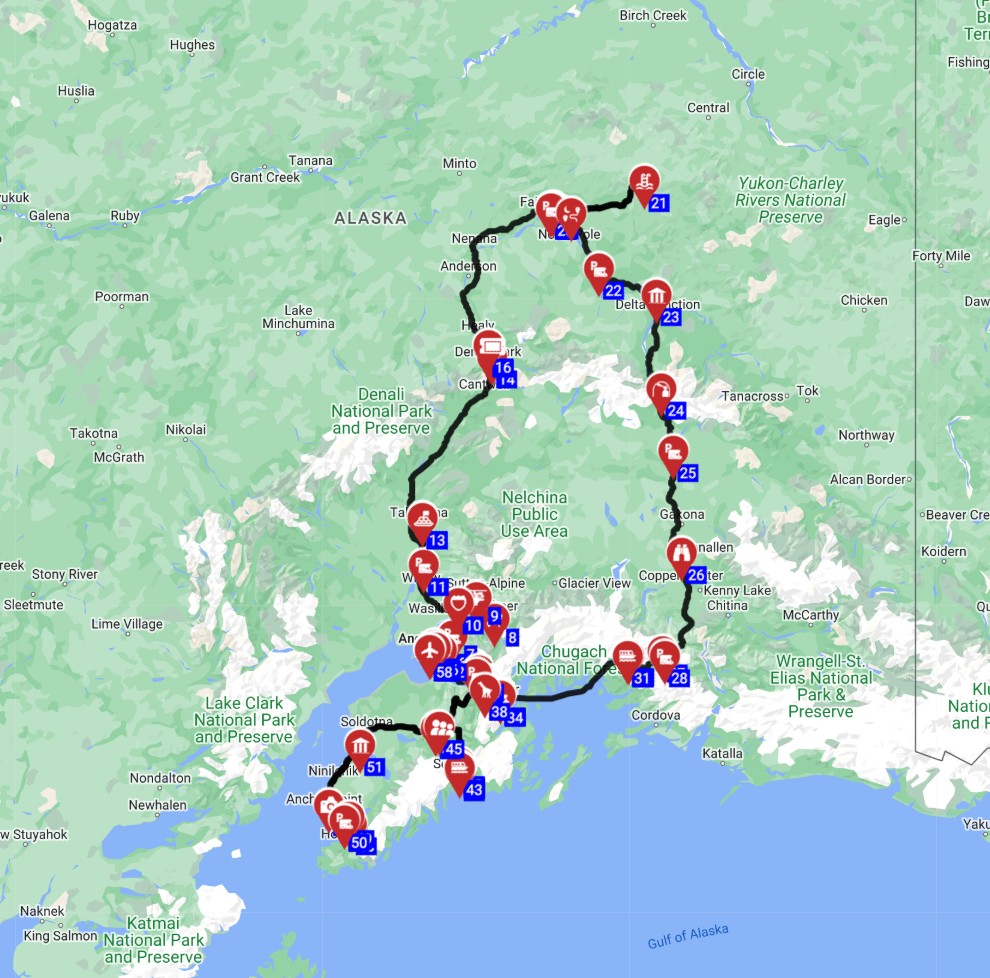
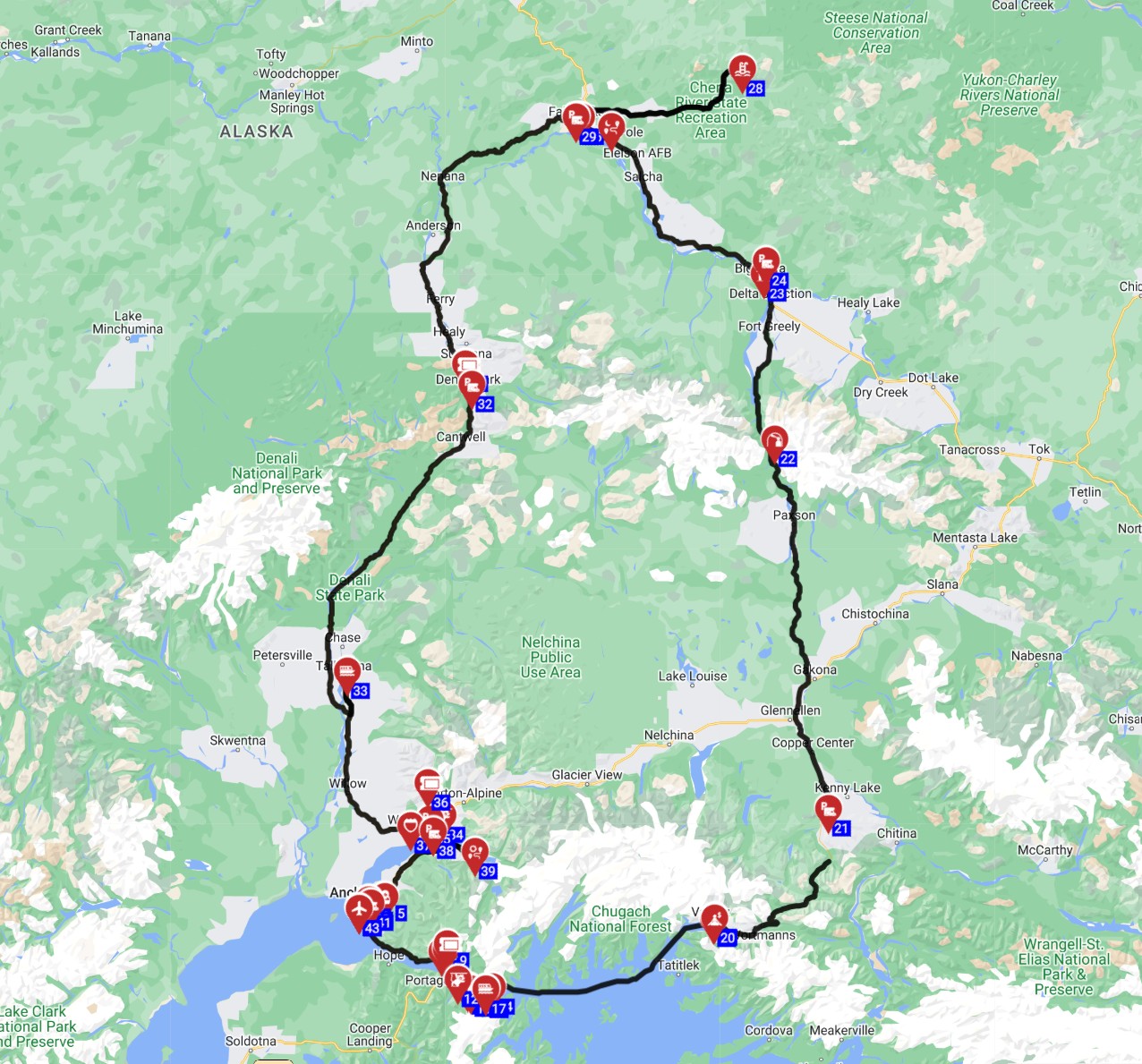
Major routes like the Alaska Highway, Parks Highway (connecting Anchorage to Fairbanks and Denali National Park), and Glenn Highway are generally paved, but even these can have rough patches, frost heaves, or construction zones, particularly during the shoulder seasons. Remote roads and those leading to less-developed areas, such as portions of the Denali Highway, are often gravel and require slower speeds, increased caution, and a watchful eye for loose rock. Mountainous terrain with winding roads and steep grades is common in many parts of the state, necessitating defensive driving and careful attention to braking distances, especially with a larger rented RV like the Denali Searcher 30 - Gold (a Class C motorhome). Wildlife encounters, particularly with moose, caribou, and bears, are frequent; therefore, maintaining constant vigilance and reducing speeds, especially at dawn, dusk, and night, is essential for safety. Drive slowly and carefully, and you can drive almost anywhere without issues. No need to stress - just use common sense and pay attention.
RV Size Limits, Bridges & Restricted Zones
Generally, there are no widespread statutory RV length or weight limits that would restrict typical rental RVs on Alaska's main road network, allowing for flexibility in choosing your ideal home-on-wheels.
The Alaska Marine Highway System (ferry service), however, does have specific length, height, and weight categories that determine pricing and availability, requiring careful booking if you plan to island-hop or reach communities not accessible by road. For instance, a larger Class C rental like the "29' Class C Motorhome" with its slide-out feature might impact ferry costs. Some national parks or state recreation areas might also have restrictions on vehicle length for specific campgrounds or less-developed roads, so it's always wise to check park-specific regulations before arrival. Unlike some European cities, environmental zones are not a significant concern for RVs in Alaska, but local ordinances in smaller towns or dense urban areas like downtown Anchorage might have temporary parking restrictions for oversized vehicles. Always look for posted signs. If you're considering a more extensive itinerary, the "RV Rental USA - Complete Guide 2026" provides broader context on national regulations.
Fuel: Diesel vs. Petrol & Cost per 100 km
RVs in Alaska operate on both diesel and petrol (gasoline), with fuel availability generally good along major highway corridors, though prices are typically higher than in the contiguous United States.
Many larger motorhomes, including Bandana's Class C - Alcove models (like the "24' Class C Motorhome" with a 208 Liter fuel tank), commonly use petrol, while some Class SI - Semi-integrated models may run on diesel. Smaller Class B - Camper Vans, such as the Active Bunk Auto, often utilize petrol for better efficiency. Based on Bandana's global fleet averages, fuel consumption for a typical Class SI - Semi-integrated RV is approximately 10-11 Liters/100 km, for a Class C - Alcove it's 10-12 Liters/100 km, and for a Class B - Camper Van it's often 8-10 Liters/100 km. With Alaska's fuel prices historically higher, an RV consuming 10-12 Liters/100 km could incur a fuel cost of approximately $15-$20 per 100 km, depending on current market rates and vehicle type. It is crucial to plan fuel stops, especially on remote routes where distances between service stations can be extensive. For comprehensive budgeting and to track every expense, remember that RV PLANET routes allow you to itemize costs along your journey. Our "RV Rental Deals in Alaska - Latest Offers 2026" page can also provide insights into potential savings. On the routes offered through RV PLANET routes, you can itemize and track every expense along the way for easy budgeting.
🎬 Video coming soon
Tolls, Vignettes & Border Rules
Alaska does not utilize tolls or vignettes on its roads, meaning there are no direct charges for driving on state highways within Alaska, which simplifies budgeting for your rented RV trip.
However, if you are driving an RV to Alaska from the lower 48 states, you will need to transit through Canada, which entails specific border crossing procedures. For Canadian border crossings, all occupants will need valid passports, and RV drivers must carry their vehicle's registration and proof of adequate insurance coverage valid in Canada. While Canada itself has few toll roads, it's essential to be aware of any customs regulations regarding goods like firearms, alcohol, or plant materials when entering or exiting both Canada and the U.S. Always declare any items as required to avoid issues. Some Bandana partner suppliers, like Cruise America and El Monte, offer vehicles suited for cross-border travel into Canada, but always confirm the specific terms of your one-way RV rental in Alaska with your chosen supplier.
Driving Tips for RV Rental Travelers
Prioritize slow and defensive driving in Alaska; the vast landscapes and variable road conditions, including gravel sections and frost heaves, demand patience and caution for your rented motorhome adventure.
Be extremely vigilant for wildlife, particularly moose and caribou, which are common along roadways; driving at dawn and dusk increases risk, so maintain high beam usage where appropriate and know emergency braking procedures. Always allow sufficient braking distance, especially with a larger rented RV. Prepare for long distances between services, particularly on less-traveled routes, ensuring your rented RV is fully fueled and stocked with extra water, food, and an emergency kit. Understand that cell service can be spotty to non-existent outside of major towns; consider renting a satellite communication device for emergencies in remote areas. Families should plan stops every 2-3 hours to prevent driver fatigue and allow passengers, especially children, to stretch and explore, making the vast distances more manageable and enjoyable. Remember to travel slowly, max 100-150 km per day on average, to fully connect to Alaska's culture, food, and scenery. For more guidance, check out the "RV Travel Guide to Alaska - Tips and Top Spots 2026" available through RV PLANET.
Recommended RV Class for Alaska Roads
For navigating Alaska's diverse road network and enjoying its expansive wilderness, Class C - Alcove motorhomes and Class SI - Semi-integrated RVs are highly recommended due to their excellent balance of comfort, amenities, and reasonable maneuverability.
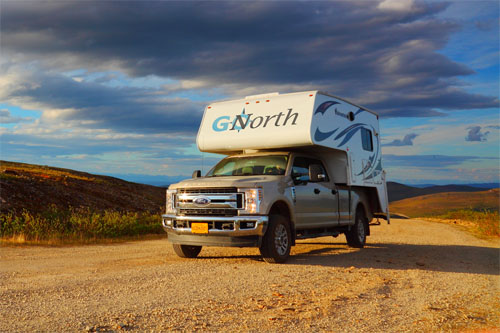
Class C - Alcove RVs, with Bandana's global fleet averaging 7.5 meters (24.6 feet) in length and accommodating nearly 6 sleeping places, offer ample space for families and gear, providing a comfortable base for longer trips. The "Adak Argonaut 23 - Gold" is a good example, offering a generous fresh water tank and generator. Class SI - Semi-integrated RVs, typically around 6.9 meters (22.6 feet) long with capacity for almost 4 sleeping places, offer a slightly more compact option with good fuel efficiency while still providing essential home comforts, like the "2 Berth Tamar" model. For those seeking maximum flexibility and access to more rugged terrain or tighter spaces, a Class TC - Truck Camper (averaging 5.5 meters / 18 feet), often with 4-wheel drive, or a Class B - Camper Van (averaging 5.8 meters / 19 feet) provides excellent maneuverability and ground clearance, albeit with less interior living space. These recommended classes strike a practical balance, allowing travelers to comfortably enjoy Alaska's often remote and sometimes challenging conditions without being overly cumbersome on gravel roads or in smaller towns. Compare different models and features, like the automatic transmission and front air conditioning available in many rentals, to find the perfect match for your Alaska adventure.
Should I Choose a Compact Van Instead of a Large RV in Alaska?
For an Alaska adventure, there is usually no issue driving any RV size, and the comfort and indoor space offered by a larger RV often matter more than the marginal maneuverability benefits of a compact van, especially for longer trips.
Larger RVs like Class C (e.g., "MHC28" with multiple double beds and extensive amenities) or Semi-integrated models provide significantly more living space, storage for gear, and essential amenities for cooking and dining on board, which can be crucial during long stretches between towns or on days with inclement weather. Imagine preparing meals in your spacious kitchen as you look out at a stunning glacier. Check out our RV-friendly recipes playlist for inspiration! While compact camper vans (Class B), like the "2 Berth Hi Top" with its smaller footprint, offer better fuel efficiency and are easier to park in tighter spots, most of Alaska's main highways and attractions are well-suited for larger vehicles. The trade-off in Alaska often favors the increased comfort and self-sufficiency of a larger RV for extended trips, as the sheer size of the state means more time spent within the vehicle and potentially in remote locations. Choose a compact van if your primary goal is maximum fuel economy, solo travel, or accessing very rugged, unmaintained tracks, but for most visitors, the benefits of a larger RV for an Alaskan journey outweigh the minor maneuverability advantages of a van. You can find more details on vehicle options on the "RV Rental in Alaska - Prices and Best Deals 2026" page.
Can I Park Anywhere? Free & Wild Camping Rules in Alaska
While Alaska offers extensive opportunities for free and wild camping (often called boondocking or dispersed camping), it is not permitted to park an RV just 'anywhere'; specific rules and regulations govern overnight parking on public lands and private property.
Dispersed camping is generally allowed on Bureau of Land Management (BLM) lands and in some National Forests, though specific district rules and fire restrictions always apply. For example, some areas within the Chugach National Forest permit dispersed camping for up to 14 days. Overnight parking on private property requires explicit permission from the landowner, and parking in residential areas or designated no-parking zones is strictly prohibited. Always adhere strictly to Leave No Trace principles, ensuring all trash and waste are packed out, and campfires (where permitted) are properly managed. Given the prevalence of wildlife, especially bears, strict food storage and waste management protocols are critical for safety when wild camping in Alaska; always use bear-resistant containers and never store food inside your tent or accessible areas of your rented RV overnight in bear country. For finding campsites and campgrounds during your trip, we recommend using RV PLANET (rvplan.net) - a great resource for locating available spots along your route.
Can I Drive an RV Into the City Center? Heights, Tunnels & Local Signage
Yes, you can generally drive an RV into most Alaskan city centers, as cities like Anchorage and Fairbanks are typically RV-friendly and accustomed to larger vehicles on their main thoroughfares.
It is crucial to always pay close attention to local signage for any specific height restrictions, low bridges, or weight limits, though these are less common as impediments on main routes in Alaskan cities compared to some older urban centers elsewhere. Drive slowly and carefully, and you can drive almost anywhere without issues. No need to stress - just use common sense and pay attention. Be mindful of designated parking areas, as finding suitable parking for larger RVs in busy downtown areas might require scouting or using designated RV-friendly lots. For example, Anchorage offers several public parking lots that can accommodate larger vehicles, especially outside the immediate core. Unlike some regions, Alaska does not typically have environmental zones or widespread traffic calming measures that would significantly impede RV access to city centers. Always respect local traffic laws and posted speed limits to ensure a smooth and safe experience when navigating urban environments with your rented RV. Consider checking the "RV Rental Near Alaska Airport - Pickup Pricing 2026" guide for details on city pickup options.
Can I Drive My RV to Alaska?
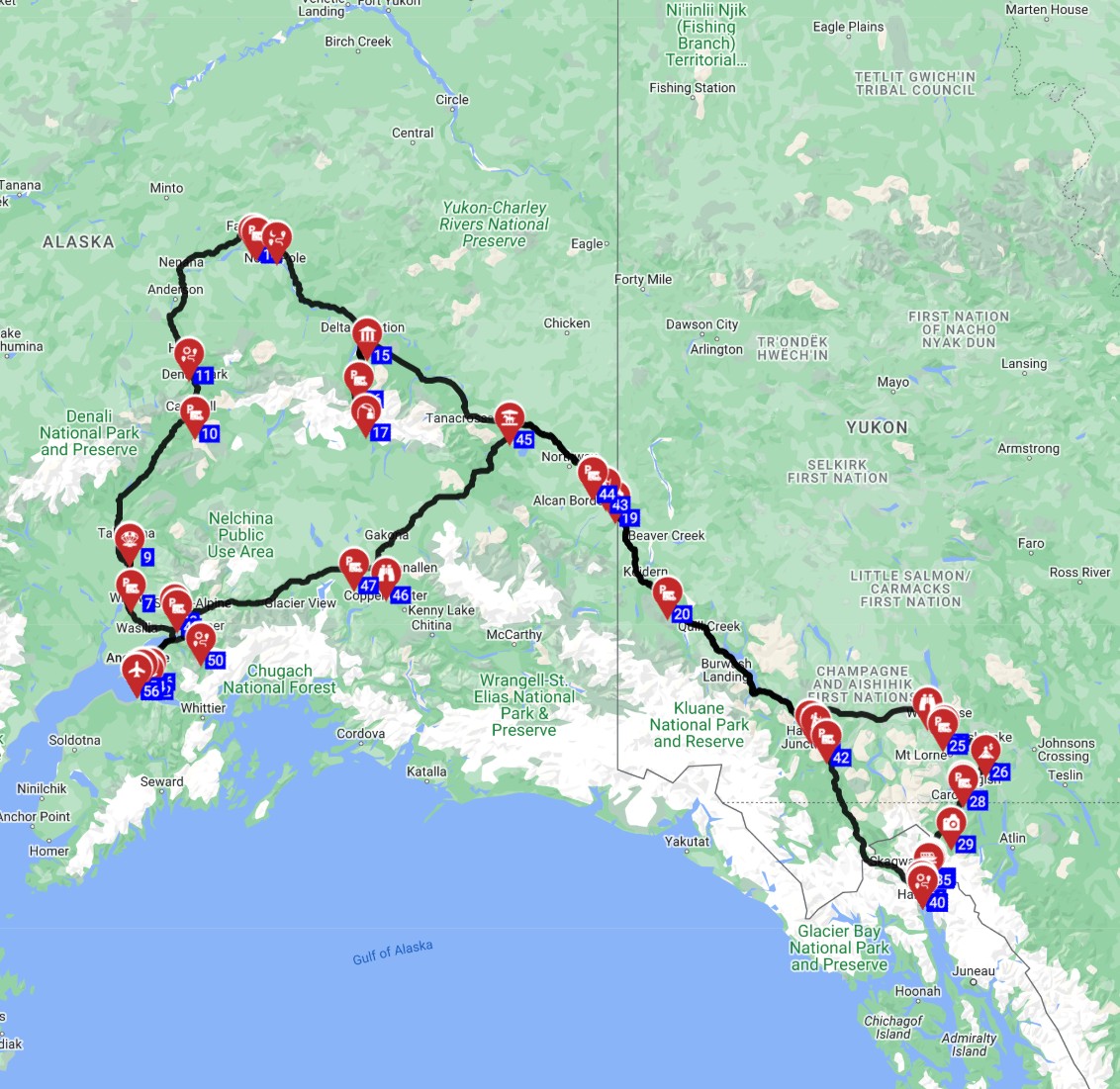
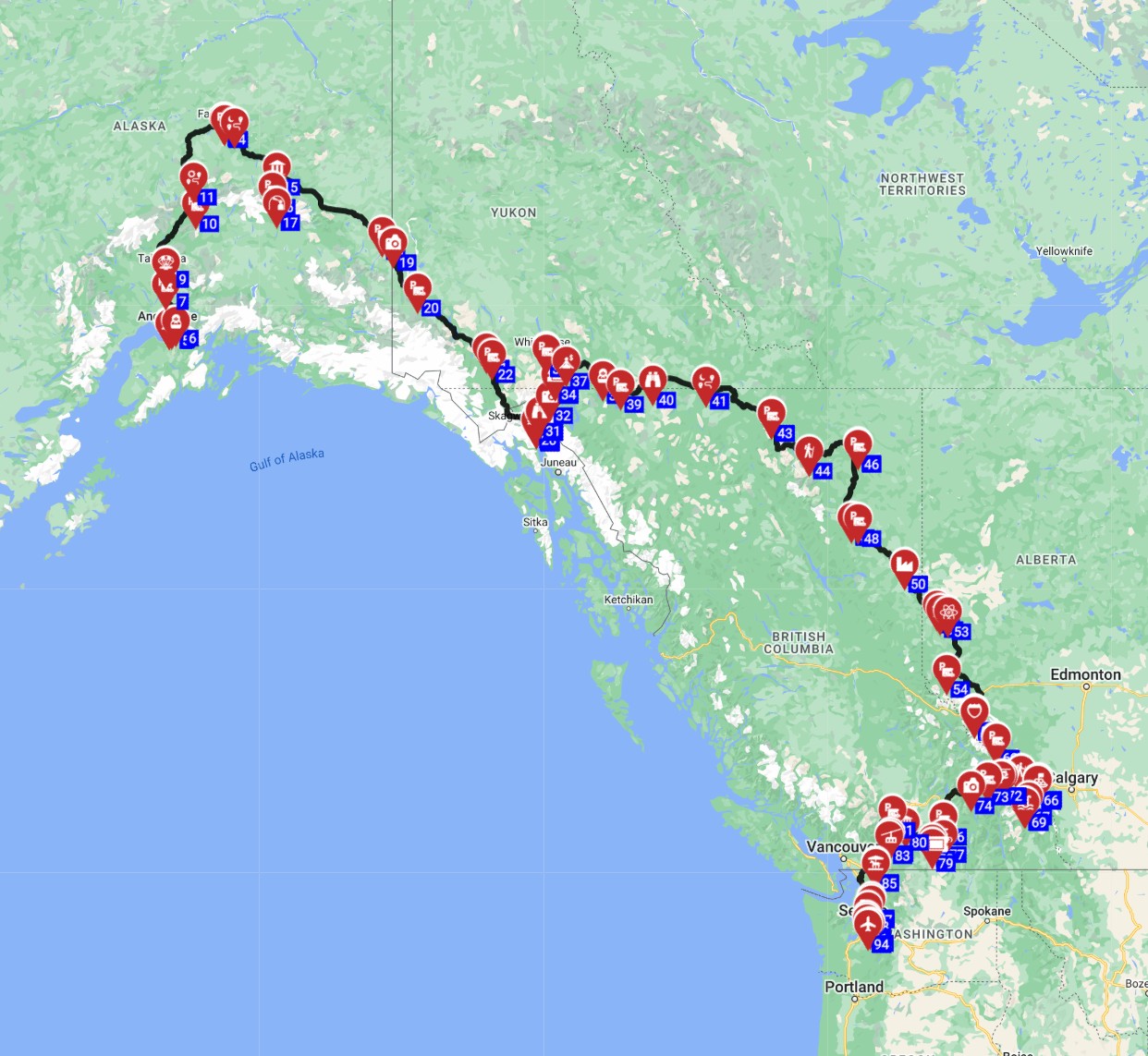
Yes, you can absolutely drive your RV to Alaska, with the primary and most popular route being the legendary Alaska Highway (Alcan Highway) through Canada.
This epic journey, often starting from Dawson Creek, British Columbia, typically takes several days to weeks, depending on your pace and how many stops you make, requiring careful planning for fuel, provisions, and overnight stays. To cross the Canadian border, you and all passengers will need valid passports, and the RV driver must have vehicle registration and proof of adequate insurance coverage valid in Canada. Be prepared for varying road conditions, including paved and gravel sections, and ensure your RV is mechanically sound for long distances and potentially remote stretches. Planning for cell service gaps, knowing emergency contacts, and carrying extra supplies are crucial for a successful and safe drive to Alaska. For those contemplating this grand adventure, remember our support staff are true RV specialists, ready to provide honest and transparent advice before, during, and after your booking, ensuring no surprises.
What is the 3-3-3 rule for RV living?
The 3-3-3 rule for RV living is a popular guideline that encourages a relaxed and sustainable travel pace, suggesting RVers drive no more than 300 miles (approximately 480 km) in a day, arrive at their destination by 3 PM, and stay for at least 3 nights.
This rule is particularly beneficial for an Alaska RV trip, where distances are vast, roads can be demanding, and the desire to explore each location thoroughly is high. By limiting daily mileage, drivers reduce fatigue, minimize stress, and allow more time to enjoy the scenic routes and make spontaneous stops. For instance, focusing on 100-150 km per day on average, as Bandana recommends, helps you truly feel the place. Arriving by 3 PM provides ample daylight to set up camp, explore the immediate area, and settle in before dusk, which is especially important for wildlife safety and finding good spots. Staying for at least 3 nights allows travelers to fully experience an area, engage in local activities, and truly relax without the constant pressure of packing up and moving, enhancing the overall quality of the travel experience. This approach aligns perfectly with our philosophy of slow travel, maximizing your connection to Alaska's unique nature and culture.
Can you sleep in an RV while driving in the USA?
No, it is generally unsafe and illegal for passengers to sleep in the rear living area of an RV while the vehicle is in motion in the USA, including Alaska, as all occupants must be properly seated and restrained with seatbelts.
Federal and state laws require anyone riding in a motor vehicle to be secured by a seatbelt or in an appropriate child restraint system. Sleeping in beds, on couches, or in other areas not equipped with a proper seatbelt while the rented RV is moving poses significant safety risks in the event of a sudden stop, collision, or even a sharp turn, even if you’re using a spacious model like the Denali Searcher 30 - Gold with its generous sleeping arrangements. Passengers should remain in designated seating positions with seatbelts fastened for the entire duration of travel to ensure their safety and comply with traffic laws. Only the driver and passengers in seats with functioning seatbelts are permitted to be in the RV while it is being driven. Always prioritize safety over convenience when enjoying your Alaska motorhome adventure.
Can you turn left on a Red Light in Alaska?
In Alaska, consistent with most of the United States, it is generally illegal to turn left on a red light from a two-way street onto another two-way street.
The sole exception to this rule is typically when turning left from a one-way street onto another one-way street, provided you come to a complete stop and yield to all pedestrians and oncoming traffic before making the turn. Always observe traffic signals and road signs carefully, as local ordinances may have specific variations or prohibitions on turns. Failing to adhere to traffic light rules can result in fines and points on your driving record, impacting your trip. When driving a rented RV, especially a larger model like the Denali Searcher 28 - Bronze, exercising extra caution at intersections is always advisable, giving yourself ample room to maneuver and react safely. Being aware of these local driving customs ensures a smooth and legal journey through Alaska.
What You Shouldn't Miss
- Drive the Seward Highway: This iconic 200 km (125 mile) scenic byway from Anchorage to Seward offers breathtaking views of glaciers, fjords, and mountains. Keep an eye out for Beluga whales in Turnagain Arm!
- Explore Denali National Park & Preserve: Witness North America's tallest peak, Denali, and spot grizzly bears, moose, caribou, and Dall sheep. While many roads are restricted, the park offers bus tours deep into the wilderness.
- Visit Kenai Fjords National Park: Take a wildlife cruise from Seward to see tidewater glaciers, humpback whales, orcas, puffins, and sea otters. It’s an unforgettable marine adventure.
- Experience the Alaska Highway: If driving from the contiguous USA, this 2,232 km (1,387 mile) historic route through Canada is an epic journey in itself, showcasing vast wilderness and charming towns.
- Go Flightseeing over Knik Glacier: For a truly unique perspective, take a small plane or helicopter tour over this massive glacier near Palmer.
- Fish for Salmon in Kenai River: Renowned for its salmon runs, the Kenai River offers world-class fishing opportunities for sockeye and king salmon.
Looking for expert insights from Avi Bandana? Top 5 Adventures - recommendations from Avi Bandana
Final Thoughts
Embarking on a rented RV adventure in Alaska offers unparalleled freedom to explore one of the world's most spectacular natural environments. From the vastness of its wilderness to the charm of its small towns, a motorhome provides the perfect mobile base for unforgettable memories. Remember that even for a "quick route," we highly recommend taking at least a week to immerse yourself fully in the experience, traveling slowly to truly appreciate the culture, food, and breathtaking scenery.
With Bandana, you're not just renting a vehicle; you're gaining a partner dedicated to making your journey smooth and transparent. Our expert knowledge, 24/7 pre-booking support, and commitment to no hidden fees ensure you can focus on the adventure ahead. So, pack your bags, prepare for incredible wildlife encounters, and get ready to discover the magic of Alaska from the comfort of your own rented home on wheels.
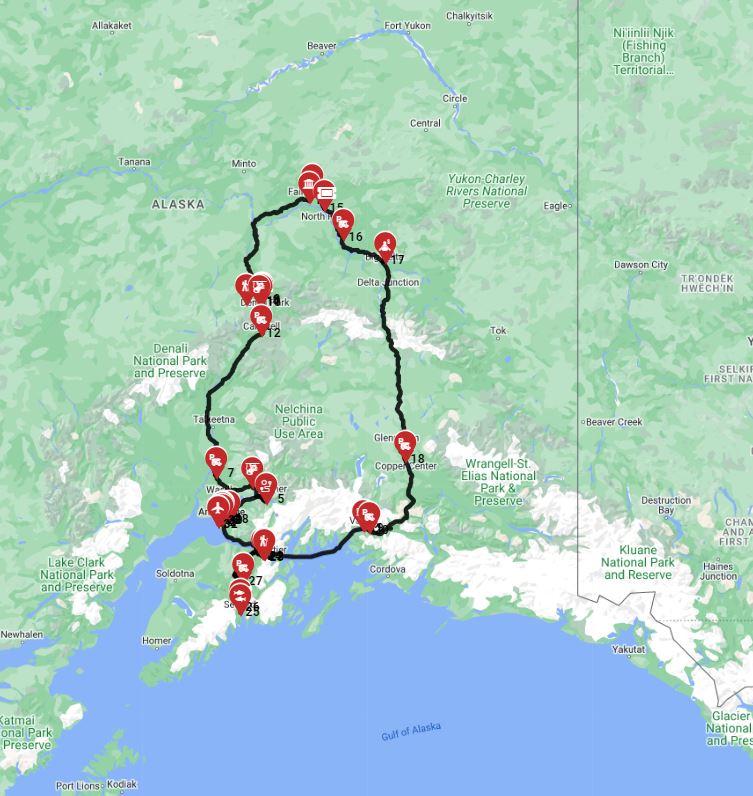
Discover top destinations and planning tips, all in one place! Plan a trip itinerary in advance with minimal effort and maximum enjoyment for your next RV rental in Alaska.