In This Guide
- Where to Camp in Spain — Top Options
- Campground Types in Spain (National, Private, Wild)
- Featured RV Park or Campground in Spain
- Hookups & Amenities — What to Expect
- Booking Windows & Reservations in Spain
- Nearby Supermarkets & Resupply Points
- Best RV Class for Camping in Spain
- How to Save on Campgrounds in Spain
- Do I need a special license to drive an RV in Spain?
- Can you travel in Spain with a motorhome?
- Is it safe to RV in Spain?
- Is it easy to drive an RV in Spain?
- How long does it take to get used to driving an RV?
- How do I plan an RV trip to Spain?
- Are there many toll roads in Spain?
- What is the best time of year to RV in Spain?
- Can you wild camp in Spain with an RV?
- Where can I find free overnight parking for RVs in Spain?
- Is it easy to find RV parks in Spain?
- What is the cheapest way to RV in Spain?
- How much does it cost to rent an RV for a weekend in Spain?
- Is it expensive to RV in Spain?
- RVing with Pets in Spain - Regulations and Tips
- Embracing Local Culture and Unique Experiences with Your RV
- Sustainability and Responsible RV Travel in Spain
- Accessible RV Travel in Spain for Specific Needs
- RV Community and Connections in Spain
- What You Shouldn't Miss
- Why Book with Bandana Caravan
- Final Thoughts
- Frequently Asked Questions
Exploring Spain with a rented RV for a quick stay is an incredible way to experience its diverse landscapes, rich history, and vibrant culture. Whether you dream of sun-drenched coastal routes, majestic mountain ranges, or charming historic towns, a motorhome provides the ultimate flexibility and comfort. Our RV Rental Spain - Complete Guide 2026 offers a deeper dive into everything you need to know for an extended adventure, but for now, let's focus on making your quick Spanish getaway unforgettable.
Where to Camp in Spain — Top Options
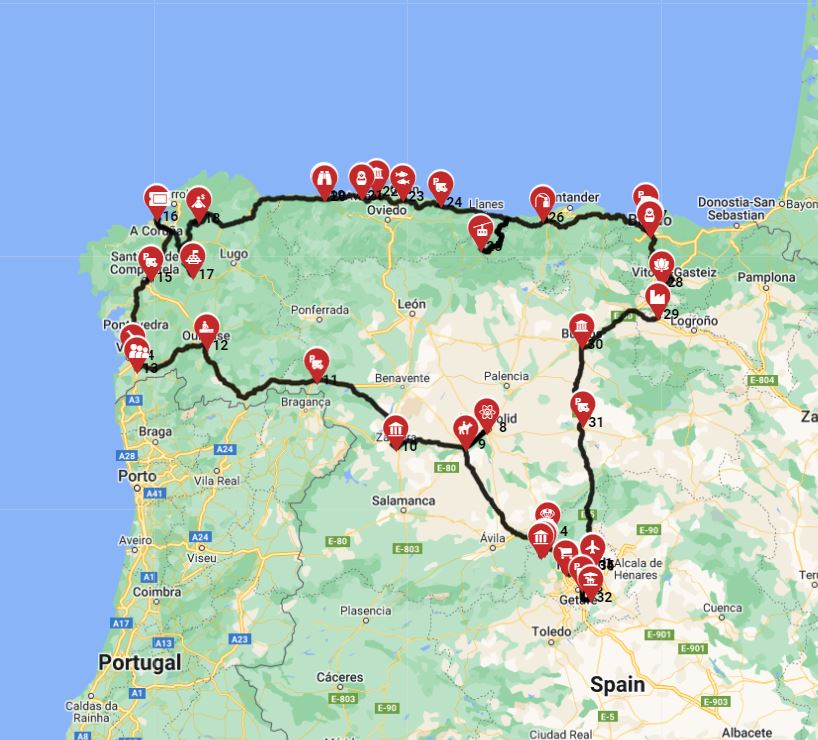
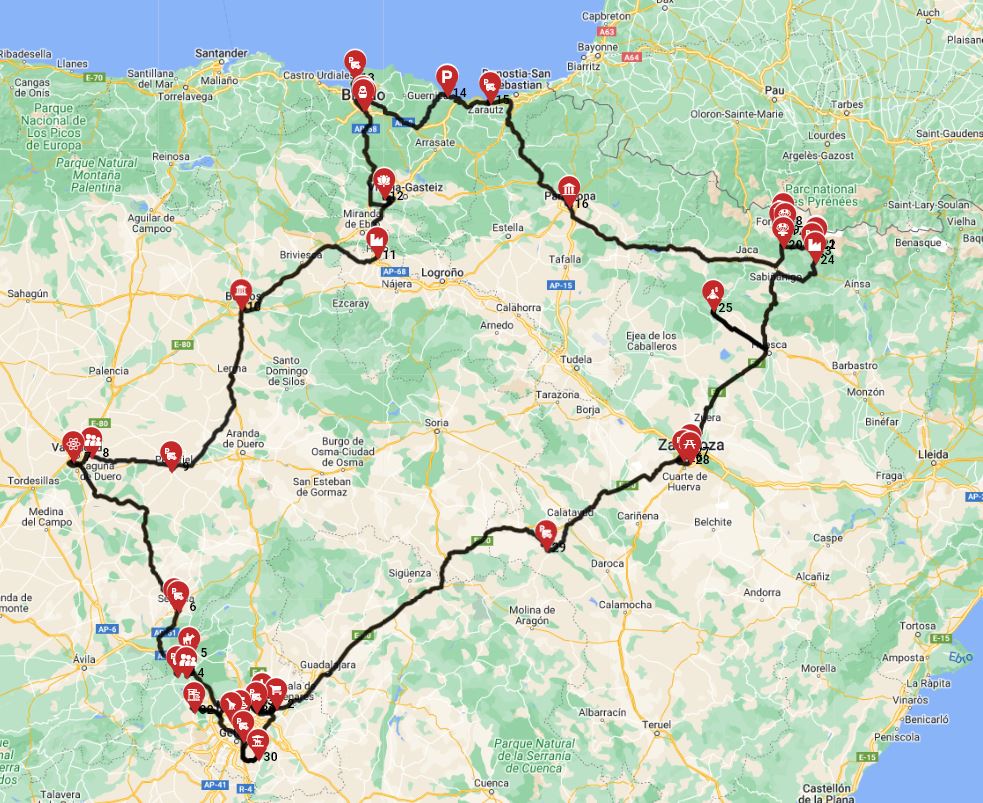
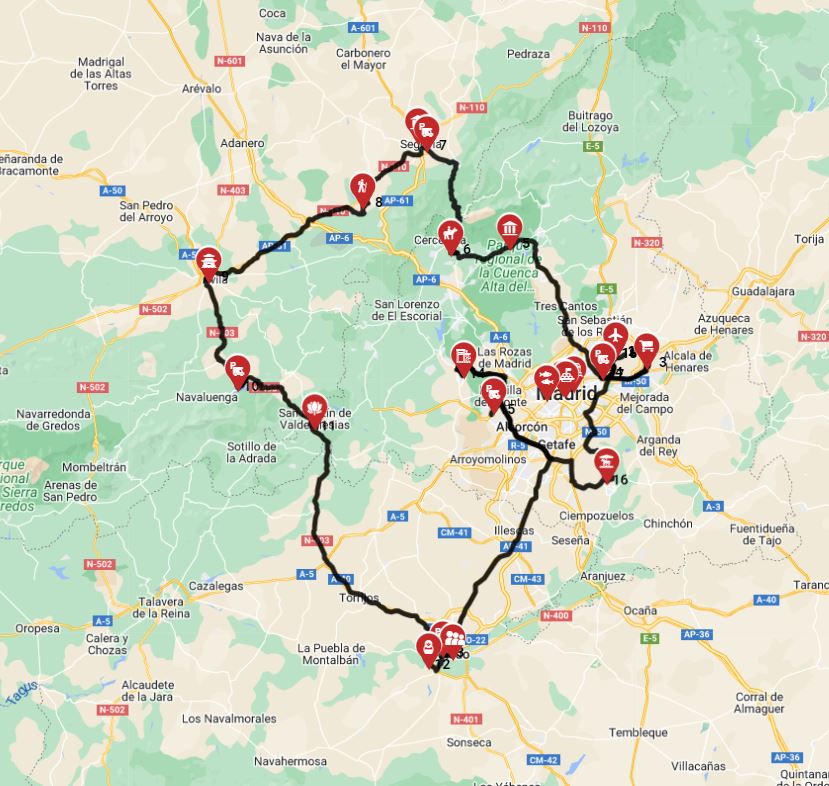
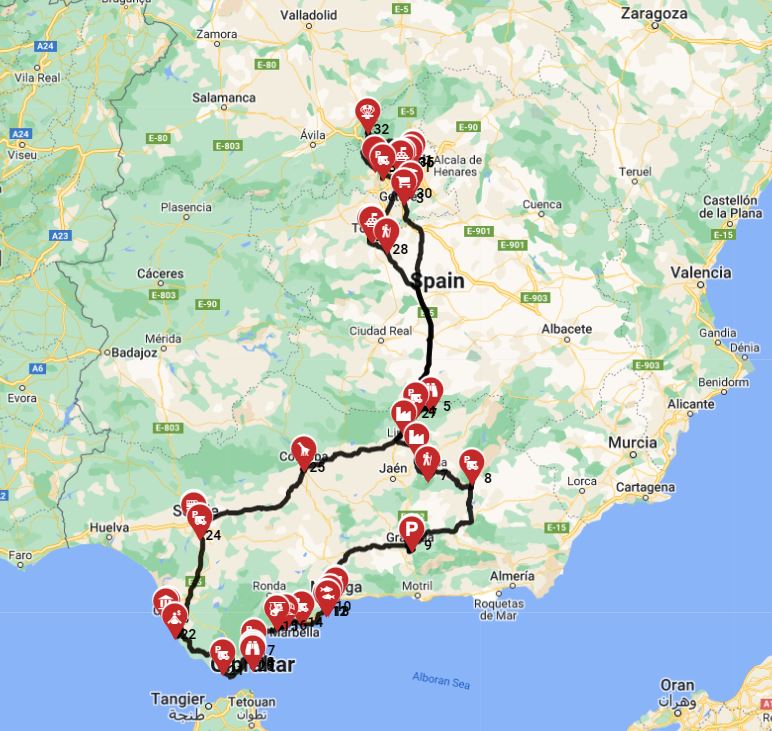
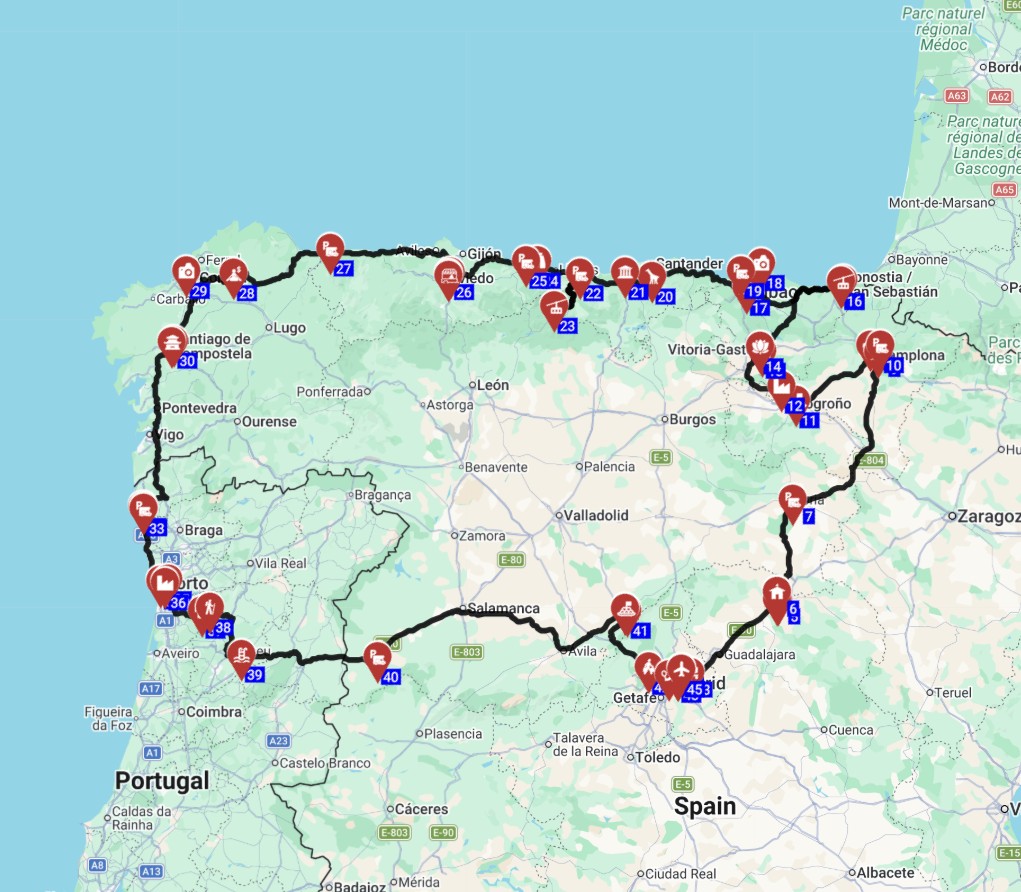
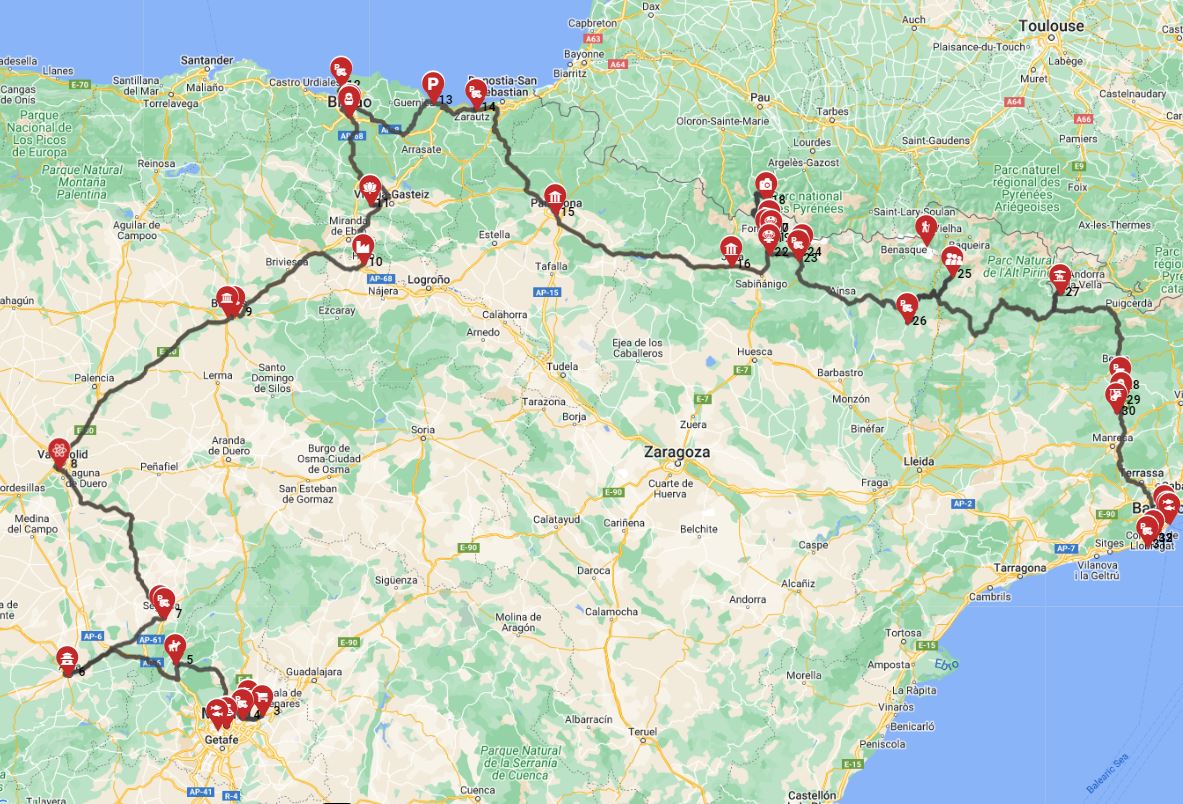
Spain offers diverse camping experiences from the sunny coasts of Andalusia and Catalonia to the mountainous regions of the Pyrenees and Picos de Europa, providing a variety of settings for your rented motorhome adventure. Coastal campsites often provide convenient beach access and a lively atmosphere, perfect for a relaxing quick stay, while inland and national park-adjacent sites offer tranquility and direct access to hiking, nature, and deep cultural immersion. Popular regions like Costa Brava, Andalucía, and the Basque Country boast numerous well-equipped campgrounds ready to welcome your campervan. Imagine waking up to the sound of waves or birds, preparing a fresh breakfast right in your mobile home, and then heading out to explore. Remember to travel slowly, averaging a maximum of 100-150 km per day, allowing you to truly feel the place, connect to the culture, the food, and the scenery.
Campground Types in Spain (National, Private, Wild)
Spain features three primary types of camping: established private campgrounds, a limited number of national/regional park sites, and highly regulated wild camping. Private campgrounds (known as 'campings') are the most common, offering a range of amenities from basic pitches to full resorts, and typically cost between €15 and €40 per night for a motorhome. Camping within designated areas in national or regional parks usually requires specific permits and is often very restricted to protect natural environments. Wild camping, or 'free camping' outside designated areas, is generally prohibited across Spain, though local regulations vary; some municipalities or private landowners may tolerate overnight parking (pernocta) in a self-contained RV without setting up camp (i.e., no awnings, tables, or chairs outside the vehicle). It is crucial to distinguish between merely parking overnight in your rented motorhome (pernocta), which is often tolerated in permitted areas, and setting up a full camp (sacar elementos al exterior, toldos, mesas, sillas), which is almost universally forbidden outside official campsites to avoid fines.
Featured RV Park or Campground in Spain
When selecting an RV park in Spain for your rented campervan, look for establishments offering a balance of desired amenities, scenic location, and proximity to attractions, such as Camping Boltaña in the Aragonese Pyrenees. Consider factors such as pitch size, availability of hookups (most offer 230V electricity), cleanliness of facilities, and access to local transport or shops. Many popular RV parks in Spain, especially along the coasts and near major cities, boast swimming pools, restaurants, and activity programs, providing a comfortable base for your quick stay. Prioritize parks with good reviews regarding safety and hospitality for a pleasant weekend experience, ensuring your short adventure is as relaxing as possible.
Hookups & Amenities — What to Expect
Most Spanish campgrounds provide essential hookups, including electricity, fresh water, and waste disposal points for grey and black water, ensuring a comfortable quick stay in your rented RV. Electricity supply typically operates at 230V, requiring a CEE blue plug adapter for connection. Standard amenities often include clean shower and toilet blocks, laundry facilities, and sometimes on-site shops or restaurants for convenience. While Wi-Fi is frequently available, it may be a paid service or have limited reception depending on the campground's location. A Class SI Semi-integrated motorhome often comes with a refrigerator and stove, allowing you to prepare meals and enjoy your own RV-friendly recipes playlist.
Booking Windows & Reservations in Spain
For weekend RV rentals in Spain, especially during peak season (July-August) or major holidays, booking campsites 2-3 months in advance is highly recommended to secure your preferred spot. Spontaneous travelers can often find available pitches, particularly in the shoulder seasons (spring/autumn) or at larger, less centralized campgrounds, though calling ahead before driving is always a wise strategy. Many national and regional park campgrounds may release only a fraction (e.g., 25%-30%) of their spots for advance reservations, with the remainder allocated on a first-come, first-served basis, providing flexibility. While a specific campground might be full, travelers will almost certainly find a place-if not at the first campground, then the next one within reasonable driving distance, ensuring your short RV trip is not derailed. For those planning further ahead, our Weekly RV Rental in Spain - Pricing 2026 guide offers valuable insights.
Nearby Supermarkets & Resupply Points
Resupplying your rented RV in Spain is remarkably convenient, with major supermarket chains widely accessible in most towns and cities. Look for popular chains like Mercadona, Carrefour, Lidl, and Aldi, which offer a full range of groceries, fresh produce, and essential supplies for your weekend RV camping. Many larger campgrounds also feature small on-site shops for immediate necessities. Planning your route to pass through towns with these supermarkets ensures easy access for stocking up on food and other provisions, making your mobile home truly self-sufficient. Remember to cook some delicious meals in your RV; it's part of the adventure! On the routes offered through RV PLANET routes, you can itemize and track every expense along the way for easy budgeting.
Best RV Class for Camping in Spain
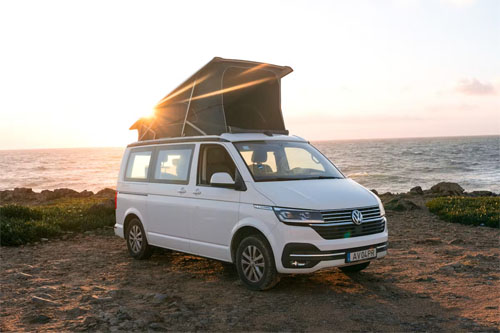
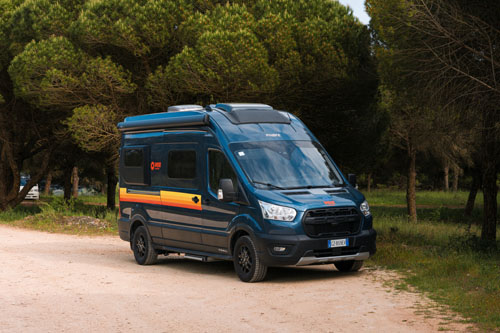
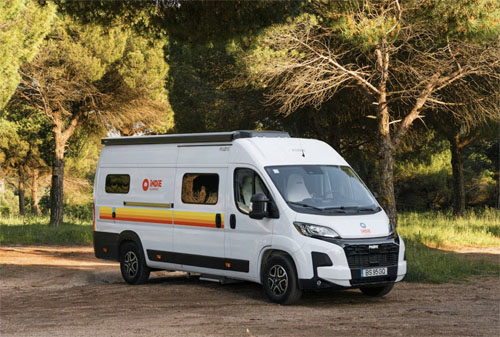
The best RV class for camping in Spain depends heavily on your travel style, group size, and desired maneuverability on Spain's diverse roads. Class B Camper Vans, averaging 5.8m in length and typically sleeping 3.2 people, are ideal for nimble travel, fitting into tighter spaces, and offer an average fuel consumption of 8-10 Liters/100 km (global fleet average). For couples or small families, Class SI Semi-integrated motorhomes, at an average length of 6.9m and sleeping 3.8, provide a comfortable balance of space and maneuverability, typically consuming 10-11 Liters/100 km (global fleet average). For larger families or groups, Class C Alcove models (avg. 7.5m, sleeping 5.8) offer more space, while Class A Integrated models (avg. 7.5m, sleeping 4.4) provide a luxurious experience. When considering vehicle options, you might also look into Luxury RV Rental in Spain - Premium Prices 2026 for top-tier choices. Remember, driving slowly and carefully allows you to drive almost anywhere without issues, regardless of RV size. No need to stress - just use common sense and pay attention.
How to Save on Campgrounds in Spain
Utilizing campground discount cards, such as ACSI or CampingCard International, can significantly reduce your nightly rates at participating campsites across Spain, especially during the shoulder seasons (April-May, September-October), potentially saving up to 30%. Opting for municipal or regional campgrounds over private resorts often results in lower costs while still providing essential amenities for your rented campervan. Consider booking for three or more nights to take advantage of weekly rates, which are typically more cost-effective per night than single-night stays. Traveling during the shoulder seasons not only offers better rates but also fewer crowds and more pleasant weather. If traveling with another RV, inquire about sharing hookups or group discounts, which some campgrounds may offer. For more budget-friendly tips, check out our Cheap RV Rental in Spain - Budget Guide 2026.
Do I need a special license to drive an RV in Spain?
No, a standard B category driving license (for vehicles up to 3,500 kg Maximum Authorized Mass - MAM) is sufficient to drive most RVs in Spain, including all motorhomes and campervans typically rented for quick stays. This makes RV travel accessible to a wide range of drivers. For any larger motorhome that might exceed 3,500 kg MAM, a C1 license (up to 7,500 kg) or a C license (over 7,500 kg) may be required, but these are rare in the rental fleet. Ensure your driving license is valid and, if you are from outside the EU, carrying an International Driving Permit (IDP) alongside your national license is recommended, though not mandatory in most cases.
Can you travel in Spain with a motorhome?
Yes, traveling in Spain with a rented motorhome is a highly popular and rewarding way to explore the country, offering unmatched flexibility and access to diverse landscapes. Spain has a well-developed infrastructure for RVs, including numerous campsites and dedicated parking areas (áreas de autocaravanas) that cater specifically to motorhome travelers. This mode of travel allows for an immersive experience, providing the freedom to adjust itineraries and discover hidden gems at your own pace, from coastal towns to historic cities and mountain ranges. Adherence to local traffic laws, parking regulations, and camping rules is essential for a smooth and enjoyable trip, much like when exploring any destination in Europe. For a broader perspective on RV travel, check out our RV Rental Europe - Complete Guide 2026.
Is it safe to RV in Spain?
RVing in Spain is generally considered safe, with the country being a popular and welcoming destination for motorhome travelers. Standard precautions apply, such as securing your rented vehicle, avoiding leaving valuables in plain sight, and choosing well-lit, authorized parking or camping spots, especially in less familiar areas. While wild camping is largely prohibited across Spain, utilizing official campsites and designated RV parking areas significantly enhances safety and security, providing peace of mind. Regional safety can vary slightly, so exercising common sense and being aware of your surroundings, particularly in urban areas or isolated spots, is always advisable. For added confidence, you can upgrade to a top-level deductible for extra peace of mind on your journey.
Is it easy to drive an RV in Spain?
Driving a rented RV in Spain is generally straightforward, especially on major highways and well-maintained national roads, which are extensive and modern. Road signage is clear, making navigation easy. While challenges might arise in older city centers with narrow, winding streets and limited parking, a simple approach is to drive slowly and carefully, and you can drive almost anywhere without issues. No need to stress-just use common sense and pay attention. Smaller RVs like Class B Camper Vans (averaging 5.8m in length) are particularly advantageous for navigating these tighter urban areas or charming village streets, offering greater maneuverability. However, even with larger Class C Alcove models (avg. 7.5m), prudent driving ensures a smooth experience.
How long does it take to get used to driving an RV?
Most drivers can get accustomed to handling a rented RV within a few hours of practice, though comfort levels vary based on prior driving experience and the size of the motorhome. Initial adjustments typically include understanding the vehicle's dimensions (length, width, height), calculating appropriate braking distances, and accounting for a wider turning radius. It's always a good idea to practice driving in open areas, familiarizing yourself with backing up and parking maneuvers, which significantly reduces apprehension. Starting with a smaller, more maneuverable RV class, like a Camper Van, can ease the learning curve for a quick stay, making your introduction to RV travel in Spain smooth and enjoyable. Class SI Semi-integrated models, with features like an automatic transmission, also offer an easy transition for many drivers.
How do I plan an RV trip to Spain?
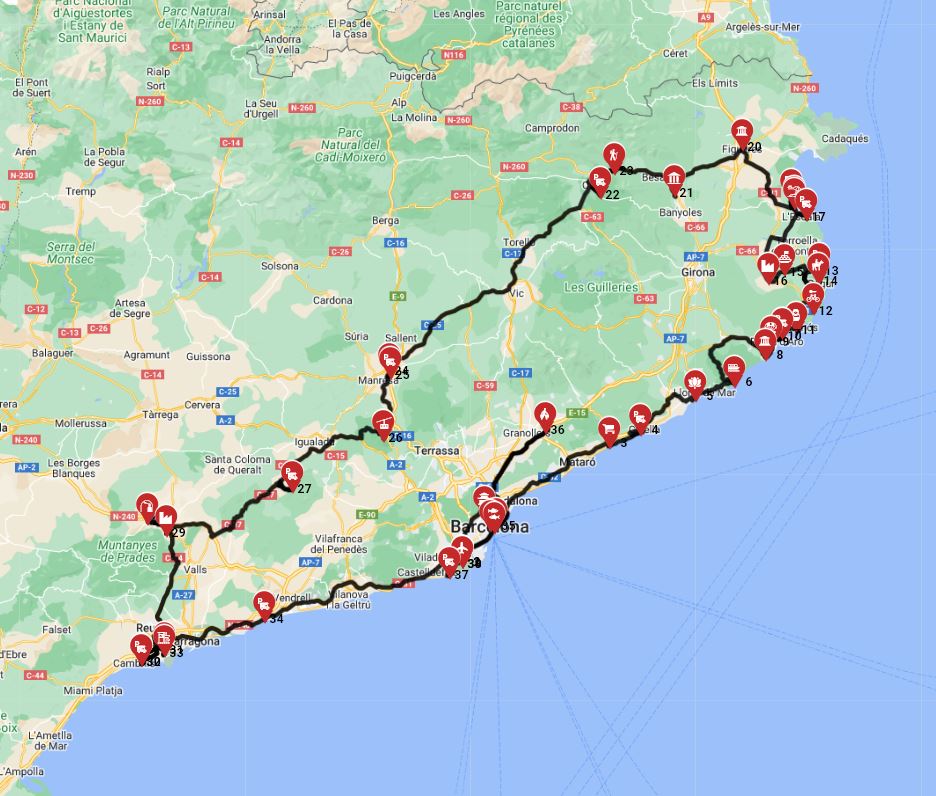
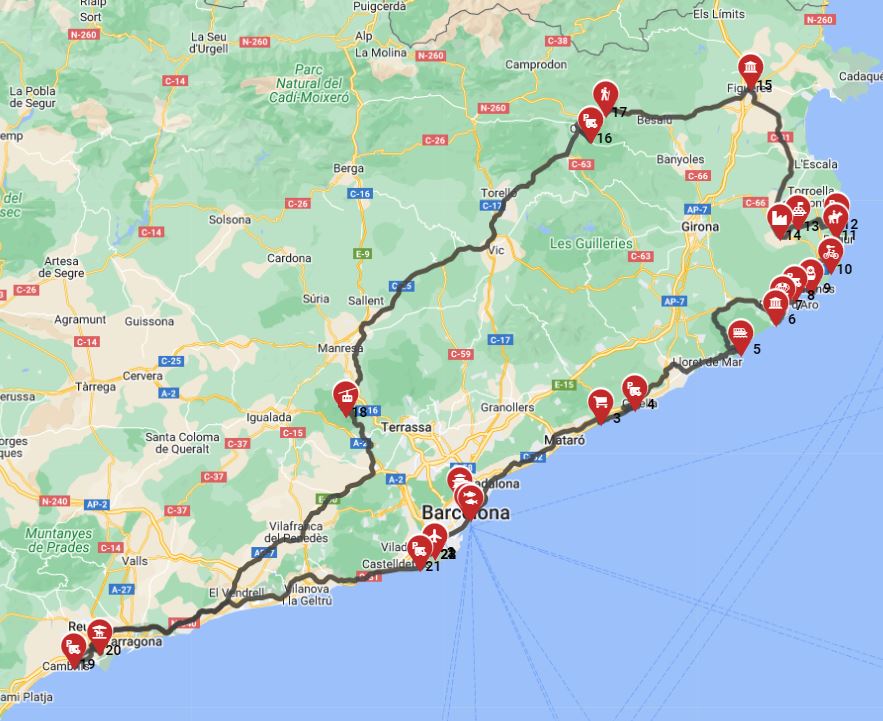
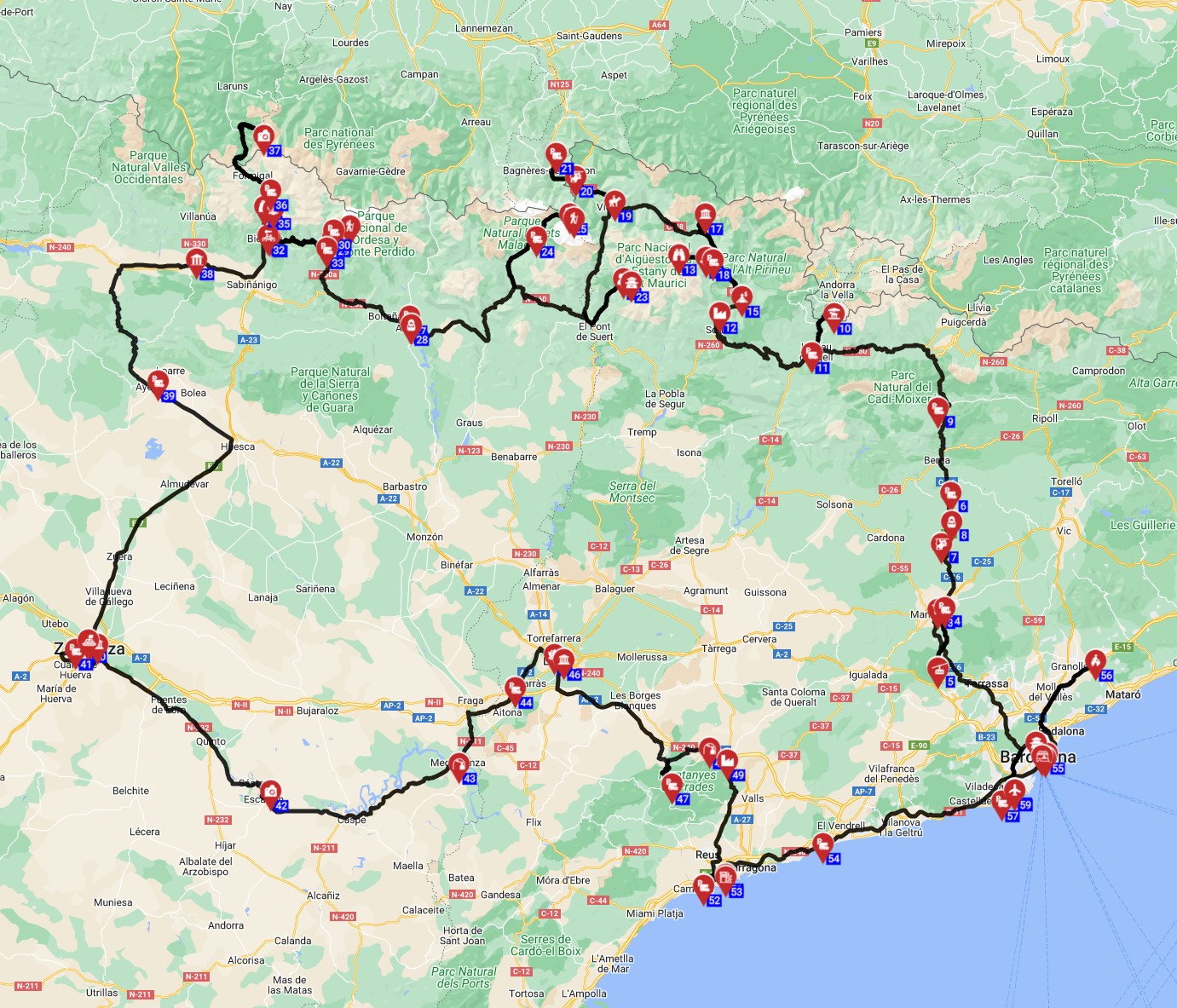
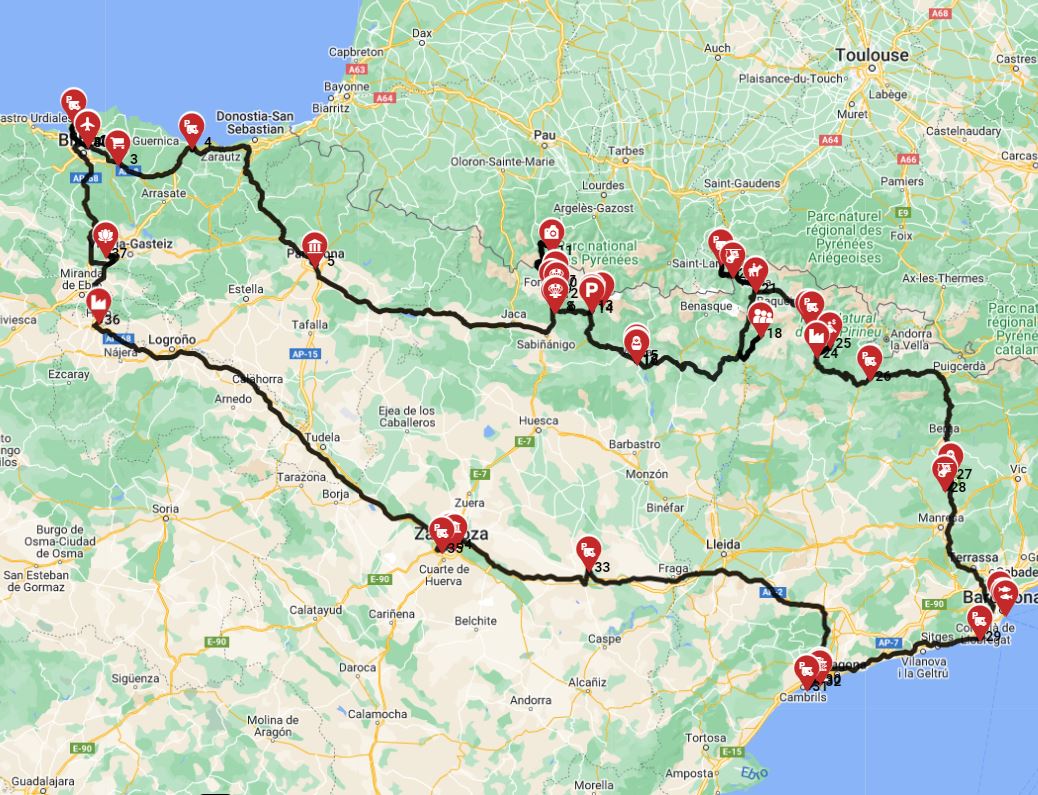
Planning a rented RV trip to Spain involves several key steps: selecting your ideal motorhome, outlining your preferred route, researching available campsites or parking spots, and considering seasonal variations. Start by determining your desired region(s) and activities; whether it's coastal relaxation, mountain hiking, or city exploration. Book your RV rental and any essential campsites well in advance, especially for peak season or popular quick-stay destinations. Factor in estimated travel times, fuel costs (e.g., a "cruise america rv rental example Explorer" with a 2.5 Liter Turbo diesel engine has a fuel consumption of 11 Liter / 100 Km), potential tolls, and a comprehensive budget for food, attractions, and unforeseen expenses. For professional route plans and itineraries across 5 continents, including 1,300+ options, you can utilize Rent&Plan services through our sister company, RV PLANET (rvplan.net), which also offers a 25% planning discount. On RV PLANET routes, travelers can itemize and track every expense along the way for easy budgeting.
Are there many toll roads in Spain?
Spain indeed has a network of toll roads, known as 'autopistas de peaje,' which typically offer faster travel routes than the free 'autovías' or national roads. While these tolls can add to your travel budget, they are often avoidable if you prioritize scenic routes or have more time, aligning perfectly with our recommendation to travel slowly. Toll costs for RVs are generally higher than for standard cars due to vehicle size and axle count, with rates potentially doubling or tripling. Budgeting for tolls is crucial for comprehensive trip planning, especially if you plan to cover long distances or save time on major routes during your weekend RV camping in Spain. Always consider these costs when comparing the final price of your overall trip.
What is the best time of year to RV in Spain?
The best time to RV in Spain largely depends on your desired activities and tolerance for crowds and heat. Spring (April-May) and Autumn (September-October) are generally considered ideal, offering pleasant temperatures, fewer tourists, and vibrant local festivals across the country. During these shoulder seasons, you can comfortably enjoy destinations like Andalusia, Catalonia, and the Canary Islands with perfect weather for outdoor activities, from hiking to exploring charming villages. Summer (June-August) is perfect for coastal areas but can be extremely hot inland and sees higher prices and larger crowds. Winter is best for southern regions or skiing in the Pyrenees, providing a completely different RV experience. We always recommend booking your motorhome or campervan in advance for the most popular times.
Can you wild camp in Spain with an RV?
Wild camping with a rented RV in Spain is generally prohibited by national law, though specific regional and municipal regulations can vary significantly. The crucial legal distinction lies between 'camping' (which involves setting out tables, chairs, awnings, or stabilizing jacks outside your vehicle) and 'pernocta' (simply parking overnight without any external setup) in a self-contained vehicle like a motorhome or campervan. While 'pernocta' might be tolerated in some areas, especially where there are no explicit prohibitions or signage, it's never guaranteed and depends entirely on local ordinances and discretion. Always prioritize official campsites or designated 'áreas de autocaravanas' to avoid fines and ensure a responsible, worry-free travel experience in Spain. We do not assist with finding campsites during your rental, but RV PLANET (rvplan.net) is a great resource for locating available spots along your route.
Where can I find free overnight parking for RVs in Spain?
Free overnight parking for RVs in Spain is primarily found in designated 'áreas de autocaravanas' or in certain public parking lots where overnight stays (pernocta) are explicitly permitted or tolerated. These 'áreas' often provide basic services like waste disposal and fresh water, sometimes for a small fee, but the parking itself is typically free for your motorhome. Informal free spots can occasionally be found in rural areas or smaller towns, but always check local signage and respect private property to avoid issues. Apps and online communities like Park4night or Campercontact are excellent resources for locating both official and informal overnight parking options recommended by other RVers, helping you find a spot without stress. Remember to call ahead before driving to ensure availability.
Is it easy to find RV parks in Spain?
Yes, it is generally easy to find RV parks and campgrounds in Spain, with a wide selection available across the country, especially in popular tourist regions and along the coasts. The country boasts a well-established network of private campgrounds (campings) and dedicated RV parking areas (áreas de autocaravanas) catering to motorhome and campervan travelers. Online booking platforms, specialized RV travel apps (e.g., Park4night, Campercontact), and official tourism websites provide comprehensive directories and real-time availability. While finding a spot is usually straightforward, booking in advance for peak season quick stays or popular coastal destinations is advisable to ensure you secure your preferred spot. Even if one campground is full, you'll find a spot at the next one, especially if you call ahead.
What is the cheapest way to RV in Spain?
The cheapest way to RV in Spain involves strategically managing your rental costs, fuel consumption, and accommodation choices to maximize savings on your quick stay. Opt for off-peak season rentals, which are typically more affordable, and consider smaller, more fuel-efficient RV classes like a Class B Camper Van (global fleet average 8-10 Liters/100 km). Utilize campground discount cards (e.g., ACSI) and seek out free designated overnight parking areas ('áreas de autocaravanas') or municipal campsites over high-end private resorts. To save on ancillary costs, cook meals in your rented RV, using the onboard kitchen facilities (like those in a "Luxury Small" Class SI Semi-integrated with a 100 Liter refrigerator) rather than dining out for every meal. For detailed information on budgeting, check out our "Cheap RV Rental in Spain - Budget Guide 2026" and consider using RV PLANET routes where you can itemize and track every expense.
How much does it cost to rent an RV for a weekend in Spain?
The cost to rent an RV for a quick stay in Spain varies significantly based on the RV class, rental company, season, and exact duration, but typically ranges from €150 to €400+ per day. Smaller, more compact models like Class B Camper Vans will be at the lower end of this range, while larger Class C Alcove models or luxurious Class A Integrated RVs will be more expensive. Prices are highest during peak summer months (July-August) and major holidays; booking during the shoulder season (April-May, September-October) or off-season can yield considerable savings. Beyond the rental fee, budget for fuel (e.g., a "cruise america rv rental example Explorer" Class C motorhome typically consumes 11 Liters/100 km), campground fees (€15-€40/night), potential tolls, and groceries. The final price is dynamic, changing daily based on availability and supplier decisions, and is set at the actual booking time. For a comprehensive overview of prices, consult our "RV Rental in Spain - Prices and Best Deals 2026" guide.
Is it expensive to RV in Spain?
RVing in Spain can be as budget-friendly or as luxurious as you make it, with overall costs potentially comparable to or even lower than traditional hotel and car rental travel. Key expenses for your rented motorhome adventure include the RV rental itself, fuel, campsite fees, road tolls, and groceries/dining, all of which can be managed to suit various budgets. A comprehensive budget breakdown should consider daily rental rates (which can fluctuate widely), average fuel consumption (e.g., a Class C Alcove like the "MHC28" uses 14 to 18 miles/gallon, or approximately 10-12 Liters/100 km), and variable costs for food and activities. Choosing smaller RVs, staying at budget-friendly campsites, cooking your own meals onboard, and limiting driving on toll roads can make RV travel in Spain quite economical. With Bandana RV, you get full price transparency, so there are no hidden fees or surprises.
RVing with Pets in Spain - Regulations and Tips
Traveling with pets in a rented RV in Spain is generally welcome, but requires adherence to specific regulations, including ensuring your pet is microchipped, has an up-to-date rabies vaccination, and carries an EU pet passport (if applicable). Many campsites in Spain are pet-friendly, but always confirm their individual policies and any potential additional fees when booking your spot. Identify pet-friendly attractions, beaches, and hiking trails in advance, as access can be restricted in some public areas or national parks. It's also wise to locate veterinary services along your route for any potential emergencies and ensure your pet has adequate shade, water, and exercise during your trip. For more detailed information on traveling with furry friends, refer to our "Pet-Friendly RV Rental in Spain - Pricing 2026" guide.
Embracing Local Culture and Unique Experiences with Your RV
To truly immerse yourself in Spanish culture during your quick RV stay, use your rented motorhome to explore beyond typical tourist hotspots and seek out authentic local experiences. Visit local markets for fresh produce and regional specialties, allowing you to stock your RV kitchen for delicious meals. Attend charming village festivals (fiestas) to experience traditional music, dance, and local customs firsthand. Camping near smaller towns and villages fosters easier interaction with local communities and can lead to discovering hidden gems that larger groups might miss. Utilize apps and local tourist information centers to find unique events, cultural sites, and authentic eateries off the main tourist trails, making your trip a genuine cultural adventure.
Sustainability and Responsible RV Travel in Spain
Practice responsible RV travel in Spain by minimizing your environmental impact, managing waste consciously, and supporting local economies, ensuring your quick stay is sustainable. Always use designated waste disposal points at campgrounds for grey and black water, and recycle whenever possible at campsites or public bins, preserving Spain's beautiful landscapes. Conserve water and electricity in your rented campervan, respecting local resources, especially in dry regions. Supporting small businesses, local restaurants, and artisans in the communities you visit contributes positively to the local economy and enhances your cultural experience. By being mindful, you can help protect the natural beauty and cultural heritage that make Spain such a wonderful RV destination.
Accessible RV Travel in Spain for Specific Needs
For travelers with specific accessibility needs, planning an RV trip to Spain requires researching accessible campsites, attractions, and routes in advance to ensure a comfortable and enjoyable quick stay. Look for campsites that explicitly advertise accessible facilities, including ramps, adapted showers, and spacious pitches suitable for various mobility devices. Identify accessible attractions and museums in your chosen regions, as many major sites in Spain are continuously improving their access for visitors. Consider an RV rental specifically adapted for accessibility to ensure maximum comfort and ease of travel for all passengers, allowing everyone to experience the freedom of a motorhome adventure. We are supportive and happy to help with pre-booking comparison and booking support to find suitable vehicles.
RV Community and Connections in Spain
Connecting with other RVers, both local and international, can significantly enhance your travel experience in Spain through shared tips, camaraderie, and assistance. Join online forums, Facebook groups, or use RV-specific apps to communicate with fellow travelers and exchange information on routes, campsites, and local insights. Many campsites and 'áreas de autocaravanas' foster a welcoming community atmosphere, providing opportunities to meet other motorhome enthusiasts during your quick stay. Participating in local RV rallies or events can offer unique cultural experiences and a chance to expand your network, making your RV adventure even richer. Bandana RV has founded in 2001, we have over 23 years helping tens of thousands of travelers explore the world by RV, connecting people through shared experiences.
🎬 Video coming soon
What You Shouldn't Miss
- **Explore the Alhambra in Granada:** Drive your rented motorhome to the historic city of Granada and immerse yourself in the breathtaking beauty of the Alhambra, a UNESCO World Heritage site, experiencing its intricate Moorish architecture and lush gardens.
- **Drive the Costa Brava Coastline:** Take your campervan along the scenic coastal roads of Costa Brava in Catalonia, discovering picturesque fishing villages, hidden coves, and enjoying fresh seafood right by the Mediterranean.
- **Hike in the Picos de Europa National Park:** Head to northern Spain with your RV for an adventurous quick stay in the Picos de Europa, one of Spain's most stunning mountain ranges, offering incredible hiking trails and dramatic limestone peaks.
- **Visit the Tabernas Desert:** Experience Europe's only true desert in Andalusia, the Tabernas Desert, offering a unique 'Wild West' landscape and opportunities to explore its cinematic history from your motorhome.
- **Discover Seville's Charm:** Park your RV at a nearby campsite and take public transport into Seville to explore its magnificent Alcázar, the Plaza de España, and soak in the vibrant flamenco culture.
Looking for expert insights from Avi Bandana? Top 5 Adventures — recommendations from Avi Bandana
As a seasoned RV traveler, I can tell you that Spain truly offers something for everyone. From the historic charm of Toledo to the stunning beaches of Cádiz, having your own motorhome rental unlocks unparalleled freedom. Don't rush it; truly connect with the local culture and let the rhythm of Spain guide you. My top recommendation is to embrace the local markets – that’s where you’ll find the freshest ingredients for amazing meals in your RV, and truly feel the heartbeat of each town.
Final Thoughts
A quick stay for RV camping in Spain promises an adventure filled with discovery, freedom, and unforgettable memories. From the sun-kissed beaches to the rugged mountains and historic cities, a rented motorhome or campervan is your ticket to experiencing Spain at your own pace. With Bandana RV, you're choosing a partner dedicated to making your travel dreams a reality, offering transparent pricing, expert knowledge, and reliable support.
Embrace the open road, savor local flavors, and immerse yourself in the rich tapestry of Spanish culture. Remember to travel slowly, allowing yourself the luxury of spontaneous detours and deeper connections with the places you visit. The beauty of RV travel is in the journey itself, not just the destination.
Ready to hit the road? Discover top destinations, planning tips, all in one place, and start planning your perfect Spanish RV adventure today!