In This Guide
- Where to Camp in North Canada - Top Options
- Campground Types in North Canada (National, Private, Wild)
- Featured RV Park or Campground in North Canada
- Hookups & Amenities - What to Expect
- Booking Windows & Reservations in North Canada
- Nearby Supermarkets & Resupply Points
- Best RV Class for Camping in North Canada
- How to Save on Campgrounds in North Canada
- Can you park up anywhere in an RV in Canada?
- What is the 3-3-3 rule for RV travel?
- Where can I park my RV for free in Canada?
- Can you sleep overnight at rest stops in Canada?
- Can a US citizen go camping in Canada?
- How much does it cost to park an RV in Canada?
- What is the best RV route planner in Canada?
- Do you need to book campsites in Canada?
- Top Cities for RV Rental in North Canada
- Practical Information for RV Travel in North Canada
- Driving Your Rental Motorhome in North Canada
Imagine yourself on an exhilarating journey through the vast, untamed wilderness of North Canada, where endless skies meet rugged landscapes and unique wildlife roams free. A weekend RV camping trip, as part of a longer rental, offers an incredible way to experience the Yukon, Northwest Territories, and Nunavut, even if your rental duration with Bandana is typically for a week or more. This guide will provide you with all the essential details for planning your next RV adventure in North Canada, focusing on short, impactful stays within your extended itinerary.
At Bandana Caravan, we’ve been helping tens of thousands of travelers explore the world by RV since 2001, offering direct partnerships with over 50 leading RV suppliers worldwide, including trusted names like El Monte, Cruise America, Apollo, and Britz. Our mission is to make your RV travel accessible, transparent, and joyful, which is why we ensure full price transparency with no hidden fees and offer bookings in over 30 currencies. For live availability and current prices, start with our RV Rental North Canada - Complete Guide 2026 guide.
Where to Camp in North Canada - Top Options
North Canada, encompassing Yukon, Northwest Territories, and Nunavut, offers unique camping experiences ranging from well-serviced territorial parks to remote wilderness sites for your RV adventure. For a shorter RV camping trip, consider established territorial parks such as Congdon Creek Campground in Yukon, known for its wildlife viewing opportunities near Kluane National Park, or Fred Henne Territorial Park in the Northwest Territories, which offers easy access to Yellowknife and amenities on Long Lake. Nunavut's camping is primarily wilderness-focused, often requiring extensive planning and potentially bush planes or specialized vehicles, making it less suitable for a typical weekend RV camping experience from a central hub.
Focus on regions accessible by major highways like the Alaska Highway or Dempster Highway for a weekend trip, which lead to numerous designated campgrounds. Many of these parks provide basic services, fire pits, and potable water, allowing for a comfortable stay even for just a couple of nights within a longer rented motorhome journey. For detailed route plans and campsite locations, explore RV PLANET (rvplan.net) - a sister company offering over 1,300 pre-planned routes across 5 continents, including many in North America.
Campground Types in North Canada (National, Private, Wild)
In North Canada, RVers encounter three main types of campgrounds: national parks, territorial (equivalent to provincial) parks, private campgrounds, and opportunities for wild camping. National Park sites, such as those in Kluane National Park (Yukon), offer well-maintained facilities and access to iconic landscapes, often requiring reservations and park passes for entry. Territorial Parks across Yukon and the NWT provide a balance of services and remoteness, with many operating on a first-come, first-served basis or with limited reservation windows. Private campgrounds, found in or near larger communities like Whitehorse or Yellowknife, offer more amenities like full hookups, laundry, and Wi-Fi, which can be a welcome comfort in the North.
Wild camping, or boondocking, is legal and tolerated on vast stretches of Crown land in Yukon and the NWT, but travelers must adhere to 'Leave No Trace' principles, be aware of specific local restrictions, especially near Indigenous communities, and prepare for extreme self-sufficiency without services. This provides incredible freedom and often the most breathtaking scenery for those traveling in a rented campervan or motorhome. For more specialized planning, consider our "RV Travel Guide to North Canada - Tips and Top Spots 2026" for local insights.
Featured RV Park or Campground in North Canada
When choosing an RV park or campground in North Canada for your rented mobile home, prioritize locations that balance wilderness access with essential services. A strong option like Fred Henne Territorial Park near Yellowknife, NWT, is a great example, offering fire pits, picnic tables, potable water, and dump stations for grey and black water tanks. Look for campgrounds that offer reliable fresh water, waste dump stations, and potentially electric hookups, especially if visiting during colder shoulder seasons or relying on modern appliances for cooking meals in your RV kitchen. This park also offers a sandy beach, boat launch, and hiking trails, making it ideal for a shorter stay. On the routes offered through RV PLANET routes, you can itemize and track every expense along the way for easy budgeting.
Consider campgrounds within territorial parks or those run by municipalities, which often provide good value and basic amenities, emphasizing a connection to the natural environment. Ensuring bear-safe food storage is also a critical consideration in these regions, as wildlife encounters are common. Don't forget that many RVs include a stove and refrigerator, perfect for preparing delicious meals; check out our RV-friendly recipes playlist for inspiration.
Hookups & Amenities - What to Expect
When RV camping in North Canada, hookups and amenities can vary significantly, ranging from full-service sites near urban centers to completely unserviced wilderness camping. Expect electric hookups (typically 15, 30, or 50 amp) and potable water connections to be available primarily at private RV parks and some larger territorial campgrounds; however, many scenic sites will only offer dry camping or water pumps. Dump stations for grey and black water are commonly found at territorial parks, private campgrounds, and sometimes at gas stations in larger towns, but planning your route to include these is crucial due to long stretches without service. Wi-Fi and cell service are generally unreliable or non-existent outside of major communities, necessitating offline maps, emergency communication devices like satellite phones or Garmin InReach, and preparing for a digital detox. Laundry and shower facilities are typically confined to private RV parks or municipal recreation centers, so plan accordingly for personal hygiene and clothing during your motorhome rental trip.
Booking Windows & Reservations in North Canada
For RV camping in North Canada, planners are advised to book ahead, especially for popular national and territorial park campgrounds during the peak summer months (June-August), although spontaneous travelers can often find same-day or next-day spots. Many national park campgrounds and some popular territorial sites release a portion (often 25%-30%) of their spots for advance reservations, with the remainder allocated on a first-come, first-served basis, meaning early arrival is key for unreserved spots. You will almost certainly find a place - if not at the first campground, then the next one. Calling ahead to check availability, particularly for smaller, more remote sites, is highly recommended before driving long distances.
For spontaneous travelers, flexibility with your exact location and campground choice will yield better results; consider arriving mid-week for any shorter camping trips to secure prime spots. Remember, Bandana focuses on extended road trips, typically a week or more, so while you might plan a weekend of camping, your RV rental will cover a longer duration. Check out "RV Rental Deals in North Canada - Latest Offers 2026" for potential savings.
Nearby Supermarkets & Resupply Points
Resupply options for RV campers in North Canada are less frequent and often more expensive than in southern regions, making thorough planning essential. Larger towns like Whitehorse (Yukon) and Yellowknife (Northwest Territories) offer major grocery stores such as Real Canadian Superstore, Save-On-Foods, or Independent Grocer, which are your best bet for comprehensive provisioning. Smaller communities along major routes may have general stores or small co-ops with limited selections and higher prices, so stock up on essentials like non-perishables, dry goods, and specialized gear before venturing into remote areas. Always carry extra fuel, water, and emergency food supplies, as distances between resupply points can be hundreds of kilometers, and unexpected road closures or delays are possible.
When budgeting for ancillary costs like fuel, groceries, and campground fees for your rented caravan, remember that RV PLANET routes allow travelers to itemize and track every expense along the way for easy budgeting, ensuring full transparency in your overall trip cost.
Best RV Class for Camping in North Canada
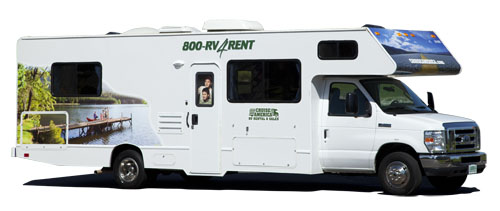
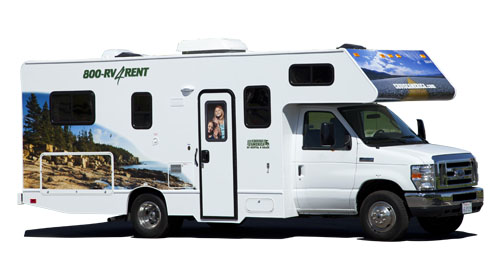
For camping in North Canada, especially for a shorter RV adventure, the Class B Campervan and Class TC Truck Camper are often considered the best choices due to their maneuverability, fuel efficiency, and suitability for varied road conditions. Class B Campervans, such as the "Active Classic" (features: Front Air condition, Ideal for a couple, RV size - Small, Shower, Toilet, Up to 3 years on the road), averaging 5.8 meters in length and consuming around 8-10 Liters/100 km, offer excellent agility for navigating gravel roads and smaller campsites common in the North, while providing decent self-sufficiency for boondocking. Class TC Truck Campers, like the "Patagonia Camper 4x4 double cab" (features: 4 Wheel Drive, Class TC - Truck Camper, Front Air condition, Ideal for a couple, More than 4 years on the road, RV size - Small), at an average length of 5.5 meters, provide the ruggedness and off-road capability of a truck combined with a compact living space, making them ideal for more adventurous routes and accessing remote areas, though they typically consume more fuel (12-17 Liters/100 km). While Class C Alcove (avg. 7.5m, 10–12 Liters/100 km) and Class SI Semi-integrated (avg. 6.9m, 10–11 Liters/100 km) RVs offer more living space, their larger size can be a disadvantage on narrow, unpaved Northern roads or in smaller, less developed campgrounds. For families, a Class C like the "24' Class C Motorhome" (features: Automatic transmission, Generator, Ideal for family of 2+2, RV size - Medium, Shower, Toilet, TV) provides a great balance of comfort and capability.
Ultimately, the best RV for your trip depends on your group size and desired level of adventure. If you're planning a "Family RV Rental in North Canada - Pricing Guide 2026", larger Class C motorhomes with features like "3 double beds" and "bunk beds" are great options, while couples might prefer the agility of a campervan, as detailed in "RV Rental in North Canada for Couples - Pricing 2026".
How to Save on Campgrounds in North Canada
Saving money on campgrounds in North Canada involves strategic planning, leveraging discounts, and embracing more rustic camping options. Utilize campground discount cards, which can offer significant savings on nightly rates at participating private RV parks; inquire if Bandana provides any exclusive discounts with your rental. Opt for municipal, territorial, or provincial campgrounds over private resorts, as they typically offer lower rates, though often with fewer amenities. Consider booking your motorhome rental during the shoulder seasons (late May/early June or September) when demand is lower, rates might be cheaper, and the weather can still be pleasant, albeit cooler. If your extended RV trip allows, staying for 3+ nights at the same location can sometimes qualify you for weekly rates, which are often more economical than nightly bookings. Prices for RV rentals, like flight tickets, are dynamic and change daily based on availability, seasonality, and supplier decisions, so comparing options through a platform like Bandana can help you find the best value.
Can you park up anywhere in an RV in Canada?
In Canada, the ability to park an RV anywhere for an overnight stay is generally restricted by provincial, territorial, and municipal regulations, as well as private land ownership. While wild camping or boondocking is permitted on vast tracts of Crown land (public land) in North Canada, particularly in Yukon and the Northwest Territories, specific rules apply, and it's illegal on private property without permission. Always look for signage indicating no overnight parking, and be respectful of Indigenous land claims and traditional territories, where specific permits or permissions may be required. Designated campgrounds, rest stops (with varying overnight policies), and certain retail parking lots (like Walmart, with local verification) are the most common legal options for overnight RV parking.
What is the 3-3-3 rule for RV travel?
The 3-3-3 rule for RV travel suggests limiting daily driving to around 300 miles (or approximately 480 kilometers), arriving at your campsite by 3 PM, and staying for at least 3 nights, which is especially pertinent for remote Northern Canadian journeys. This rule is crucial for North Canada where long stretches between services, variable road conditions (including gravel), and the need for ample daylight for setting up camp make over-scheduling dangerous. Adhering to the 3-3-3 rule helps prevent driver fatigue, allows time to explore your surroundings, handle unexpected delays, and mitigates risks associated with driving after dark, especially important for wildlife safety in the North. For any shorter RV camping trips, even if you can't stay 3 nights, the '300 km/3 PM arrival' aspect is vital for safe and enjoyable travel.
Where can I park my RV for free in Canada?
Free RV parking in Canada is primarily found on Crown land (with restrictions and permits), some designated rest stops, and certain retail parking lots (e.g., Walmart, but verify locally). In North Canada, specifically Yukon and the NWT, extensive Crown land offers abundant opportunities for free boondocking, provided you practice 'Leave No Trace' principles and are aware of any local fire bans or access restrictions. Many remote logging or service roads provide pull-offs suitable for overnight parking; however, these spots are unserviced and require full self-sufficiency, including preparedness for wildlife encounters. Always confirm local regulations, especially near communities or protected areas, as rules for free parking can change, and never trespass on private land with your rented camper.
Can you sleep overnight at rest stops in Canada?
Sleeping overnight at rest stops in Canada is generally allowed in many provinces and territories, especially in remote regions like North Canada, though it's crucial to check local signage and regulations. Territorial rest areas in Yukon and the Northwest Territories often permit overnight stays, particularly for RVers, providing a safe, albeit unserviced, place to stop. These rest stops typically offer basic amenities such as outhouses and picnic tables but rarely have water, dump stations, or electricity, requiring RVers to be self-contained. Always look for specific 'No Overnight Parking' signs, and prioritize safety by parking in well-lit areas where available, especially when traveling through remote northern stretches in your rented motorhome.
Can a US citizen go camping in Canada?
US citizens are welcome to go camping in Canada, including its Northern territories, provided they have valid travel documents such as a passport and adhere to Canadian border entry regulations. Crossing into North Canada, particularly via routes like the Alaska Highway into Yukon, requires all standard international travel documentation, including a valid passport. Ensure you declare all items, including any food, alcohol, and firearms, as specific restrictions apply, and be aware of any recent changes to border protocols. It's also advisable to carry proof of your rented RV and insurance documents, and be familiar with Canadian traffic laws and road signs. For more general guidance on RV travel across the continent, consult our "RV Rental USA - Complete Guide 2026".
How much does it cost to park an RV in Canada?
The cost to park an RV in Canada, particularly in the North, can range from free options like designated Crown land sites to over $70 CAD per night for full-service private campgrounds, reflecting the region's higher operating costs. Territorial park campgrounds in Yukon and NWT typically range from $12-$30 CAD per night for unserviced or basic sites, while private campgrounds with full hookups and amenities in larger towns might cost $40-$70+ CAD. Be prepared for higher costs for fuel and supplies in the North, which should be factored into your overall camping budget alongside site fees. Opting for dry camping or boondocking on Crown land is the most budget-friendly option, eliminating nightly parking fees entirely. For a comprehensive overview of various costs, check "RV Rental in North Canada - Prices and Best Deals 2026".
What is the best RV route planner in Canada?
For RV travel in Canada, especially in the North, the best route planner combines tools like RV Life Trip Wizard or Furkot with up-to-date local road condition reports from territorial governments, due to the unique challenges of Northern roads. Utilize dedicated RV-specific navigation apps that consider vehicle height, weight, and propane restrictions, and integrate points of interest like campgrounds, dump stations, and fuel stops. Always cross-reference digital maps with official territorial road condition websites (e.g., Yukon 511, NWT Highway Conditions) to account for gravel stretches, construction, and seasonal closures unique to the North. Download offline maps for GPS and mobile devices before departing, as cell service is highly sporadic in remote Northern areas, and consider a satellite communication device for emergencies. Remember that RVPLAN.net offers expert-curated itineraries, taking the guesswork out of planning your Canadian motorhome adventure.
Do you need to book campsites in Canada?
Booking campsites in Canada is strongly advised, particularly for national and territorial parks in North Canada during peak summer months, as spontaneity can be challenging due to limited services and high demand. While some campgrounds, especially smaller territorial sites, operate on a first-come, first-served basis, popular destinations can fill up quickly, particularly on shorter camping trips. For an RV camping adventure, securing a reservation in advance ensures you have a guaranteed spot, which is especially important in remote Northern regions where alternatives might be hundreds of kilometers away. If you prefer flexibility, arrive at campgrounds early in the day or consider traveling during the shoulder seasons to increase your chances of finding an available site without a reservation for your rented camper.
Top Cities for RV Rental in North Canada
While much of the allure of North Canada lies in its vast wilderness, key cities serve as excellent starting points and resupply hubs for your RV rental adventure. These cities provide access to essential services, a variety of rental options, and a taste of Northern culture before you head into the wild. Drive slowly and carefully, and you can drive almost anywhere without issues. No need to stress - just use common sense and pay attention, even in urban environments.
- Whitehorse, Yukon: As the capital and largest city in Yukon, Whitehorse is the primary gateway for RV rentals in the territory. It offers a wide range of services, including major grocery stores, mechanics, and RV parks, making it an ideal base to pick up your Class C motorhome or campervan and begin explorations into Kluane National Park or along the Alaska Highway.
- Yellowknife, Northwest Territories: The capital of the NWT, Yellowknife is another key city for RV access. Located on the Great Slave Lake, it provides opportunities for fishing, exploring local history, and serves as a departure point for adventures further north. Renting a motorhome here allows for easy access to nearby territorial parks.
- Dawson City, Yukon: Famous for its Klondike Gold Rush history, Dawson City offers a charming, rustic experience with its unpaved streets and historic buildings. While smaller, it's a vital resupply point along the Dempster Highway and an excellent place for a scenic RV camping stay.
Practical Information for RV Travel in North Canada
RV travel in North Canada requires some extra preparation due to its unique environment. Firstly, road rules align with the rest of Canada; you drive on the right side of the road, and speed limits are typically posted in kilometers per hour. For instance, highways generally have limits of 90-100 km/h, but gravel sections or adverse conditions may require much slower speeds. A standard car driver's license is sufficient for all motorhome classes (Class A, B, and C) available for rental; an International Driving Permit (IDP) is recommended for visitors from non-English speaking countries but not mandatory in most cases. The minimum rental age is 21, and there are no young driver surcharges or vehicle class restrictions based on age.
For emergencies, dial 911 anywhere in Canada. Connectivity is a major consideration: cellular service is sparse outside of major towns, so carry a satellite phone or a personal locator beacon (PLB) for safety. Consider purchasing a local SIM card in a major city like Whitehorse or Yellowknife for what limited service is available. Fuel types are standard gasoline and diesel; however, stations can be hundreds of kilometers apart, so always keep your tank full, especially when venturing into remote areas. Insurance requirements for RV rentals usually include basic liability, and you can upgrade to a top-level deductible for extra peace of mind, traveling with confidence knowing you're well-protected.
🎬 Video coming soon
Driving Your Rental Motorhome in North Canada
Driving a rented motorhome or campervan in North Canada offers an unparalleled sense of freedom and adventure, but it also demands a mindful approach to the unique road conditions and vast distances. The region features a mix of paved highways, like large sections of the Alaska Highway, and extensive gravel roads, such as the famous Dempster Highway. Drive slowly and carefully, and you can drive almost anywhere without issues. No need to stress - just use common sense and pay attention to conditions like dust, washboard, and potential potholes. Wildlife, including bears, moose, and caribou, are common along roadways, particularly at dawn and dusk, so always be vigilant.
We strongly recommend slow travel in a rented RV, aiming for a maximum of 100-150 km per day on average. This allows you to truly take time to feel the place, connect to the unique culture, savor the local food, and immerse yourself in the breathtaking scenery. By embracing this pace, you transform your trip into an unforgettable journey, rather than a race. For detailed route plans and road advisories, always consult territorial government websites (e.g., Yukon 511) in addition to any route plans by professionals, such as the 1,300+ pre-planned routes available via RV PLANET (rvplan.net).
What You Shouldn't Miss
- **Drive the Dempster Highway:** Experience the only public highway in Canada that crosses the Arctic Circle, leading to the Arctic Ocean at Tuktoyaktuk, NWT.
- **Explore Kluane National Park and Reserve:** Witness stunning glaciers, vast mountain ranges, and abundant wildlife, including grizzly bears and Dall sheep, in Yukon's premier wilderness area.
- **Visit Dawson City:** Step back into the Klondike Gold Rush era with its preserved historic buildings, wooden boardwalks, and vibrant arts scene in Yukon.
- **Experience the Midnight Sun:** During summer, enjoy 24 hours of daylight, perfect for late-night fishing, hiking, or simply marveling at the endless sunset.
- **See the Northern Lights (Aurora Borealis):** While summer is for the Midnight Sun, visiting during late fall or early spring offers the best chance to witness this spectacular natural phenomenon.
- **Discover Nahanni National Park Reserve:** Accessible by air (bush plane), this UNESCO World Heritage site in NWT boasts deep canyons, powerful waterfalls, and unique geological formations, offering an unforgettable (though more logistically complex) adventure.
Looking for expert insights from Avi Bandana?
Top 5 Adventures - recommendations from Avi Bandana
Final Thoughts
A short RV camping trip within your longer rental to North Canada promises an unforgettable journey into one of the world's last great wildernesses. With a rented campervan or motorhome, you're not just driving; you're embarking on an intimate exploration of stunning landscapes, unique wildlife, and rich cultural experiences. Whether you prefer the structured comfort of a territorial park or the raw beauty of a wild camping spot, North Canada offers something truly special for every adventurer.
Remember to plan thoughtfully, embracing the spirit of slow travel to truly absorb the beauty around you. At Bandana Caravan, we're here to support you every step of the way, making the booking process transparent and easy. We handle the details, so you can focus on living the journey.
Ready to discover the magic of the North? Compare Motorhome Prices for North Canada and start planning your incredible journey today.