In This Guide
- How Much Does a Weekend RV Rental in France Cost - Budget Breakdown
- Best RV Class for Camping in France
- Where to Camp in France - Top Options
- Campground Types in France (National, Private, Wild)
- Featured RV Park or Campground in France
- Hookups and Amenities - What to Expect
- Booking Windows and Reservations in France
- Nearby Supermarkets and Resupply Points
- Driving an RV in France - Licenses, Rules, and Navigating Roads
- Can I Use My RV in Paris - Urban Driving Restrictions
- Is it Safe to Wild Camp in France - Legality and Best Practices
- How to Save on Campgrounds in France
- What You Shouldn't Miss
- Why Book with Bandana Caravan
- Final Thoughts
- Frequently Asked Questions
France, with its captivating blend of historic cities, picturesque countryside, and stunning coastlines, is an unparalleled destination for a memorable RV adventure. Imagine waking up to the aroma of fresh croissants in a charming village, then driving through lavender fields in Provence, or perhaps parking your campervan overlooking the dramatic Cliffs of Étretat. Our aim at Bandana RV is to make this dream a reality, offering full transparency and unwavering support from the moment you start comparing prices to well after your booking is confirmed.
Embarking on an RV trip across this diverse European nation offers immense freedom, allowing you to craft your own schedule and truly connect with the culture and scenery at your own pace. For live availability and current prices, start with our RV Rental France - Complete Guide 2026 guide. We are true RV specialists, dedicated exclusively to motorhome travel, ensuring you receive expert advice and the best possible experience without any hidden fees or surprises.
How Much Does a Weekend RV Rental in France Cost - Budget Breakdown
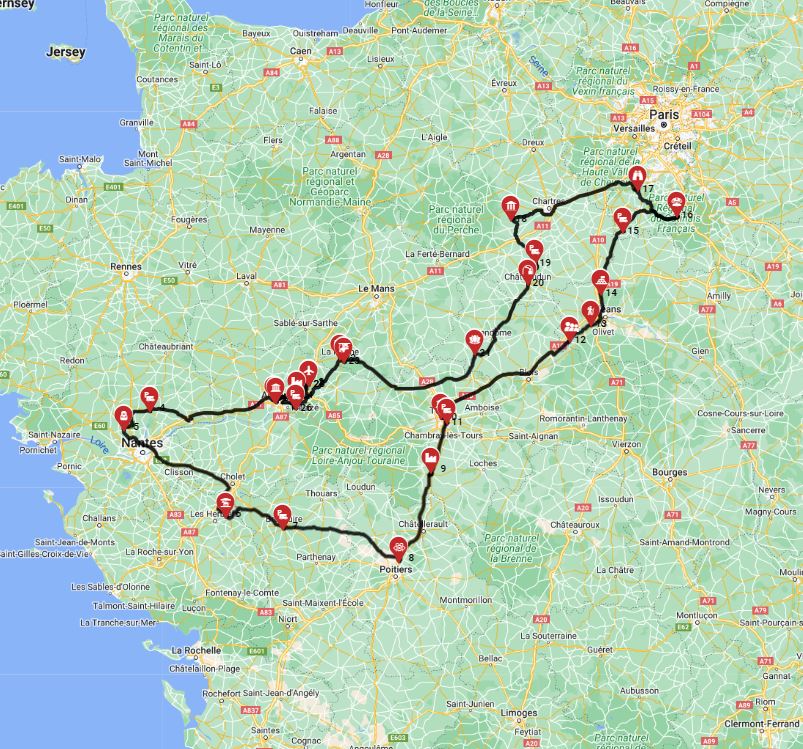
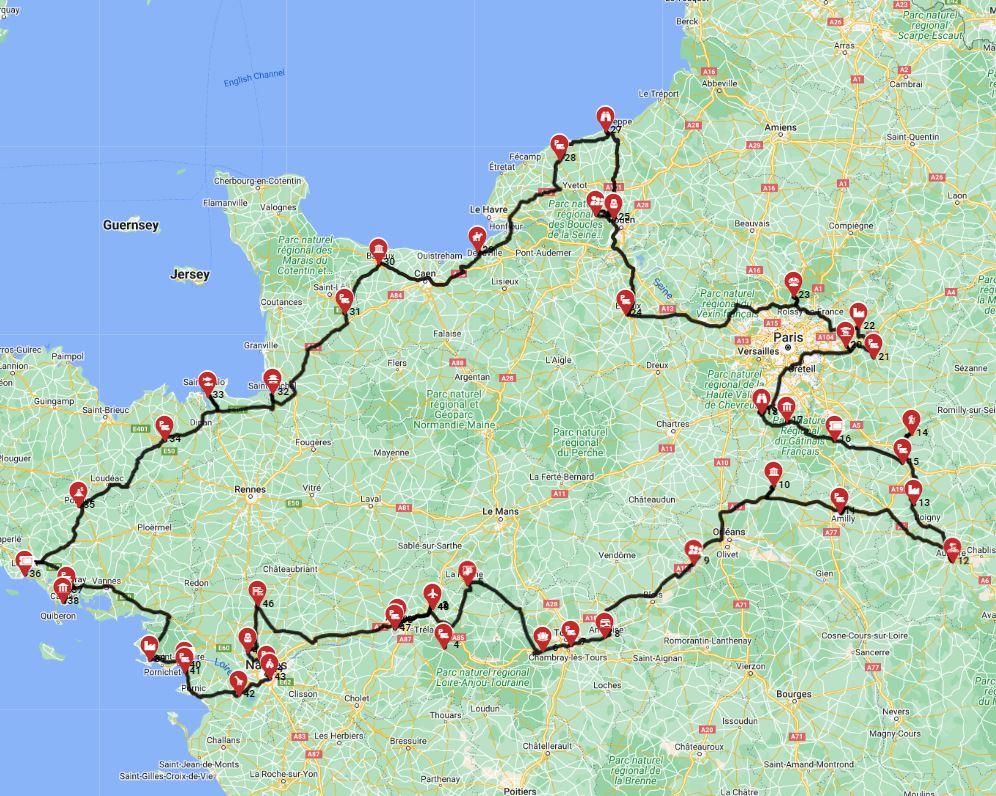
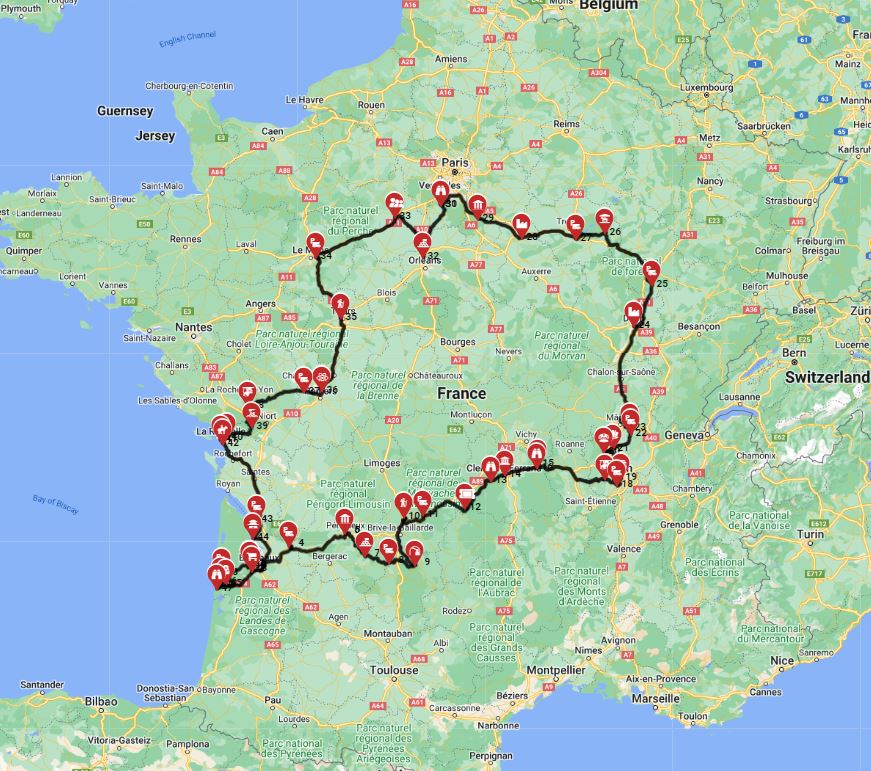
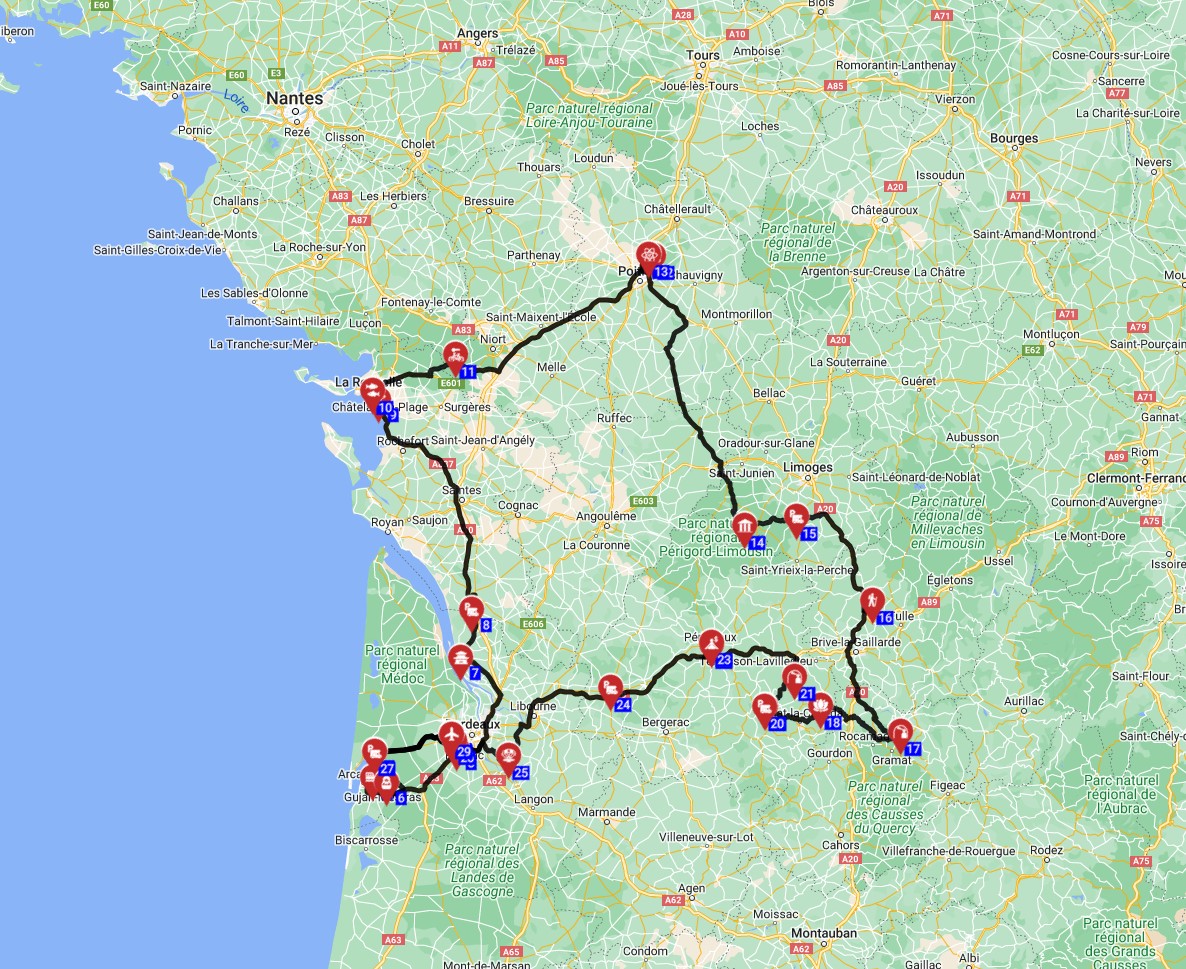
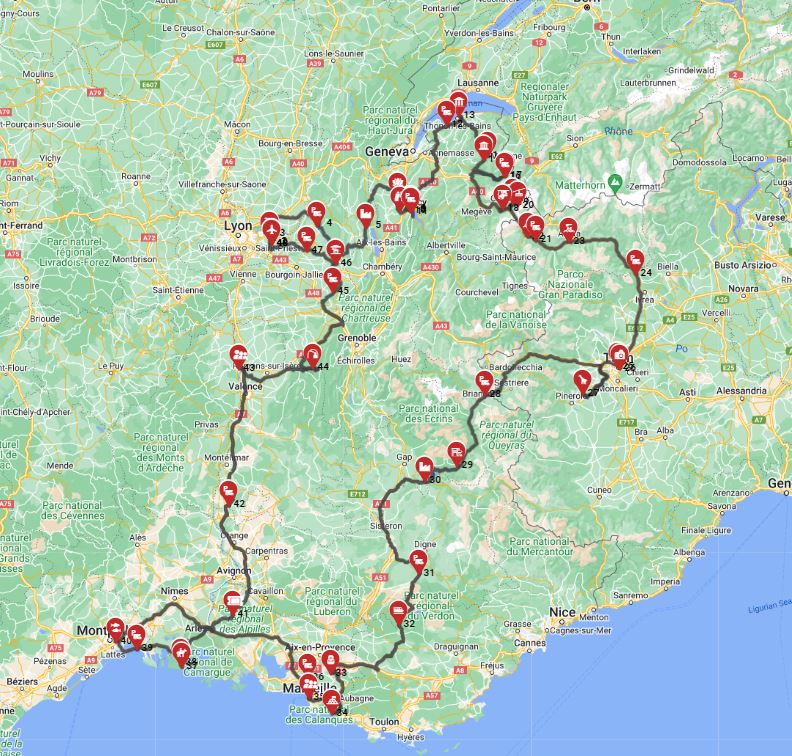
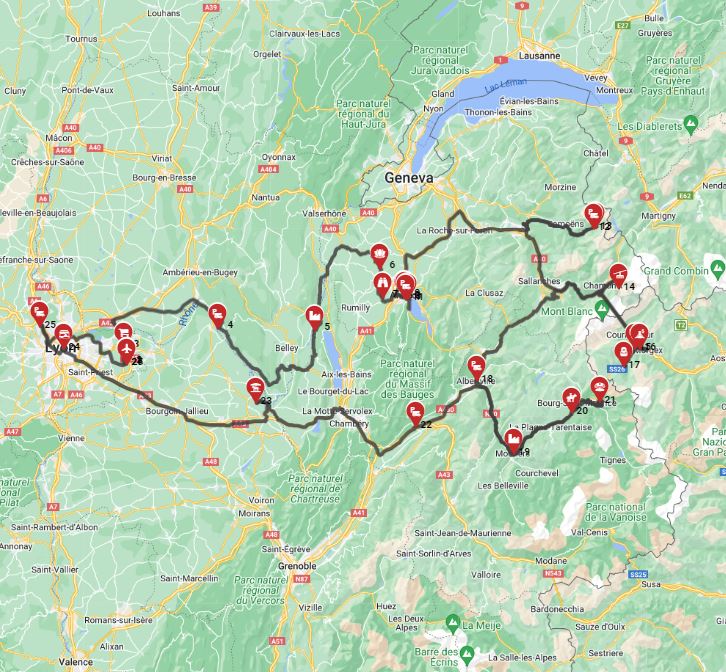
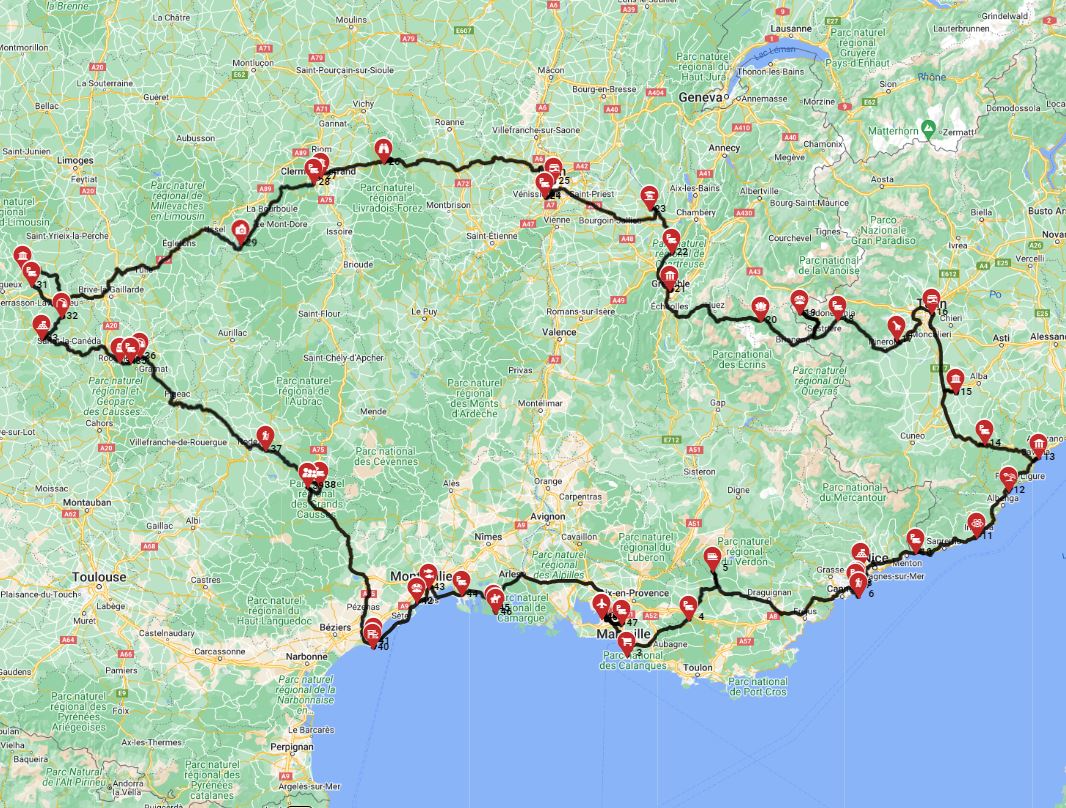
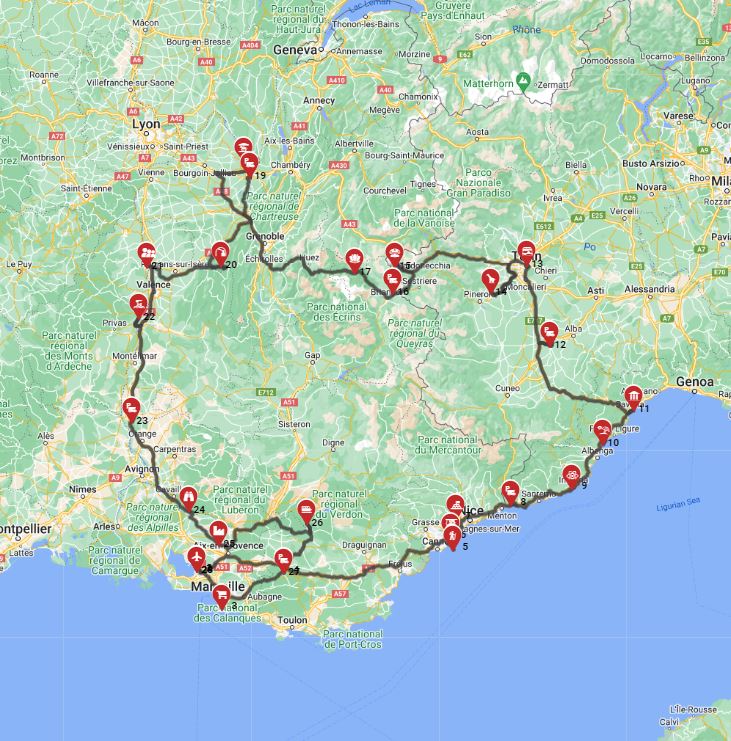
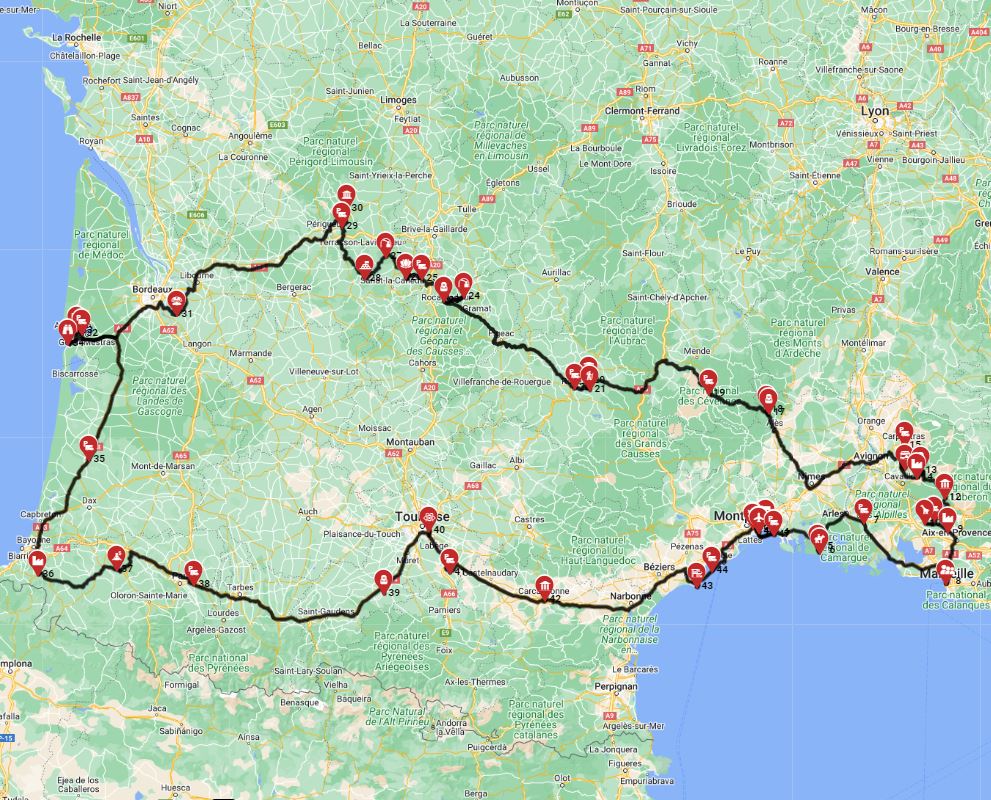
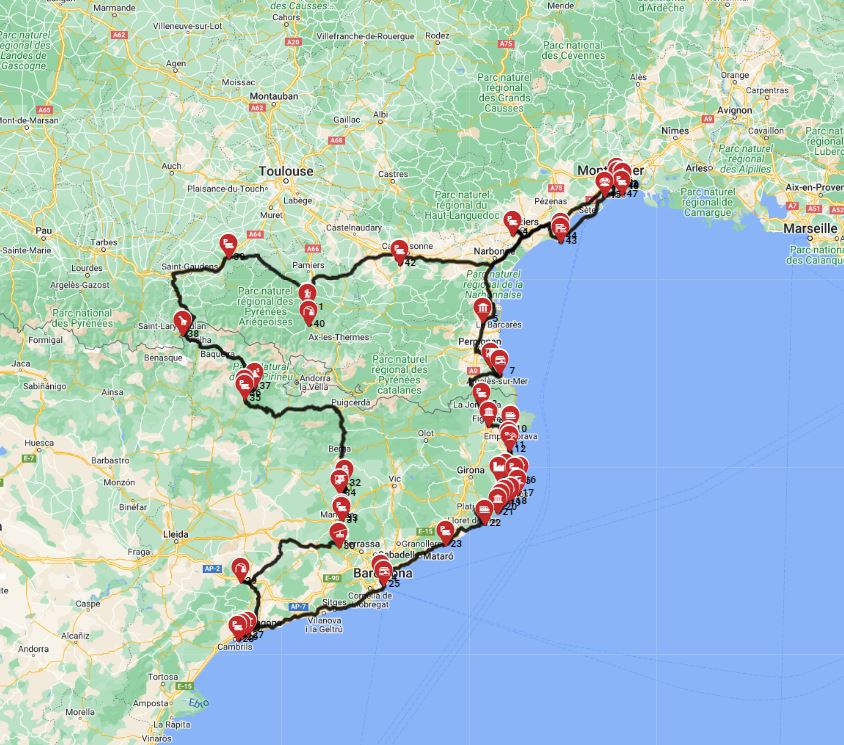
A weekend RV trip in France typically involves rental costs ranging from €150-€300 per night for the vehicle, along with additional expenses for fuel, tolls, campsites, and food, making thorough budgeting essential. Prices for rented motorhomes are dynamic, much like airline tickets, fluctuating daily based on availability, seasonality, and supplier marketing decisions. For instance, a compact Class B campervan like the "cruise america example EX-Group A" (5.99m length, 8 Liter/100 km fuel consumption) might be at the lower end, while a larger Class C such as the "Euro Deluxe" (up to 7.4m in length, sleeping 6) would command a higher rate. On the routes offered through RV PLANET routes, you can itemize and track every expense along the way for easy budgeting.
Beyond the rental, fuel expenses are a significant factor; budget for diesel, as most RVs in Europe use it. A Class B campervan might consume 8-10 Liters/100km, while a Class SI motorhome averages 10-11 Liters/100km. French 'autoroutes' (motorways) predominantly operate on a toll system ('péage'), which can add up, especially on popular routes to the south or major cities. Consider purchasing a 'Liber-t' electronic tag for smoother, faster passage through toll booths.
Campsite fees generally vary from €10-€20 for a basic municipal site to €40-€70+ for a private park with extensive amenities like pools and entertainment. Spontaneous travelers should note that many national and state parks reserve only 25-30% of their spots for advance booking, with the remainder available on a first-come, first-served basis, so calling ahead is wise. Food costs can be managed by cooking most meals in your rental RV's kitchen, which also allows you to enjoy fresh local produce from markets. Explore our RV-friendly recipes playlist for meal ideas. For planning your budget effectively and tracking every expense along the way, we highly recommend utilizing the tools and RV PLANET routes offered by our sister company, rvplan.net.
To potentially reduce costs for an extended road trip in France, consider traveling during the shoulder seasons (May-June, September-October) when rental rates are generally lower, and many RV parks offer discounted weekly or monthly rates. This approach, combined with Bandana RV's full transparency on pricing, ensures no hidden fees or surprises. Compare Motorhome Prices for France to get an accurate estimate for your chosen dates and vehicle type.
Best RV Class for Camping in France
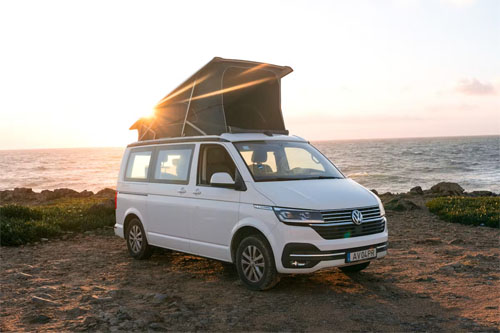
For comfortable navigation through France's diverse landscapes, from winding coastal roads to quaint village streets, compact Class B campervans or agile Class SI semi-integrated motorhomes are often the most practical choice. These smaller vehicle types, generally under 7 meters in length, provide an excellent balance of living space and maneuverability, which is crucial in European cities and scenic routes. For couples or small families, a Class B campervan like a "hire campervan example Paradise S/T" (approx. 5.6m, ideal for 2-3 adults, with 8-10 Liter/100 Km fuel efficiency) is perfect for easy parking and blending into local traffic.
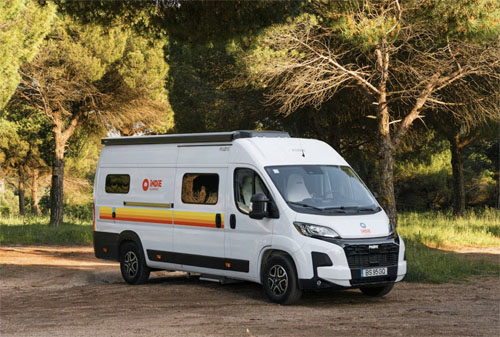
If you need a bit more space, a Class SI semi-integrated model such as a "2 Berth Rover" (around 6.9m, sleeping 3-4 adults, 10-11 Liter/100 km) offers additional comfort with separate sleeping and dining areas, plus a fully equipped kitchen and bathroom facilities. These models are still manageable for most French roads and offer better fuel economy than their larger counterparts. While larger Class C alcove motorhomes or luxurious Class A integrated RVs are available, they can be challenging on narrow country lanes and in historic town centers due to their increased length and height. However, drive slowly and carefully, and you can drive almost anywhere without issues. No need to stress - just use common sense and pay attention. When considering your ideal vehicle, think about how much space you need and how much driving you plan to do in cities versus open countryside. For families planning a longer trip, consider vehicles like a "rent rv example D1" that offers 3 double beds, ideal for 2 couples or families with 2+2 children.
Where to Camp in France - Top Options
France offers diverse RV camping experiences from the sun-drenched Côte d'Azur to the rugged Alps and picturesque Loire Valley, ensuring a perfect spot for every traveler. Your choice depends on your desired itinerary and preferences. For sun and sea, the Mediterranean coast boasts numerous resort-style campgrounds with amenities like pools and beach access, especially popular in areas like Nice and Marseille. If you dream of wandering through vineyards and sampling local wines, the regions of Bordeaux, Burgundy, and the Loire Valley offer tranquil rural sites, often with opportunities for overnight stays at vineyards via programs like France Passion.
For nature enthusiasts, the French Alps, Pyrenees, and national parks like the Cévennes provide stunning mountainous backdrops with more rustic campsites, ideal for hiking, cycling, and enjoying fresh air. History and culture buffs will appreciate sites near iconic châteaux in the Loire Valley or ancient Roman ruins in cities like Arles. Even during shorter stays, aiming to travel slowly, averaging a maximum of 100-150 km per day, allows you to truly feel the place, connect to the local culture, savor the food, and immerse yourself in the scenery.
Campground Types in France (National, Private, Wild)
In France, RVers can choose between structured private campgrounds, often well-equipped municipal sites, or limited opportunities for wild camping (bivouac), which is strictly regulated. Private campgrounds, typically rated with 3 to 5 stars, offer extensive amenities like swimming pools, restaurants, children's entertainment, and often direct beach access. These sites provide a resort-like experience but come at a higher cost, especially during peak season. You can easily find options via Bandana RV's partnerships with leading global suppliers like El Monte and Apollo, who often have deals on longer trips.
Municipal campsites, or "Camping Municipal" sites, are operated by local authorities and provide excellent value. They usually offer essential facilities like electrical hookups, fresh water, and dump stations, along with clean showers and toilets. These sites are often located conveniently near charming villages and towns, offering a more authentic local atmosphere. National park and forest campgrounds tend to be more basic, focusing on nature immersion with fewer amenities, ideal for those seeking a tranquil retreat. While wild camping is generally prohibited or heavily restricted, particularly in coastal areas, protected zones, and near major towns, it can be tolerated in very remote, privately owned areas with prior permission.
A fantastic alternative to traditional campsites or illegal wild camping is the network of "Aires de Camping-Car." These designated free or low-cost stopovers provide basic services like water and waste disposal, specifically for motorhomes, making them perfect for budget-conscious and spontaneous travelers. Booking RV Rental Europe - Complete Guide 2026 or a regional guide can help you navigate these options.
Featured RV Park or Campground in France
While specific recommendations vary by region, look for French campgrounds that offer a blend of natural beauty and essential amenities, such as those found near popular attractions or scenic routes. For example, Camping Les Criques de Porteils near Argelès-sur-Mer on the Mediterranean coast is a 5-star resort-style park boasting panoramic sea views, multiple pools, and direct access to coves. It's a fantastic option for families or couples seeking luxury and convenience with a rented motorhome like a "cruise america rv rental example Explorer", which features an 82-liter fresh water tank and a 90-liter refrigerator.
Another excellent choice is Huttopia Versailles, located just outside Paris, which offers a more natural, tranquil setting with pitches nestled among trees, providing easy access to the Palace of Versailles and city transit. These types of campgrounds prioritize cleanliness, helpful staff, and accessibility, which are key indicators of a quality experience. For finding campsites and campgrounds during your trip, we recommend using RV PLANET (rvplan.net) - a great resource for locating available spots along your route. Always check recent reviews and facility details before booking, as amenities and pricing can vary.
Hookups and Amenities - What to Expect
French campgrounds typically provide standard electrical hookups (2-pin continental plugs, 10A or 16A), fresh water access, and grey/black water dump stations, ensuring a comfortable experience for your rented RV. Electricity is generally 230V, so visitors from outside Europe will need a CEE 7/7 (Schuko/French hybrid) plug adapter and a European-standard mains cable. Fresh water taps are widely available for refilling your motorhome's tank, and clearly designated areas for grey and black water disposal (known as 'vidange' points) are standard at most sites.
On-site facilities commonly include hot showers, flush toilets, and laundry rooms, though some may operate on a coin-operated system, so it’s always good to have some €1 or €2 coins on hand. Wi-Fi is frequently offered; sometimes it's free in common areas like reception or a bar, but often comes with an additional charge for pitch-side access. For consistent connectivity throughout your journey in France, especially for a week-long trip, considering a local mobile data plan or a portable Wi-Fi device is a practical option.
Booking Windows and Reservations in France
For RV camping in France, especially during peak season (July-August) and in popular tourist areas like the Côte d'Azur or the Loire Valley, booking your campground well in advance (3-6 months) is highly recommended. Many desirable sites, particularly those with good ratings and prime locations, fill up quickly. For example, if you're planning a trip to a bustling coastal destination, securing your spot early can save you stress and ensure you get the amenities you desire.
During the shoulder seasons (May-June, September-October), you’ll find significantly more flexibility, often being able to book a few weeks or even days ahead. This period offers pleasant weather and fewer crowds, making it ideal for a more relaxed pace, adhering to our recommendation of traveling slowly, max 100-150 km per day. It’s important to remember that many national park campgrounds, while beautiful, release only 25%-30% of their spots for advance reservations; the rest are typically allocated on a first-come, first-served basis. This means spontaneous travelers still have opportunities, especially outside the busiest times.
If you prefer a day-to-day planning style, you'll still find a spot. If not at the first campground, then the next one. The key is to call ahead to check availability before driving a long distance, saving you valuable time and fuel. This flexible approach works particularly well in less-traveled regions or during off-peak times. Our Rent&Plan service can also help you organize a pre-planned route by professionals, giving you a 25% planning discount when you use rvplan.net.
Nearby Supermarkets and Resupply Points
Major supermarket chains like Carrefour, Leclerc, Auchan, and Super U are widely available across France, making resupplying your rented motorhome straightforward and convenient. These large supermarkets are typically situated on the outskirts of towns and cities, often providing ample parking spaces suitable for RVs, ensuring you can stock up easily for your extended road trip. You'll find everything from fresh produce and regional cheeses to meats, beverages, and all the pantry staples you need for cooking delicious meals in your campervan's kitchen.
Beyond the major chains, don't miss the opportunity to explore local markets (marchés) for fresh, seasonal produce, artisanal cheeses, and delectable charcuterie. These markets offer a genuine taste of French culture and are perfect for gathering ingredients for an authentic RV-friendly recipes playlist. Additionally, keep an eye out for local boulangeries (bakeries) in every town for daily fresh bread, croissants, and pastries – a quintessential French experience that elevates any breakfast or lunch on the road.
Many smaller towns will have a local 'épicerie' (grocery store) for quick necessities, although selections might be limited. Planning your resupply stops along your route helps ensure you always have what you need without extensive detours. For more detailed budgeting and route planning, consider our "Cheap RV Rental in France - Budget Guide 2026" which provides further insights into managing trip expenses.
Can I Use My RV in Paris - Urban Driving Restrictions
Driving a rented RV in central Paris and other major French cities is highly restricted due to low emission zones (Zones à Faibles Émissions - ZFEs) and limited parking, making public transport or parking on the outskirts a more practical option. A Crit'Air sticker, which indicates your vehicle's emission class, is mandatory for driving in ZFEs. Vehicles that do not meet specific emission standards, especially many older RVs, may be prohibited from entering these zones during certain hours or on particular days. The Paris ZFE, for example, is one of the strictest, so it is crucial to check the specific requirements for your RV's emission class and planned travel times to avoid heavy fines.
Finding suitable parking for a motorhome in urban areas like Paris is extremely difficult due to size restrictions, height barriers in many car parks, and the general scarcity of large parking spaces. Our recommendation for exploring cities like Paris is to park your RV at a designated campsite or a secure park-and-ride facility on the city's outskirts. From there, you can easily use France's efficient public transportation system (train, metro, bus) to explore the city center without the stress of navigating dense traffic and parking woes. For families, this strategy allows for stress-free sightseeing while keeping your RV secure. For more detailed information on RV travel in Europe, refer to our "RV Rental Europe - Complete Guide 2026" which covers general guidelines and tips.
Is it Safe to Wild Camp in France - Legality and Best Practices
While wild camping (bivouac) in France is generally prohibited or heavily restricted, especially along coastlines, in protected areas, and near major towns, it can be tolerated in remote, privately owned areas with prior permission, or by utilizing official 'Aires de Camping-Car'. The legality of wild camping varies significantly by municipality and region. It is largely illegal or subject to strict local bans in popular tourist spots, national and regional parks, Natura 2000 sites, and within 200 meters of a water source, primarily to protect natural environments and ensure public safety.
In very remote, rural areas, discreet overnight stops may sometimes be tolerated, particularly if you arrive late in the evening and depart early in the morning, leaving absolutely no trace of your presence. Always seek permission from landowners if you are on private property. The extensive network of 'Aires de Camping-Car' provides a legal, safe, and often free or low-cost alternative. These dedicated RV stopovers frequently offer basic services such as fresh water and waste dump stations, making them an ideal solution for budget-conscious and spontaneous travelers.
When considering any unofficial overnight spot, prioritize your safety. Choose well-lit areas if possible, avoid overly isolated locations, and never block access roads or private entrances. Ensure all valuables are secured out of sight. Above all, adhere strictly to 'Leave No Trace' principles: pack out all trash, dispose of grey and black water properly at designated points, and minimize your environmental impact to preserve France's beauty for future RV travelers. This ensures responsible and enjoyable RV travel across France.
How to Save on Campgrounds in France
Utilizing campground discount cards, traveling during the shoulder season, and prioritizing municipal or regional campgrounds are effective strategies to significantly reduce your overnight costs in France. Investing in camping discount cards like ACSI or CampingCard International can provide reduced rates, often up to 50%, at participating sites during off-peak and shoulder seasons (e.g., April-June and September-October). This can translate to substantial savings over a week-long trip.
Opting for municipal campgrounds ('Camping Municipal') is another smart financial move. These sites are typically more affordable than large private resort-style parks and still offer essential services like electricity (230V, 10A), water, and dump stations. Many also provide a charming, local atmosphere near villages. Additionally, planning longer stays can unlock significant savings, as many campgrounds offer discounted weekly or even monthly rates compared to nightly bookings. For those seeking truly minimal costs, the network of 'Aires de Camping-Car' offers free or very low-cost overnight parking with basic services, making them ideal for budget-conscious RVers.
By comparing different options and being flexible with your travel dates, you can find excellent deals. Bandana RV offers full transparency on rental prices with no hidden fees, helping you budget effectively for your chosen motorhome in France. For a comprehensive overview of budget-friendly travel, refer to "Cheap RV Rental in France - Budget Guide 2026".
What You Shouldn't Miss
- **The Loire Valley Châteaux:** Drive a rented motorhome along the Loire River, stopping at iconic castles like Château de Chambord and Château de Chenonceau. Many offer spacious parking for RVs and a chance to step back in time.
- **The Lavender Fields of Provence:** Experience the vibrant purple fields in full bloom from late June to early August. Park your campervan near Valensole or Sault for breathtaking photo opportunities and the intoxicating scent of lavender.
- **D-Day Landing Beaches, Normandy:** Spend a week exploring the historic sites of Normandy, including Omaha Beach, Pointe du Hoc, and the American Cemetery. Numerous campgrounds are available throughout the region, offering respectful and convenient bases.
- **Coastal Drives of Brittany:** Navigate the dramatic granite coastlines of Brittany in your motorhome, discovering charming fishing villages, ancient standing stones, and delicious seafood. The region is dotted with well-equipped campgrounds.
- **Alsace Wine Route:** Enjoy a slower pace through picturesque villages like Eguisheim and Riquewihr along the Alsace Wine Route. Many local vineyards participating in France Passion offer free overnight parking, allowing for authentic wine-tasting experiences.
- **Gorges du Verdon:** Adventure into Europe's deepest canyon, the 'Grand Canyon of France', for stunning views, kayaking, and hiking. RV-friendly roads lead to viewpoints and nearby campsites perfect for nature lovers.
Looking for expert insights from Avi Bandana? Top 5 Adventures - recommendations from Avi Bandana
Final Thoughts
Exploring France with a rented RV, even for a quick stay within a longer trip, is an experience filled with freedom, discovery, and unforgettable memories. Whether you're planning a week-long trip through historic regions or a two-week adventure along the coast, the flexibility of a motorhome allows you to immerse yourself deeply in the country's diverse beauty and rich culture. From bustling markets to tranquil mountain retreats, France welcomes RV travelers with open arms and a fantastic infrastructure of campgrounds and Aires de Camping-Car.
At Bandana RV, we're here to support you every step of the way, offering transparent pricing, expert advice, and the peace of mind you deserve. Remember to travel slowly, allowing yourself the time to truly connect with each place you visit. So, dream big, plan smart, and get ready for an incredible road trip.
Discover top destinations and planning tips all in one place! Check France RV Rental Prices Now and start your adventure.