For live availability and current prices, start with our RV Rental Canada - Complete Guide 2026 guide.
In This Guide
- Where to Camp in Canada - Top Options
- Campground Types in Canada (National, Private, Wild)
- Featured RV Park or Campground in Canada
- Hookups & Amenities - What to Expect
- Booking Windows & Reservations in Canada
- Nearby Supermarkets & Resupply Points
- Best RV Class for Camping in Canada
- How to Save on Campgrounds in Canada
- How Much Does a Weekend RV Rental Cost in Canada
- What Documents Do I Need to Rent an RV and Cross the Border into Canada
- What Are the Best Weekend RV Itineraries in Canada
- What is Cell Service and Internet Coverage Like for RVs in Canada
- How to Stay Safe from Wildlife During RV Camping in Canada
- What are the Rules for Boondocking and Wild Camping in Canada
- Are There Food and Drink Restrictions for RV Travel into Canada
- What are Specific Driving Rules and Vehicle Requirements for RVs in Canada
- How to Handle Emergencies During a Weekend RV Trip in Canada
Imagine yourself waking up to the fresh scent of pine, surrounded by majestic mountains or the gentle lapping of lake waters, all from the comfort of your rented motorhome in Canada. While Bandana RV specializes in week-long trips and extended road trips, a quick RV stay in Canada is still a fantastic way to experience a taste of this incredible country's natural beauty and vibrant culture. Whether you're a seasoned RVer or embarking on your very first adventure, Canada offers boundless opportunities for exploration, even for a short escape. For live availability and current prices, start with our RV Rental Canada - Complete Guide 2024 guide, which provides extensive resources for planning any length of trip.
Where to Camp in Canada - Top Options
Canada offers diverse RV camping experiences, from bustling national parks to tranquil provincial sites and remote wilderness areas. For a quick RV stay in Canada, consider regions like the Okanagan Valley in British Columbia, known for its vineyards and lake activities, perfect for a 2-3 day escape. In Central Canada, Muskoka in Ontario provides charming cottage country and numerous lakes, ideal for relaxed short stays. Meanwhile, Quebec's Eastern Townships offer scenic routes and charming villages, just a short drive from major cities like Montreal.
For iconic mountain views and world-class hiking, destinations such as Banff National Park in Alberta are immensely popular, though planning is essential. Pacific Rim National Park Reserve on Vancouver Island, British Columbia, provides unparalleled coastal adventures, while Gros Morne National Park in Newfoundland offers dramatic fjords and unique geological formations, perfect for a longer adventure once you've had a taste of RVing. When no specific RV parks are named, it is wise to research provincial park campgrounds or private resorts near your chosen Canadian destination to ensure availability and amenities for your motorhome.
Campground Types in Canada (National, Private, Wild)
RV camping in Canada typically involves National Parks, Provincial Parks, private campgrounds, and sometimes 'wild camping' or boondocking, each offering distinct experiences for your motorhome rental. National Parks and Provincial Parks showcase Canada's most stunning natural landscapes, often providing amenities ranging from basic facilities (pit toilets, no hookups) to full-service sites (electric, water, sewer hookups), which require advance reservations, especially during the peak summer months of June to September.
Private Campgrounds and RV Resorts across Canada generally offer a broader array of amenities, including pools, Wi-Fi, laundry facilities, and full hookups, at a slightly higher price point. These are often excellent choices for a comfortable and convenient quick stay in your rented campervan, providing a more resort-like atmosphere. Wild Camping, also known as boondocking, on Crown Land is legal and tolerated in many less populated parts of Canada, particularly in provinces like Alberta and British Columbia. However, this option requires thorough research into specific provincial regulations, adherence to 'leave no trace' principles, and means you will be without amenities. Boondocking is generally not permitted in National or Provincial Parks outside of designated campsites. Always verify local regulations for boondocking, as rules vary significantly by province and municipality, and ensure you are not on private property without permission.
Featured RV Park or Campground in Canada
While a specific featured RV park is not universally applicable across Canada's vast landscapes, selecting the right campground for your quick RV rental in Canada involves looking for features that align with your travel style. A top-tier RV park typically offers essential amenities such as full hookups (electricity, water, sewer), which are crucial for a comfortable stay in any rented motorhome. You can also expect clean washrooms, hot showers (sometimes coin-operated), reliable Wi-Fi access, and recreational facilities like playgrounds, pools, or direct lake access.
For a serene quick RV stay, prioritize campgrounds with spacious, private sites and natural settings, allowing you to immerse yourself in Canada's stunning environment. For families, look for parks that offer organized activities, playgrounds, and amenities specifically designed for children. Before finalizing your booking, always check recent traveler reviews and campground maps to understand site sizes, the proximity to amenities, and the overall atmosphere. This ensures that your chosen RV rental spot meets your expectations for a seamless and enjoyable short trip. For deeper insights into managing your budget and finding the best options, our guide RV Rental in Canada - Prices and Best Deals 2024 offers comprehensive pricing information.
Hookups & Amenities - What to Expect
Canadian campgrounds generally offer a range of hookup options and amenities, which are critical for a comfortable RV weekend or longer stay. Most RV sites provide electric hookups, typically offering 15, 30, or 50 amp service, requiring a standard North American plug for your rented motorhome. Water hookups, usually a standard garden hose connection, and sewer hookups for direct waste disposal are also commonly available at serviced sites. When preparing meals in your RV's kitchen, having these amenities makes cooking a breeze. For inspiration on what to cook, check out our RV-friendly recipes playlist.
Common communal amenities at RV parks and campgrounds include convenient dump stations for black and grey water tanks, potable water fill-up points, and clean washrooms with flush toilets and hot showers, although some older or more rustic sites might have coin-operated showers. Laundry facilities are also frequently found, which is a great convenience for extended road trips. Wi-Fi availability, however, varies widely; some campgrounds offer free basic Wi-Fi, while others charge for premium access or have limited service, especially in remote areas. It is always advisable to confirm specific hookup types and available amenities directly with the campground prior to your arrival to ensure your rented campervan is fully accommodated. On the routes offered through RV PLANET routes, you can itemize and track every expense along the way for easy budgeting.
Booking Windows & Reservations in Canada
For any RV rental in Canada, planning ahead for campground reservations is crucial, especially if you're traveling during the peak season from June to September. Many popular National and Provincial Park campgrounds open reservations several months in advance, often booking out within minutes or hours for prime weekend dates. This makes securing a specific spot challenging for spontaneous travelers. However, many campgrounds, including those in National Parks, wisely reserve 25%-30% of their sites for first-come, first-served arrivals, providing flexible options for last-minute trips in your rented motorhome.
If your first choice campground is full, don't despair; you will almost certainly find a place. If not at your initial preferred location, then often at the next available provincial, municipal, or private park nearby. The key to successful spontaneous quick stays or longer trips is to always call ahead to check availability before driving to a campground to avoid disappointment and ensure your rented RV has a spot. Understanding these dynamics can greatly reduce stress and help you secure the perfect camping spot. For detailed advice on navigating last-minute options, consult our "Last-Minute RV Rental in Canada - What to Expect 2024" guide.
Nearby Supermarkets & Resupply Points
During a quick RV trip in Canada, convenient access to supermarkets and resupply points is essential for stocking up on food, drinks, and other necessities for your rented motorhome. Major grocery chains like Loblaws (which includes brands such as Real Canadian Superstore and Zehrs), Sobeys, Metro, and Walmart Supercentre are widely available across populated Canadian regions and are excellent for comprehensive provisioning. You’ll find fresh produce, meats, and all your kitchen staples to keep your refrigerator stocked for any meal.
For more remote destinations, particularly in less populated provinces, smaller local grocery stores or general stores might be your only option. In these areas, it’s a good strategy to plan to stock up in larger towns before venturing off the main routes. Bringing a cooler for additional cold storage can also be helpful, especially if you plan to explore areas with limited amenities. Always check store hours in smaller communities, as they may differ significantly from urban centers. For travelers leveraging RV PLANET routes, you can itemize and track every expense along the way, including groceries, making budgeting for your trip simple and transparent.
Best RV Class for Camping in Canada
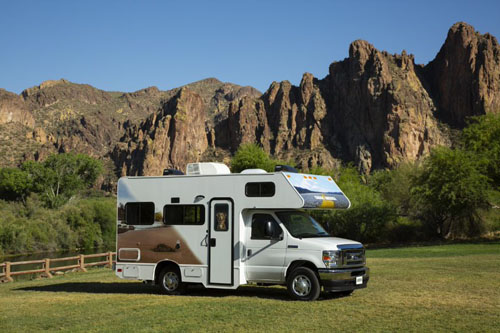
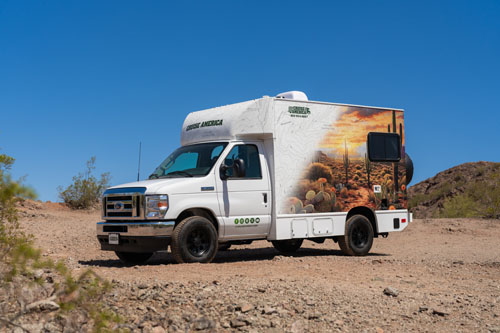
For a quick RV rental in Canada, the best RV class depends on your group size, comfort preferences, and desired camping style, whether you prefer boondocking or full hookups. Class B Camper Vans, like the "V3" model (6.36 meters long, sleeps 2 people) or the "cruise america example EX-Group A" (5.99 meters long, sleeps 2, 8 L/100km fuel consumption), are excellent for maneuverability, fitting into smaller campsites (including many Provincial Park sites), and are often more fuel-efficient. These compact campervans are ideal for couples or small families seeking flexibility and ease of driving. Our Bandana fleet includes Class B camper vans that average a length of 5.8 meters and comfortably sleep 3.2 people, with an average load capacity of 37 kg.
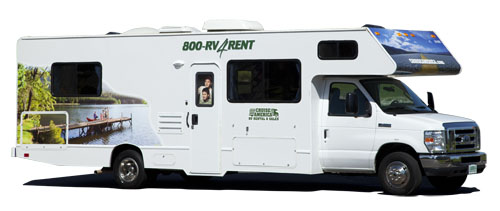
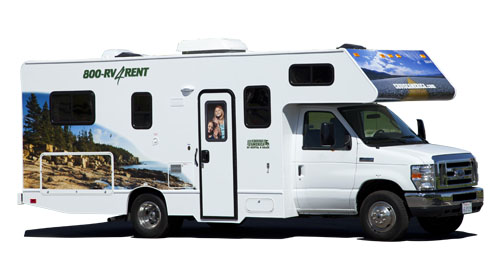
Class C Alcove RVs, such as the "cruise america rv rental example Explorer" (7.1 meters long, sleeps 4, 11 L/100km fuel consumption) or the "24' Class C Motorhome" (7.46 meters long, sleeps 5), provide more living space and sleeping capacity, making them suitable for families or groups looking for more comfort. These models offer a good balance between size and amenities for traditional campground stays, typically averaging 7.5 meters in length and sleeping 5.8 people, with an average load capacity of 42.4 kg. While larger Class A motorhomes offer considerable luxury and space, their size can limit access to certain smaller campgrounds or remote areas, especially for a quick trip where maneuverability is key. Remember, you can drive slowly and carefully, and you can drive almost anywhere without issues. No need to stress - just use common sense and pay attention, regardless of the motorhome size you choose.
How to Save on Campgrounds in Canada
Saving money on campgrounds during a quick RV rental trip in Canada is achievable with strategic planning and by leveraging available discounts. One of the best saving levers is to inquire about campground discount cards or memberships, which can offer significant savings on nightly rates; often, your RV rental provider may offer information on these, or you can join general camping clubs. Booking your rental and campsites during the shoulder season (late spring or early fall) instead of the peak summer months of July and August can result in significantly lower rates and fewer crowds, enhancing your experience. For more detailed pricing insights, refer to "Cheap RV Rental in Canada - Budget Guide 2024".
Opt for municipal or regional campgrounds over private RV resorts, as they often provide comparable essential amenities at a lower price point for your rented campervan. Many provincial parks also offer more budget-friendly rates. Some campgrounds feature weekly rates that can be more economical if your "weekend" trip extends to three or more nights, so always inquire about extended stay discounts. Consider sharing hookups in group campsites if traveling with another RV, though this is less common for standard short-term rentals. Utilizing tools like RV PLANET (rvplan.net) to plan your trip allows you to track and manage all potential campground expenses, ensuring full transparency in your budget.
How Much Does a Weekend RV Rental Cost in Canada
The cost of a quick RV rental in Canada varies significantly, as prices are dynamic and change daily based on factors like RV class, rental duration (e.g., 2-3 nights), season, pickup location, and supplier marketing decisions. A comprehensive budget for a weekend RV trip should include the rental fee, estimated fuel costs, campground fees, food, and potential activity expenses, ensuring full price transparency. Rental fees for a weekend can range from CAD $250 to $800+, with smaller Class B campervans like the "Van - Economy" (starting from CAD $26/day, but typically higher for short rentals) or "Juliette 2-3" usually at the lower end, and larger Class C or Class A motorhomes costing more.
Fuel costs are a major factor for any motorhome adventure. For example, our Class B camper vans typically consume 8-10 Liters/100 km, while Class C alcove RVs, like the "SVC" (25 Liters/100km fuel consumption) or "C-30" (23 Liters/100km fuel consumption), consume 10-12 Liters/100 km on average. Plan your route to estimate total fuel expenses based on current gas prices, which can fluctuate. Campground fees range from CAD $25-$70 per night for serviced sites in National/Provincial Parks or private campgrounds. While boondocking can be free, it is less common for a first-time quick RV rental. Allocate funds for groceries, dining out, and entrance fees for parks or attractions to get a complete picture of your weekend expenses. For the latest offers, be sure to check "RV Rental Deals in Canada - Latest Offers 2024".
What Documents Do I Need to Rent an RV and Cross the Border into Canada
To rent an RV and potentially cross the border into Canada, travelers will require specific documentation for themselves, the vehicle, and any accompanying pets, ensuring a smooth process. For the rental itself, you will need a valid driver's license from your home country (a standard car driver's license is sufficient for all motorhome classes), a major credit card for the security deposit, and often proof of insurance, which the rental company typically provides. An International Driving Permit (IDP) is recommended for visitors from non-English or non-French speaking countries, but it is not mandatory in most cases.
For border crossing, especially if entering from the US, Canadian citizens need a valid passport, NEXUS card, or enhanced driver's license, while US citizens also need a valid passport, NEXUS card, or enhanced driver's license. Vehicle documentation required at the border includes the RV's registration, proof of insurance (usually from the rental company), and a letter of authorization from the RV rental company permitting you to take the vehicle across the border. If traveling with pets, dogs and cats require proof of rabies vaccination via a vet certificate, and may need additional health certificates depending on their origin; consult the Canadian Food Inspection Agency (CFIA) for specific, up-to-date requirements. Be prepared for questions about your purpose of visit, length of stay, and items you are bringing into Canada; typical wait times vary by crossing and time of day, ranging from minutes to several hours during peak periods. Have all documentation readily accessible and be transparent with border officials to ensure a smooth entry. For broader travel information, our "RV Rental USA - Complete Guide 2024" can provide context for North American RV adventures.
What Are the Best Weekend RV Itineraries in Canada
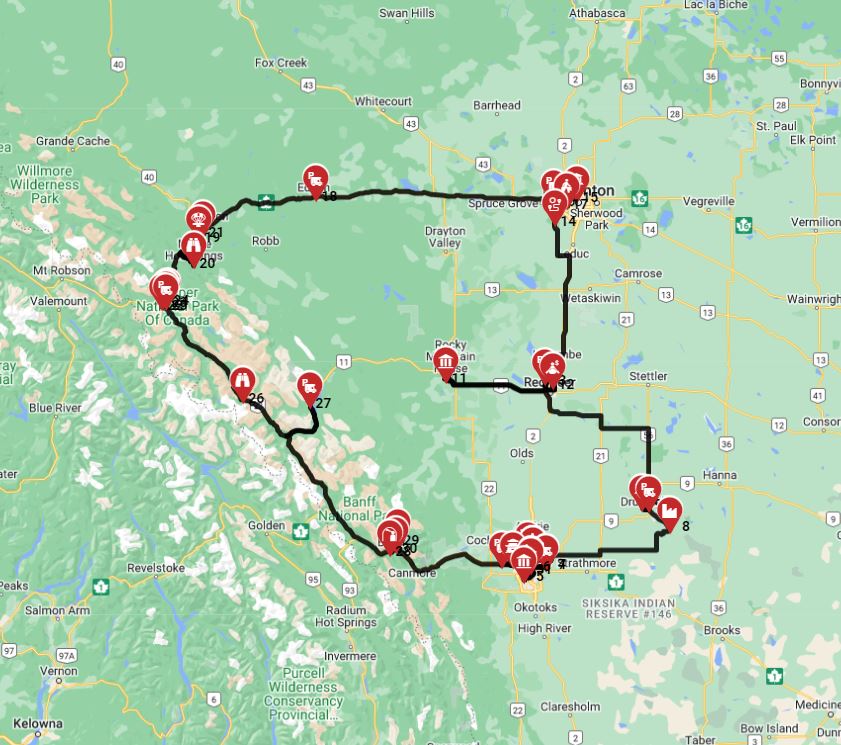
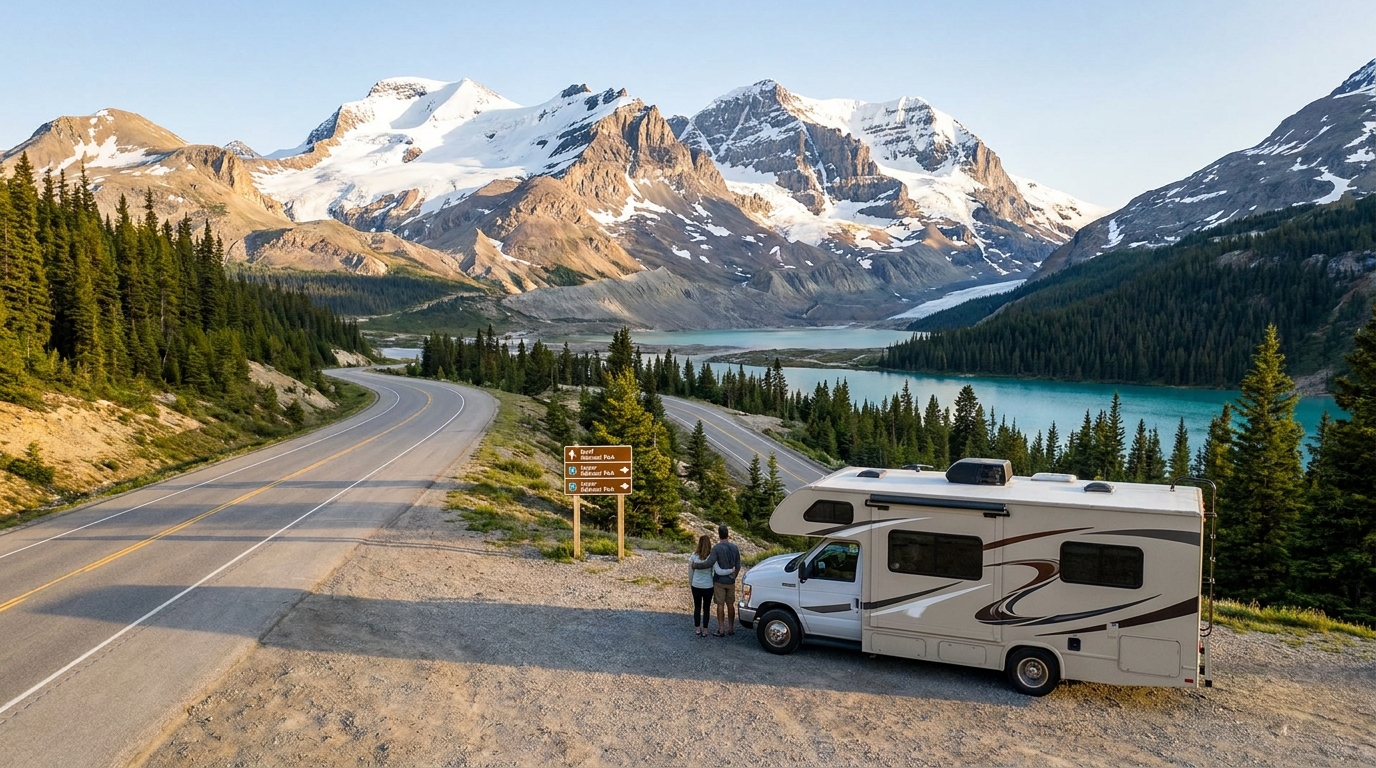
The best quick RV itineraries in Canada often focus on specific regions, allowing for a balanced blend of scenic drives, outdoor activities, and local exploration. To truly feel a place, connect to its culture, food, and scenery, we recommend slow travel, averaging a maximum of 100-150 km per day. For a taste of the Canadian Rockies, a quick RV trip can involve exploring iconic spots like Lake Louise and Moraine Lake, using Banff or Canmore in Alberta as a base. Imagine waking up to those stunning views!
For coastal beauty, a segment of the Vancouver Island route in British Columbia offers charming towns and natural wonders, easily explored over a few days. Consider heading to Tofino for its beaches, though this would require more than a "weekend." In Ontario, a short drive to Muskoka provides access to beautiful lakes and quaint towns, ideal for a relaxed escape. Quebec's Eastern Townships offer picturesque villages and vineyards for a taste of European charm closer to home. While these are great for short introductions, to fully immerse yourself in the vastness of Canada, consider extending your journey. For instance, the "
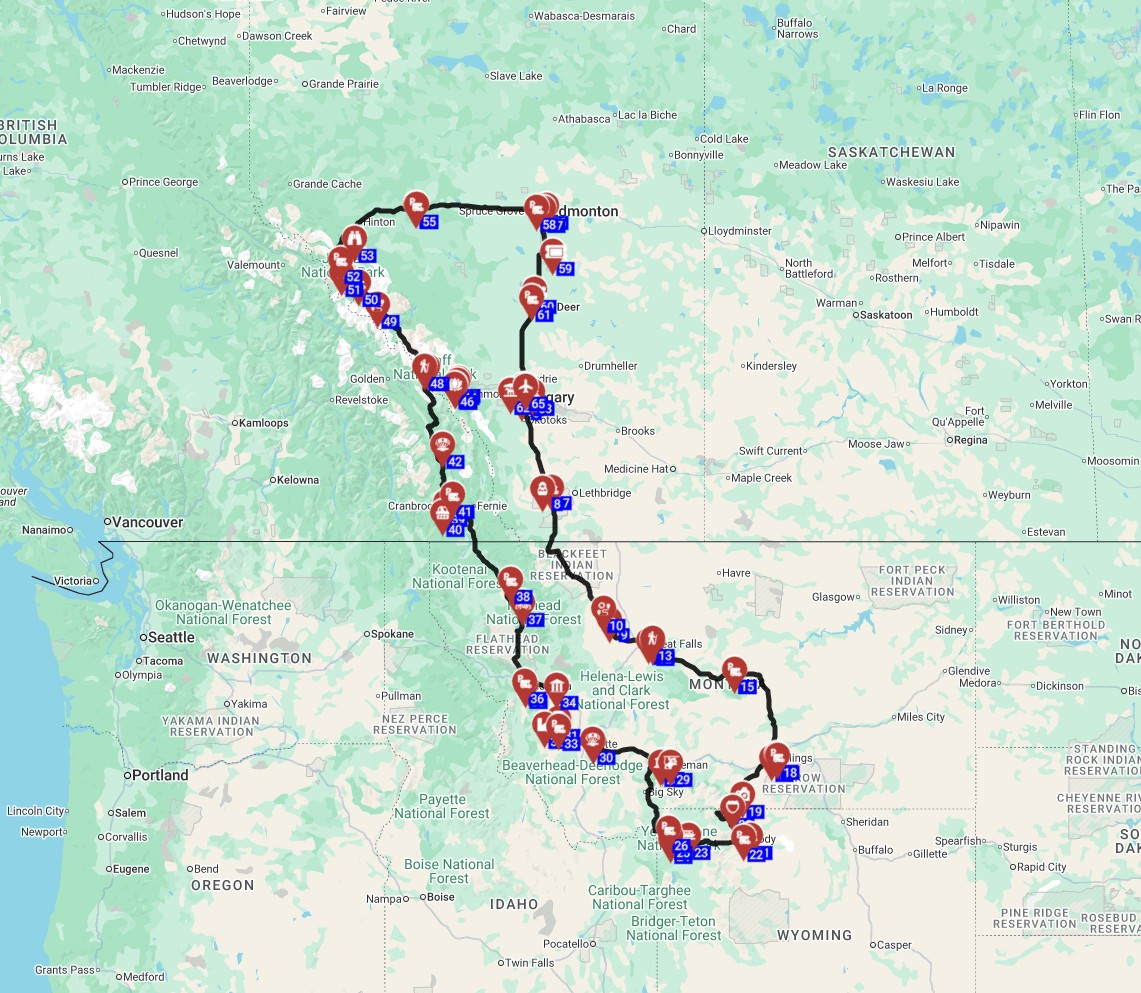
For even more extensive exploration, the "Halifax to Whitehorse - Exploring Canada’s Heartland in a Motorhome" itinerary is a remarkable 37-day, 9199.1 km journey that offers a deep dive into Canada's diverse landscapes, including 1 Amusement Park, 1 Animals Show / Wildlife watch, 1 Aquarium, 3 Art Gallery, 2 Beach, 1 Bike Rental, 1 Botanical garden, 1 Cable Railway, 1 Canoe / Kayak / Rafting, 2 cave, 1 Cruise Terminal / Sailing, 2 Day Tour, 1 Extreme Activity, 1 Family Activity, 1 Heritage site, 4 hiking areas, 3 Historical Sites, 1 Horseback Riding, 2 Local Industry, 6 Museum, 4 Natural Features, 2 Park, 2 Picnic Area, 5 Points Of Interest, 1 Scenic Route, 2 Science Sites, 1 Swimming spot, 1 Tourist Attraction, 2 Traditional Markets, 3 Traditional Restaurants / Fine Dining, 4 Traditional Visits, and 2 Zoos.
Another excellent option is the "

What is Cell Service and Internet Coverage Like for RVs in Canada
Cell service and internet coverage for rented RVs in Canada can be excellent in urban centers and along major highways, but it becomes significantly spotty or non-existent in remote areas and national parks. Major Canadian carriers like Bell, Telus, and Rogers offer the most extensive coverage, but even their networks have gaps in Canada's vast wilderness. Travelers relying on consistent connectivity for work or communication should be prepared for these potential service interruptions.
For staying connected during your quick RV trip, consider investing in a portable Wi-Fi hotspot or a cellular booster, which can enhance signal strength in fringe areas. For truly remote adventures, satellite internet solutions offer reliable coverage, though they come with a higher cost. Many private campgrounds offer Wi-Fi, but its quality and speed can vary, and National/Provincial Parks often have very limited or no Wi-Fi at individual campsites, although it might be available at visitor centers. It is always wise to download offline maps, music, and entertainment before heading to remote areas, and inform someone of your itinerary, as cell service can be unreliable for emergencies in unserviced regions.
How to Stay Safe from Wildlife During RV Camping in Canada
Staying safe from wildlife during RV camping in Canada, particularly in areas with bears, moose, and coyotes, requires awareness and strict adherence to 'bear-smart' principles. It is paramount to never leave food, garbage, or any scented items (like toiletries or pet food) unattended outside your rented RV; always store them inside a locked vehicle or in designated bear-proof containers. This practice prevents attracting wildlife to your campsite.
Prompt and proper waste disposal is crucial; use bear-proof garbage bins whenever available, and never burn food scraps in fire pits, as this can attract animals. If you encounter wildlife, especially large animals like bears or moose, maintain a safe distance and never approach, feed, or harass them. Make noise while hiking to avoid surprising animals, which can lead to defensive reactions. Carrying bear spray and knowing how to use it is recommended, particularly when hiking in bear country. Educate yourself on appropriate responses for different animal encounters, distinguishing between defensive and predatory bear behavior. Always research the specific wildlife common to your chosen camping area and follow all park-specific regulations and warnings regarding wildlife for a safe RV experience.
What are the Rules for Boondocking and Wild Camping in Canada
The rules for boondocking and wild camping in Canada largely depend on the specific province and land ownership, generally being permitted on Crown Land but strictly regulated elsewhere. Most provinces permit wild camping on unpatented Crown Land for up to 21 days in one location, provided you adhere to 'leave no trace' principles and are not near designated parks or private property. This offers incredible freedom for adventurous RV renters.
However, boondocking or wild camping is generally prohibited within National and Provincial Parks outside of designated campgrounds or specific backcountry permits, which are not suitable for RVs. On private property and within many municipalities, it is strictly forbidden to boondock without explicit permission, and bylaws often prohibit overnight RV parking in public spaces like parking lots. Always research the specific regulations for the province and region you plan to visit, as rules can vary widely. Apps and websites dedicated to boondocking locations can be helpful resources. When boondocking in your rented motorhome, ensure your RV is fully self-contained, practice responsible waste management by carrying out all garbage, and be prepared to operate without services like water, sewer, or electricity.
Are There Food and Drink Restrictions for RV Travel into Canada
Yes, there are specific food and drink restrictions when crossing the border into Canada with an RV, primarily aimed at preventing the introduction of pests and diseases. Restricted items often include raw meat, certain dairy products, fresh fruits and vegetables (especially potatoes), homemade food items, and firewood. It is always best to leave these at home or consume them before crossing. Always declare all food, plant, and animal products to the Canada Border Services Agency (CBSA) officers upon entry; failure to declare can result in significant fines and the seizure of goods.
Regarding alcohol and cannabis, visitors can bring a limited quantity for personal use, provided they are of legal age in the province of entry. For example, typical allowances are 1.5 liters of wine, 1.14 liters of spirits, or 24 cans/bottles of beer. Cannabis is legal for recreational use in Canada, but strict limits apply to quantities for personal possession (up to 30 grams). It is highly recommended to consult the CBSA website or the `ArriveCAN` app for the most up-to-date and comprehensive list of restricted and permissible items before your trip. To avoid any potential issues, consider buying most of your groceries once you have crossed into Canada. Stocking your RV kitchen with fresh ingredients after entering the country ensures compliance and helps support local businesses.
What are Specific Driving Rules and Vehicle Requirements for RVs in Canada
Driving a rented RV in Canada involves adhering to standard Canadian road rules, but also being aware of specific vehicle requirements and provincial variations. Drivers must always drive on the right side of the road, wear seatbelts, obey posted speed limits (which are always in kilometers per hour, km/h), and avoid distracted driving, such as using a cell phone. Drive slowly and carefully, and you can drive almost anywhere without issues. No need to stress - just use common sense and pay attention.
Provincial variations are important: some provinces, like British Columbia and Quebec, have specific winter tire regulations during certain months (typically October to April); ensure your rental RV is equipped accordingly if traveling in these seasons. While no overarching maximum RV length or weight restrictions exist across all of Canada, some smaller roads, ferry routes, or national park campgrounds may have length limits, so always check ahead if planning to drive a larger RV or motorhome. Be prepared for varying road conditions, from well-maintained highways to gravel roads in more remote areas; adjust your speed and driving style for the vehicle's size and the terrain. Ensure all necessary safety equipment is on board, including a basic emergency kit, and be aware that a standard car driver's license is sufficient for all motorhome classes; no special license, CDL, or additional permits are required for any rental motorhome.
How to Handle Emergencies During a Weekend RV Trip in Canada
Handling emergencies during a quick RV trip in Canada requires preparation for various scenarios, including vehicle breakdowns, medical incidents, or severe weather. For vehicle breakdowns, ensure your RV rental includes roadside assistance; have the contact number readily available. It's also wise to carry a basic toolkit and tire pressure gauge, and know how to change a tire, though the rental company's roadside assistance is your primary resource.
In medical emergencies, always carry a well-stocked first-aid kit. For serious situations, immediately call 911, which is Canada's universal emergency number for police, fire, or ambulance. For severe weather, check local forecasts regularly. In case of heavy snow, floods, or wildfires, follow local advisories, seek immediate shelter, or be prepared to alter your travel plans and evacuate if advised. When traveling through remote areas with no cell service, consider renting a satellite phone or a personal locator beacon (PLB) for emergencies, and always inform someone of your itinerary and expected return time. Additionally, carry extra water, food, blankets, and keep a full tank of fuel, especially when venturing into less-serviced regions, to ensure you're prepared for unexpected delays.
What You Shouldn't Miss
Canada offers an abundance of unforgettable experiences that are perfect for a short RV adventure or inspire a longer exploration. Here are some recommendations to get you started:
- Explore Banff National Park: Even for a quick stay, the stunning turquoise lakes like Lake Louise and Moraine Lake are a must-see. Drive the scenic Icefields Parkway for incredible mountain vistas.
- Winery Tour in Okanagan Valley, BC: Park your rented motorhome at a nearby campground and enjoy tasting some of Canada's finest wines, with beautiful lake views.
- Ferry to Vancouver Island: Experience the vibrant city of Victoria or head to the rugged west coast for a taste of the Pacific Rim National Park Reserve (though a full exploration warrants more than a weekend).
- Historic Charm of Quebec City: Immerse yourself in the unique European atmosphere of North America's only fortified city. Park your campervan outside the city walls and explore on foot.
- Muskoka's Cottage Country, Ontario: Enjoy the serene lakes, charming towns, and lush forests. Perfect for a relaxing escape with plenty of provincial parks offering RV camping spots.
Looking for expert insights from Avi Bandana? Top 5 Adventures - recommendations from Avi Bandana.
Final Thoughts
A quick RV rental in Canada offers an enticing glimpse into the vast natural beauty and diverse experiences this country holds. Whether you dream of rugged mountains, serene lakes, or charming historic towns, a motorhome provides the freedom and comfort to explore at your own pace. Remember, even a short trip can be incredibly rewarding, offering a taste of the RV life that might just inspire a longer, more immersive journey next time.
At Bandana RV, we are dedicated to making your travel seamless and enjoyable, from your first inquiry to the moment your trip is complete. We stand by our commitment to full transparency, offering 24/7 support for pre-booking, booking, and post-booking coordination, and ensuring you travel with peace of mind. So, take the leap and discover the magic of Canadian landscapes from the unique vantage point of your own rented home on wheels. Travel slowly, take time to feel the place, connect to the culture, the food, and the scenery.
Ready to plan your unforgettable Canadian adventure? Discover top destinations, planning tips, all in one place! Compare Motorhome Prices for Canada
In This Guide
- Where to Camp in Canada - Top Options
- Campground Types in Canada (National, Private, Wild)
- Featured RV Park or Campground in Canada
- Hookups & Amenities - What to Expect
- Booking Windows & Reservations in Canada
- Nearby Supermarkets & Resupply Points
- Best RV Class for Camping in Canada
- How to Save on Campgrounds in Canada
- How Much Does a Weekend RV Rental Cost in Canada
- What Documents Do I Need to Rent an RV and Cross the Border into Canada
- What Are the Best Weekend RV Itineraries in Canada
- What is Cell Service and Internet Coverage Like for RVs in Canada
- How to Stay Safe from Wildlife During RV Camping in Canada
- What are the Rules for Boondocking and Wild Camping in Canada
- Are There Food and Drink Restrictions for RV Travel into Canada
- What are Specific Driving Rules and Vehicle Requirements for RVs in Canada
- How to Handle Emergencies During a Weekend RV Trip in Canada
Imagine yourself waking up to the fresh scent of pine, surrounded by majestic mountains or the gentle lapping of lake waters, all from the comfort of your rented motorhome in Canada. While Bandana RV specializes in week-long trips and extended road trips, a quick RV stay in Canada is still a fantastic way to experience a taste of this incredible country's natural beauty and vibrant culture. Whether you're a seasoned RVer or embarking on your very first adventure, Canada offers boundless opportunities for exploration, even for a short escape. For live availability and current prices, start with our RV Rental Canada - Complete Guide 2024 guide, which provides extensive resources for planning any length of trip.
Where to Camp in Canada - Top Options
Canada offers diverse RV camping experiences, from bustling national parks to tranquil provincial sites and remote wilderness areas. For a quick RV stay in Canada, consider regions like the Okanagan Valley in British Columbia, known for its vineyards and lake activities, perfect for a 2-3 day escape. In Central Canada, Muskoka in Ontario provides charming cottage country and numerous lakes, ideal for relaxed short stays. Meanwhile, Quebec's Eastern Townships offer scenic routes and charming villages, just a short drive from major cities like Montreal.
For iconic mountain views and world-class hiking, destinations such as Banff National Park in Alberta are immensely popular, though planning is essential. Pacific Rim National Park Reserve on Vancouver Island, British Columbia, provides unparalleled coastal adventures, while Gros Morne National Park in Newfoundland offers dramatic fjords and unique geological formations, perfect for a longer adventure once you've had a taste of RVing. When no specific RV parks are named, it is wise to research provincial park campgrounds or private resorts near your chosen Canadian destination to ensure availability and amenities for your motorhome. For comprehensive budgeting advice, consult our "Cheap RV Rental in Canada - Budget Guide 2024".
Campground Types in Canada (National, Private, Wild)
RV camping in Canada typically involves National Parks, Provincial Parks, private campgrounds, and sometimes 'wild camping' or boondocking, each offering distinct experiences for your motorhome rental. National Parks and Provincial Parks showcase Canada's most stunning natural landscapes, often providing amenities ranging from basic facilities (pit toilets, no hookups) to full-service sites (electric, water, sewer hookups), which require advance reservations, especially during the peak summer months of June to September.
Private Campgrounds and RV Resorts across Canada generally offer a broader array of amenities, including pools, Wi-Fi, laundry facilities, and full hookups, at a slightly higher price point. These are often excellent choices for a comfortable and convenient quick stay in your rented campervan, providing a more resort-like atmosphere. Wild Camping, also known as boondocking, on Crown Land is legal and tolerated in many less populated parts of Canada, particularly in provinces like Alberta and British Columbia. However, this option requires thorough research into specific provincial regulations, adherence to 'leave no trace' principles, and means you will be without amenities. Boondocking is generally not permitted in National or Provincial Parks outside of designated campsites. Always verify local regulations for boondocking, as rules vary significantly by province and municipality, and ensure you are not on private property without permission.
Featured RV Park or Campground in Canada
While a specific featured RV park is not universally applicable across Canada's vast landscapes, selecting the right campground for your quick RV rental in Canada involves looking for features that align with your travel style. A top-tier RV park typically offers essential amenities such as full hookups (electricity, water, sewer), which are crucial for a comfortable stay in any rented motorhome. You can also expect clean washrooms, hot showers (sometimes coin-operated), reliable Wi-Fi access, and recreational facilities like playgrounds, pools, or direct lake access.
For a serene quick RV stay, prioritize campgrounds with spacious, private sites and natural settings, allowing you to immerse yourself in Canada's stunning environment. For families, look for parks that offer organized activities, playgrounds, and amenities specifically designed for children. Before finalizing your booking, always check recent traveler reviews and campground maps to understand site sizes, the proximity to amenities, and the overall atmosphere. This ensures that your chosen RV rental spot meets your expectations for a seamless and enjoyable short trip. For deeper insights into managing your budget and finding the best options, consult our "RV Rental in Canada - Prices and Best Deals 2024" guide.
Hookups & Amenities - What to Expect
Canadian campgrounds generally offer a range of hookup options and amenities, which are critical for a comfortable RV weekend or longer stay. Most RV sites provide electric hookups, typically offering 15, 30, or 50 amp service, requiring a standard North American plug for your rented motorhome. Water hookups, usually a standard garden hose connection, and sewer hookups for direct waste disposal are also commonly available at serviced sites. When preparing meals in your RV's kitchen, having these amenities makes cooking a breeze. For inspiration on what to cook, check out our RV-friendly recipes playlist.
Common communal amenities at RV parks and campgrounds include convenient dump stations for black and grey water tanks, potable water fill-up points, and clean washrooms with flush toilets and hot showers, although some older or more rustic sites might have coin-operated showers. Laundry facilities are also frequently found, which is a great convenience for extended road trips. Wi-Fi availability, however, varies widely; some campgrounds offer free basic Wi-Fi, while others charge for premium access or have limited service, especially in remote areas. It is always advisable to confirm specific hookup types and available amenities directly with the campground prior to your arrival to ensure your rented campervan is fully accommodated.
Booking Windows & Reservations in Canada
For any RV rental in Canada, planning ahead for campground reservations is crucial, especially if you're traveling during the peak season from June to September. Many popular National and Provincial Park campgrounds open reservations several months in advance, often booking out within minutes or hours for prime weekend dates. This makes securing a specific spot challenging for spontaneous travelers. However, many campgrounds, including those in National Parks, wisely reserve 25%-30% of their sites for first-come, first-served arrivals, providing flexible options for last-minute trips in your rented motorhome.
If your first choice campground is full, don't despair; you will almost certainly find a place. If not at your initial preferred location, then often at the next available provincial, municipal, or private park nearby. The key to successful spontaneous quick stays or longer trips is to always call ahead to check availability before driving to a campground to avoid disappointment and ensure your rented RV has a spot. Understanding these dynamics can greatly reduce stress and help you secure the perfect camping spot. For detailed advice on navigating last-minute options, consult our "Last-Minute RV Rental in Canada - What to Expect 2024" guide.
Nearby Supermarkets & Resupply Points
During a quick RV trip in Canada, convenient access to supermarkets and resupply points is essential for stocking up on food, drinks, and other necessities for your rented motorhome. Major grocery chains like Loblaws (which includes brands such as Real Canadian Superstore and Zehrs), Sobeys, Metro, and Walmart Supercentre are widely available across populated Canadian regions and are excellent for comprehensive provisioning. You’ll find fresh produce, meats, and all your kitchen staples to keep your refrigerator stocked for any meal.
For more remote destinations, particularly in less populated provinces, smaller local grocery stores or general stores might be your only option, so plan to stock up in larger towns before venturing off the main routes. Bringing a cooler for additional cold storage can also be helpful, especially if you plan to explore areas with limited amenities. Always check store hours in smaller communities, as they may differ significantly from urban centers. For travelers leveraging RV PLANET routes, you can itemize and track every expense along the way, including groceries, making budgeting for your trip simple and transparent.
Best RV Class for Camping in Canada
For a quick RV rental in Canada, the best RV class depends on your group size, comfort preferences, and desired camping style, whether you prefer boondocking or full hookups. Class B Camper Vans, like the "V3" model (6.36 meters long, sleeps 2 people) or the "cruise america example EX-Group A" (5.99 meters long, sleeps 2, 8 L/100km fuel consumption), are excellent for maneuverability, fitting into smaller campsites (including many Provincial Park sites), and are often more fuel-efficient. These compact campervans are ideal for couples or small families seeking flexibility and ease of driving. Our Bandana fleet includes Class B camper vans that average a length of 5.8 meters and comfortably sleep 3.2 people, with an average load capacity of 37 kg.
Class C Alcove RVs, such as the "cruise america rv rental example Explorer" (7.1 meters long, sleeps 4, 11 L/100km fuel consumption) or the "24' Class C Motorhome" (7.46 meters long, sleeps 5), provide more living space and sleeping capacity, making them suitable for families or groups looking for more comfort. These models offer a good balance between size and amenities for traditional campground stays, typically averaging 7.5 meters in length and sleeping 5.8 people, with an average load capacity of 42.4 kg. While larger Class A motorhomes offer considerable luxury and space, their size can limit access to certain smaller campgrounds or remote areas, especially for a quick trip where maneuverability is key. Remember, you can drive slowly and carefully, and you can drive almost anywhere without issues. No need to stress - just use common sense and pay attention, regardless of the motorhome size you choose.
How to Save on Campgrounds in Canada
Saving money on campgrounds during a quick RV rental trip in Canada is achievable with strategic planning and by leveraging available discounts. One of the best saving levers is to inquire about campground discount cards or memberships, which can offer significant savings on nightly rates; often, your RV rental provider may offer information on these, or you can join general camping clubs. Booking your rental and campsites during the shoulder season (late spring or early fall) instead of the peak summer months of July and August can result in significantly lower rates and fewer crowds, enhancing your experience. For more detailed pricing insights, consult our "Cheap RV Rental in Canada - Budget Guide 2024".
Opt for municipal or regional campgrounds over private RV resorts, as they often provide comparable essential amenities at a lower price point for your rented campervan. Many provincial parks also offer more budget-friendly rates. Some campgrounds feature weekly rates that can be more economical if your "weekend" trip extends to three or more nights, so always inquire about extended stay discounts. Consider sharing hookups in group campsites if traveling with another RV, though this is less common for standard short-term rentals. Utilizing tools like RV PLANET (rvplan.net) to plan your trip allows you to track and manage all potential campground expenses, ensuring full transparency in your budget.
How Much Does a Weekend RV Rental Cost in Canada
The cost of a quick RV rental in Canada varies significantly, as prices are dynamic and change daily based on factors like RV class, rental duration (e.g., 2-3 nights), season, pickup location, and supplier marketing decisions. A comprehensive budget for a weekend RV trip should include the rental fee, estimated fuel costs, campground fees, food, and potential activity expenses, ensuring full price transparency. Rental fees for a weekend can range from CAD $250 to $800+ for a Class C motorhome, with smaller Class B campervans like the "Van - Economy" (starting from CAD $26/day, but typically higher for short rentals) or "Juliette 2-3" usually at the lower end, and larger Class C or Class A motorhomes costing more.
Fuel costs are a major factor for any motorhome adventure. For example, our Class B camper vans typically consume 8-10 Liters/100 km, while Class C alcove RVs, like the "SVC" (25 Liters/100km fuel consumption) or "C-30" (23 Liters/100km fuel consumption), consume 10-12 Liters/100 km on average. Plan your route to estimate total fuel expenses based on current gas prices, which can fluctuate. Campground fees range from CAD $25-$70 per night for serviced sites in National/Provincial Parks or private campgrounds. While boondocking can be free, it is less common for a first-time quick RV rental. Allocate funds for groceries, dining out, and entrance fees for parks or attractions to get a complete picture of your weekend expenses. For the latest offers, be sure to check "RV Rental Deals in Canada - Latest Offers 2024".
What Documents Do I Need to Rent an RV and Cross the Border into Canada
To rent an RV and potentially cross the border into Canada, travelers will require specific documentation for themselves, the vehicle, and any accompanying pets, ensuring a smooth process. For the rental itself, you will need a valid driver's license from your home country (a standard car driver's license is sufficient for all motorhome classes), a major credit card for the security deposit, and often proof of insurance, which the rental company typically provides. An International Driving Permit (IDP) is recommended for visitors from non-English or non-French speaking countries, but it is not mandatory in most cases.
For border crossing, especially if entering from the US, Canadian citizens need a valid passport, NEXUS card, or enhanced driver's license, while US citizens also need a valid passport, NEXUS card, or enhanced driver's license. Vehicle documentation required at the border includes the RV's registration, proof of insurance (usually from the rental company), and a letter of authorization from the RV rental company permitting you to take the vehicle across the border. If traveling with pets, dogs and cats require proof of rabies vaccination via a vet certificate, and may need additional health certificates depending on their origin; consult the Canadian Food Inspection Agency (CFIA) for specific, up-to-date requirements. Be prepared for questions about your purpose of visit, length of stay, and items you are bringing into Canada; typical wait times vary by crossing and time of day, ranging from minutes to several hours during peak periods. Have all documentation readily accessible and be transparent with border officials to ensure a smooth entry. For broader travel information, our "RV Rental USA - Complete Guide 2024" can provide context for North American RV adventures.
What Are the Best Weekend RV Itineraries in Canada
The best quick RV itineraries in Canada often focus on specific regions, allowing for a balanced blend of scenic drives, outdoor activities, and local exploration. To truly feel a place, connect to its culture, food, and scenery, we recommend slow travel, averaging a maximum of 100-150 km per day. For a taste of the Canadian Rockies, a quick RV trip can involve exploring iconic spots like Lake Louise and Moraine Lake, using Banff or Canmore in Alberta as a base. Imagine waking up to those stunning views!
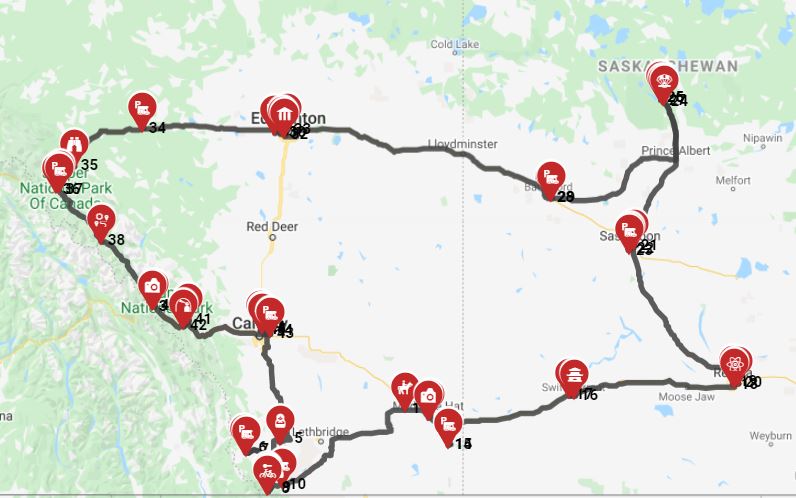
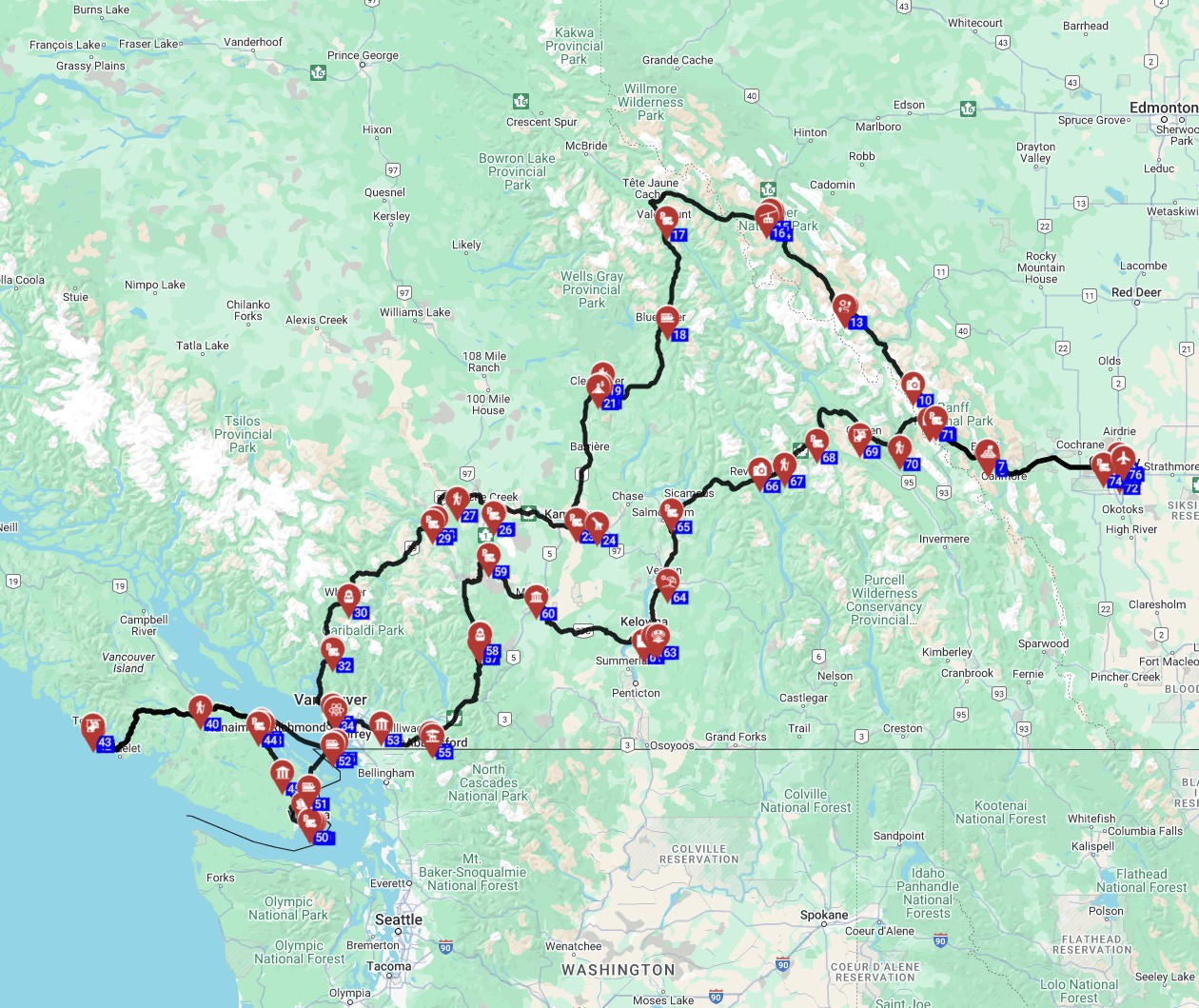
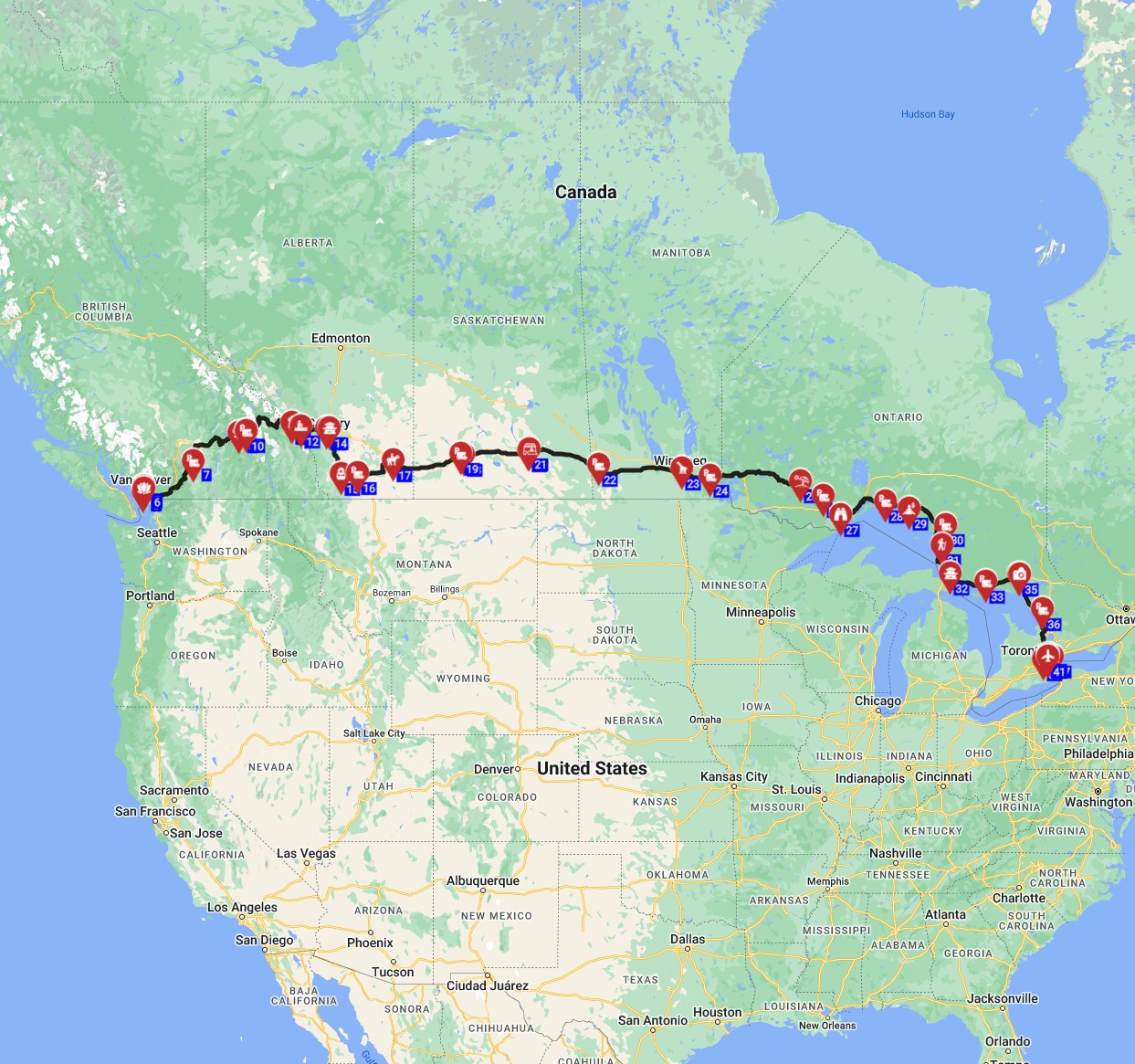
For coastal beauty, a segment of the Vancouver Island route in British Columbia offers charming towns and natural wonders, easily explored over a few days. Consider heading to Tofino for its beaches, though this would require more than a "weekend." In Ontario, a short drive to Muskoka provides access to beautiful lakes and quaint towns, ideal for a relaxed escape. Quebec's Eastern Townships offer picturesque villages and vineyards for a taste of European charm closer to home. While these are great for short introductions, to fully immerse yourself in the vastness of Canada, consider extending your journey. For instance, the "Vancouver to Toronto - Trans Canada West to East" route, an extensive 15-day, 4886.2 km adventure, covers major attractions including 1 Aquarium, 1 Art Gallery, 1 Beach, 1 Botanical garden, 1 Canoe / Kayak / Rafting, 1 Extreme Activity, 2 Heritage sites, 2 hiking areas, 1 Historical Site, 1 Horseback Riding, 1 Local Industry, 1 Museum, 1 Natural Feature, 1 Point Of Interest, 1 Science Site, 1 Spa / Terme, 1 Traditional Market, 1 Traditional Visit, and 1 Zoo.
For even more extensive exploration, the "Halifax to Whitehorse - Exploring Canada’s Heartland in a Motorhome" itinerary is a remarkable 37-day, 9199.1 km journey that offers a deep dive into Canada's diverse landscapes, including 1 Amusement Park, 1 Animals Show / Wildlife watch, 1 Aquarium, 3 Art Gallery, 2 Beach, 1 Bike Rental, 1 Botanical garden, 1 Cable Railway, 1 Canoe / Kayak / Rafting, 2 cave, 1 Cruise Terminal / Sailing, 2 Day Tour, 1 Extreme Activity, 1 Family Activity, 1 Heritage site, 4 hiking areas, 3 Historical Sites, 1 Horseback Riding, 2 Local Industry, 6 Museum, 4 Natural Features, 2 Park, 2 Picnic Area, 5 Points Of Interest, 1 Scenic Route, 2 Science Sites, 1 Swimming spot, 1 Tourist Attraction, 2 Traditional Markets, 3 Traditional Restaurants / Fine Dining, 4 Traditional Visits, and 2 Zoos.
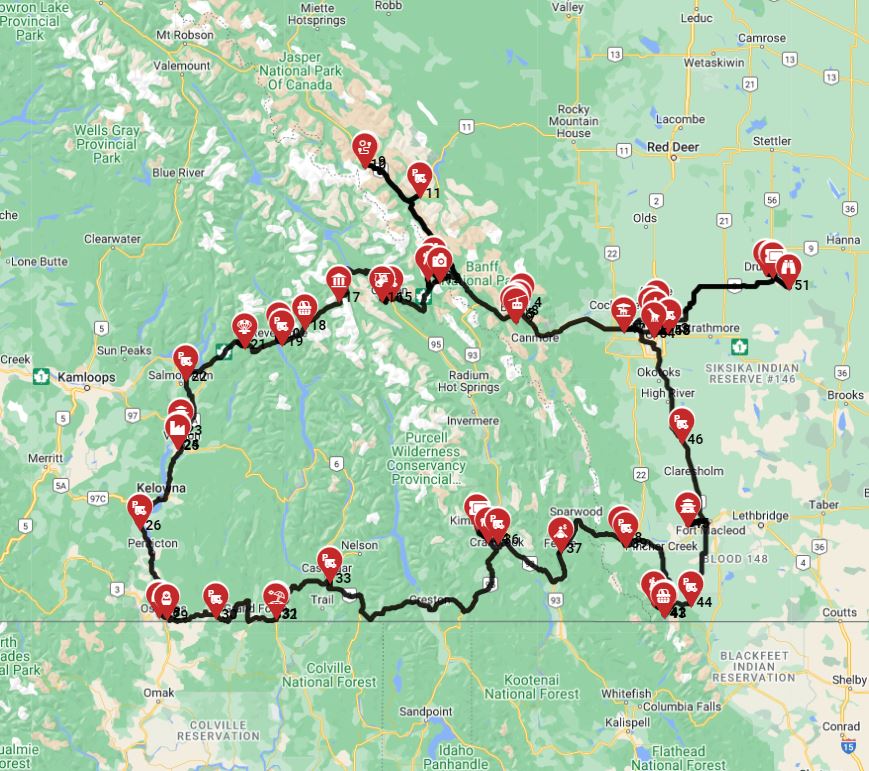
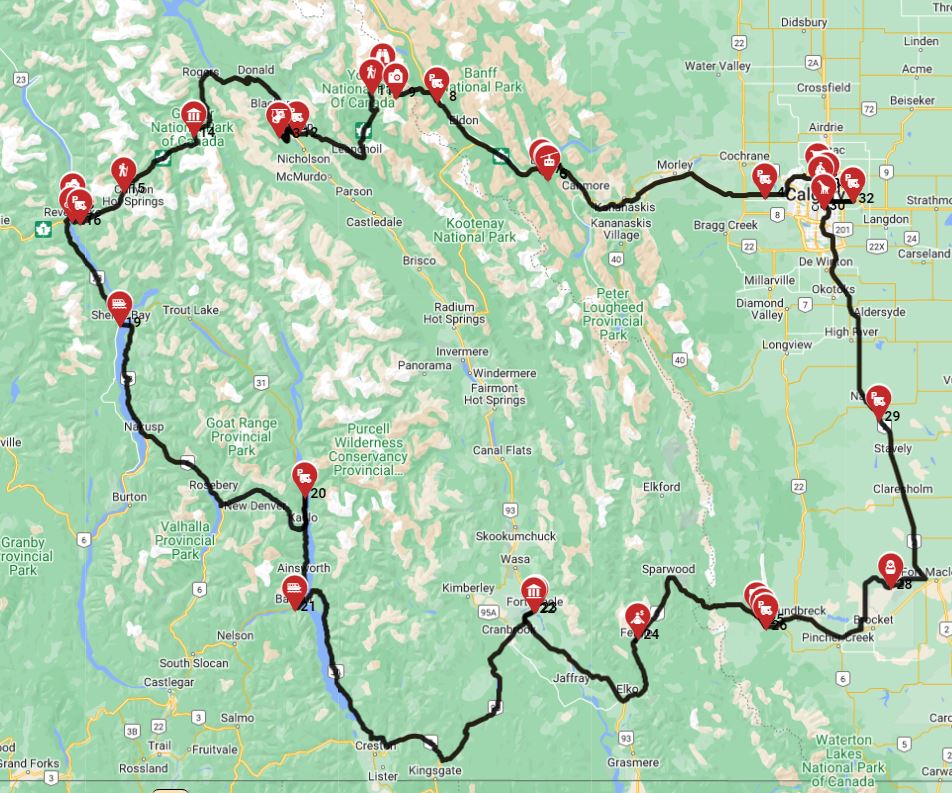
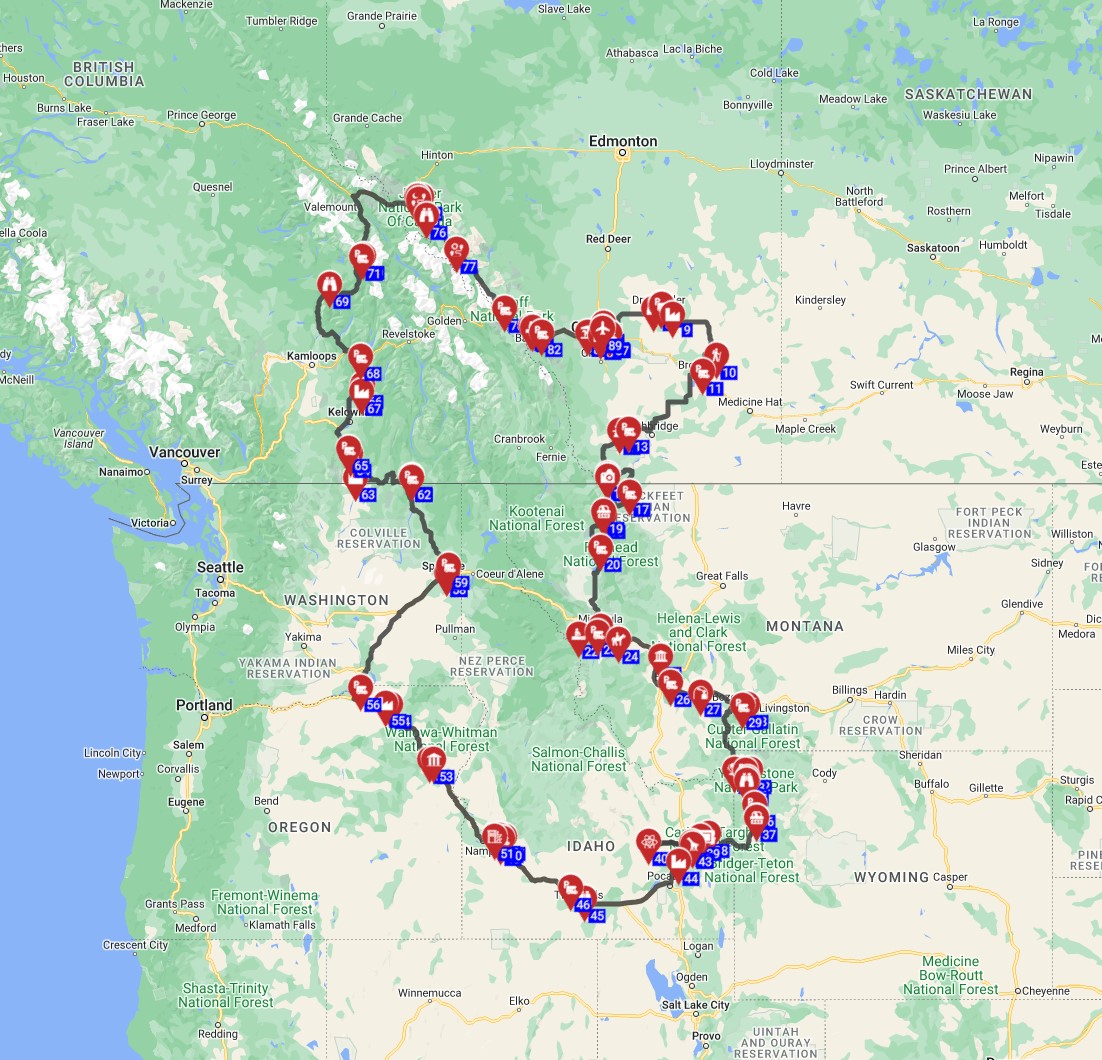
Another excellent option is the "Vancouver Round Trip - West Canada Cycling Adventure", a 19-day, 2659.3999999999996 km route packed with adventure, featuring 1 Aquarium, 3 Bike Rentals, 1 Cable Railway, 1 Canoe / Kayak / Rafting, 1 cave, 1 Cruise Terminal / Sailing, 1 Day Tour, 1 Extreme Activity, 1 Family Activity, 1 Heritage site, 3 hiking areas, 1 Historical Site, 1 Horseback Riding, 1 Local Industry, 1 Museum, 1 Natural Feature, 2 Parks, 1 Picnic Area, 4 Points Of Interest, 1 Scenic Route, 2 Spa / Terme, 1 Swimming spot, 2 Tourist Attractions, 1 Traditional Market, 1 Traditional Restaurant / Fine Dining, and 1 Traditional Visit. These extensive route plans, available via RV PLANET (rvplan.net), can be adapted to focus on specific regions for shorter stays or inspire future longer trips. Remember, planning for shorter driving distances helps maximize your time at destinations, and researching specific activities in advance ensures a cohesive itinerary. For those interested in non-linear journeys, "One-Way RV Rental in Canada - Price Guide 2024" can help you plan the logistics and costs of picking up your RV in one city and dropping it off in another.
What is Cell Service and Internet Coverage Like for RVs in Canada
Cell service and internet coverage for rented RVs in Canada can be excellent in urban centers and along major highways, but it becomes significantly spotty or non-existent in remote areas and national parks. Major Canadian carriers like Bell, Telus, and Rogers offer the most extensive coverage, but even their networks have gaps in Canada's vast wilderness. Travelers relying on consistent connectivity for work or communication should be prepared for these potential service interruptions.
For staying connected during your quick RV trip, consider investing in a portable Wi-Fi hotspot or a cellular booster, which can enhance signal strength in fringe areas. For truly remote adventures, satellite internet solutions offer reliable coverage, though they come with a higher cost. Many private campgrounds offer Wi-Fi, but its quality and speed can vary, and National/Provincial Parks often have very limited or no Wi-Fi at individual campsites, although it might be available at visitor centers. It is always wise to download offline maps, music, and entertainment before heading to remote areas, and inform someone of your itinerary, as cell service can be unreliable for emergencies in unserviced regions.
How to Stay Safe from Wildlife During RV Camping in Canada
Staying safe from wildlife during RV camping in Canada, particularly in areas with bears, moose, and coyotes, requires awareness and strict adherence to 'bear-smart' principles. It is paramount to never leave food, garbage, or any scented items (like toiletries or pet food) unattended outside your rented RV; always store them inside a locked vehicle or in designated bear-proof containers. This practice prevents attracting wildlife to your campsite.
Prompt and proper waste disposal is crucial; use bear-proof garbage bins whenever available, and never burn food scraps in fire pits, as this can attract animals. If you encounter wildlife, especially large animals like bears or moose, maintain a safe distance and never approach, feed, or harass them. Make noise while hiking to avoid surprising animals, which can lead to defensive reactions. Carrying bear spray and knowing how to use it is recommended, particularly when hiking in bear country. Educate yourself on appropriate responses for different animal encounters, distinguishing between defensive and predatory bear behavior. Always research the specific wildlife common to your chosen camping area and follow all park-specific regulations and warnings regarding wildlife for a safe RV experience.
What are the Rules for Boondocking and Wild Camping in Canada
The rules for boondocking and wild camping in Canada largely depend on the specific province and land ownership, generally being permitted on Crown Land but strictly regulated elsewhere. Most provinces permit wild camping on unpatented Crown Land for up to 21 days in one location, provided you adhere to 'leave no trace' principles and are not near designated parks or private property. This offers incredible freedom for adventurous RV renters.
However, boondocking or wild camping is generally prohibited within National and Provincial Parks outside of designated campgrounds or specific backcountry permits, which are not suitable for RVs. On private property and within many municipalities, it is strictly forbidden to boondock without explicit permission, and bylaws often prohibit overnight RV parking in public spaces like parking lots. Always research the specific regulations for the province and region you plan to visit, as rules can vary widely. Apps and websites dedicated to boondocking locations can be helpful resources. When boondocking in your rented motorhome, ensure your RV is fully self-contained, practice responsible waste management by carrying out all garbage, and be prepared to operate without services like water, sewer, or electricity.
Are There Food and Drink Restrictions for RV Travel into Canada
Yes, there are specific food and drink restrictions when crossing the border into Canada with an RV, primarily aimed at preventing the introduction of pests and diseases. Restricted items often include raw meat, certain dairy products, fresh fruits and vegetables (especially potatoes), homemade food items, and firewood. It is always best to leave these at home or consume them before crossing. Always declare all food, plant, and animal products to the Canada Border Services Agency (CBSA) officers upon entry; failure to declare can result in significant fines and the seizure of goods.
Regarding alcohol and cannabis, visitors can bring a limited quantity for personal use, provided they are of legal age in the province of entry. For example, typical allowances are 1.5 liters of wine, 1.14 liters of spirits, or 24 cans/bottles of beer. Cannabis is legal for recreational use in Canada, but strict limits apply to quantities for personal possession (up to 30 grams). It is highly recommended to consult the CBSA website or the `ArriveCAN` app for the most up-to-date and comprehensive list of restricted and permissible items before your trip. To avoid any potential issues, consider buying most of your groceries once you have crossed into Canada. Stocking your RV kitchen with fresh ingredients after entering the country ensures compliance and helps support local businesses.
What are Specific Driving Rules and Vehicle Requirements for RVs in Canada
Driving a rented RV in Canada involves adhering to standard Canadian road rules, but also being aware of specific vehicle requirements and provincial variations. Drivers must always drive on the right side of the road, wear seatbelts, obey posted speed limits (which are always in kilometers per hour, km/h), and avoid distracted driving, such as using a cell phone. Drive slowly and carefully, and you can drive almost anywhere without issues. No need to stress - just use common sense and pay attention.
Provincial variations are important: some provinces, like British Columbia and Quebec, have specific winter tire regulations during certain months (typically October to April); ensure your rental RV is equipped accordingly if traveling in these seasons. While no overarching maximum RV length or weight restrictions exist across all of Canada, some smaller roads, ferry routes, or national park campgrounds may have length limits, so always check ahead if planning to drive a larger RV or motorhome. Be prepared for varying road conditions, from well-maintained highways to gravel roads in more remote areas; adjust your speed and driving style for the vehicle's size and the terrain. Ensure all necessary safety equipment is on board, including a basic emergency kit, and be aware that a standard car driver's license is sufficient for all motorhome classes; no special license, CDL, or additional permits are required for any rental motorhome.
How to Handle Emergencies During a Weekend RV Trip in Canada
Handling emergencies during a quick RV trip in Canada requires preparation for various scenarios, including vehicle breakdowns, medical incidents, or severe weather. For vehicle breakdowns, ensure your RV rental includes roadside assistance; have the contact number readily available. It's also wise to carry a basic toolkit and tire pressure gauge, and know how to change a tire, though the rental company's roadside assistance is your primary resource.
In medical emergencies, always carry a well-stocked first-aid kit. For serious situations, immediately call 911, which is Canada's universal emergency number for police, fire, or ambulance. For severe weather, check local forecasts regularly. In case of heavy snow, floods, or wildfires, follow local advisories, seek immediate shelter, or be prepared to alter your travel plans and evacuate if advised. When traveling through remote areas with no cell service, consider renting a satellite phone or a personal locator beacon (PLB) for emergencies, and always inform someone of your itinerary and expected return time. Additionally, carry extra water, food, blankets, and keep a full tank of fuel, especially when venturing into less-serviced regions, to ensure you're prepared for unexpected delays.
What You Shouldn't Miss
Canada offers an abundance of unforgettable experiences that are perfect for a short RV adventure or inspire a longer exploration. Here are some recommendations to get you started:
- Explore Banff National Park: Even for a quick stay, the stunning turquoise lakes like Lake Louise and Moraine Lake are a must-see. Drive the scenic Icefields Parkway for incredible mountain vistas.
- Winery Tour in Okanagan Valley, BC: Park your rented motorhome at a nearby campground and enjoy tasting some of Canada's finest wines, with beautiful lake views.
- Ferry to Vancouver Island: Experience the vibrant city of Victoria or head to the rugged west coast for a taste of the Pacific Rim National Park Reserve (though a full exploration warrants more than a weekend).
- Historic Charm of Quebec City: Immerse yourself in the unique European atmosphere of North America's only fortified city. Park your campervan outside the city walls and explore on foot.
- Muskoka's Cottage Country, Ontario: Enjoy the serene lakes, charming towns, and lush forests. Perfect for a relaxing escape with plenty of provincial parks offering RV camping spots.
Looking for expert insights from Avi Bandana? Top 5 Adventures - recommendations from Avi Bandana
🎬 Video coming soon
Final Thoughts
A quick RV rental in Canada offers an enticing glimpse into the vast natural beauty and diverse experiences this country holds. Whether you dream of rugged mountains, serene lakes, or charming historic towns, a motorhome provides the freedom and comfort to explore at your own pace. Remember, even a short trip can be incredibly rewarding, offering a taste of the RV life that might just inspire a longer, more immersive journey next time.
At Bandana RV, we are dedicated to making your travel seamless and enjoyable, from your first inquiry to the moment your trip is complete. We stand by our commitment to full transparency, offering 24/7 support for pre-booking, booking, and post-booking coordination, and ensuring you travel with peace of mind. So, take the leap and discover the magic of Canadian landscapes from the unique vantage point of your own rented home on wheels. Travel slowly, take time to feel the place, connect to the culture, the food, and the scenery.
Ready to plan your unforgettable Canadian adventure? Discover top destinations, planning tips, all in one place! Compare Motorhome Prices for Canada