In This Guide
- Where to Camp in Asia - Top Options
- Campground Types in Asia (National, Private, Wild)
- Featured RV Park or Campground in Asia
- Hookups & Amenities - What to Expect
- Booking Windows & Reservations in Asia
- Nearby Supermarkets & Resupply Points
- Best RV Class for Camping in Asia
- How to Save on Campgrounds in Asia
- What is the 3-3-3 rule for RVs?
- Where can RVs stay overnight for free?
- What is the 4-4-4 rule for RV travel?
- What is the 2 2 2 rule for RV?
- What is the 3 3 3 rule for RV camping?
- What countries are best for RV travel?
- What is the 10 year RV rule?
- What is the 444 rule for RV?
- What is the 3-3-3 rule for RV camping?
- What is the 200 rule for camping?
🎬 Video coming soon
Where to Camp in Asia - Top Options
Finding reliable campgrounds in Asia requires specific regional research, as infrastructure varies significantly by country. While general availability of RV camping facilities might differ from Western continents, top options across Asia typically include national park campgrounds, private RV parks near tourist hubs, and designated camping areas within recreational zones. For instance, in Japan, destinations like Hokkaido and the Japanese Alps are fantastic for exploring by a rented motorhome, offering stunning natural beauty and a growing number of RV-friendly spots. South Korea's Jeju Island also provides excellent scenery for a quick getaway in a campervan. Always check local regulations and availability in advance, as RV camping is a growing but still niche market in many Asian destinations. For live availability and current prices, start with our RV Rental Asia - Complete Guide 2026 guide. Discover top destinations, planning tips, all in one place!Campground Types in Asia (National, Private, Wild)
RV travelers in Asia will encounter a mix of national park sites, private campgrounds, and limited opportunities for wild camping, each with distinct rules and amenities. National Parks often provide basic facilities, focusing on natural beauty rather than extensive hookups, and may require permits or entrance fees. For example, some Thai national parks offer designated, albeit basic, camping areas that can accommodate smaller motorhomes. Private campgrounds, found in more developed regions like Japan or South Korea, typically offer better amenities such as electricity, water, dump stations, and sometimes Wi-Fi, providing a more predictable and comfortable experience. Wild camping, or boondocking, while tempting, is generally discouraged or illegal in many parts of Asia due to cultural norms, safety concerns, and a lack of suitable public land. Respect for local communities and private property is paramount, and it's essential to understand specific country laws regarding overnight parking and waste disposal.Featured RV Park or Campground in Asia
As specific data for a universally "featured" RV park in Asia is not uniformly available across all countries, when planning your weekend RV rental, look for campgrounds that explicitly cater to motorhomes, offering dedicated parking bays and essential services. Prioritize locations that clearly list amenities like electricity, water hookups, and waste disposal options. For finding campsites and campgrounds during your trip, check out RV PLANET (rvplan.net) - a great tool for locating available spots along your route. Consider reviews from other international RV travelers for insights into local conditions. Research parks close to your desired attractions or cities, ensuring easy access to local culture and resupply points. An ideal featured park would offer clear English-language information, responsive booking, and positive feedback on safety and cleanliness, such as many of Japan's Michi-no-Eki.Hookups & Amenities - What to Expect
The availability of hookups and amenities for rented RVs in Asia varies significantly by country and campground type, often differing from Western standards. Electric hookups typically operate at 220V/240V, standard across most of Asia, but travelers should be prepared with appropriate adapters as plug types vary widely by country. Amperage might be lower than what larger Class A motorhomes are used to, so verify capacity. Potable water hookups can be less common, particularly in national parks, requiring careful planning for water resupply. Dedicated dump stations for grey and black water can also be scarce, necessitating inquiry at local service stations or private campgrounds. Other amenities like Wi-Fi are increasingly common in private campgrounds but can be unreliable, while laundry facilities, showers, and restrooms range from basic to modern, depending on the site.Booking Windows & Reservations in Asia
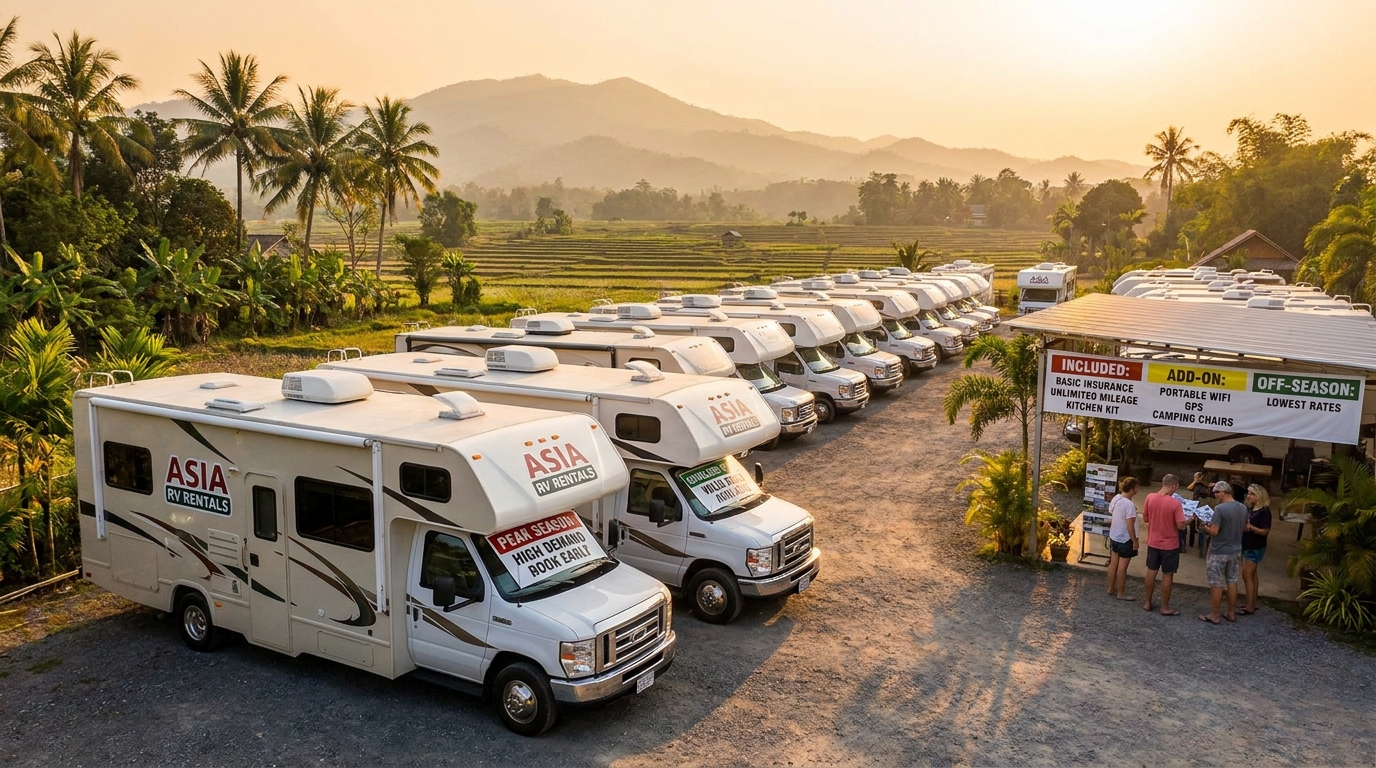
Securing a short-stay RV rental spot in Asia can depend on your planning style, with advance booking recommended for popular destinations and spontaneous travelers needing flexibility. For planners, especially during peak seasons or for popular quick getaway destinations in countries like Japan, it is advisable to book your campsite well in advance. Some national park campgrounds may release a small percentage of spots for reservations, with others operating on a first-come, first-served basis. For spontaneous travelers, while it is possible to find same-day or next-day bookings, especially in less touristy areas or during off-peak times, popular spots might fill up. You will almost certainly find a place - if not at the first campground, then the next one - but calling ahead before driving is strongly recommended to confirm availability and avoid disappointment. Be aware that booking systems in some Asian countries might not be as digitally integrated as in Western nations, sometimes requiring phone calls or even on-site registration. Prices for RV Rental Deals in Asia - Latest Offers 2026 are always dynamic, so comparing options is key.Nearby Supermarkets & Resupply Points
Replenishing supplies for your short RV trip in Asia means utilizing local supermarkets and smaller markets, as dedicated RV stores are rare. When traveling, look for major supermarket chains common in your chosen country, such as Aeon or Ito-Yokado in Japan, Lotte Mart or E-mart in South Korea, or Big C and Lotus's in Thailand. Smaller, local convenience stores, like 7-Eleven or FamilyMart, are ubiquitous in many Asian cities and are excellent for quick essentials, snacks, and drinks, often open 24/7. Always plan to resupply in larger towns or cities before venturing into more remote camping areas, as options may be limited or focused on local produce only. For managing all your trip expenses, RV PLANET routes allow travelers to itemize and track every cost along the way for easy budgeting. Cooking some meals in your rented motorhome can save money and enhance your adventure; check out our RV-friendly recipes playlist for inspiration.Best RV Class for Camping in Asia
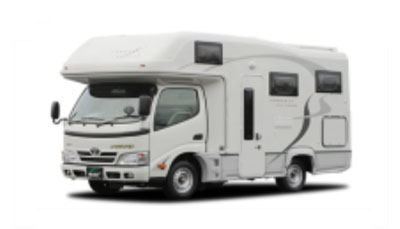
For weekend RV camping in Asia, the Class B Camper Van and Class SI - Semi-integrated motorhomes are generally the most suitable due to their maneuverability, fuel efficiency, and adaptability to varied road conditions. Class B Camper Vans are excellent for navigating tighter Asian roads and urban areas. For example, a vehicle like the "rv rental denver example Category Van" is small and ideal for a couple, offering features like front air conditioning and a shower. These typically average 5.8 meters in length, sleep 3.2 people, accommodate 2.7 adults comfortably, and offer common fuel consumption of 8-10 Liter/100 Km, making them economical for shorter trips. Class SI - Semi-integrated vehicles offer a good balance of space and agility, with an average length of 6.9 meters, sleeping 3.8 people, and fitting 3.4 adults. They typically consume 10-11 Liter/100 km. Larger Class C or Class A motorhomes might face challenges with narrow roads, low clearances, and limited parking in many Asian destinations. Drive slowly and carefully, and you can drive almost anywhere without issues. No need to stress - just use common sense and pay attention, regardless of RV size.How to Save on Campgrounds in Asia
Saving money on campgrounds in Asia is achievable by leveraging discounts, strategic booking, and choosing appropriate sites for your rented RV. Many rental companies, including Bandana RV, often provide access to campground discount cards which can offer significant savings across participating parks - always inquire about these upon rental. Booking during the shoulder season (spring and autumn) is a smart strategy to avoid peak prices and crowds, as costs for Weekend RV Rental in Asia - Pricing 2026 can fluctuate significantly. Opt for municipal or regional campgrounds over private resorts, as they typically offer more budget-friendly rates with essential, albeit sometimes fewer, amenities. If your weekend extends to a long weekend or a week-long trip, consider staying 3+ nights to take advantage of potential weekly rates, which can be cheaper per night than daily rates. Inquire if sharing hookups is permitted for groups traveling together, as this can sometimes split the cost, though this is less common for solo quick trips.What is the 3-3-3 rule for RVs?
The 3-3-3 rule for RVs is a popular guideline for safe and enjoyable travel, advising drivers to travel no more than 300 miles a day, arrive at their destination by 3 PM, and stay for at least 3 nights. This rule is particularly beneficial for RV rentals in Asia, promoting a relaxed pace that allows for proper exploration and reduces driving fatigue on potentially unfamiliar roads. Adhering to the 3 PM arrival time ensures you have ample daylight to set up camp, familiarize yourself with your surroundings, and address any unexpected issues before dark. Staying for 3 nights maximizes your time at a single location, reducing setup/teardown cycles and providing a more immersive experience, fitting perfectly into a longer weekend or week-long trip.Where can RVs stay overnight for free?
Staying overnight for free in an RV, often referred to as boondocking or wild camping, is significantly more challenging and often less feasible in many parts of Asia compared to regions like North America or Europe, primarily due to varying legality, cultural norms, and safety considerations. While some countries might implicitly tolerate overnight parking in certain public areas, there are generally no widespread, organized networks like designated Bureau of Land Management (BLM) lands common in the US. In many Asian cultures, private property is strictly respected, and public land suitable for discreet overnight RV parking is scarce or subject to specific local permits. For safety and to respect local customs, it is strongly recommended to utilize official campgrounds or designated overnight parking areas, even if they incur a fee, rather than attempting unauthorized free camping in unfamiliar territories.What is the 4-4-4 rule for RV travel?
The 4-4-4 rule for RV travel is a variation of similar guidelines, suggesting that RVers should ideally drive no more than 4 hours a day, avoid driving after 4 PM, and stay at least 4 nights at each location. This rule emphasizes a very relaxed travel pace, which can be highly beneficial when exploring Asia, allowing for more cultural immersion and less time spent behind the wheel. Limiting driving hours reduces fatigue and stress, especially on Asia's diverse road networks, which can range from well-maintained highways to winding mountain passes or bustling city streets. Adhering to this rule ensures ample time for sightseeing, local experiences, and fully enjoying your chosen camping spot without rushing, making it ideal for a leisurely week-long or extended trip.What is the 2 2 2 rule for RV?
The 2-2-2 rule for RV travel is a popular guideline that advises travelers to drive no more than 200 miles a day, aim to arrive at their campsite by 2 PM, and stay for at least 2 nights. This rule is particularly well-suited for weekend RV rentals in Asia, as it promotes a manageable daily driving distance, preventing exhaustion and allowing for leisurely stops. Arriving by 2 PM provides sufficient time to set up camp, explore the immediate area, and relax before dusk, which is crucial in unfamiliar Asian environments. Staying for 2 nights ensures you can fully enjoy your chosen destination, recover from travel, and engage with local attractions without feeling rushed, making it perfect for a concentrated quick getaway.What is the 3 3 3 rule for RV camping?
The 3-3-3 rule for RV camping, a popular iteration of the general travel guideline, specifically recommends staying at your chosen campsite for at least 3 nights to fully experience the location and avoid constant setup and teardown. For weekend RV rentals in Asia, this principle encourages deeper engagement with a single destination, allowing travelers to explore local culture, attractions, and natural beauty without feeling rushed. Adhering to the 'stay 3 nights' aspect minimizes the logistical effort of packing up and moving, transforming a brief weekend rental into a more relaxing and immersive camping experience. This rule also implies planning your journey to keep daily driving under 300 miles and arriving by 3 PM, ensuring a stress-free transition between travel and campsite enjoyment.What countries are best for RV travel?
While RV travel is gaining traction, certain Asian countries stand out as more developed or uniquely suited for RV adventures, offering varying infrastructure, regulations, and cultural experiences. Japan offers excellent infrastructure, scenic routes, and a growing number of '道の駅' (Michi-no-Eki) roadside stations and private campgrounds that accommodate RVs, especially in regions like Hokkaido and the Japanese Alps. South Korea has invested significantly in camping facilities, including 'auto-camping' sites with amenities suitable for RVs, particularly around national parks and coastal areas. Mongolia provides a rugged, off-grid RV experience for the adventurous, ideal for more robust campervans prepared for boondocking and challenging terrain, offering vast landscapes and nomadic culture. Thailand offers beautiful national parks and beaches, with a burgeoning, though still limited, RV rental and camping scene focusing on smaller campervans. Always do specific research for your chosen destination.What is the 10 year RV rule?
The '10-year RV rule' refers to a common policy at some private campgrounds, particularly in North America, where they refuse entry to RVs older than 10 years to maintain a certain aesthetic or quality standard. In the context of Asia, this rule is generally less prevalent or strictly enforced, as the RV rental market is newer and many campgrounds may not have such specific age restrictions. For renters of a weekend RV in Asia, this rule is unlikely to be a concern, as rental fleets are typically well-maintained and relatively modern. However, always check with individual campgrounds if you are bringing your own older RV or have any concerns, particularly at high-end private resorts that might be adopting similar standards.What is the 444 rule for RV?
The '444 rule for RV' is synonymous with the '4-4-4 rule for RV travel' and provides a guideline for a relaxed RV journey: driving no more than 4 hours a day, avoiding driving after 4 PM, and staying at least 4 nights at each location. As explained previously, this rule prioritizes enjoyment and safety over covering maximum distance, making it especially pertinent for RV adventurers exploring the diverse and sometimes challenging landscapes of Asia. It encourages a deeper connection with your destinations, allowing ample time for local experiences and reducing the stress of constant travel, perfectly suiting a leisurely week-long or extended trip. Adhering to this pace ensures you arrive at your campsite relaxed and with plenty of daylight to settle in, promoting a smoother and more enjoyable camping experience.What is the 3-3-3 rule for RV camping?
The '3-3-3 rule for RV camping' is a direct rephrasing of the rule discussed previously, advising RVers to aim for a minimum stay of 3 nights at each campsite to truly immerse themselves in the location. This guideline is invaluable for weekend RV rentals in Asia, as it encourages travelers to slow down, fully explore their chosen region, and avoid the repetitive tasks of setting up and breaking down camp every day. By focusing on longer stays, you gain more time to discover local culture, natural attractions, and simply relax within the serene environment of your campsite. This emphasis on a longer duration at a single spot ensures a more fulfilling and less rushed camping experience, ideal for maximizing a valuable quick escape.What is the 200 rule for camping?
The '200 rule for camping' is a component of the broader 2-2-2 RV travel guideline, specifically recommending that RVers drive no more than 200 miles (approximately 320 kilometers) in a single day. This mileage limit is highly practical for weekend RV rentals in Asia, where road conditions can vary, traffic can be unpredictable, and unfamiliar routes require more focused driving. By capping daily travel at 200 miles, you minimize driving fatigue, reduce fuel consumption, and allow for unexpected delays or scenic detours. It ensures you arrive at your campsite with enough energy and daylight to set up comfortably, preparing you for an enjoyable evening and a refreshed start to the next day's adventures.What You Shouldn't Miss
- **Japanese Onsen Hopping by RV:** Explore volcanic regions like Hakone or Hokkaido, parking your rented campervan near traditional hot springs for a relaxing dip after a day of driving.
- **South Korean Coastal Drives:** Discover picturesque routes along the East Sea or around Jeju Island in a motorhome, stopping at charming fishing villages and scenic viewpoints.
- **Mongolian Steppe Adventures:** For the truly adventurous, a rugged RV rental opens up unparalleled wild camping opportunities across the vast, open grasslands of Mongolia, offering solitude and starry skies.
- **Thai National Park Escapes:** Take a campervan to national parks like Khao Yai or Doi Inthanon, enjoying lush landscapes, waterfalls, and diverse wildlife.
- **Taiwan's Mountain Roads:** Navigate the stunning Central Mountain Range in a nimble motorhome, experiencing dramatic gorges and cloud-shrouded peaks, with roadside stops at local tea farms.
Final Thoughts
Embarking on a weekend RV adventure in Asia offers a unique blend of cultural immersion and natural exploration, even for shorter stays. While the infrastructure might present different considerations compared to other continents, the rewards of discovering Asia at your own pace are immense. Remember that travel slowly, max 100-150 km per day on average, is the best way to truly feel the place, connect to the culture, the food, and the scenery. Whether you're planning a quick escape to the bustling streets of Japan or a tranquil retreat in South Korea, a rented motorhome or campervan provides unparalleled flexibility. Take advantage of resources like RV PLANET (rvplan.net) for seamless route planning and confidently navigate your journey with Bandana RV's transparent booking process and supportive service. Don't let the thought of a "weekend" trip limit your aspirations. Many travelers find that even a quick stay ignites a desire for a longer, more immersive adventure. Explore your options for RV Rental in Asia - Prices and Best Deals 2026 and get inspired for your next trip. Your unforgettable Asian RV experience awaits!On the routes offered through RV PLANET routes, you can itemize and track every expense along the way for easy budgeting.