In This Guide
- Where to Camp in Alaska - Top Options
- Campground Types in Alaska (National, Private, Wild)
- Featured RV Park or Campground in Alaska
- Hookups & Amenities - What to Expect
- Booking Windows & Reservations in Alaska
- Nearby Supermarkets & Resupply Points
- Best RV Class for Camping in Alaska
- How to Save on Campgrounds in Alaska
- Can I park my RV anywhere in Alaska?
- What is the 3-3-3 rule for RVs and campers?
- Where is the best place to park an RV for free?
- Is boondocking legal in Alaska?
- What does FF mean in camping?
- What is the best time of year to RV to Alaska?
- How much are campsites in Alaska?
- What is the 200 rule for camping?
Exploring the vast wilderness and breathtaking scenery of Alaska by rented RV offers an unparalleled sense of freedom and adventure. Whether you're planning a two-week journey or a series of quick stays as part of a longer road trip, understanding the nuances of RV camping in this magnificent state is key to an unforgettable experience. For live availability and current prices, start with our RV Rental Alaska - Complete Guide 2026 guide.
Where to Camp in Alaska - Top Options
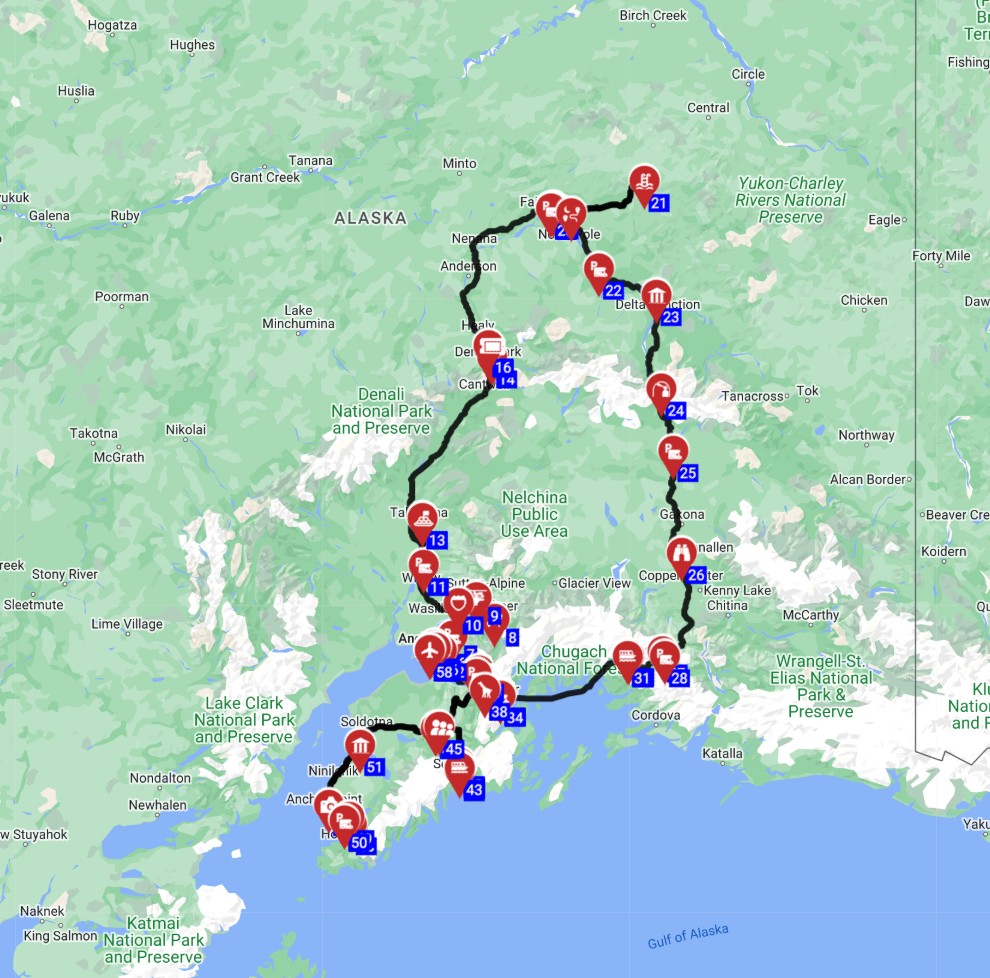
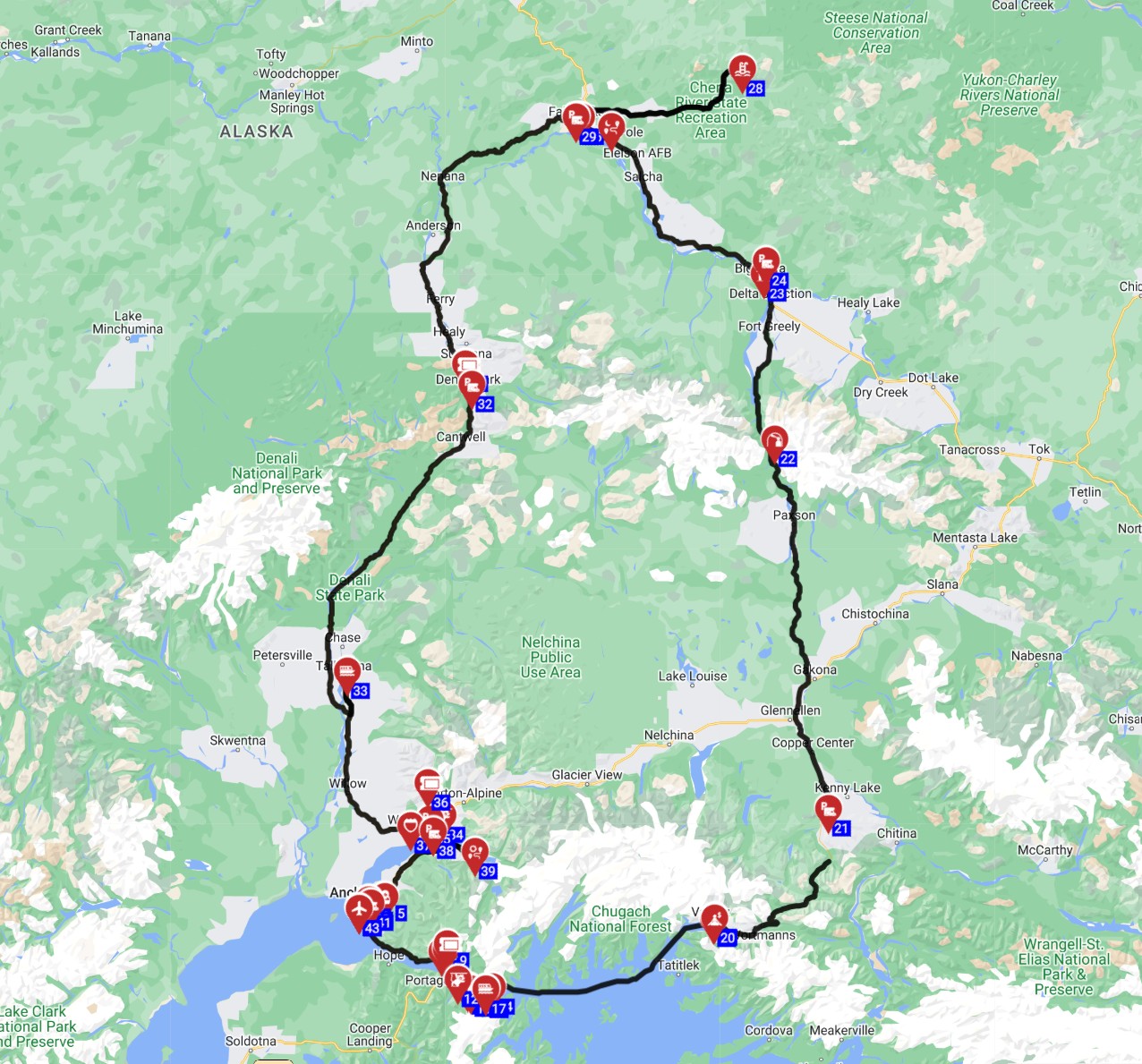
Alaska offers diverse camping options for your rented motorhome, including formal campgrounds, state parks, and extensive opportunities for dispersed camping on public lands. Popular areas like the Kenai Peninsula provide excellent choices, from full-service sites in Seward and Homer to more rustic options. Adventurous travelers often favor the Denali Highway for its scenic views and abundant dispersed camping, while state recreation areas such as Chugach State Park near Anchorage offer convenient access to nature close to urban centers. Your ideal spot will depend on your desired amenities, proximity to attractions, and preferred level of solitude during your Alaskan RV adventure.
Campground Types in Alaska (National, Private, Wild)
Alaska features a range of campground types for your rented campervan, each with distinct rules and amenities, catering to various travel preferences. National Park and Forest Campgrounds, often situated in stunning natural settings, typically provide basic amenities like vault toilets and water, with many offering first-come, first-served (FCFS) sites for spontaneous arrivals. State Parks balance amenities with natural beauty, usually including picnic tables, fire rings, and water, but rarely full hookups. For maximum comfort, private RV Parks offer the most amenities, such as full hookups, Wi-Fi, laundry facilities, and showers, ideal for those seeking a more luxurious stay. Dispersed camping (also known as wild camping or boondocking) on public lands managed by agencies like the Bureau of Land Management (BLM) and National Forests is legal and widespread, offering free, primitive camping without services. Remember that many national/state parks reserve only 25-30% of spots for first-come-first-serve, so you'll always find a spot. If not at the first campground, then the next one. Just call ahead before driving.
🎬 Video coming soon
Featured RV Park or Campground in Alaska
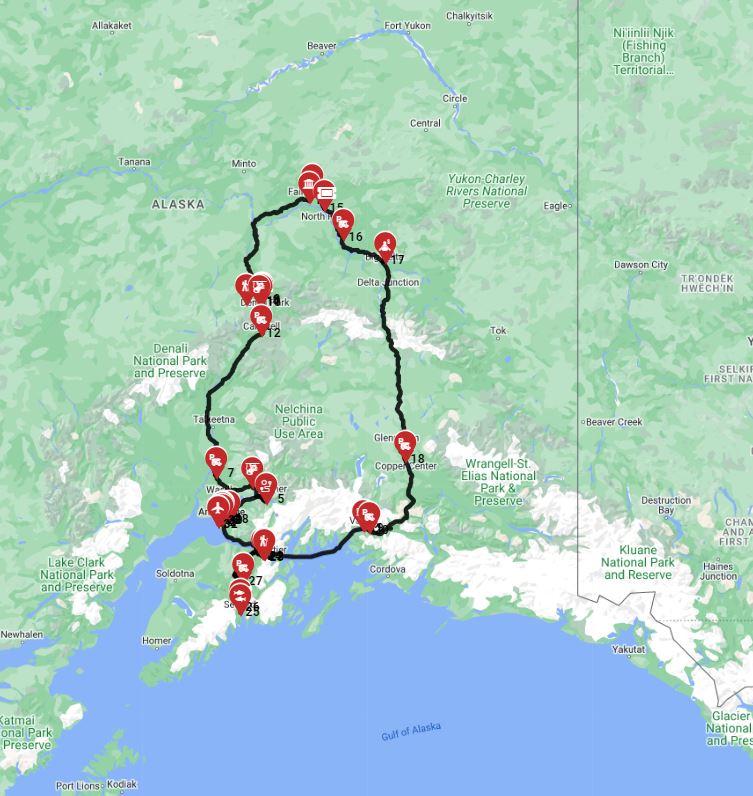
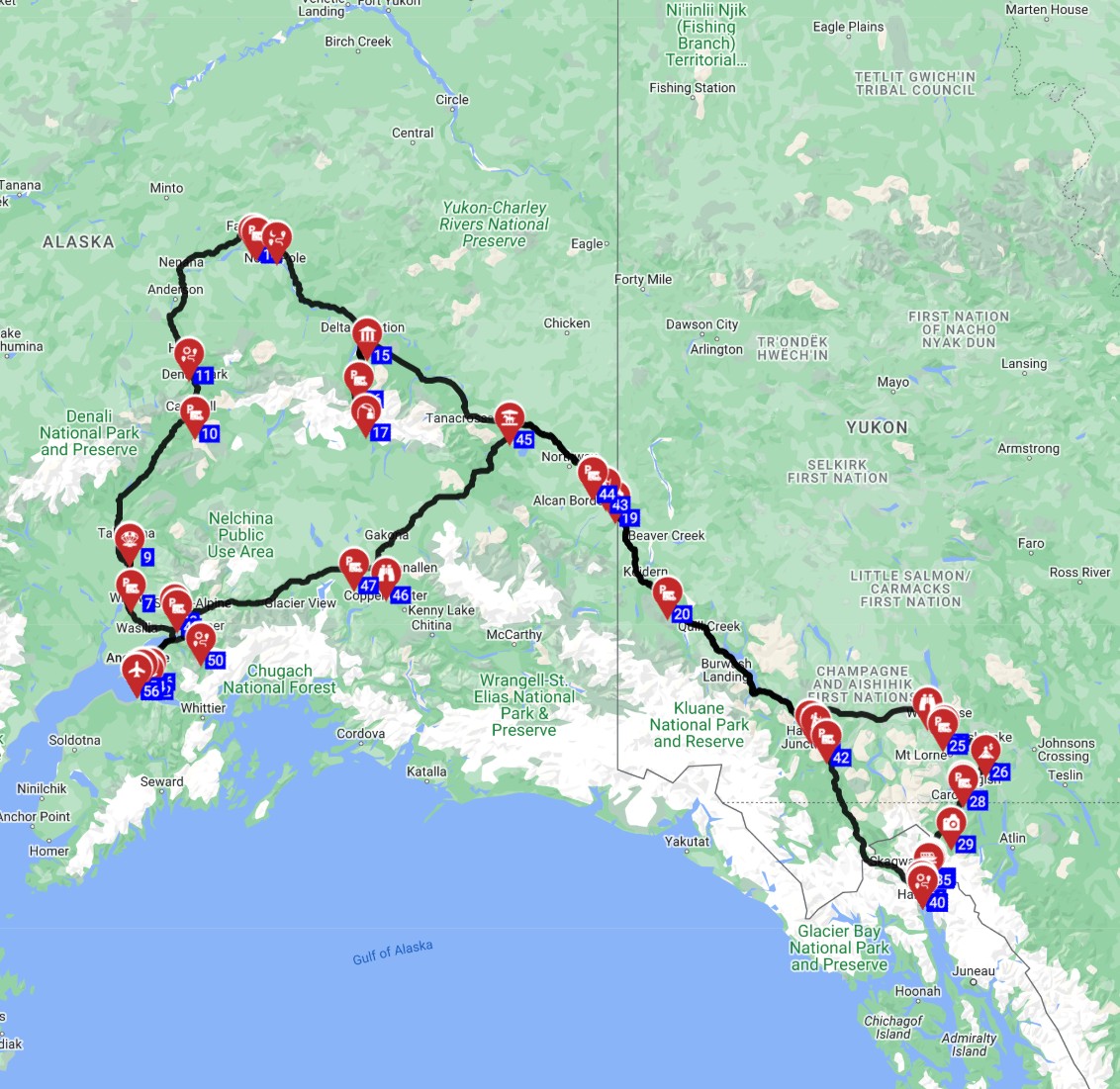
While specific detailed data on a single featured RV park isn't universally available, when searching for an ideal campground in Alaska, look for options that blend scenic beauty with essential services. Ideal features for a comfortable RV rental experience often include full hookups (electric, water, sewer), accessible dump stations, and clean restrooms. Proximity to major attractions, such as the entrance to Denali National Park or charming Alaskan towns, is also a significant plus. Many top-rated private parks offer additional amenities like Wi-Fi, laundry facilities (perfect for refreshing after a few days on the road), and sometimes even guided tours or shuttle services to local points of interest, enhancing your overall Alaskan adventure. Always call ahead to confirm availability, especially during peak travel months. On the routes offered through RV PLANET routes, you can itemize and track every expense along the way for easy budgeting.
Hookups & Amenities - What to Expect
When RVing in Alaska, expect varying levels of hookups and amenities depending on your chosen campground type. Full Hookup (FHU) sites, commonly found in private RV parks, typically include 30 or 50 amp electric, water, and sewer connections for complete convenience with your rented mobile home. Many public campgrounds (State and National Forest) may offer water access and vault toilets but often lack electric and sewer hookups, requiring reliance on your RV's self-sufficiency. Wi-Fi and reliable cell service are often limited, especially in remote areas, so plan for intermittent connectivity and enjoy being off-grid. Laundry facilities and showers are usually found in private parks or larger state park campgrounds, while dump stations are typically available at designated sites or gas stations for a fee. For finding campsites and campgrounds during your trip, we recommend using RV PLANET (rvplan.net) - a great resource for locating available spots along your route.
Booking Windows & Reservations in Alaska
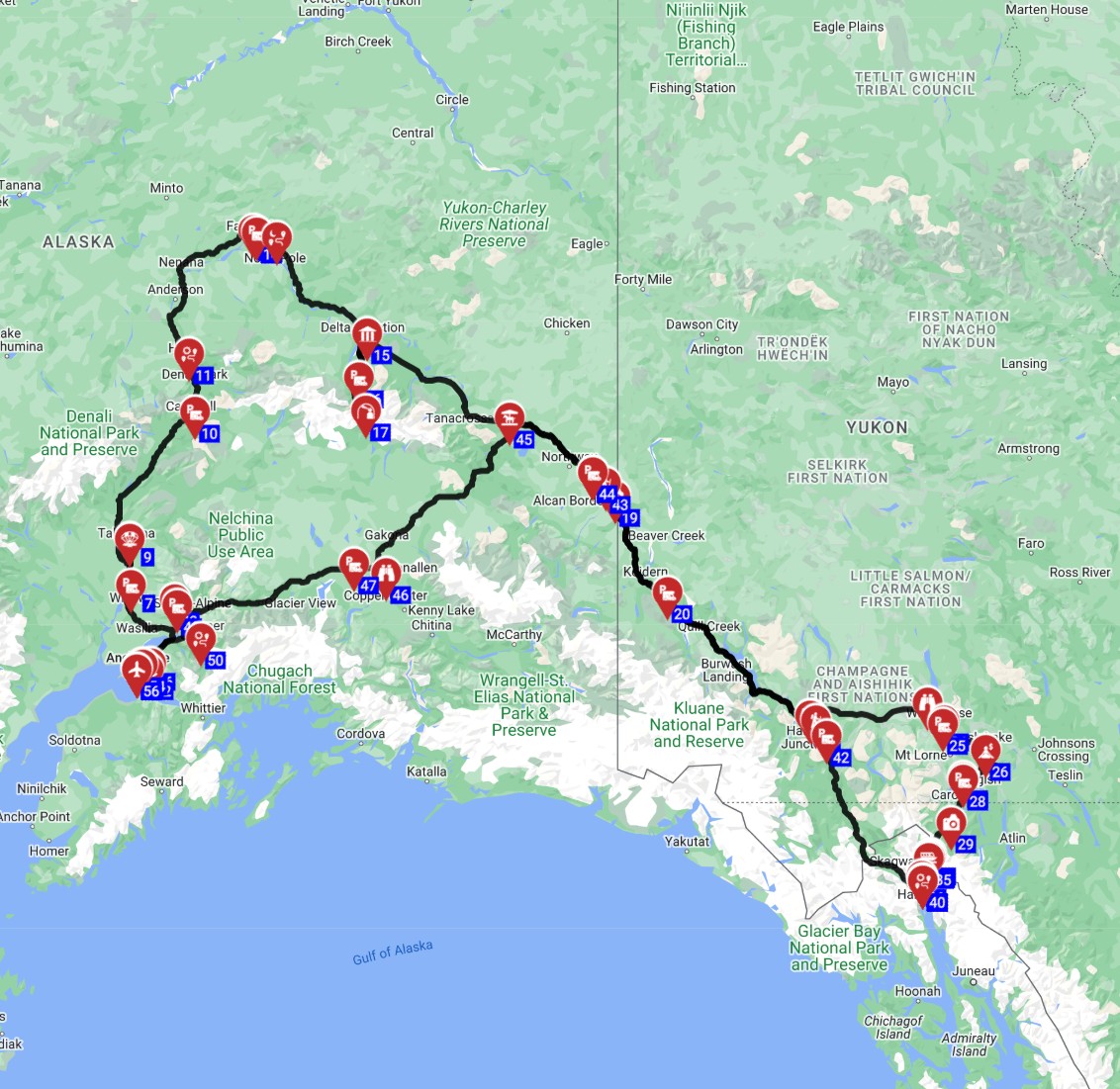
For popular campgrounds in Alaska, especially those within or near national parks like Denali, booking 6-12 months in advance is highly recommended to secure your preferred dates and locations. Early planners can guarantee their ideal spots, particularly for the peak season of July and August. However, spontaneous travelers need not worry; many national park campgrounds, for instance, release 25-30% of their spots as first-come, first-served (FCFS) sites daily. You can also explore less popular state park and dispersed camping options, which offer more flexibility. Always call ahead to smaller campgrounds or check online availability maps before driving to a specific location to save time and ensure a spot. The vastness of Alaska means you will almost certainly find a place, if not at your first choice, then at the next campground down the road. For example, the
Nearby Supermarkets & Resupply Points
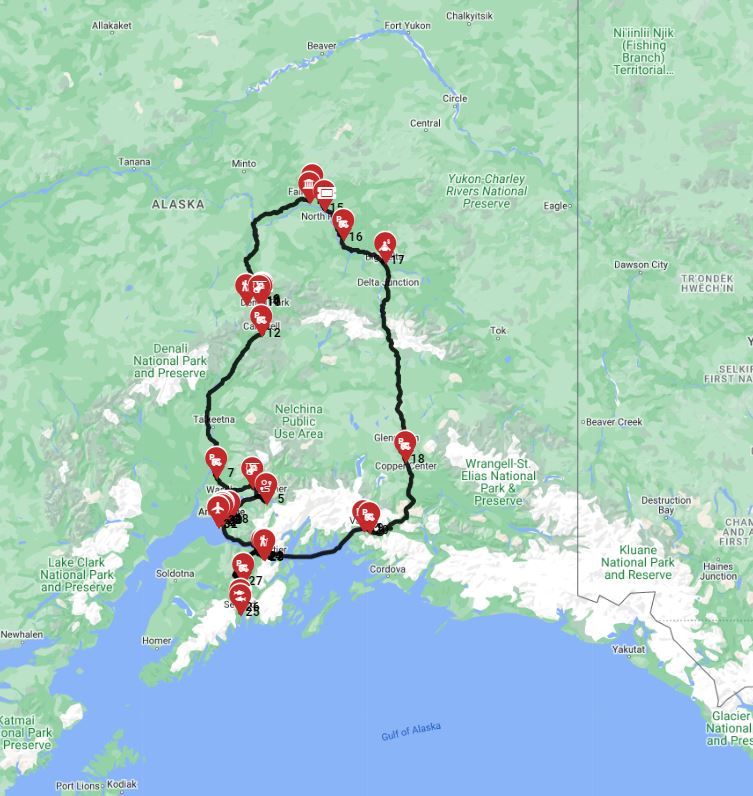
Major towns throughout Alaska offer ample opportunities for resupplying your rented caravan, making it easy to stock up on groceries and essentials. Look for well-known chains such as Fred Meyer (Kroger), Safeway, and Carrs-Safeway in larger cities like Anchorage, Fairbanks, and Wasilla. Juneau, being accessible primarily by air or ferry, also has robust resupply options. Smaller towns will have local grocery stores, but selection may be more limited and prices potentially higher due to transportation costs. It's advisable to stock up thoroughly before heading into very remote areas, as fuel stations, water, and dump stations become scarcer. Many RV PLANET routes, such as the
Best RV Class for Camping in Alaska
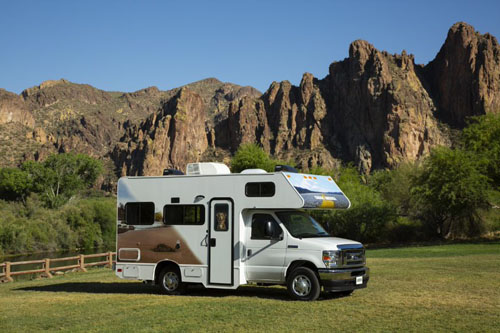
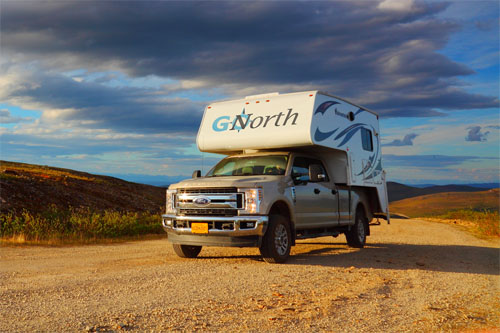
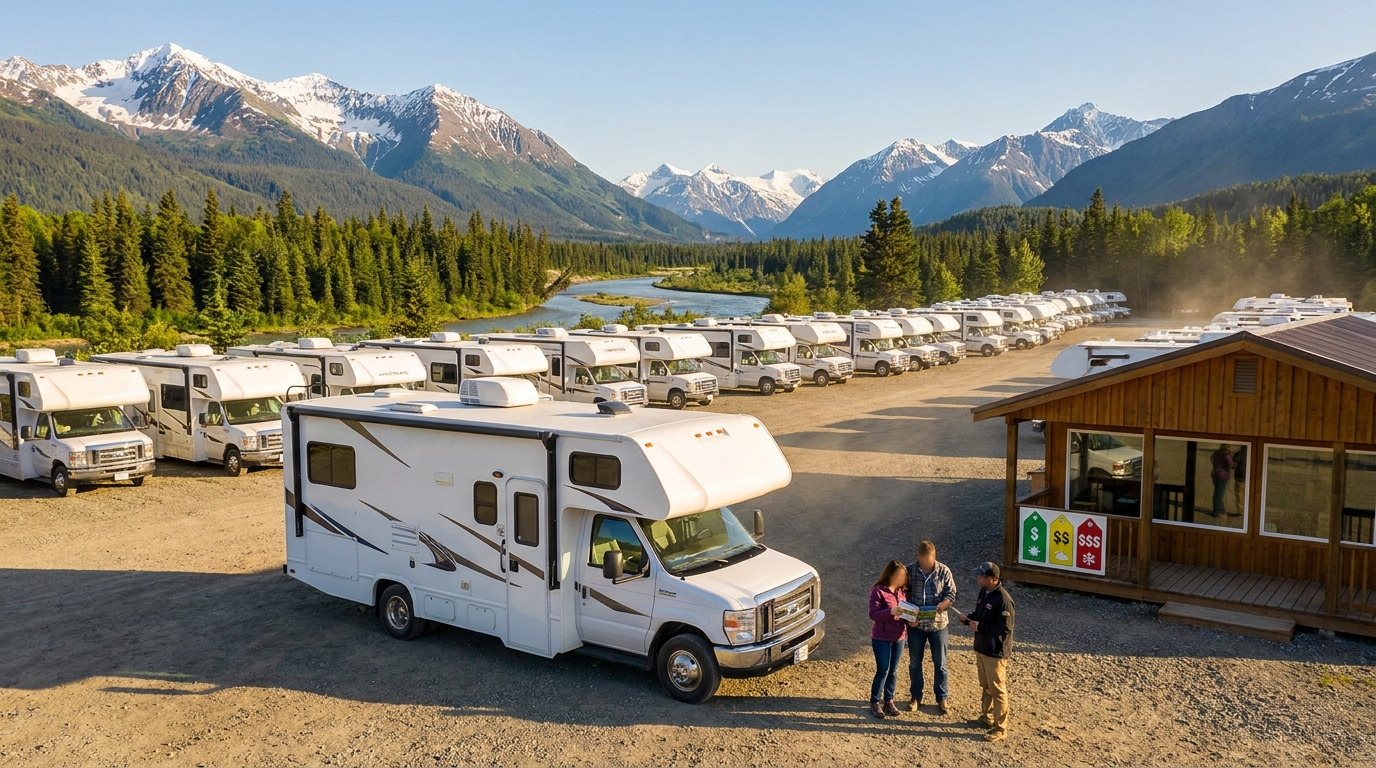
The best RV class for camping in Alaska depends on your travel style, group size, and preference for amenities versus maneuverability on Alaskan roads. A Class B Campervan (Bandana's fleet averages 5.8m length, sleeps 3.2 adults, with 10 L/100 km fuel consumption) is ideal for those seeking agility, better fuel efficiency, and access to more remote boondocking spots. This smaller footprint makes navigating gravel roads and tighter spaces much easier. For families or those desiring more living space and comfort, a Class C Alcove motorhome (Bandana's fleet averages 7.5m length, sleeps 5.8 adults, with 10-12 L/100 km fuel consumption) offers a great balance of comfort and maneuverability. Both classes provide sufficient storage for Alaska-specific gear like bear spray, extra fuel/water, and cold-weather clothing, which are crucial for diverse Alaskan conditions. Remember, you can compare a wide variety of motorhome rentals and campervan rentals from over 50 leading suppliers, including El Monte and Cruise America, right here on Bandana Caravan.
How to Save on Campgrounds in Alaska
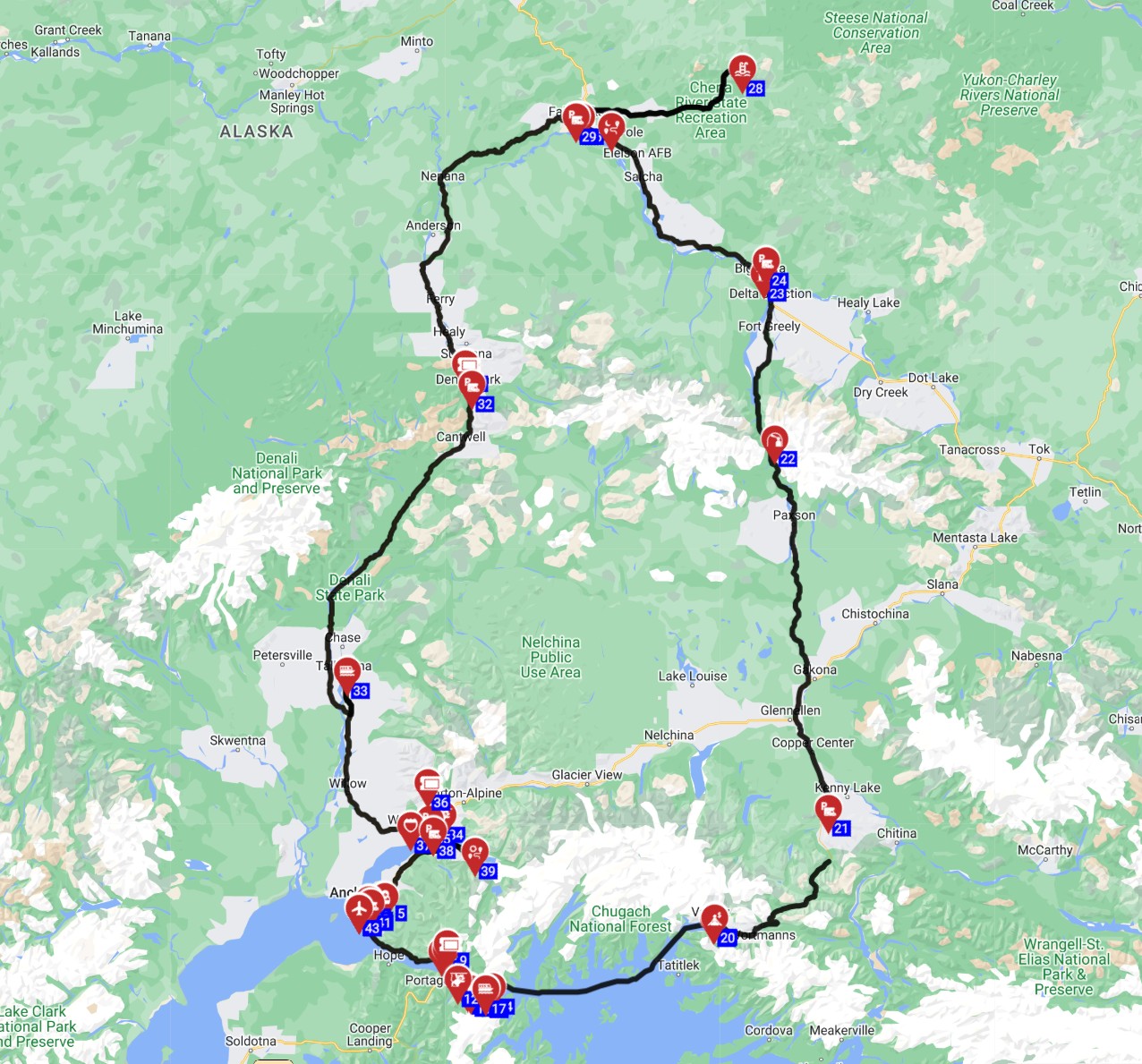
To save on campground costs in Alaska, leverage discount programs and smart booking strategies. Many RV rental providers, including Bandana, offer campground discount cards that can significantly reduce nightly rates at private parks. Opting for municipal, regional, or state park campgrounds is generally more affordable than staying at private RV resorts. Consider booking your rented RV trip during the shoulder seasons (late May/early June or September) when prices are lower, and crowds are thinner. Staying three or more nights at a single location can often take advantage of weekly rates, and if traveling with friends, inquire about sharing hookups where permitted to split costs. Embracing free dispersed camping on public lands, such as those included in the 15-day
Can I park my RV anywhere in Alaska?
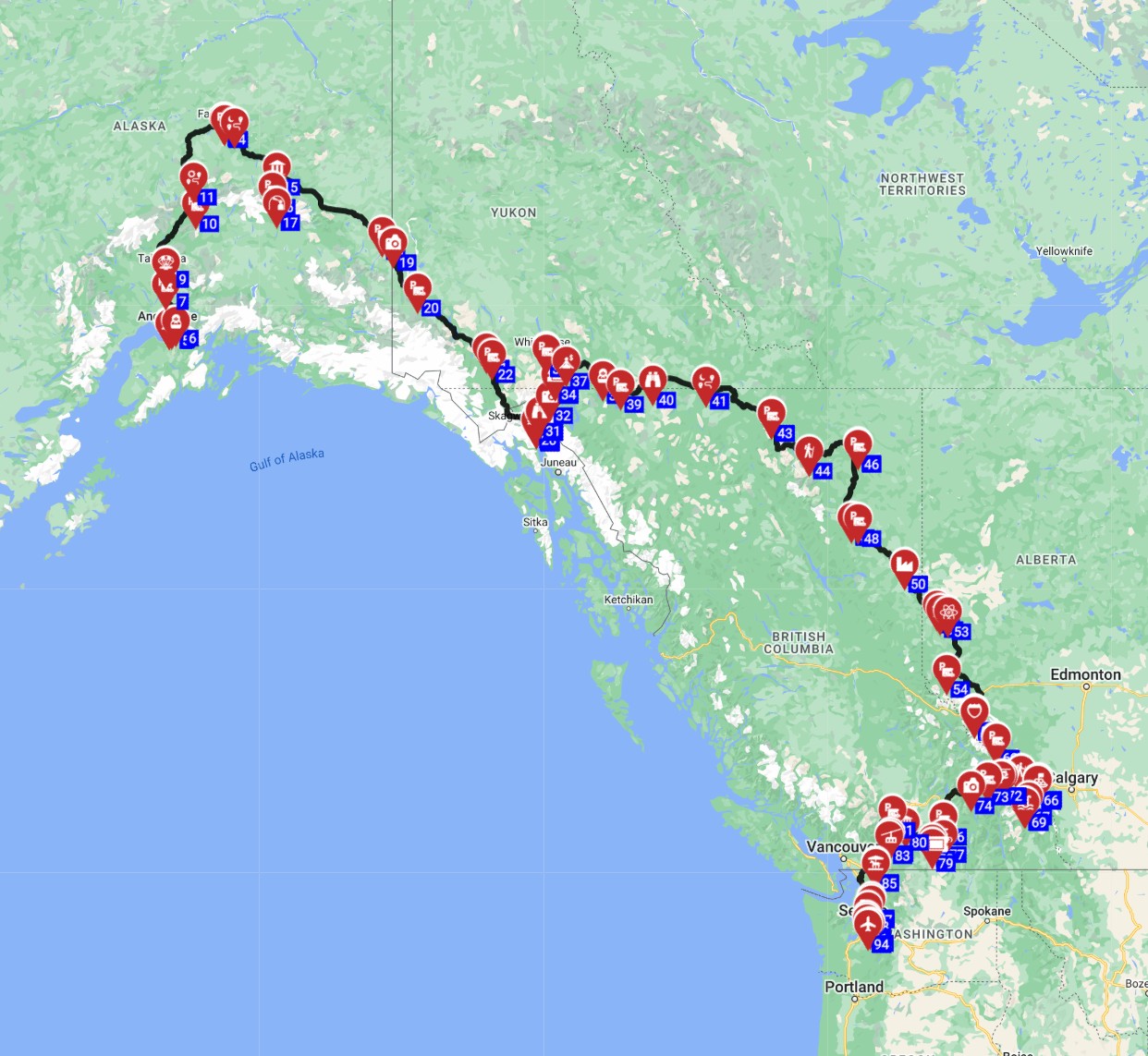
No, you cannot park your RV absolutely anywhere in Alaska, but the state does offer extensive public lands where dispersed camping is legally permitted for your rented motorhome. While Alaska is vast, regulations prohibit camping on private property without permission, within most city limits (unless in a designated RV park), or in areas clearly marked with 'No Camping' signs. Public lands managed by agencies like the Bureau of Land Management (BLM) and National Forests provide abundant opportunities for legal boondocking, but require adherence to 'Leave No Trace' principles, including proper waste disposal and minimal impact. Always be aware of local ordinances, especially near towns and popular attractions like those on an Anchorage Roundtrip - Alaska itinerary, and exercise caution regarding wildlife safety, particularly proper food storage to deter bears.
What is the 3-3-3 rule for RVs and campers?
The 3-3-3 rule is an unofficial guideline widely adopted by RVers to promote a more relaxed, safe, and enjoyable travel experience in their rented camper. This practical rule suggests driving no more than 300 miles (approximately 480 km) a day, arriving at your destination by 3 PM, and staying at least 3 nights in one spot. This guideline helps prevent driver fatigue, allows ample time to find and set up camp (especially important for FCFS sites), and encourages deeper exploration of each location rather than rushing through the stunning Alaskan scenery. While Bandana RV recommends slower travel, averaging 100-150 km per day, the 3-3-3 rule provides a useful framework for managing longer segments of your journey.
Where is the best place to park an RV for free?
The best places to park a rented RV for free in Alaska are typically found on vast public lands managed by the Bureau of Land Management (BLM) and within National Forests, offering extensive opportunities for dispersed camping. Popular areas include stretches along the Denali Highway for remote camping, certain access roads off the Dalton Highway (with careful planning for remoteness), and numerous designated pull-offs or forest service roads throughout the state. When boondocking, prioritize safety by selecting level ground away from potential hazards, understanding that services (water, dump stations, cell service) will be absent, and always practicing diligent bear safety with proper food storage. Consider bringing specific Alaska-appropriate gear for remote camping, such as satellite communicators, extra fuel and water storage, and robust tire repair kits for gravel roads. Our RV PLANET routes can help you itemize and track every expense for easy budgeting, including potential costs for water and dump stations on longer trips.
Is boondocking legal in Alaska?
Yes, boondocking (also known as dispersed camping or wild camping) is generally legal and widely available on vast tracts of public land in Alaska for your rented motorhome, primarily those managed by the Bureau of Land Management (BLM) and the U.S. Forest Service. While permits are rarely required for dispersed camping, it's crucial to adhere to 'Leave No Trace' principles, including packing out all trash, properly disposing of human waste, and minimizing your impact on the environment. Always check local regulations for specific areas, as some state parks or sensitive ecological zones may have restrictions, and ensure you are not on private property without permission. Boondocking in Alaska necessitates extra precautions for wildlife, especially bears, requiring secure food storage and awareness of your surroundings.
What does FF mean in camping?
In the context of camping and RVing, 'FF' typically stands for 'Full Hookups,' signifying a campsite that provides all three essential connections: electric, water, and sewer. A full hookup site offers the highest level of convenience, allowing RVers with a rented camper or motorhome to use their onboard water and septic systems without needing to frequently seek out dump stations or refill water tanks. This abbreviation is often seen on campground maps, reservation systems, and signage to quickly communicate the available amenities at a specific site, differentiating it from 'W/E' (water and electric only) or dry camping (no hookups).
What is the best time of year to RV to Alaska?
The best time of year to RV to Alaska is generally from mid-June to mid-September, as this period offers the most favorable weather, maximum daylight hours, and full accessibility to attractions and services. June is excellent for long daylight, blooming wildflowers, and fewer crowds early in the month; July and August represent the peak season with the warmest temperatures and all facilities open, though with more visitors. September brings stunning fall foliage and fewer crowds but cooler temperatures and some seasonal closures, making it ideal for those seeking solitude and vibrant landscapes. Regardless of the month, preparing for variable Alaskan weather with appropriate gear (even in summer, include layers, rain gear, and bear spray) is crucial for a comfortable and safe rented RV trip. For more planning advice, consult our RV Travel Guide to Alaska - Tips and Top Spots 2026.
How much are campsites in Alaska?
Campsite prices in Alaska vary significantly based on the type of campground, location, and available amenities, ranging from free for dispersed camping to over $100 per night for premium private RV resorts. State park campsites typically cost between $20-35 per night, often providing basic amenities like picnic tables, fire rings, and vault toilets. National Park and Forest Service campgrounds usually range from $15-40 per night, with a mix of dry sites and some offering water access. Private RV parks, offering full hookups, Wi-Fi, laundry, and other conveniences, are generally the most expensive, with rates from $40 to well over $100 per night, especially in popular tourist areas near cities like Anchorage and Fairbanks. Remember, prices are dynamic and can change daily based on demand and seasonality.
What is the 200 rule for camping?
The '200 rule' in camping, primarily discussed among RVers, suggests limiting daily travel to no more than 200 miles (approximately 320 km) to enhance safety and allow for a more enjoyable pace. This guideline is more conservative than the 300-mile component of the 3-3-3 rule, specifically emphasizing reduced fatigue, more time for spontaneous stops at scenic overlooks, and less wear and tear on your rented motorhome. For Alaska's unique road conditions, which can include permafrost heaves and gravel stretches, and abundant photographic opportunities, adopting the 200-mile rule can significantly improve the quality and safety of your RV adventure, ensuring you arrive at your destination refreshed and ready to explore.
What You Shouldn't Miss
- Drive the Denali Highway: This mostly unpaved 217 km (135 mile) road offers some of Alaska's most stunning backcountry scenery, abundant wildlife viewing, and fantastic dispersed camping opportunities for your rented mobile home.
- Explore the Kenai Peninsula: Spend several days exploring towns like Seward (for glacier cruises and Exit Glacier hikes) and Homer (for fishing charters and eclectic shops) with your campervan.
- Visit Wrangell-St. Elias National Park: As the largest national park in the U.S., its two long gravel roads (McCarthy Road and Nabesna Road) lead to unparalleled wilderness and historical sites for adventurous RVers.
- Take a Glacier & Wildlife Cruise: From Seward or Whittier, embark on a boat tour to witness calving glaciers, sea otters, whales, and puffins up close.
- Hike in Chugach State Park: Conveniently located near Anchorage, this vast state park offers numerous hiking trails with spectacular views and a range of camping options for your motorhome.
Looking for expert insights from Avi Bandana? Top 5 Adventures - recommendations from Avi Bandana.
Final Thoughts
Embarking on a rented RV adventure in Alaska is an experience unlike any other, offering a unique blend of wild beauty, tranquil solitude, and the comfort of your mobile home. From the vast opportunities for dispersed camping to the well-equipped private RV parks, Alaska caters to every type of traveler. Remember our advice: drive slowly and carefully, allowing yourself to soak in the incredible scenery, and always be "bear-aware."
Planning your journey is a breeze with resources like RV PLANET (rvplan.net) for pre-planned routes and campsite locations. Whether you prefer to meticulously organize every detail months in advance or embrace spontaneous detours, Alaska's diverse landscape is ready to welcome your rented campervan or motorhome. We're here to help you find the easiest, safest, and most affordable way to rent an RV, comparing options from over 50 suppliers so you don't have to.
So, get inspired for your next trip! Discover top destinations, planning tips, all in one place, and plan a trip itinerary in advance with minimal effort and maximum enjoyment. Your Alaskan RV adventure awaits, promising memories that will last a lifetime.