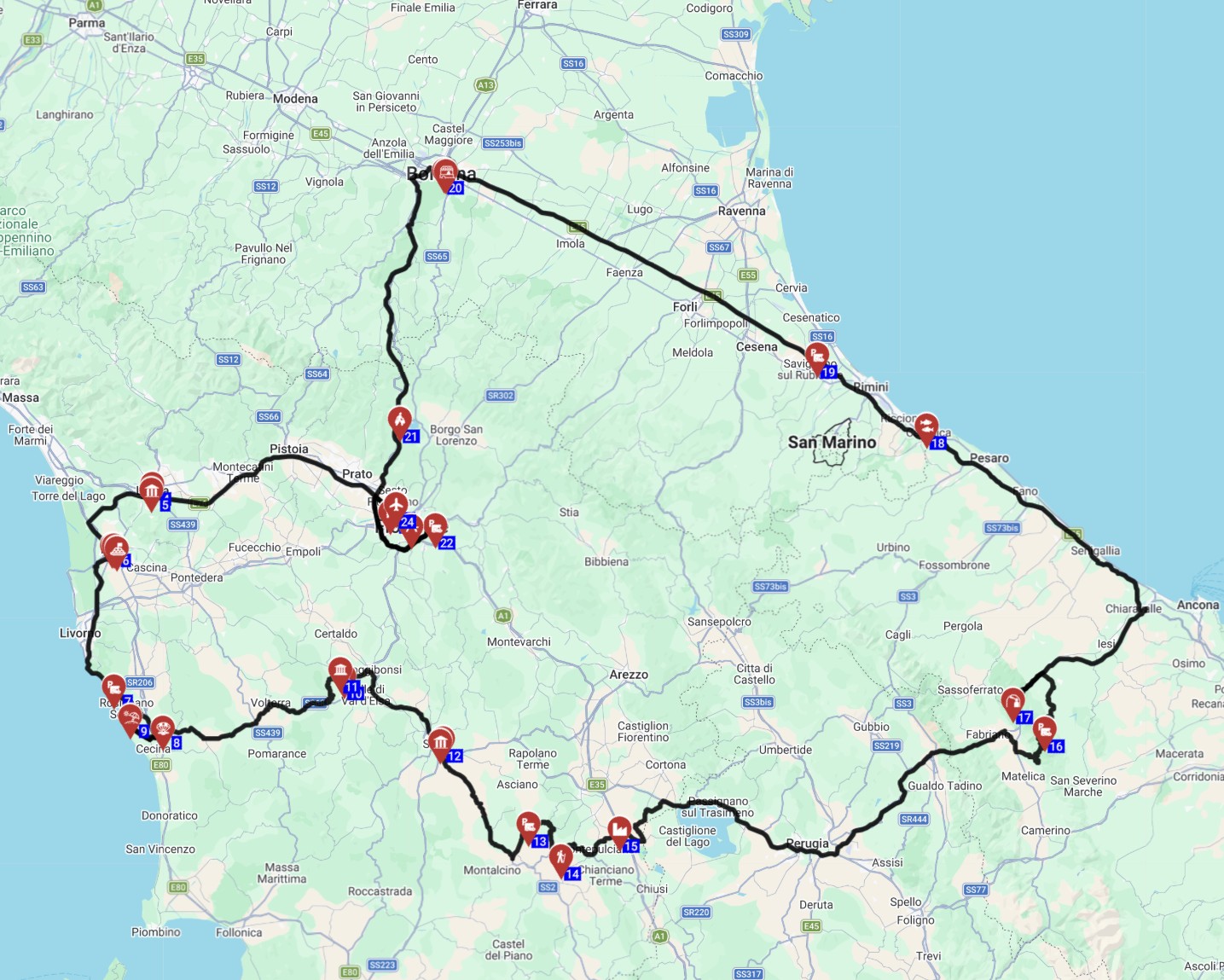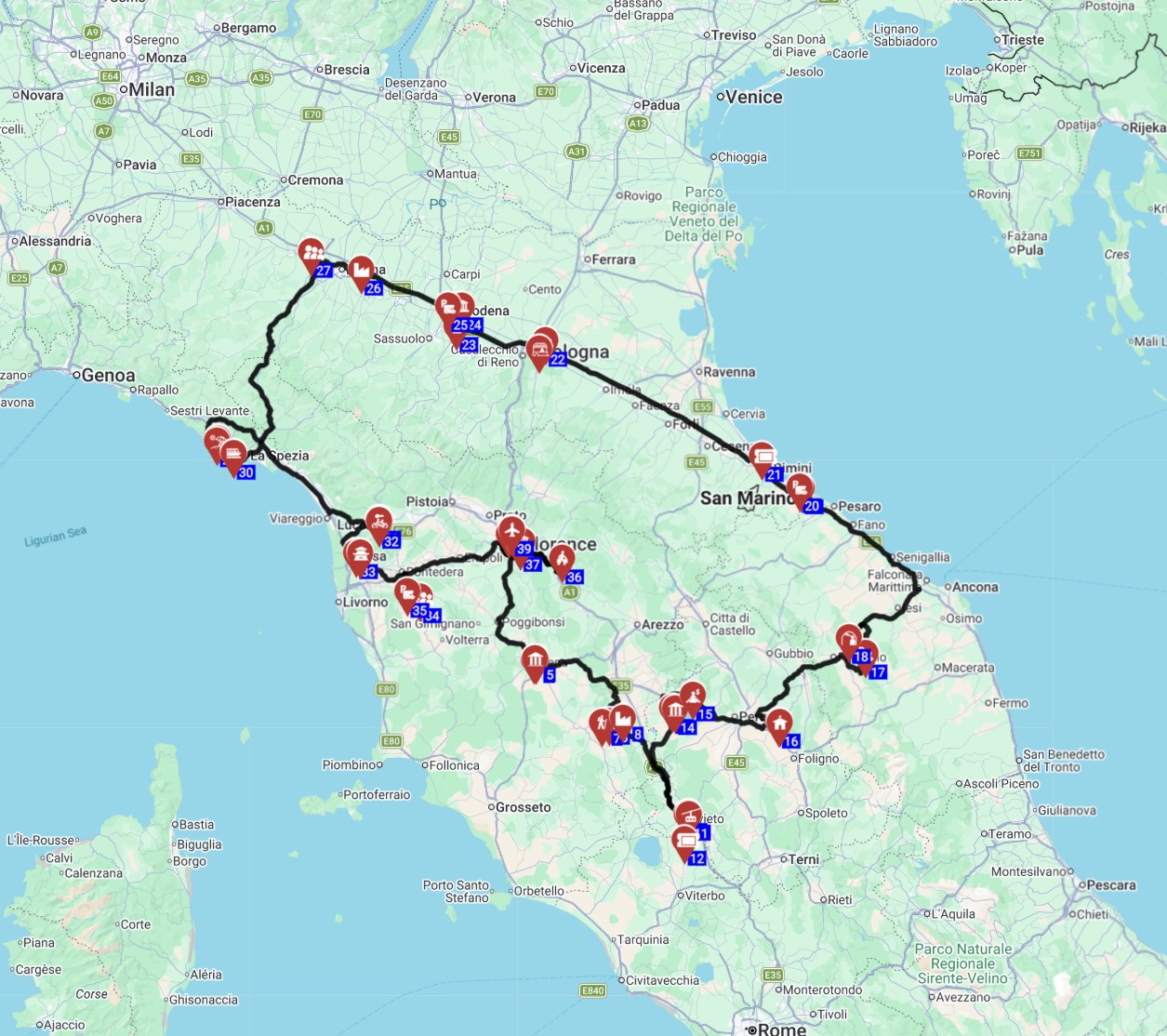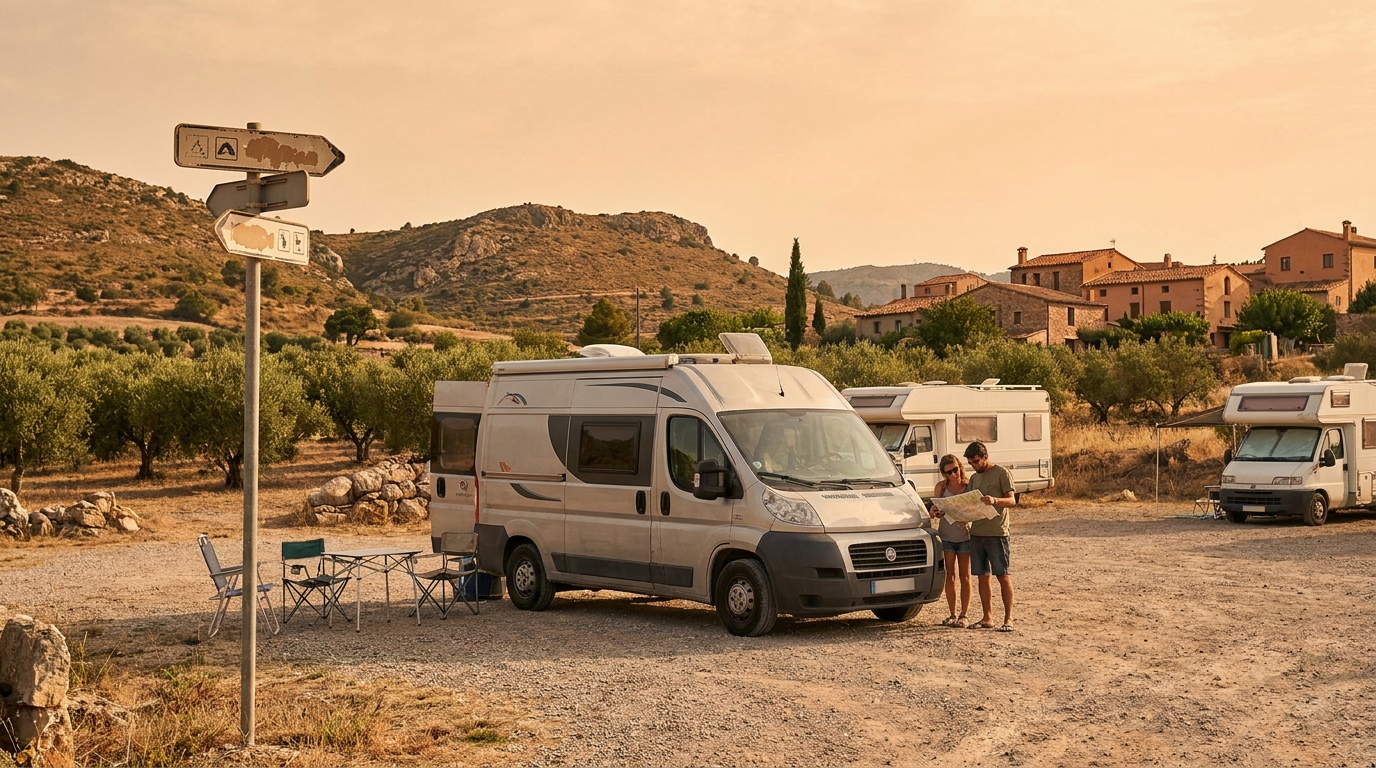
For live availability and current prices, start with our RV Rental South Europe - Complete Guide 2026 guide.
In This Guide
- Can You Drive an RV in South Europe? License & Age Rules
- Road Conditions & Terrain in South Europe
- RV Size Limits, Bridges & Restricted Zones
- Fuel: Diesel vs. Petrol & Cost per 100 km
- Tolls, Vignettes & Border Rules
- Driving Tips for weekly rv rental Travelers
- Recommended RV Class for South Europe Roads
- Should I Choose a Compact Van Instead of a Large RV in South Europe?
- Can I Park Anywhere? Free & Wild Camping Rules in South Europe
- Can I Drive an RV Into the City Center? Heights, Tunnels & Local Signage
- What are the alcohol driving limits and unique road rules for RVs in South Europe?
- What are the best GPS recommendations for RV navigation in South Europe?
- What are the safety and security tips for RVing in South Europe?
- What cultural etiquette should RV travelers observe in South Europe?
- What are the best seasons for RV travel in South Europe, and what are the pros of off-season touring?
- What are unique RV-friendly experiences and scenic routes in South Europe?
Can You Drive an RV in South Europe? License & Age Rules
Yes, you absolutely can drive an RV in South Europe with the right documentation and knowledge. For most rental motorhomes under 3.5 tonnes, your standard B category car driver's license is sufficient across South Europe. However, for larger motorhomes, particularly those exceeding the 3.5-tonne weight limit, you will typically need a C1 license or an equivalent category recognized in the specific country. It’s always best to check the exact requirements with your chosen rental provider. The minimum driver age for RV rentals is commonly 21 years old, though some suppliers may require renters to be 25, and a surcharge for younger drivers might apply. For travelers with licenses from outside the EU, an International Driving Permit (IDP) is strongly recommended and is a legal requirement in some South European countries, such as Italy, for specific types of licenses. Always ensure your documentation is up-to-date and valid for the duration of your rental.
Road Conditions & Terrain in South Europe
South Europe presents a diverse driving experience for RV travelers, with road conditions varying significantly. You’ll encounter well-maintained motorways, especially in countries like Spain and Portugal, offering smooth and efficient travel. However, as you venture into more rural areas, coastal routes, or mountainous regions, expect narrower, winding roads that require careful navigation. Many historic town centers feature cobblestone streets or tight passages that demand a slower, more cautious approach with any weekly RV rental. Embracing a slower pace, perhaps limiting daily travel to 100-150 km, allows you to fully appreciate the varied landscapes, from sun-drenched coastlines to picturesque vineyards and dramatic mountain scenery, while also avoiding unexpected challenges.
RV Size Limits, Bridges & Restricted Zones
When planning your routes in South Europe, RV size limits, particularly concerning bridges and restricted zones, are crucial considerations. Many older towns and historic city centers have narrow streets, tunnels, and archways with height and width restrictions that can pose a challenge for larger motorhomes. Always be vigilant for signage indicating these limits. Furthermore, be aware of environmental zones, such as Italy's *Zona a Traffico Limitato* (ZTL) or Spain's Low Emission Zones (LEZs). These zones often restrict access for certain vehicles, especially older diesel models, and entering them without authorization can result in hefty fines. If you plan to visit islands like Sicily or Sardinia, ferry costs and availability can be significantly impacted by your RV's overall length and weight, so it's wise to check these details in advance.
Fuel: Diesel vs. Petrol & Cost per 100 km
Diesel is the predominant fuel type for RVs throughout South Europe and is widely available at most service stations. Bandana's fleet data indicates that a Class SI Semi-integrated RV typically consumes around 10–11 liters per 100 km, while a larger Class C Alcove RV might use slightly more, in the range of 10–12 liters per 100 km. For budgeting your weekly RV rental journey in 2026, it's advisable to estimate fuel costs between €1.70 and €2.00 per liter, although actual prices will fluctuate based on location and global market conditions. Some rental agreements may include fuel discount cards, which can offer cost savings on longer trips across the region, making your travel even more economical. On the routes offered through RV PLANET routes, you can itemize and track every expense along the way for easy budgeting.
Tolls, Vignettes & Border Rules
Navigating South Europe often involves a system of tolls on major motorways. Countries like Spain, Portugal, and Italy primarily utilize toll roads, where you'll pay based on the distance traveled or via specific toll booths. While vignettes are common in Central Europe, they are less prevalent in the core South European nations; however, you might encounter them if your itinerary takes you into bordering countries. To streamline your travel and avoid potential fines, consider pre-purchasing electronic toll passes where available, such as Portugal's Via Verde or Italy's Telepass system. For those traveling within the EU and Schengen Area, cross-border movement is generally unrestricted; however, always ensure you have your necessary travel documents readily accessible.
Driving Tips for weekly rv rental Travelers
For a more enjoyable weekly RV rental experience in South Europe, planning is key. When traveling with family, schedule stops every 2-3 hours to allow everyone to stretch, explore points of interest, and break up the driving. Budget-conscious travelers can save by pre-paying tolls where possible and strategically planning routes to minimize reliance on more expensive motorways. If you're not accustomed to manual transmissions, opting for an RV with an automatic transmission can greatly reduce driving fatigue, especially on South Europe's often hilly and winding roads. Finally, always research and adhere to the specific road rules of each country you visit, including speed limits, right-of-way customs, and requirements for safety equipment like reflective vests or warning triangles inside the vehicle.
Recommended RV Class for South Europe Roads
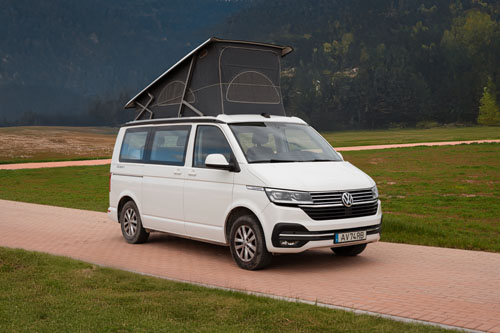
Choosing the right RV class is essential for navigating South Europe's diverse roads. The Class B Camper Van, averaging around 5.8 meters in length across Bandana's global fleet, is highly recommended for its exceptional maneuverability on narrower roads and in tighter urban spaces. For a comfortable balance of interior space and ease of driving suitable for most main routes, the Class SI Semi-integrated RV, averaging 6.9 meters, is an excellent choice. If you're traveling with larger groups or require more amenities, the Class C Alcove RVs, with an average length of 7.5 meters and accommodating 5.8 people, offer ample sleeping capacity but demand more cautious navigation, particularly in urban areas and mountainous terrains.
Should I Choose a Compact Van Instead of a Large RV in South Europe?
While a compact van offers superior maneuverability in very tight historic centers and narrow mountain passes, there's usually no inherent issue driving any RV size on South Europe's main roads. The primary consideration often boils down to balancing the ease of parking and navigating extremely confined spaces with a compact van against the enhanced comfort and indoor living space of a larger RV. For a week-long trip, a Class SI Semi-integrated RV or even a Class C Alcove often provides a better overall balance of living amenities without being overly cumbersome on most South European routes. Ultimately, for extended travel, the onboard facilities for cooking, sleeping, and relaxing can be more critical than extreme maneuverability for brief urban excursions. For ideas you can prep on the road, watch our RV-friendly recipes playlist on YouTube.
Can I Park Anywhere? Free & Wild Camping Rules in South Europe
Free parking and wild camping are generally restricted or outright illegal in many popular South European countries, including Spain, Portugal, and Italy, especially in coastal areas, national parks, and protected natural sites. While overnight parking in an RV might be tolerated in non-prohibited areas if no camping behavior (like setting up awnings or chairs outside) is evident, this is not a guaranteed right. The safest and most legal options for overnight stays are designated campsites, which offer full facilities, or 'aires de services' (common in France and Spain) and 'sosta camper' (Italian service points for RVs). Always research local regulations for each region and municipality, and remember to practice ‘leave no trace’ principles.
Can I Drive an RV Into the City Center? Heights, Tunnels & Local Signage
You can almost always drive an RV into South European city centers, but doing so requires extreme vigilance regarding local restrictions and your vehicle's dimensions. Pay meticulous attention to local signage that indicates height limits, narrow tunnels, low bridges, and particularly environmental zones or streets designated for residents only. Major cities like Rome, Florence, Barcelona, and Madrid have strict Zona a Traffico Limitato (ZTLs) or Low Emission Zones (LEZs) that can incur significant fines if entered without proper permits. For a more practical exploration of historic centers, it’s often recommended to park your RV on the outskirts of the city in a designated lot and utilize public transport to discover the heart of the city.
What are the alcohol driving limits and unique road rules for RVs in South Europe?
Alcohol driving limits for RVs in South Europe generally mirror those for standard cars, typically around 0.05% Blood Alcohol Content (BAC) in countries like Spain, Italy, and Portugal. Be aware of unique road rules, such as priority-to-the-right in certain rural intersections, especially in France and Italy, and the mandatory use of indicators even when exiting roundabouts. Requirements for reflective vests and warning triangles within the vehicle are also common. Some regions or specific roads may have particular restrictions for larger vehicles, so always observe local road signs carefully. Adhering to these rules is crucial for your safety and to avoid significant fines.
What are the best GPS recommendations for RV navigation in South Europe?
For navigating South Europe's diverse road network with your RV, dedicated GPS devices or specialized mobile applications are highly recommended. Devices like the Garmin RV series or TomTom Go Camper allow you to input your RV's specific dimensions (height, weight, length) to ensure routes are tailored to avoid unsuitable roads, low tunnels, or weight-restricted bridges. Mobile apps like Sygic Truck & Caravan Navigation or CoPilot RV also offer RV-specific routing. Always ensure your maps are updated and cross-reference GPS directions with local road signage, as real-time conditions or temporary restrictions might not always be reflected in the navigation system.
What are the safety and security tips for RVing in South Europe?
For optimal safety and access to essential facilities, prioritize staying at official campsites or secure RV parks for overnight stops, particularly in urban areas. When discreetly wild camping in permitted areas, choose well-trafficked yet secluded spots, and avoid extremely isolated locations. Never leave valuables visible inside your RV. Be vigilant against common tourist scams, especially in crowded attractions or service areas, and always ensure all doors and windows are securely locked when leaving your RV or retiring for the night. Familiarize yourself with local emergency numbers (112 is the universal number for all EU countries) and keep your rental company's roadside assistance contact details easily accessible.
What cultural etiquette should RV travelers observe in South Europe?
Showing respect for local communities is paramount when RVing in South Europe. Maintain low noise levels, especially in rural villages or residential areas, and be mindful of local customs like siesta times. Always practice 'leave no trace' principles: pack out all your trash, dispose of greywater and blackwater only at designated service points, and avoid damaging natural environments. If considering parking or camping on private land, always seek explicit permission from the landowner to foster good relationships and avoid trespassing. Supporting local businesses and respecting customs, such as dressing modestly when visiting religious sites, will greatly enhance your experience.
What are the best seasons for RV travel in South Europe, and what are the pros of off-season touring?
The shoulder seasons of Spring (April-May) and Autumn (September-October) are generally considered the best for RV travel in South Europe, offering pleasant weather and fewer crowds than the peak summer months. Off-season touring, such as late autumn, winter, or early spring, presents significant advantages, including notably lower RV rental rates and reduced campsite fees. Traveling during these quieter periods also allows for easier navigation of popular attractions, more authentic local interactions, and less competition for prime parking and camping spots. Even winter RVing can be enjoyable in the milder coastal regions of South Europe, offering unique cultural experiences without the usual tourist throngs, although some campsites and services may have reduced hours or be closed.
What are unique RV-friendly experiences and scenic routes in South Europe?
South Europe offers a wealth of unique RV-friendly experiences and scenic routes. Explore specific wine routes, such as Portugal's Douro Valley or Italy's Chianti region, many of which feature RV-friendly wineries that offer overnight parking for guests, often through *sosta camper* or *agriturismo* arrangements. Embark on renowned coastal drives like Spain's Costa del Sol or stretches of Italy's Adriatic coast, seeking out designated RV parking areas near beaches and viewpoints. Discover local festivals and events, from medieval markets in France to harvest festivals in Italy, which are often easily accessible by RV and provide deep cultural immersion. Consider unique RV-friendly accommodations, including farm stays or specialized motorhome parks with direct beach access, to enhance your overall travel experience.
Final Thoughts
Embarking on an RV adventure through South Europe offers an unparalleled blend of freedom, culture, and breathtaking scenery. From the sun-kissed coasts to the historic heartlands, a rented RV provides the perfect mobile base to explore at your own pace. Remember to plan ahead for popular routes and book your preferred vehicle class, especially if traveling during peak season. With Bandana Caravan, you're not just renting an RV; you're gaining a partner dedicated to making your South European road trip a truly unforgettable experience. Embrace the journey, soak in the diverse cultures, and let the spirit of slow travel guide you.
We're here to help you navigate every step of your RV rental process, ensuring your trip through South Europe is as smooth and enjoyable as possible. So, start dreaming, start planning, and get ready to hit the open road!
🎬 Video coming soon