In This Guide
- Can You Drive an RV in San Francisco? License & Age Rules
- Road Conditions & Terrain in San Francisco
- RV Size Limits, Bridges & Restricted Zones
- Fuel: Diesel vs. Petrol & Cost per 100 km
- Tolls, Vignettes & Border Rules
- Driving Tips for weekly rv rental Travelers
- Recommended RV Class for San Francisco Roads
- Should I Choose a Compact Van Instead of a Large RV in San Francisco?
- Can I Park Anywhere? Free & Wild Camping Rules in San Francisco
- Can I Drive an RV Into the City Center? Heights, Tunnels & Local Signage
- What is the 3-3-3 rule when RVing?
- What is the 4 4 4 rule for RVing?
- What is the new RV law in California?
- What requirements do you need to drive an RV?
- What license do I need to drive an RV in California?
- How much is insurance on an RV in California?
- How to get cheap RV insurance?
- Does Good Sam insurance cover full-time RVers?
- Can you get RV insurance for 1 month?
Imagine yourself on a week-long RV driving tour in San Francisco 2026, exploring iconic landmarks and breathtaking coastal routes. With a rented motorhome or campervan, you have the freedom to discover the Bay Area at your own pace, whether you're taking a family trip or a romantic getaway. For live availability and current prices, start with our RV Rental San Francisco - Complete Guide 2026 guide.
Can You Drive an RV in San Francisco? License & Age Rules
Most recreational vehicles (RVs) under 26,001 pounds can be driven in San Francisco with a standard Class C driver's license. This applies to all Class B campervans and most Class C motorhomes, making it easy for most drivers to hit the road without special permits. California law generally requires drivers to be at least 21 years old to rent an RV, and Bandana RV proudly offers rentals to drivers aged 21 and over with no young driver surcharges. Foreign drivers can operate a rented RV in California with a valid driver's license from their home country; however, an International Driving Permit (IDP) is highly recommended for translation purposes and is recognized by law enforcement. A Class B non-commercial license is required only for single vehicles weighing 26,001 pounds or more, or for towing a single vehicle weighing over 10,000 pounds (if the combined weight is less than 26,001 pounds), which is generally not applicable to our rental fleet of motorhomes and campervans. We ensure full transparency on all licensing requirements upfront, so there are no surprises.
Road Conditions & Terrain in San Francisco
San Francisco's road conditions are characterized by exceptionally steep hills, dense urban traffic, and a mix of well-maintained and older, sometimes pothole-ridden streets. The city's iconic hills, such as Lombard Street (which is primarily for cars, but its steepness is indicative of the city's topography) and gradients reaching over 30% on some lesser-known streets, demand careful driving, especially with a heavier RV. Urban density means narrow streets, frequent stop-and-go traffic, and limited space for maneuvering larger vehicles, making slow and deliberate driving essential for weekly RV renters. While there's no gravel terrain within the city, some scenic routes outside San Francisco, like those in the Marin Headlands, might involve winding roads that require attention and a relaxed pace. Remember to travel slowly, averaging max 100-150 km per day, to truly connect with the scenery.
RV Size Limits, Bridges & Restricted Zones
San Francisco does not have explicit RV size limits for driving on most city streets, but practical constraints like narrow roads, tight turns, and limited parking heavily favor smaller RVs like campervans or compact Class C motorhomes. Bridge clearances are generally sufficient for RVs on major crossings like the Golden Gate Bridge and Bay Bridge, though drivers should always observe posted height and weight limits to ensure safe passage. No environmental zones strictly prohibit RVs in San Francisco, but drivers must be mindful of local noise ordinances and idling regulations, particularly in residential areas. Ferry services across the Bay (e.g., to Sausalito or Alcatraz) have specific length and weight restrictions for vehicles, and larger RVs may not be accommodated or will incur significant additional fees, so planning ahead is key for those considering ferry travel.
Fuel: Diesel vs. Petrol & Cost per 100 km
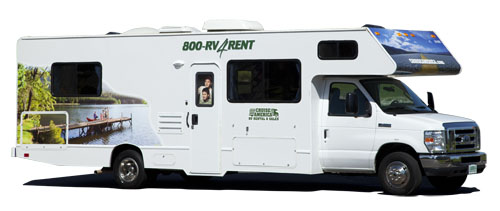
Most rental RVs in the Class C and Class A categories in San Francisco typically run on petrol (gasoline), though some larger Class A models may use diesel fuel. Based on Bandana's local fleet data, Class C - Alcove RVs, like a cruise america rv rental example Explorer which is 7.1 meters long and has a 75 Liter fuel tank, average approximately 23-35 Liters per 100 km. Larger Class A - Integrated RVs, like an el monte rv rentals example Elite Traveller, typically consume between 30-45 Liters per 100 km. Fuel availability is excellent for both petrol and diesel throughout the San Francisco Bay Area and California, though diesel stations might be less frequent in dense urban cores. Budgeting for fuel is crucial in the expensive Bay Area; a weekly RV rental will incur significant fuel costs, and on RV PLANET routes, travelers can itemize and track every expense along the way for easy budgeting. Always factor current fuel prices into your total trip cost estimation for San Francisco. On the routes offered through RV PLANET routes, you can itemize and track every expense along the way for easy budgeting.
Tolls, Vignettes & Border Rules
San Francisco and the broader Bay Area have several tolled bridges, most notably the Golden Gate Bridge (northbound only) and the San Francisco-Oakland Bay Bridge (westbound only), which use electronic toll collection. California uses the FasTrak electronic toll system, and visitors with weekly RV rentals should ensure they have a compatible transponder or pre-register their license plate for tolls to avoid penalties. Rental companies like El Monte and Cruise America often offer optional FasTrak passes or transponders for a convenient add-on fee. There are no 'vignettes' or similar national road-use stickers required for RVs in California or the United States, unlike some European countries, simplifying cross-state travel. For weekly RV renters, opting for a pre-purchased toll pass can simplify toll payments and prevent unexpected fines, ensuring a smooth journey around San Francisco and beyond.
Driving Tips for weekly rv rental Travelers
Driving an RV in San Francisco requires careful planning and a relaxed approach. Here are some essential tips for weekly RV renters:
- Master Hill Driving: Practice driving on steep inclines and declines, utilizing low gears to manage speed effectively and avoid brake fade. Downshifting on descents is crucial to prevent overheating your brakes, particularly on San Francisco’s famously steep streets.
- Strategic Parking: Avoid driving your RV into the densest parts of San Francisco, such as Union Square or Fisherman's Wharf, as parking is extremely limited and expensive. Instead, use peripheral RV-friendly parking areas, often found closer to Golden Gate Park or at designated park-and-ride lots in the East Bay, and rely on public transit (BART, Muni) or ride-sharing for city exploration. Candlestick Point State Recreation Area provides one of the best RV camping options with decent public transport access.
- Plan Your Route: Use RV-specific GPS navigation or apps that account for vehicle dimensions to avoid narrow streets, low bridges, or dead ends. Pre-planned itineraries, such as the "Portland to San Francisco" route from RV PLANET, can help you navigate smoothly.
- Budget for Tolls & Gas: Factor in the cost of Bay Area bridge tolls and higher fuel prices into your weekly rental budget. Some rental providers may offer fuel discount cards, and using RV PLANET routes allows you to track all ancillary costs.
- Book Campgrounds in Advance: Especially for weekly rentals during peak season (May through October), secure RV park reservations well outside the city (e.g., Marin, East Bay, or Half Moon Bay) to ensure a safe and accessible base. Even closer options like Candlestick Point State Recreation Area can fill up quickly.
Recommended RV Class for San Francisco Roads
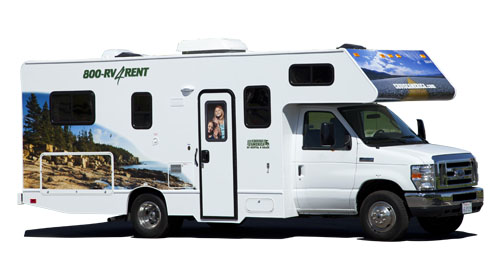
For navigating San Francisco's challenging urban landscape, smaller, more agile vehicles are generally recommended for a weekly RV rental. The Class TC - Truck Camper, with a compact average length of 5.9 meters, offers superior maneuverability for city streets and easier parking, making it an excellent choice for couples or small families. The Class C - Alcove, with an average length of 8.1 meters, also presents a viable option, balancing comfortable living space for 4-6 people with manageable dimensions for the Bay Area's diverse roadways, though it will be more challenging in the city center. While Class A - Integrated RVs, averaging 10.3 meters in length, offer luxurious space and amenities for larger groups, their substantial size makes them less ideal for driving and parking within San Francisco's dense urban core, often better suited for longer hauls on open highways. For a comfortable experience with cooking facilities, many Class C motorhomes, like the rv rentals utah example Sunrise Escape, offer a 3-burner gas stove and a 170-liter refrigerator, perfect for preparing meals on the go. Be sure to check out our RV-friendly recipes playlist for inspiration!
Should I Choose a Compact Van Instead of a Large RV in San Francisco?
Choosing a compact van (like a Class B or campervan) over a large RV for a weekly rental in San Francisco offers significant advantages in maneuverability and parking ease within the dense urban environment. Vehicles like the 2 Berth Hi Top (a Class B - Camper Van) or the Patagonia Camper 4x4 double cab (a Class TC - Truck Camper) are particularly suited to navigating narrow streets and finding parking spots that larger motorhomes would struggle with. While a compact van genuinely helps navigate tight historic centers and find more accessible parking spots, a larger RV provides greater comfort, more indoor space, and often better amenities for longer trips outside the immediate city, especially for families. For those planning to spend most of their time exploring San Francisco's urban core, a compact van minimizes stress associated with city driving and parking, allowing for a more focused city experience. However, if your weekly rental itinerary includes extensive travel through the broader California region, where comfort and living space become paramount, sticking with a larger Class C or even Class A RV might offer a better trade-off for overall experience and convenience for your family.
Can I Park Anywhere? Free & Wild Camping Rules in San Francisco
Free and wild camping for RVs is generally not permitted and is heavily restricted within San Francisco's city limits due to local ordinances against overnight parking of oversized vehicles and residential parking permit requirements. While you cannot 'park anywhere' for free overnight in San Francisco, some paid RV parks are located just outside the city in areas like Marin, the East Bay, or Half Moon Bay, offering a base with public transit access. Candlestick Point State Recreation Area, on the city's southeast side, is one notable exception, offering official RV camping with bay views at reasonable rates (typically $35-$50 per night). Street parking for RVs in San Francisco is extremely challenging, often restricted by time limits, size regulations, and steep hills, making it impractical for overnight stays. Rules vary by region, so always check local regulations and follow local law before parking overnight, particularly when seeking free or wild camping spots, which are virtually non-existent in urban San Francisco. For finding campsites and campgrounds during your trip, we recommend using RV PLANET (rvplan.net) - a great resource for locating available spots along your route.
Can I Drive an RV Into the City Center? Heights, Tunnels & Local Signage
Yes, it is generally possible to drive an RV into San Francisco's city center, but it requires careful attention to local challenges like steep hills, narrow streets, and highly restricted parking. RV drivers must pay close attention to local signage for height limits, especially when approaching tunnels like the Broadway Tunnel (13'6") or Stockton Tunnel (14'3"), as well as for low bridges and residents-only streets. Navigating the dense urban core with a large RV can be stressful due to heavy traffic, sharp turns, and the constant search for appropriate parking, which is extremely scarce and often metered or subject to time limits. We advise driving slowly and carefully; you can drive almost anywhere without issues. No need to stress - just use common sense and pay attention. Consider parking your RV at an RV-friendly location on the city's periphery or in a nearby Bay Area campground, such as one in Marin County with a shuttle service, and using public transportation (Muni, BART) or ride-sharing services to explore the city center.
What is the 3-3-3 rule when RVing?
The 3-3-3 rule for RVing is a popular guideline suggesting that RVers drive no more than 300 miles (approximately 480 km) a day, arrive at their destination by 3 PM, and stay for a minimum of 3 nights. This rule promotes a more relaxed pace of travel, reducing driver fatigue and allowing ample time for setup, breakdown, and enjoying each location, which is particularly beneficial for a week-long RV driving tour in San Francisco. Adhering to the 'arrive by 3 PM' aspect helps ensure campers secure a spot at popular RV parks, especially if they haven't made prior reservations, and allows for daylight setup of their rented motorhome. The 'stay 3 nights' recommendation encourages a deeper exploration of an area, making the journey less about driving and more about experiencing the culture, food, and scenery, perfectly aligning with our philosophy of slow travel.
What is the 4 4 4 rule for RVing?
The 4-4-4 rule is another popular RV travel guideline, advising travelers to drive no more than 400 miles (approximately 640 km) a day, arrive at their campground by 4 PM, and stay for at least 4 nights. Similar to the 3-3-3 rule, this guideline aims to prevent burnout, provide a buffer for unexpected delays, and allow for more leisurely travel and exploration, ideal for an extended road trip from San Francisco. The slightly longer driving distance and later arrival time in the 4-4-4 rule may suit RVers who prefer to cover more ground, while still emphasizing quality time at each stop. Both the 3-3-3 and 4-4-4 rules are flexible recommendations, encouraging RVers to find a pace that maximizes enjoyment and minimizes stress, particularly for weekly RV rentals, ensuring a pleasant adventure around San Francisco and California.
What is the new RV law in California?
As of 2026, there isn't one singular 'new RV law' in California that dramatically alters state-wide RV regulations; however, local ordinances, particularly regarding overnight parking and homeless encampments, frequently change. Many California cities, including those in the Bay Area like San Francisco, Oakland, and Berkeley, periodically update laws concerning RV parking on public streets, often restricting the time or location for overnight parking of oversized vehicles, especially near residential areas. Travelers with a weekly RV rental in California should always check specific municipal codes for their intended destinations to avoid fines. Recent legislative efforts have often focused on waste management from RVs and ensuring safe parking solutions rather than broad restrictions on RV usage, but specific local regulations can vary widely, making it essential to call ahead to campgrounds or city offices if you have concerns.
What requirements do you need to drive an RV?
To drive most RVs, including Class B campervans and Class C motorhomes, in the United States, you typically need a standard Class C driver's license, provided the vehicle's Gross Vehicle Weight Rating (GVWR) is under 26,001 pounds. This covers the vast majority of rental motorhomes available in San Francisco. For larger Class A RVs or those with a GVWR of 26,001 pounds or more, or if towing a trailer exceeding 10,000 pounds, a non-commercial Class A or Class B license may be required depending on state regulations, though these are rarely encountered in our rental fleet. Drivers must generally be at least 21 years old to rent an RV through Bandana Caravan, with no additional young driver surcharges. Proof of insurance, either personal or through the rental company's included coverage, is also a universal requirement for operating a rented RV on public roads, ensuring peace of mind during your adventure.
What license do I need to drive an RV in California?
In California, a standard Class C driver's license is sufficient for driving most RVs, including Class B and Class C motorhomes, as long as their Gross Vehicle Weight Rating (GVWR) is 26,000 pounds or less. This category covers virtually all recreational vehicles offered for weekly RV rental in San Francisco by Bandana Caravan's trusted suppliers. For RVs weighing 26,001 pounds or more, or if you are towing a trailer weighing over 10,000 pounds (and the combined weight is less than 26,001 lbs), a non-commercial Class B license is required. If you plan to drive a combination of vehicles (e.g., an RV towing a substantial vehicle) with a combined GVWR of 26,001 pounds or more, and the towed vehicle is over 10,000 pounds, a non-commercial Class A license is necessary. Always confirm the specific weight rating of your rental RV to ensure you possess the correct license category before beginning your weekly RV rental in California, though for our fleet, a standard license is typically all you need.
How much is insurance on an RV in California?
The cost of RV insurance in California varies significantly, typically ranging from $500 to $3,000+ annually for owners, depending on several factors including the RV's value, type, coverage limits, and the driver's history. Factors influencing RV insurance costs include the RV's make, model, age, and replacement cost, as well as the chosen deductible, the driver's age and driving record, and the specific coverages selected (e.g., liability, comprehensive, collision). For weekly RV rentals in San Francisco, insurance is typically provided by the rental company, often including basic liability coverage as part of the rental agreement. Renters usually have options for supplementary coverage to reduce deductibles or expand protection, such as our optional top-level deductible reimbursement for extra peace of mind. This means what you see in the final price is what you pay, with no surprise fees for basic coverage.
How to get cheap RV insurance?
To secure cheap RV insurance for your trip to California, especially if you're exploring options beyond the rental company's standard offerings, start by comparing quotes from multiple providers. Rates can vary widely for similar coverage, so a comparison platform like Bandana Caravan not only helps you find the best RV rental price but also clarifies insurance options. Consider increasing your deductible, which can lower your premium, but ensure you can afford the out-of-pocket cost if you need to file a claim. Look for discounts, such as multi-policy discounts (bundling with auto or home insurance if you own other vehicles), safe driver discounts, or RV club memberships (like Good Sam). For weekly RV rentals, the most straightforward approach is to utilize the insurance options provided by your rental supplier, often with transparent add-on costs for reducing your deductible. Our goal is full transparency: no hidden fees, no surprises.
Does Good Sam insurance cover full-time RVers?
Yes, Good Sam Insurance offers specialized policies designed specifically for full-time RVers, providing comprehensive coverage that goes beyond standard recreational RV insurance. Their full-timer policies typically include personal liability, medical payments, and loss assessment coverage, which are crucial for individuals living in their RVs year-round. Good Sam's full-timer insurance may also cover personal belongings up to specified limits, similar to a homeowner's policy, recognizing the RV as a primary residence. For weekly RV renters in San Francisco, Good Sam's primary value is often in their club benefits, which can include discounts on campgrounds and fuel, rather than direct rental insurance for temporary use. For rental insurance, you'll work directly with your chosen supplier through Bandana Caravan.
Can you get RV insurance for 1 month?
Yes, it is possible to obtain RV insurance for short durations like one month, particularly for seasonal use or weekly rentals where annual policies are unnecessary. Many rental companies, such as our partners El Monte and Cruise America, include basic liability insurance in their weekly RV rental agreements, often with options to purchase additional coverage for collision and comprehensive protection. This bundled approach simplifies the process for travelers seeking a short-term RV adventure in San Francisco. If renting from a private owner or needing supplementary coverage beyond what the rental company offers, some independent insurance providers offer short-term or temporary RV insurance policies designed to cover specific periods of use, ranging from a few days to several months. It's essential to clarify the extent of coverage provided by your rental agreement and consider purchasing additional short-term protection to safeguard against unforeseen incidents during your weekly RV rental in San Francisco, ensuring peace of mind throughout your journey.
What You Shouldn't Miss
As true RV specialists, we love helping people discover incredible journeys. Here are some of our top recommendations for a weekly RV driving tour in San Francisco and the wider Bay Area:
- Drive the Iconic Pacific Coast Highway (Highway 1): Experience breathtaking coastal views from your campervan by heading south from San Francisco towards Half Moon Bay, marveling at the dramatic cliffs and ocean scenery. Allow a full day to enjoy the stops and photo opportunities.
- Explore Marin Headlands and Sausalito: Just north of the Golden Gate Bridge, the Marin Headlands offer stunning views of the bridge and city skyline, along with hiking trails. Afterwards, visit Sausalito's charming waterfront, accessible from your RV parked at a nearby campground or via a quick public transit ride.
- Discover Wine Country in Sonoma or Napa Valley: Take a day trip to California's famous wine regions. Park your motorhome at a local RV resort and enjoy guided wine tours or simply relax amidst the vineyards. This is a perfect way to practice slow travel, enjoying the local culture and food.
- Visit Muir Woods National Monument: Witness the majestic coastal redwood trees in this ancient forest. RV parking can be limited, so plan to arrive early or consider a shuttle from nearby park-and-ride lots in Mill Valley.
- Experience the Presidio National Park: Enjoy hiking, stunning vistas, and historic sites within San Francisco's urban national park. RV day parking is available in designated areas, offering a fantastic base for exploring.
Looking for expert insights from Avi Bandana? Top 5 Adventures - recommendations from Avi Bandana
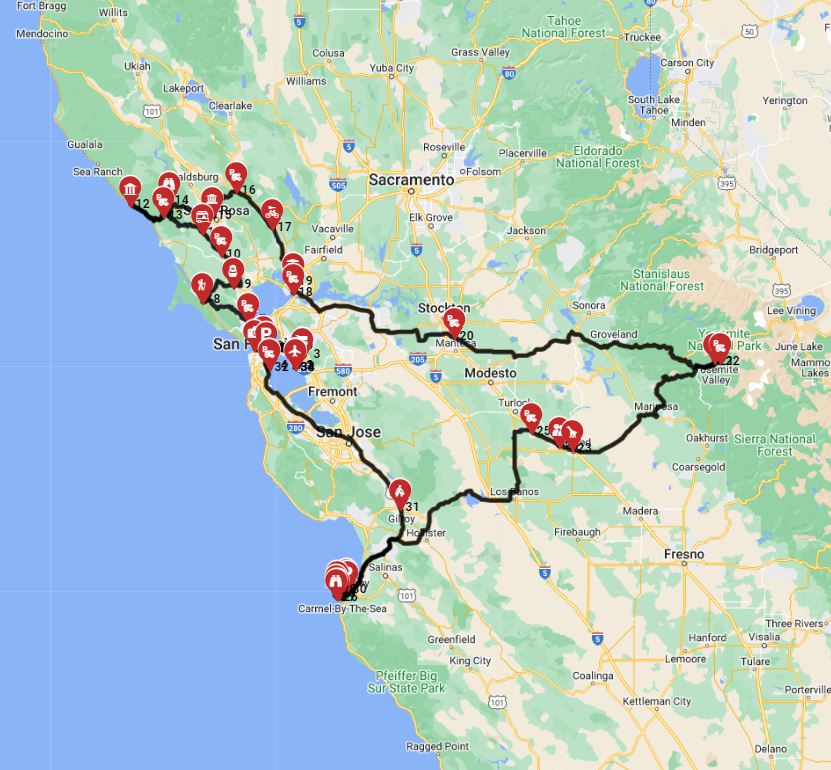
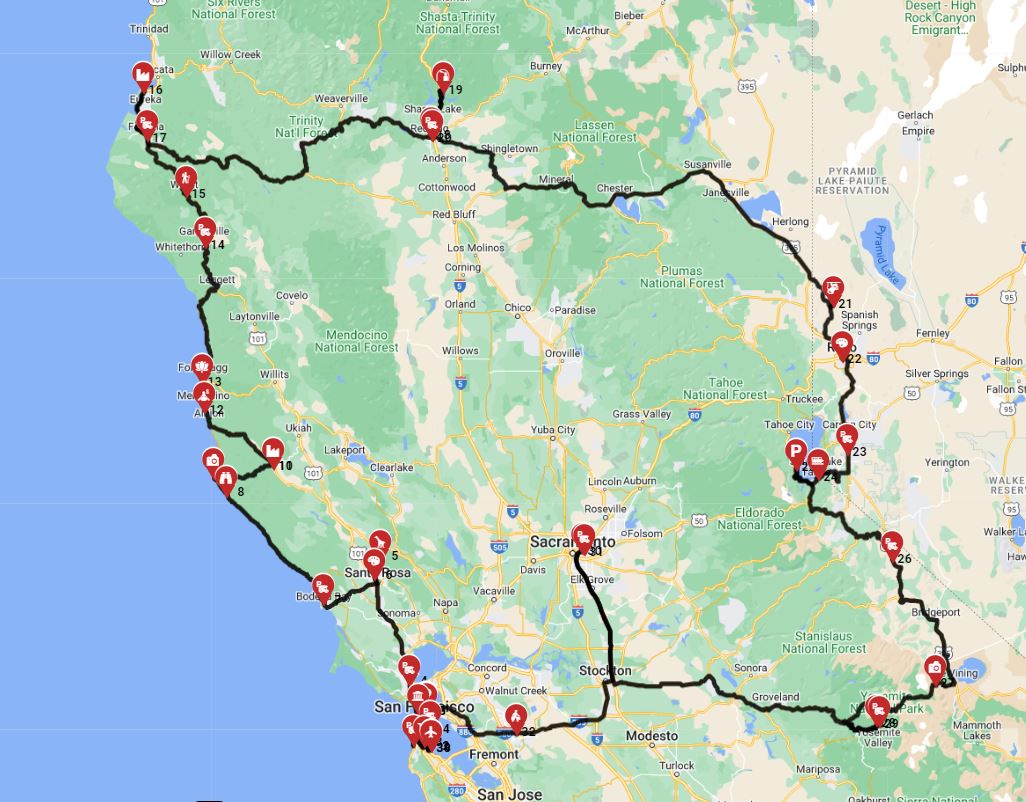
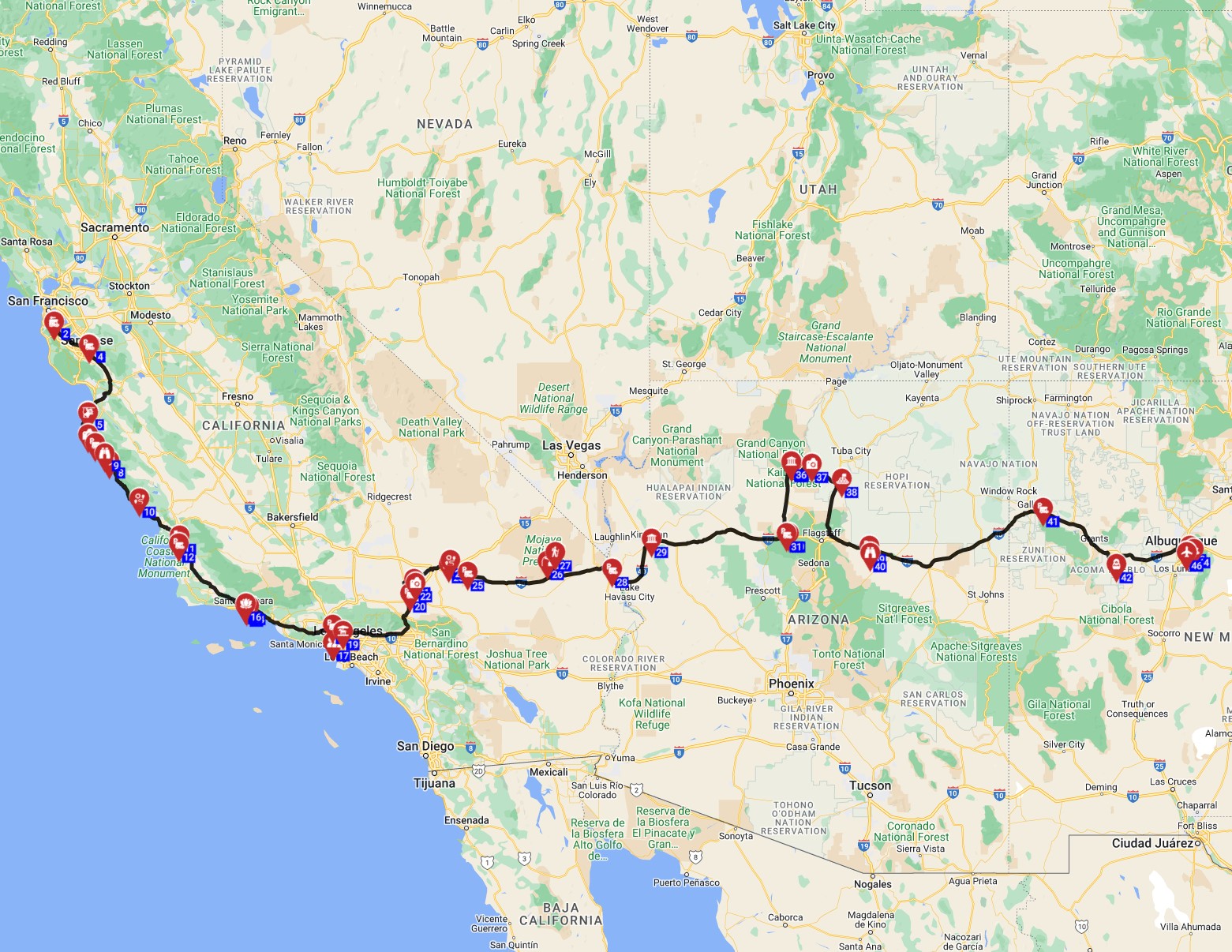
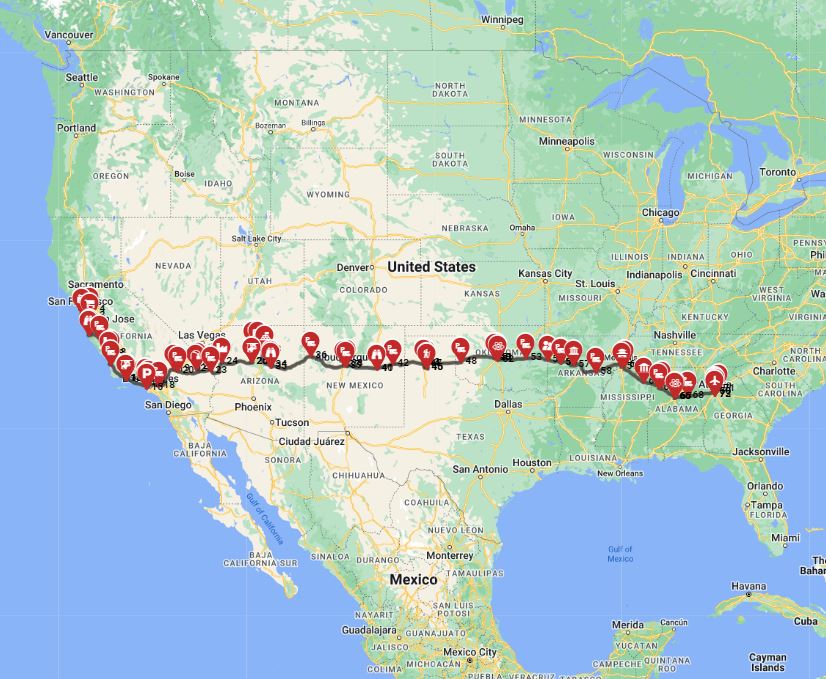
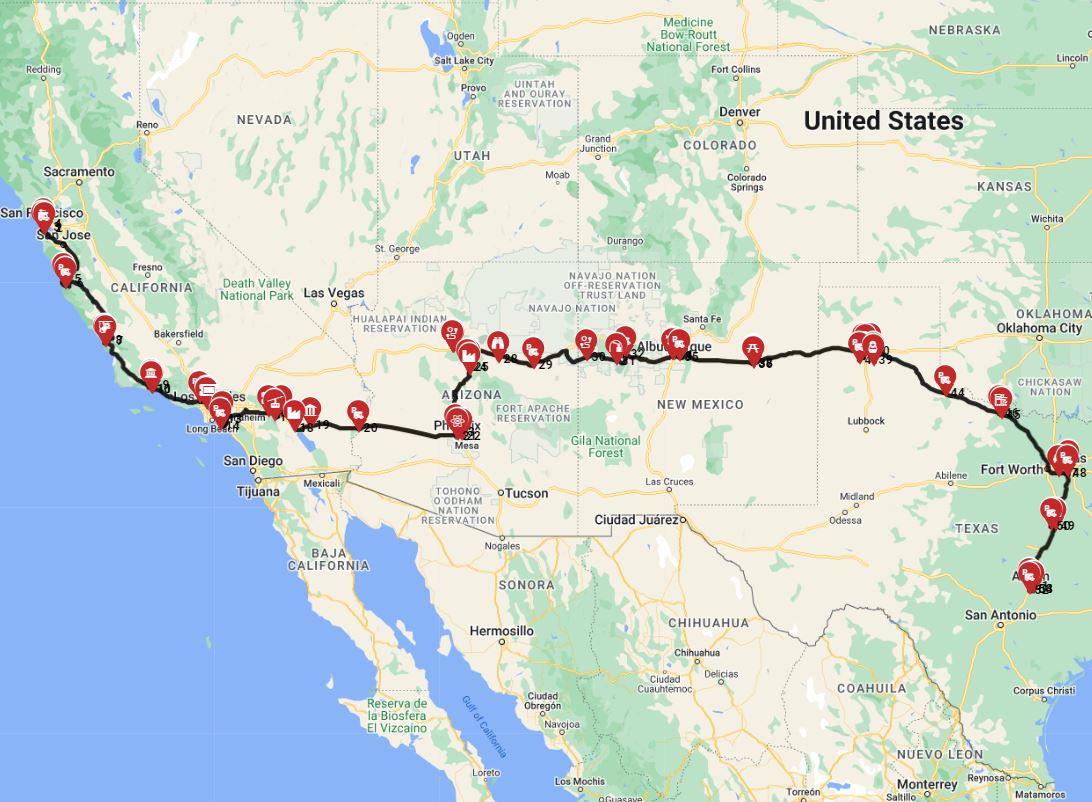
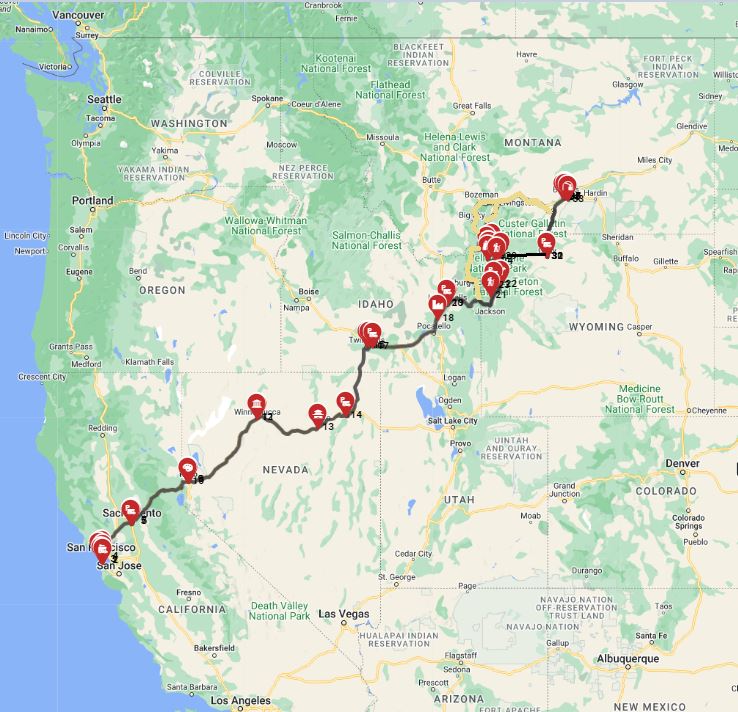
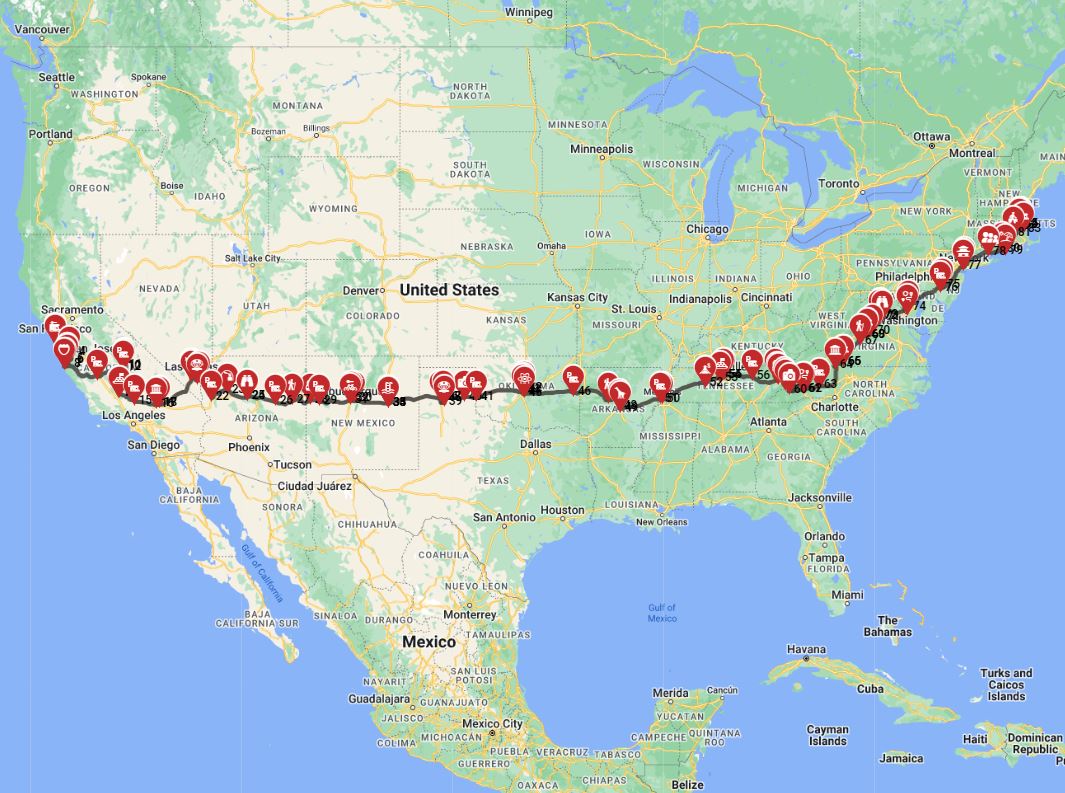
Consider the "Portland to San Francisco" itinerary which is an 18-day, 2546 km route plan, perfect for those seeking extended adventure and including 2 wildlife watches, 3 hiking areas, and 2 museums along the way. This route is ideal for families or couples looking for diverse experiences.
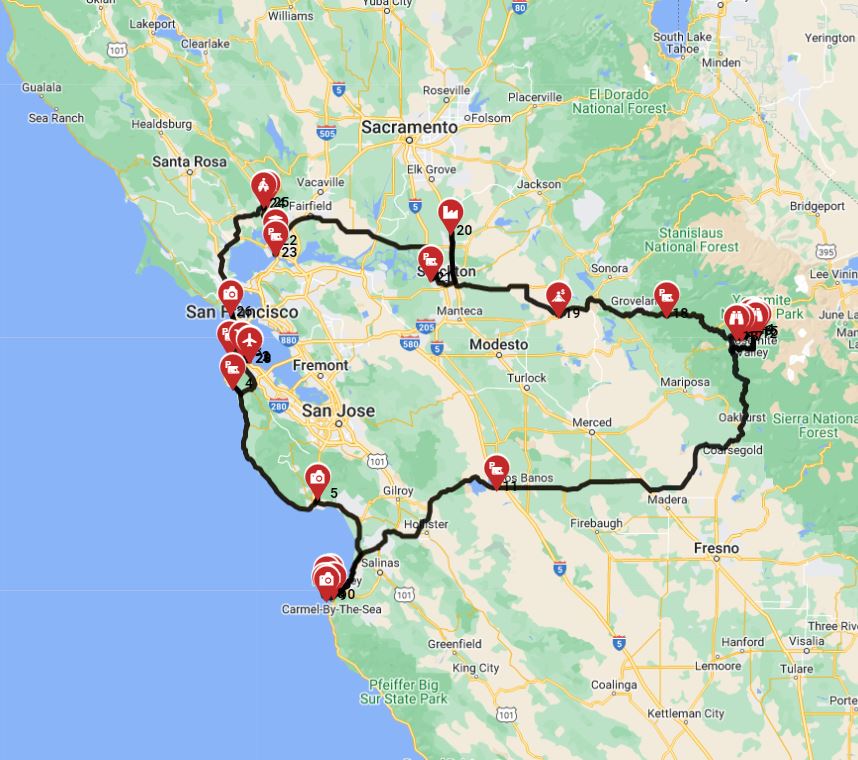
For a focused week-long exploration starting and ending in the city, the "
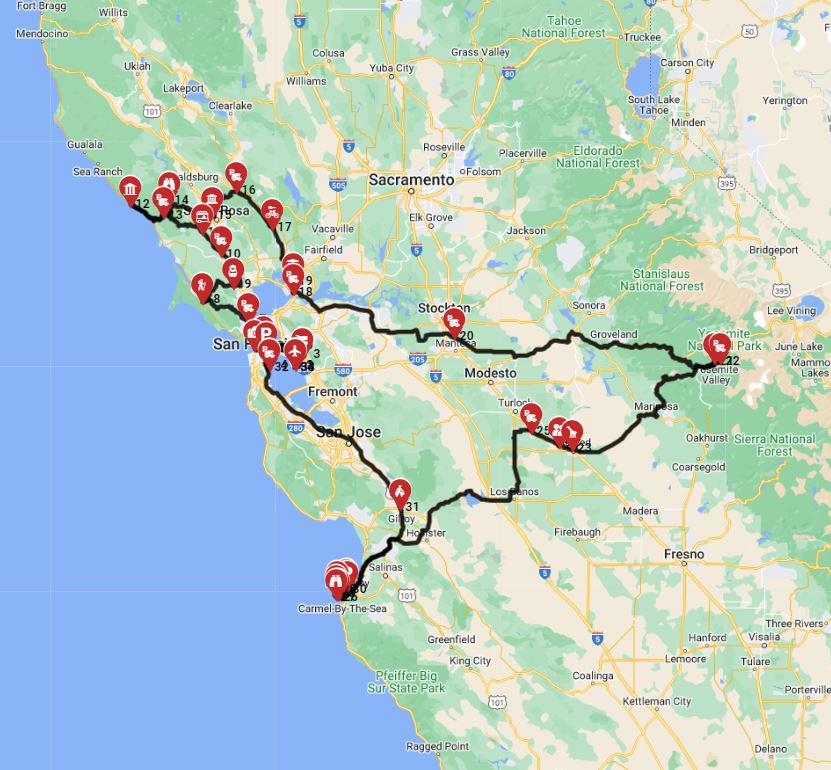
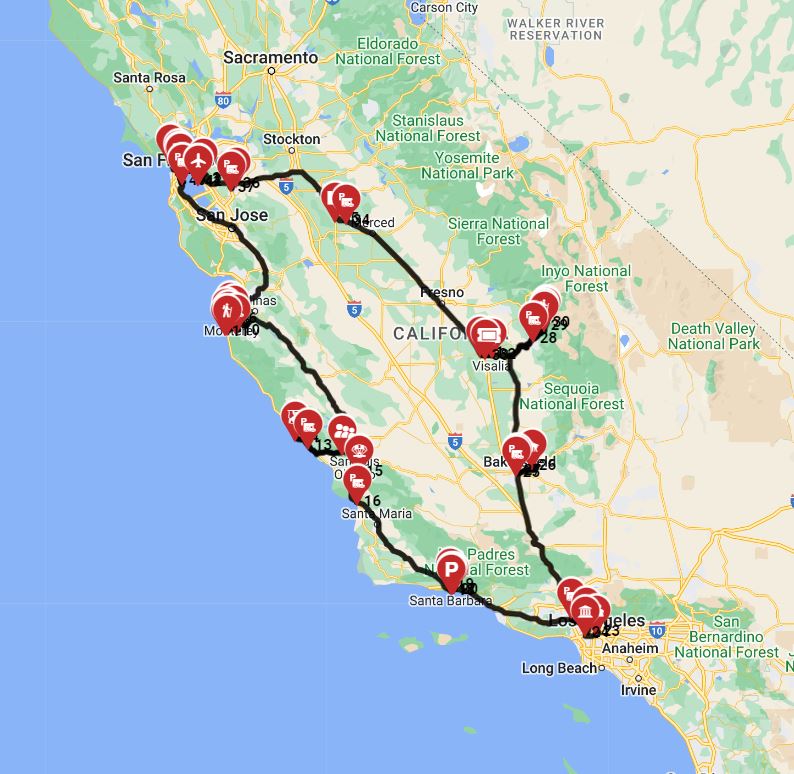
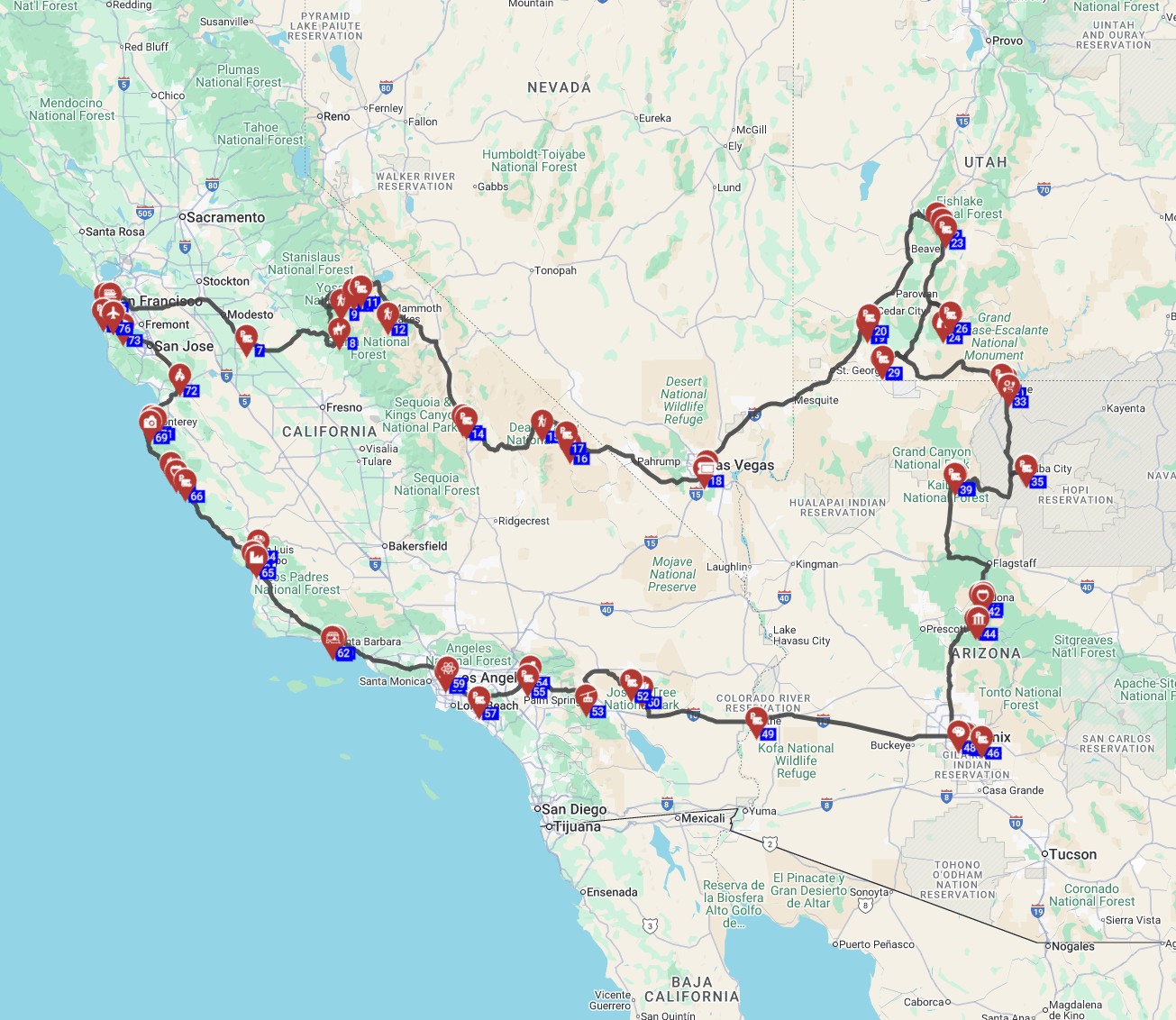
If you're looking for an epic adventure, the "
Final Thoughts
A week-long RV driving tour in San Francisco offers an unparalleled opportunity to explore one of America's most vibrant cities and its stunning surroundings. From navigating the city's unique topography to cruising the scenic California coast, your rented motorhome or campervan provides the perfect blend of adventure and comfort. Remember to embrace slow travel, allowing yourself the time to truly immerse in the local culture, savor delicious food, and marvel at the diverse scenery.
With Bandana Caravan, you’re not just booking an RV; you’re gaining a partner who understands RV travel inside and out. We're here to support you every step of the way, ensuring your San Francisco adventure is seamless and unforgettable. So, pack your bags, prepare for an incredible journey, and let the open road call to you. Get inspired for your next trip!
Find Motorhome Rentals in San Francisco🎬 Video coming soon