In This Guide
- Can You Drive an RV in North East US? License & Age Rules
- Road Conditions & Terrain in North East US
- RV Size Limits, Bridges & Restricted Zones
- Fuel: Diesel vs. Petrol & Cost per 100 km
- Tolls, Vignettes & Border Rules
- Driving Tips for weekly rv rental Travelers
- Recommended RV Class for North East US Roads
- Should I Choose a Compact Van Instead of a Large RV in North East US?
- Can I Park Anywhere? Free & Wild Camping Rules in North East US
- Can I Drive an RV Into the City Center? Heights, Tunnels & Local Signage
- What is the 3-3-3 rule for RV driving?
- Which states require CDL for RV?
- What is the 4-4-4 rule for RV travel?
- What is the 3-3-3 rule for RV living?
- Where can I live in my RV year round in NC?
- What state is most RV friendly?
- What is the longest RV you can take into a national park?
- What is the largest RV you can drive without a special license?
- What is the new RV law in Florida?
- Who has the least expensive RV insurance?
Can You Drive an RV in North East US? License & Age Rules
Driving a rented RV in the North East US is straightforward with a standard driver's license. Most rental motorhomes, including Bandana's Class B Camper Vans and Class SI Semi-integrated RVs, have a Gross Vehicle Weight Rating (GVWR) well under the 26,001-pound threshold that would necessitate a Commercial Driver's License (CDL). This means a typical car license, often referred to as a Class D license, is sufficient for all Bandana rental motorhome classes, including larger Class C models. The minimum age to rent an RV with Bandana is generally 21, and there are no young driver surcharges or vehicle class restrictions based on age.
For international visitors, an International Driving Permit (IDP) is recommended to accompany their national driver's license, although it's not mandatory in most states for English speakers. Always ensure your national license is valid and readable in English. Some larger motorhome rentals might have a minimum age requirement of 25, so it's always best to check the specific vehicle details when booking.
Road Conditions & Terrain in North East US
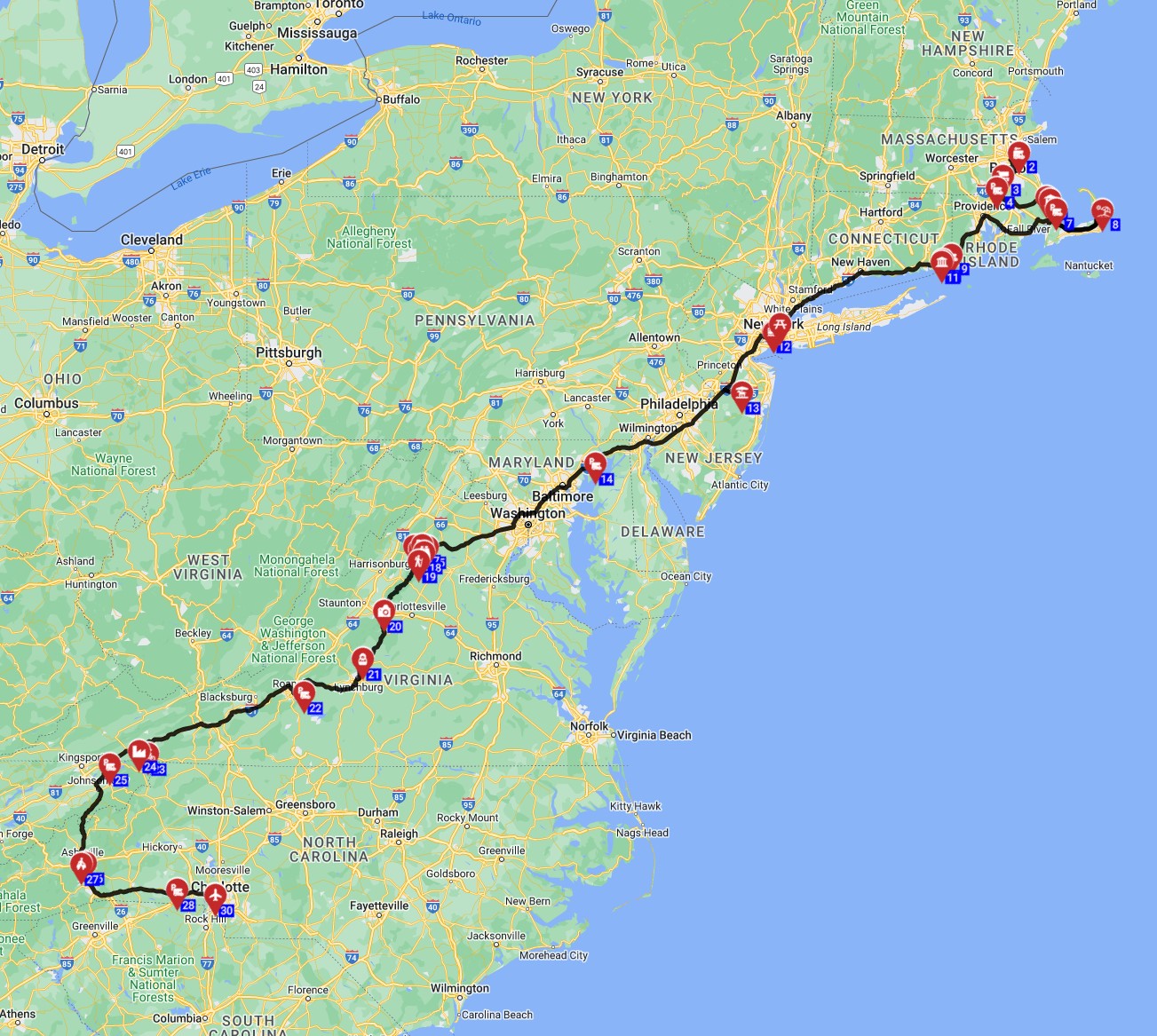
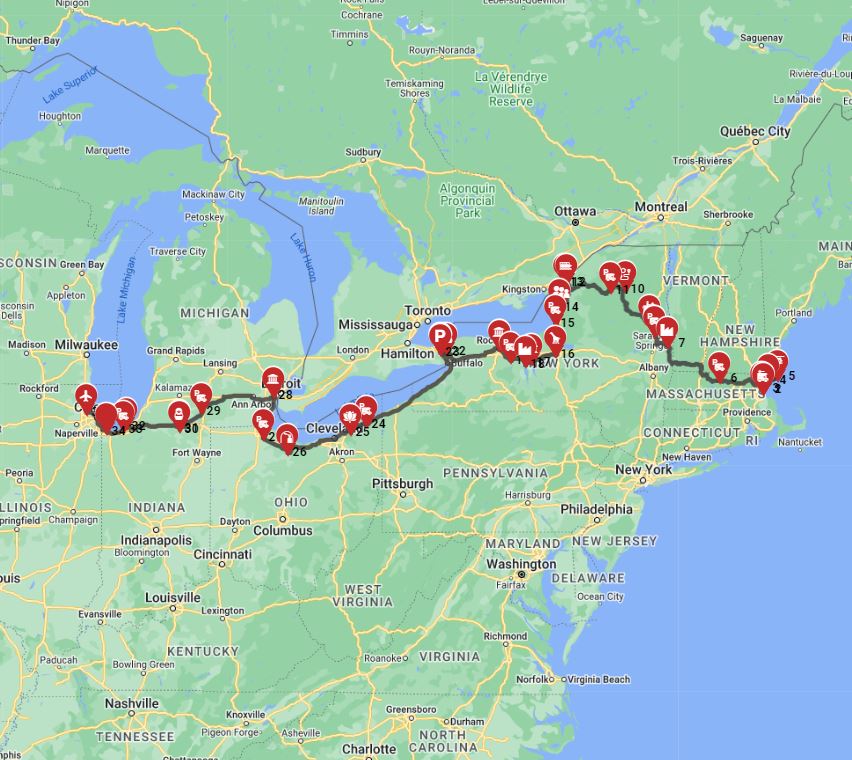
The North East US presents a diverse driving experience for RV renters. You'll encounter everything from well-maintained interstates and major highways to charming, albeit narrower, country lanes and challenging mountain passes in regions like the Adirondacks or the White Mountains. Urban corridors, such as those around Boston, New York City, and Philadelphia, are characterized by heavy traffic, complex navigation, and the need for heightened awareness of local driving customs.
When planning your weekly RV rental, be mindful of seasonal changes. Fall foliage season can bring increased traffic, while spring might present roads with temporary potholes due to frost heaves. Mountainous areas often require careful use of lower gears for descents to manage speed and prevent brake overheating, a practice known as engine braking. Driving slowly and carefully, paying attention to road signs and your RV's dimensions, will allow you to navigate most of the region's roads without issue.
RV Size Limits, Bridges & Restricted Zones
When exploring the North East US in a rented RV, vigilance regarding height and weight restrictions is crucial, especially on older parkways and through tunnels. Routes like the Merritt Parkway in Connecticut are famous for their low bridges, which are not suitable for most RVs. Always know your rented RV's exact height and width and consider using an RV-specific GPS navigation system that can help avoid restricted parkways, tunnels, and weight-limited bridges.
Accessing islands, such as Martha's Vineyard or Nantucket in Massachusetts, often involves ferry services which may have their own length and weight limits for vehicles, and typically require advance reservations. Some urban areas or tunnels, particularly in densely populated cities, might also have restrictions on propane usage for RVs, necessitating alternative routes or parking strategies. Planning your routes with these limitations in mind will ensure a smoother and safer journey. On the routes offered through RV PLANET routes, you can itemize and track every expense along the way for easy budgeting.
Fuel: Diesel vs. Petrol & Cost per 100 km
Bandana's fleet of RVs, including Class B Camper Vans and Class SI Semi-integrated motorhomes, primarily utilizes diesel engines. These vehicles offer excellent fuel efficiency, with Class B models typically averaging 8-10 Liters per 100 km, while Class SI models consume around 10-11 Liters per 100 km. While diesel generally provides better mileage, fuel prices can fluctuate across the different states in the North East US. It's wise to factor these varying fuel costs into your overall budget.
When refueling, pay attention to the pump types, as most rental RVs in the North East will require diesel. While some rental companies might offer fuel discount cards, it's essential to check your specific rental agreement. Understanding your RV's fuel consumption and current regional fuel prices will help you budget more accurately for your week-long trip.
Tolls, Vignettes & Border Rules
The North East US features a comprehensive network of toll roads, such as the New York Thruway and the Pennsylvania Turnpike, but it does not utilize a vignette system. Many of these tolls are electronic, often requiring an E-ZPass or a similar transponder. Cash lanes are becoming increasingly rare, so it's advisable to prepare for electronic toll collection. Some Bandana RVs may come equipped with a pre-purchased toll pass, simplifying the process; always confirm this with your rental provider.
For RVs, tolls are often calculated based on vehicle size and weight, which may differ from standard car rates. It’s important to check the specific toll policies for the states you plan to visit. There are no border rules or customs to worry about when traveling between contiguous US states, making cross-state travel seamless. Remember to inquire about any specific toll payment methods or passes included with your rental to avoid unexpected fees.
Driving Tips for weekly rv rental Travelers
Embarking on a weekly RV rental adventure in the North East US requires a few key driving considerations to ensure a smooth and enjoyable experience. Always prioritize using an RV-specific GPS to navigate the region's varied terrain, as it can help you avoid low bridges, steep grades, and restricted parkways that are common in the Northeast. Budgeting for tolls is essential, as many major routes are tolled, and some rentals may offer a transponder for easier passage.
Driving slowly and cautiously is paramount, especially in mountainous areas where engine braking is recommended for descents, and in dense urban centers with heavy traffic. Booking popular campgrounds in advance is highly advisable, particularly during peak seasons like summer and fall foliage, to secure your preferred spots. Finally, pack for diverse weather conditions; the North East can experience significant temperature and precipitation variations, even within a single week-long trip, so layered clothing and preparedness for different conditions are key.
Recommended RV Class for North East US Roads
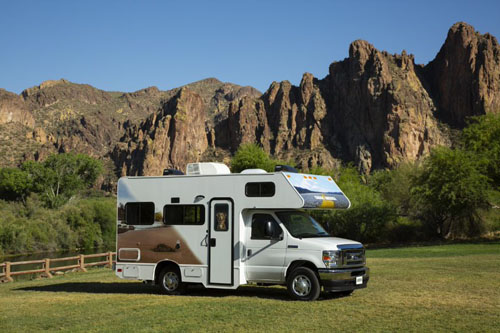
For navigating the diverse roads of the North East US, Bandana recommends considering RVs that balance comfort with maneuverability. Class B Camper Vans, typically around 5.8 meters in length, are excellent for their agility, making them ideal for exploring historic town centers, narrow byways, and scenic routes with confidence. They also offer good fuel economy, averaging 8-10 Liters per 100 km.
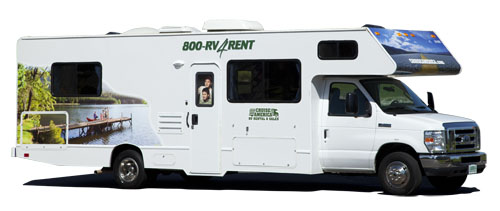
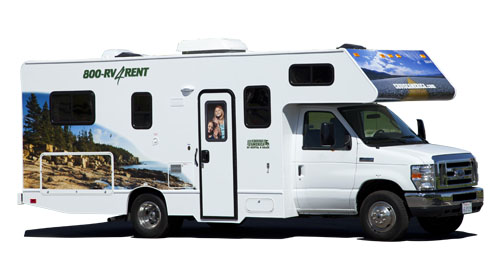
If more living space and amenities are desired, Class SI (Semi-integrated) RVs, averaging 6.9 meters in length from Bandana's fleet, provide a comfortable balance. These vehicles are manageable for most Northeast roads, offering a good compromise between space and ease of handling, with fuel consumption around 10-11 Liters per 100 km. While larger Class C or Class A motorhomes offer more amenities, they require more cautious navigation on narrower routes and may be subject to more height restrictions.
Should I Choose a Compact Van Instead of a Large RV in North East US?
The choice between a compact van and a larger RV for your North East US trip largely depends on your itinerary and priorities. A compact van, like a Class B Camper Van, excels in maneuverability. This is a significant advantage when visiting historic city centers, navigating narrow mountain passes such as Vermont's infamous Smugglers' Notch, or exploring tight campgrounds.
Conversely, larger RVs, such as Bandana's Class SI or C models, offer considerably more living space, storage, and comfort, which can be crucial for a week-long trip or for families. For the most part, main roads and many national parks in the North East US can accommodate larger RVs, so if your itinerary focuses on scenic drives and comfortable campground stays rather than frequent urban exploration, a larger RV might provide a more comfortable experience. Carefully consider your planned routes and desired amenities when making your decision.
Can I Park Anywhere? Free & Wild Camping Rules in North East US
Free and wild camping, often referred to as boondocking, is generally restricted throughout the North East US. Unlike some western regions, overnight parking and camping typically require designated campgrounds or specific permissions. Most overnight stays will occur in state parks, private campgrounds, or national park campgrounds, many of which require advance reservations, especially during peak seasons.
While dispersed camping is not widely permitted, some national forests, such as the Green Mountain National Forest in Vermont or White Mountain National Forest in New Hampshire, may allow dispersed camping under very strict regulations and in designated areas. Always confirm overnight parking policies if considering staying in retailer lots, and prioritize checking local ordinances and campground rules before planning any overnight parking outside of official campgrounds. Familiarize yourself with the regulations in each state you visit, as they can vary significantly.
Can I Drive an RV Into the City Center? Heights, Tunnels & Local Signage
Driving an RV into most Northeast city centers is generally possible, but it requires strict attention to local signage, especially regarding vehicle height and width restrictions. Major urban areas like New York City, Boston, and Philadelphia have numerous tunnels and underpasses with limited clearance that may not accommodate larger RVs. Always be aware of your RV's dimensions and watch for low-clearance warnings.
Furthermore, some tunnels may prohibit vehicles carrying propane, a common fuel source for RV appliances. If your route involves such tunnels, you will need to plan an alternative. In urban areas, parking can be challenging and expensive. Consider parking your RV on the outskirts of the city and utilizing public transportation for a more convenient and cost-effective way to explore. Be mindful of environmental zones or residents-only streets that might restrict RV access.
What is the 3-3-3 rule for RV driving?
The 3-3-3 rule is a popular guideline for RV driving that promotes a relaxed and enjoyable travel pace. It suggests driving no more than 300 miles (approximately 480 km) per day, aiming to arrive at your destination by 3 PM. This timing allows for setup at the campground and some relaxation before evening. The rule also encourages staying for a minimum of 3 nights at each stop, allowing for deeper exploration and reduced driver fatigue.
This approach is particularly beneficial in the North East US, where roads can be winding and distances between attractions might require more time to appreciate fully. Adhering to the 3-3-3 rule helps prevent burnout and ensures you have ample time to connect with the local culture, food, and scenery.
Which states require CDL for RV?
In the North East US, as in most US states, a Commercial Driver's License (CDL) is generally not required for operating recreational vehicles. Standard RV rentals, including those offered by Bandana, typically fall below the 26,000-pound GVWR threshold that would necessitate a CDL. A regular driver's license is sufficient for driving the vast majority of rental motorhomes, from Class B campervans to larger Class C models.
While a few states might have specific non-commercial Class A or B licenses for exceptionally large or heavy RVs, this is very rare for standard rentals and usually doesn't apply to vehicles in Bandana's fleet. Always confirm the specific GVWR of your rental RV and check individual state DMV regulations if you are considering driving an exceptionally large or custom vehicle, but for typical weekly RV rentals, your standard license will suffice.
What is the 4-4-4 rule for RV travel?
The 4-4-4 rule is a variation of the popular 3-3-3 guideline, offering a slightly more relaxed pace for RV travel, especially suitable for longer trips. It suggests driving no more than 400 miles (approximately 640 km) per day. The rule also recommends stopping by 4 PM to allow ample time for setting up camp, relaxing, and enjoying the surroundings before dusk.
Furthermore, it encourages staying for at least 4 nights at each location, allowing for a more immersive experience and deeper exploration of each destination. This strategy is excellent for those who prefer to travel slowly, minimize daily driving stress, and truly savor the journey.
What is the 3-3-3 rule for RV living?
The 3-3-3 rule, when applied to RV living or extended travel, typically refers to resource management. It advises maintaining a 3-day supply of fresh water and ensuring you have at least 3 days of holding tank capacity for grey and black water. The third '3' signifies having enough battery power available to sustain your needs for approximately 3 days, especially when dry camping or using fewer hookups.
Understanding these resource management principles is key for renters, helping you plan for travel days and stays at more primitive campsites where amenities might be limited. It ensures you can travel comfortably and safely without constant worry about depleting essential resources.
Where can I live in my RV year round in NC?
While this question is specific to North Carolina, the principles for year-round RV living apply across all states, including the North East US. Success typically involves finding extended-stay campgrounds or RV parks that offer monthly or seasonal rates. Many RV parks in warmer Southern states provide year-round options, but the colder climate of the North East presents significant challenges.
States like Maine or Vermont, while beautiful, have short camping seasons and limited winterized campgrounds, making year-round RV living difficult. If considering long-term stays in the North East, it's crucial to research local zoning ordinances and specific campground policies regarding residency to ensure compliance with local laws. For weekly rentals, focusing on seasonal accessibility is more practical.
What state is most RV friendly?
States like Florida, Arizona, and Texas are often cited as the most RV-friendly in the US due to their generally warm climates and extensive RV infrastructure, including numerous parks and accessible amenities. Within the North East US, Pennsylvania and New York offer a good balance of RV-friendly amenities and diverse destinations, making them popular choices for RV travelers.
However, states like Maine, New Hampshire, and Vermont, while incredibly scenic, tend to have shorter camping seasons and fewer large RV parks, along with more challenging roads for larger rigs. Densely populated states like Massachusetts, Rhode Island, and Connecticut present more urban navigation challenges for RVs, making compact van rentals or careful route planning particularly important.
What is the longest RV you can take into a national park?
The maximum RV length allowed in US national parks varies significantly by park and even by specific campgrounds or roads within a park, often restricting vehicles to 27-35 feet (approximately 8.2-10.7 meters). Many older national parks, particularly those in mountainous regions, impose length caps to accommodate tight turns, narrow roads, and limited parking areas.
It is essential to check the official website for each national park you plan to visit for their exact RV length restrictions. For instance, Acadia National Park in Maine has specific guidelines for vehicle access. Bandana's Class B camper vans (average 5.8m length) and Class SI RVs (average 6.9m length) generally offer better accessibility to national park campgrounds and scenic routes compared to larger motorhome models.
What is the largest RV you can drive without a special license?
In most US states, including those in the North East, the largest RV you can typically drive without a special license is one with a Gross Vehicle Weight Rating (GVWR) of up to 26,000 pounds (approximately 11,793 kg). A standard Class D driver's license is sufficient for RVs falling under this weight threshold, making most rental motorhomes accessible to the average driver.
The vast majority of weekly rental RVs, such as those in Bandana's Class A, C, SI, and B categories, are well below this 26,000-pound limit. Always verify the specific GVWR of your rental RV and double-check state DMV regulations if you are considering driving an exceptionally large or custom vehicle, but for typical rentals, your standard license will be adequate.
What is the new RV law in Florida?
While specific new RV laws in Florida require checking recent legislative updates, it's important to note that regulations concerning RVs are frequently updated in all states, including those in the North East US. Florida, with its large RV community, often updates laws impacting full-time residency, parking, and homestead exemptions.
For weekly RV renters in the Northeast, staying informed about local ordinances regarding overnight parking, noise curfews, and state park usage is crucial. Always consult official state DMV websites or your rental company's resources for the most current and applicable information for your travel plans. These regulations can impact where and how you can legally park and camp with your rented RV.
Who has the least expensive RV insurance?
When considering the 'least expensive' RV insurance for weekly rentals in the North East US, the most common and often most affordable option is the basic liability coverage included within the total rental package from companies like Bandana. This typically protects against damage to other property or vehicles.
Renters usually have the option to purchase additional coverage, such as collision damage waivers, to reduce their personal liability and out-of-pocket expenses in case of an accident. It's also worth checking if your personal auto insurance policy or credit card provides secondary coverage for rental RVs before opting for extra protection directly from the rental company. This can often lead to more cost-effective insurance solutions.
What You Shouldn't Miss
- Drive the scenic Kancamagus Highway (NH-112) through the White Mountains for stunning fall foliage or summer greenery, keeping an eye on RV size limitations on certain stretches.
- Explore historic Boston, MA, utilizing RV-friendly parking on the outskirts and public transport to navigate the city's Freedom Trail and charming streets. Consider a Class B for easier maneuverability.
- Visit Acadia National Park in Maine, known for its dramatic coastal scenery and carriage roads. Be sure to check RV length restrictions for specific park roads and campgrounds like Blackwoods.
- Drive along the coast of Maine or Massachusetts, stopping at picturesque fishing villages and enjoying fresh seafood. Look for coastal campgrounds that can accommodate your RV.
- Experience the natural beauty of the Adirondack Mountains in New York, with opportunities for scenic drives and exploring charming towns, keeping RV dimensions in mind for smaller roads.
- Discover the Finger Lakes region of New York, renowned for its wineries and beautiful lake drives, offering many lakeside campgrounds and scenic routes suitable for RVs.
Final Thoughts
Renting an RV for a week-long trip in the North East US offers an unparalleled way to experience the region's diverse landscapes and rich history at your own pace. From the bustling cities to the serene mountains and picturesque coastlines, a rented RV provides the perfect mobile basecamp for your adventures.
Remember to plan your routes with consideration for your RV's size, be aware of local road conditions and restrictions, and book popular campgrounds in advance. With Bandana Caravan's commitment to transparency and support, you're well on your way to an unforgettable North East US road trip.
Get inspired for your next trip! Discover top destinations, planning tips, all in one place, and plan your ideal itinerary with minimal effort and maximum enjoyment.