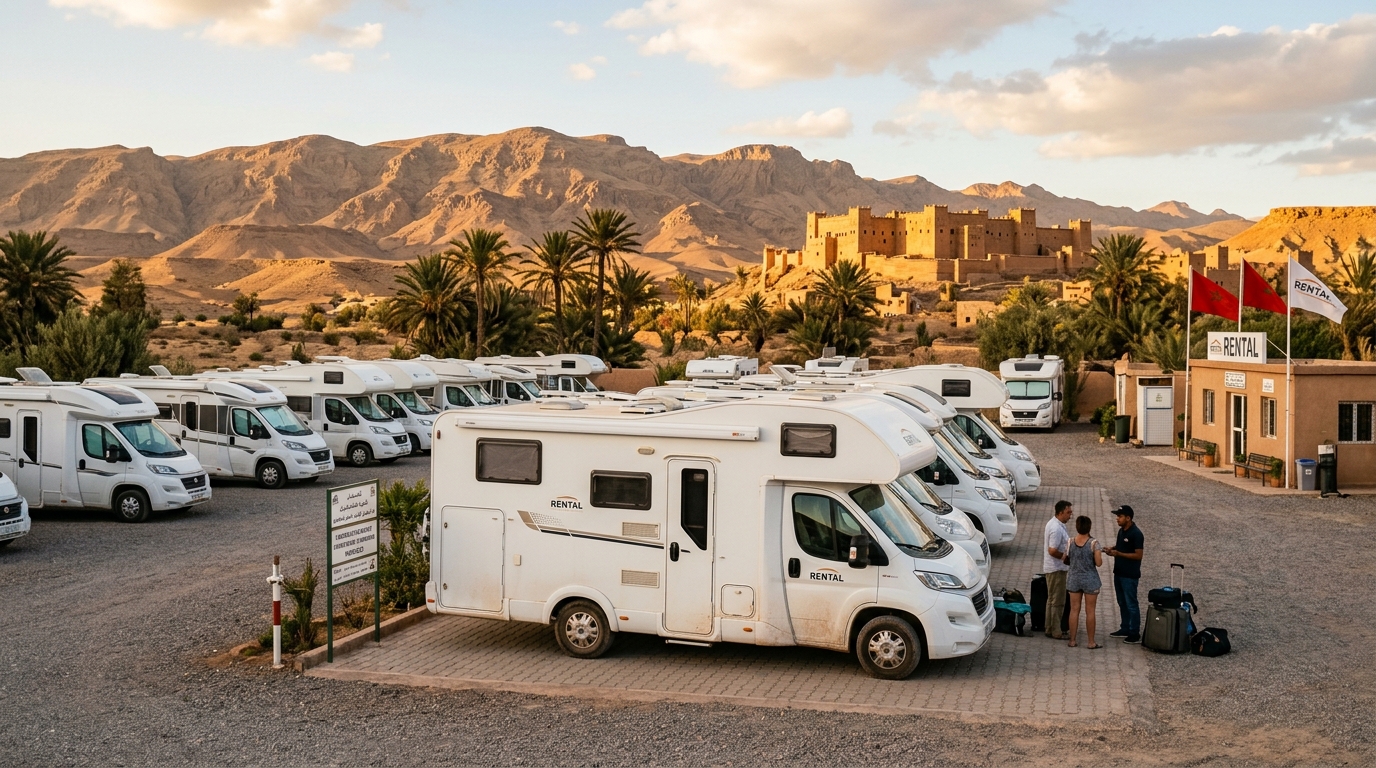
For live availability and current prices, start with our RV Rental Morocco - Complete Guide 2026 guide.
In This Guide
- Can You Drive an RV in Morocco? License & Age Rules
- Road Conditions & Terrain in Morocco
- RV Size Limits, Bridges & Restricted Zones
- Fuel: Diesel vs. Petrol & Cost per 100 km
- Tolls, Vignettes & Border Rules
- Driving Tips for weekly rv rental Travelers
- Recommended RV Class for Morocco Roads
- Should I Choose a Compact Van Instead of a Large RV in Morocco?
- Can I Park Anywhere? Free & Wild Camping Rules in Morocco
- Can I Drive an RV Into the City Center? Heights, Tunnels & Local Signage
- How Much Does a Weekly RV Rental in Morocco Cost?
- Do I Need a 4x4 RV for Morocco Roads?
- What are the Safety Protocols and Local Driving Culture Nuances for RVs in Morocco?
- How Can I Experience Authentic Moroccan Culture with My RV Rental?
- How to Practice Sustainable and Responsible RV Travel in Morocco?
Can You Drive an RV in Morocco? License & Age Rules
International visitors can indeed drive an RV in Morocco, provided they meet the licensing and age requirements. A standard B category driving license is typically sufficient for RVs up to 3,500 kg Gross Vehicle Weight (GVW). However, for RVs exceeding this weight, generally classified as Class C vehicles, a higher license category such as C1 might be necessary. The minimum age for RV rentals is usually 21, with some companies enforcing a higher age limit of 25, often coupled with a requirement for at least two years of driving experience. For foreign drivers, an International Driving Permit (IDP) is highly recommended and often a mandatory companion to your national license.
Road Conditions & Terrain in Morocco
Morocco's road network offers a diverse driving experience, ranging from well-maintained modern highways to more challenging unpaved tracks in its rural and mountainous regions, underscoring the importance of careful route planning for RV travel. Major routes connecting cities like Marrakech, Fes, and Casablanca are typically good quality, multi-lane highways known as 'autoroutes'. However, secondary roads, particularly those found in the Atlas Mountains or leading towards the Sahara Desert, can be narrow, winding, and vary significantly in surface quality, sometimes being entirely unpaved. Travelers should be prepared for varied terrains, including scenic coastal routes, high-altitude mountain passes, and arid desert landscapes. Given these varying conditions and the presence of pedestrians, livestock, and diverse local traffic, slow and scenic driving is highly advisable to ensure safety and enjoyment.
RV Size Limits, Bridges & Restricted Zones
While Morocco is generally RV-friendly, drivers should be mindful of potential size limitations, particularly height restrictions that might exist in historic areas, though specific environmental zones for tourists are uncommon. Widespread low bridge issues are not a major concern on main routes, but caution is always advised when entering very old towns or smaller, unmodernized villages. RV length can be a more significant factor for maneuverability and parking in crowded urban centers or on tight mountain passes than for general road restrictions. Currently, Morocco does not widely enforce environmental zones for tourist vehicles; however, it's always wise to check local signage upon arrival, as regulations can change. Ferry services connecting Morocco typically accommodate standard RV dimensions, but it's prudent to verify specific vessel restrictions when booking international crossings.
Fuel: Diesel vs. Petrol & Cost per 100 km
Diesel, locally known as 'Gazoil,' is the most common and economical fuel type for RVs in Morocco, readily available across the country's extensive network of service stations. Most RVs in Bandana's global fleet, including typical rental models, operate on diesel fuel. While diesel is accessible at the majority of service stations, options might be sparser in extremely remote desert regions. Petrol (Essence) is also available but is less frequently used for recreational vehicles. For estimation purposes, common fuel consumption for Bandana's vehicles like the Class SI - Semi-integrated RVs averages 10-11 Liters/100 km, Class C - Alcove models around 10-12 Liters/100 km, and the nimble Class B - Camper Van typically uses 8-10 Liters/100 km. Travelers should budget for fuel based on these consumption figures and current Moroccan diesel prices, which fluctuate but are generally in the range of €0.90-€1.10 per liter. On the routes offered through RV PLANET routes, you can itemize and track every expense along the way for easy budgeting.
Tolls, Vignettes & Border Rules
Morocco utilizes a pay-per-use toll system on its primary highways, requiring payment at toll booths, and does not currently operate a national vignette system for RVs. Tolls are applicable to the main 'Autoroutes' that connect major cities such as Casablanca, Rabat, Marrakech, and Fes. Payments at toll booths are generally accepted in cash (Moroccan Dirham) or by credit card, though some automated lanes might require exact change. As there is no national vignette system in place for RVs, rental companies typically do not offer pre-purchased toll passes, as these costs are settled on-site during your journey. For standard week-long rentals that originate and conclude within Morocco, specific border crossing costs or complex vehicle import procedures for neighboring countries are generally not a factor.
Driving Tips for weekly rv rental Travelers
A successful week-long RV journey through Morocco hinges on proactive observation of local driving customs, maintaining vigilant road awareness, and adopting a flexible approach to your itinerary. Be patient and vigilant; roads are frequently shared with pedestrians, cyclists, donkey carts, and livestock, so anticipate sudden stops and unexpected obstacles, especially in rural areas and towns. Understand Moroccan roundabouts, which can be busy. Prioritize yielding to traffic already within the circle, but also be prepared to merge assertively. Speed traps are prevalent, particularly on main arteries and at village entrances; strict adherence to posted speed limits is crucial to avoid immediate fines. Navigating Medinas with large RVs is generally not recommended; plan to park on the outskirts and explore these historic centers on foot or via local taxis. Always carry essential breakdown supplies, ensure you have your rental company's emergency contact information readily accessible, and consider obtaining a local SIM card for reliable communication, especially in more remote areas.
Recommended RV Class for Morocco Roads
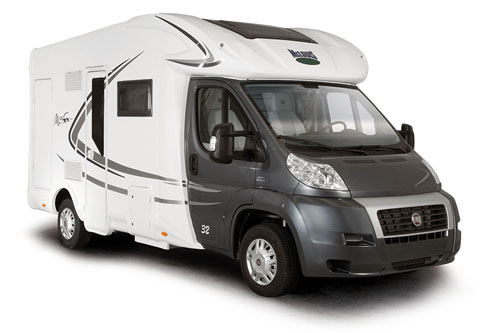
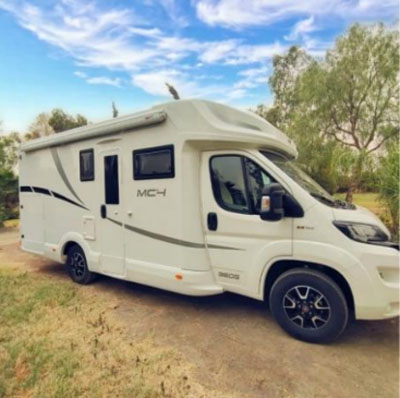
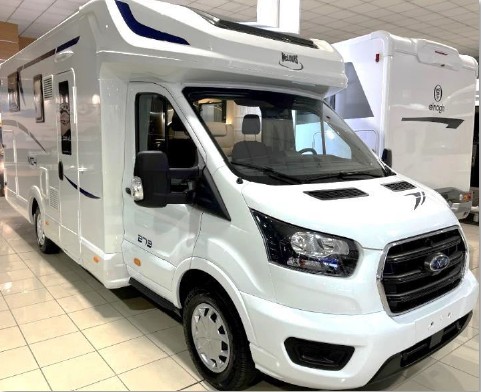
For a week-long RV rental adventure across Morocco's diverse roads, the Class SI - Semi-integrated RVs and Class B - Camper Vans are highly recommended due to their optimal balance of maneuverability and onboard comfort. Bandana's Class SI - Semi-integrated RVs, averaging 6.9 meters in length and suitable for up to 3.4 adults, offer ample living space and amenities while remaining agile enough for most Moroccan routes, including secondary roads. The Class B - Camper Vans, averaging 5.8 meters and ideal for 2.7 adults, provide superior maneuverability for navigating narrower village streets and winding mountain passes, often with better fuel economy (typically 8-10 Liters/100 Km). While larger Class C - Alcove (avg. 7.5m) and Class A - Integrated (avg. 7.5m) RVs provide more spacious accommodations, their increased dimensions can present challenges in very crowded urban environments or extremely tight mountain sections. For those seeking a more compact and rugged option, the Class TC - Truck Campers (avg. 5.5m) also offer a suitable setup.
Should I Choose a Compact Van Instead of a Large RV in Morocco?
While a compact camper van offers superior agility for navigating Morocco's tighter urban or mountain environments, a larger RV generally provides significantly more comfort and indoor living space, which many travelers prioritize for a week-long trip. Camper vans truly excel in maneuverability, making them easier to park in towns and navigate narrow streets, often with better fuel economy (Bandana's Class B Camper Vans average 8-10 Liters/100 Km); they are ideal for adventurous couples or solo travelers. Larger RVs, however, offer more expansive living areas, dedicated sleeping quarters, larger kitchens, and often superior bathroom facilities, providing a higher level of comfort and convenience for a week-long journey, particularly for families or groups. It's important to note that most main roads and popular tourist attractions across Morocco are perfectly accessible by larger RVs; the primary benefit of a compact van is mainly for exploring the immediate vicinity of ancient medinas (which are best explored on foot anyway) or extremely rugged, unpaved tracks. The ultimate decision hinges on your group size, desired level of amenities, and the specific nature of your planned itinerary.
Can I Park Anywhere? Free & Wild Camping Rules in Morocco
While free or wild camping is often tolerated in many rural areas of Morocco, it is generally advisable for RV travelers to prioritize designated campsites, Auberges, or seek explicit local permission for enhanced safety and respectful integration. Morocco does not have an explicit nationwide ban on wild camping, but it is not formally regulated or encouraged outside of established campgrounds. Overnight parking in isolated areas can carry potential security risks; therefore, many RVers prefer more secure options such as parking near gendarmerie stations, Auberges (traditional Moroccan guesthouses), or even hotels, where a small fee might grant access to services like water. Always request permission from landowners or local authorities if you plan to park on private or agricultural land, ensuring respectful interaction with local communities. Adhere strictly to a 'leave no trace' policy by packing out all trash; Morocco's waste infrastructure varies significantly, making responsible disposal paramount, especially when wild camping. Fortunately, numerous affordable official campsites and RV-friendly Auberges are available, offering essential facilities and a sense of community.
Can I Drive an RV Into the City Center? Heights, Tunnels & Local Signage
You can generally drive an RV into the outer areas of most Moroccan city centers, but exercising caution and paying close attention to local signage regarding height limits, narrow streets, and pedestrian zones is essential, particularly when approaching ancient medinas. The modern sections of Moroccan cities typically feature roads wide enough to comfortably accommodate RVs. However, driving into the core of ancient medinas (such as those in Fes, Marrakech, or Chefchaouen) with an RV is strongly discouraged and often physically impossible due to extremely narrow, winding alleys, designated pedestrian-only zones, and significant height restrictions at historic gates. Your best parking strategy is to find guarded lots or designated RV parks on the outskirts of cities and then use taxis or walk to explore central attractions. Remain vigilant for local signage indicating height restrictions (especially underpasses or historic arches), one-way systems, and no-entry zones. While not pervasive, some mountain roads or urban underpasses may present height limitations that must be observed.
How Much Does a Weekly RV Rental in Morocco Cost?
The cost for a weekly RV rental in Morocco can range from approximately €700 to €1500+ for the rental itself, heavily dependent on the RV class, the season of travel, and included amenities, with additional daily expenses for fuel, campsites, and activities. Base rental prices fluctuate, with a Class B Camper Van typically being more affordable than a Class C Alcove or Class A Integrated model; this usually covers basic insurance and a set mileage limit. Budget an additional €100-€150 per day (including fuel and campsites) for operating costs for a compact RV in the off-season, while a more luxurious experience in a larger RV during peak season could exceed €200-€300+ per day. Remember to factor in fuel costs (e.g., 10-12 Liters/100 km for many RVs, with diesel prices around €0.90-€1.10 per liter), campsite fees (typically €5-€20 per night), occasional highway tolls, and optional extras like kitchen kits or additional drivers. It's also prudent to be aware of potential local fees; unofficial 'local helpers' might offer assistance with parking or navigation, so budgeting a small amount of Moroccan Dirham for these small services, if desired, is wise. For ideas you can prep on the road, watch our RV-friendly recipes playlist on YouTube.
Do I Need a 4x4 RV for Morocco Roads?
For a standard weekly RV rental journey exploring Morocco's main tourist routes, a conventional 2WD RV is entirely sufficient. A dedicated 4x4 RV is primarily necessary only for serious off-road expeditions into deeply remote or sandy desert terrains. Morocco's primary and well-traveled secondary road networks, including routes through the Atlas Mountains and towards popular desert gateways like Merzouga, are generally well-suited for standard 2WD RVs. A 4x4 vehicle, or a truck camper with 4x4 capabilities (like some Bandana Class TC units), becomes essential exclusively for itineraries involving unmaintained desert tracks, deep sand dunes, or extremely rugged, rocky off-road terrain that falls outside typical tourist routes. Dedicated 4x4 RVs are less commonly found within general rental fleets; if extensive off-roading is a priority, consider a specialized rental provider or booking local 4x4 tours for specific excursions. Even for 2WD RVs, adequate ground clearance is beneficial for navigating occasional potholes or uneven surfaces; Bandana's Class SI - Semi-integrated and Class C - Alcove models generally offer sufficient clearance for accessible routes. Regardless of drivetrain, always ensure tires are correctly inflated, carry a spare, and have basic recovery gear if you anticipate venturing onto less-maintained roads.
What are the Safety Protocols and Local Driving Culture Nuances for RVs in Morocco?
Successfully navigating Morocco by RV requires understanding distinct local driving customs, practicing vigilant road awareness, and knowing emergency protocols to ensure a safe and enjoyable journey. Moroccan roads are frequently shared with pedestrians, cyclists, animal-drawn carts, and livestock; therefore, maintain slow speeds and be prepared for sudden stops and unexpected obstacles. Moroccan roundabouts, while subject to yielding rules, can be dynamic; be assertive when entering but always proceed with caution. Adhere strictly to posted speed limits, as police commonly use handheld radar guns, especially on main roads and at town entry points, often resulting in immediate fines. It is strongly advised to avoid driving an RV at night, particularly on rural roads, due to poor lighting, unmarked hazards, and slow-moving vehicles often lacking proper illumination. Keep your RV rental company's roadside assistance number readily accessible, and note general Moroccan emergency numbers: Police (19), Gendarmerie Royale (177 for outside urban areas), and Ambulance/Fire (15). In case of a breakdown in a remote area, remain with your vehicle, activate hazard lights, display a reflective triangle, and then contact your rental provider; local mechanics are often resourceful in assisting. Avoid driving into the densely packed ancient medinas; instead, park on the city outskirts and utilize taxis or explore these areas on foot. Finally, always ensure your RV is locked when unattended, keep valuables out of sight, and select secure, well-lit parking locations overnight to prevent theft.
How Can I Experience Authentic Moroccan Culture with My RV Rental?
An RV rental offers unparalleled flexibility to immerse yourself in authentic Moroccan culture by enabling exploration beyond typical tourist routes, fostering direct engagement with local communities, and allowing participation in daily life at your own pace. Utilize your RV to venture into smaller villages, less-trafficked souks (local markets), and rural areas often overlooked by conventional tours, thereby discovering genuine local life. Actively seek opportunities to interact with Moroccan people; a simple greeting like 'Salam Alaikum' can open doors, and accepting invitations for traditional mint tea is a significant gesture of hospitality. Acquiring a few essential phrases in Darija (Moroccan Arabic) – such as 'Shukran' for thank you, 'La shukran' for no thank you, and 'Kam taman?' for how much? – will greatly enhance your interactions and demonstrate respect. Embrace the cultural art of friendly negotiation when shopping in markets; it's an expected and enjoyable part of the experience. Visit local bakeries, sample street food thoughtfully, and purchase fresh, seasonal produce from roadside stalls or bustling markets to cook in your RV, truly experiencing Moroccan flavors firsthand. Beyond standard campsites, consider parking at an Auberge or Riad that provides RV facilities, offering a direct connection to local hospitality and cultural insights. Lastly, dress modestly, particularly when visiting religious sites or rural communities, and always be mindful of local customs and traditions, especially during religious periods like Ramadan.
How to Practice Sustainable and Responsible RV Travel in Morocco?
Practicing sustainable and responsible RV travel in Morocco involves actively minimizing your environmental footprint, deeply respecting local communities, and making conscious choices that uphold the country's rich cultural and natural heritage. Strive to minimize waste by using reusable bags and water bottles, and always dispose of trash in designated bins, never littering in natural or wild camping areas, as Morocco's waste infrastructure varies significantly. As water is a precious resource in Morocco, particularly in arid regions, be acutely mindful of your RV's water consumption for showering, washing dishes, and other uses. Support local artisans by purchasing handcrafted goods, but avoid acquiring items made from endangered species or those with unverified ethical origins; engage in fair bargaining practices. Optimize your RV's energy resources by turning off lights and appliances when not in use; if available, consider renting RVs equipped with solar panels for enhanced energy independence. Consciously choose to patronize local businesses for food, supplies, and services over international chains, and hire local guides for excursions to directly contribute to community livelihoods. Strictly adhere to established roads and trails, refraining from driving off-road in sensitive ecosystems, and always respect wildlife and natural landscapes by leaving them undisturbed. Maintain an awareness of and respect for local traditions, religious practices, and social norms; always seek permission before photographing individuals. Finally, keep noise levels to a minimum, particularly when parked in residential areas or serene natural environments, to avoid disturbing local communities and wildlife.
What You Shouldn't Miss
- Drive the dramatic mountain passes of the High Atlas, like the Tizi n'Tichka, for breathtaking scenery.
- Experience overnight stays at Auberges that welcome RVs, offering a unique blend of camping and local hospitality.
- Explore the vibrant souks and ancient medinas of cities like Marrakech and Fes, remembering to park your RV on the outskirts.
- Sample authentic Moroccan cuisine by purchasing fresh ingredients from local markets and cooking in your RV.
- Engage with local Berber culture by respectfully interacting with communities, perhaps sharing mint tea or learning about their traditions.
- Visit the coastal towns for a refreshing change of scenery and enjoy the Atlantic breeze.
Final Thoughts
Embarking on an RV adventure in Morocco offers an unparalleled opportunity to connect with its vibrant culture and breathtaking landscapes. By understanding the local driving nuances, choosing the right vehicle, and embracing the spirit of slow travel, you're set for an unforgettable journey.
We're here to help you plan every step, ensuring your Moroccan RV experience is seamless and enriching. Discover top destinations, planning tips, and vehicle comparisons all in one place, and get inspired for your next trip!
Get ready to explore the magic of Morocco from the comfort and freedom of your rented RV. Your adventure awaits!