For live availability and current prices, start with our RV Rental Marseille - Complete Guide 2026 guide.
In This Guide
- Can You Drive an RV in Marseille? License & Age Rules
- Road Conditions & Terrain in Marseille
- RV Size Limits, Bridges & Restricted Zones in Marseille
- Fuel: Diesel vs. Petrol & Cost per 100 km in Marseille
- Tolls, Vignettes & Border Rules in France
- Driving Tips for Weekly RV Rental Travelers in Marseille
- Recommended RV Class for Marseille Roads
- Should I Choose a Compact Van Instead of a Large RV in Marseille?
- Can I Park Anywhere? Free & Wild Camping Rules in Marseille
- Can I Drive an RV Into the City Center? Heights, Tunnels & Local Signage
- What requirements do you need to drive an RV?
- Is France motorhome friendly?
- Do I need speed stickers on my motorhome in France?
- Can you sleep in a campervan anywhere in France?
- What is the 3-3-3 rule for RVs and campers?
- What states require a special license to drive an RV?
- What is the largest motorhome you can drive on a car license?
- Do you have to get a license for renting an RV?
- Can you get temporary RV insurance?
- Does Good Sam insurance cover full-time RVers?
Can You Drive an RV in Marseille? License & Age Rules
A standard Category B driving license, valid from your country of origin, is generally sufficient to drive most rental RVs up to 3,500 kg (3.5 tonnes) in France. For live availability and current prices, start with our RV Rental Marseille - Complete Guide 2024 guide. This means that a typical family motorhome or campervan, such as an "rv rental denver example Category Van" or a "Patagonia Camper 4x4 double cab", falls within this weight class, requiring no special permits beyond your standard license. For those considering larger RVs between 3,500 kg and 7,500 kg, a Category C1 license (or equivalent) is typically required by French law, though most rental models offered by Bandana stay within the standard B license limits. Most rental companies in Marseille, including our trusted suppliers, require drivers to be at least 21 years old and have held a valid license for a minimum of 2-3 years, ensuring experienced drivers are behind the wheel. Non-EU citizens must carry an International Driving Permit (IDP) alongside their national driver's license to legally drive an RV in France, though it is recommended, not mandatory, for many non-English speaking countries. We aim for full transparency regarding all requirements, so you'll never face surprises when picking up your weekly RV rental in Marseille.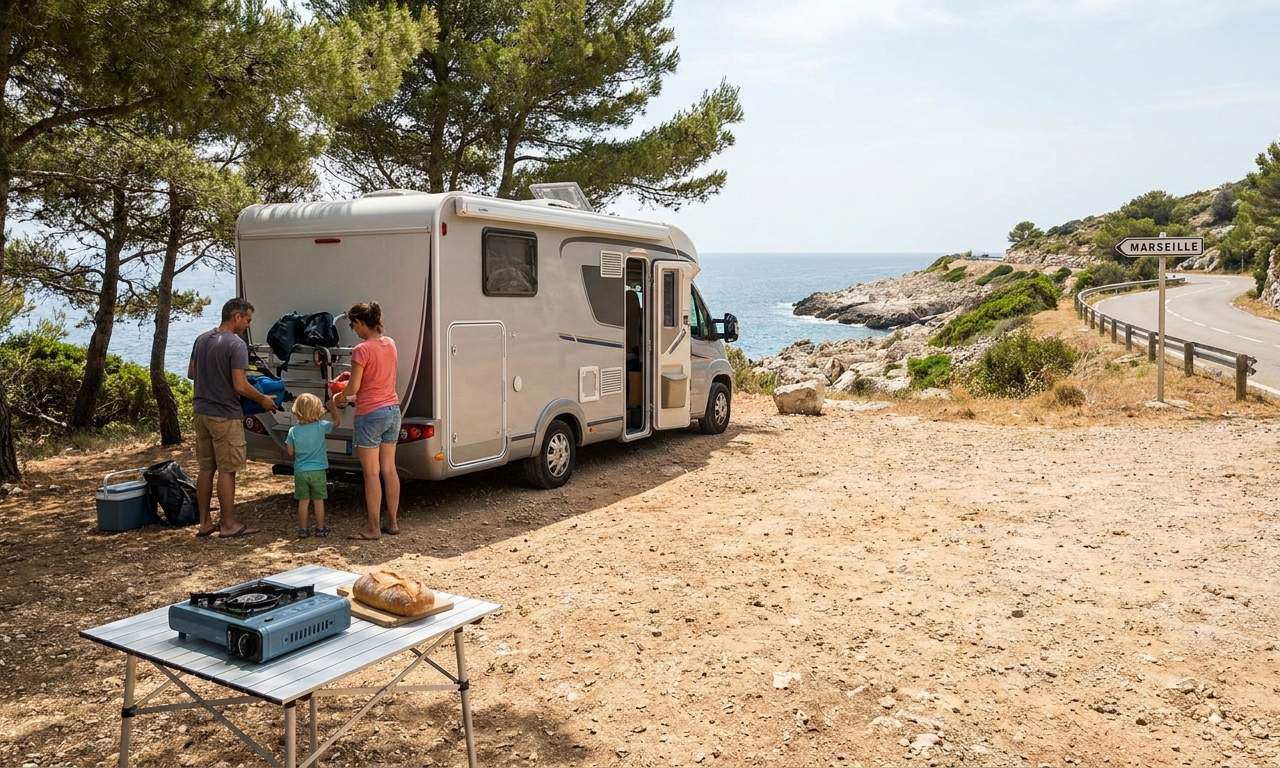
Road Conditions & Terrain in Marseille
Road quality in and around Marseille, including the wider Provence region, is generally well-maintained, offering a pleasant experience for weekly RV rental travelers. The terrain can be diverse, encompassing flat coastal stretches like those along the Corniche Kennedy, hilly landscapes as you venture towards Aix-en-Provence, and steeper inclines when exploring the Calanques or heading into the Luberon mountains. Urban driving in Marseille involves navigating city traffic, numerous roundabouts (which are very common in France), and potentially tighter streets in historic areas like Le Panier. Drive slowly and carefully, and you can drive almost anywhere without issues. No need to stress - just use common sense and pay attention. Planning routes with RV-specific GPS is advisable to avoid unexpected challenges on narrower Provençal roads, encouraging a slow, scenic driving experience. Remember, traveling slowly, ideally at a maximum of 100-150 km per day on average, allows you to truly feel the place, connect to the culture, the food, and the scenery.RV Size Limits, Bridges & Restricted Zones in Marseille
Marseille, like many major French cities, operates Low Emission Zones (Zones à Faibles Émissions - ZFE), which restrict access for certain vehicles based on their Crit'Air sticker classification, so ensure your rental RV is compliant. RV drivers must pay close attention to height restrictions, often marked with 'Pont Bas' signs for low bridges or tunnels, especially on routes like the D559 heading towards Cassis, and weight limits, particularly when entering older towns or specific parking areas. Always be aware of your RV's exact dimensions (height, length, width), which are typically provided by your rental supplier, to avoid issues with infrastructure and specific urban access regulations. Some areas may also have seasonal restrictions or environmental protection zones where RV access is limited or prohibited, particularly around sensitive natural sites such as portions of the Calanques National Park, emphasizing the need for advance planning.Fuel: Diesel vs. Petrol & Cost per 100 km in Marseille
The vast majority of rental RVs in Bandana's fleet around Marseille, whether it's a "cruise america rv rental example Explorer" (which has a 2.5 Liter Turbo diesel engine) or a compact campervan, are diesel-powered, a fuel type readily available at numerous fuel stations across France. Average fuel consumption for a Class SI - Semi-integrated RV is typically 10-11 Liters/100 km, while a Class C - Alcove RV averages 10-12 Liters/100 km, making diesel a generally efficient choice. Considering average fuel prices in France in 2024 (e.g., €1.80 - €2.00 per liter for diesel), an RV journey can cost approximately €18-€24 per 100 km. These costs are dynamic, so planning your route and budget on RV PLANET routes allows you to itemize and track every expense along the way, ensuring full transparency with no hidden fees. Inquire with your rental provider about fuel discount cards or options to pre-purchase fuel passes to help manage your weekly rental budget effectively.Tolls, Vignettes & Border Rules in France
Major highways in France, including those leading to and from Marseille (such as the A7 or A8 motorways), operate on a toll ('péage') system, where charges are incurred based on distance and vehicle category, rather than a vignette system like some other European countries. RVs are typically classified as Class 2 or 3 vehicles, meaning their tolls will be higher than standard cars due to height and weight, so factor this into your budget for a weekly RV rental. Utilizing an automatic road toll pass (télépéage badge), often available for rent with your RV from suppliers, can significantly streamline travel by allowing passage through dedicated lanes without stopping at toll booths. For weekly RV rentals planning cross-border trips from Marseille (e.g., to Italy or Spain), there are generally no specific border 'rules' beyond standard identification checks, but always confirm international travel is permitted by your rental agreement and that your insurance coverage extends to all countries you plan to visit. Our "RV Rental France - Complete Guide 2024" provides broader context on French travel.Driving Tips for Weekly RV Rental Travelers in Marseille
Familiarize yourself with French road signs and driving customs, including the often-confusing 'priority to the right' rule in some intersections (unless otherwise marked by a yellow diamond sign) and strict adherence to speed limits, which are usually 130 km/h on motorways, 80 km/h on rural roads, and 50 km/h in urban areas. Always carry mandatory safety equipment: a reflective vest for each occupant, a warning triangle, and optionally, an unused breathalyzer, though its enforcement is relaxed. We recommend a general travel pace of max 100-150 km per day on average, allowing you to immerse yourself in the culture and beauty of Provence. Plan your stops strategically, especially with family, aiming for breaks every 2-3 hours to prevent fatigue and allow passengers to stretch. Consider opting for an automatic transmission RV if available, such as the "hire campervan example Paradise S/T", as it can ease driving stress on longer journeys and through varied Provençal terrain. Embrace a slower pace; French roads, especially in scenic areas, are best enjoyed without rush, allowing time to appreciate the local culture and hidden gems. For more practical advice, consider our "RV Travel Guide to Marseille - Tips and Top Spots 2024".Recommended RV Class for Marseille Roads
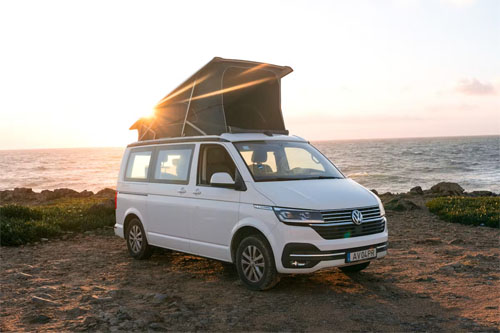
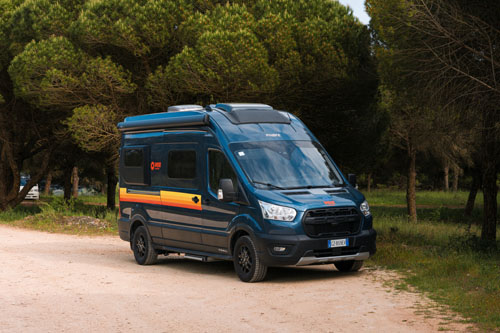
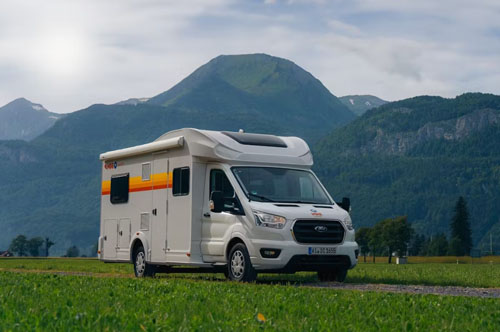
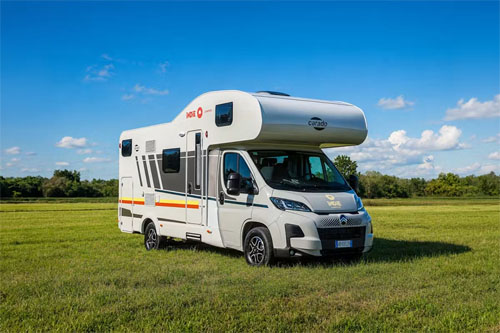
For navigating the diverse roads around Marseille and Provence, Class SI - Semi-integrated RVs and Class B - Camper Vans are generally highly recommended, offering a blend of comfort and maneuverability. Class SI RVs, with an average length of 6.9 meters, provide a comfortable balance of living space for 3-4 adults and sufficient agility for most French roads, including routes to the scenic Luberon villages. Class B Camper Vans, averaging 5.5 meters in length, offer excellent agility for tighter city streets in central Marseille, narrow village roads in places like Gordes, and easier parking while still providing essential amenities like a shower and toilet, as seen in models like the "V2L". Both classes offer adequate ground clearance for varying road conditions, making them ideal choices for a flexible weekly RV rental experience that prioritizes exploration and ease of driving. For couples, a smaller van like the "rv rental denver example Category Van" (which includes features like a shower and toilet) is often perfect, while families might prefer the added space of a Class C motorhome like the "24' Class C Motorhome".Should I Choose a Compact Van Instead of a Large RV in Marseille?
While a compact van (Class B Camper Van) excels in maneuverability for very tight historic centers and narrow mountain passes in the Alpilles, larger RVs (like Class SI or C) generally provide superior comfort and indoor space that can significantly enhance a weekly rental experience in Marseille. Most RV sizes are manageable on main roads in and around Marseille; the primary consideration for choosing a compact van versus a larger RV often comes down to your priorities for parking ease versus living space. A compact van, such as the "Combi Van" (5 meters long), is genuinely beneficial for extensive urban exploration where parking is very limited, or for tackling extremely narrow, less-traveled routes. However, for a week-long RV rental, the added comfort, comprehensive kitchen facilities (such as a 3-burner gas stove and 150-liter refrigerator in an "F4" model), and dedicated sleeping areas of a larger RV often offer better overall value and relaxation, even if it means parking a little further out and using public transport to explore the core of Marseille.Can I Park Anywhere? Free & Wild Camping Rules in Marseille
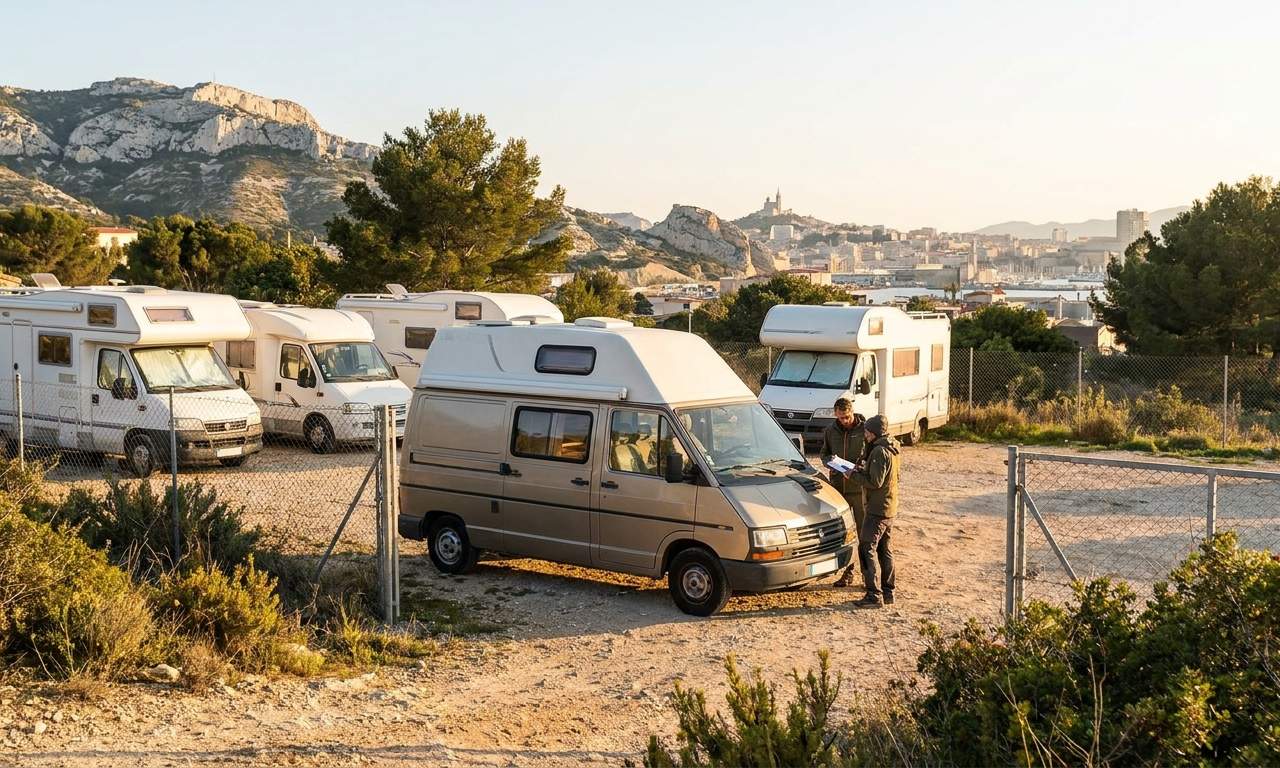
No, wild camping ('camping sauvage') and free overnight parking outside of designated areas are largely prohibited in France, especially in coastal zones like Marseille, national parks such as the Calanques, and privately owned land without explicit permission. Marseille and the surrounding region offer numerous 'aires de services' (motorhome service areas) and official campsites that provide legal and safe overnight parking, often with facilities for water, waste disposal, and electricity, typically ranging from €15 to €40 per night. For finding campsites and campgrounds during your trip, we recommend using RV PLANET (rvplan.net) - a great resource for locating available spots along your route, ensuring you avoid fines. Local municipalities in Provence may have specific bylaws regarding RV parking; always look for signs indicating 'Interdit aux camping-cars' (No motorhomes) or 'Stationnement réservé' (Reserved parking). Rules vary by region, so always check local regulations and follow local law before parking overnight to avoid fines and ensure a pleasant weekly RV rental experience.Can I Drive an RV Into the City Center? Heights, Tunnels & Local Signage
Yes, you can generally drive an RV into Marseille's city center, but drivers must exercise extreme caution and diligently observe local signage regarding height limits (e.g., typically 2.5-3.5 meters for underground parking), weight restrictions, and environmental zones. Be particularly aware of the city's Low Emission Zone (ZFE) and ensure your RV displays the correct Crit'Air sticker to avoid restrictions in central areas like the Old Port. Watch out for signs indicating low tunnels, overhead clearances near the Saint-Charles train station, or 'Interdit aux camping-cars' (No motorhomes) in particularly congested or historical districts like Le Panier. While direct entry is possible, parking large RVs within the most central parts of Marseille can be extremely challenging; consider parking on the outskirts or at a designated RV park such as Camping Les Cigales and using public transportation (bus, tram, metro) to explore the core. Drive slowly and carefully, and you can drive almost anywhere without issues. No need to stress - just use common sense and pay attention.What requirements do you need to drive an RV?
To drive most rental RVs in France, a valid Category B driving license from your home country, along with an International Driving Permit (IDP) for non-EU citizens, is the primary requirement for vehicles up to 3,500 kg. For example, a typical "luxury rv rentals example Carthago Malibu 600" campervan, with a length of 5.99m, falls within this category. For larger RVs with a Gross Vehicle Weight (GVW) between 3,500 kg and 7,500 kg, a Category C1 license is necessary, consistent with broader European regulations. Rental companies typically impose additional requirements such as a minimum driver age, usually 21 years old (not 25), and a specified period of driving experience, often 2-3 years, to ensure safety and compliance. Mandatory safety equipment in France includes a reflective safety vest for each occupant, a warning triangle, and appropriate speed limit stickers if the RV exceeds 3.5 tonnes GVW, which your rental supplier should provide.Is France motorhome friendly?
France is highly motorhome friendly, offering excellent infrastructure specifically designed for RV travelers, including a vast network of over 3,000 'aires de services' (service areas) and numerous campsites across the country. The cultural acceptance of motorhoming is strong, with many towns and villages, especially throughout Provence, welcoming RVs and providing designated parking or overnight facilities, which typically cost between €5-€25. The country boasts incredibly diverse landscapes, from the vibrant coastal routes near Marseille to mountainous regions like the Alps and charming countryside villages, all accessible via a generally well-maintained road network. While wild camping is restricted, the sheer number of organized facilities makes France an ideal and convenient destination for a weekly RV rental, allowing for flexible itineraries and immersive travel experiences. Considering an extended tour? Check out our "RV Rental France - Complete Guide 2024".Do I need speed stickers on my motorhome in France?
Yes, if your motorhome (RV) has a Gross Vehicle Weight (GVW) exceeding 3.5 tonnes (3,500 kg), you are legally required to display specific speed limit stickers (e.g., 110 km/h, 100 km/h, 90 km/h) on the rear, indicating the maximum speed allowed for your vehicle type on different road classes. Additionally, from 2021, all vehicles over 3.5 tonnes GVW must display blind spot warning stickers ('angles morts') on the sides and rear when operating in urban areas in France, designed to alert other road users. These regulations are crucial for road safety and compliance; failing to display the correct stickers can result in fines starting from €68. It's essential to confirm your rental RV's GVW with your supplier and ensure it is equipped with the necessary signage, especially if you're renting a larger model like a 6-berth "Euro Deluxe" which might exceed 3.5 tonnes.Can you sleep in a campervan anywhere in France?
No, you cannot legally sleep in a campervan anywhere in France; wild camping ('camping sauvage') and unauthorized overnight parking are generally prohibited, particularly in protected natural sites like the Calanques, coastal areas, and private land without explicit permission. The legal and most recommended options for overnight stays are designated 'aires de services' (motorhome service areas), which offer basic facilities often for a small fee, or official campsites, which are abundant across France and often provide essential facilities like water, waste disposal, and electricity for €20-€50 per night. While discreet overnight parking might be tolerated in some very rural, non-prohibited public spots, it is always subject to local municipal bylaws and carries the risk of fines of up to €1,500. For a worry-free weekly RV rental in Marseille, always plan to stay at recognized RV-friendly locations found on resources like rvplan.net.What is the 3-3-3 rule for RVs and campers?
The '3-3-3 rule' for RVs and campers is a popular guideline for comfortable and unhurried travel, recommending that you drive no more than 300 miles (approximately 500 km) in a day, arrive at your destination by 3 PM, and stay for at least 3 nights. This rule is designed to prevent driver fatigue, allow ample time for setting up camp and relaxing, and encourage deeper exploration of each location rather than constant transit. Adhering to this guideline can significantly reduce travel stress and enhance the enjoyment of a weekly RV rental, promoting a more immersive experience in regions like Provence, where scenic villages are best explored at a leisurely pace. While a flexible guideline, it provides a valuable framework for pacing your adventure and appreciating the journey, perfectly aligning with our philosophy of slow travel, maximizing 100-150 km per day.What states require a special license to drive an RV?
The question 'What states require a special license to drive an RV?' primarily refers to regulations within the United States, where specific state laws might necessitate a non-commercial Class B or Class A license for very large recreational vehicles over 26,000 pounds. However, for driving an RV in France, licensing requirements are based on the vehicle's Gross Vehicle Weight (GVW) under European Union standards, not "state" specific rules. In France, a standard Category B car license is sufficient for RVs up to 3,500 kg, which includes most rental campervans (e.g., "M2" with a GVW of around 2,800 kg) and many smaller motorhomes. For RVs between 3,500 kg and 7,500 kg, a Category C1 license is required, consistent across France and the EU. Drivers should always verify the GVW of their rental RV and ensure their license category is appropriate for French road laws, as this is a critical aspect of being a true RV specialist.What is the largest motorhome you can drive on a car license?
In France and across the European Union, the largest motorhome you can legally drive on a standard Category B car license is one with a Gross Vehicle Weight (GVW) of up to 3,500 kg (3.5 tonnes). This weight limit encompasses a wide variety of RVs, including most Class B Camper Vans (like the "V3" at 3,300 kg GVW) and many Class SI - Semi-integrated models available for weekly rental in Marseille. If a motorhome exceeds 3,500 kg GVW, a higher license category such as a C1 (for vehicles up to 7,500 kg) or C (for vehicles over 7,500 kg) is required, but these are rarely necessary for typical leisure rentals. Always confirm the specific GVW of your chosen rental RV and ensure your driving license category aligns with French legal requirements, which will be clearly stated in your rental agreement. We provide full transparency on all vehicle details for your peace of mind.Do you have to get a license for renting an RV?
Yes, you are legally required to possess a valid driving license to rent and operate an RV in France, as you would for any other vehicle. For most rental RVs weighing up to 3,500 kg, a standard Category B car license is sufficient, provided it meets the rental company's specific age and experience criteria (e.g., minimum 21 years old and 2-3 years' driving experience), which are standard across our 50+ trusted suppliers. Non-EU drivers must present their national driving license concurrently with an International Driving Permit (IDP) to be valid in France, though an IDP is typically recommended rather than strictly mandatory for many non-English speaking countries. It is crucial to ensure your license category corresponds to the Gross Vehicle Weight (GVW) of the specific RV you intend to rent; larger models like some Class C motorhomes may necessitate a C1 license. Our pre-booking support ensures you have all the correct information before you finalize your weekly RV rental in Marseille.Can you get temporary RV insurance?
Yes, temporary RV insurance is often available and can be a valuable addition to your weekly rental, particularly if the standard rental company insurance doesn't fully meet your needs for a trip in France. While rental companies, as our partners El Monte, Cruise America, Apollo, and Britz, usually include basic comprehensive insurance, it often comes with a high deductible (excess) ranging from €1,500 to €3,000 and may not cover specific incidents or personal belongings. Third-party providers offer short-term or temporary insurance policies that can cover this deductible, provide enhanced roadside assistance, or extend coverage for situations not included in the standard rental package. It is highly recommended to thoroughly review your rental agreement's insurance details and consider supplementary temporary coverage, especially our top-level deductible reimbursement option, to ensure comprehensive protection and travel with peace of mind for your weekly RV rental in Marseille. You can compare final prices across suppliers transparently with Bandana, including insurance options, so what you see is what you pay.Does Good Sam insurance cover full-time RVers?
Good Sam insurance is primarily oriented towards the North American market and generally does not provide coverage for RV rentals or full-time RVers operating in France or the broader European Union. For RV insurance in France, travelers will rely on the basic insurance policy provided by their rental company, which is legally mandated, or opt for specialized European or French-based temporary and comprehensive policies. European insurance providers offer specific coverage options for travelers, which can be customized for continental travel, including breakdown and roadside assistance. When renting an RV in Marseille, focus on understanding the local French insurance options provided by your Bandana partner rental company or available through independent European insurers. Remember, Bandana is exclusively about RV rentals for vacation travel, ensuring you have the best experience for your week-long adventure.What You Shouldn't Miss
- **Explore the Vieux-Port (Old Port):** Begin your Marseille adventure by soaking in the vibrant atmosphere of the Old Port, watch the fishermen sell their catch, and perhaps enjoy a traditional bouillabaisse at a waterfront restaurant. Parking an RV might require finding a spot further out, perhaps near Fort Saint-Jean, and walking in.
- **Visit Notre-Dame de la Garde:** Drive your motorhome up (carefully!) to the iconic "Bonne Mère" basilica, offering breathtaking 360-degree views of Marseille, its islands, and the deep blue Mediterranean Sea. Designated RV parking is available a short walk from the basilica.
- **Hike the Calanques National Park:** While RVs cannot drive directly into the park, park your campervan at a nearby campsite in Cassis or La Ciotat (about 30-45 minutes from Marseille) and spend a day hiking the stunning trails to discover hidden coves and turquoise waters. Popular spots include Calanque de Sormiou or Calanque de Port-Pin.
- **Wander through Le Panier Quarter:** Lose yourself in the narrow, winding streets of Marseille's oldest neighborhood, Le Panier. Enjoy street art, artisan shops, and charming cafes. Parking your RV here is not recommended; opt for public transport or walk from the Old Port.
- **Take a Scenic Drive to Cassis and the Route des Crêtes:** Drive your rented RV along the coastal roads to Cassis, a picturesque fishing village known for its white cliffs and vineyards. From there, take the breathtaking Route des Crêtes (D141), a winding road with spectacular views over the Mediterranean and the highest sea cliff in France, Cap Canaille. This road offers incredible photo opportunities and is perfect for slow travel.
- **Discover Local Markets:** Visit local markets like Marché des Capucins for an authentic taste of Marseille. Stock up your RV kitchen with fresh produce, cheeses, and local specialties. Enjoy preparing meals in your RV; for culinary inspiration, check out our RV-friendly recipes playlist.
Looking for expert insights from Avi Bandana?
Top 5 Adventures - recommendations from Avi Bandana
🎬 Video coming soon
Final Thoughts
Exploring Marseille and the stunning Provence region by a rented RV offers unparalleled freedom and flexibility, allowing you to discover hidden gems at your own pace. Whether you choose a nimble campervan for city exploration or a spacious motorhome for a family adventure, the key is thoughtful planning and embracing the journey. From navigating charming local roads to finding the perfect sunset campsite overlooking the Mediterranean, a week-long RV driving tour in Marseille promises unforgettable memories. At Bandana, we're dedicated to making your RV rental experience seamless and enjoyable. Our commitment to full transparency, expert guidance, and comprehensive support means you can book with confidence, knowing you have real people behind you every step of the way. Don't just dream of the open road – make it a reality. Find Motorhome Rentals in MarseilleOn the routes offered through RV PLANET routes, you can itemize and track every expense along the way for easy budgeting.