In This Guide
- Can You Drive an RV in Hungary? License & Age Rules
- Road Conditions & Terrain in Hungary
- RV Size Limits, Bridges & Restricted Zones
- Fuel: Diesel vs. Petrol & Cost per 100 km
- Tolls, Vignettes & Border Rules
- Driving Tips for Weekly RV Rental Travelers
- Recommended RV Class for Hungary Roads
- Should I Choose a Compact Van Instead of a Large RV in Hungary?
- Can I Park Anywhere? Free & Wild Camping Rules in Hungary
- Can I Drive an RV Into the City Center? Heights, Tunnels & Local Signage
- RV-Specific Itineraries and Themed Routes for Hungary
- What is the Cost Breakdown for a Weekly RV Rental in Hungary
- How to Handle Language Barriers and Cultural Nuances in Hungary
- What Emergency Preparedness and Local Resources are Available for RVers in Hungary
- What You Shouldn't Miss
- Why Book with Bandana Caravan
- Final Thoughts
- Frequently Asked Questions
Can You Drive an RV in Hungary? License & Age Rules
A standard B category driving license is sufficient for most weekly RV rentals in Hungary, covering vehicles up to 3,500 kg total mass. This typically includes Class B campervans and many Class C motorhomes. For larger RVs exceeding 3,500 kg, a C1 or C category license may be required, although these are less common in standard rental fleets. The minimum driver age for RV rentals in Hungary is often 21, and thankfully, there are no young driver surcharges or vehicle class restrictions based on age with our partners. For non-EU drivers, an International Driving Permit (IDP) is recommended in addition to your national license, though it is not mandatory in all cases, it can certainly smooth out interactions with local authorities or rental agencies. Always check specific supplier requirements when booking your motorhome.Road Conditions & Terrain in Hungary
Hungarian motorways (autópálya) and main roads are generally well-maintained and highly suitable for RV travel, offering smooth and efficient journeys across the country. Rural roads, while sometimes narrower and varying in quality, provide picturesque routes through charming villages and less-traveled areas, perfect for slow travel. The terrain in Hungary is predominantly flat in the Great Hungarian Plain (Alföld), which is ideal for relaxed driving and offers expansive views. You'll encounter rolling hills in Transdanubia and more mountainous regions in Northern Hungary, providing diverse scenery for your weekly RV tour. We encourage driving slowly and carefully, especially on rural roads, to fully appreciate Hungary's beautiful landscapes and historical sites without issues.RV Size Limits, Bridges & Restricted Zones
There are no specific RV size limits unique to Hungary that universally restrict motorhome travel, but all drivers must observe standard European road signs indicating height, width, and weight restrictions. When driving your rented RV, pay particular attention to low bridges and narrow streets in historic town centers, especially if you're traveling with a larger Class C or Class A motorhome. Unlike some Western European cities, Hungary does not currently have widespread environmental zones that restrict RV access based on emissions. However, always be aware of local signage for specific areas or temporary restrictions, particularly around popular tourist spots, markets, or during festivals like Sziget Festival, where traffic management might be altered.Fuel: Diesel vs. Petrol & Cost per 100 km
Most RVs available for weekly rental in Hungary, including many in Bandana's diverse fleet, are diesel-powered, and diesel fuel is readily available at petrol stations nationwide. You'll find that average fuel consumption for a rented Class SI (Semi-integrated) RV is typically 10–11 Liters/100 km. Larger Class C (Alcove) motorhomes generally average 10–12 Liters/100 km, while more compact Class B (Camper Van) models are the most fuel-efficient, consuming 8-10 Liters/100 km. Luxury Class A (Integrated) models typically use 8-11 Liters/100 km, depending on their size and features. While specific fuel discount cards for rented motorhomes may sometimes be offered, it's always recommended to check current fuel prices upon arrival and plan your refuels, especially if you are embarking on an extended road trip.Tolls, Vignettes & Border Rules
Hungary uses an electronic vignette system, known as e-Matrica, which is mandatory for all motorways and expressways and applies to all RVs. You must purchase this e-vignette *before* entering any toll road, otherwise, you risk significant fines. RV categories D1 (for vehicles up to 3.5t and 7 seats) and D2 (for vehicles over 3.5t or more than 7 seats) determine the vignette cost, so ensure you select the correct category for your rented motorhome. E-vignettes can be conveniently purchased online, via mobile app, at border crossings, and at most petrol stations, and they are electronically linked to your license plate. When planning to cross borders into neighboring countries such as Slovakia or Austria with your weekly RV rental, remember that these countries also have their own vignette or toll systems which require separate purchases. Our "One-Way RV Rental in Hungary - Price Guide 2026" can provide more details if you're planning an international journey.Driving Tips for Weekly RV Rental Travelers
When embarking on your weekly RV rental in Hungary, it's essential to adhere to Hungarian speed limits: typically 50 km/h in urban areas, 90 km/h outside urban areas, and 130 km/h on motorways, with slight variations for larger vehicles. Remember that Hungary drives on the right side of the road, and you should be aware of common driving habits, which can include frequent overtaking on multi-lane roads and active use of indicators. We always recommend slow travel, averaging a maximum of 100-150 km per day, allowing you to truly feel the place and connect with the culture, food, and scenery. Plan your route with RV-friendly stops, especially important for families, to ensure breaks every 2-3 hours and prevent driver fatigue. For easy budgeting and tracking every expense along the way, RV PLANET routes are an excellent resource for pre-planned itineraries. You can also look for Class SI (Semi-integrated) or Class B (Camper Van) models, many of which offer automatic transmission, for a more relaxed driving experience on Hungary's roads.Recommended RV Class for Hungary Roads
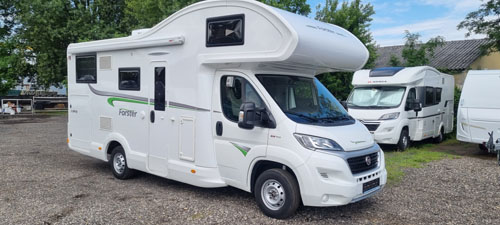
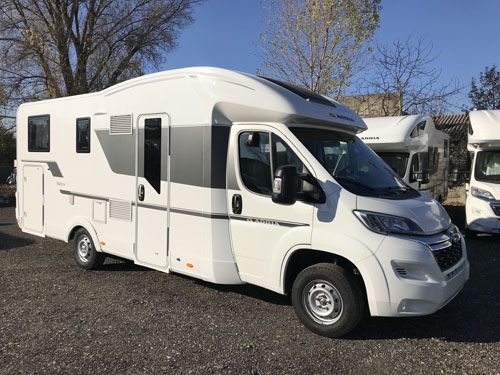
For weekly RV trips in Hungary, the Class SI (Semi-integrated) and Class B (Camper Van) models from Bandana’s fleet are highly recommended due to their exceptional versatility and suitability for varying Hungarian roads. Class SI RVs, with an average length of 6.9 meters (e.g., a 2 Berth Tamar or a 4 Berth Deluxe), offer a superb balance of comfortable living space and manageable size, perfect for couples or small families. Class B Camper Vans, averaging 5.8 meters in length (like the "Active Bunk Auto" or "Active Standard"), are particularly agile, making them ideal for navigating smaller towns and finding parking with greater ease. Larger Class C (Alcove) and Class A (Integrated) RVs (both averaging 7.5 meters, such as the "Euro Deluxe" or "MHC28") are also perfectly viable for Hungary's well-maintained main roads and motorways, offering more extensive amenities and ample space for bigger groups or families seeking extra comfort.Should I Choose a Compact Van Instead of a Large RV in Hungary?
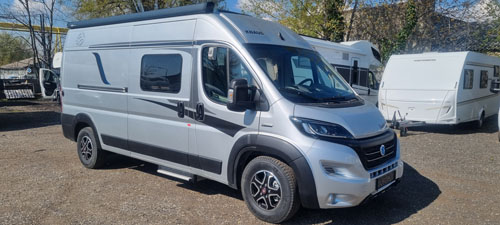
Choosing between a compact campervan and a larger RV for your weekly rental in Hungary depends on your travel style and group size. While a compact campervan (like an "Active Pop Top" or a "Juliette 2-3") offers superior maneuverability for tight city centers, narrow village streets, and easier parking, the enhanced comfort and expanded amenities of a larger motorhome often provide a more enjoyable and spacious weekly rental experience. Hungary's generally good road network means most RV sizes can be driven without significant issues outside of very specific urban cores. A compact van, such as a Class B, genuinely helps for quick stops in historic towns or navigating winding scenic routes, making it an excellent choice for adventurous couples. However, for families or those seeking more indoor living space, a Class C or Class SI motorhome offers better sleeping arrangements, a more spacious kitchen for preparing RV-friendly recipes playlist, and a separate bathroom, making it a better trade-off for an extended road trip in Hungary.Can I Park Anywhere? Free & Wild Camping Rules in Hungary
Wild camping and free overnight parking in Hungary are generally prohibited outside of designated campsites and private properties where explicit permission has been granted. Violating these rules can result in significant fines and may lead to being asked to move by local authorities. To ensure a legal and comfortable stay during your weekly RV rental in Hungary, it is best to rely on established campsites and RV parks, which are widely available across the country and offer necessary amenities such as fresh water, waste disposal, and electrical hookups. Always seek out official parking areas or campgrounds for overnight stays to ensure legality and safety. Rules can sometimes vary by region, so it’s always wise to check local regulations and follow local law before parking overnight. Remember, many national and state parks reserve only 25-30% of spots for advance booking, with the rest being first-come-first-serve, so you'll always find a spot. If not at the first campground, then the next one; just call ahead before driving.Can I Drive an RV Into the City Center? Heights, Tunnels & Local Signage
Yes, it is generally possible to drive a rented RV into Hungarian city centers, including vibrant Budapest, but drivers must exercise extreme caution and adhere strictly to local signage. When navigating urban areas, pay close attention to height and weight limit signs, particularly before entering tunnels, passing under historic bridges, or attempting to use underground parking garages, which are typically too low for most RVs. In major cities like Budapest, certain areas or bridges might have specific restrictions based on vehicle type or size; for example, some bridges over the Danube have weight limits, and older city districts feature narrow, winding streets. There's no need to stress about driving in cities like Budapest; just drive slowly and carefully, use common sense, and pay attention to signs, and you can navigate almost anywhere without issues. For convenience, consider utilizing public transport in major cities; you can park your RV at designated out-of-center parking areas or campsites and commute into the heart of the city, looking for specific 'P+R' (Park and Ride) signs or RV-friendly parking lots on the outskirts.RV-Specific Itineraries and Themed Routes for Hungary
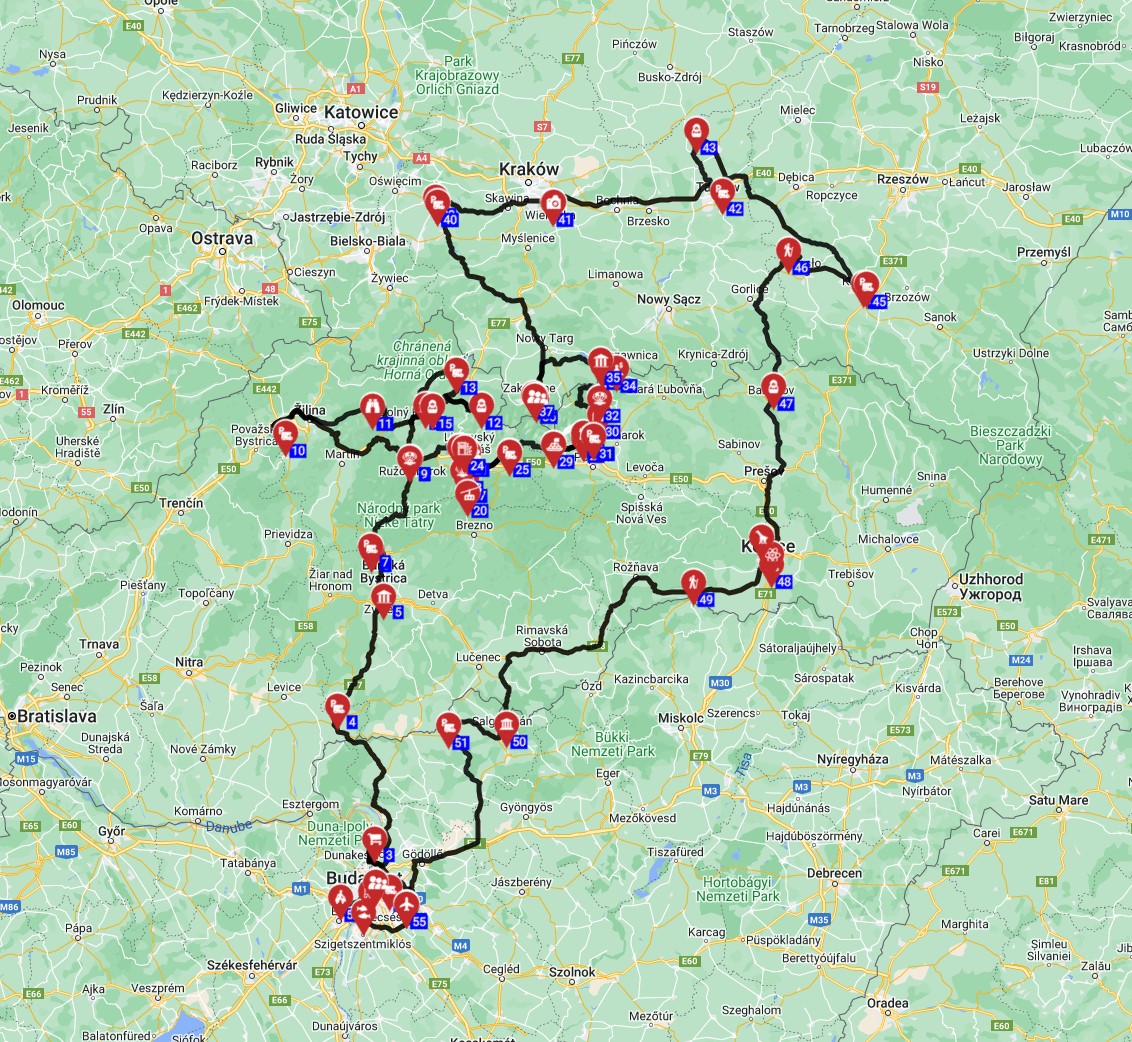
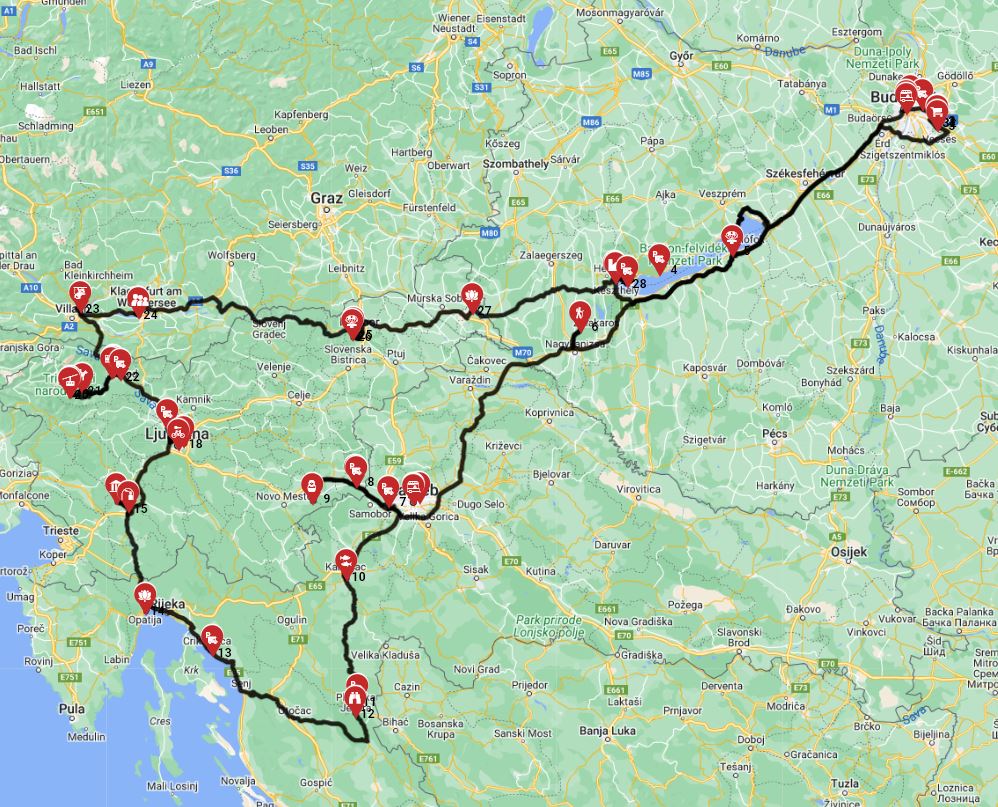
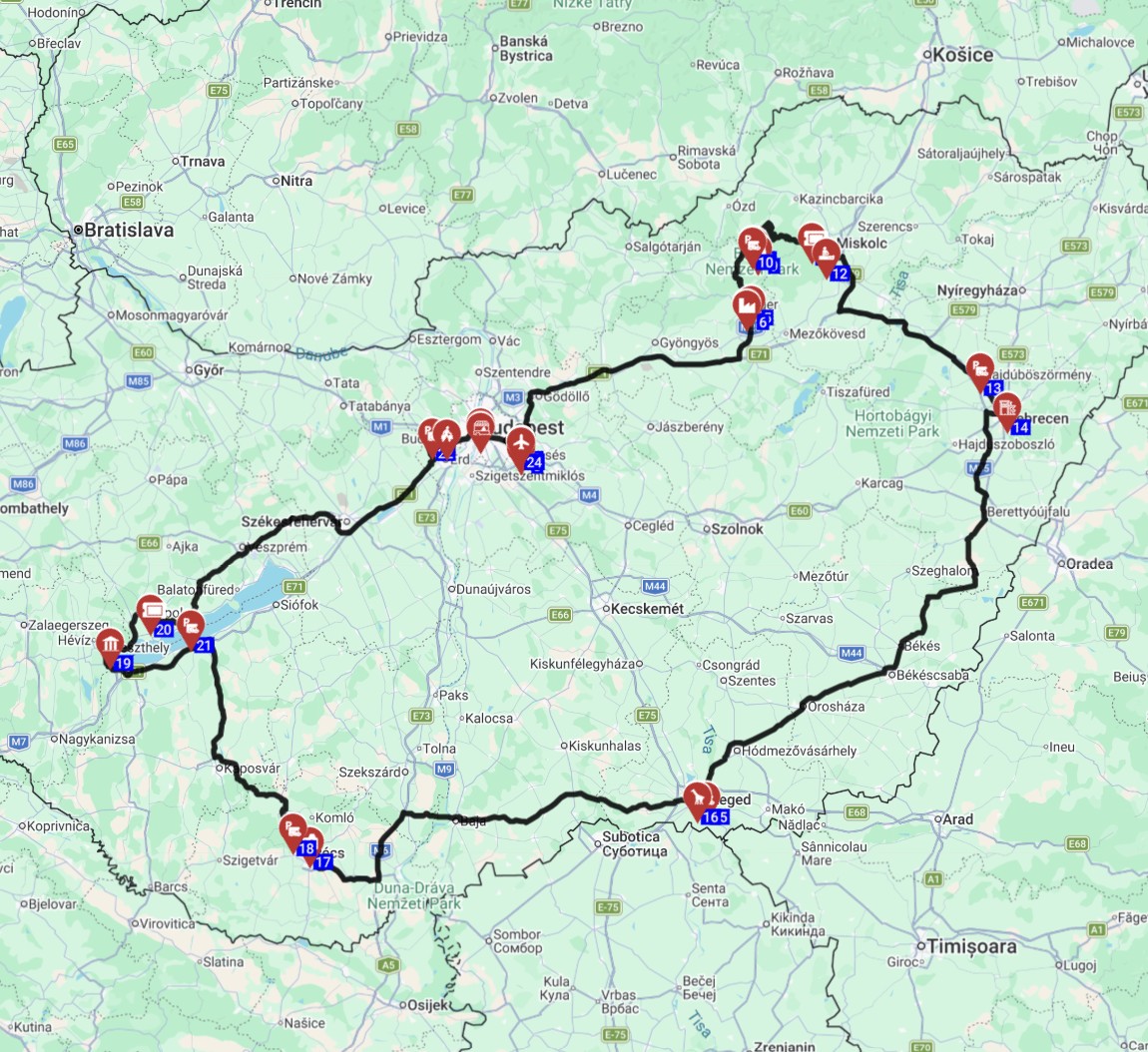
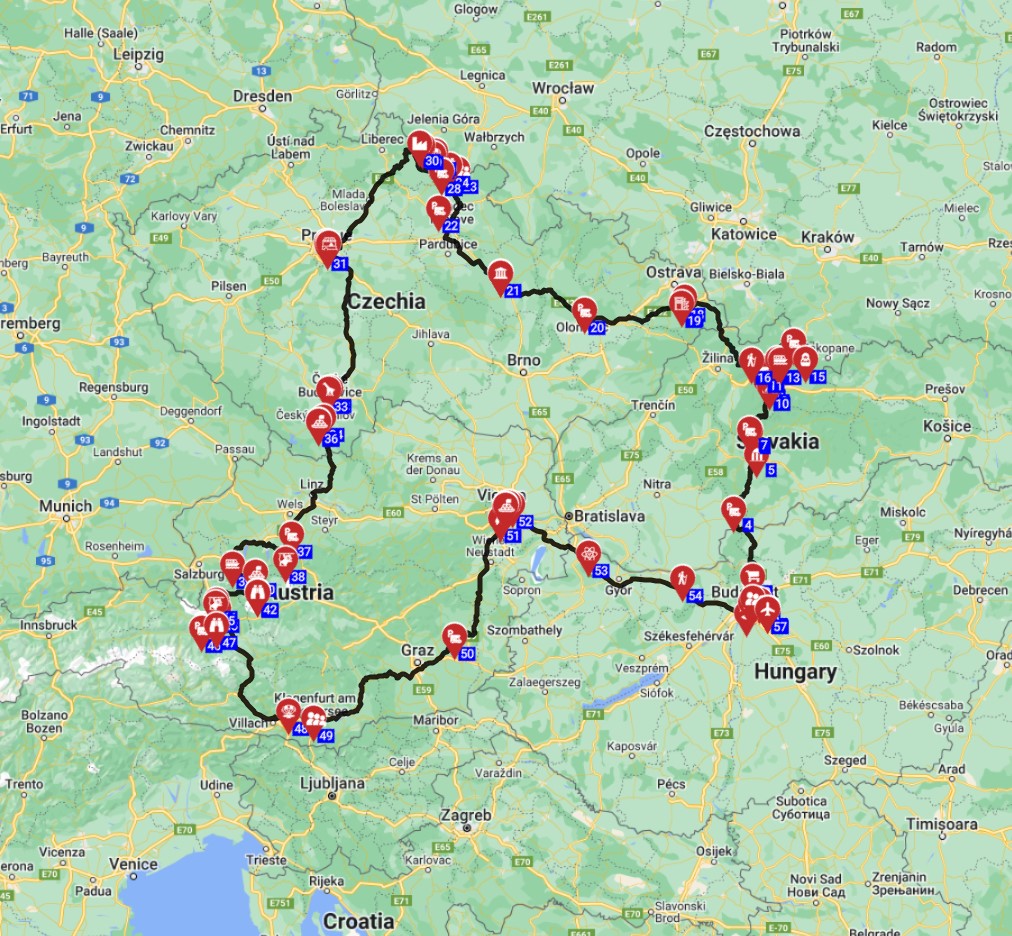
Hungary offers a wealth of RV-specific itineraries and themed routes perfect for a week-long or extended RV rental adventure. One popular option is the 'Thermal Spa Route by RV', which allows you to explore Hungary's renowned thermal spas, visiting healing waters like Hévíz, Egerszalók, and the famous Széchenyi Baths in Budapest. Another delightful journey is the 'Hungarian Wine Country Tour,' where you can stop at vineyards in Tokaj, Eger, and Villány, often finding RV-friendly parking directly at the wineries. You can also embark on a 'Danube Bend & History' route, visiting historic towns like Esztergom with its majestic basilica, the medieval castle of Visegrád, and the charming artisan village of Szentendre. For a unique cultural experience, consider a 'Puszta Adventure' in Hortobágy National Park, offering insights into traditional Hungarian cowboy culture and rich wildlife. Alternatively, a 'Lake Balaton Circle' itinerary combines beach relaxation, watersports, and charming lakeside towns, with numerous campsites available along its 200 km perimeter. Our sister company, RV PLANET (rvplan.net), offers over 1,300 pre-planned routes across 5 continents, including Hungary, specifically designed by professionals to maximize your enjoyment and minimize planning effort.What is the Cost Breakdown for a Weekly RV Rental in Hungary
The cost breakdown for a weekly RV rental in Hungary is dynamic, similar to flight tickets, changing daily based on availability, seasonality, and supplier marketing decisions. For a 1-week RV trip, the primary cost is the rental fee, which varies greatly by RV class, season (peak season like summer vs. off-peak), and duration, typically ranging from €500-€1500+ per week for a Class C motorhome or campervan. Fuel costs are a significant factor; based on average consumption (e.g., 10-12 L/100km for many RVs) and current diesel prices (which might be around €1.60-€1.80/L), budget for approximately €150-€300 per 1000 km. Tolls and vignettes are mandatory; a weekly e-vignette for D2 category RVs in 2026 is typically around €15-€25, plus potential tolls for specific bridges or tunnels. Campsite fees will add another €20-€45 per night for a pitch at a quality campsite, depending on its location and amenities. For groceries, budgeting €70-€150 per person per week allows for cooking most meals in your RV, which significantly saves on restaurant costs. Finally, allocate funds for activities and attractions, such as museum entries, thermal bath tickets, and tours, as these expenses can be highly variable depending on your itinerary. To itemize and track every expense along the way for easy budgeting, we highly recommend exploring the RV PLANET routes.How to Handle Language Barriers and Cultural Nuances in Hungary
When traveling through Hungary with a rented RV, language barriers can be easily managed with a little preparation. While English is widely spoken in major tourist hubs like Budapest and by younger Hungarians, learning basic Hungarian phrases such as 'Jó napot' (Good day), 'Köszönöm' (Thank you), and 'Kérem' (Please) is always highly appreciated by locals. Utilizing translation apps such as Google Translate on your smartphone can be invaluable for more complex conversations or deciphering menus and signs in rural areas. Additionally, be aware of Hungarian cultural etiquette, such as waiting to be seated in restaurants, allowing others to exit public transport before entering, and showing respect to elders. Acknowledge the local custom of not clinking beer glasses, a tradition stemming from a historical event that is generally still observed. For interactions at local markets or smaller shops, a warm smile and an attempt at a few Hungarian words can go a long way, even if you eventually switch to English or hand gestures.What Emergency Preparedness and Local Resources are Available for RVers in Hungary
For RVers enjoying a week-long motorhome rental in Hungary, being prepared for emergencies is straightforward. The universal European emergency number is 112, which connects you to police, ambulance, and fire services throughout Hungary. Always carry your rental company's roadside assistance contact details; most reputable Bandana partners like El Monte, Cruise America, Apollo, and Britz offer robust support for breakdowns. Ensure your travel insurance covers RV-specific emergencies, medical repatriation, and theft for extra peace of mind; you can also upgrade to a top-level deductible reimbursement for added security. Familiarize yourself with local medical facilities; pharmacies (gyógyszertár) are common and can offer advice for minor ailments. It is also wise to keep essential RV items on hand, including a first-aid kit, reflective vests for all passengers (mandatory in many European countries), a warning triangle, and possibly spare fuses and basic tools. Being true RV specialists, we handle the details of your booking, from pre-booking comparison to post-booking coordination, so you can focus on the journey itself.What You Shouldn't Miss
Looking for expert insights from Avi Bandana? Top 5 Adventures - recommendations from Avi Bandana:- **The Thermal Lake of Hévíz:** Experience Europe's largest natural, swimmable thermal lake, known for its healing properties. Many campsites are nearby, allowing easy access for your RV.
- **Hortobágy National Park:** Immerse yourself in the unique 'Puszta' (grassland) culture, witnessing traditional horse shows and diverse wildlife in this UNESCO World Heritage site.
- **Eger Wine Region:** Explore the historic town of Eger and its famous 'Valley of Beautiful Women,' where you can sample delicious Egri Bikavér (Bull's Blood wine) and often find welcoming wineries for overnight RV stays.
- **The Danube Bend:** Drive along this picturesque stretch of the Danube River, visiting charming towns like Esztergom (with its grand basilica), Visegrád (home to a stunning medieval citadel), and Szentendre (an artistic village).
- **Lake Balaton's North Shore:** Enjoy the "Hungarian Sea" by exploring the Tihany Peninsula's lavender fields, the basalt organs of Badacsony, and the numerous RV-friendly beaches and vineyards that line its northern shores.
Final Thoughts
A week-long RV driving tour in Hungary offers an unparalleled sense of freedom and discovery, allowing you to immerse yourself in the country's diverse landscapes and rich cultural tapestry at your own comfortable pace. Imagine waking up to the sounds of nature near Lake Balaton, exploring ancient castles, or soaking in a thermal spa, all from the convenience of your rented motorhome or campervan. With Bandana Caravan, you’re not just booking a vehicle; you’re gaining a partner dedicated to transparency, support, and helping you craft unforgettable memories. We believe in slow travel, urging you to take your time and savor every moment, averaging no more than 100-150 km per day. This approach transforms a simple trip into a profound journey of connection with Hungary's heart and soul. We're here to handle all the details, ensuring your planning is seamless and your adventure is filled with joy, not stress. So, why wait? Start dreaming and planning your ultimate Hungarian RV adventure today. Discover top destinations, find valuable planning tips, and secure your perfect motorhome rental all in one place.🎬 Video coming soon