In This Guide
- Can You Drive an RV in Germany? License & Age Rules
- Road Conditions & Terrain in Germany
- RV Size Limits, Bridges & Restricted Zones
- Fuel: Diesel vs. Petrol & Cost per 100 km
- Tolls, Vignettes & Border Rules
- Driving Tips for Weekly RV Rental Travelers
- Recommended RV Class for Germany Roads
- Should I Choose a Compact Van Instead of a Large RV in Germany?
- Can I Park Anywhere? Free & Wild Camping Rules in Germany
- Can I Drive an RV Into the City Center? Heights, Tunnels & Local Signage
- What are the best weekly RV rental itineraries in Germany, including hidden gems?
- How much does a weekly RV rental in Germany cost, including all expenses?
- How can I experience local German culture during my RV trip?
- When is the best time for a weekly RV rental in Germany?
- Are there specific challenges for large RVs in German villages or family-friendly routes?
- Can I bring my pet on a weekly RV rental trip in Germany?
- How can I RV Responsibly and Sustainably in Germany?
- What should I do in case of an RV breakdown or emergency in Germany?
- What are some insider tips for RVing in Germany, recommended by locals?
Embarking on a week-long RV driving tour in Germany offers an unparalleled sense of freedom, allowing you to explore everything from historic cities to picturesque landscapes at your own pace. With a rented motorhome, your journey becomes an adventure, a moving home that brings you closer to the heart of Europe. For live availability and current prices, start with our RV Rental Germany - Complete Guide 2026 guide.
Can You Drive an RV in Germany? License & Age Rules
Yes, most standard international driving licenses (Category B) allow driving RVs up to 3,500 kg in Germany without issues. Non-EU citizens generally require an International Driving Permit (IDP) alongside their national license, although it is not strictly mandatory in all cases, it's highly recommended for ease of identification. German license classes typically categorize vehicles: Category B for vehicles up to 3.5 metric tons, C1 for 3.5 to 7.5 metric tons, and C for over 7.5 metric tons. For the vast majority of our rental motorhomes and campervans, a standard Category B license is sufficient. The minimum driver age for most RV rentals in Germany is 21 years, and Bandana RV proudly offers transparent pricing with no young driver surcharges, unlike some other providers.
We believe in making RV travel accessible and straightforward. Our team of true RV specialists is here to support you, handling the details from day one until your booking is confirmed, ensuring you have all the necessary information about licensing and age requirements before you hit the road. Remember, our commitment to full transparency means no hidden fees and no surprises when it comes to understanding rental qualifications for your German adventure.
Road Conditions & Terrain in Germany
Germany boasts an excellent network of well-maintained roads, including world-renowned Autobahns and picturesque regional routes, making it an ideal destination for a weekly RV rental. Road quality is generally very high, providing smooth and comfortable driving for all classes of RVs across the country. The terrain varies significantly, from the flat northern plains and coastal regions, perfect for leisurely drives, to rolling hills in central Germany, and more mountainous areas like the Bavarian Alps and the Black Forest in the south, which offer breathtaking scenic views. While Autobahns allow for efficient travel and covering longer distances, scenic Bundesstraßen (federal highways) and Landstraßen (state roads) offer a more leisurely and picturesque RV experience, encouraging you to travel slowly, perhaps averaging 100-150 km per day, to truly absorb the local culture, food, and scenery.
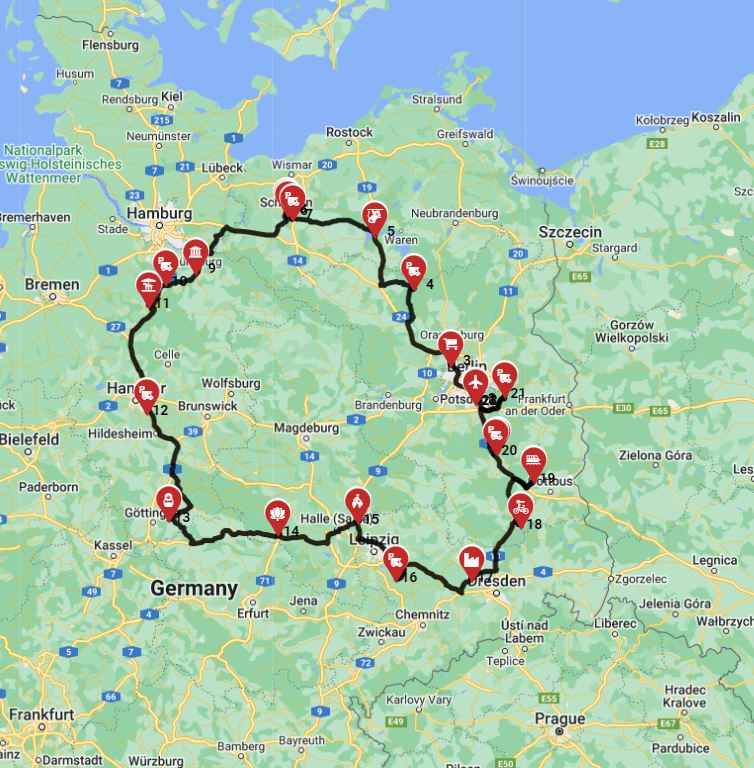
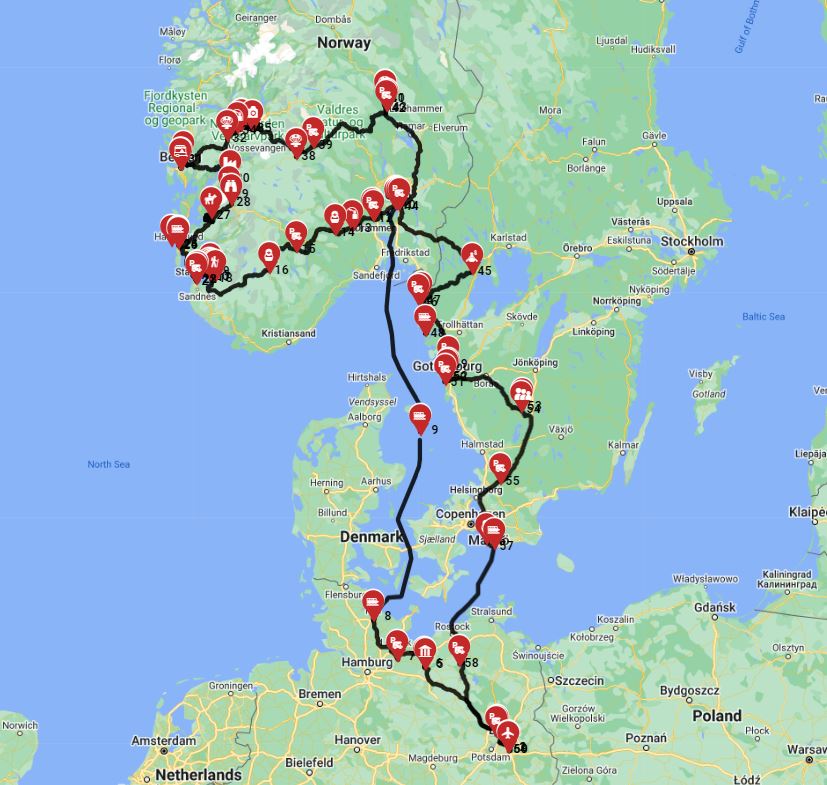
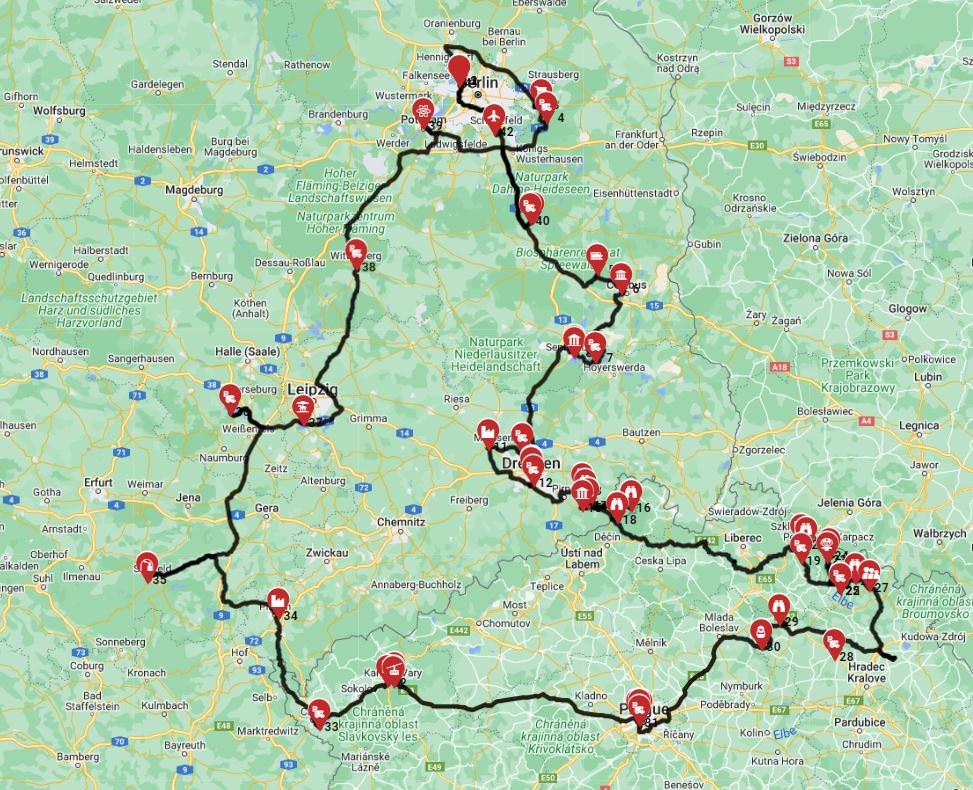
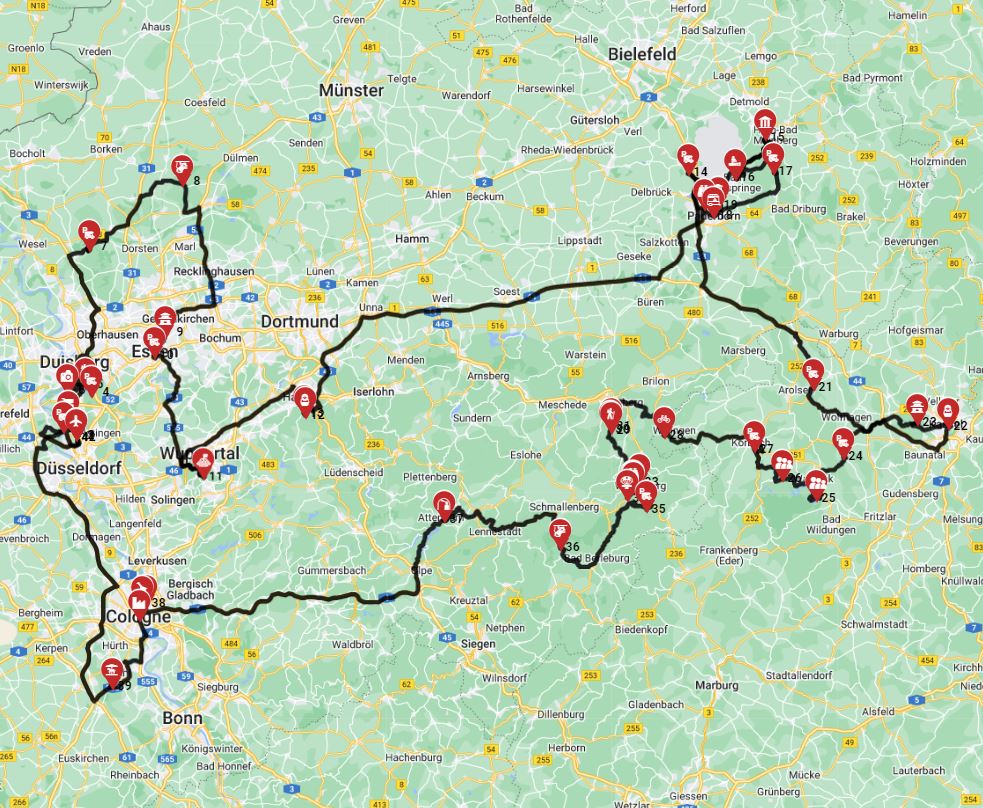
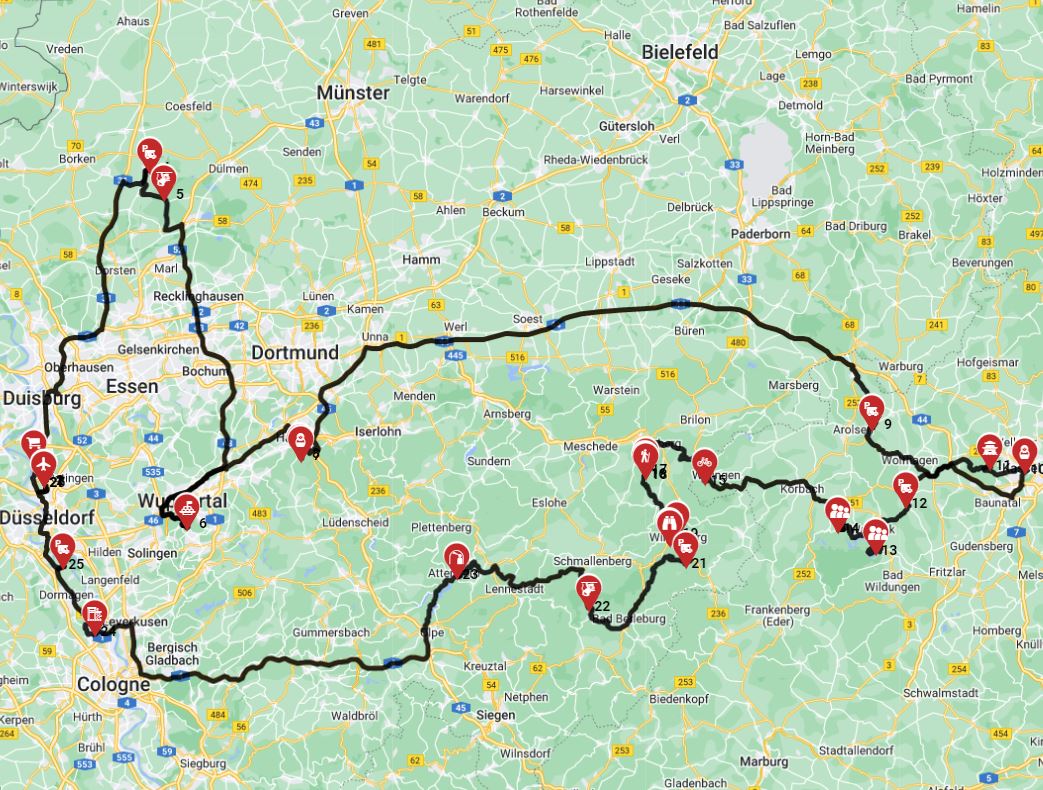
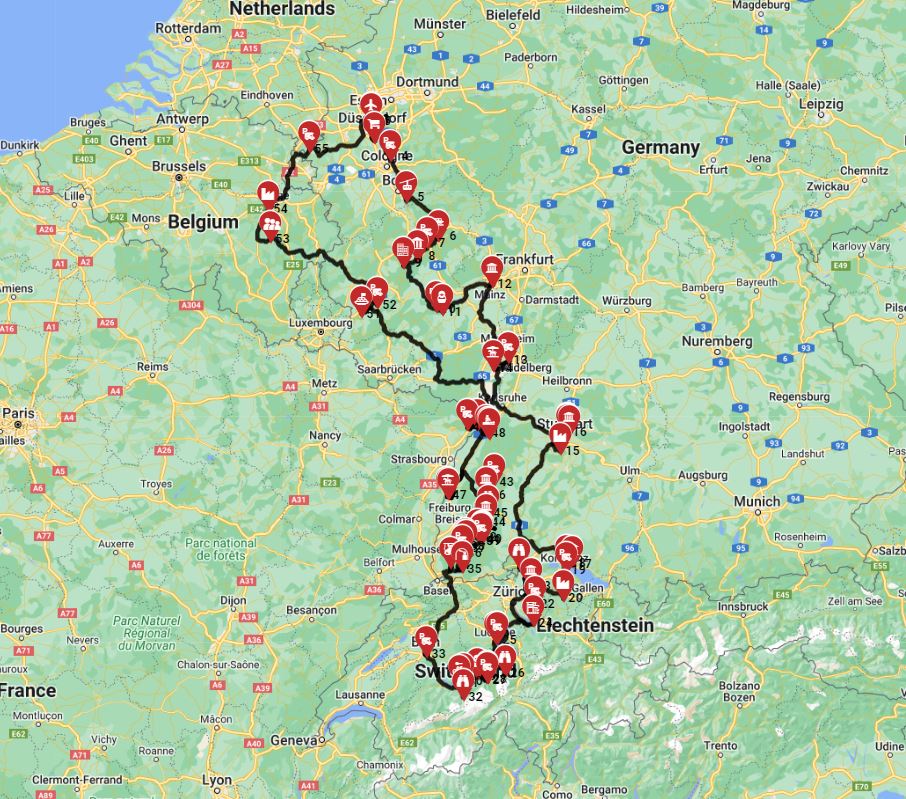
Whether you’re navigating the expansive routes of a "Frankfurt Roundtrip - North Germany - Including Hamburg & Berlin" (15 days, 2230.1 km) or the winding paths of the Black Forest, Germany’s infrastructure is designed to accommodate various vehicles. Bandana RV offers 24/7 support, so you can travel with confidence, knowing real people are behind you should you have any questions or need assistance with your rented motorhome.
RV Size Limits, Bridges & Restricted Zones
RV travelers in Germany must adhere to general European road limits and specific German regulations, with a standard maximum height often around 4 meters without special permits. Weight restrictions are critical; vehicles over 3.5 metric tons face different speed limits, specific parking rules, and potentially require a higher license category (though most rental RVs fall under the standard B license). Drivers should always watch for signage indicating lower bridge clearances, especially in older towns and rural areas, though main routes typically accommodate standard RV heights. Many German cities enforce 'Umweltzonen' (environmental zones) which require a specific green sticker (Feinstaubplakette) for entry, restricting older, higher-emission vehicles. Always ensure your rental motorhome has the appropriate sticker if you plan to enter city centers.
Driving any RV size in cities is manageable; just drive slowly and carefully, and you can drive almost anywhere without issues. No need to stress - just use common sense and pay attention to signage. For comprehensive route planning, including details on specific environmental zones and potential height restrictions, consider using RV PLANET (rvplan.net). It helps in planning routes that suit your rented campervan's dimensions, ensuring a smooth and enjoyable weekly RV rental journey across Germany.
Fuel: Diesel vs. Petrol & Cost per 100 km
The vast majority of RVs available for weekly rental in Germany, including Bandana's fleet, run on diesel fuel, which is widely available at service stations across the country. Based on Bandana's global fleet averages, common fuel consumption ranges from 8-10 Liters/100 km for Class B Camper Vans, 10-11 Liters/100 km for Class SI Semi-integrated motorhomes like the 2 Berth Tamar, and 10-12 Liters/100 km for Class C Alcove models like the 'rent camper example Cat C - Sky 500' which sleeps 6. Class A Integrated motorhomes (such as the 'Luxury' with sleeping capacity for 4) consume 8-12 Liters/100 km. With dynamic diesel prices typically varying, travelers can estimate fuel costs at roughly €15-€25 per 100 km, depending on the RV model and prevailing fuel prices during your trip. Some rental motorhomes may include fuel discount cards, which can help mitigate running costs during your weekly rental. For comprehensive budgeting and tracking all ancillary costs, RV PLANET routes allow travelers to itemize and track every expense along the way. On the routes offered through RV PLANET routes, you can itemize and track every expense along the way for easy budgeting.
Tolls, Vignettes & Border Rules
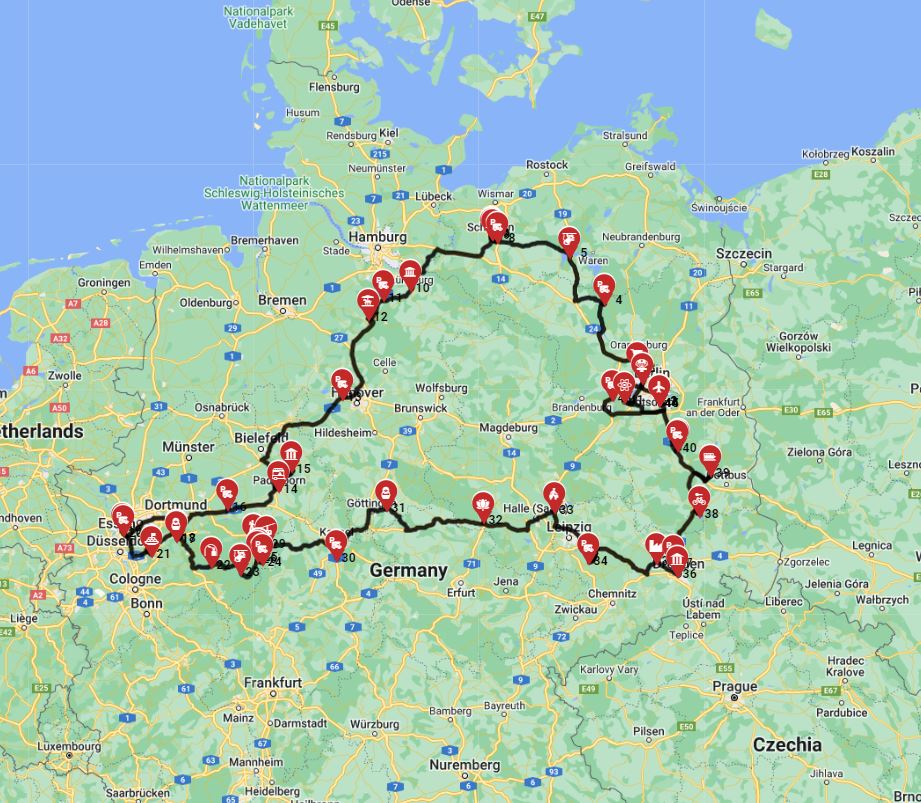
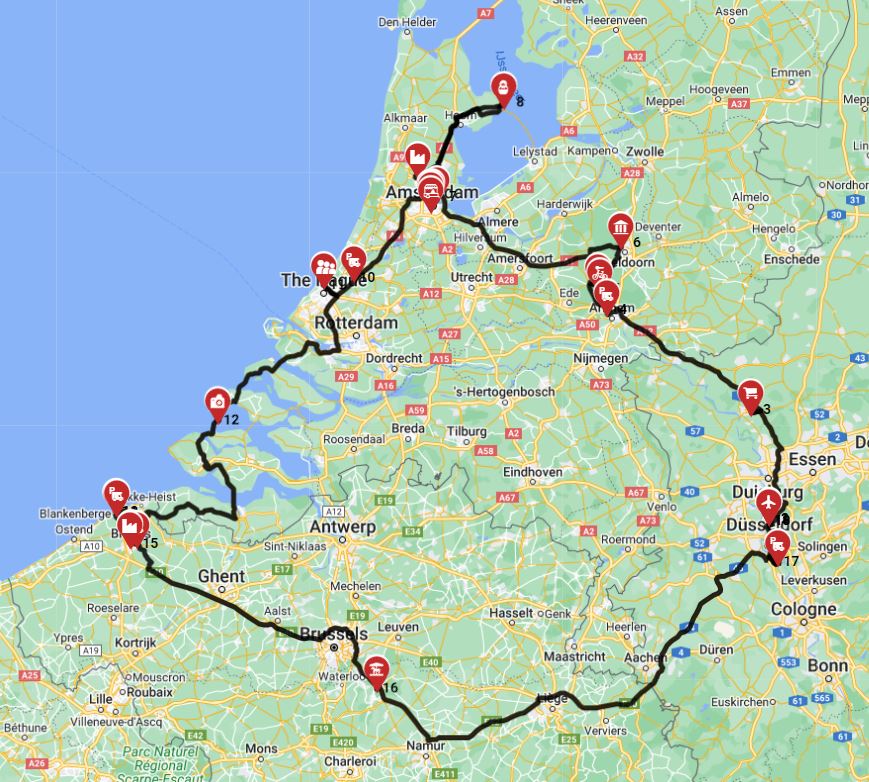
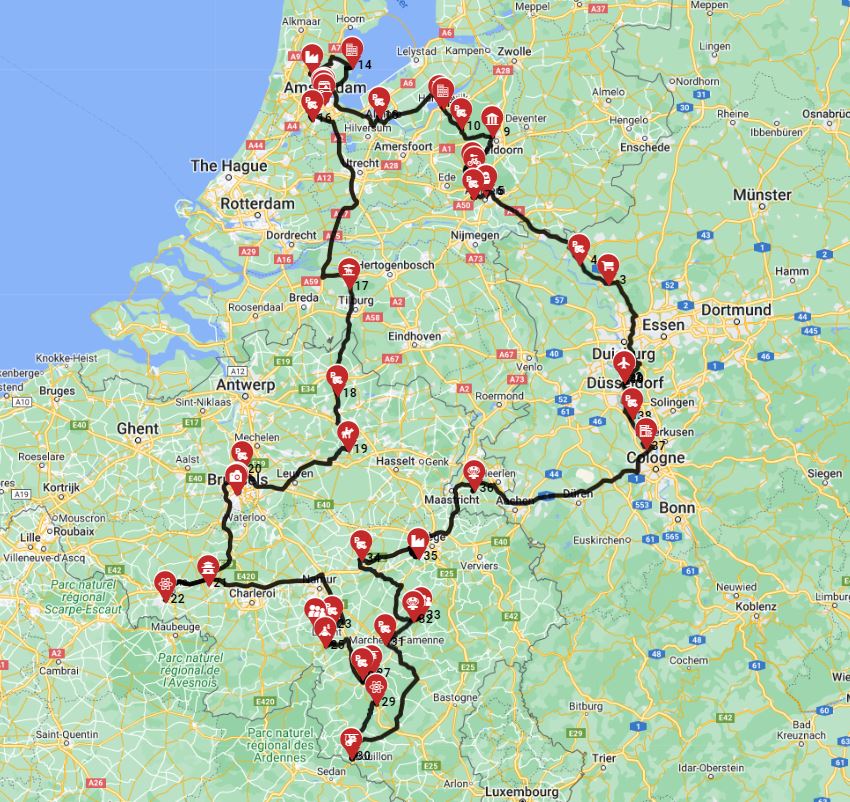
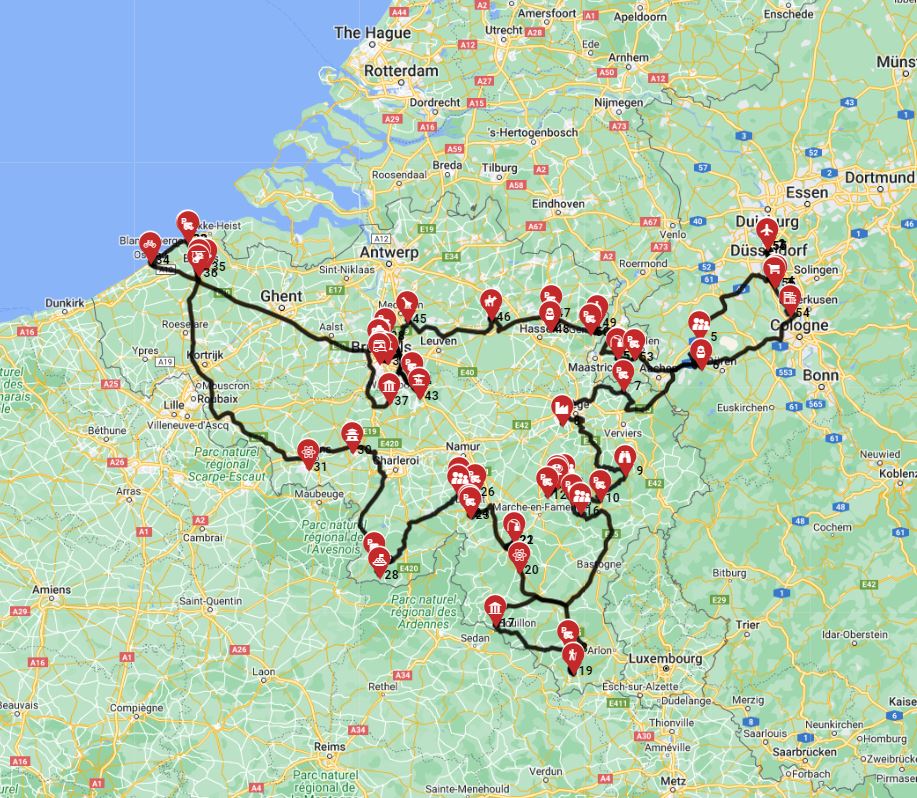
Generally, RVs under 7.5 metric tons, which includes most weekly rentals, do not pay tolls on Germany's Autobahns, a significant advantage compared to some neighboring European countries. Germany's LKW-Maut (truck toll system) applies only to commercial vehicles over 7.5t, meaning private RV travelers are typically exempt. Unlike countries such as Austria or Switzerland, Germany does not require a vignette (road tax sticker) for passenger vehicles or standard rental motorhomes. When traveling to neighboring EU countries like the Netherlands or Belgium on a trip such as the "Dusseldorf Roundtrip - Germany / Netherlands / Belgium" (8 days, 1076.2 km), border crossings are typically open without checks. However, travelers should always carry their passport/ID and all vehicle documents, including rental agreements, as random checks can occur.
Exploring Europe with a rented RV provides incredible flexibility. If your journey extends beyond Germany, remember that other countries may have different toll systems or require vignettes, so always research these in advance. Our comprehensive guides, including the "RV Rental Europe - Complete Guide 2026," can offer more insights for wider European adventures.
Driving Tips for Weekly RV Rental Travelers
For a smooth weekly RV rental experience in Germany, adhere strictly to German speed limits: typically 100 km/h on Bundesstraßen (federal highways), 50 km/h in urban areas, and a recommended speed of 130 km/h on Autobahns, though many sections have no mandatory speed limit. Drive slowly and carefully, and you can navigate almost anywhere without issues. No need to stress - just use common sense and pay attention. Utilize the extensive network of 'Raststätten' (rest stops) on Autobahns for frequent breaks, especially important when traveling with families, ensuring safe and comfortable travel. These facilities often provide fuel, food, and restrooms.
🎬 Video coming soon
Familiarize yourself with common German road signs, such as 'Einbahnstraße' (one-way street) and signs indicating environmental zones or low bridge clearances. Consider using a GPS system designed for RVs, which can factor in vehicle dimensions to help avoid height and weight restricted routes. Planning your overnight stops in advance is crucial, reserving spaces at 'Campingplätze' (campsites) or 'Wohnmobil Stellplätze' (dedicated RV parking spots) to ensure compliance with local regulations. Many national and state parks reserve only 25-30% of spots, with the rest being first-come-first-serve, so you'll find a spot. If not at the first campground, then the next one; just call ahead before driving.
Recommended RV Class for Germany Roads
For weekly RV rentals in Germany, Semi-integrated (Class SI) motorhomes and Camper Vans (Class B) are highly recommended due to their balanced maneuverability and comfortable living spaces on diverse German roads. Class SI Semi-integrated RVs, such as the "K125" from DRM - Berlin which offers 3 sleeping places and a 115 HP Fiat Ducato engine, strike a good balance, providing ample space (Bandana's fleet averages 6.9 meters in length with 3.8 sleeping places) without being overly cumbersome for rural roads or smaller towns. For those prioritizing agility in tighter spots, Class B Camper Vans, like the "V3" model (6.36m length, 2 sleeping places, 11-13 Liters/100 km fuel consumption) are ideal for navigating narrower village streets and urban environments due to their car-like handling.
For larger families or those prioritizing spaciousness, Class C Alcove RVs, averaging 7.5 meters in length and 5.8 sleeping places, offer more headroom and sleeping berths. Examples include the "24' Class C Motorhome" with a 166 Liter fresh water tank and 5 sleeping places or the "Glamys 40" which can sleep 6, but may require more careful navigation in tight areas. Bandana, as true RV specialists since 2001, partners directly with over 50 leading RV suppliers worldwide, including Apollo, ensuring we offer the perfect rental motorhome for your German adventure. Our goal is to make your decision easy, providing full price transparency and a wide selection to fit any group size and travel style.
Should I Choose a Compact Van Instead of a Large RV in Germany?
The choice between a compact campervan and a larger motorhome for your weekly RV rental in Germany depends significantly on your travel style and route preferences. While larger RVs, such as a Class C Alcove like the 'MHC28' (7.3m length, 7 sleeping places) generally handle Germany's well-maintained road network without major issues, a compact campervan (Class B) often offers superior maneuverability and easier parking in historic city centers and smaller villages. Compact vans are advantageous for navigating narrow streets, fitting into standard parking spots, and offering better fuel efficiency, with Bandana's Class B averaging 8-10 Liters/100 km. An example is the "V2L" with a 100 Liter fresh water tank and 2 sleeping places, perfect for couples. This can be especially appealing for flexible dates or off-peak travel.
Larger RVs, such as Semi-integrated or Alcove models, provide significantly more interior space, dedicated sleeping areas, and larger bathrooms, which enhance comfort for longer trips or families. The "F2" model, a Class C Alcove, for instance, offers 3 sleeping places and has a 140 Liter fresh water tank. The choice ultimately depends on your priorities: a compact van for urban exploration and flexibility, or a larger RV for enhanced comfort and amenity access at campsites and longer stays. We compare final prices across 50+ suppliers so you don't have to, helping you find the easiest, safest, and most affordable way to rent an RV that perfectly matches your needs for Germany.
Can I Park Anywhere? Free & Wild Camping Rules in Germany
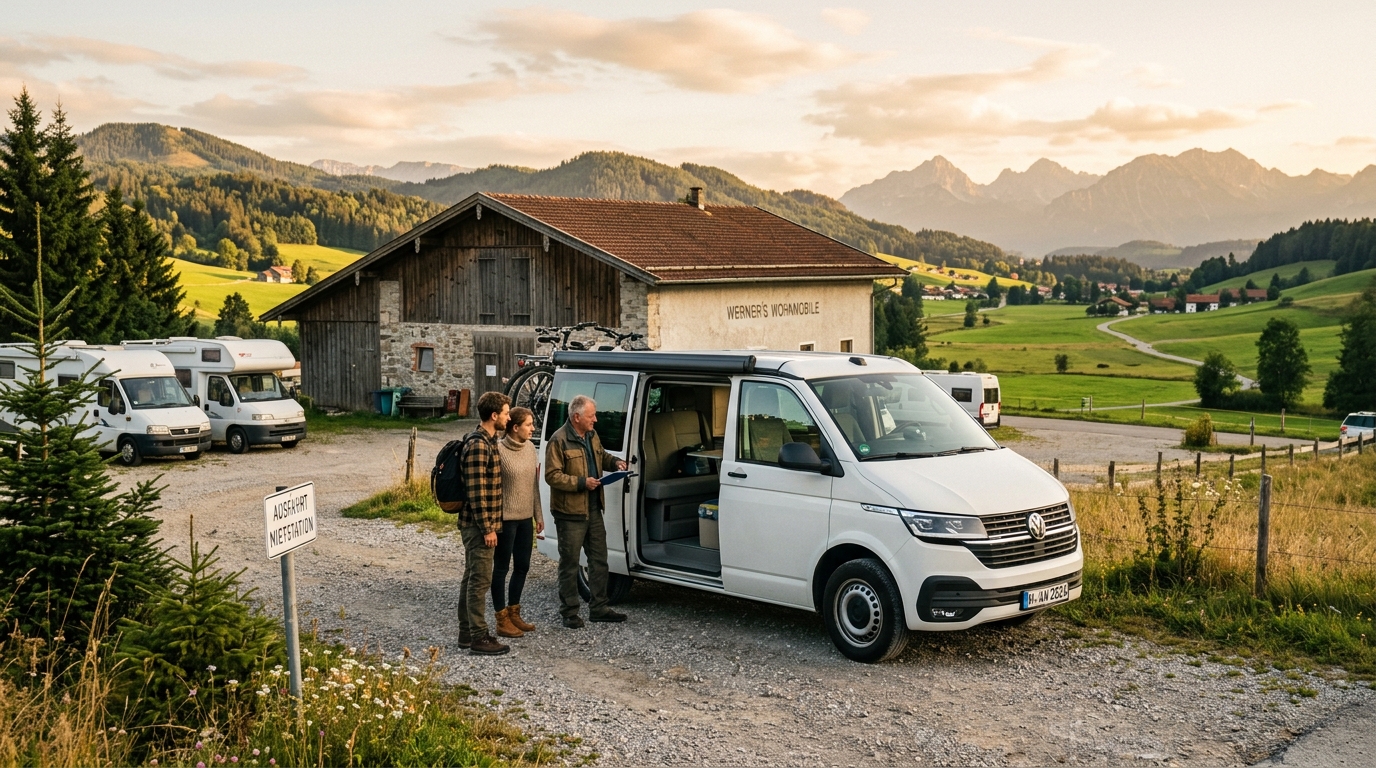
No, wild camping and unregulated overnight parking for camping purposes are generally prohibited across Germany, with strict regulations in place to protect natural areas and private property. This means you cannot simply set up camp outside designated areas. Overnight parking to restore driving ability, often referred to as 'parken zum wiederherstellen der Fahrtüchtigkeit,' is generally tolerated in designated rest areas or public parking lots, but not for setting up camp (e.g., unfolding awnings, setting out chairs, cooking meals outside your rented RV). It is crucial for RV travelers to use official campsites ('Campingplätze') or dedicated RV parking spots ('Wohnmobil Stellplätze') for overnight stays.
Germany boasts over 4,000 Stellplätze, many offering basic services like water and electricity for a nominal fee or sometimes even free. These are excellent, affordable alternatives to full-service campsites. Rules vary by region, so always check local regulations and follow local law before parking overnight to avoid fines. For finding campsites and campgrounds during your trip, we recommend using RV PLANET (rvplan.net) - a great resource for locating available spots along your route. You can find detailed information on RV Camping in Germany - Best Campgrounds 2026 and Cheap RV Camping in Germany - Budget Sites 2026 for planning your stops.
Can I Drive an RV Into the City Center? Heights, Tunnels & Local Signage
Yes, you can often drive a rented RV into German city centers, but it requires careful attention to specific local signage, environmental zones ('Umweltzonen'), and potential height or weight restrictions, especially for larger vehicles. Many German cities have 'Umweltzonen' (environmental zones) that require vehicles to display a green sticker ('Feinstaubplakette') to enter, meaning older or non-compliant RVs may be restricted. Drivers must pay close attention to local signage for height limits on tunnels and bridges, particularly in historic areas, and for specific street regulations like 'Einbahnstraße' (one-way street) or 'Anlieger Frei' (residents only). Drive slowly and carefully, and you can drive almost anywhere without issues. No need to stress - just use common sense and pay attention. While access is possible, parking an RV in city centers is often challenging and expensive; utilizing park-and-ride facilities on the outskirts and public transport for city exploration is often a more practical approach, allowing you to seamlessly explore charming destinations like Aachen, Augsburg, or Dusseldorf.
How much does a weekly RV rental in Germany cost, including all expenses?
A comprehensive budget for a weekly RV rental in Germany extends beyond just the rental fee to include fuel, campsite fees, tolls (minimal for RVs under 7.5t), food, activities, and a contingency for unexpected costs. Rental fees for a mid-sized motorhome in Germany typically range from €700 to €1,400 per week, varying significantly by season, RV class, and rental duration. Prices are dynamic, similar to flight tickets, changing daily based on availability and supplier marketing decisions, with the final price set at the actual booking time.
Fuel costs, primarily diesel, can add €15-€25 per 100 km, so for a typical week covering 1,000 km, expect €150-€250. Campsite fees usually range from €20-€50 per night for a pitch with electricity, totaling €140-€350 for a week. Budget €200-€400 for groceries and dining out for a couple or small family, allowing you to prepare delightful meals in your rented campervan, which often comes equipped with a gas stove and refrigerator. For a great cooking experience, check out our RV-friendly recipes playlist. Additionally, allocate €100-€200 for activities and attractions, and always set aside an emergency fund of at least €200-€300. For meticulous budgeting and expense tracking on every segment of your journey, RV PLANET routes are designed to help travelers itemize and manage every cost, ensuring no financial surprises during your weekly RV rental in Germany. Our full transparency promise means no hidden fees when you book with Bandana RV.
How can I experience local German culture during my RV trip?
To genuinely experience local German culture during an RV trip, focus on visiting regional markets, participating in local festivals, engaging with campsite hosts, and exploring traditional restaurants in smaller towns. Shop at weekly farmer's markets ('Wochenmärkte') for fresh regional produce and local specialties, engaging with vendors to learn about their goods. Look for local events and festivals ('Volksfeste,' 'Weinfeste,' 'Schützenfeste') in the towns you visit, which are excellent opportunities for cultural immersion. Dine at 'Gasthäuser' or 'Brauhäuser' (traditional inns/breweries) in smaller towns to savor authentic German cuisine and regional beers. Practice a few basic German phrases like 'Guten Tag,' 'Bitte,' and 'Danke' to facilitate interactions with locals and show respect for their culture. These small efforts can lead to memorable encounters and true local experiences, embodying the slow travel philosophy of exploring max 100-150 km per day on average to truly connect with the culture, food, and scenery.
When is the best time for a weekly RV rental in Germany?
The best time for a weekly RV rental in Germany largely depends on desired activities and tolerance for crowds, with spring (April-May) and early autumn (September-October) offering pleasant weather and fewer tourists than peak summer. Spring provides mild temperatures, blooming landscapes, and generally lower rental prices and fewer crowds before the school holidays begin. Summer (June-August) is peak season, offering the warmest weather and longest daylight hours, ideal for outdoor activities, but also means higher prices and more crowded campsites and popular attractions. Autumn brings stunning fall foliage, particularly in regions like the Black Forest or Bavarian Alps, along with wine festivals ('Weinfeste') and pleasant hiking conditions. Winter (November-March) is quieter, offering unique experiences like Christmas markets or skiing, but many campsites and attractions may be closed, and road conditions can be challenging, particularly in mountainous areas. Booking 3-6 months in advance for peak season ensures better availability, while spontaneous travelers can often find last-minute availability outside these periods, though choices may be more limited.
Are there specific challenges for large RVs in German villages or family-friendly routes?
While Germany's main roads are accommodating, larger RVs may face challenges navigating narrow streets and finding suitable parking in historic German villages, whereas family-friendly routes are abundant with dedicated amenities at campsites. Historic villages often feature very narrow, winding streets, sometimes with architectural overhangs or tight turns, making passage difficult for RVs exceeding 7 meters in length. Parking for large RVs in village centers is typically limited, requiring drivers to seek parking on the outskirts and explore on foot or by local transport. Germany offers numerous family-friendly routes and destinations, with many campsites featuring playgrounds, swimming pools, and organized activities, as highlighted in guides like "RV Camping in Germany - Best Campgrounds 2026." When planning, consider an RV like a Class B Camper Van (Bandana's fleet averages 5.8m in length and 3.2 sleeping places) for better maneuverability in quaint villages, or ensure your larger RV route avoids very tight areas by using dedicated RV-friendly navigation. Drive slowly and carefully, and you can drive almost anywhere without issues. No need to stress - just use common sense and pay attention.
Can I bring my pet on a weekly RV rental trip in Germany?
Many RV rental companies in Germany offer pet-friendly vehicles, but bringing a pet requires adherence to specific regulations regarding vaccinations, microchipping, and pet passports. Always confirm your rental provider's pet policy and any associated fees well in advance, as not all RVs are pet-friendly. Pets traveling to Germany from other EU countries need an EU pet passport, microchip, and a valid rabies vaccination; non-EU countries have stricter requirements. Look for pet-friendly campsites ('hundefreundliche Campingplätze') that offer designated areas and facilities for animals, and be aware that pets are often not allowed in certain public buildings or on specific beaches. Keep emergency vet information readily accessible and know the locations of pet supply stores along your route. Our 24/7 support team is available before booking to help you find pet-friendly weekly RV rental options, ensuring peace of mind for your entire family, including your furry friends.
How can I RV Responsibly and Sustainably in Germany?
RVing responsibly and sustainably in Germany involves mindful waste management, conserving resources like water and electricity, and practicing respectful tourism that minimizes environmental impact. Utilize Germany's excellent waste separation system ('Mülltrennung') by sorting your trash into designated bins for paper, plastic/packaging, organic waste, and residual waste; it's part of the 'Pfand' system. Conserve water by taking shorter showers and being mindful of usage, and dispose of grey and black water only at designated disposal points at campsites or 'Stellplätze'. Minimize energy consumption by unplugging electronics when not in use. Support local businesses and producers by buying regional products, respect natural environments by staying on marked paths, and avoid disturbing wildlife. These practices not only help preserve Germany's beautiful landscapes but also enhance your connection to local culture and environment during your weekly RV rental adventure.
What should I do in case of an RV breakdown or emergency in Germany?
In case of an RV breakdown or emergency in Germany, immediately ensure the safety of all occupants and others, contact your rental provider's roadside assistance, and be prepared with essential emergency numbers like 112 for general emergencies. Upon breakdown, move the RV to the safest possible location, put on your reflective vest (mandatory by law in Germany), and set up a warning triangle at an appropriate distance from your rented motorhome. Always carry the rental company's emergency contact number, which typically includes roadside assistance services. Dial 112 for general emergencies (police, fire, ambulance) across Europe, or 110 for police directly in Germany. Ensure your RV is equipped with a first-aid kit, warning triangle, and reflective vests, which are legally required in Germany. Bandana RV offers top-level deductible reimbursement as an optional upgrade, providing extra peace of mind for unexpected incidents during your trip. Our support staff is available for pre-booking comparison, booking support, and post-booking coordination to ensure you have all necessary contacts and information for a safe journey.
What are some insider tips for RVing in Germany, recommended by locals?
Local insights for RVing in Germany emphasize enjoying the country's extensive network of 'Stellplätze' (dedicated RV parking spots), embracing regional cuisine, and taking advantage of the well-maintained hiking and biking trails. Opt for 'Stellplätze' over traditional campsites when possible; they are often cheaper, located closer to towns, and offer basic services, providing a more local experience. Shop at local bakeries ('Bäckereien') and butchers ('Metzgereien') for fresh, high-quality food, and try regional specialties in small, family-run restaurants. Explore Germany's vast network of hiking and biking trails; many are accessible directly from campsites or 'Stellplätze' and offer stunning natural beauty. Embrace 'Kaffee und Kuchen' (coffee and cake) culture in the afternoons, a cherished German tradition often found in charming village cafes. To find the cheapest weekly RV rental, consider being flexible with your dates and traveling during off-peak seasons, and always use comparison tools to ensure you get the best deal. Our true RV specialists have been helping tens of thousands of travelers explore the world by RV since 2001, providing local expertise and support.
What You Shouldn't Miss
- Drive the Romantic Road: Experience storybook villages and castles, particularly Neuschwanstein Castle, a must-see for any visitor.
- Explore the Black Forest: Drive the scenic B500, hike to Triberg Waterfalls, and savor Black Forest gateau in a charming village.
- Visit the Baltic Sea Coast: Discover the white cliffs of Rügen Island and enjoy fresh seafood in coastal towns.
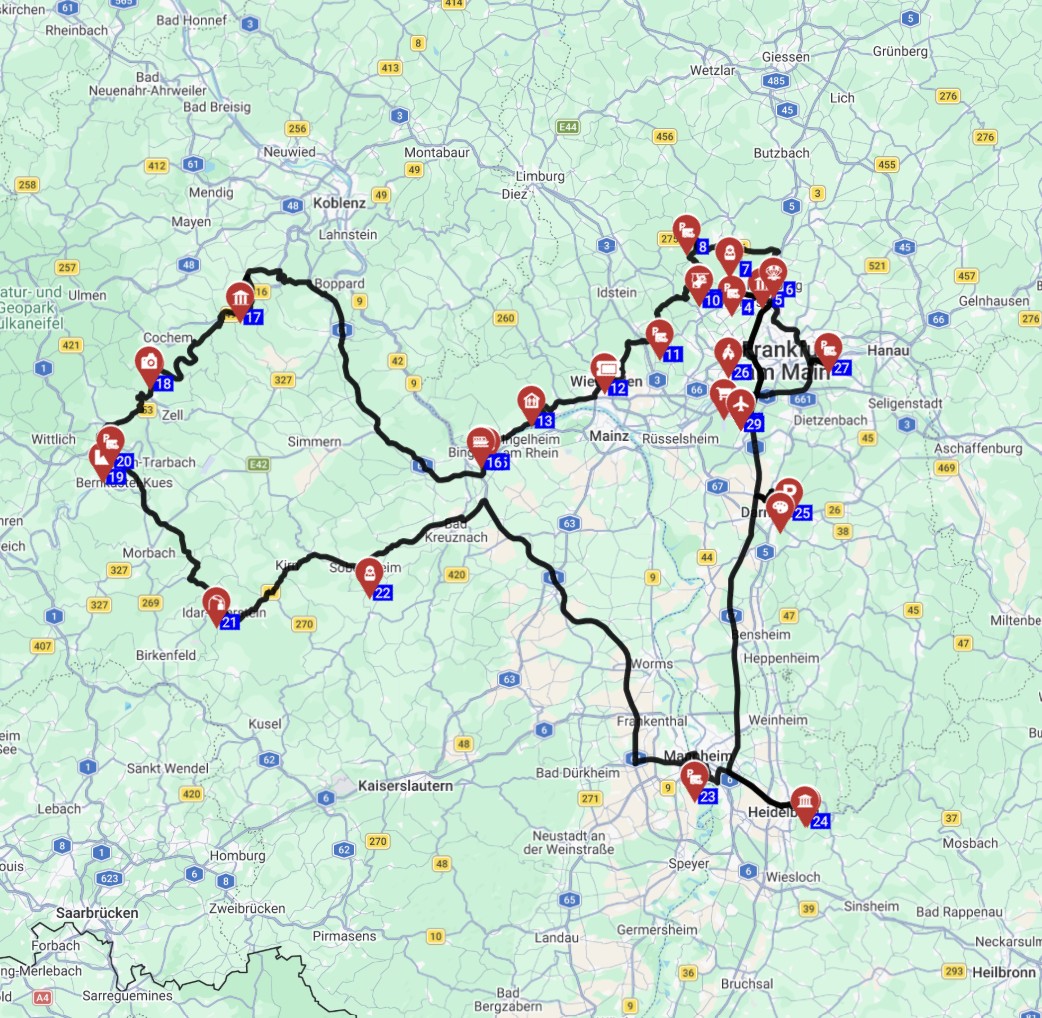
- Cruise the Mosel River Valley: Navigate winding roads through vineyards, stopping in medieval towns like Cochem and Bernkastel-Kues.
- Immerse yourself in Bavarian Culture: Attend a local festival, visit a beer garden in Munich, and explore the charming towns of the Bavarian Alps.
- Experience Berlin's History: Park your RV on the outskirts and use public transport to explore the Brandenburg Gate, Reichstag, and East Side Gallery.
Final Thoughts
A weekly RV rental in Germany offers an incredible opportunity for families, couples, or groups of friends to discover this vibrant country at their own pace. Imagine waking up to the gentle sounds of the Bavarian Alps, enjoying a freshly prepared breakfast in your rented motorhome, and setting off on a new adventure without the constraints of hotel bookings or rigid schedules. From the serene landscapes of the Black Forest to the historic grandeur of Berlin, Germany is perfectly set up for an unforgettable road trip.
We at Bandana RV are dedicated to making your journey as smooth and enjoyable as possible. With our commitment to full transparency, dedicated 24/7 support during the booking process, and expert-crafted route plans through RV PLANET, you're in capable hands. Don't just dream about your next adventure - make it a reality. Discover top destinations, planning tips, all in one place, and plan a trip itinerary in advance with minimal effort and maximum enjoyment. Your ultimate German road trip awaits!
Ready to experience the freedom of the open road through Germany? We invite you to explore our selection of motorhome rentals and campervans. Compare Weekly RV Rental Prices for Germany now and find your perfect home on wheels!