In This Guide
- Can You Drive an RV in Central South US? License & Age Rules
- Road Conditions & Terrain in Central South US
- RV Size Limits, Bridges & Restricted Zones
- Fuel: Diesel vs. Petrol & Cost per 100 km
- Tolls, Vignettes & Border Rules
- Driving Tips for weekly rv rental Travelers
- Recommended RV Class for Central South US Roads
- Should I Choose a Compact Van Instead of a Large RV in Central South US?
- Can I Park Anywhere? Free & Wild Camping Rules in Central South US
- Can I Drive an RV Into the City Center? Heights, Tunnels & Local Signage
- What is the 3-3-3 rule for RV driving?
- What is the 4-4-4 rule for RV travel?
- What size RV can you drive without a special license?
- What state is most RV friendly?
- What is the largest RV you can drive without a special license?
- Can I sleep in RV while driving?
- What states require a special RV license?
- Who has the least expensive RV insurance?
- Can you get temporary RV insurance?
- How much is basic RV insurance?
- Top Cities for RV Rental in Central South US
- Country-Wide Practical Information for RV Travelers in Central South US
- What You Shouldn't Miss
- Why Book with Bandana Caravan
- Final Thoughts
- Frequently Asked Questions
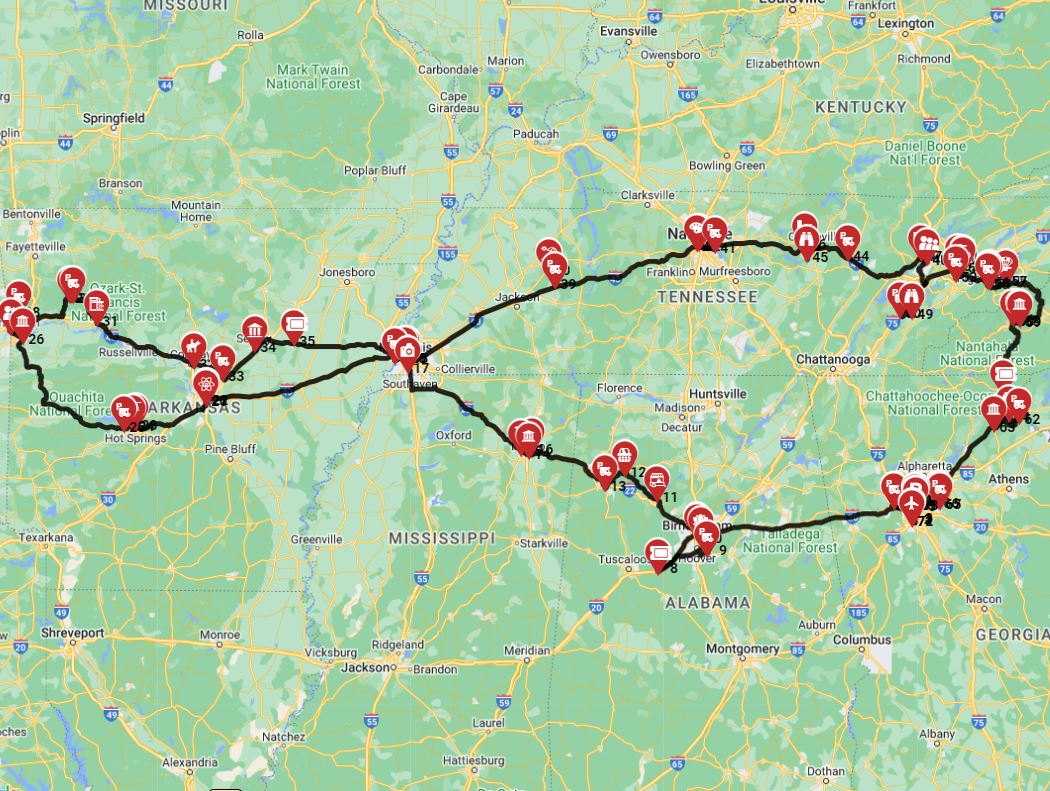
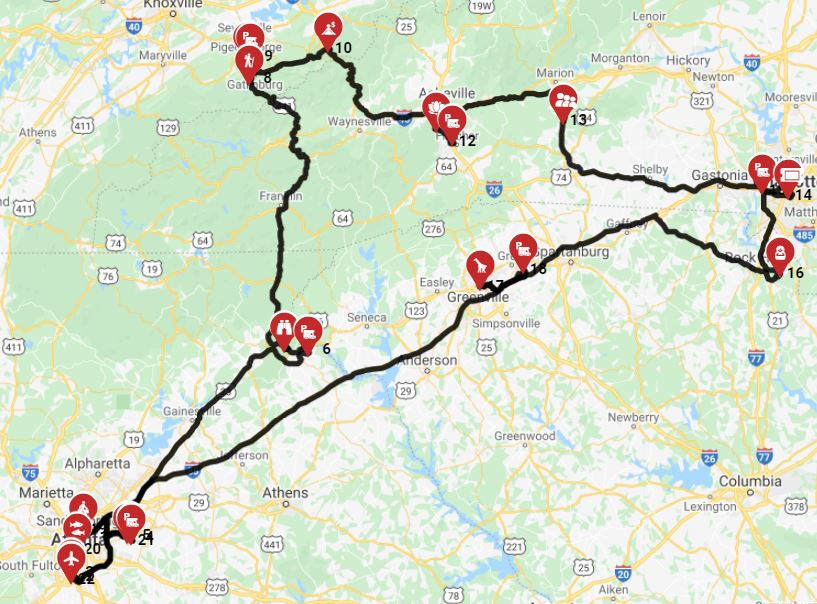
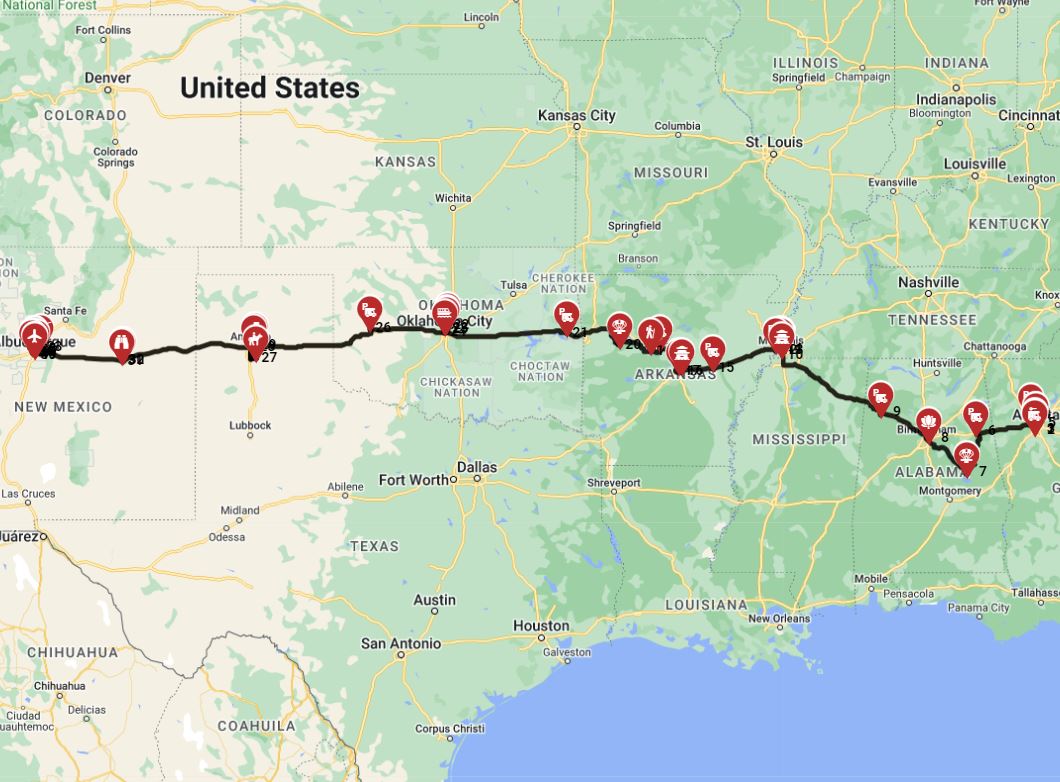
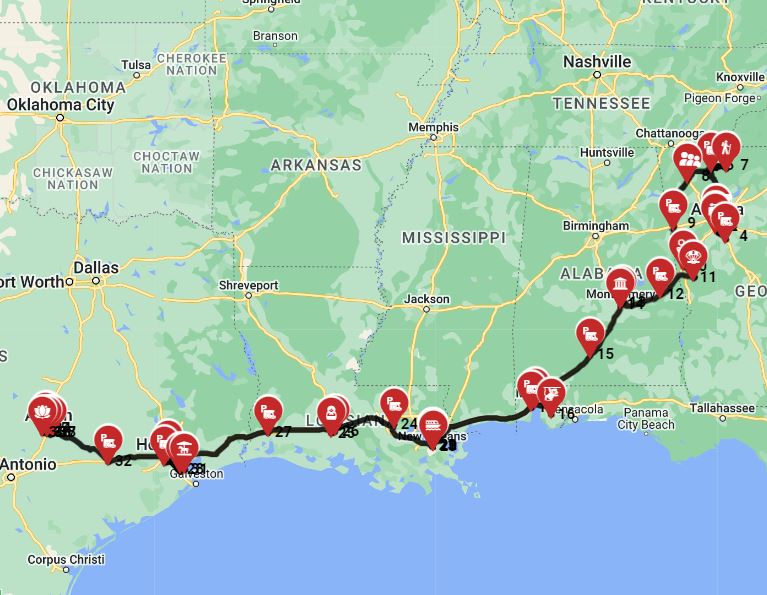
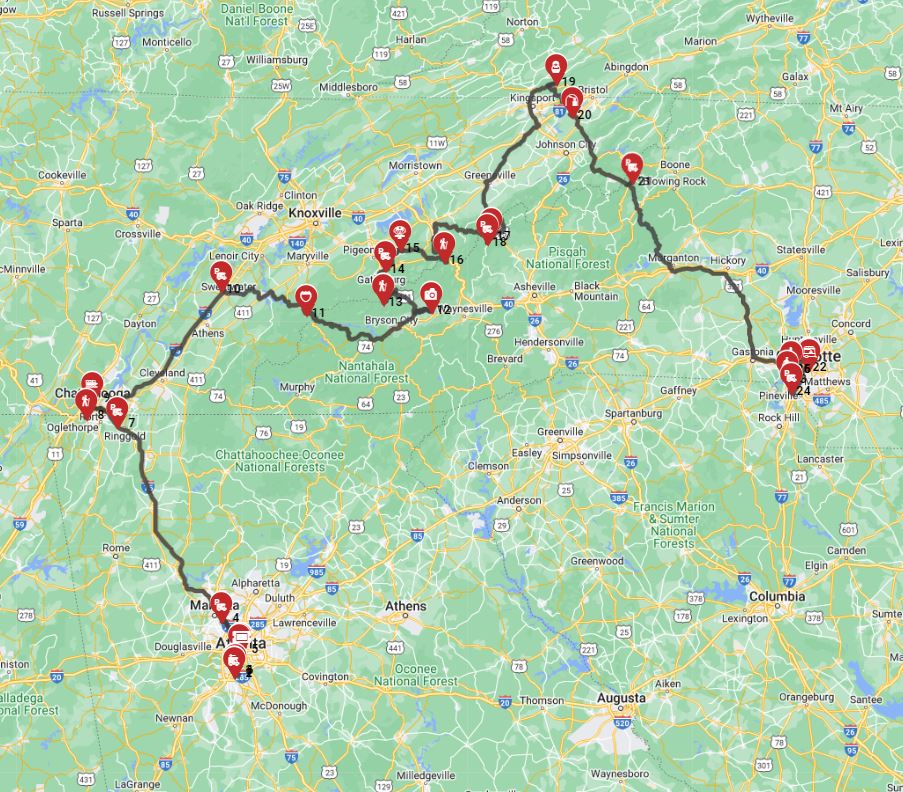
Embarking on a weekly RV driving tour through the Central South US promises an unforgettable adventure, blending diverse landscapes with rich cultural experiences. This region, encompassing states like Texas, Oklahoma, Arkansas, Louisiana, Mississippi, Alabama, and Tennessee, offers endless possibilities for exploration in a rented motorhome or campervan. For live availability and current prices, start with our RV Rental Central South US - Complete Guide 2026 guide. At Bandana RV, we're dedicated to making your journey seamless and enjoyable, providing transparent information and robust support every step of the way, just like we would want for our own travels.
Can You Drive an RV in Central South US? License & Age Rules
Yes, most motorhomes and campervans under 26,001 pounds GVWR (Gross Vehicle Weight Rating) can be driven in Central South US states with a standard Class D driver's license. This means that for the vast majority of our rental fleet, including popular Class C motorhomes and Class B campervans, you won't need any special permits or a Commercial Driver's License (CDL). For visitors from non-English-speaking countries, an International Driving Permit (IDP) is recommended to accompany your valid home country license, but it is not mandatory in most cases. The minimum age for renting an RV in Central South US is typically 21 years old across our partner suppliers like El Monte and Cruise America, with no young driver surcharges or vehicle class restrictions based on age.
Road Conditions & Terrain in Central South US
The Central South US region features diverse road conditions, transitioning from the vast, flat plains of Oklahoma and Texas to the rolling hills and mountainous terrain found in parts of Arkansas and eastern Oklahoma. Major interstates like I-10, I-20, and I-40 are generally well-maintained and offer smooth travel, easily accommodating all sizes of rented motorhomes. However, weekly RV travelers should be aware that rural roads and state highways can vary in quality, occasionally presenting narrower lanes or less even surfaces. We encourage a slower, more scenic driving pace, recommending you travel slowly, averaging a maximum of 100-150 km per day. This allows you to truly feel the place, connect to the local culture, savor the food, and immerse yourself in the stunning scenery, without any undue stress about road conditions.
RV Size Limits, Bridges & Restricted Zones
States within the Central South US are generally accommodating of large motorhomes and campervans, with typical maximum length limits for single motorhomes ranging from 40 to 45 feet, and combination vehicles (motorhome with towed vehicle) up to 65 feet. Low bridge clearances are primarily a concern in older city centers or on specific scenic routes rather than on major highways. Always adhere to posted height and weight restrictions, especially when you are deviating from main interstates and planning to explore smaller towns or national parks. Unlike some regions, the Central South US does not typically have specific environmental zones that restrict RV access based on emissions, but local ordinances in historic districts or popular tourist areas may limit vehicle size or parking options. For a luxurious trip, consider our Luxury RV Rental in Central South US - Premium Prices 2026 guide.
Fuel: Diesel vs. Petrol & Cost per 100 km
Most rented motorhomes in Bandana's global fleet, especially larger Class C and Class A models, commonly operate on diesel fuel, which is readily available at truck stops and most gas stations across the Central South US. Smaller campervans (Class B) and some Class C models typically use petrol (gasoline). For a Class SI - Semi-integrated RV, typical fuel consumption is 10-11 Liters per 100 km; Class C - Alcove RVs average 10-12 Liters per 100 km. Class B - Camper Vans are more fuel-efficient, consuming around 8-10 Liters per 100 km, while Class A - Integrated RVs range from 8-12 Liters per 100 km. Weekly RV renters can estimate fuel costs by multiplying current local fuel prices by these average consumption rates. Remember that on RV PLANET routes, you can itemize and track every expense, including fuel, for easy budgeting. On the routes offered through RV PLANET routes, you can itemize and track every expense along the way for easy budgeting.
Tolls, Vignettes & Border Rules
The Central South US primarily uses toll roads and bridges, particularly in states like Texas and Oklahoma, rather than the vignette system common in some European countries. Travelers should be prepared for electronic toll collection, often managed via transponders or license plate recognition systems. It is crucial to pay all tolls to avoid potential fines and penalties, which can be significant. Many rental companies, including Bandana's suppliers, may offer optional pre-purchased toll passes or transponders that can simplify toll payments and sometimes provide discounted rates. This is a convenient option for weekly renters to consider for a hassle-free trip.
Driving Tips for weekly rv rental Travelers
Planning your route carefully is essential for an enjoyable weekly RV rental trip in Central South US, especially if traveling with family. Incorporate frequent stops every 2-3 hours to prevent driver fatigue and allow passengers to stretch and explore. For budget-conscious travelers, research fuel prices along your route and plan stops at stations offering competitive rates; utilizing any pre-paid toll passes from your rental company can also help avoid unexpected charges. Always monitor local weather forecasts, as the Central South US can experience diverse conditions, including intense thunderstorms and high heat, which can impact driving comfort and safety. Utilize GPS navigation systems specifically designed for RVs, which can account for vehicle height and weight to help you avoid low bridges and restricted roads. For even more detailed guidance, consider checking our "RV Travel Guide to Central South US - Tips and Top Spots 2026" video guide.
Recommended RV Class for Central South US Roads
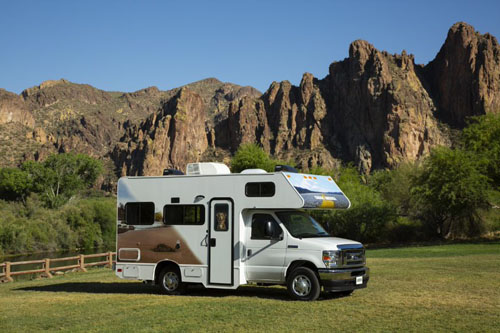
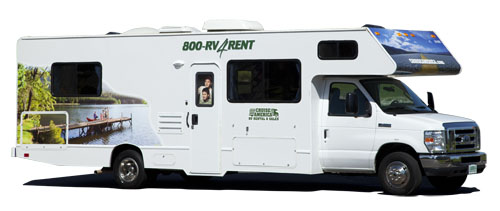
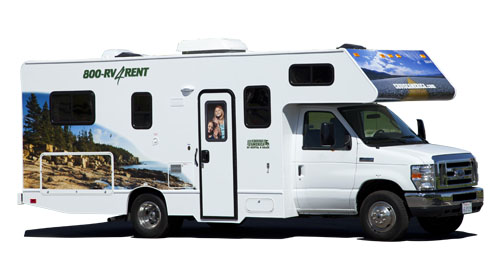
For weekly RV rental travelers in the Central South US, a Class C - Alcove RV is highly recommended due to its excellent balance of comfort, space, and maneuverability. These motorhomes, like the "24' Class C Motorhome" with a sleeping capacity for 5 and 166 Liters of fresh water, offer ample living space and amenities without being overly cumbersome for state highways or national parks. They often feature an automatic transmission and front air conditioning, making long drives comfortable. Alternatively, a Class B - Camper Van is ideal for couples or smaller groups seeking greater agility for exploring urban areas and tighter spots. A campervan offers easier parking and better fuel efficiency, perfect for those who prioritize flexibility and efficiency. Whether you choose a larger Class C for family comfort or a nimble Class B for agile travel, our direct partnerships with 50+ leading RV suppliers worldwide, including Cruise America and El Monte, ensure you have a wide selection.
Should I Choose a Compact Van Instead of a Large RV in Central South US?
Generally, there is no significant issue driving larger RVs on the main roads and highways of the Central South US, as the infrastructure is well-equipped to handle them. You can drive slowly and carefully, and you can drive almost anywhere without issues. No need to stress - just use common sense and pay attention. While a compact van (Class B) offers superior maneuverability and easier parking, especially in crowded city centers or navigating specific tight historic districts like parts of New Orleans, a larger RV often provides significantly more comfort, living space, and amenities for a weekly rental. For example, a Class C motorhome like the "MH-C" typically sleeps 6 and has a gas stove and refrigerator, offering more convenience for cooking various meals. Check out our RV-friendly recipes playlist for inspiration. For a week-long trip focused on regional exploration and comfort, sticking with a larger Class C or Semi-integrated RV is often the better trade-off, prioritizing interior space for relaxation and extended stays over marginal gains in maneuverability, unless your itinerary specifically involves extensive city driving.
Can I Park Anywhere? Free & Wild Camping Rules in Central South US
Free and wild camping rules in the Central South US vary significantly by state and specific land ownership, with strict prohibitions against parking overnight on private property without explicit permission. Dispersed camping, often referred to as boondocking, is generally permitted in designated areas within national forests and Bureau of Land Management (BLM) lands, though these are less extensive in the Central South US compared to western states. Many large retail chains like Walmart and Cracker Barrel often permit overnight RV parking in their lots; however, it is always crucial to ask a store manager for permission upon arrival. Rules and regulations can vary by region and municipality, so always check local ordinances and follow local law before parking overnight. Utilize reputable apps like iOverlander or Campendium for verified free camping spots. For finding campsites and campgrounds during your trip, we recommend using RV PLANET (rvplan.net) - a great resource for locating available spots along your route.
Can I Drive an RV Into the City Center? Heights, Tunnels & Local Signage
Yes, you can almost always drive a rented RV into city centers across the Central South US, though caution and adherence to local signage are paramount. Drive slowly and carefully, and you can drive almost anywhere without issues. No need to stress - just use common sense and pay attention. Pay close attention to posted height limits on bridges, in tunnels, and at parking garage entrances, especially in older urban areas where infrastructure may predate modern RV sizes. For example, a "C-30" motorhome has a length of 9.1 meters, which requires careful navigation. Be aware of local signage indicating residents-only streets, no-RV zones, or specific weight/length restrictions that might apply in historic districts or on narrower roads. Parking a large RV in city centers can be challenging due to limited space; research available oversized vehicle parking options or consider utilizing park-and-ride facilities on the outskirts of major cities. For details on specific vehicle models and their dimensions, refer to our Weekly RV Rental in Central South US - Pricing 2026 guide.
What is the 3-3-3 rule for RV driving?
The 3-3-3 rule for RV driving suggests limiting daily travel in your rented motorhome to no more than 300 miles (approximately 480 km), aiming to arrive at your destination by 3 PM, and staying for a minimum of 3 nights. This guideline is designed to reduce driver fatigue, allow ample time for campsite setup and relaxation, and prevent feeling rushed, making for a more enjoyable RV experience. Following the 3-3-3 rule helps ensure that RVers have enough daylight hours to safely navigate new areas, explore their surroundings, and address any unexpected issues without stress. This philosophy aligns with our recommendation to travel slowly, enjoying the journey as much as the destination.
What is the 4-4-4 rule for RV travel?
The 4-4-4 rule for RV travel is a planning guideline that recommends driving no more than 400 miles (approximately 640 km) a day, stopping by 4 PM, and staying at each location for at least 4 nights. This rule offers slightly more flexibility for covering longer distances than the 3-3-3 rule but still emphasizes avoiding late-night driving and ensuring sufficient time to truly enjoy each stop. Adhering to the 4-4-4 rule can be beneficial for weekly RV rentals, allowing travelers to cover more ground while still building in dedicated time for activities and relaxation at each destination. It's a great way to balance exploration with relaxation on an extended road trip.
What size RV can you drive without a special license?
In most US states, including those in the Central South US, you can drive any rented RV with a Gross Vehicle Weight Rating (GVWR) under 26,001 pounds using a standard Class D driver's license. This weight threshold typically covers the vast majority of Class B campervans, Class C alcove motorhomes, and many Class A integrated RVs, making them accessible to standard licensed drivers without additional certifications. For weekly RV renters, it's crucial to confirm the GVWR of their specific rental unit to ensure it falls within the standard license requirements of their home state and the states they plan to travel through. This transparent approach to licensing ensures no surprises for our customers.
What state is most RV friendly?
While 'most RV friendly' is subjective, states like Florida, Arizona, and Texas are frequently cited for their extensive RV park infrastructure, numerous scenic routes, and favorable weather conditions. Within the Central South US, Texas is often considered highly RV-friendly due to its vast size, diverse landscapes ranging from beaches to deserts, abundant state parks, and numerous private RV resorts. Other Central South states like Arkansas, with its Ozark Mountains and Hot Springs National Park, and Louisiana, offering unique cultural experiences and bayou exploration, also provide excellent RVing opportunities, though with potentially fewer large-scale resorts. Our RV Rental USA - Complete Guide 2026 offers a broader perspective on RV friendliness across the country.
What is the largest RV you can drive without a special license?
The largest RV you can generally drive without a special license in the US is one with a Gross Vehicle Weight Rating (GVWR) under 26,001 pounds. This category encompasses many large Class A motorhomes, which can be up to 40 feet in length, as well as Class C and B models. It's the weight, not solely the length or class, that determines if a special non-commercial license is required, with 26,001 pounds being the critical threshold for heavier vehicles. Our Class A - Thor ACE 30, for instance, offers sleeping for 6 with a length of 9.37 meters, generally falling within standard license requirements. With Bandana, we simplify the booking process to ensure you select a rented motorhome that matches your license comfortably.
Can I sleep in RV while driving?
No, it is illegal and highly dangerous for passengers to sleep in the living area of a motorhome or campervan while the vehicle is in motion, as they are not properly restrained by seatbelts. All passengers in a rented RV must be seated in designated seating positions and wear seatbelts whenever the vehicle is in operation, similar to a car. Sleeping while driving should only occur when the RV is safely parked and stationary, adhering to all local parking and camping regulations. Safety is always paramount on any RV adventure.
What states require a special RV license?
A few US states, including California, New York, Texas, and Pennsylvania, require a special non-commercial Class A or Class B driver's license for recreational vehicles exceeding specific weight thresholds. These special licenses are typically mandated for RVs with a GVWR over 26,000 pounds or when towing a combination (motorhome and trailer) that exceeds a combined weight of 26,000 pounds, with the towed unit being over 10,000 pounds. For Central South US travelers, Texas is the most prominent state that requires a Class A or B non-commercial license for RVs above 26,000 lbs GVWR; always check specific state Department of Motor Vehicles (DMV) websites for current requirements. However, the vast majority of our rental motorhomes fall under this limit, making them accessible with a standard license.
Who has the least expensive RV insurance?
The least expensive RV insurance varies significantly based on individual factors like the rented RV type, the driver's history, desired coverage, and trip duration, making comparison shopping essential. Major providers like Progressive, GEICO, National General (formerly GMAC), and Good Sam RV Insurance are known for offering competitive rates and specialized RV policies. To find the best value for your weekly RV rental, obtaining multiple quotes and comparing coverage options, deductibles, and discounts (e.g., safe driver, multi-policy) is the most effective strategy. Remember, Bandana RV offers top-level deductible reimbursement as an optional upgrade, giving you peace of mind on your journey.
Can you get temporary RV insurance?
Yes, temporary RV insurance is available and commonly used for specific situations such as renting an RV, seasonal use, or for transporting a newly purchased vehicle. Many rental companies offer short-term insurance options or require renters to have a binder from their personal auto insurance, covering the rental period. Temporary policies can provide liability and physical damage coverage for a limited duration, offering flexibility for weekly RV trips without committing to a full annual policy. Bandana facilitates this by working with reputable suppliers who offer clear insurance options and the opportunity to upgrade to a top-level deductible for extra peace of mind.
How much is basic RV insurance?
Basic RV insurance costs can range widely, typically from a few hundred dollars to over two thousand dollars annually, influenced by the rented RV's value, class, intended use, location, and the driver's profile. Factors such as the RV's make and model, its age, your driving record, credit score, and chosen deductible significantly impact the premium. A basic policy usually includes liability coverage, which is legally required, and often encompasses collision and comprehensive coverage to protect against various damages to the RV itself. For precise pricing for your weekly rv rental in Central South US, it is always best to obtain quotes specific to your chosen motorhome and travel dates, as prices are dynamic and change daily.
Top Cities for RV Rental in Central South US
The Central South US boasts several fantastic cities to start your RV adventure, offering convenient pickup locations and easy access to stunning natural beauty and cultural landmarks. These cities serve as excellent gateways for your weekly RV rental. Here are some of the top options:
- Dallas, Texas: A major hub with numerous RV rental options, Dallas offers vibrant city life, world-class museums, and excellent access to the expansive Texas plains and nearby state parks.
- Houston, Texas: Home to NASA's Space Center Houston and a thriving culinary scene, Houston provides a great starting point for exploring the Gulf Coast and East Texas forests.
- New Orleans, Louisiana: Known for its unique culture, music, and food, New Orleans is an unforgettable city to begin an RV trip through the bayous and along the Mississippi River.
- Nashville, Tennessee: The heart of country music, Nashville is perfect for those looking to combine musical heritage with scenic drives through the Appalachian foothills and nearby lakes.
- Oklahoma City, Oklahoma: A rapidly growing city with a rich Western heritage, it offers convenient RV access to the Great Plains and historic Route 66.
- Little Rock, Arkansas: Situated on the Arkansas River, it's an ideal base for exploring the Ouachita and Ozark Mountains, offering abundant opportunities for outdoor recreation.
- Memphis, Tennessee: Famous for its blues, soul, and rock 'n' roll history, Memphis sits on the Mississippi River, providing a cultural launchpad for river region exploration.
- Birmingham, Alabama: A city with significant Civil Rights history and a burgeoning food scene, Birmingham offers access to diverse landscapes from mountains to the Gulf Coast.
These cities provide excellent infrastructure for RV rentals, ensuring a smooth start to your Central South US journey. For more specific city insights, explore our individual city guides, such as "RV Rental in Central South US - Prices and Best Deals 2026".
Country-Wide Practical Information for RV Travelers in Central South US
Navigating the Central South US in a rented motorhome requires a few practical considerations to ensure a smooth and enjoyable trip. Road rules in the US generally involve driving on the right side of the road, and speed limits are clearly posted, typically ranging from 65-75 mph on interstates and 45-55 mph on state highways. Emergency numbers are standard across the US, with 911 for all emergencies (police, fire, ambulance). For connectivity, purchasing a local SIM card from major providers like Verizon, AT&T, or T-Mobile is recommended, as coverage can vary, especially in rural areas. Having good cell service is vital for navigation and calling ahead to campgrounds. We recommend using RV PLANET routes for trip planning, where you can easily find connectivity information and campground contacts.
When it comes to ancillary trip costs, beyond the RV rental itself, you'll need to budget for fuel, campground fees (which can range from $25-$70 per night), propane, dump station fees, and tolls. Groceries and dining out will also be significant daily expenses. Our partners often offer full price transparency, ensuring no hidden fees or surprises at pickup. You can also upgrade to a top-level deductible for extra peace of mind, an optional add-on that can make a big difference in your overall travel comfort. Remember, we've been helping tens of thousands of travelers explore the world by RV since our founding in 2001, offering unparalleled expertise and support.
What You Shouldn't Miss
- Explore Nashville's Music Scene: Dive into the heart of country music, visiting the Grand Ole Opry and the Country Music Hall of Fame. Find an RV campground nearby and enjoy the vibrant nightlife.
- Journey through the Ozarks: Take your rented motorhome through the scenic Ozark Mountains in Arkansas and Missouri. Discover stunning natural beauty, hiking trails, and the unique Blanchard Springs Caverns.
- Savor New Orleans' Flavors: Indulge in the culinary delights of the French Quarter, from beignets to gumbo. Park your campervan on the city's outskirts and explore via public transport or rideshare.
- Walk the Natchez Trace Parkway: Drive this historic 444-mile scenic road, stopping at ancient Indian mounds, Civil War sites, and enjoying serene nature walks, ideal for a leisurely week-long trip.
- Visit Hot Springs National Park: Experience the thermal baths and beautiful mountain scenery in Arkansas. The park offers an RV-friendly campground with full hookups right inside the park.
- Discover Deep Ellum, Dallas: Immerse yourself in the lively arts and entertainment district of Dallas, known for its street art, live music venues, and diverse dining, easily accessible with a well-planned RV parking strategy.
Looking for expert insights from Avi Bandana? Top 5 Adventures - recommendations from Avi Bandana
🎬 Video coming soon
Final Thoughts
A weekly RV driving tour in the Central South US is an invitation to discovery, freedom, and creating cherished memories. Imagine the open road stretching before you, the comfort of your rented motorhome as your base, and the endless possibilities of exploring charming towns, vibrant cities, and breathtaking natural landscapes. From the historic music scenes of Tennessee to the unique bayous of Louisiana and the vastness of Texas, this region is perfectly suited for an RV adventure.
Whether you're a seasoned RV enthusiast or planning your very first week-long trip, remember to embrace slow travel. Take your time, average no more than 100-150 km per day, and truly immerse yourself in the culture, food, and scenery of each stop. We're here to support you before, during, and after your booking with full transparency and dedicated expertise. It's time to stop dreaming and start planning your perfect Central South US road trip!
Discover top destinations, planning tips, all in one place! Find weekly RV rentals in Central South US and begin your journey today.