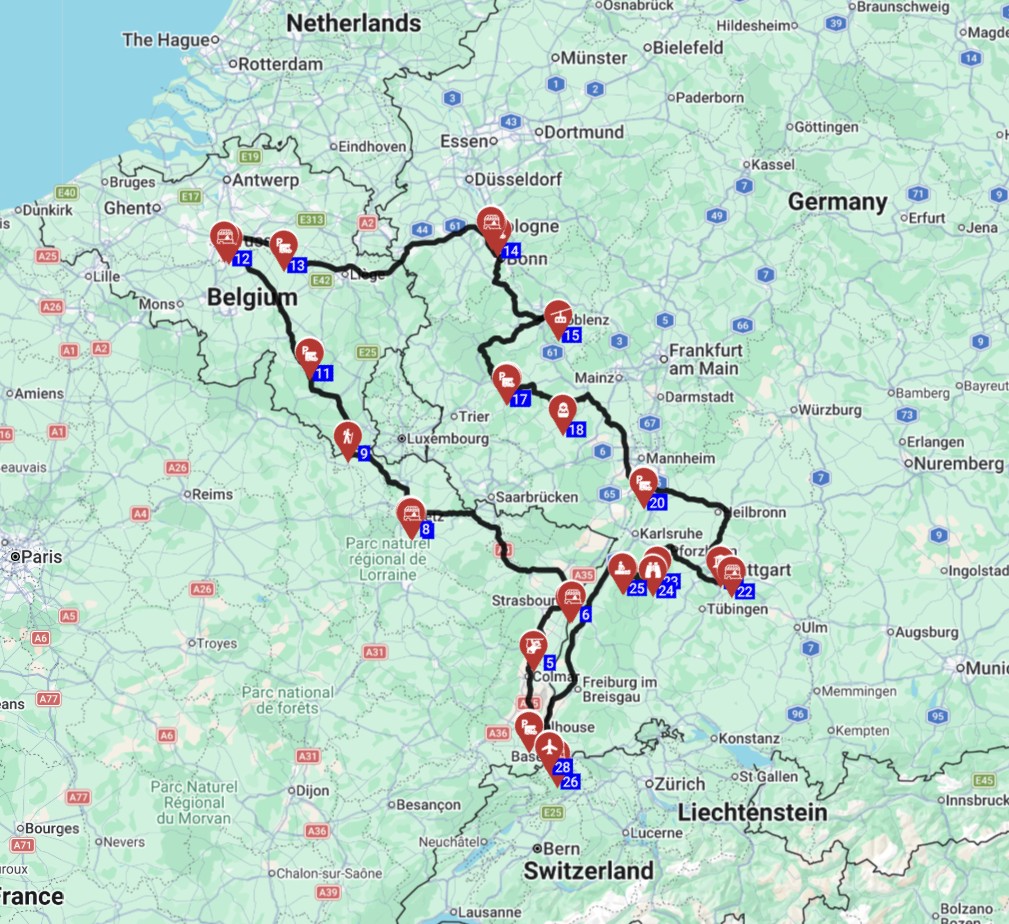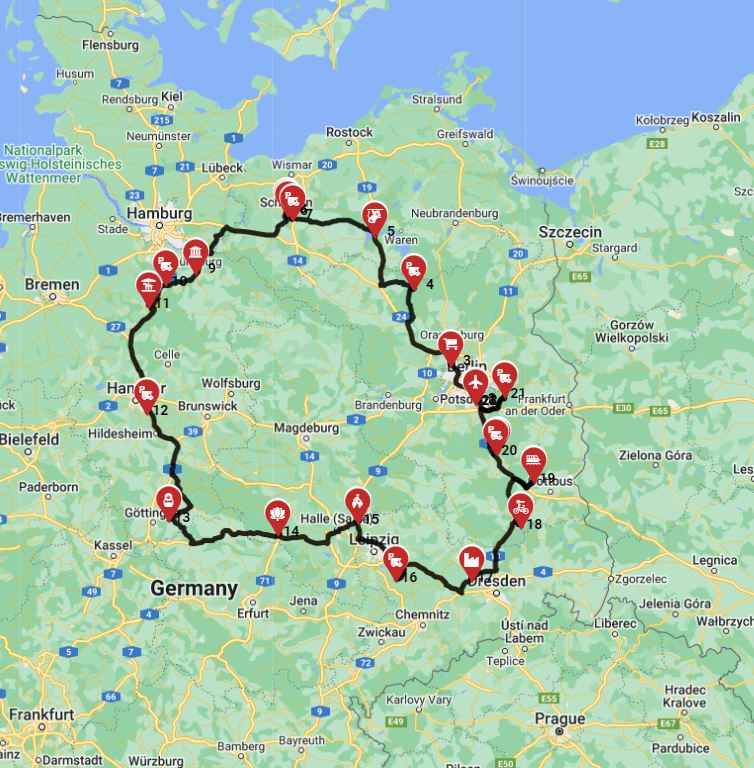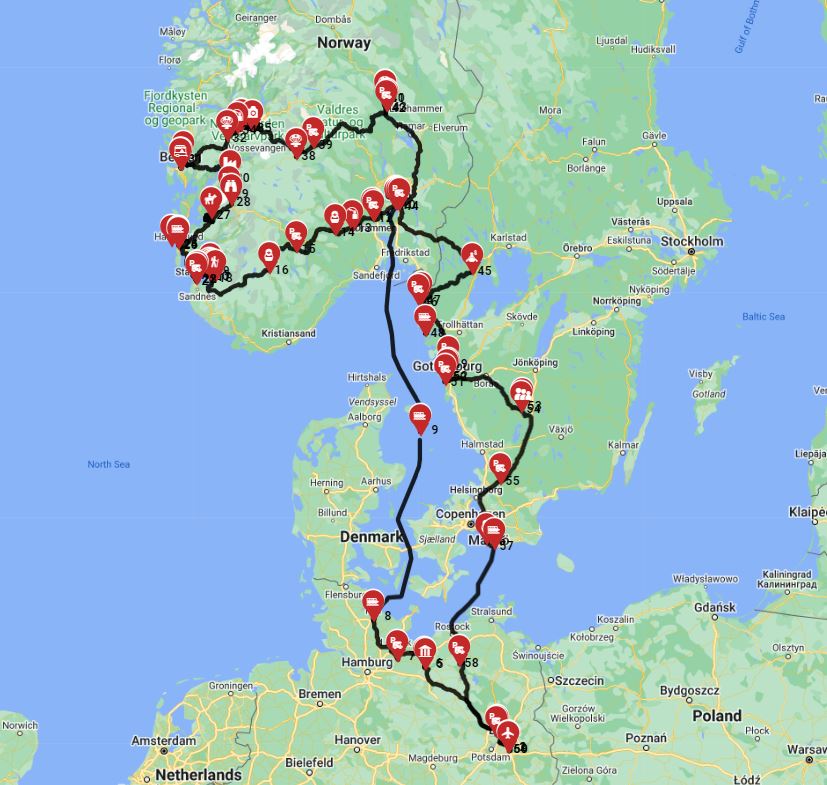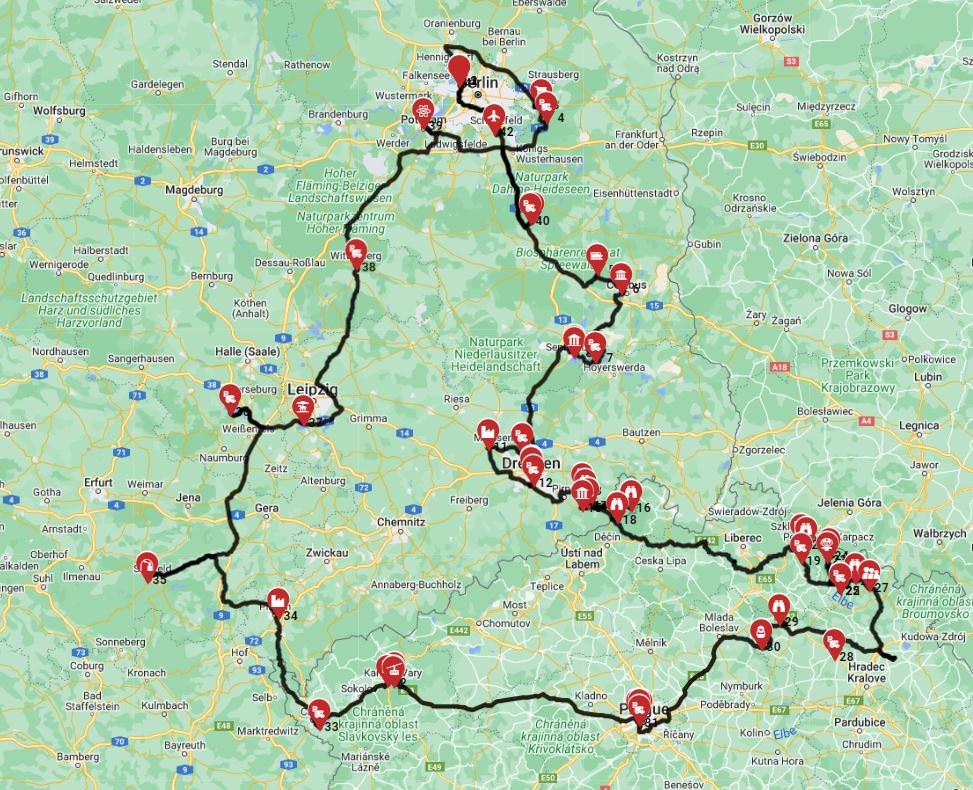
In This Guide
- Can You Drive an RV in Center Europe? License & Age Rules
- Road Conditions & Terrain in Center Europe
- RV Size Limits, Bridges & Restricted Zones
- Fuel: Diesel vs. Petrol & Cost per 100 km
- Tolls, Vignettes & Border Rules
- Driving Tips for weekly rv rental Travelers
- Recommended RV Class for Center Europe Roads
- Should I Choose a Compact Van Instead of a Large RV in Center Europe?
- Can I Park Anywhere? Free & Wild Camping Rules in Center Europe
- Can I Drive an RV Into the City Center? Heights, Tunnels & Local Signage
- What is the 3-3-3 rule for RV travel?
- What is the 4-4-4 rule for RV?
- How long can I stay in Europe in my motorhome?
- Can you ship an RV from the US to Europe?
- What is the best travel insurance company for Europe?
- Can you get insurance to drive in Europe for 12 months?
Can You Drive an RV in Center Europe? License & Age Rules
A standard European B-category driving license (or an equivalent international permit for foreign drivers) generally permits the operation of RVs with a Gross Vehicle Weight Rating (GVWR) up to 3,500 kg (approximately 7,716 lbs) across most Central European countries. This weight limit typically covers many popular rental motorhome models, particularly campervans and smaller Class C motorhomes, allowing for flexible exploration of Center Europe. For RVs exceeding this 3,500 kg threshold, which often includes larger Class A or more heavily equipped Class C motorhomes, a higher-tier driving license category such as C1 (for vehicles between 3,500 kg and 7,500 kg) or C (for vehicles over 7,500 kg) is legally mandated in the majority of Central European nations. US drivers can usually use their valid US driver's license for up to six months in most Central European countries; however, obtaining an International Driving Permit (IDP) is highly recommended and often legally required to accompany your US license for translation and official recognition, ensuring smooth travel and compliance with local regulations.
Regarding age, the minimum driver age for an RV rental in Center Europe is typically set at 21 years old. It's important to note that some rental companies may impose a higher minimum age limit, often 25 years old, or may require several years of accumulated driving experience, especially for those looking to rent larger or more powerful RV classes. Always verify the specific age and licensing requirements with your chosen rental provider before booking your weekly RV adventure to ensure a hassle-free experience.
Road Conditions & Terrain in Center Europe
Center Europe boasts an impressive network of well-maintained roads, ranging from high-speed autobahns, particularly prevalent in Germany, to the more picturesque, often winding, country lanes and challenging mountain passes found in countries like Austria and Switzerland. Weekly RV renters can anticipate navigating a diverse array of terrains, including vast flat plains, gently rolling hills perfect for scenic drives, and steeper mountainous regions that can influence average driving speeds and significantly impact fuel consumption. While the primary routes and autobahns are generally wide and exceptionally smooth, it's crucial for RV drivers to be aware that urban centers and historic medieval towns frequently present narrower streets and tighter turns. These conditions necessitate careful maneuvering and a patient approach when piloting an RV. Embracing a slower, more scenic pace of travel is highly recommended for a weekly rental, allowing for a more immersive experience of Center Europe's varied landscapes and the authentic charm of its local communities.
RV Size Limits, Bridges & Restricted Zones
Drivers of rental RVs in Center Europe must be diligently aware of and adhere to specific height, width, and weight restrictions, which are particularly vital when planning routes that might involve historic town centers, tunnels, or bridges with limited clearances. Common height limits encountered under bridges or within tunnels can range significantly, often from 3.0 to 3.5 meters (approximately 10 to 11.5 feet); it is imperative to always verify your specific rental RV's exact dimensions. Many Central European cities, notably in Germany and Austria, have implemented environmental zones, known as 'Umweltzonen', which require a specific low-emission sticker (Umweltplakette) for entry; thankfully, rental RVs typically come equipped with this required sticker, or it can be acquired prior to entry. Larger RVs, especially those exceeding 7 meters (approximately 23 feet) in length, may encounter challenges with limited parking availability, tighter turns in narrow streets, and potential ferry restrictions; this often makes mid-sized or more compact RV models a more practical and stress-free choice for a comfortable weekly rental experience across the varied landscapes of Center Europe.
Fuel: Diesel vs. Petrol & Cost per 100 km
The vast majority of rental RVs available for hire in Center Europe operate on diesel fuel, which is readily and widely available at service stations across the entire region, ensuring convenient refueling stops during your travels. Based on Bandana's extensive global fleet data, you can expect Class B Camper Vans to typically consume between 8-10 Liters per 100 km. For Class SI Semi-integrated RVs, the average consumption tends to be around 10-11 Liters per 100 km, while larger Class C Alcove models might consume slightly more, averaging 10-12 Liters per 100 km, depending on driving conditions and specific model. With diesel prices fluctuating throughout 2026, renters should budget for approximately €1.70-€2.00 per liter. This translates to an estimated fuel cost of roughly €14-€24 per 100 km for an average weekly RV trip, varying based on the specific vehicle's efficiency and the prevailing fuel prices in the regions you visit. Remember to check if your RV rental agreement includes any fuel discount cards or special perks that could help reduce your overall travel expenses for your Central European adventure. On the routes offered through RV PLANET routes, you can itemize and track every expense along the way for easy budgeting.
Tolls, Vignettes & Border Rules
Driving an RV in Center Europe often involves navigating a specific road usage payment system, which typically includes either direct tolls or mandatory 'vignettes', with these systems varying significantly from country to country. For instance, nations such as Austria, Switzerland, Slovenia, the Czech Republic, and Hungary require travelers to purchase and display a vignette for highway usage; this can be either a physical sticker affixed to the windshield or a digital pass, and it must be acquired and correctly displayed before entering these countries' tolled road networks. Germany's extensive autobahn system is generally toll-free for passenger vehicles and RVs under 7.5 tonnes, although specific tunnels or bridges may incur separate, direct fees. For a smooth weekly rental experience, it is highly advisable to research and pre-purchase any required vignettes or toll passes before your trip, as some rental companies may offer this convenient service to help you avoid potential fines at borders or from automated road cameras.
Driving Tips for weekly rv rental Travelers
**Pre-plan your route:** Utilize RV-specific GPS navigation systems that are designed to account for vehicle dimensions and can help you avoid unsuitable roads, low bridges, or restricted city zones. This proactive planning is key to a stress-free journey. **Take frequent breaks:** For a family-friendly weekly trip, plan stops every 2-3 hours at designated rest areas or scenic viewpoints. This ensures both the driver and passengers remain comfortable and alert throughout the day's travel. **Understand European road signs:** Pay very close attention to road signage, especially those indicating height, width, weight restrictions, and environmental zone requirements, as these can differ significantly from signage you might be accustomed to in other regions. **Pack efficiently:** Due to inherent RV payload limits, packing only essential items will maximize your comfort and ensure compliance with weight regulations, contributing to safer driving. **Carry mandatory safety equipment:** Ensure your rental RV is equipped with legally required items such as reflective vests for all occupants, warning triangles, and a first-aid kit, as these are compulsory safety provisions in many Central European countries.
Recommended RV Class for Center Europe Roads
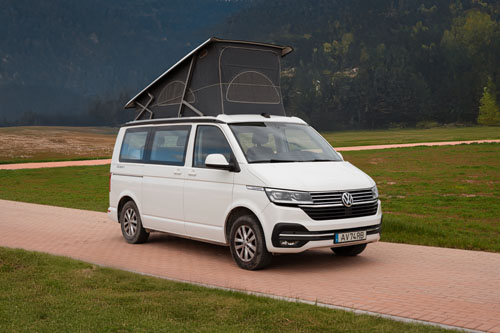
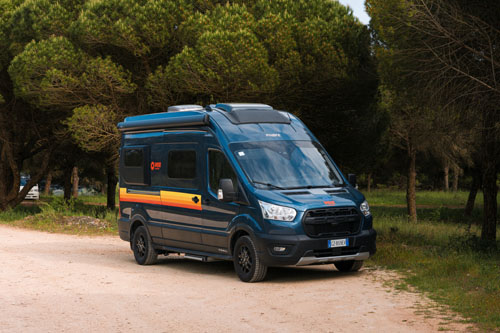
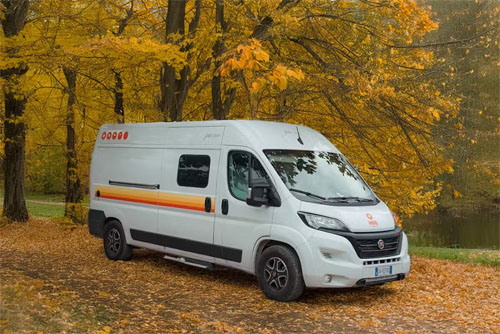
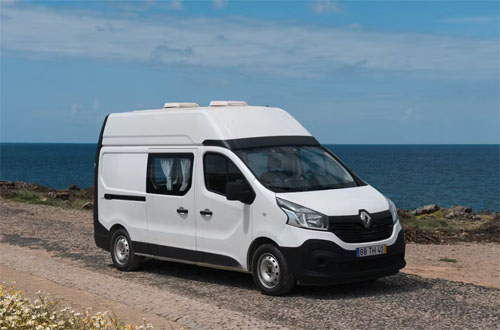
For an optimal weekly RV rental experience in Center Europe, Class B Camper Vans and Class SI Semi-integrated RVs are highly recommended due to their excellent balance of maneuverability, onboard comfort, and practical amenities perfectly suited for the varied European road conditions. Class B Camper Vans, typically averaging around 5.8 meters in length and offering space for about 3.2 sleeping places, provide exceptional agility for navigating tight village streets and simplifying parking, all while offering efficient fuel consumption, usually between 8-10 Liters/100 km. Class SI Semi-integrated RVs, averaging approximately 6.9 meters in length and comfortably sleeping around 3.8 people, offer more spacious living areas, often including a dedicated fixed bathroom and enhanced sleeping arrangements, while remaining manageable for most European roads with typical fuel consumption of 10-11 Liters/100 km. While larger Class C Alcove (averaging 7.5 meters) or Class A Integrated (also averaging 7.5 meters) RVs do provide ample living and sleeping space, their considerable size can present challenges in historic city centers and on narrow mountain passes, making the smaller, more agile Class B or SI models generally preferable for a fluid and enjoyable weekly tour of Center Europe.
Should I Choose a Compact Van Instead of a Large RV in Center Europe?
While a compact van certainly offers superior maneuverability and greater ease of parking, most standard European RVs, typically up to approximately 7.5 meters in length, can comfortably navigate Center Europe's main roads and designated RV routes without encountering significant or insurmountable issues. For the purpose of a week-long rental, the enhanced onboard comfort, dedicated living and sleeping spaces, and comprehensive amenities provided by a larger RV, such as a semi-integrated or alcove model, often contribute to a more enjoyable and relaxing overall experience, particularly for families or when planning extended stays in one location. A compact van genuinely shines and becomes indispensable in very tight historic city centers or on exceptionally narrow mountain passes, offering a driving experience much closer to that of a car, which might be preferable if urban exploration is a primary focus of your trip. Ultimately, the choice hinges on the trade-off between maximizing maneuverability versus prioritizing greater onboard comfort and facilities; for most typical scenic tours and comfortable campsite stays, a larger, well-equipped RV generally provides a superior overall weekly rental experience in the diverse landscapes of Center Europe.
Can I Park Anywhere? Free & Wild Camping Rules in Center Europe
Free camping, often referred to as wild camping, for RVs and motorhomes is generally restricted or outright prohibited across most of Center Europe, with strict enforcement commonly observed in countries like Germany, Austria, and Switzerland. While some specific areas might permit a single overnight stop in designated rest areas primarily to allow drivers to legally restore their driving fitness, the act of setting up an awning, deploying chairs, or cooking outside the RV is typically considered illegal outside of official campsites or designated motorhome parking areas known as 'Stellplätze'. These Stellplätze, predominantly found in Germany and Austria, or similar 'Aires' in France, are established, often low-cost or even free, parking spaces specifically intended for motorhomes, frequently providing basic services like waste disposal and water refills, and serving as a legal and practical alternative to wild camping. Always prioritize adherence to local signage and regulations, as rules can vary significantly by region and municipality; consulting local guidelines before parking overnight is essential to avoid potential fines and ensure respectful travel throughout your Center European RV adventure. For ideas you can prep on the road, watch our RV-friendly recipes playlist on YouTube.
Can I Drive an RV Into the City Center? Heights, Tunnels & Local Signage
Yes, it is often possible to drive an RV into Center European city centers, but it requires diligent attention to local signage regarding height, width, weight restrictions, and crucially, any environmental zone access requirements. Historic city centers frequently feature narrow streets, low bridge clearances, and tunnels with specific height limits, commonly around 3.0 to 3.5 meters, in addition to residents-only zones or access restrictions during certain hours. Fortunately, many Central European cities, particularly in Germany and Austria, operate environmental zones that necessitate a specific low-emission sticker, often referred to as an 'Umweltplakette', to gain entry; rental RVs commonly come equipped with this necessary sticker. As a general recommendation, it is often more practical and less stressful to utilize park-and-ride facilities located on the outskirts of major cities and then explore the inner city using public transport, as finding suitable RV parking directly within most city centers can indeed be quite challenging.
What is the 3-3-3 rule for RV travel?
The 3-3-3 rule is a popular guideline often cited within North American RV culture, advising drivers to cover no more than 300 miles (approximately 480 km) in a single day, aim to arrive at their destination by 3 PM, and ideally stay at least 3 nights in one location to truly experience it. While this rule promotes a relaxed and immersive travel pace, its direct application to a weekly RV rental in Center Europe requires adaptation due to typically shorter overall driving distances between points of interest, the diverse nature of European road conditions, and the stricter regulations concerning overnight parking in many areas. For a more practical and enjoyable approach to a weekly trip in Center Europe, consider adopting a modified guideline, perhaps driving shorter distances, such as 150-250 km (roughly 90-150 miles) daily, to allow for more frequent stops, spontaneous detours, and deeper cultural immersion. Arriving by 3 PM still remains a sound practice to increase your chances of securing a spot at popular campgrounds or Stellplätze, though the concept of staying exactly 3 nights might be less common for a fast-paced weekly itinerary that encourages exploring multiple regions.
What is the 4-4-4 rule for RV?
The 4-4-4 rule is another widely recognized RV travel guideline, typically suggesting drivers limit their daily driving to no more than 400 miles (approximately 640 km), aim to arrive at their destination by 4 PM, and commit to staying at least 4 nights at each chosen location to fully appreciate it. Similar to the 3-3-3 rule, the 4-4-4 guideline is largely adapted from North American RV travel practices and should be considered flexibly when planning a weekly RV rental in Center Europe. Driving a substantial 400 miles in a single day can often prove very ambitious on European roads, considering the varying speed limits, potential tolls, the navigation required through urban areas, and the simple desire to enjoy the picturesque scenery along the way, which could easily lead to driver fatigue. For a satisfying weekly trip in Center Europe, focusing on more manageable daily distances, perhaps around 200-300 km, and prioritizing arriving by early afternoon at pre-booked accommodation is generally a more practical strategy that enhances the overall enjoyment and reduces travel stress.
How long can I stay in Europe in my motorhome?
For non-EU citizens, the general rule is that you can typically stay within the Schengen Area, which encompasses most of Center Europe, for a maximum of 90 days within any given 180-day period without needing a specific long-stay visa. This '90/180-day rule' applies irrespective of your mode of travel, including when exploring by motorhome; significantly, overstaying this limit can result in severe penalties such as substantial fines, potential deportation, and future entry bans into the Schengen zone. If your travel plans extend beyond the 90-day limit, you will need to apply for a national long-stay visa, often referred to as a 'D-Visa', through the embassy or consulate of a specific Schengen country before you embark on your trip. Each Schengen member state maintains its own unique set of requirements for these long-stay visas, and obtaining one typically grants permission to reside within that particular country, often with limited rights to travel freely throughout the rest of the Schengen Area.
Can you ship an RV from the US to Europe?
While it is physically possible to ship an RV from the US to Europe, typically via Roll-on/Roll-off (RoRo) cargo vessels or container shipping, this logistical undertaking is primarily considered for long-term travel or permanent relocations rather than short-term rentals. The process involves substantial costs associated with shipping, complex customs procedures, potential import duties, VAT, and often requires necessary vehicle modifications to ensure compliance with European safety and emissions standards. For experiencing the joy of RV travel in Center Europe on a weekly rental basis, opting to rent an RV locally is significantly more practical, cost-effective, and entirely bypasses the logistical complexities and considerable expenses tied to shipping, importing, and subsequently re-exporting a personal vehicle. Shipping an RV is generally only contemplated by those planning extended European tours, perhaps spanning several months or years, who have a strong preference for their own vehicle and are prepared for the significant investment in both time and money required.
What is the best travel insurance company for Europe?
Determining the 'best' travel insurance for a weekly RV rental in Europe can depend greatly on your individual needs and coverage priorities. However, several reputable providers are frequently recommended for their comprehensive policies, including Allianz Travel Insurance, World Nomads, and SafetyWing. When selecting a policy, it's crucial to look for coverage that specifically includes protection for the RV rental excess or deductible, enhanced third-party liability that goes beyond the basic rental insurance, robust breakdown assistance, and comprehensive personal medical emergency coverage. Ensure your chosen policy also covers medical evacuation, trip cancellation or interruption, and personal belongings, as standard RV rental insurance typically focuses narrowly on the vehicle itself. Always compare quotes from multiple providers, carefully reviewing the policy's terms, conditions, and exclusions, paying particular attention to clauses regarding adventure activities, pre-existing medical conditions, or specific vehicle types.
Can you get insurance to drive in Europe for 12 months?
Yes, it is certainly possible to obtain insurance for driving an RV in Europe for a 12-month period, though this requires specialized long-term policies that are distinct from typical tourist travel insurance or short-term rental coverage. If you plan to rent an RV for an extended duration, some rental companies may offer comprehensive long-term insurance packages as an add-on. Alternatively, for personally owned or shipped RVs, seeking out specialist insurance brokers who focus on international vehicle coverage is essential. These brokers often provide comprehensive year-long policies tailored for foreign-plated vehicles operating in Europe, typically covering third-party liability, collision damage, and often including valuable roadside assistance. These specialized long-term policies are crucial for extended stays, and you should anticipate higher premiums and the need for careful review of coverage limits, deductibles, and specific requirements for each country you intend to visit during your travels.
What You Shouldn't Miss
- Drive the scenic **Grossglockner High Alpine Road** in Austria for breathtaking mountain vistas.
- Explore the historic charm of **Prague**, Czech Republic, wandering through its Old Town Square and Charles Bridge.
- Visit the majestic **Neuschwanstein Castle** in Bavaria, Germany, a fairytale inspiration for Disney.
- Take a leisurely drive along the **Rhine Valley Wine Route** in Germany, stopping at vineyards and picturesque villages.
- Experience the serene beauty of the **Austrian Lake District (Salzkammergut)**, with opportunities for hiking and boat trips.
- Discover the stunning Alpine landscapes and charming towns of **Switzerland**, perhaps exploring the Bernese Oberland.
Final Thoughts
Embarking on a weekly RV rental adventure through Center Europe promises an unparalleled journey, blending breathtaking landscapes with rich cultural experiences. By understanding the nuances of driving, adhering to local regulations, and choosing the right vehicle, your trip will be one of pure discovery and enjoyment. Remember, the beauty of RV travel lies in the freedom it offers – the ability to explore at your own pace and create memories that last a lifetime.
From the historic streets of Prague to the majestic Alps, Center Europe awaits. Start planning your unforgettable RV road trip today and embrace the open road with confidence and excitement. For inspiration on routes and destinations, explore the extensive resources available through our sister site, RV PLANET (rvplan.net).