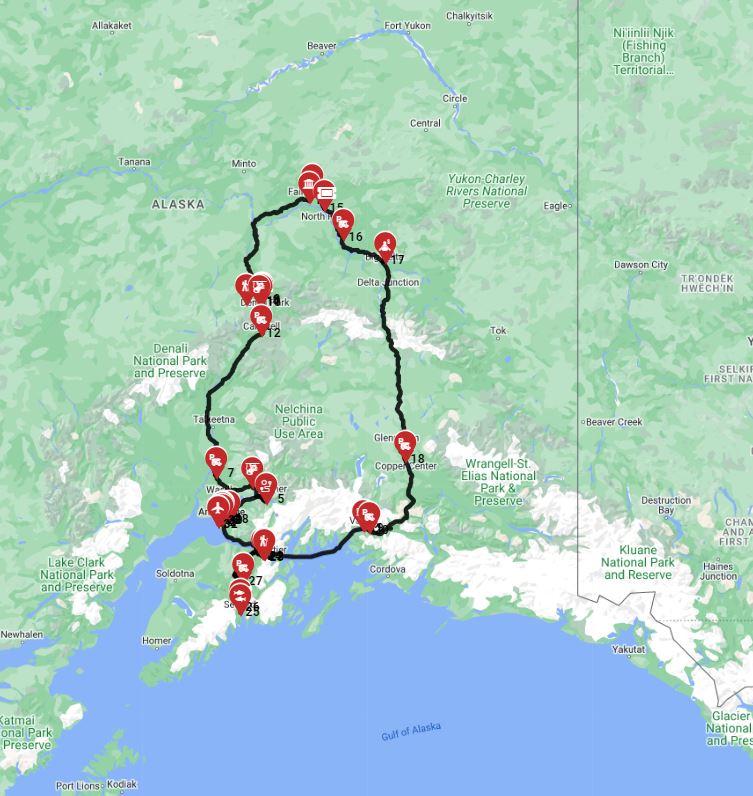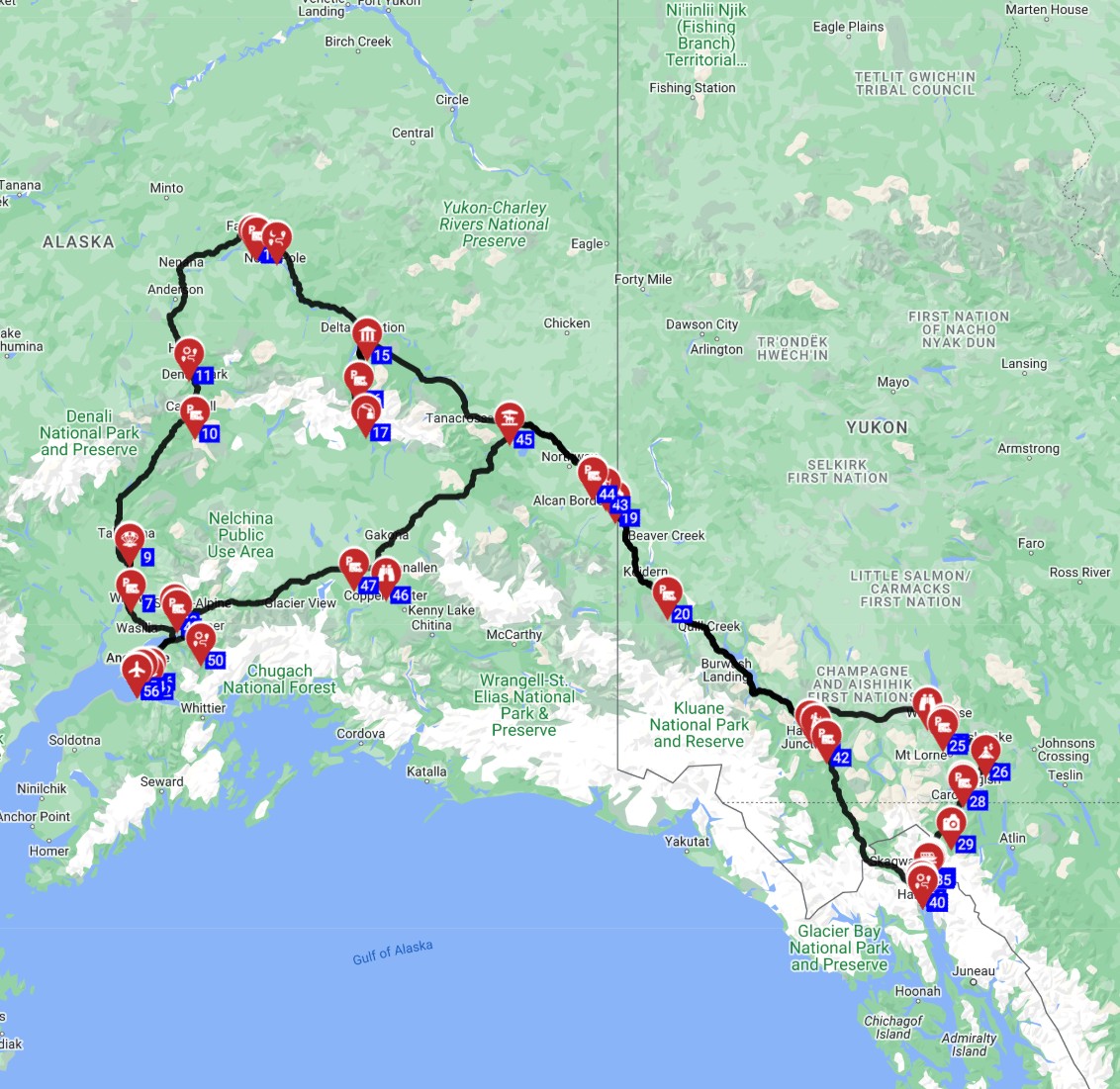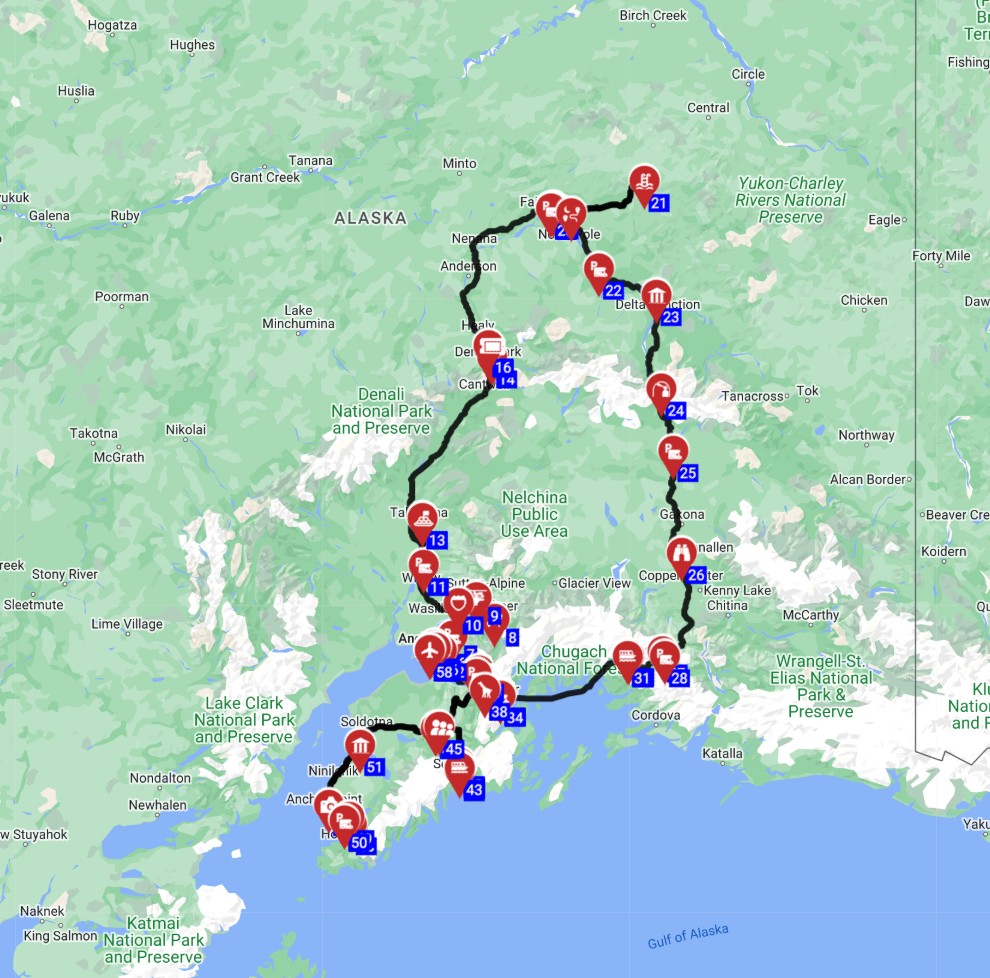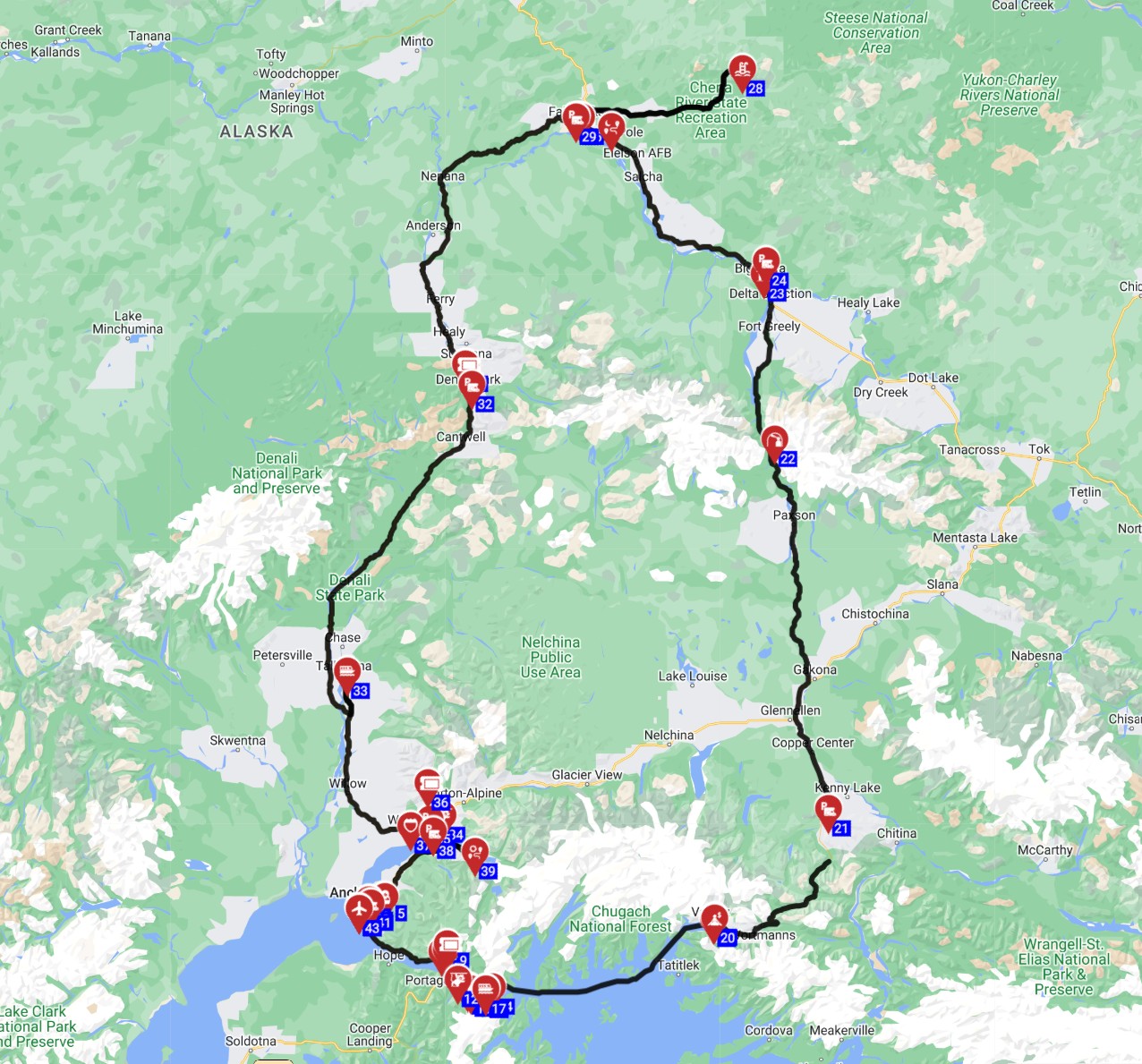
In This Guide
- Can You Drive an RV in Alaska? License & Age Rules
- Road Conditions & Terrain in Alaska
- RV Size Limits, Bridges & Restricted Zones
- Fuel: Diesel vs. Petrol & Cost per 100 km
- Tolls, Vignettes & Border Rules
- Driving Tips for RV Rental Travelers in Alaska
- Recommended RV Class for Alaska Roads
- Should I Choose a Compact Van Instead of a Large RV in Alaska?
- Can I Park Anywhere? Free & Wild Camping Rules in Alaska
- Can I Drive an RV Into the City Center? Heights, Tunnels & Local Signage
- Do you need a special license to drive an RV in Alaska?
- Do you have to have a special license to drive a 30 ft RV in Alaska?
- Can I drive my RV to Alaska?
- Can I park my RV anywhere in Alaska?
- What is the 3-3-3 rule for RV living?
- Can you sleep in an RV while driving in the USA?
- Can you turn left on a red light in Alaska?
- How do I transfer my license to Alaska?
- Do I need to register my trailer in Alaska?
- What You Shouldn't Miss
- Why Book with Bandana Caravan
- Final Thoughts
- Frequently Asked Questions
Can You Drive an RV in Alaska? License & Age Rules
A standard Class D driver's license is entirely sufficient for operating most rented RVs in Alaska, provided the Gross Vehicle Weight Rating (GVWR) remains under 26,000 pounds. This means that travelers from within the USA generally only need their regular state-issued driver's license, just like they would for driving a car. For international visitors, an International Driving Permit (IDP) is often recommended, especially if your home country's license is not in English, but it is not strictly mandatory in all cases. The minimum age to rent and drive an RV in Alaska is 21 years old across our suppliers, and Bandana RV proudly offers transparent booking with no young driver surcharges or restrictions on vehicle classes based on age. If you're looking for live availability and current prices, start with our RV Rental Alaska - Complete Guide 2026 guide.Road Conditions & Terrain in Alaska
Alaska's road quality presents a diverse driving experience, ranging from well-maintained paved highways, such as sections of the scenic Seward Highway, to gravel stretches that are more common on remote routes. As you venture through the Last Frontier, expect varied terrain, including majestic mountain passes, expansive coastal plains, and vast wilderness areas, all demanding careful and attentive driving. While main thoroughfares are generally good, some iconic routes like the Dalton Highway are largely unpaved and require specific vehicle preparation, though most rented motorhomes and campervans are intended for paved and well-maintained gravel roads. Wildlife encounters are a frequent occurrence, so we encourage slow, scenic driving and constant vigilance for animals like moose, bears, and caribou on or near the road, especially during dawn and dusk. Remember, summer offers the most favorable driving conditions, but spring and fall can bring unpredictable weather, and winter travel requires specialized experience and equipment not typically available with standard rentals.RV Size Limits, Bridges & Restricted Zones
Alaska generally adheres to standard U.S. federal guidelines for RV dimensions, meaning most rented motorhomes will fit comfortably on its roads. Typically, this includes a maximum length of 45 feet, a width of 8.5 feet, and a height of 13.5 feet, so the Class C motorhomes and campervans available through Bandana, such as the "Cruise America Explorer" with a length of 7.1 meters (approximately 23 feet), are well within these parameters. Most bridges and overpasses across Alaska are designed to accommodate standard RV heights, but it's always wise to pay close attention to posted clearance signs, especially when entering older towns or specific national and state park entrances. There are no notable environmental zones or low-emission areas in Alaska that restrict RV access, ensuring you have freedom to explore. However, if you plan to utilize Alaska's scenic ferry services, such as the Alaska Marine Highway System, be aware that they have specific length, width, and height restrictions for vehicles, and bookings must be made well in advance.Fuel: Diesel vs. Petrol & Cost per 100 km
Both petrol (gasoline) and diesel fuels are readily available across Alaska, although diesel stations may be less frequent in the most remote areas. Be prepared for fuel prices in Alaska to be generally higher than in the contiguous U.S., with costs increasing significantly the further you travel into isolated towns. Bandana's fleet of rented motorhomes and campervans typically sees the following average fuel consumption rates per 100 km: Class SI (10-11 Liters), Class C (10-12 Liters), Class B (8-10 Liters), and Class A (8-12 Liters). Planning your fuel stops in advance is critical for any extended road trip, particularly on longer stretches of highway with limited services. While some rental providers may offer fuel discount cards, these are not standard; always budget generously for fuel expenses. When planning your budget, remember that for a comprehensive breakdown of all ancillary trip costs, RV PLANET routes allow you to itemize and track every expense along the way for easy budgeting.Tolls, Vignettes & Border Rules
Alaska currently stands out as a state that does not impose any toll roads or require vignettes for RVs or other vehicles. This simplifies budgeting and route planning significantly, as you won't encounter unexpected fees for road usage within the state. However, for most RV travelers driving to Alaska from the contiguous United States, crossing the Canadian border is an unavoidable part of the journey. To ensure a smooth Canadian border crossing, it's essential to have valid passports or enhanced driver's licenses for all passengers, your current vehicle registration, and proof of insurance that is valid in Canada. Additionally, be aware of Canadian customs regulations concerning items like firearms, alcohol, and certain food products to avoid any delays. While no tolls exist within Alaska, it is wise to research potential tolls or ferry fees in Canada if your route involves specific Canadian highways or waterways. You can find more detailed information on border procedures in our "RV Rental USA - Complete Guide 2026".Driving Tips for RV Rental Travelers in Alaska
Wildlife awareness is paramount when driving a rented RV in Alaska; always drive defensively, especially at dawn and dusk, and be prepared to stop suddenly for moose, bears, caribou, and other animals that frequently cross roads. To fully savor the vast Alaskan landscape without feeling rushed, we strongly recommend pacing yourself with the "3-3-3 rule": drive no more than 300 miles a day, aim to arrive at your destination by 3 PM, and ideally stay at least 3 nights in one spot. This slow travel philosophy, averaging max 100-150 km per day, allows you to truly feel the place, connect to the unique culture, local food, and breathtaking scenery. Planning fuel and provisions in advance is crucial, as distances between services can be vast; always keep your fuel tank at least half-full and carry extra water and non-perishable food. Given that cell service is limited in many remote areas, consider bringing a satellite communication device, a comprehensive first-aid kit, and basic emergency road repair tools. Finally, always respect the environment by staying on designated roads, following Leave No Trace principles, and properly storing food in your rented motorhome to avoid attracting wildlife.Recommended RV Class for Alaska Roads
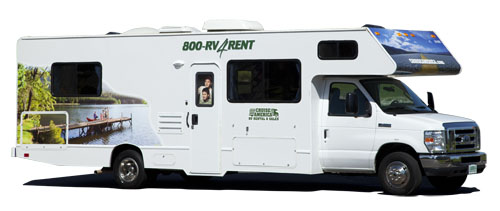
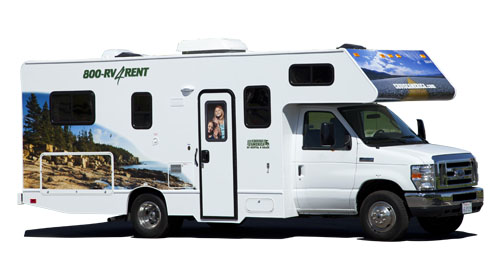
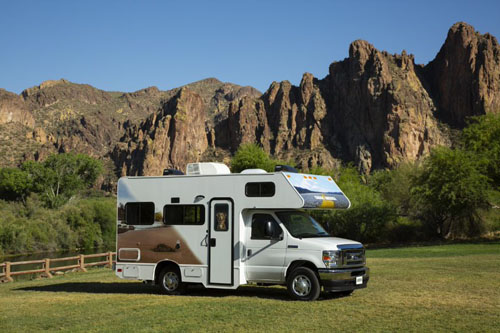
For a perfect blend of comfort and maneuverability on Alaska's diverse roads, Class C Alcove RVs, typically averaging 7.5 meters (around 24.6 feet) in length, or Class SI Semi-integrated RVs, averaging 6.9 meters (around 22.6 feet) long, are highly recommended. These models, like the "24' Class C Motorhome" (7.46m / 24.5 ft) from one of our partners, offer ample living space and amenities without being overly cumbersome. Class B Camper Vans, usually about 5.8 meters (around 19 feet) long, provide excellent agility and are ideal for navigating narrower roads, accessing more secluded campsites, or tackling rougher terrain if they are specifically equipped for it. Consider your group size and desired amenities; while larger Class A Integrated RVs (average length 7.5m / 24.6 ft) offer maximum space and luxury, they can be less agile on smaller roads or in tight parking situations. Rest assured, all motorhomes and campervans available through Bandana's direct partnerships with leading RV suppliers like El Monte and Cruise America are generally suitable for paved Alaskan highways, with smaller classes offering increased flexibility for exploring unpaved side roads and tighter spots. For couples, the "alaska rv rental example Paradise S/T" is a great compact option, while families might enjoy the larger "alaska rv rental example Category C".Should I Choose a Compact Van Instead of a Large RV in Alaska?
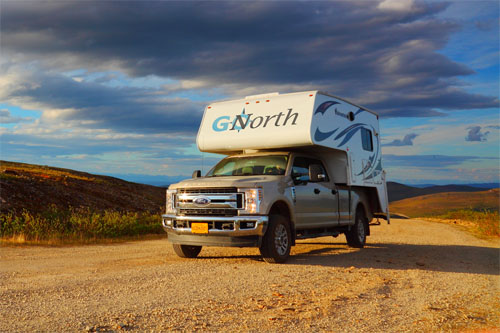
Most RV sizes can comfortably navigate Alaska's primary road network, meaning the choice between a compact campervan and a large motorhome often boils down to your personal preference for interior space versus exterior maneuverability. Compact vans, such as Class B Camper Vans like the "Category Van" or "DVC", offer superior agility for navigating narrower roads, easily accessing smaller, more remote campsites, and parking in tighter areas in towns or trailheads. On the other hand, larger RVs, including Class C or Class A models, provide significantly more indoor living space, storage, and amenities like a larger kitchen and private bathroom, which can greatly enhance comfort on longer trips or during inclement weather. For extensive off-pavement exploration or very remote areas, a rugged Class B or a Truck Camper might be advantageous, but for most popular tourist routes and national parks, a larger motorhome is perfectly suitable. When making your decision, evaluate your group size (couples might prefer a compact van, families might need a Class C), the level of comfort you desire, and the specific types of locations and activities you plan to enjoy during your Week-Long RV Driving Tour in Alaska 2026.Can I Park Anywhere? Free & Wild Camping Rules in Alaska
You cannot generally park a rented RV *anywhere* in Alaska, but opportunities for dispersed camping, also known as boondocking or wild camping, are readily available on vast public lands. These include areas managed by the Bureau of Land Management (BLM) and National Forests, where camping is often permitted for up to 14 days without a fee. It is crucial to always respect private property boundaries and observe any "no overnight parking" or "no camping" signs; camping on private land without explicit permission is illegal and can lead to fines. Designated campgrounds in state parks, national parks, and private facilities offer amenities such as water, electricity, and dump stations, but they typically require fees and often fill up quickly during peak season. When engaging in dispersed camping, strictly adhere to Leave No Trace principles: pack out all trash, camp at least 200 feet from water sources, and minimize your impact. Rules can vary significantly by region and specific land management agency, so always check local regulations and follow local law before parking overnight, particularly in or near urban areas like Anchorage or communities surrounding national parks. For finding campsites and campgrounds during your trip, we recommend using RV PLANET (rvplan.net) - a great resource for locating available spots along your route.Can I Drive an RV Into the City Center? Heights, Tunnels & Local Signage
Yes, you can generally drive a rented RV into city centers in Alaska, including major cities like Anchorage and Fairbanks, without major issues. Alaskan cities are accustomed to larger vehicles, and their infrastructure is typically designed to accommodate them. The key is to drive slowly and carefully, and you can drive almost anywhere without issues. No need to stress-just use common sense and pay attention. You will want to pay close attention to local signage, especially for any posted height limits, low bridges, narrow streets, or designated "residents only" parking zones, though these are less common than in older European cities. Parking a large RV in city centers can be challenging due to space constraints, so consider utilizing designated RV parking lots or parking on the outskirts and using local public transportation or ride-sharing services to explore downtown areas. Alaska's cities do not typically feature unique environmental zones or strict vehicle restrictions that would explicitly prohibit RV access. Always check for specific temporary road closures or restrictions, particularly during local events or construction, which can be found via local traffic apps or websites.Do you need a special license to drive an RV in Alaska?
No, for the majority of recreational vehicles (RVs) in Alaska, a standard Class D driver's license is entirely sufficient, just like driving a regular car. This applies to all motorhome classes (Class A, Class B, and Class C) available for rental. A Commercial Driver's License (CDL) is only required for operating vehicles with a Gross Vehicle Weight Rating (GVWR) exceeding 26,000 pounds or for those designed to transport a large number of passengers for commercial purposes. Most rental RVs, even the larger Class A and Class C models from suppliers like Cruise America, are specifically manufactured to remain below the 26,000-pound threshold, making them accessible with a standard license. Always ensure your driver's license is current and valid for the entire duration of your trip, and for international travelers, an International Driving Permit (IDP) is recommended but not mandatory in most cases.Do you have to have a special license to drive a 30 ft RV in Alaska?
No, a special license is not typically required to operate a 30-foot RV in Alaska; a standard Class D driver's license is sufficient, provided the vehicle's Gross Vehicle Weight Rating (GVWR) does not exceed 26,000 pounds. The overall length of the RV itself is less critical than its GVWR when determining licensing requirements in the United States, including Alaska. Most recreational RVs, even those up to and sometimes exceeding 30 feet in length, like the "C-30" or "Denali Searcher 30 - Gold" models, are designed to fall within the standard licensing limits to ensure accessibility for most drivers. It's always a good practice to confirm the specific GVWR of your chosen rental RV with the supplier and review the Alaska Department of Motor Vehicles (DMV) guidelines if you have any lingering concerns about a particularly heavy vehicle.Can I drive my RV to Alaska?
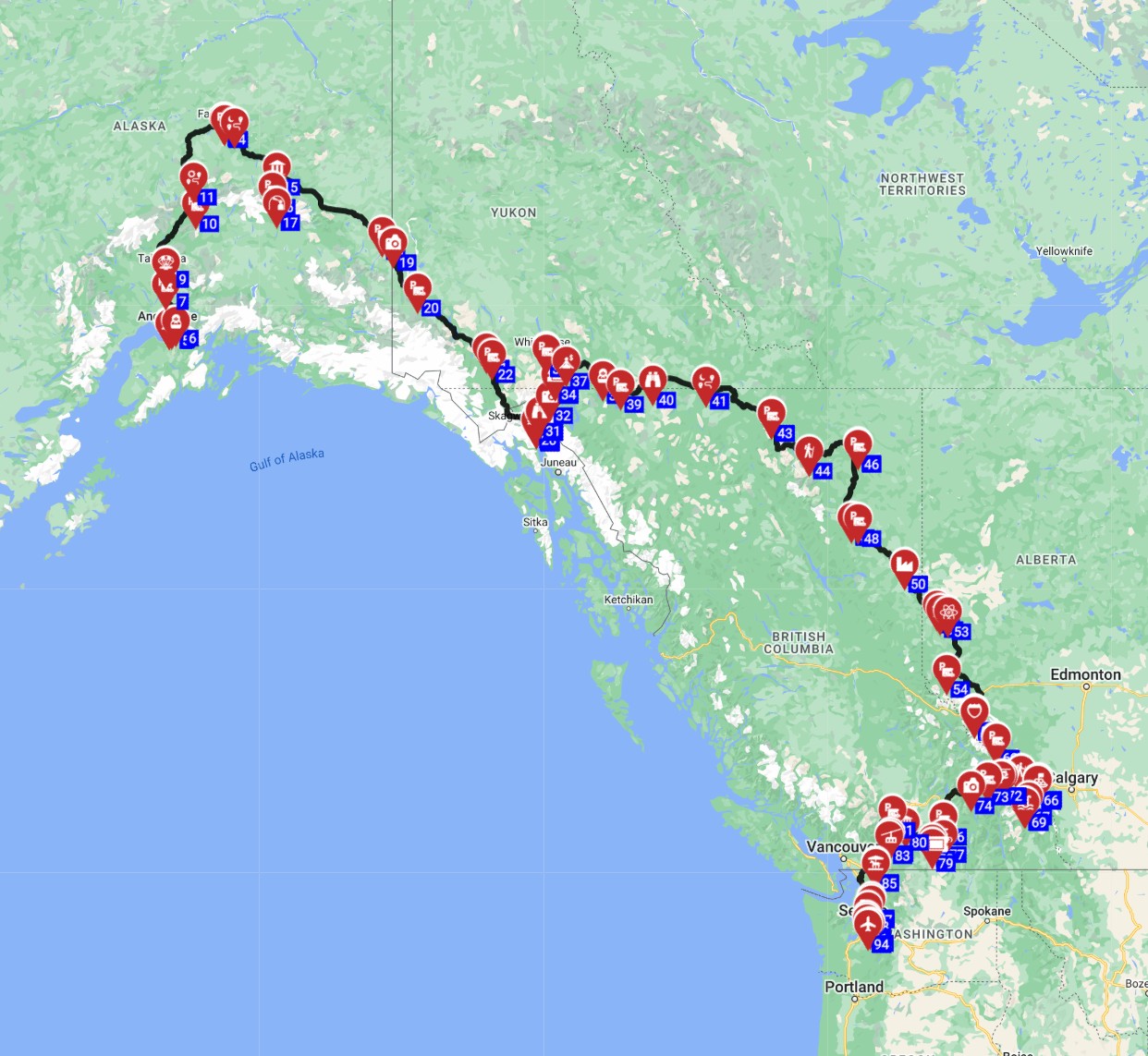
Yes, driving your rented RV to Alaska is a highly popular and incredibly rewarding adventure, with the primary overland route from the contiguous United States almost always involving travel through Canada via the renowned Alaska Highway (often called the Alcan Highway). This epic journey demands thorough planning, including ensuring all occupants have valid passports or enhanced driver's licenses for the required Canadian border crossings. You will also need to carry your current vehicle registration and proof of insurance that is valid in Canada. It is essential to plan for fuel and provisions well in advance, as certain stretches of the highway can be remote with limited services. Prepare your rented motorhome or campervan for potentially long driving days, varied road conditions including gravel sections, and frequent wildlife encounters. Many travelers choose to rent an RV specifically for this scenic drive, as it offers the ultimate flexibility to explore Alaska at their own pace and truly embrace the spirit of the open road. Consider checking out our "RV Travel Guide to Alaska - Tips and Top Spots 2026" for more planning insights.Can I park my RV anywhere in Alaska?
No, you cannot park your rented RV just anywhere in Alaska, as specific regulations and restrictions apply, particularly concerning overnight stays. While opportunities for dispersed camping, often called boondocking, are available on various public lands, including those managed by the Bureau of Land Management (BLM) and National Forests, these areas still have rules. You must always respect private property, strictly adhere to posted signs, and be aware of local ordinances regarding overnight parking or camping, as unauthorized camping is illegal. Designated campgrounds within state parks, national parks, and private facilities offer reliable spots with amenities but generally require fees and reservations, especially during peak season. When planning for free or wild camping, it's essential to familiarize yourself with the specific regulations for BLM or National Forest lands and consistently follow Leave No Trace principles. For detailed information on finding available campsites and adhering to rules during your trip, RV PLANET (rvplan.net) is an excellent resource for locating spots along your planned itinerary.What is the 3-3-3 rule for RV living?
The 3-3-3 rule is a widely adopted guideline for RVers designed to promote a more relaxed and thoroughly enjoyable travel experience, which is exceptionally well-suited for exploring Alaska's vast and breathtaking landscapes. This rule suggests three key principles: first, drive no more than 300 miles (approximately 480 km) a day, preventing driver fatigue and allowing ample time for spontaneous stops and scenic viewpoints. Second, aim to arrive at your overnight destination by 3 PM, which provides sufficient daylight hours to comfortably set up camp, explore the immediate area, and unwind before nightfall, especially important when preparing meals in your rented motorhome. Third, stay for at least 3 days in one location to fully immerse yourself in the surroundings, discover local attractions, and avoid the constant packing and unpacking that can make a trip feel rushed. While primarily a guideline, embracing the 3-3-3 rule can significantly enhance your Alaska RV adventure by preventing burnout and fostering a deeper appreciation for each unique stop along your route. Remember, we always recommend slow travel, aiming for max 100-150 km per day on average, to truly connect with the culture, food, and scenery.Can you sleep in an RV while driving in the USA?
No, it is generally illegal and highly unsafe to sleep in the back of a rented RV or any other vehicle that is in motion on public roads anywhere in the USA, including Alaska. All passengers in a moving RV must be properly secured in designated seating positions with seat belts, as required by law. Unrestrained occupants are at severe risk of injury or fatality in the event of sudden stops, sharp turns, or accidents, even minor ones. The living area of a motorhome or campervan is designed for stationary use and not for occupancy while the vehicle is being driven. Essential amenities, such as cooking appliances, should also not be used when the vehicle is in motion. Prioritizing safety by ensuring everyone is seated and securely belted whenever the RV is being driven is paramount for a worry-free Week-Long RV Driving Tour in Alaska 2026.Can you turn left on a red light in Alaska?
In Alaska, similar to most U.S. states, you are legally permitted to turn left on a red light only under very specific circumstances: when turning from a one-way street onto another one-way street, provided there is no sign explicitly prohibiting the turn. Before making such a turn, you must always come to a complete stop and yield to any oncoming traffic and pedestrians already in the intersection. It is illegal to turn left on a red light from a two-way street onto a one-way street, or from any street onto a two-way street. Drivers of rented RVs, like all other vehicles, must observe all traffic signals carefully and be vigilant for any signage indicating "No Turn on Red" at specific intersections, as these signs override the general rule. This is a crucial aspect of Alaskan traffic law to be aware of during your RV rental adventure.How do I transfer my license to Alaska?
Transferring your driver's license to Alaska is a process primarily for individuals establishing residency in the state, not typically for short-term RV renters. If you are moving to Alaska, you must apply for an Alaska driver's license at the Division of Motor Vehicles (DMV) once you have established residency. This usually requires providing proof of Alaskan residency, surrendering your valid out-of-state driver's license, and successfully passing a vision test. If your out-of-state license is current and valid, you will generally be exempt from taking the written knowledge and road skills tests. There are specific documentation requirements, such as proof of identity, residency, and a Social Security Number, that must be met. As an RV renter on a vacation, your existing valid driver's license from your home state or country, possibly with an International Driving Permit, is all you need for your RV Rental Alaska - Complete Guide 2026 adventure.Do I need to register my trailer in Alaska?
Yes, if you are an Alaska resident or plan to use your trailer in Alaska for more than 90 consecutive days, you are generally required to register it with the Alaska Division of Motor Vehicles (DMV). This regulation applies to various types of trailers, including travel trailers, utility trailers, and boat trailers, that are towed by another vehicle. However, for visitors on an RV rental vacation, if your trailer is properly registered in another state or country and you are visiting Alaska for a period of less than 90 days, you are typically exempt from Alaskan registration requirements. It is always prudent to carry your current registration and proof of ownership documents for your trailer or towed vehicle. This guidance is important for those considering a personal RV trip or towing a smaller trailer with a campervan; however, Bandana RV specializes exclusively in motorhome and campervan rentals, so towable RVs are not relevant to our services.🎬 Video coming soon
What You Shouldn't Miss
- **Denali National Park and Preserve:** Drive the accessible section of Park Road (when open) in your rented motorhome for unparalleled wildlife viewing and breathtaking views of North America's tallest peak. Don't miss a bus tour deeper into the park for the full experience.
- **Seward Highway Scenic Drive:** This 200 km (125-mile) All-American Road from Anchorage to Seward offers stunning coastal views, glacier vistas, and opportunities for wildlife spotting. Plan a stop at Portage Glacier and the Alaska Wildlife Conservation Center.
- **Kenai Fjords National Park:** From Seward, take a boat tour to witness calving glaciers, abundant marine wildlife like whales and sea otters, and dramatic fjords that are often inaccessible by road.
- **Fairbanks and the Northern Lights:** During the darker months (late August to April), Fairbanks is one of the best places to catch the aurora borealis. Visit the University of Alaska Museum of the North and immerse yourself in Gold Rush history.
- **Homer and Kachemak Bay:** Known as the "Halibut Fishing Capital of the World," Homer offers a vibrant arts scene, charming shops on the Homer Spit, and incredible bear viewing excursions across Kachemak Bay.
Looking for expert insights from Avi Bandana? Top 5 Adventures - recommendations from Avi Bandana
Final Thoughts
An RV adventure through Alaska offers an unparalleled opportunity to connect with nature's grandeur and create unforgettable memories. From the moment you pick up your rented motorhome or campervan, you unlock a world of flexibility, allowing you to chase the midnight sun, witness incredible wildlife, and explore charming towns at your own pace. The vastness of Alaska demands respect and preparation, but with a little planning and the right mindset for slow travel, it's a journey that rewards generously. At Bandana RV, we're dedicated to making this dream a reality, providing you with transparent pricing, expert advice, and the peace of mind that comes from booking with true RV specialists. So, whether you're a seasoned RVer or embarking on your very first Week-Long RV Driving Tour in Alaska 2026, get ready for an adventure of a lifetime. The open road of Alaska is calling, and your perfect rented RV awaits.For ideas you can prep on the road, watch our RV-friendly recipes playlist on YouTube.
On the routes offered through RV PLANET routes, you can itemize and track every expense along the way for easy budgeting.