In This Guide
- Top 5 Tips for RV Rental in Zambia for Seniors
- Before You Book - RV Class, Dates, Insurance for Zambia
- Pre-Trip Prep - Packing Checklist for RV Travel in Zambia
- On the Road - Driving, Fueling, Navigation in Zambia
- At the Campground - Setup, Hookups & Etiquette in Zambia
- RV Travel for Seniors-Specific Tips for Zambia
- Common Mistakes to Avoid During Your RV Rental in Zambia
- What are the specific self-drive logistics and safety tips for RVing in Zambia?
- How much does an RV rental trip to Zambia cost, including all expenses?
- What are recommended RV itineraries and routes for Zambia?
- What vehicle requirements and rental specifics should I know for RVing in Zambia?
- Where can I find camping information and amenities for RVs in Zambia?
- How can I stay connected and communicate in remote areas of Zambia?
- What cultural etiquette should RV travelers observe in Zambia?
- What health and medical precautions are essential for RV travel in Zambia?
Zambia, a land of vast wilderness, majestic waterfalls, and abundant wildlife, offers an unparalleled adventure for seniors seeking comfortable and flexible travel via a rented RV or campervan. Imagine waking up to the sounds of the African bush, enjoying your morning coffee with a view of an elephant herd, and exploring at your own pace. With Bandana Caravan, your dream RV rental in Zambia journey is not only achievable but tailored for peace of mind, ensuring every detail is handled from the moment you start planning your trip. For live availability and current prices, start with our RV Rental Zambia - Complete Guide 2026 guide.
Top 5 Tips for RV Rental in Zambia for Seniors
To ensure a comfortable and memorable RV rental experience in Zambia, prioritizing vehicle choice and meticulous planning is key for seniors.
1. Choose a comfortable 4x4 RV suitable for diverse Zambian roads, prioritizing ease of access and maneuverability. Many of Zambia's most stunning destinations, particularly national parks, feature unpaved tracks that require a robust vehicle like a 4x4 campervan.
2. Plan your itinerary with manageable daily driving distances, allowing for ample rest and exploration time. Traveling slowly, averaging no more than 100-150 km per day, lets you truly immerse yourself in the culture, food, and scenery, which is a core philosophy at Bandana Caravan.
3. Prioritize comprehensive insurance options for peace of mind, including roadside assistance. While basic insurance is included in all rentals, you can upgrade to a top-level deductible for extra security, protecting you from unexpected costs on your adventure.
4. Pack essential medical supplies, personal prescription medications, and comfort items tailored to your needs. This proactive approach ensures you are prepared for any health considerations while exploring remote areas, offering a greater sense of security during your travels.
5. Book national park campsites and preferred accommodations in advance, especially during peak seasons. While many national parks in Zambia reserve 70-75% of spots for first-come-first-serve campers, popular sites near attractions like Victoria Falls fill up quickly.
Before You Book - RV Class, Dates, Insurance for Zambia
Selecting the right RV class and understanding insurance options are crucial steps before confirming your RV rental in Zambia.
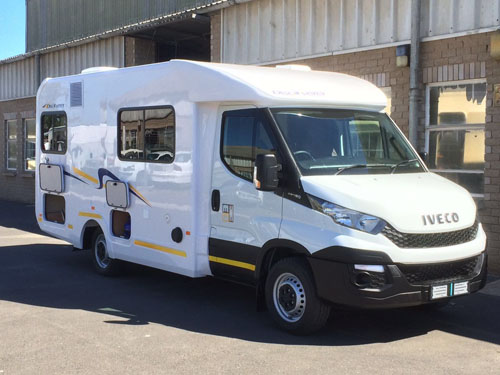
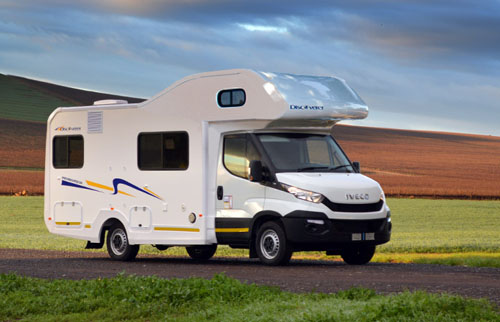
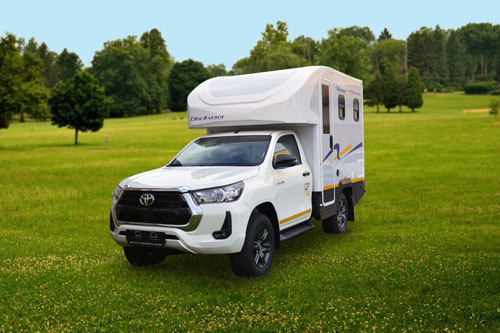
For seniors traveling in Zambia, a 4x4 campervan or a smaller, robust motorhome with good ground clearance and automatic transmission is often ideal for navigating the country's varied terrain, balancing comfort with maneuverability and easy-access features. Vehicles such as a "Patagonia Camper 4x4 double cab" or a "2 Person 4WD Camper" offer the necessary off-road capability while retaining convenient living spaces. Bandana Caravan, a true RV specialist, helps you compare a wide range of options to find the perfect fit.
To secure your preferred RV and avoid peak season surcharges, it is advisable to book your rental several months in advance, especially for popular travel periods like the dry season from May to October, when wildlife viewing is at its best. However, spontaneous bookings are also possible, as many national parks have first-come-first-serve spots.
Basic insurance is always included with your rental. To see prices including the most comprehensive coverage, select that option during your search; then, all relevant insurance options, such as those with a top-level deductible for extra peace of mind, will be clearly shown. This full transparency means no hidden fees and no surprises.
Pre-Trip Prep - Packing Checklist for RV Travel in Zambia
A comprehensive packing checklist is essential for any RV trip in Zambia, particularly for seniors, to ensure comfort and preparedness.
For clothing, pack lightweight, breathable long-sleeved shirts and trousers to protect against sun and insects, along with warm layers for cooler evenings, comfortable walking shoes, a wide-brimmed hat, sunglasses, and essential rain gear. Regarding kitchen supplies, bring reusable water bottles, water purification tablets or a filter system, basic spices, non-perishable snacks, and a cooler for drinks and fresh produce. Remember that RVs like the "cruise america rv rental example Explorer" often come with a 90-liter refrigerator, but extra cooling can always be helpful. For safety and health, a comprehensive first-aid kit, all personal prescription medications with copies of prescriptions, strong insect repellent, high-SPF sunscreen, hand sanitizer, a headlamp, a basic RV repair kit (including tire repair essentials), and a satellite communication device for remote areas are critical.
For documents and technology, ensure you have your passport, visa, a valid national driving license, and an International Driving Permit (IDP) as recommended for visitors from non-English speaking countries. Keep multiple copies of all important documents, your RV rental agreement, and travel insurance details easily accessible. Don't forget a power bank, a universal adapter, a camera, binoculars for wildlife viewing, downloaded offline maps for navigation (e.g., Maps.me or Google Maps), and a local SIM card for connectivity where available.
On the Road - Driving, Fueling, Navigation in Zambia
Navigating Zambia's roads requires careful attention and preparation, but it's an incredibly rewarding part of the RV rental adventure.
When driving your rented motorhome in Zambia, always maintain moderate speeds, particularly on unpaved roads and in areas with potential wildlife crossings. While you can drive almost anywhere without issues, a 4x4 RV, such as a "4x4 Camper B - TYR," is often recommended for off-the-beaten-path destinations and national parks where road conditions can be challenging. Drive slowly and carefully, just use common sense and pay attention. Remember, Zambia drives on the left side of the road.
Fuel stations are available in towns and along major routes, but they become significantly sparse in remote areas. Always fill up your tank whenever you see a station, and consider carrying extra fuel in jerry cans for isolated regions, especially if your RV, like a "Class C - Medium Plus," has a large 208-liter fuel tank. For navigation, utilize offline digital maps such as Maps.me or pre-downloaded Google Maps sections, alongside traditional paper maps. Mobile network coverage can be intermittent outside major population centers, making reliable offline navigation indispensable. Although your rental RV might include GPS, always have a backup.
At the Campground - Setup, Hookups & Etiquette in Zambia
Setting up your rented campervan at a Zambian campground involves a few practical steps and adherence to local etiquette, particularly concerning wildlife.
Upon arrival, park your RV on a level spot to ensure comfort inside. Extend awnings for shade, which is often crucial in Zambia's sunny climate, and deploy leveling jacks if needed to stabilize your mobile home. Always ensure your campsite is secure, especially in national parks or wilderness areas where animals may roam freely. For finding campsites and campgrounds during your trip, we recommend using RV PLANET (rvplan.net) - a great resource for locating available spots along your route.
If available, connect to shore power first, verifying the correct voltage to protect your RV's electrical system. Then connect your fresh water hose, and finally, the sewer (if applicable) using appropriate hoses and connectors. When it comes to campground etiquette, respect quiet hours, typically from 10 PM to 7 AM, to ensure everyone enjoys the tranquility of nature. Minimize generator use, keep campfires contained and only in designated areas, observe wildlife from a safe distance, secure all food items to prevent attracting animals, and dispose of all waste properly, adhering to 'leave no trace' principles. This ensures a harmonious experience for all campers and wildlife.
RV Travel for Seniors-Specific Tips for Zambia
RV travel in Zambia can be an incredible adventure for seniors, and a few tailored tips can enhance the comfort and enjoyment of the trip.
When choosing your rented RV, prioritize an ergonomic design with easy access to beds and bathrooms, sufficient interior space for comfortable movement, and an automatic transmission for simpler driving. Vehicles like a "2 Berth Sandpiper" or a smaller "Patagonia Camper 4x4 double cab" are often preferred by seniors due to their manageability and features. Pace your itinerary by planning shorter driving days with ample time for rest and exploration, avoiding over-scheduling. Incorporate buffer days for flexibility, allowing for unexpected delays or simply more time to savor a particularly beautiful spot. For instance, consider our Rent&Plan option, which offers pre-planned routes by professionals, helping you create a relaxed schedule with a 25% planning discount when using rvplan.net.
Health preparedness is paramount: carry a well-stocked first-aid kit, all personal prescription medications (with extra supply), and consult your doctor about necessary vaccinations and malaria prophylaxis well before departure. Research medical facilities along your chosen route for quick access if needed. Ensure you have reliable communication options, such as a local SIM card or a satellite phone for emergencies, especially in remote regions. Confirm your rental company offers 24/7 roadside assistance for pre-booking, booking, and post-booking coordination, as Bandana Caravan does, giving you peace of mind. Lastly, look for national parks and lodges that offer game drives with comfortable seating and less strenuous activity options, ensuring you can fully enjoy Zambia's spectacular wildlife without undue physical exertion.
Common Mistakes to Avoid During Your RV Rental in Zambia
Avoiding common pitfalls will make your RV rental adventure in Zambia smoother and more enjoyable, especially for first-time visitors.
One frequent mistake is underestimating travel times. Instead, factor in slower speeds on unpaved roads, potential wildlife crossings, and frequent stops for photos, allowing ample time to reach your destination before dusk. Remember that Zambia's landscapes are captivating, and you'll want to take your time to appreciate them, aligning with our recommendation for slow travel (max 100-150 km per day).
Another common oversight is not carrying enough local currency. Ensure you have sufficient Zambian Kwacha for small purchases, national park fees (which can be around $25-$50 USD per person per day), and fuel in remote areas, as card payments are not universally accepted. Ignoring wildlife safety protocols is also a critical error; always maintain a safe distance from animals, never feed them, and secure your campsite to prevent attracting unwanted visitors. Overlooking vehicle preparation is another pitfall; thoroughly check tire pressure, fluid levels, and emergency equipment before long drives, especially when heading to remote locations. This includes checking the RV's fresh water tank (e.g., 100-liter capacity on a "V3" campervan) and waste water tank.
Failing to book national park campsites or popular private campsites in advance, especially during the dry peak season, can lead to disappointment. While many spots are first-come-first-serve, securing your preferred location ahead of time is a good strategy. Lastly, disregarding cultural etiquette can lead to misunderstandings; research local customs, dress respectfully (especially when visiting communities), and always ask for permission before taking photos of people. This shows respect and enhances your interactions with the welcoming Zambian people.
What are the specific self-drive logistics and safety tips for RVing in Zambia?
Successful RVing in Zambia requires understanding unique self-drive logistics and adhering to critical safety tips to navigate its diverse landscapes.
Expect a mix of road conditions, ranging from well-maintained tarred roads between major towns to gravel and rough dirt tracks, especially when venturing into national parks and many rural routes. A 4x4 RV or campervan is not just recommended but often crucial for accessing these off-the-beaten-path destinations without issues. Drive slowly and carefully, and you can drive almost anywhere without issues. No need to stress - just use common sense and pay attention to your surroundings.
Fuel availability needs careful planning; plan fuel stops meticulously in towns and along main routes, and consider carrying extra jerry cans for remote stretches where stations can be infrequent. In case of breakdowns, it is vital to understand your rental company's roadside assistance policy. Equip your rented motorhome with a basic repair kit, including spare tires and a jack, and for truly remote areas, a satellite communication device is highly recommended for emergencies. For example, a "Truck Camper Slide-Dinette" has a fuel tank of 128 liters, but remote stretches still require caution.
Wildlife safety is paramount in Zambia. Always adhere strictly to national park rules, drive cautiously, especially at dawn and dusk when animals are most active, and never approach animals on foot. Keep all food secured inside your RV at campsites to prevent attracting wildlife. Carry a comprehensive list of local emergency services, your rental company's helpline, and your travel insurance contact information for quick access in any unforeseen situation. For ancillary costs beyond the RV rental itself, like fuel or park fees, remember that RV PLANET routes allow you to itemize and track every expense for easy budgeting. On the routes offered through RV PLANET routes, you can itemize and track every expense along the way for easy budgeting.
How much does an RV rental trip to Zambia cost, including all expenses?
The total cost of an RV rental trip to Zambia is dynamic and depends on several factors, including vehicle type, season, and your travel style, but typically ranges between $200-$600 USD per day when all expenses are considered.
The RV rental fee itself fluctuates significantly by RV size, model, age, and rental duration, with robust 4x4 campervans generally costing $150-$400 USD per day. For example, a basic "Active Classic" campervan might be on the lower end, while a fully equipped "Luxury" motorhome would be higher. Fuel costs are a significant component, as distances can be long, and fuel prices vary. Budget an estimated 10-15 Liters per 100 km for a typical campervan. National park entry fees are a notable expense, often ranging from $25-$50 USD per person per day, plus a per-vehicle fee. Campsite fees also contribute, with serviced national park or private lodge sites typically costing $15-$40 USD per night.
Don't forget visa costs, which depend on your nationality, and the optional but recommended comprehensive insurance coverage that extends beyond the basic inclusion to minimize out-of-pocket expenses in case of incidents. Food and activity expenses are also variable; budgeting for groceries (to cook in your RV kitchen, for which you can find ideas on our RV-friendly recipes playlist) and occasional restaurant meals, plus optional activities like guided safaris or white-water rafting (which can range from $50-$200+ USD), will help create a realistic overall trip budget. Prices are dynamic like flight tickets- they change daily based on availability, seasonality, and supplier marketing decisions, with the final price set at actual booking time.
What are recommended RV itineraries and routes for Zambia?
Recommended RV itineraries for Zambia often focus on its iconic national parks and natural wonders, with flexible options for different durations and interests.
A classic Southern Loop typically spans 10-14 days, starting from Livingstone to experience Victoria Falls, then heading northeast to Kafue National Park, one of Africa's largest and most diverse wildlife sanctuaries. From Kafue, you can choose to drive east towards Lusaka for resupply or explore more of southern Kafue's remote areas. For those with more time, a Northern Safari Adventure (14-21 days) could combine Victoria Falls with a flight to Mfuwe for a non-RV portion to explore South Luangwa National Park, renowned for its walking safaris. Alternatively, a longer, more challenging drive with a robust 4x4 RV could include remote gems like Bangweulu Wetlands or Kasanka National Park, particularly for birdwatching enthusiasts.
Route planning should prioritize well-maintained roads where possible, using reliable offline maps, and always calling ahead before driving to a campground. Consider border crossings if combining Zambia with neighboring countries like Botswana or Namibia, noting that specific permits and fees apply for taking a rental RV across borders. For example, our "One-Way RV Rental in Zambia - Price Guide 2026" offers details on potential fees for cross-border trips. Research campsites and lodges that welcome RVs, offering essential amenities like water, power, and security. Many national parks in Zambia reserve 25-30% of spots, with the rest being first-come-first-serve, meaning you'll find a spot; if not at the first campground, then the next one. We also have over 1,300 pre-planned routes across 5 continents via RV PLANET (rvplan.net), our sister company, which can offer detailed itineraries.
What vehicle requirements and rental specifics should I know for RVing in Zambia?
RVing in Zambia typically involves specific vehicle types and rental conditions tailored to the country's driving environment.
Most RV rentals available in Zambia are robust 4x4 campervans or fully equipped safari vehicles, often featuring roof-top tents or ground tents, which are highly suitable for navigating the challenging and varied terrains, especially within national parks. Larger Class A or Class C motorhomes, while common in other regions, are less frequently offered for self-drive tours in Zambia due to road conditions. For instance, a "2 Person 4WD Camper" or a "4x4 Scout Adventure Truck Camper Gold" provides the necessary resilience for Zambian roads.
When reviewing rental inclusions, confirm what essential camping gear, kitchen equipment, linen, fridge/freezer units, basic tools, and spare tires are provided by default, and what is available as an add-on. A standard car driver's license is sufficient for all motorhome classes (Class A, Class B, and Class C). An International Driving Permit (IDP) is recommended for visitors from non-English-speaking countries but is not mandatory in most cases for Zambia. Review comprehensive insurance options beyond basic coverage, particularly for off-road damage or additional liability, which can be an optional upgrade to a top-level deductible for extra peace of mind. Most rental companies have a minimum driver age of 21 (not 25), with no young driver surcharges or vehicle class restrictions based on age. It is always wise to verify these specifics directly with your chosen provider through Bandana Caravan.
Where can I find camping information and amenities for RVs in Zambia?
Finding reliable camping information and understanding available amenities for RVs in Zambia is crucial for planning a comfortable and well-supported trip.
Many national parks in Zambia, such as South Luangwa and Kafue National Parks, offer designated public campsites. These campsites can range from basic, with minimal facilities, to semi-serviced, providing essential amenities. Booking these directly with the Department of National Parks and Wildlife (DNPW) or individual park management is often required, especially for popular areas. Numerous private lodges and guesthouses also offer private campsites, which typically provide better amenities, including hot showers, flush toilets, and sometimes access to lodge facilities like restaurants or pools. These usually require advance booking and can be found on platforms like RV PLANET (rvplan.net).
Wild camping, while offering immense freedom, is generally not permitted within national parks or private conservancies due to wildlife safety and conservation efforts. Specific rules for camping outside these protected areas vary by region and should be researched carefully for both safety and legality. Look for campsites that offer fresh water, electricity hookups (though these are not always guaranteed outside major sites), and waste disposal facilities. Many RV rentals often come equipped with essential camping gear, but always confirm what's included and what's available for hire to ensure a self-sufficient journey.
How can I stay connected and communicate in remote areas of Zambia?
Staying connected and ensuring reliable communication in Zambia's remote areas requires strategic planning beyond typical mobile network reliance.
Main mobile network providers like MTN, Airtel, and Zamtel offer decent 3G/4G coverage in major towns and along primary routes. However, coverage quickly diminishes and can be intermittent or non-existent in national parks and rural wilderness areas. Purchasing a local SIM card upon arrival, readily available at airports and in major towns, is advisable for cheaper calls and data, but anticipate varying network reliability outside urban centers. Data packages are generally affordable, but expect slower speeds and patchy service in less populated regions.
For navigation, downloading comprehensive offline maps (e.g., Maps.me, Google Maps) before your trip is essential, as GPS signal is often more reliable than cellular data in remote locations. For truly remote self-drive trips, a satellite phone or a personal satellite messenger (e.g., Garmin inReach, Spot device) is highly recommended for emergency communication. These devices provide a lifeline when mobile networks fail, ensuring you can reach assistance if needed, a crucial consideration for any extensive RV rental adventure in a country like Zambia.
What cultural etiquette should RV travelers observe in Zambia?
Observing local cultural etiquette in Zambia is key to fostering positive interactions and showing respect during your RV travels.
Always greet people respectfully; a simple 'Muli bwanji?' (How are you?) in Nyanja, one of Zambia's widely spoken languages, is a thoughtful gesture. The response is typically 'Bwino, bo?' (Fine, and you?). Dress modestly, especially when visiting rural areas, local markets, or cultural sites; shoulders and knees should ideally be covered for both men and women to show respect. When it comes to photography, always ask for permission before taking photos of individuals, particularly children, and gracefully accept their decision if they decline. This demonstrates cultural sensitivity and builds trust.
Bargaining is common in local markets, but do so politely and with a friendly demeanor; it is part of the cultural exchange rather than an aggressive negotiation. Be open to engaging with local communities, but be mindful of their privacy and daily life. It is generally advised to avoid giving money to children directly; instead, consider donating to local schools, community projects, or reputable charities. Always dispose of all waste responsibly and minimize your environmental footprint, adhering to 'leave no trace' principles, especially when visiting pristine natural areas. These considerations enhance your journey and leave a positive impression.
What health and medical precautions are essential for RV travel in Zambia?
For seniors undertaking an RV rental trip in Zambia, comprehensive health and medical precautions are essential to ensure a safe and comfortable journey.
Zambia is a malaria-risk area, making malaria prophylaxis a primary concern. Consult your doctor about appropriate antimalarial medication well before your trip, as different medications have varying side effects and regimens. Pack a robust first-aid kit including bandages, antiseptic wipes, pain relievers, anti-diarrhea medication, rehydration salts, allergy medication, and any personal prescription drugs in sufficient quantities for your entire trip, plus a small buffer. Ensure all routine vaccinations are up-to-date, and discuss additional recommended vaccines such as Yellow Fever (mandatory for entry from certain countries), Hepatitis A and B, and Typhoid with your healthcare provider.
Water safety is crucial; drink only bottled or purified water to avoid waterborne illnesses. RVs typically have fresh water tanks (e.g., 82 liters on a "cruise america rv rental example Explorer"), but always ensure your drinking water supply is safe. Use strong insect repellent, especially at dawn and dusk, sleep under mosquito nets if your RV allows for open windows at night, and wear long clothing to minimize mosquito bites. While major cities like Lusaka and Livingstone have reasonable medical facilities, services are limited in remote areas. It is vital to understand your travel insurance coverage for medical emergencies and potential medical evacuation. Protect yourself from the intense African sun with high-SPF sunscreen, wide-brimmed hats, and quality sunglasses to prevent sunburn and heatstroke.
What You Shouldn't Miss
- Victoria Falls (Mosi-oa-Tunya National Park): Witness the awe-inspiring power of the "Smoke that Thunders," especially during high flow (February-May). Take a scenic drive in your rented RV to the various viewpoints or try a thrilling helicopter ride.
- South Luangwa National Park: Embark on world-class game drives or unique walking safaris, renowned for its high concentration of leopards. A 4x4 campervan is ideal for reaching and exploring this incredible park.
- Kafue National Park: Explore Zambia's largest national park, offering diverse ecosystems and incredible birdlife. Navigate the park's expansive network of tracks in your robust RV, experiencing true wilderness.
- Lake Kariba: Drive to the shores of this massive man-made lake for stunning sunsets, fishing, or relaxing at an RV-friendly campsite. It's a fantastic spot for unwinding after a few days of safari.
- Lusaka Markets: Dive into the vibrant local culture by visiting bustling markets like Soweto or City Market in Lusaka. It's a chance to connect with locals and sample authentic Zambian food.
- Lower Zambezi National Park: Experience unparalleled river-based wildlife viewing with canoe trips or boat safaris. Many lodges near the park offer RV camping with access to these unforgettable guided experiences.
Looking for expert insights from Avi Bandana? Top 5 Adventures - recommendations from Avi Bandana
🎬 Video coming soon
Final Thoughts
Exploring Zambia in a rented RV offers an incredible sense of freedom and immersion, allowing you to connect deeply with its stunning nature and vibrant culture. With careful planning and attention to detail, particularly regarding vehicle choice and itinerary pacing, seniors can enjoy a truly comfortable and unforgettable African adventure.
At Bandana Caravan, we are committed to making your journey seamless. We handle the details, so you can truly live the journey, supported by our expertise and transparent service. We understand that God is in the small details, and we take care of them, because that's what makes the big difference in your travel experience.
So, whether you're dreaming of Victoria Falls or the vast plains of Kafue National Park, an RV rental in Zambia awaits. Get inspired for your next trip and discover top destinations, planning tips, all in one place!
Find Campervan Rental for Seniors in Zambia now, and start building your custom itinerary with Bandana Caravan.