In This Guide
- Top 5 Tips for RV Rental for Seniors in West Canada
- Before You Book - Class, Dates, Insurance
- Pre-Trip Prep - Packing Checklist for West Canada
- On the Road - Driving, Fueling, Navigation
- At the Campground - Setup, Hookups & Etiquette
- Seniors-Specific Tips for West Canada
- Common Mistakes to Avoid in West Canada
- Is it cheaper to rent an RV or stay in hotels in Canada?
- What is the best time of year to RV in Western Canada?
- What are the rules for RV camping in Canada?
- How much does it cost to rent an RV in Western Canada?
- Do you need a special license to drive an RV in Canada?
- What RV size is best for Canada?
- How far in advance should I book an RV in Canada?
- What are some hidden gems for RV travel in Western Canada?
- What are the rules for boondocking in Canada?
- What are the best RV routes in Western Canada?
- Is it safe to drive an RV in the Canadian Rockies?
- Can I RV in Canada if I'm from the US?
- What are the best RV parks for seniors in Western Canada?
- Are RV rentals pet friendly in Western Canada?
- What is the average gas mileage for an RV in Canada?
Embarking on an RV rental adventure in West Canada as a senior traveler offers unparalleled freedom and comfort to explore some of the world's most breathtaking landscapes. Imagine waking up to the majestic Canadian Rockies right outside your window, or enjoying a freshly brewed coffee while overlooking a serene glacial lake. With over 20 years of experience helping tens of thousands of travelers explore the world by RV since 2001, Bandana Caravan knows that a well-planned trip makes all the difference, especially for seniors seeking a relaxed and enjoyable journey. We pride ourselves on full transparency, ensuring no hidden fees or surprises throughout your booking process, because we sell the way we'd like to buy.
For live availability and current prices, start with our RV Rental West Canada - Complete Guide 2026 guide. This comprehensive resource is designed to help you discover all the possibilities for your next Canadian motorhome adventure.
Top 5 Tips for RV Rental for Seniors in West Canada
Ensuring a comfortable and stress-free RV rental experience for seniors in West Canada starts with careful planning and smart choices, focusing on vehicle suitability, timely booking, and essential preparations. Firstly, opting for smaller, more maneuverable RV classes like Class B campervans or Class C motorhomes, typically under 25 feet, will significantly ease driving and parking in Western Canada's varied terrain, including cities and winding mountain roads. Drive slowly and carefully, and you can drive almost anywhere without issues. No need to stress - just use common sense and pay attention.
Secondly, booking your motorhome well in advance is crucial, particularly if you plan to travel during the popular peak season from June to September, to secure your preferred RV models and coveted campground spots. Many national and state parks reserve only 25-30% of their spots in advance, leaving the rest for first-come-first-serve, so you'll always find a spot, even if it's not at the first campground you check - just call ahead before driving.
Thirdly, selecting a rental RV with senior-friendly amenities, such as an easy-access bathroom, lower entry steps, and supportive seating, will greatly enhance your comfort and safety on the road. Bandana partners with leading RV suppliers worldwide, including trusted names like El Monte and Apollo, to offer a diverse fleet that caters to various needs, ensuring you find the perfect mobile home for your journey.
Fourth, when planning your route, incorporate realistic daily driving distances, aiming for a maximum of 100-150 km per day on average, and schedule frequent stops for rest and to enjoy West Canada's scenic viewpoints and charming towns. This slower pace allows you to truly feel the place, connect to the culture, the food, and the scenery, making the journey as enriching as the destination.
Finally, ensure comprehensive insurance coverage is in place, reviewing options for roadside assistance and collision protection specific to your needs. While basic insurance is typically included, you can upgrade to a top-level deductible for extra peace of mind, providing reimbursement for unexpected incidents. Our 24/7 support is with you before, during, and after your booking, making sure all your questions are answered and you have a smooth process.
Before You Book - Class, Dates, Insurance
Choosing the right RV rental class for seniors in Western Canada involves balancing comfort with maneuverability, with Class B campervans and smaller Class C motorhomes often recommended for their ease of driving and parking. A compact campervan like the "Category Van" is ideal for a couple, offering front air conditioning, a shower, and a toilet in a small RV size, making it perfect for navigating varied terrain. These smaller models, typically 20-25 feet, prove less physically demanding to operate and park compared to larger Class A motorhomes, offering a comfortable yet agile experience.
Locking in your RV rental dates for a West Canada trip is best done 6-12 months in advance, particularly if you're traveling during the popular summer months of June to September or for specific events. This early planning helps secure your preferred RV model and often results in more competitive rates, as prices are dynamic like flight tickets and change daily based on availability and seasonality. For travelers interested in value, consider our "RV Rental Deals in West Canada - Latest Offers 2026" to find current promotions.
When considering insurance, basic coverage is typically included with your RV rental; however, renters should explore additional options for comprehensive protection like supplemental liability insurance, personal accident insurance, and extended roadside assistance to ensure peace of mind. You can upgrade to a top-level deductible for extra peace of mind, minimizing your out-of-pocket expenses in unforeseen circumstances. Our full transparency means you'll see all costs upfront, with no hidden fees or surprises, ensuring a clear understanding of your insurance options.
Pre-Trip Prep - Packing Checklist for West Canada
Preparing a tailored packing list for a Western Canada RV trip ensures comfort and readiness for diverse conditions, from mountain highs to valley lows. Essential clothing includes layers for variable mountain weather, such as a rainproof jacket and pants, warm fleeces or sweaters, and quick-dry items for easy laundry. You'll want sturdy hiking shoes or comfortable walking boots for exploring national parks and scenic trails.
For your rented RV's kitchen, pack essentials for cooking on the go, such as non-perishable foods, spices, and a few favorite RV-friendly recipes playlist ingredients to make meal prep a breeze. Most RVs come with basic kitchenware, but personal touches make it feel like home. Remember reusable water bottles to stay hydrated and reduce waste.
Safety items are critical, including a personalized first-aid kit with any necessary medications, a headlamp or flashlight with extra batteries, and a GPS device or reliable offline maps for areas with limited cell service. Bear spray is also a common item for wilderness excursions in West Canada, but always know how to use it safely and check local regulations.
Crucial documents include your driver's license (a standard car license is sufficient for all motorhome classes), passport or ID, and travel insurance documents. An International Driving Permit (IDP) is recommended for visitors from non-English-speaking countries but is not mandatory in most cases. Don't forget your RV rental agreement and contact information for Bandana's 24/7 support. Park passes or reservations, like the Parks Canada Discovery Pass, should also be secured in advance for seamless entry into national parks.
On the Road - Driving, Fueling, Navigation
Driving a rented RV in Western Canada requires careful attention, especially on mountain passes and winding roads, where slower speeds and careful braking are important for safety. While larger motorhomes can navigate these routes, Class B campervans or medium-sized Class C motorhomes like a "cruise america rv rental example Explorer" with an automatic transmission and dimensions of 7.1m length and 2.78m width, often provide a more comfortable experience. Remember, you can drive almost anywhere without issues, just take it slow and be observant. Canada drives on the right side of the road, similar to the US, and speed limits are posted in kilometers per hour.
Fueling an RV in Western Canada means planning stops in advance, particularly in remote areas where gas stations can be scarce; larger towns and cities offer more frequent options. Diesel and regular unleaded gasoline are readily available, but it's wise to fill up whenever you see a station, especially before entering national parks or driving long stretches like the Icefields Parkway where facilities are minimal. For a comprehensive overview of trip expenses including fuel, campground fees, and more, remember that RV PLANET routes allow travelers to itemize and track every expense along the way for easy budgeting. On the routes offered through RV PLANET routes, you can itemize and track every expense along the way for easy budgeting.
Effective navigation tools for an RV trip in West Canada include reliable GPS systems, up-to-date physical maps for areas with limited cell service, and pre-downloaded offline maps. Cell service can be spotty in the mountainous and remote regions of West Canada, so don't rely solely on your smartphone for directions. Always be mindful of wildlife on roads, particularly at dawn and dusk, by adhering to posted wildlife warnings and reducing your speed in these areas. You’ll be sharing the roads with deer, elk, and even bears.
🎬 Video coming soon
At the Campground - Setup, Hookups & Etiquette
Setting up a rented RV at a campground in Western Canada involves a few straightforward steps: first, carefully park and level your motorhome using blocks if necessary to ensure comfort and proper functioning of onboard systems. Next, connect your utilities following the standard order: electrical hookup first, then the freshwater hose, and finally the sewer hose. Always ensure your waste valves are closed before connecting the sewer hose and opened only when ready to dump, preventing any surprises.
Campground etiquette is essential for a pleasant experience for everyone, including adhering to quiet hours (typically 10 PM to 7 AM), respecting the privacy of your fellow campers, and managing waste properly by using designated disposal sites for grey and black water. Always keep pets on a leash and clean up after them, as many campgrounds are pet-friendly but require responsible pet ownership. Before settling in, take a moment to familiarize yourself with any campground-specific rules upon arrival, which are usually provided at check-in or posted prominently.
Many campgrounds in West Canada offer a range of amenities, from basic dry camping spots to full hookups with water, electricity, and sewer connections. For seniors, choosing sites with full hookups often adds an extra layer of convenience, minimizing the need to move the RV for water refills or waste disposal. Our specialists understand these details and help tens of thousands of travelers each year, having established direct partnerships with 50+ leading RV suppliers worldwide, including Apollo and Britz.
Seniors-Specific Tips for West Canada
Traveling by RV rental in West Canada as a senior offers incredible opportunities for exploration and relaxation, and a few tailored tips can make the journey even more enjoyable. Firstly, consider renting a smaller RV class, such as a Class B campervan or a compact Class C motorhome like the "hire campervan example Paradise S/T", for easier maneuverability and parking, which can be less physically demanding on longer trips. These vehicles often feature automatic transmissions, front air conditioning, and convenient layouts suitable for couples.
Prioritize RVs with features that enhance comfort and safety, including lower entry steps, grab bars, and easily accessible bathrooms. Some modern campervans, such as the "V3" model (6.36m length, 2.05m width), offer a comfortable rear double bed and a marine toilet, making daily living more convenient. When looking at vehicle options, ask about these interior comforts to ensure your chosen motorhome meets your specific needs. Our true RV specialists are here to provide personal service from day one, helping you compare final prices across 50+ suppliers and find the perfect fit.
Plan shorter daily driving distances and schedule frequent breaks to reduce fatigue and allow for more leisurely exploration of West Canada's stunning landscapes. Aim for an average of 100-150 km per day, giving you ample time to savor each destination. Utilize online resources and apps to find senior-friendly campgrounds offering amenities such as paved, level sites, laundry facilities, and easy access to services, which can greatly improve your overall comfort and convenience. For routes and campsite ideas, RV PLANET (rvplan.net) offers 1,300+ pre-planned routes across 5 continents, including detailed itineraries for West Canada.
Finally, ensure your travel insurance comprehensively covers any pre-existing medical conditions and includes robust emergency medical and evacuation coverage. This transparency in preparation means no surprises if unexpected health issues arise during your adventure. Remember, you can always upgrade to a top-level deductible for added financial peace of mind. Bandana's experience, built since 2001, ensures we cover the small details that make a big difference in your travel planning.
Common Mistakes to Avoid in West Canada
One of the most common mistakes RV renters make in West Canada is underestimating driving times in mountainous terrain; instead, always allocate extra time for scenic routes and unexpected delays, especially with a larger RV rental. Mountain roads, such as those through the Canadian Rockies, can be winding and require slower speeds, affecting your daily travel mileage significantly. Driving slowly and carefully, you can navigate almost any road without issues.
Neglecting to book campgrounds in advance, particularly in popular national parks like Banff or Jasper during peak season (July and August), often leads to disappointment and scrambling for last-minute spots. Instead, secure your campsites months ahead, especially for popular locations. While many parks offer first-come-first-serve sites, these fill up quickly, leaving fewer options if you arrive unprepared. For finding campsites and campgrounds during your trip, we recommend using RV PLANET (rvplan.net) - a great resource for locating available spots along your route.
Failing to research specific road restrictions for RVs, such as height clearances for certain tunnels or weight limits on particular bridges, can cause significant detours and delays. Always check local road conditions and RV advisories before departure. For example, some provincial parks may have length restrictions for larger motorhomes. Overpacking is another frequent mistake, leading to reduced fuel efficiency and difficult maneuverability; instead, pack light and utilize multi-purpose items, as most rented motorhomes and campervans offer ample storage but can become cramped quickly. Budgeting for ancillary costs like fuel and campsite fees is also crucial, and tools on RV PLANET routes can help itemize every expense along the way.
Ignoring wildlife safety protocols is hazardous and can result in fines or dangerous encounters. Instead, educate yourself on bear safety, secure all food properly (never in your tent or an unlocked vehicle), and maintain a safe distance from all animals. Never feed wildlife, and always carry bear spray when hiking in designated areas. Our supportive approach means we want you to have a safe and enjoyable trip, so always prioritize common sense and local guidelines.
Is it cheaper to rent an RV or stay in hotels in Canada?
Renting an RV in Canada can often be more cost-effective than staying in hotels, particularly for extended trips or larger groups, primarily due to significant savings on accommodation and dining. For example, a week-long RV rental for a family of four might incur average daily costs of CAD$150-CAD$300 for the vehicle, plus campground fees ranging from CAD$30-CAD$70 per night for a full hookup site. This compares favorably to booking multiple hotel rooms and eating out for every meal, which can quickly accumulate expenses of CAD$400-CAD$800+ per day in popular tourist areas.
RV travel offers immense flexibility in cooking meals, significantly reducing restaurant expenses. A rented motorhome or campervan typically includes a functional kitchen with a stove, refrigerator, and sink, allowing you to prepare breakfasts, lunches, and even dinners onboard. This can result in considerable savings on food costs over a two-week adventure. Imagine preparing a delicious meal in your compact "V2L" campervan, which includes a gas stove and an 80-liter refrigerator, for under CAD$50, compared to a restaurant bill of CAD$150 or more.
When comparing total expenses, travelers should consider fuel costs, which average 15-30 L/100km for RVs in Canada, campground fees, potential ancillary rental charges (e.g., mileage limits, generator usage), national park permits, and tolls. However, the ability to visit multiple locations without the need for repetitive hotel bookings, combined with the option for more affordable meals, often makes RV rental a superior value proposition for a family or group exploring West Canada. For precise budgeting, RV PLANET routes offer tools to itemize and track every potential trip expense.
What is the best time of year to RV in Western Canada?
The best time of year to explore Western Canada by RV is typically from June through September, offering the most favorable weather conditions, open mountain passes, and full access to campgrounds and attractions. During these summer months, temperatures are generally warm and pleasant, ranging from 18-25°C (64-77°F) in the valleys and cooler at higher elevations, making for ideal outdoor activities.
July and August represent the peak season, providing the warmest temperatures and the longest daylight hours, which are perfect for extended exploration. However, this period also sees higher prices for RV rentals and more crowded sites in popular destinations like Banff and Jasper National Parks. Booking 6-12 months in advance is essential to secure your preferred Class C motorhome or campervan and campsite reservations during these busy months.
Late May to early June and September offer excellent shoulder season alternatives, with pleasant weather, fewer crowds, and potentially lower rental rates. During these times, most major attractions and roads are open, but you might encounter cooler temperatures, especially in the mornings and evenings, requiring appropriate layering of clothing. Winter RVing is possible but requires a specialized cold-weather RV and adherence to challenging winter driving conditions, so it's generally not recommended for first-time or senior RV renters in West Canada. Always check local road reports for conditions before driving.
What are the rules for RV camping in Canada?
RV camping in Canada generally requires adherence to specific rules that vary depending on whether you are in a national park, provincial park, or private campground, with all requiring reservations during peak seasons. National Parks, such as Banff and Jasper, often mandate the purchase of a Parks Canada Discovery Pass in addition to campsite fees, and campsite reservations can often be made up to a year in advance for popular spots. Provincial parks also typically require fees and advance booking, especially for popular campgrounds.
Rules commonly cover quiet hours, typically from 10 PM to 7 AM, which must be respected by all campers to ensure a peaceful environment. Proper waste disposal, including grey and black water, is strictly enforced, and designated dump stations are readily available at most developed campgrounds. Campfire regulations are also common, with fire bans frequently enacted during dry periods; always check for current fire restrictions before lighting a campfire. For cooking needs, a standard RV kitchen features a gas stove, like in the "MIA" Class C motorhome, enabling you to prepare meals efficiently.
Wildlife safety is paramount, particularly in national and provincial parks, where strict rules on food storage are in place to prevent animal encounters. All food and scented items must be stored in bear-proof containers or inside your locked, rented RV. Boondocking, or dispersed camping, rules vary by province and specific land management authority, and while it's often permitted on vast areas of Crown Land, specific permits or conditions may apply, particularly in British Columbia. For finding campsites and understanding regulations during your trip, we recommend using RV PLANET (rvplan.net).
How much does it cost to rent an RV in Western Canada?
The cost to rent an RV in Western Canada can vary significantly, typically ranging from CAD$100 per night for a compact campervan to over CAD$400 per night for a large, luxurious Class A motorhome, depending on the RV class, rental season, duration, and included amenities. For example, a smaller Class B campervan like the "Group A" might start at around CAD$100-CAD$180 per night in the shoulder season, while a spacious Class C motorhome such as the "MH-B" could be CAD$250-CAD$450+ per night during peak summer.
Smaller campervans (Class B) are generally on the lower end of the pricing spectrum, offering essential features like a gas stove and refrigerator, ideal for a couple on a budget. Larger Class A and Class C motorhomes, like the "MHC30" which sleeps up to 9 people and features an oven, microwave, and separate shower, command higher daily rates but provide significantly more space and amenities. Prices are dynamic and change daily based on availability, seasonality, and supplier marketing decisions, so early booking is often advantageous.
Additional costs beyond the base rental price include mileage fees (some rentals offer unlimited mileage packages, others charge per km over a certain limit), insurance (though basic coverage is typically included, additional options like a top-level deductible are recommended), generator usage fees (if applicable, typically CAD$5 per hour), preparation fees, and taxes. Fuel costs are also a substantial part of the budget, with RVs typically consuming 15-30 liters per 100 kilometers. For a detailed breakdown of costs for your specific trip, check out our "RV Rental in West Canada - Prices and Best Deals 2026" guide or explore RV PLANET routes to track expenses. Remember, we pride ourselves on full transparency, so you'll always know the final price at the time of booking.
Do you need a special license to drive an RV in Canada?
No, generally you do not need a special license to drive most RVs in Canada if you hold a valid non-commercial driver's license from your home country or province. A standard car driver's license is sufficient for operating all classes of motorhomes (Class A, Class B, and Class C) rented in Canada, as these vehicles typically fall within the weight limits that do not require a Commercial Driver's License (CDL). This is excellent news for seniors, as it means no additional training or permits are necessary to embark on their West Canada RV adventure.
Most rental RVs, including Class B campervans like the "V2L" and standard Class C motorhomes, fall within the weight limits, typically up to 11,000 kg (24,250 lbs), that are covered by a standard Class 5 or equivalent driver's license. For visitors from non-English-speaking countries, an International Driving Permit (IDP) is recommended to supplement your national license but is not mandatory in most cases, as long as your home license is valid and clearly legible in English or French. We recommend carrying both your original license and an IDP for maximum convenience and peace of mind.
There are no special age-related restrictions or young driver surcharges for seniors renting RVs in West Canada, with the minimum rental age being 21. This contrasts with some regions where age 25 is often a requirement. Bandana Caravan ensures full transparency on all licensing and age requirements, and our 24/7 support team is always available to clarify any questions you might have before or during your booking process. We make sure the details are handled, so you can focus on living the journey.
What RV size is best for Canada?
The best RV size for Canada, particularly Western Canada's varied landscapes, often depends on the traveler's comfort with driving larger vehicles and their itinerary, with smaller Class B campervans and Class C mid-size motorhomes frequently preferred for their maneuverability. For seniors, a compact RV like a Class B campervan, such as the "Combi Van" (5m length, 1.95m width), is ideal for its car-like handling, making it easy to navigate city streets, winding mountain roads, and tight campground spaces. Drive slowly and carefully, and you can drive almost anywhere without issues.
Class B campervans, typically under 6 meters (20 feet), are excellent for couples and offer essential amenities like a gas stove, refrigerator, and sometimes a toilet, making them a popular choice for those seeking agile exploration. Smaller Class C motorhomes, usually 6-8 meters (20-26 feet) long, such as the "MH19 Small - Economy" model, provide a good balance of interior space with a separate shower and toilet, and relatively easy driving. These are great for couples or small families, offering comfortable sleeping for 4.
Larger Class C and Class A RVs (over 26 feet) offer more interior space, private bedrooms, and luxurious amenities like slide-outs, which can be appealing for longer trips or larger groups. However, they can be more challenging to drive on narrow roads, park in urban areas, and may have restricted access to certain campgrounds or smaller provincial parks. Ultimately, for seniors, a more compact and easily managed RV generally enhances the travel experience by reducing driving stress and simplifying parking. Our true RV specialists can help you compare vehicle options and ensure your chosen rented RV matches your comfort level and travel plans.
How far in advance should I book an RV in Canada?
It is highly recommended to book an RV rental in Canada at least 6 to 12 months in advance, especially if you plan a trip during the peak summer months (June to September) or have specific RV model preferences. This early booking window ensures better availability of your preferred motorhome type, such as a Class C family model or a compact campervan, and often allows you to secure more competitive rates, as prices are dynamic and increase with demand.
Peak season availability for RVs in popular regions like West Canada's national parks diminishes rapidly, with many desirable models and campsites becoming fully booked well in advance. For example, a week-long or two-week adventure through Banff and Jasper will require pre-booked campsites. However, don't despair if you're a spontaneous traveler: many national and provincial parks reserve 25-30% of their spots for first-come-first-serve visitors, so you'll always find a place to stay; just call ahead before driving to the campground.
For shoulder seasons (late spring/early fall), booking 3-6 months out may suffice to find a good selection of rental RVs. Last-minute deals on quality RVs in popular regions are rare, as demand generally outstrips supply. Bandana Caravan, with over 20 years of experience, specializes in helping travelers compare prices across 50+ leading suppliers like El Monte and Cruise America, ensuring full price transparency and the best possible deal. We handle the details, so you can focus on planning your dream itinerary, perhaps with one of our 1,300+ pre-planned routes available on RV PLANET (rvplan.net).
What are some hidden gems for RV travel in Western Canada?
Beyond popular destinations like the Icefields Parkway, Western Canada offers numerous hidden gems for RV travel, including the remote beauty of the Kootenay Rockies, the vastness of the Cariboo Chilcotin Coast, and the cultural richness of Vancouver Island's less-traveled spots. For instance, the Kootenay region in British Columbia boasts natural hot springs, charming small towns like Nelson, and stunning provincial parks such as Kokanee Creek Provincial Park, which offers 80+ campsites and ample hiking trails.
Explore provincial parks like Wells Gray Provincial Park in British Columbia, renowned for its spectacular waterfalls including Helmcken Falls, where you can find over 100 campsites. Another unique destination is Cypress Hills Interprovincial Park, straddling the Alberta-Saskatchewan border, which offers a distinct ecology with lodgepole pine forests and dark skies perfect for stargazing from your rented motorhome. This park features numerous camping options, including sites with electrical hookups.
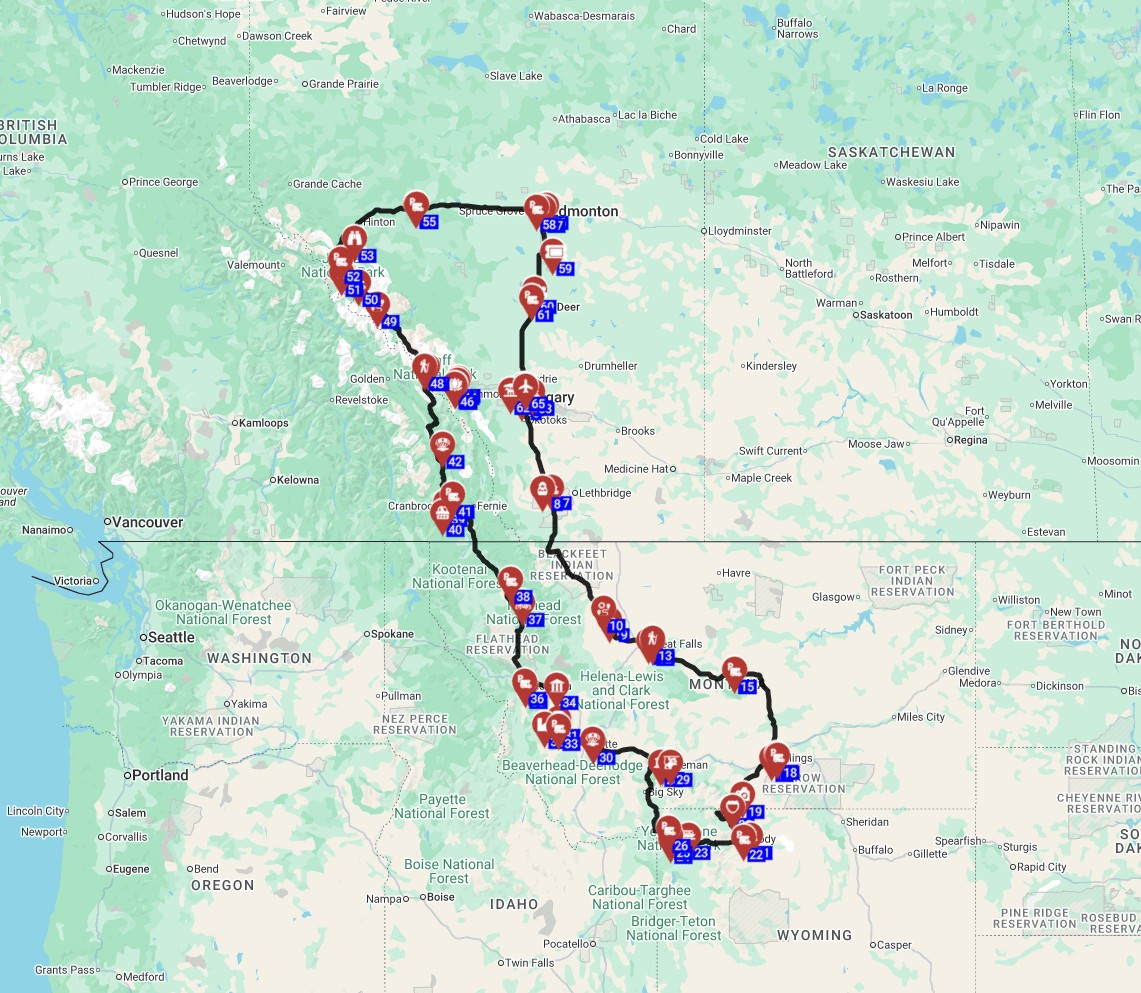
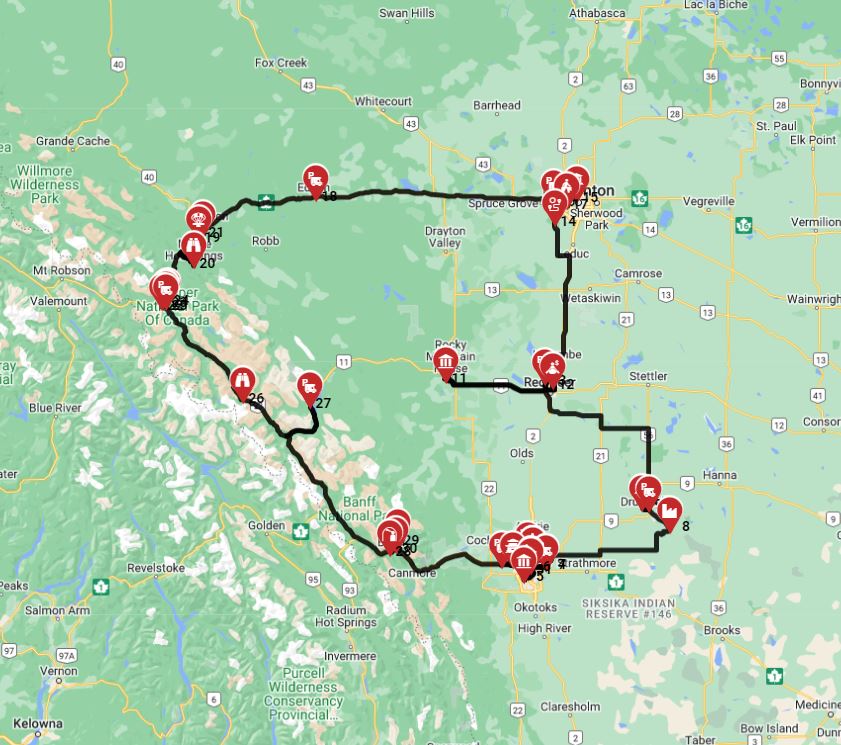
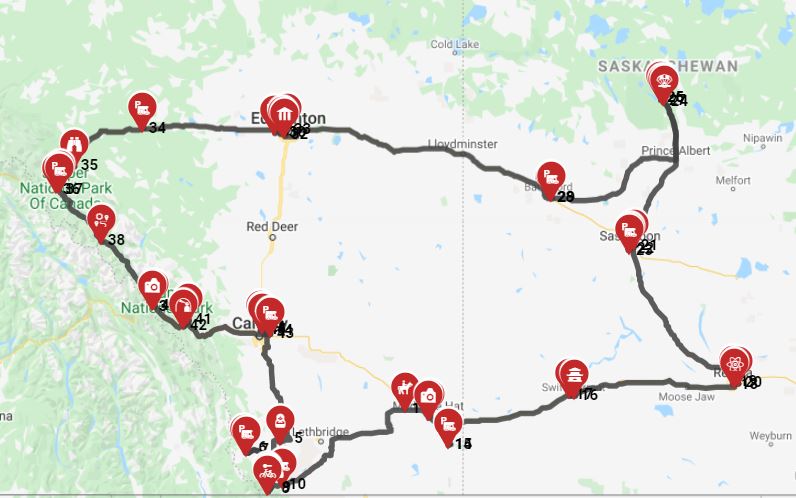
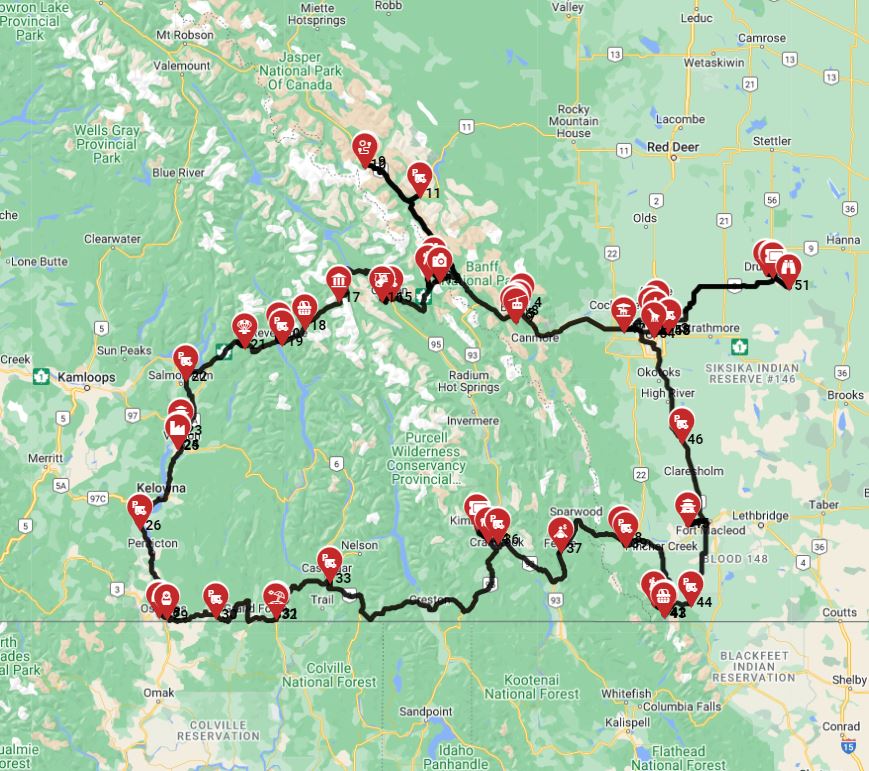
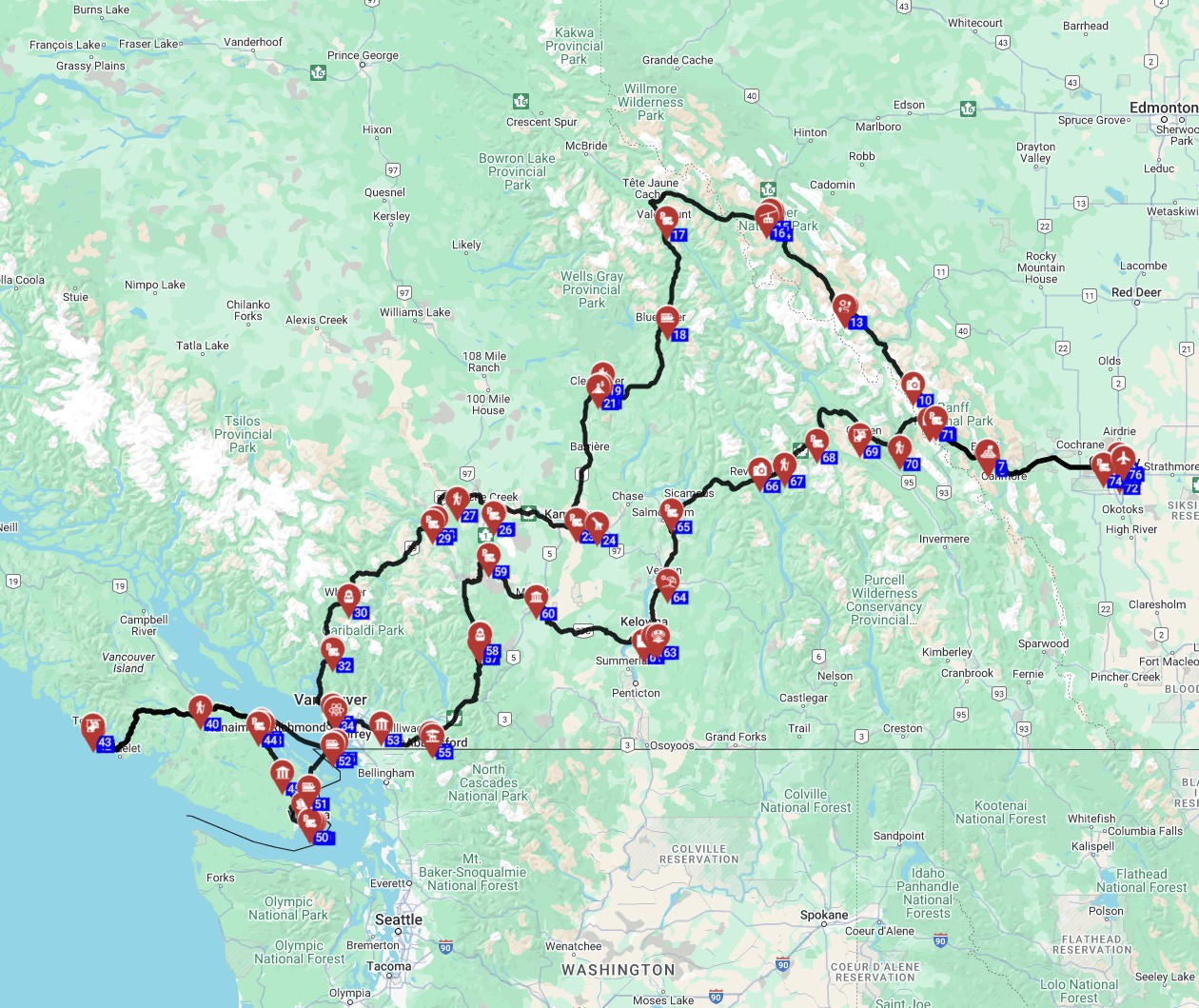
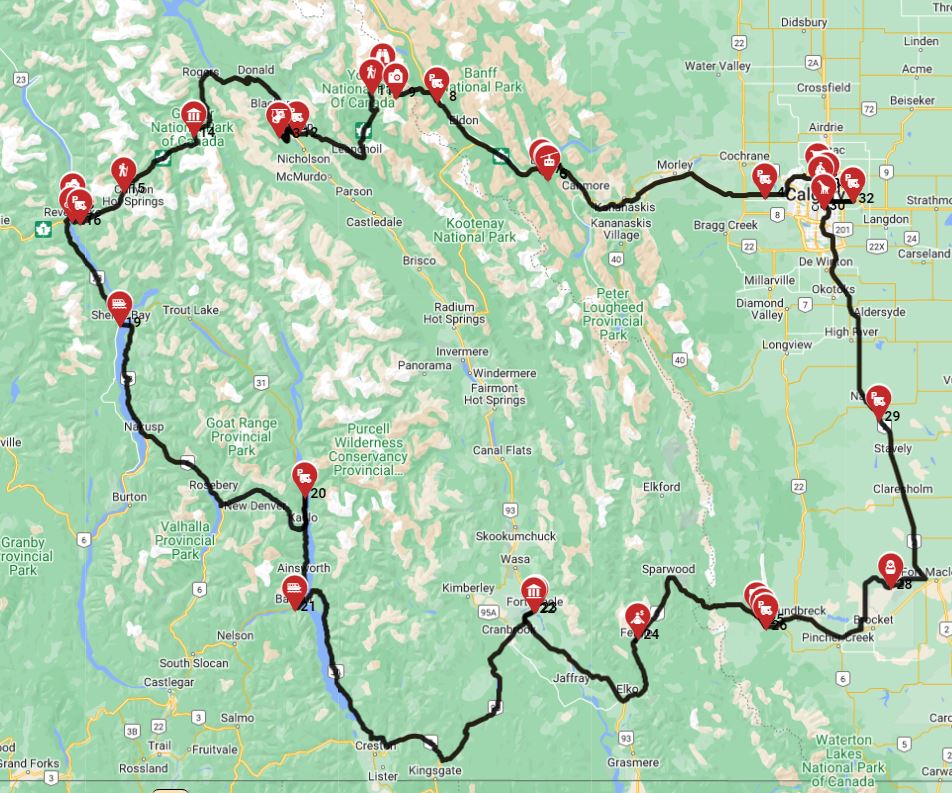
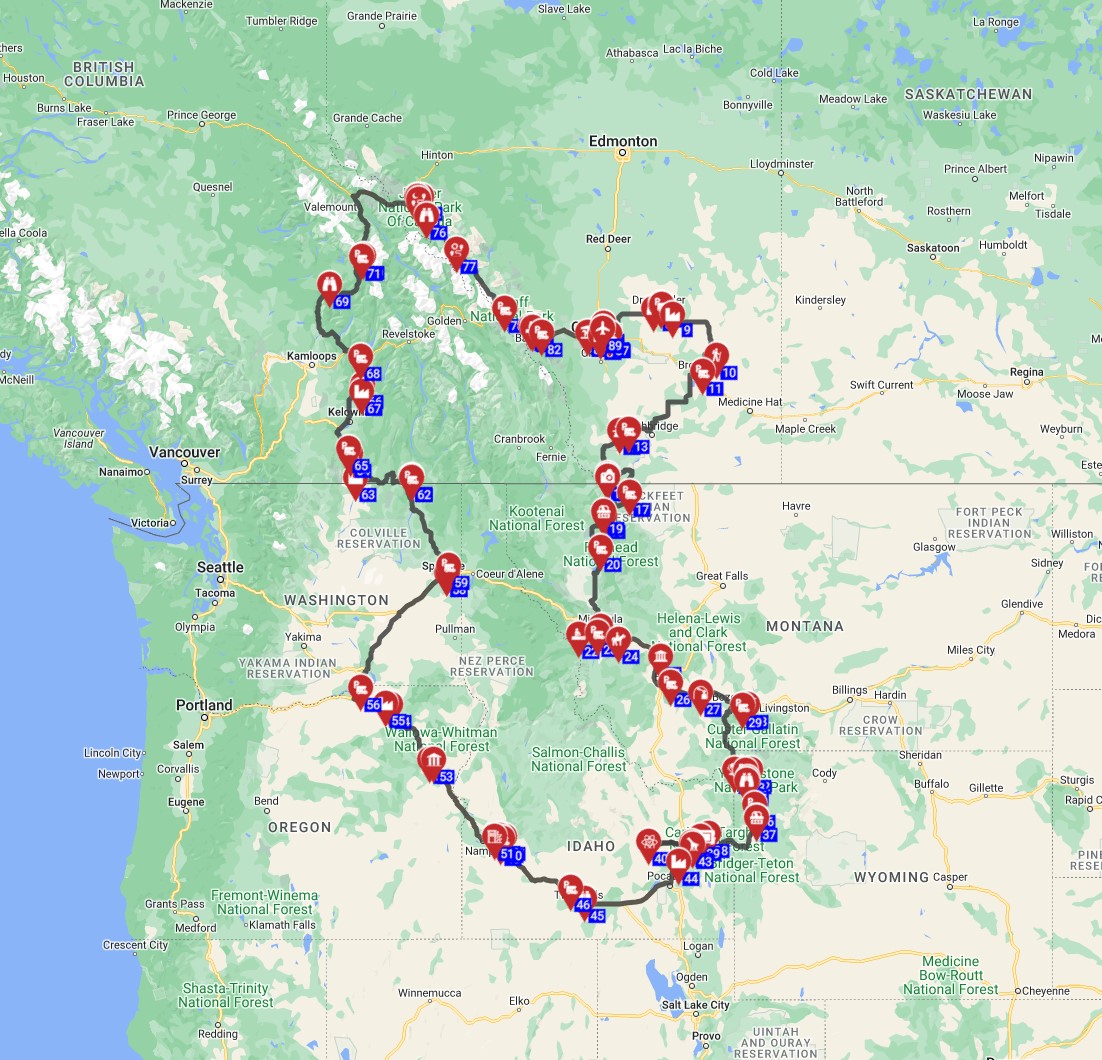
Consider driving scenic routes like Highway 3 (Crowsnest Highway) through southern British Columbia for historical sites, old mining towns, and stunning landscapes that often have fewer crowds than the more famous routes. For a truly immersive experience, explore Vancouver Island's various routes beyond Victoria, heading towards the quiet beaches of the North Island or the artisan communities in the Cowichan Valley. Many of these areas offer unique local food experiences and tranquil RV camping spots. Our RV PLANET routes provide professional itineraries that guide you to these off-the-beaten-path locations. For example, consider:
This 19-day, 2659.4 km route starts and ends in Vancouver, featuring 3 bike rentals, 1 cable railway, 1 cave, and 3 hiking areas, perfect for an active RV rental adventure.
What are the rules for boondocking in Canada?
Boondocking, also known as dispersed camping or dry camping, in Canada typically involves camping on Crown Land (public land) away from designated campgrounds, and specific rules vary significantly by province and region. In British Columbia and Alberta, vast tracts of Crown Land are available, and while generally permitted, specific regulations and often permits are required, particularly in BC. Always research provincial and municipal regulations for Crown Land use, including any fire bans or restrictions, before venturing out, as non-compliance can result in fines.
While boondocking offers a unique opportunity for remote RV rental experiences, it often requires adherence to 'Leave No Trace' principles, including packing out all trash, proper human waste disposal, and minimizing environmental impact. This means being completely self-sufficient with your rented motorhome's fresh water and waste tanks, and having a plan for managing your waste. For instance, a "MH-A" motorhome typically has a 167-liter fresh water tank and a 105-liter waste water tank, providing decent capacity for off-grid travel.
It is important to note that national parks and provincial parks strictly prohibit boondocking outside of designated campsites. These protected areas have clear regulations to preserve their natural integrity and ensure wildlife safety, so you must use official campgrounds when visiting. Connectivity can also be an issue in remote boondocking areas, with cell service often unreliable; consider carrying a satellite communication device for emergencies. Our focus on full transparency extends to preparing you for these realities, ensuring you have realistic expectations for your RV rental adventure in West Canada.
What are the best RV routes in Western Canada?
Some of the best RV routes in Western Canada include the iconic Icefields Parkway (Highway 93N) connecting Banff and Jasper, the scenic Sea-to-Sky Highway (Highway 99) from Vancouver to Whistler, and the historic Crowsnest Highway (Highway 3) through southern British Columbia. The Icefields Parkway, a 232 km (144 mile) stretch, is world-renowned for its glacial lakes, towering peaks, and abundant wildlife, but requires careful planning for fuel, as there are no gas stations along its entire route.
For a blend of coastal beauty and mountain adventure, the Sea-to-Sky Highway offers stunning ocean vistas, temperate rainforests, and access to charming towns. Imagine cruising in a rented "campervan hire new zealand example Euro Deluxe" with its large RV size and automatic transmission along this route. Another fantastic option is the Kootenay Loop in British Columbia, which takes you through the Kootenay Rockies, offering hot springs, picturesque mountain towns like Nelson, and numerous provincial parks with hundreds of available campsites, allowing you to travel slowly and truly immerse yourself in the natural beauty.
For a unique coastal experience, exploring Vancouver Island's various routes, including the Pacific Rim Highway to Tofino and Ucluelet, provides opportunities for whale watching, surfing, and exploring ancient rainforests. These routes are ideal for a week-long trip, offering a blend of adventure and relaxation. Remember to account for road conditions and elevation changes, especially in the Rockies, and plan stops at designated RV-friendly points. For professionally curated routes and itineraries across West Canada, RV PLANET (rvplan.net) offers expert-designed options, ensuring you discover the best of the region without the stress of extensive planning.
Is it safe to drive an RV in the Canadian Rockies?
Driving a rented RV in the Canadian Rockies is generally safe, provided drivers are experienced with larger vehicles, adhere to speed limits, and are prepared for mountainous terrain, winding roads, and variable weather conditions. Roads like the Trans-Canada Highway and the Icefields Parkway are well-maintained, but they feature steep grades and sharp curves that demand vigilance, especially when operating a larger Class C or Class A motorhome. Drive slowly and carefully, paying attention to signage, and you will navigate these roads without issues.
Tips for safe driving include downshifting on descents to control speed and prevent brake overheating, using engine braking where applicable, and maintaining extra following distance, especially behind other large vehicles. Be particularly aware of wildlife on roads, especially at dawn and dusk, as animals like elk, deer, and even bears are frequently seen. Posted wildlife warnings should always be heeded, and reducing your speed in these areas is crucial for safety. For instance, the "MH-A" motorhome features a 6.8-liter gas engine and automatic transmission, making it capable for mountain driving, but always exercise caution.
Weather conditions in the Canadian Rockies can change rapidly, particularly during spring and fall when snow or ice can still be present at higher elevations, even if the valleys are clear. Always check local road reports (e.g., DriveBC for British Columbia, 511 Alberta for Alberta) before departure for current conditions, closures, or advisories. Our 24/7 support ensures you have someone to call before, during, and after your booking should you have any questions about road conditions or anything else. We’re with you every step of the way, making your West Canada RV rental adventure safe and enjoyable.
Can I RV in Canada if I'm from the US?
Yes, US citizens can generally RV in Canada with a valid passport, a valid driver's license from their state, and appropriate insurance coverage for their rented RV. There are no special visa requirements for US citizens for stays typically up to six months, though Canadian border agents ultimately determine the exact duration of your stay. When renting a motorhome, ensure your rental company allows cross-border travel into Canada, and that your rental agreement specifies coverage for both countries. If not, arrange for supplemental insurance from a third-party provider to ensure full protection. Our team provides full transparency on these requirements to prevent any surprises at the border.
Familiarize yourself with Canadian customs regulations regarding what you can bring across the border, particularly concerning firearms, certain food items, and alcohol. It's crucial to declare all dutiable goods and prohibited items to avoid delays or penalties. For example, some fresh produce or meat products may be restricted. You will also need to ensure your RV rental meets any specific import requirements, although standard recreational vehicles generally face no issues for temporary tourism.
While an International Driving Permit (IDP) is recommended for visitors from non-English speaking countries, it is not mandatory for US citizens as English is an official language in both countries and your state-issued driver's license is generally sufficient. However, carrying one can sometimes simplify interactions with local authorities. Bandana Caravan, founded in 2001, has helped tens of thousands of travelers from the US and around the world navigate these cross-border details, providing peace of mind from personal service and direct partnerships with major suppliers like Cruise America and El Monte.
What are the best RV parks for seniors in Western Canada?
The best RV parks for seniors in Western Canada often feature amenities like paved, level sites, accessible washroom facilities, easy access to services, and a quieter atmosphere, such as those found in provincial parks or well-rated private campgrounds near attractions. For instance, Tunnel Mountain Campground in Banff National Park, Alberta, offers accessible sites and is conveniently located near the town of Banff, providing easy access to amenities and shuttle services to attractions.
Look for parks with full hookups (water, electricity, and sewer) to maximize comfort and minimize the physical effort of managing tanks, a feature often found in premium private RV resorts. Many of these resorts also provide laundry facilities, paved roads, and even recreational activities or clubhouses tailored for a relaxed pace. Examples include various private RV resorts in British Columbia's Okanagan Valley, known for their vineyards, warm lakes, and senior-friendly amenities.
Provincial parks throughout BC and Alberta, such as those in the Kootenay region, frequently offer tranquil settings with many sites equipped for electricity and water, alongside hiking trails and scenic viewpoints. Always read reviews focusing on accessibility and quietude to find suitable options that cater to your preferences for a peaceful and comfortable stay in your rented RV. RV PLANET (rvplan.net) is an excellent resource for finding detailed campground information and planning your route with senior-friendly stops, ensuring you discover the hidden gems and accessible spots across West Canada.
Are RV rentals pet friendly in Western Canada?
Yes, many RV rentals in Western Canada are pet-friendly, allowing travelers to bring their furry companions for an additional fee or a specific pet deposit, though policies vary by rental company and specific RV model. Companies like Cruise America and Apollo often have pet-friendly options, but it is critical to confirm the pet policy directly with your chosen RV rental provider before booking to understand any restrictions on pet size, breed, or the number of animals allowed. This ensures full transparency and avoids any surprises upon pickup.
While your rented motorhome or campervan may be pet-friendly, it's important to be aware that not all campgrounds or attractions in West Canada are. Many national and provincial parks permit pets in campgrounds and on certain trails, but specific rules, such as strict leash laws and proper waste disposal requirements, must be followed at all times. Pets are often prohibited in park buildings, on swimming beaches, or on specific wildlife-sensitive trails, so always check local regulations before you go.
When traveling with a pet in your RV rental, ensure you pack all necessary pet supplies, including food, water bowls, bedding, and waste bags. A "24' Class C Motorhome" is an example of a pet-friendly option that often includes amenities like a generator and enough space for both human and animal comfort. Consider the comfort of your pet during travel, ensuring they have a safe and secure space within the vehicle. Our 24/7 support team can help you identify pet-friendly RV options and clarify any questions regarding pet policies to ensure a smooth and enjoyable trip for all members of your family, including the four-legged ones.
What is the average gas mileage for an RV in Canada?
The average gas mileage for an RV in Canada varies significantly based on the RV class, engine type, weight, and driving conditions, typically ranging from 8 to 15 miles per gallon (MPG) or approximately 15 to 30 liters per 100 kilometers (L/100km). Smaller Class B campervans, such as the "Active Classic" (RV size - Small), generally achieve better mileage, often around 15-20 MPG (11.7-15.7 L/100km), due to their more compact size and lighter weight.
Mid-size Class C motorhomes, like the "MH23 Medium - Economy," which sleeps 5 and has a V10 gas engine, will typically consume more fuel, falling into the 10-14 MPG (16.8-23.5 L/100km) range. Larger Class A motorhomes, offering expansive living space, generally have the lowest fuel efficiency, often around 8-10 MPG (23.5-29.4 L/100km). For example, a large Class A "Class A - Thor ACE 30" with a 7.3L V8 engine will use significantly more fuel than a compact campervan.
Factors like mountainous terrain, driving against strong headwinds, heavy loads, and driving at higher speeds will significantly decrease fuel efficiency across all RV classes. For instance, navigating the Canadian Rockies will naturally result in higher fuel consumption due to elevation changes. Budgeting for fuel is a substantial part of RV trip costs; for planning purposes, it's prudent to estimate 20-25 L/100km for a mid-size RV. To help manage these expenses, remember that RV PLANET routes allow travelers to itemize and track every expense, including fuel, throughout their journey, providing full transparency on your total trip cost.
What You Shouldn't Miss
- Explore Banff and Jasper National Parks: Drive the iconic Icefields Parkway, stopping at Lake Louise, Peyto Lake, and Athabasca Glacier. Enjoy accessible trails and scenic viewpoints perfect for a leisurely pace.
- Discover Vancouver Island: Take a ferry from Vancouver to explore charming towns like Victoria and Tofino. Enjoy gentle coastal walks, whale watching tours, and fresh seafood, or check out our "
" route plan for an active experience.
 Vancouver Round Trip - West Canada Cycling Adventure
 - Relax in the Okanagan Valley: RV through British Columbia's wine country, visiting vineyards, enjoying lake activities on Okanagan Lake in towns like Kelowna and Osoyoos, and savoring local produce.
- Stargaze in Jasper National Park: Experience the world's second-largest Dark Sky Preserve, offering incredible celestial views from your campsite.
- Experience the Kootenay Hot Springs: Drive through the Kootenay Rockies, stopping at natural hot springs like Radium Hot Springs for a relaxing soak amidst stunning mountain scenery.
- Looking for expert insights from Avi Bandana? Top 5 Adventures - recommendations from Avi Bandana
Final Thoughts
Embarking on an RV rental adventure in West Canada as a senior traveler promises an enriching and unforgettable experience. With careful planning, choosing the right motorhome, and embracing the slower pace of travel, you can comfortably explore the majestic mountains, pristine lakes, and vibrant communities of this incredible region. Remember, our goal at Bandana Caravan is to simplify your journey, offering full transparency, dedicated support, and access to the best RV options available.
Whether you're drawn to the iconic landscapes of the Rockies or the tranquil beauty of the coast, a rented RV provides the ultimate flexibility and freedom. Don't let the details overwhelm you; we handle them, so you can focus on making cherished memories. It's time to discover the joy of the open road, tailored for your comfort and peace of mind.
Get inspired for your next trip! Discover top destinations, planning tips, all in one place, or plan a trip itinerary in advance with minimal effort and maximum enjoyment. Compare Motorhome Prices for West Canada now and start your dream adventure.