In This Guide
- Top 5 Tips for RV Rental in Spain for Seniors
- Before You Book - Class, Dates, Insurance for your Spain RV Rental
- Pre-Trip Prep - Packing Checklist for RV Travel in Spain
- On the Road - Driving, Fueling, and Navigation in Spain
- At the Campground - Setup, Hookups, and Etiquette for RVers in Spain
- Seniors-Specific RV Travel Tips for Spain
- Common RV Rental Mistakes to Avoid in Spain
- How much does it cost to rent an RV in Spain for seniors?
- What are the rules for wild camping with an RV in Spain?
- Where can I find waste disposal and water refill points for RVs in Spain?
- What are the driving regulations for RVs in Spanish cities and roads?
- How can seniors ensure safety and handle emergencies while RVing in Spain?
- What are the best RV types for seniors exploring Spain's regions?
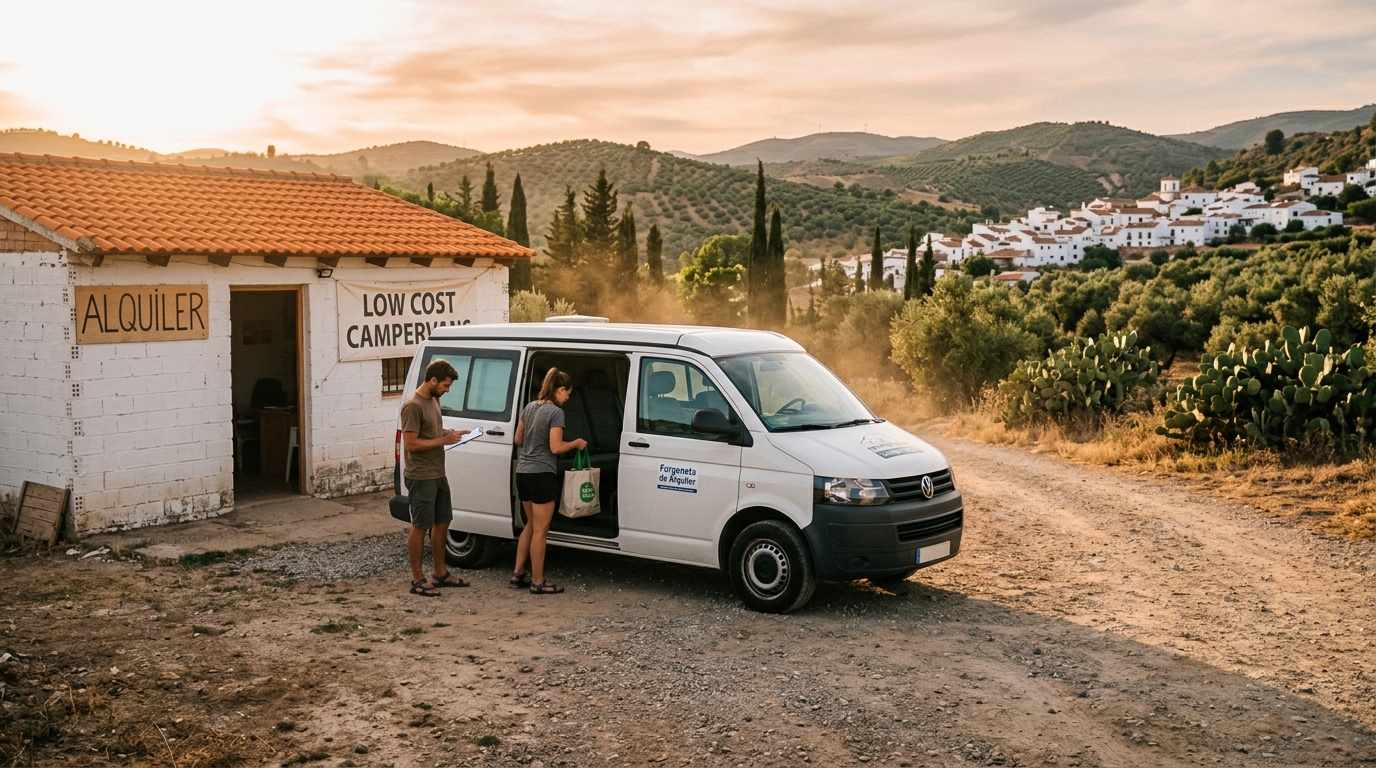
Exploring Spain by RV offers an incredible sense of freedom and discovery, especially for seniors seeking comfortable, leisurely travel. Imagine waking up to the gentle sounds of the Mediterranean, enjoying a freshly brewed coffee from your rented motorhome, and then setting off to explore ancient villages or stunning coastal routes at your own pace. With Bandana RV, we empower you to craft an unforgettable adventure, handling the details so you can simply live the journey.
Our goal is to make RV travel accessible, transparent, and joyful for everyone, including experienced travelers looking for a new way to see the world. For live availability and current prices, start with our RV Rental Spain - Complete Guide 2026 guide, which provides comprehensive information for your Spanish adventure.
Top 5 Tips for RV Rental in Spain for Seniors
Planning an RV adventure in Spain as a senior means prioritizing comfort, ease, and peace of mind. Here are five essential tips to ensure a smooth journey:
- **Choose an automatic, compact RV for easier navigation:** Smaller Class B campervans or compact Class C motorhomes, around 6-7 meters in length, offer easier maneuverability on Spain's diverse roads, from city streets to mountain passes. An automatic transmission significantly reduces driving fatigue, allowing you to enjoy the scenery more.
- **Book well in advance, especially for popular seasons:** For optimal availability and rates, especially during peak travel months like July, August, or major holidays like Easter, securing your RV rental 3-6 months ahead is highly recommended. Pre-planners often benefit from better deals, with potential savings of 10-20% on weekly rentals.
- **Understand comprehensive insurance options for peace of mind:** While basic insurance is included, consider upgrading to a top-level deductible for enhanced coverage. This optional upgrade significantly reduces your financial liability in case of an incident, allowing you to travel with greater peace of mind. Bandana RV offers full transparency on all insurance options, ensuring no hidden fees or surprises.
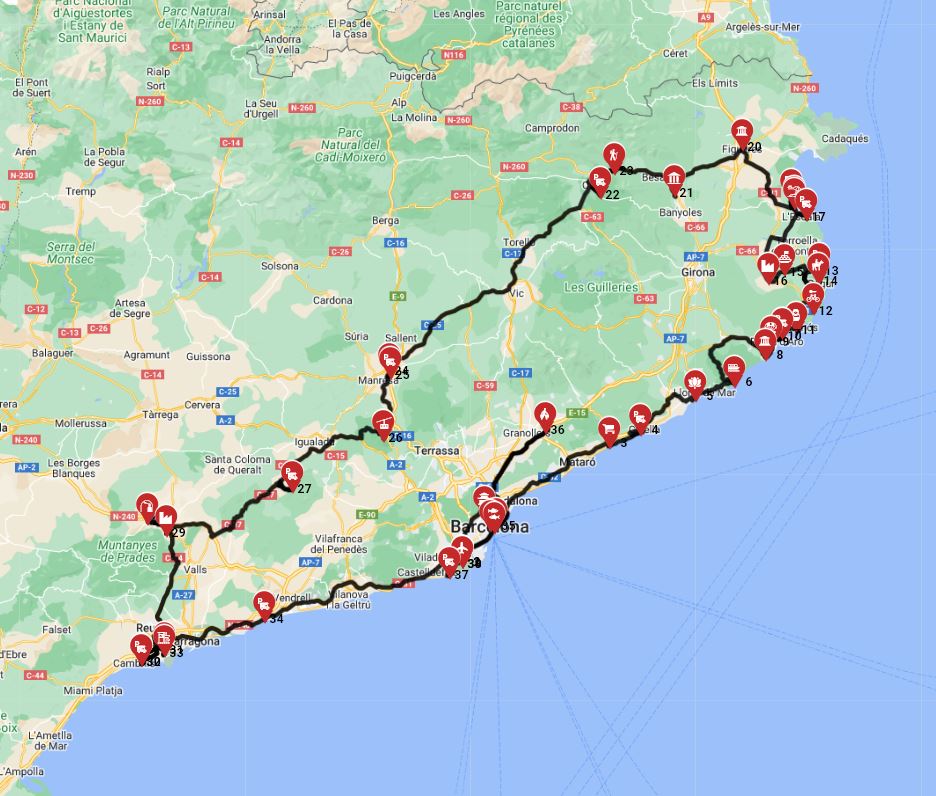
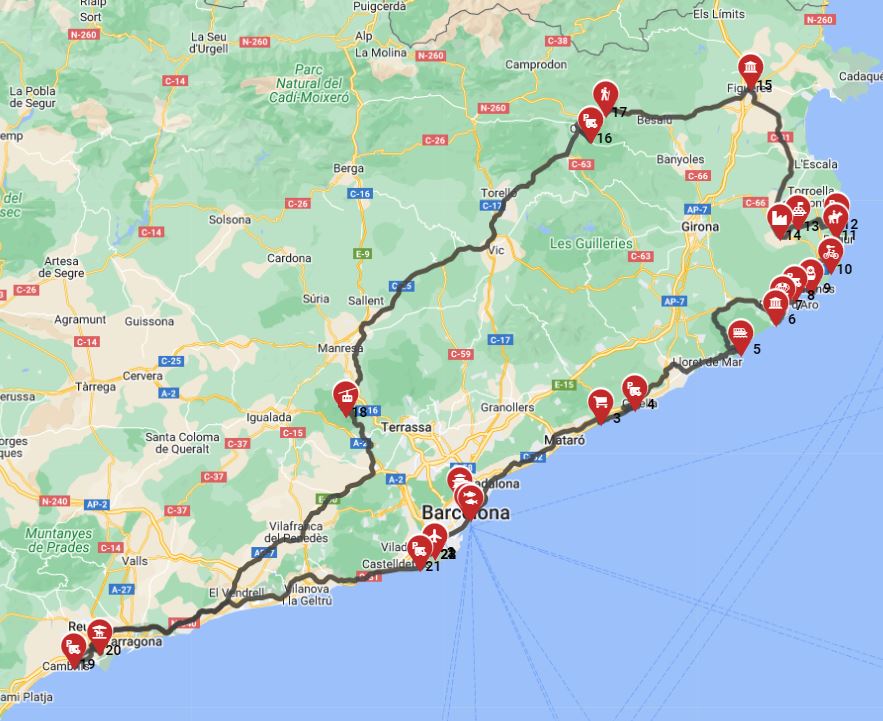
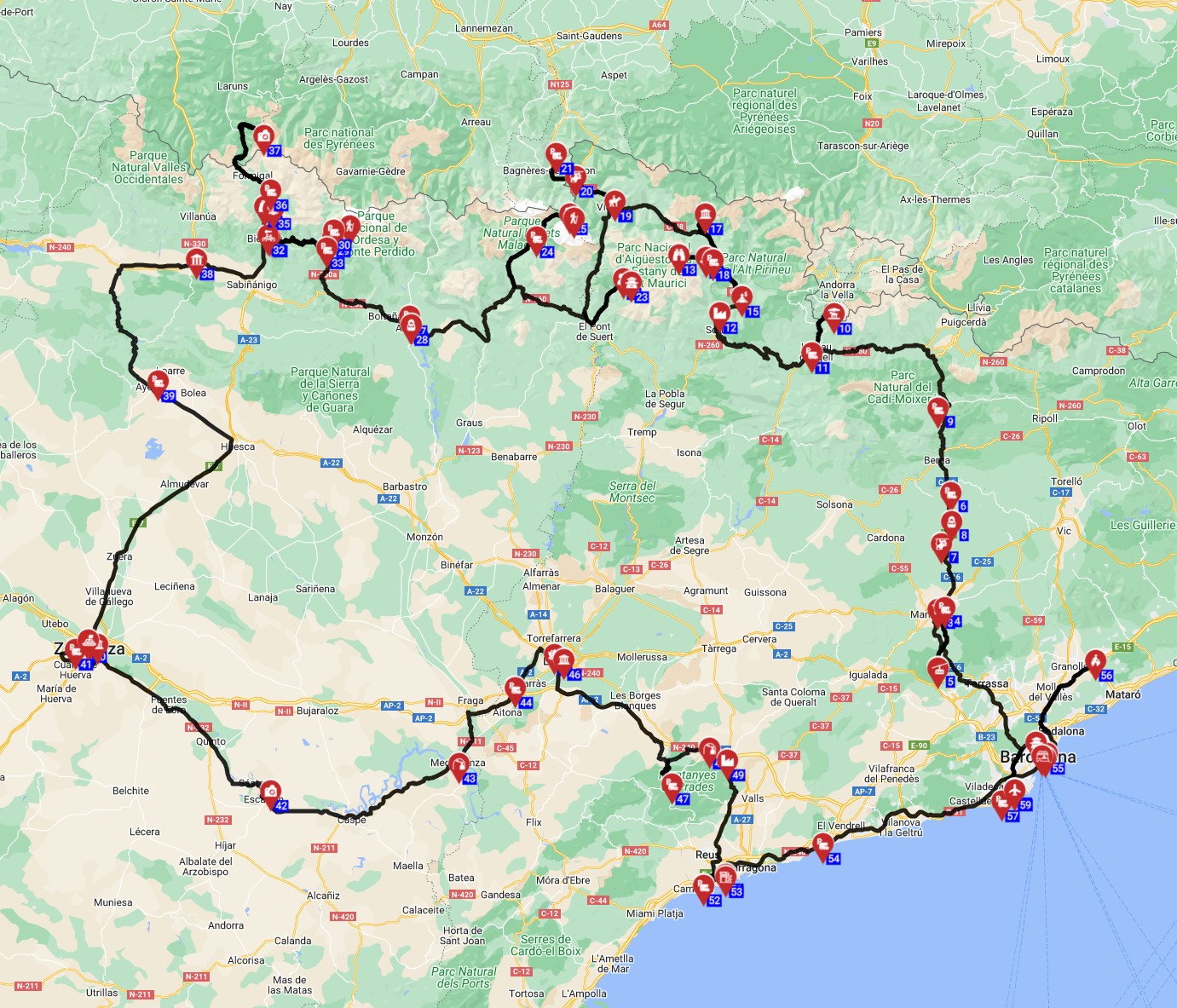
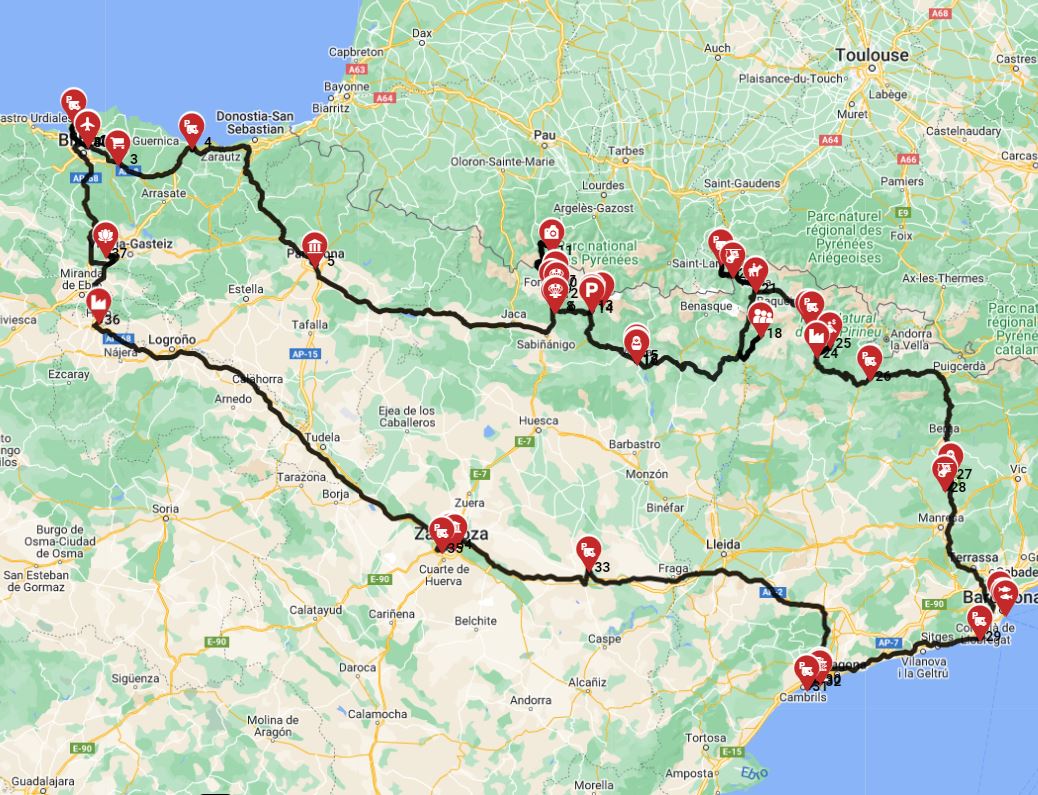
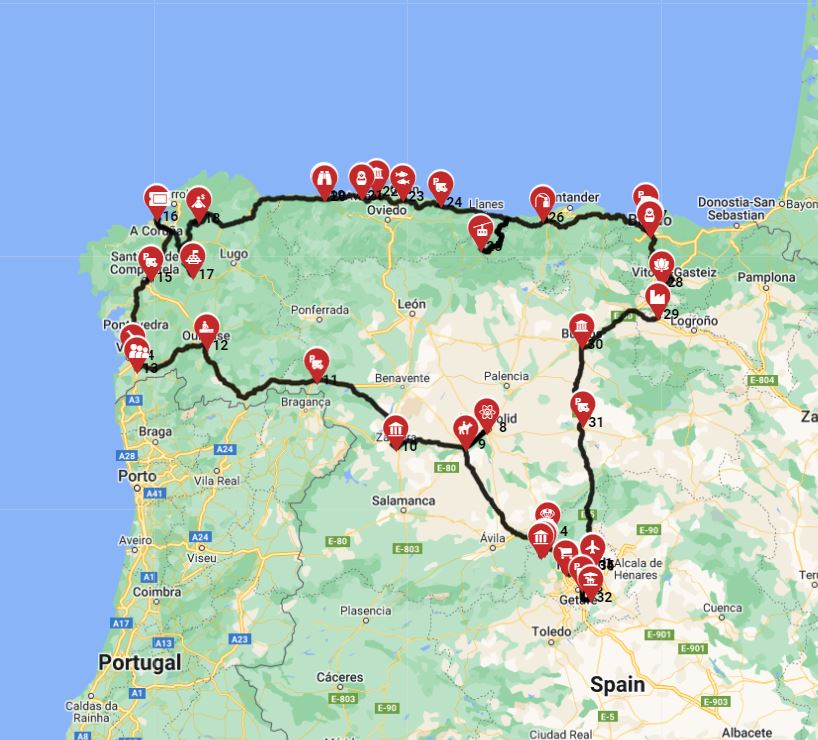
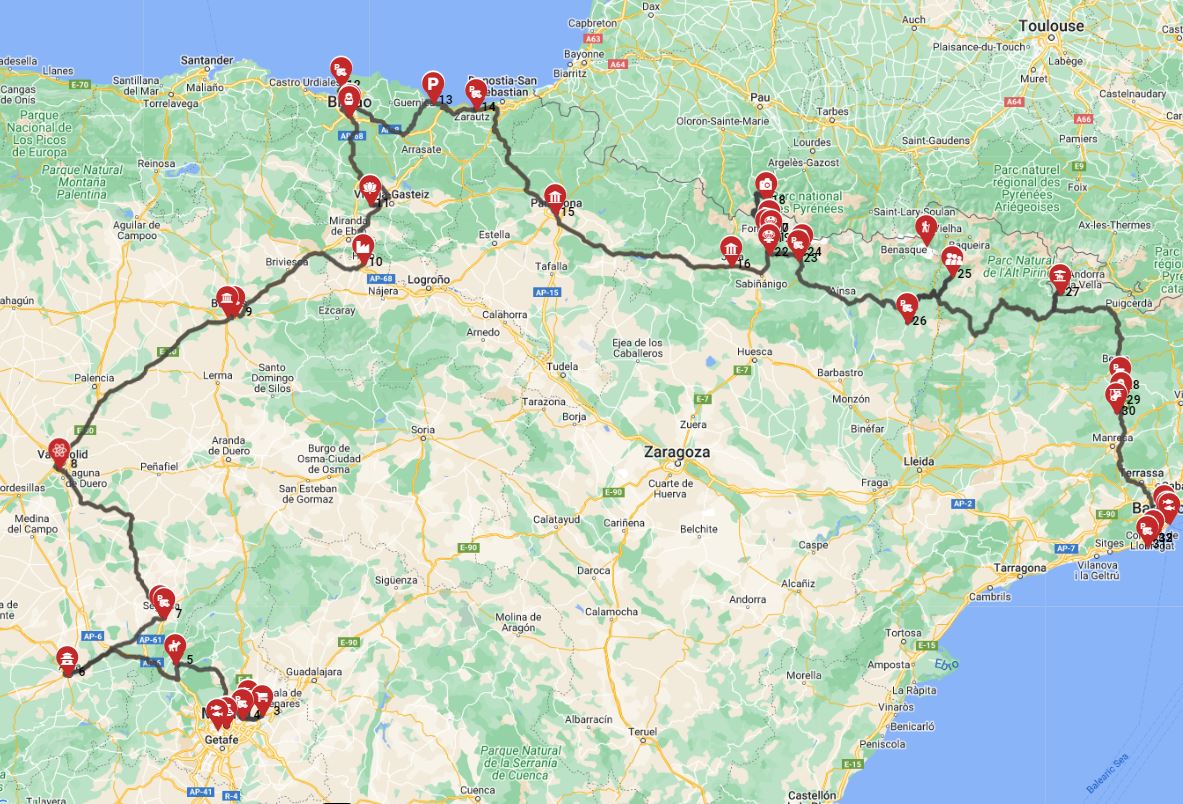
- **Plan a flexible itinerary with shorter driving days:** Embrace slow travel in Spain, aiming for an average of 100-150 km per day. This approach minimizes driving stress and maximizes your time to connect with local culture, savor the food, and appreciate the scenery. RV PLANET (rvplan.net) offers pre-planned routes that can be customized for a relaxed pace.
- **Familiarize yourself with Spanish road rules and signage:** Understanding local driving customs, speed limits (e.g., 90-100 km/h for RVs on national roads, 120 km/h on motorways where permitted), and common road signs in Spain will boost your confidence. A standard car driver's license is sufficient for all motorhome classes, but an International Driving Permit (IDP) is recommended for non-EU residents.
Before You Book - Class, Dates, Insurance for your Spain RV Rental
Before confirming your RV rental in Spain, carefully considering the vehicle class, rental dates, and insurance coverage is paramount for a comfortable and secure trip. We compare final prices across 50+ suppliers so you don't have to, ensuring you find the easiest, safest, and most affordable way to rent an RV.
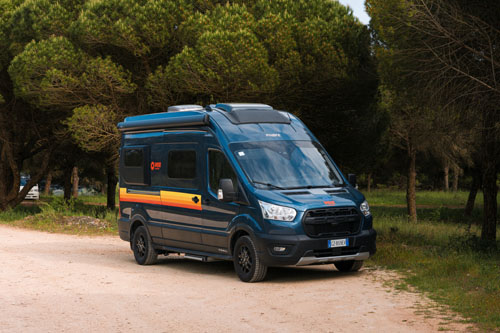
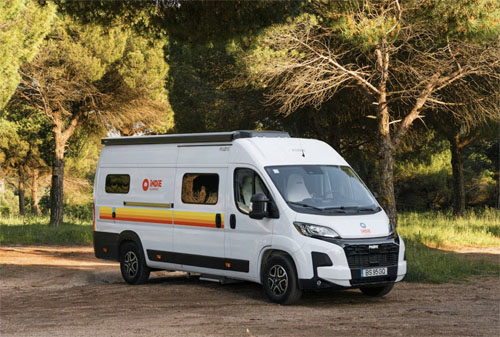
- **Opt for compact, automatic RVs for ease of driving:** Many seniors prefer the convenience of an automatic transmission, which is available on various Class B campervans and Class C motorhomes. Models like the "Category Van AT" or "Campervan for 2 - Automatic" are excellent choices for couples, offering agility while providing essential amenities. For slightly more space, a Class C motorhome such as the "Active Compact Select" with automatic transmission provides a comfortable balance for up to 4 people.
- **Book ahead for best availability and rates:** While spontaneous travel has its charms, securing your rental 3-6 months in advance, especially for summer or holiday periods, often results in better rates and a wider selection of vehicles. Prices for RV rentals are dynamic, much like flight tickets, changing daily based on availability and demand. For comparison, explore our Cheap RV Rental in Spain - Budget Guide 2026 or RV Rental in Spain - Prices and Best Deals 2026.
- **Understand basic and comprehensive insurance coverage options:** Basic third-party liability insurance is typically included with your RV rental. However, we strongly recommend considering an optional upgrade to a top-level deductible reimbursement plan. This reduces your out-of-pocket expenses in case of damage, offering significant peace of mind. Bandana RV provides full transparency on all costs and insurance details, so there are no hidden fees or surprises when you pick up your vehicle.
Pre-Trip Prep - Packing Checklist for RV Travel in Spain
Effective pre-trip preparation and smart packing will make your RV adventure in Spain much more enjoyable. It's about bringing the essentials without overpacking, ensuring you're ready for anything the journey might bring.
- **Pack layers for variable Spanish weather:** Spain's climate can vary significantly by region and season. Even during summer, evenings can be cool in the mountains or along the coast. Lightweight, breathable layers are ideal, along with a waterproof jacket.
- **Include essential documents:** Ensure you have your valid driver's license (a standard car license is sufficient for all motorhomes), an International Driving Permit (recommended for non-EU visitors), passport, travel insurance documents, and your RV rental agreement. Keep digital copies accessible on your phone and in cloud storage.
- **Bring safety items:** A high-visibility vest (mandatory for all drivers in Spain) and a warning triangle are usually included with your rental, but it's wise to confirm or bring your own. A basic first-aid kit, flashlight, and portable power bank for devices are also smart additions.
- **Consider kitchen and living essentials:** While RVs come equipped with basic kitchenware, you might want to bring a favorite travel mug, a small sharp knife, and any specific cooking spices. For meal inspiration on the road, check out our RV-friendly recipes playlist. Don't forget comfortable walking shoes, a daypack for excursions, and a good camera to capture Spain's breathtaking landscapes.
On the Road - Driving, Fueling, and Navigation in Spain
Navigating Spain in a rented motorhome is an enjoyable experience with a little preparation. Spanish roads are generally well-maintained, and the country offers diverse landscapes to explore.
- **Understand Spanish speed limits, roundabouts, and ZBEs in cities:** Speed limits for motorhomes in Spain typically differ from passenger cars; for example, on national roads it's often 90 km/h, and on motorways, it's usually 100-120 km/h where permitted. Pay close attention to roundabouts, which are prevalent. Be aware of Zonas de Bajas Emisiones (ZBEs) or Low Emission Zones in larger cities like Madrid and Barcelona. These zones restrict vehicle access based on environmental stickers. If you plan to drive your rented RV into city centers, check local regulations for your specific vehicle. Remember, drive slowly and carefully, and you can drive almost anywhere without issues. No need to stress - just use common sense and pay attention.
- **Know fuel types and payment options:** Diesel (gasóleo or diésel) is the most common fuel type for rented motorhomes in Spain. Gasoline is gasolina. Most service stations accept credit cards, but it's always good to have some cash for smaller, more rural stations.
- **Utilize GPS with RV-specific routing or offline map apps:** A reliable GPS system that can account for vehicle dimensions (height, width, weight) is invaluable for avoiding narrow roads or low bridges. Offline map applications are also useful, especially in areas with limited mobile signal. For pre-planned routes and points of interest, consider using RV PLANET (rvplan.net) to simplify your navigation and discover new places.
- **Toll Roads in Spain:** Spain has a mix of toll roads (autopistas de peaje) and free motorways (autovías). Tolls are typically paid at booths with cash or card, or via electronic devices. You can often choose to take the slower, scenic free roads, aligning perfectly with the slow travel philosophy of averaging 100-150 km per day.
At the Campground - Setup, Hookups and Etiquette for RVers in Spain
Arriving at your chosen campsite in Spain is an exciting part of the RV experience, offering a chance to relax and connect with nature. Understanding proper setup, hookups, and local etiquette ensures a smooth stay for everyone.
- **Level your RV, then connect electricity, water, and waste in sequence:** Upon arrival at a pitch, the first step is to level your rented RV using ramps if necessary to ensure comfort and proper functioning of onboard systems. Next, connect your electrical hookup (you might need a European adapter for 2-pin sockets), then the fresh water hose. Finally, connect your grey water disposal hose if available, and ensure your black water tank is ready for use.
- **Use correct adapters for electrical and water hookups:** European campsites typically use a CEE 7/4 (Schuko) or CEE 7/7 (French/Belgian) electrical socket, so bring the appropriate adapter or ensure your rental provides one. Water connections are standard, but a universal hose connector can be helpful.
- **Respect campground quiet hours and waste disposal guidelines:** Most Spanish campsites observe quiet hours, often from late evening until morning and sometimes a siesta period in the afternoon. Be mindful of your noise levels, especially when running generators if permitted. Always use designated facilities for waste disposal (grey and black water) and recycling. RV PLANET routes often include detailed information on waste disposal and water points, helping you manage ancillary trip costs like dump fees.
Seniors-Specific RV Travel Tips for Spain
RV travel in Spain is incredibly rewarding for seniors, offering flexibility and comfort. By keeping a few specific tips in mind, you can maximize your enjoyment and minimize any potential challenges.
- **Select RVs with automatic transmission for easier driving:** Manual transmission is common in Europe, but many suppliers offer automatic options which are much more comfortable, especially for longer drives or in varied terrain. When booking your rented motorhome, specifically request an automatic model like the "Campervan for 2 - Automatic" or the "Active Bunk Auto" for a stress-free experience.
- **Plan shorter driving days to reduce fatigue:** Instead of rushing, embrace the slow travel philosophy. Limit your daily driving to 100-150 km on average, allowing ample time for breaks, sightseeing, and relaxation. This pacing is not only safer but also lets you truly immerse yourself in the culture, food, and scenery of Spain. Our Rent&Plan service provides pre-planned itineraries with relaxed daily distances, and you can get a 25% planning discount when using rvplan.net for route creation.
- **Choose accessible campsites with good facilities:** Prioritize campgrounds that offer amenities like paved pitches, easy access to washrooms, and perhaps even a swimming pool or restaurant. Many top campsites in Spain are well-equipped to cater to all guests, ensuring a comfortable stay.
- **Carry medical documents and consider comprehensive travel insurance:** Always have essential medical information readily available, including any prescriptions and contact details for your doctor. Comprehensive travel insurance, including medical emergency coverage and roadside assistance, is a wise investment for any international trip, providing an extra layer of security.
Common RV Rental Mistakes to Avoid in Spain
Even seasoned travelers can fall prey to common mistakes when embarking on an RV rental adventure in a new country like Spain. Being prepared helps you avoid unnecessary stress and ensures a smoother journey.
- **Not booking campsites ahead to ensure availability:** While some spontaneity is part of the RV charm, many popular national and state parks in Spain reserve only 25-30% of their spots, leaving the rest for first-come, first-served. For peace of mind, especially during peak season, it’s advisable to book ahead. If not, always call ahead before driving to a campground to confirm availability. You'll find a spot; if not at the first campground, then the next one.
- **Allowing insufficient travel time between destinations:** Rushing through your itinerary can lead to fatigue and missed opportunities. Remember to travel slowly, aiming for a maximum of 100-150 km per day on average. This allows you to truly feel the place, connect to the culture, the food, and the scenery, making your week-long trip or two-week adventure truly enriching.
- **Familiarizing yourself with local traffic laws, especially ZBEs:** Neglecting to understand specific driving rules, such as speed limits for motorhomes or the Low Emission Zones (ZBEs) in major cities, can result in fines. Always carry mandatory safety equipment, such as a high-visibility vest and warning triangles, which are typically provided with your rental.
- **Not using designated waste disposal facilities:** Improper waste disposal is a major no-no in RV travel and can lead to penalties. Always locate and utilize official *áreas de servicio para autocaravanas* or campground facilities for emptying grey and black water tanks and refilling fresh water. Information on these points can be found on RV PLANET (rvplan.net).
How much does it cost to rent an RV in Spain for seniors?
The cost of renting an RV in Spain for seniors varies significantly based on factors like the type of vehicle, duration of rental, season, and how far in advance you book. Daily costs for a comfortable 2-berth campervan or a compact Class C motorhome like a "Category Van" typically range from €100 to €250, though these are dynamic and change daily based on availability and supplier marketing decisions.
For a one-week trip, you might expect to pay €700-€1750 for the RV rental itself. A two-week adventure could range from €1400 to €3500. Beyond the rental fee, key expenses include fuel (Diesel is common at €1.60-€1.80/liter, with a Class C averaging 9-14 liters/100 km), tolls, and campsite fees (averaging €25-€50 per night for a powered pitch). Groceries for cooking in your rented motorhome can add another €30-€50 per day, while activities and an emergency fund should also be factored in. For a detailed breakdown of potential costs, check our RV Rental in Spain - Prices and Best Deals 2026 guide. Remember that on RV PLANET routes, travelers can itemize and track every expense along the way for easy budgeting, ensuring full transparency with no hidden fees. On the routes offered through RV PLANET routes, you can itemize and track every expense along the way for easy budgeting.
What are the rules for wild camping with an RV in Spain?
Wild camping with a rented RV in Spain is generally prohibited across most of the country, especially along coastal areas and in national parks. However, merely "parking" your motorhome is often allowed wherever a normal car can park, provided there are no specific signs prohibiting RVs.
Rules vary greatly by region and municipality, with some areas being more tolerant than others. It's crucial to look for signs indicating "Prohibido Autocaravanas" (motorhomes prohibited) or other restrictions. To avoid issues, utilize designated *áreas de autocaravanas* (motorhome service areas), which offer safe, legal, and often free or low-cost overnight parking with basic services, or stay at official campsites. These sites are well-equipped for your needs and ensure you're in compliance with local regulations.
Where can I find waste disposal and water refill points for RVs in Spain?
Finding waste disposal and water refill points for your rented RV in Spain is straightforward with proper planning. Official campsites are the most reliable option, offering facilities for emptying both grey and black water tanks and refilling fresh water as part of your stay.
Beyond campsites, Spain has a robust network of *áreas de servicio para autocaravanas* (motorhome service areas), often found near towns and along major routes. These dedicated spots, some free and others charging a small fee (€5-€15), provide essential services. RV-specific apps and websites like RV PLANET (rvplan.net) are invaluable resources for locating these facilities on your route. Recycling bins for glass, paper, and plastic are commonly available in Spanish towns and at service stations, promoting responsible travel.
What are the driving regulations for RVs in Spanish cities and roads?
Driving a rented RV in Spain adheres to specific regulations designed to ensure safety and manage traffic flow, particularly in urban areas. Speed limits for motorhomes often differ from cars: typically 90 km/h on national roads and 100-120 km/h on motorways where permitted.
A crucial consideration for RVers, especially in Class C motorhomes like the "rv rentals example Comfort Class" or a Class A, is navigating Low Emission Zones (ZBEs) in cities such as Madrid, Barcelona, and Seville. Your RV will need an environmental sticker (distintivo ambiental) to enter these zones, which your rental supplier can advise on. Drivers must carry mandatory safety equipment: a high-visibility vest for each occupant and two warning triangles. While driving in cities, remember to drive slowly and carefully, and you can drive almost anywhere without issues. No need to stress - just use common sense and pay attention to signage.
How can seniors ensure safety and handle emergencies while RVing in Spain?
Ensuring safety and being prepared for emergencies is a key aspect of comfortable RV travel in Spain, especially for seniors. Spain’s universal emergency number is 112, which connects you to police, ambulance, or fire services, and should be memorized.
Before your trip, confirm your rental's roadside assistance coverage and have contact details readily available. Bandana RV offers pre-booking comparison and booking support, helping you understand what's included. Practice vehicle and personal security, particularly in tourist areas: lock your RV, avoid leaving valuables in sight, and be aware of your surroundings. It is essential to carry all necessary medical documents, including prescriptions and relevant health information, and ensure you have comprehensive travel insurance. Taking a slower pace, as recommended for a week-long trip or extended road trip, also significantly reduces risks.
What are the best RV types for seniors exploring Spain's regions?
Selecting the ideal rented RV type for seniors exploring Spain's diverse regions involves prioritizing ease of driving, comfort, and appropriate amenities. Van conversions (Class B campervans) are highly recommended for their agility in cities and on smaller, winding rural roads.
Models like the "Category Van AT" or "Juliette 2-3" are excellent choices for couples, offering compact dimensions and easy parking. Semi-integrated motorhomes (Class C) provide a good balance of comfort and maneuverability for those desiring more space without the bulk of larger vehicles; examples include the "Active Compact Select" or "Euro Tourer". When choosing, prioritize features like automatic transmission, easy access (lower entry steps), and comfortable sleeping arrangements, such as fixed rear beds that avoid daily bed conversion. For example, a "V3" offers twin single beds which can be ideal. Match the RV size to your planned itinerary, considering if you'll primarily be exploring bustling city centers or tranquil rural landscapes, as larger Class C motorhomes, while comfortable, can be more challenging to park in tight spots.
What You Shouldn't Miss
- **The Alhambra in Granada:** This breathtaking Moorish palace and fortress complex is a UNESCO World Heritage site and an absolute must-see. Book tickets well in advance, and dedicate a full day to exploring its intricate architecture, stunning gardens, and panoramic views of the city.
- **Driving the Andalusian Coast:** Embark on a week-long trip along the Costa del Sol and Costa de la Luz, stopping at charming white-washed villages like Mijas and historic cities like Cadiz. Park your rented motorhome at a coastal campsite and enjoy fresh seafood and Mediterranean sunsets.
- **Exploring the Picos de Europa National Park:** For nature lovers, head to northern Spain. The Picos de Europa offers dramatic mountain scenery, serene valleys, and opportunities for gentle hikes. It’s one of the few places in Europe where you might spot a Cantabrian brown bear or Iberian wolf. Ensure your RV route plans account for winding mountain roads.
- **Savoring Tapas in Seville:** Immerse yourself in Seville's vibrant culture, home to flamenco, the Alcázar palace, and a legendary tapas scene. Enjoy leisurely evenings sampling local delicacies in outdoor cafes. Many of the RV PLANET routes highlight culinary experiences.
- **Visiting the Sagrada Familia in Barcelona:** Gaudi’s unfinished masterpiece is awe-inspiring. Combine your visit with a stroll through the Gothic Quarter and the bustling La Boqueria market for a true taste of Catalan life. Consider parking your motorhome at a campground outside the city and using public transport to navigate.
Looking for expert insights from Avi Bandana?
Top 5 Adventures - recommendations from Avi Bandana
🎬 Video coming soon
Final Thoughts
Embarking on an RV adventure in Spain as a senior is an incredibly enriching way to experience this vibrant country. With the flexibility of a rented motorhome, you can savor Spain's diverse landscapes, rich history, and exquisite cuisine at a pace that suits you, whether it's a leisurely week-long trip or an extended road trip.
From choosing the right vehicle and planning comfortable driving days to understanding local regulations and ensuring your safety, every aspect of your journey is designed for maximum enjoyment. Remember, we handle the details, so you can simply live the journey, creating cherished memories along Spain's stunning routes. Discover top destinations, planning tips, all in one place!
Ready to experience the magic of Spain on your terms? Compare Motorhome Prices for Spain today and start planning your unforgettable senior RV adventure!
In This Guide
- Top 5 Tips for RV Rental in Spain for Seniors
- Before You Book - Class, Dates, Insurance for your Spain RV Rental
- Pre-Trip Prep - Packing Checklist for RV Travel in Spain
- On the Road - Driving, Fueling, and Navigation in Spain
- At the Campground - Setup, Hookups and Etiquette for RVers in Spain
- Seniors-Specific RV Travel Tips for Spain
- Common RV Rental Mistakes to Avoid in Spain
- How much does it cost to rent an RV in Spain for seniors?
- What are the rules for wild camping with an RV in Spain?
- Where can I find waste disposal and water refill points for RVs in Spain?
- What are the driving regulations for RVs in Spanish cities and roads?
- How can seniors ensure safety and handle emergencies while RVing in Spain?
- What are the best RV types for seniors exploring Spain's regions?
Exploring Spain by RV offers an incredible sense of freedom and discovery, especially for seniors seeking comfortable, leisurely travel. Imagine waking up to the gentle sounds of the Mediterranean, enjoying a freshly brewed coffee from your rented motorhome, and then setting off to explore ancient villages or stunning coastal routes at your own pace. With Bandana RV, we empower you to craft an unforgettable adventure, handling the details so you can simply live the journey.
Our goal is to make RV travel accessible, transparent, and joyful for everyone, including experienced travelers looking for a new way to see the world. For live availability and current prices, start with our RV Rental Spain - Complete Guide 2026 guide, which provides comprehensive information for your Spanish adventure.
Top 5 Tips for RV Rental in Spain for Seniors
Planning an RV adventure in Spain as a senior means prioritizing comfort, ease, and peace of mind. Here are five essential tips to ensure a smooth journey:
- **Choose an automatic, compact RV for easier navigation:** Smaller Class B campervans or compact Class C motorhomes, around 6-7 meters in length, offer easier maneuverability on Spain's diverse roads, from city streets to mountain passes. An automatic transmission significantly reduces driving fatigue, allowing you to enjoy the scenery more.
- **Book well in advance, especially for popular seasons:** For optimal availability and rates, especially during peak travel months like July, August, or major holidays like Easter, securing your RV rental 3-6 months ahead is highly recommended. Pre-planners often benefit from better deals, with potential savings of 10-20% on weekly rentals.
- **Understand comprehensive insurance options for peace of mind:** While basic insurance is included, consider upgrading to a top-level deductible for enhanced coverage. This optional upgrade significantly reduces your financial liability in case of an incident, allowing you to travel with greater peace of mind. Bandana RV offers full transparency on all insurance options, ensuring no hidden fees or surprises.
- **Plan a flexible itinerary with shorter driving days:** Embrace slow travel in Spain, aiming for an average of 100-150 km per day. This approach minimizes driving stress and maximizes your time to connect with local culture, savor the food, and appreciate the scenery. RV PLANET (rvplan.net) offers pre-planned routes that can be customized for a relaxed pace.
- **Familiarize yourself with Spanish road rules and signage:** Understanding local driving customs, speed limits (e.g., 90-100 km/h for RVs on national roads, 120 km/h on motorways where permitted), and common road signs in Spain will boost your confidence. A standard car driver's license is sufficient for all motorhome classes, but an International Driving Permit (IDP) is recommended for non-EU residents.
Before You Book - Class, Dates, Insurance for your Spain RV Rental
Before confirming your RV rental in Spain, carefully considering the vehicle class, rental dates, and insurance coverage is paramount for a comfortable and secure trip. We compare final prices across 50+ suppliers so you don't have to, ensuring you find the easiest, safest, and most affordable way to rent an RV.
- **Opt for compact, automatic RVs for ease of driving:** Many seniors prefer the convenience of an automatic transmission, which is available on various Class B campervans and Class C motorhomes. Models like the "Category Van AT" or "Campervan for 2 - Automatic" are excellent choices for couples, offering agility while providing essential amenities. For slightly more space, a Class C motorhome such as the "Active Compact Select" with automatic transmission provides a comfortable balance for up to 4 people.
- **Book ahead for best availability and rates:** While spontaneous travel has its charms, securing your rental 3-6 months in advance, especially for summer or holiday periods, often results in better rates and a wider selection of vehicles. Prices for RV rentals are dynamic, much like flight tickets, changing daily based on availability and demand. For comparison, explore our Cheap RV Rental in Spain - Budget Guide 2026 or RV Rental in Spain - Prices and Best Deals 2026.
- **Understand basic and comprehensive insurance coverage options:** Basic third-party liability insurance is typically included with your RV rental. However, we strongly recommend considering an optional upgrade to a top-level deductible reimbursement plan. This reduces your out-of-pocket expenses in case of damage, offering significant peace of mind. Bandana RV provides full transparency on all costs and insurance details, so there are no hidden fees or surprises when you pick up your vehicle.
Pre-Trip Prep - Packing Checklist for RV Travel in Spain
Effective pre-trip preparation and smart packing will make your RV adventure in Spain much more enjoyable. It's about bringing the essentials without overpacking, ensuring you're ready for anything the journey might bring.
- **Pack layers for variable Spanish weather:** Spain's climate can vary significantly by region and season. Even during summer, evenings can be cool in the mountains or along the coast. Lightweight, breathable layers are ideal, along with a waterproof jacket.
- **Include essential documents:** Ensure you have your valid driver's license (a standard car license is sufficient for all motorhomes), an International Driving Permit (recommended for non-EU visitors), passport, travel insurance documents, and your RV rental agreement. Keep digital copies accessible on your phone and in cloud storage.
- **Bring safety items:** A high-visibility vest (mandatory for all drivers in Spain) and a warning triangle are usually included with your rental, but it's wise to confirm or bring your own. A basic first-aid kit, flashlight, and portable power bank for devices are also smart additions.
- **Consider kitchen and living essentials:** While RVs come equipped with basic kitchenware, you might want to bring a favorite travel mug, a small sharp knife, and any specific cooking spices. For meal inspiration on the road, check out our RV-friendly recipes playlist. Don't forget comfortable walking shoes, a daypack for excursions, and a good camera to capture Spain's breathtaking landscapes.
On the Road - Driving, Fueling, and Navigation in Spain
Navigating Spain in a rented motorhome is an enjoyable experience with a little preparation. Spanish roads are generally well-maintained, and the country offers diverse landscapes to explore.
- **Understand Spanish speed limits, roundabouts, and ZBEs in cities:** Speed limits for motorhomes in Spain typically differ from passenger cars: for example, on national roads it's often 90 km/h, and on motorways, it's usually 100-120 km/h where permitted. Pay close attention to roundabouts, which are prevalent. Be aware of Zonas de Bajas Emisiones (ZBEs) or Low Emission Zones in larger cities like Madrid and Barcelona. These zones restrict vehicle access based on environmental stickers. If you plan to drive your rented RV into city centers, check local regulations for your specific vehicle. Remember, drive slowly and carefully, and you can drive almost anywhere without issues. No need to stress - just use common sense and pay attention.
- **Know fuel types and payment options:** Diesel (gasóleo or diésel) is the most common fuel type for rented motorhomes in Spain. Gasoline is gasolina. Most service stations accept credit cards, but it's always good to have some cash for smaller, more rural stations.
- **Utilize GPS with RV-specific routing or offline map apps:** A reliable GPS system that can account for vehicle dimensions (height, width, weight) is invaluable for avoiding narrow roads or low bridges. Offline map applications are also useful, especially in areas with limited mobile signal. For pre-planned routes and points of interest, consider using RV PLANET (rvplan.net) to simplify your navigation and discover new places.
- **Toll Roads in Spain:** Spain has a mix of toll roads (autopistas de peaje) and free motorways (autovías). Tolls are typically paid at booths with cash or card, or via electronic devices. You can often choose to take the slower, scenic free roads, aligning perfectly with the slow travel philosophy of averaging 100-150 km per day.
At the Campground - Setup, Hookups and Etiquette for RVers in Spain
Arriving at your chosen campsite in Spain is an exciting part of the RV experience, offering a chance to relax and connect with nature. Understanding proper setup, hookups, and local etiquette ensures a smooth stay for everyone.
- **Level your RV, then connect electricity, water, and waste in sequence:** Upon arrival at a pitch, the first step is to level your rented RV using ramps if necessary to ensure comfort and proper functioning of onboard systems. Next, connect your electrical hookup (you might need a European adapter for 2-pin sockets), then the fresh water hose. Finally, connect your grey water disposal hose if available, and ensure your black water tank is ready for use.
- **Use correct adapters for electrical and water hookups:** European campsites typically use a CEE 7/4 (Schuko) or CEE 7/7 (French/Belgian) electrical socket, so bring the appropriate adapter or ensure your rental provides one. Water connections are standard, but a universal hose connector can be helpful.
- **Respect campground quiet hours and waste disposal guidelines:** Most Spanish campsites observe quiet hours, often from late evening until morning and sometimes a siesta period in the afternoon. Be mindful of your noise levels, especially when running generators if permitted. Always use designated facilities for waste disposal (grey and black water) and recycling. RV PLANET routes often include detailed information on waste disposal and water points, helping you manage ancillary trip costs like dump fees.
Seniors-Specific RV Travel Tips for Spain
RV travel in Spain is incredibly rewarding for seniors, offering flexibility and comfort. By keeping a few specific tips in mind, you can maximize your enjoyment and minimize any potential challenges.
- **Select RVs with automatic transmission for easier driving:** Manual transmission is common in Europe, but many suppliers offer automatic options which are much more comfortable, especially for longer drives or in varied terrain. When booking your rented motorhome, specifically request an automatic model like the "Campervan for 2 - Automatic" or the "Active Bunk Auto" for a stress-free experience.
- **Plan shorter driving days to reduce fatigue:** Instead of rushing, embrace the slow travel philosophy. Limit your daily driving to 100-150 km on average, allowing ample time for breaks, sightseeing, and relaxation. This pacing is not only safer but also lets you truly immerse yourself in the culture, food, and scenery of Spain. Our Rent&Plan service provides pre-planned itineraries with relaxed daily distances, and you can get a 25% planning discount when using rvplan.net for route creation.
- **Choose accessible campsites with good facilities:** Prioritize campgrounds that offer amenities like paved pitches, easy access to washrooms, and perhaps even a swimming pool or restaurant. Many top campsites in Spain are well-equipped to cater to all guests, ensuring a comfortable stay.
- **Carry medical documents and consider comprehensive travel insurance:** Always have essential medical information readily available, including any prescriptions and contact details for your doctor. Comprehensive travel insurance, including medical emergency coverage and roadside assistance, is a wise investment for any international trip, providing an extra layer of security.
Common RV Rental Mistakes to Avoid in Spain
Even seasoned travelers can fall prey to common mistakes when embarking on an RV rental adventure in a new country like Spain. Being prepared helps you avoid unnecessary stress and ensures a smoother journey.
- **Not booking campsites ahead to ensure availability:** While some spontaneity is part of the RV charm, many popular national and state parks in Spain reserve only 25-30% of their spots, leaving the rest for first-come, first-served. For peace of mind, especially during peak season, it’s advisable to book ahead. If not, always call ahead before driving to a campground to confirm availability. You'll find a spot; if not at the first campground, then the next one.
- **Allowing insufficient travel time between destinations:** Rushing through your itinerary can lead to fatigue and missed opportunities. Remember to travel slowly, aiming for a maximum of 100-150 km per day on average. This allows you to truly feel the place, connect to the culture, the food, and the scenery, making your week-long trip or two-week adventure truly enriching.
- **Familiarizing yourself with local traffic laws, especially ZBEs:** Neglecting to understand specific driving rules, such as speed limits for motorhomes or the Low Emission Zones (ZBEs) in major cities, can result in fines. Always carry mandatory safety equipment, such as a high-visibility vest and warning triangles, which are typically provided with your rental.
- **Not using designated waste disposal facilities:** Improper waste disposal is a major no-no in RV travel and can lead to penalties. Always locate and utilize official *áreas de servicio para autocaravanas* or campground facilities for emptying grey and black water tanks and refilling fresh water. Information on these points can be found on RV PLANET (rvplan.net).
How much does it cost to rent an RV in Spain for seniors?
The cost of renting an RV in Spain for seniors varies significantly based on factors like the type of vehicle, duration of rental, season, and how far in advance you book. Daily costs for a comfortable 2-berth campervan or a compact Class C motorhome like a "Category Van" typically range from €100 to €250, though these are dynamic and change daily based on availability and supplier marketing decisions.
For a one-week trip, you might expect to pay €700-€1750 for the RV rental itself. A two-week adventure could range from €1400 to €3500. Beyond the rental fee, key expenses include fuel (Diesel is common at €1.60-€1.80/liter, with a Class C averaging 9-14 liters/100 km), tolls, and campsite fees (averaging €25-€50 per night for a powered pitch). Groceries for cooking in your rented motorhome can add another €30-€50 per day, while activities and an emergency fund should also be factored in. For a detailed breakdown of potential costs, check our RV Rental in Spain - Prices and Best Deals 2026 guide. Remember that on RV PLANET routes, travelers can itemize and track every expense along the way for easy budgeting, ensuring full transparency with no hidden fees.
What are the rules for wild camping with an RV in Spain?
Wild camping with a rented RV in Spain is generally prohibited across most of the country, especially along coastal areas and in national parks. However, merely "parking" your motorhome is often allowed wherever a normal car can park, provided there are no specific signs prohibiting RVs.
Rules vary greatly by region and municipality, with some areas being more tolerant than others. It's crucial to look for signs indicating "Prohibido Autocaravanas" (motorhomes prohibited) or other restrictions. To avoid issues, utilize designated *áreas de autocaravanas* (motorhome service areas), which offer safe, legal, and often free or low-cost overnight parking with basic services, or stay at official campsites. These sites are well-equipped for your needs and ensure you're in compliance with local regulations.
Where can I find waste disposal and water refill points for RVs in Spain?
Finding waste disposal and water refill points for your rented RV in Spain is straightforward with proper planning. Official campsites are the most reliable option, offering facilities for emptying both grey and black water tanks and refilling fresh water as part of your stay.
Beyond campsites, Spain has a robust network of *áreas de servicio para autocaravanas* (motorhome service areas), often found near towns and along major routes. These dedicated spots, some free and others charging a small fee (€5-€15), provide essential services. RV-specific apps and websites like RV PLANET (rvplan.net) are invaluable resources for locating these facilities on your route. Recycling bins for glass, paper, and plastic are commonly available in Spanish towns and at service stations, promoting responsible travel.
What are the driving regulations for RVs in Spanish cities and roads?
Driving a rented RV in Spain adheres to specific regulations designed to ensure safety and manage traffic flow, particularly in urban areas. Speed limits for motorhomes often differ from cars: typically 90 km/h on national roads and 100-120 km/h on motorways where permitted.
A crucial consideration for RVers, especially in Class C motorhomes like the "rv rentals example Comfort Class" or a Class A, is navigating Low Emission Zones (ZBEs) in cities such as Madrid, Barcelona, and Seville. Your RV will need an environmental sticker (distintivo ambiental) to enter these zones, which your rental supplier can advise on. Drivers must carry mandatory safety equipment: a high-visibility vest for each occupant and two warning triangles. While driving in cities, remember to drive slowly and carefully, and you can drive almost anywhere without issues. No need to stress - just use common sense and pay attention to signage.
How can seniors ensure safety and handle emergencies while RVing in Spain?
Ensuring safety and being prepared for emergencies is a key aspect of comfortable RV travel in Spain, especially for seniors. Spain’s universal emergency number is 112, which connects you to police, ambulance, or fire services, and should be memorized.
Before your trip, confirm your rental's roadside assistance coverage and have contact details readily available. Bandana RV offers pre-booking comparison and booking support, helping you understand what's included. Practice vehicle and personal security, particularly in tourist areas: lock your RV, avoid leaving valuables in sight, and be aware of your surroundings. It is essential to carry all necessary medical documents, including prescriptions and relevant health information, and ensure you have comprehensive travel insurance. Taking a slower pace, as recommended for a week-long trip or extended road trip, also significantly reduces risks.
What are the best RV types for seniors exploring Spain's regions?
Selecting the ideal rented RV type for seniors exploring Spain's diverse regions involves prioritizing ease of driving, comfort, and appropriate amenities. Van conversions (Class B campervans) are highly recommended for their agility in cities and on smaller, winding rural roads.
Models like the "Category Van AT" or "Juliette 2-3" are excellent choices for couples, offering compact dimensions and easy parking. Semi-integrated motorhomes (Class C) provide a good balance of comfort and maneuverability for those desiring more space without the bulk of larger vehicles; examples include the "Active Compact Select" or "Euro Tourer". When choosing, prioritize features like automatic transmission, easy access (lower entry steps), and comfortable sleeping arrangements, such as fixed rear beds that avoid daily bed conversion. For example, a "V3" offers twin single beds which can be ideal. Match the RV size to your planned itinerary, considering if you'll primarily be exploring bustling city centers or tranquil rural landscapes, as larger Class C motorhomes, while comfortable, can be more challenging to park in tight spots.
What You Shouldn't Miss
- **The Alhambra in Granada:** This breathtaking Moorish palace and fortress complex is a UNESCO World Heritage site and an absolute must-see. Book tickets well in advance, and dedicate a full day to exploring its intricate architecture, stunning gardens, and panoramic views of the city.
- **Driving the Andalusian Coast:** Embark on a week-long trip along the Costa del Sol and Costa de la Luz, stopping at charming white-washed villages like Mijas and historic cities like Cadiz. Park your rented motorhome at a coastal campsite and enjoy fresh seafood and Mediterranean sunsets.
- **Exploring the Picos de Europa National Park:** For nature lovers, head to northern Spain. The Picos de Europa offers dramatic mountain scenery, serene valleys, and opportunities for gentle hikes. It’s one of the few places in Europe where you might spot a Cantabrian brown bear or Iberian wolf. Ensure your RV route plans account for winding mountain roads.
- **Savoring Tapas in Seville:** Immerse yourself in Seville's vibrant culture, home to flamenco, the Alcázar palace, and a legendary tapas scene. Enjoy leisurely evenings sampling local delicacies in outdoor cafes. Many of the RV PLANET routes highlight culinary experiences.
- **Visiting the Sagrada Familia in Barcelona:** Gaudi’s unfinished masterpiece is awe-inspiring. Combine your visit with a stroll through the Gothic Quarter and the bustling La Boqueria market for a true taste of Catalan life. Consider parking your motorhome at a campground outside the city and using public transport to navigate.
Looking for expert insights from Avi Bandana?
Top 5 Adventures - recommendations from Avi Bandana
🎬 Video coming soon
Final Thoughts
Embarking on an RV adventure in Spain as a senior is an incredibly enriching way to experience this vibrant country. With the flexibility of a rented motorhome, you can savor Spain's diverse landscapes, rich history, and exquisite cuisine at a pace that suits you, whether it's a leisurely week-long trip or an extended road trip.
From choosing the right vehicle and planning comfortable driving days to understanding local regulations and ensuring your safety, every aspect of your journey is designed for maximum enjoyment. Remember, we handle the details, so you can simply live the journey, creating cherished memories along Spain's stunning routes. Discover top destinations, planning tips, all in one place!
Ready to experience the magic of Spain on your terms? Compare Motorhome Prices for Spain today and start planning your unforgettable senior RV adventure!