In This Guide
- Top 5 Tips for RV Rental in Paris
- Before You Book - Class, Dates, Insurance
- Pre-Trip Prep - Packing Checklist for Paris
- On the Road - Driving, Fueling, Navigation
- At the Campground - Setup, Hookups & Etiquette
- RV Rental-Specific Tips for Paris
- Common Mistakes to Avoid in Paris
- What are the new rules for motorhomes in France?
- Is France motorhome friendly?
- Do I need speed stickers on my motorhome in France?
- What is the 3-3-3 rule when RVing?
- What is the 4-4-4 rule for RVing?
- How much does it cost to rent an RV in France?
- What You Shouldn't Miss
- Why Book with Bandana Caravan
- Final Thoughts
- Frequently Asked Questions
Top 5 Tips for RV Rental in Paris
Securing your preferred vehicle and rates for a motorhome rental in Paris requires careful planning, particularly during peak travel seasons. We advise booking your RV well in advance, ideally 3-6 months prior to your trip, especially if you plan to travel between June and August when demand is highest. A key regulatory detail for driving in France is obtaining a Crit'Air vignette for your rented RV before arriving, which is mandatory for Low Emission Zones (ZFEs) including Paris, and can lead to fines ranging from €68 to €450 if not displayed. When planning your routes, it is advisable to utilize peripheral campgrounds around Paris and rely on the city's excellent public transport system rather than attempting to navigate an RV directly into central Paris due to tight streets and parking restrictions. Familiarize yourself with French road rules, including specific speed limits for motorhomes and potential requirements for speed stickers if your vehicle exceeds 3.5 tonnes, to ensure a safe journey. Finally, budget comprehensively for your trip, accounting for rental costs (which typically range from €70-€250+ per day), fuel, tolls, campground fees (often €20-€50 per night), and a buffer for unexpected expenses to ensure a smooth and stress-free adventure. On the routes offered through RV PLANET routes, you can itemize and track every expense along the way for easy budgeting.
For more detailed insights on managing costs, consider exploring our "Cheap RV Rental in Paris - Budget Guide 2026" which provides excellent strategies for a budget-friendly trip. Remember, our expert team is always here to support you with booking, answering your questions before, during, and after your adventure.
Before You Book - Class, Dates, Insurance
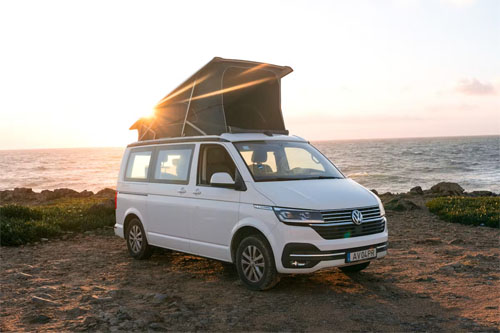
Selecting the right RV class for your Paris adventure is a crucial first step, with smaller models like campervans or compact motorhomes often proving more practical for navigating charming French roads and urban outskirts. Consider a Class B campervan, such as the "rv rental denver example Category Van" which is ideal for a couple, featuring front air conditioning, a shower, and a toilet within its small RV size, making it nimble for European travel. Similarly, a V3 campervan, with 2 sleeping places and a length of 6.36 meters, offers great maneuverability in tighter spots while providing comfort for two. Locking in your rental dates as early as possible, especially if traveling during France's peak tourist season (June to August) or major holidays, is essential to ensure availability and potentially better rates. Prices are dynamic, similar to flight tickets, changing daily based on availability, seasonality, and supplier decisions. Understanding your insurance options is key; basic insurance is always included with your rental, but for enhanced security, you can upgrade to a top-level deductible for extra peace of mind. To see prices including the most comprehensive coverage, select that option during your search on our platform—then all relevant insurance options will be clearly shown. This full transparency ensures no hidden fees or surprises.
If you're wondering about specific costs, our "RV Rental in Paris - Prices and Best Deals 2026" provides detailed information on various pricing factors and options.
Pre-Trip Prep - Packing Checklist for Paris
A well-prepared packing checklist is essential for a smooth and comfortable RV trip to Paris, covering critical items for comfort, safety, and compliance with local regulations. Remember to pack layers of clothing for varied Parisian weather, comfortable walking shoes for city exploration, a rain jacket and a compact umbrella. Don't forget reusable water bottles to stay hydrated, a travel coffee maker or French press for your morning brew, and a corkscrew (essential for enjoying French wine!). Small food storage containers are also invaluable for leftovers from delicious local markets or meals cooked on board your rented motorhome. For a week-long trip, ensure you have a first-aid kit for minor injuries and high-visibility vests (mandatory per person in the vehicle) for safety. Also pack European plug adapters and a power bank for your electronics, a portable GPS with RV-specific routing (if not built-in), your passport and physical driver's license, and an International Driving Permit (IDP) if your license is from a non-English speaking country. Crucially, carry proof of your Crit'Air vignette purchase and your RV rental agreement and insurance details. Lastly, having a detailed travel itinerary and campground bookings ready will alleviate stress. Remember, cooking in your RV can be a delightful experience; find inspiration with our RV-friendly recipes playlist.
On the Road - Driving, Fueling, Navigation
Navigating France by rented RV requires familiarity with local road conditions, fueling procedures, and effective navigation strategies, especially when approaching Paris. Drive slowly and carefully, and you can drive almost anywhere without issues. No need to stress - just use common sense and pay attention. Exercise caution when navigating Paris traffic and the Boulevard Périphérique; it is generally advisable to drive *around* the city to your peripheral campground rather than directly through it. Fuel your RV with 'Gazole' (diesel), which is the standard fuel type for most motorhomes, and is widely available at service stations across France; plan your fuel stops, particularly on Sundays or in rural areas where options might be limited. Utilizing a GPS system equipped with RV-specific settings can help avoid narrow roads, low bridges, and areas restricted for larger vehicles, ensuring a smoother journey. Be prepared for tolls ('péages') on most French motorways; these can be paid with cash, major credit cards, or by using a Liber-t toll tag for seamless passage. For budgeting and tracking these ancillary costs, keep in mind that our RV PLANET routes allow travelers to itemize and track every expense along the way.
For those planning longer journeys, our "RV Travel Guide to Paris - Tips and Top Spots 2026" offers more extensive driving and routing advice beyond the immediate city.
At the Campground - Setup, Hookups & Etiquette
Successfully camping in France with a rented RV involves knowing how to properly set up your vehicle, connect to utilities, and observe local campground etiquette. Upon arrival, carefully park your motorhome in your designated pitch, ensuring you have enough space to extend awnings and set up any outdoor living area comfortably. Connect your utilities in a standard order: first the electrical hookup (typically 2-pin European standard, often requiring an adapter), then the freshwater supply, and manage grey and black water waste at designated service points, known as 'aires de services' or 'vidange'. Observe quiet hours, typically from 10 PM to 7 AM, to show respect for fellow campers; keep noise levels low, avoid loud activities, and use generators sparingly if permitted. Engaging respectfully with other campers and campground staff is always appreciated; a simple 'Bonjour' (good day) and 'Merci' (thank you) can significantly enhance your experience and interactions. Finding campsites and campgrounds during your trip is made easy with RV PLANET (rvplan.net), a great resource for locating available spots along your route, ensuring you'll always find a comfortable spot.
RV Rental-Specific Tips for Paris
For an RV rental trip to Paris, tailoring your approach to the city's unique challenges and opportunities will significantly enhance your experience, especially for those seeking comfortable and stress-free travel. Prioritize booking campgrounds located on the immediate outskirts of Paris, such as Camping de Paris in Bois de Boulogne, as these offer direct and frequent public transport links (e.g., RER train stations) into the bustling city center. Familiarize yourself with Paris's extensive public transport system, including the RER and Metro, as this will be your primary mode of travel for sightseeing within the city, reaching iconic landmarks like the Eiffel Tower or the Louvre. Consider using peripheral 'Park and Ride' facilities for your rented motorhome, then continuing your journey into the city via public transit. Plan your grocery shopping at larger supermarkets found outside the immediate Paris region, where prices are often more competitive and parking for an RV is considerably easier than in the dense urban core.
If you're flying into Paris and picking up your RV, our "RV Rental Near Paris Airport - Pickup Pricing 2026" guide offers specific advice for seamless transitions.
Common Mistakes to Avoid in Paris
Avoiding common pitfalls can significantly improve your RV rental experience in Paris, ensuring a smoother and more enjoyable trip. Do not attempt to drive your rented RV directly into central Paris; instead, plan to utilize strategically located peripheral campgrounds and rely on public transportation for city access. A common mistake is ignoring the mandatory Crit'Air vignette requirement; ensure your RV displays the correct sticker to comply with Low Emission Zones and prevent fines of up to €450. Do not underestimate driving times and distances within France, especially during peak tourist season; always build in buffer time for unexpected delays or spontaneous stops to maintain a relaxed pace. Another mistake to avoid is last-minute campground bookings, particularly for popular sites near Paris, as these tend to fill up quickly, leaving you with limited options. While many national and state parks reserve only 25-30% of spots, leaving the rest for first-come-first-serve, it's always wise to call ahead before driving if you don't have a reservation. You'll find a spot; if not at the first campground, then the next one. We also recommend traveling slowly, averaging a maximum of 100-150 km per day, to truly feel the place and connect with the local culture, food, and scenery.
What are the new rules for motorhomes in France?
France has implemented Low Emission Zones (ZFEs) in many urban areas, including Paris, requiring vehicles like motorhomes to display a Crit'Air vignette based on their emission class to avoid fines that can range from €68 to €450. Motorhomes exceeding 3.5 tonnes Gross Vehicle Weight (GVW) are now legally required to display specific speed limit stickers (e.g., 80, 90, 110 km/h) on their rear, indicating the maximum speeds applicable to their vehicle class on different road types. Certain urban areas and municipalities may enforce specific parking restrictions or prohibitions for motorhomes, particularly in dense city centers, which vary by local decree and should be checked in advance. Regulations concerning wild camping or overnight parking outside designated campgrounds ('aires') vary significantly by commune, with increasing restrictions in popular tourist regions and along coastlines.
Is France motorhome friendly?
Generally, France is considered very motorhome-friendly, offering an extensive and well-maintained network of over 3,000 'aires de services' (service areas) designed specifically for RVs to dispose of waste and refill water, often at low or no cost. The country boasts a diverse array of campgrounds, ranging from basic municipal sites to luxurious holiday parks, providing ample options for overnight stays. While navigating major cities like Paris requires careful planning due to vehicle size and emission zone regulations, the vast rural landscapes and scenic routes throughout France are exceptionally welcoming to RVers. The cultural appreciation for camping and outdoor leisure ensures that motorhomers are generally well-received and accommodated across the country, making it an inspiring destination for a rented RV adventure.
Do I need speed stickers on my motorhome in France?
Motorhomes with a Gross Vehicle Weight (GVW) exceeding 3.5 tonnes are legally required to display specific speed limit stickers on their rear when traveling in France. These stickers typically show three speed limits: 80 km/h (for rural roads), 90 km/h (for dual carriageways), and 110 km/h (for motorways, where applicable to heavy vehicles). The requirement applies to both French-registered and foreign-registered vehicles that meet the weight criterion, and they must be visibly affixed to the rear of the motorhome. Smaller campervans or motorhomes under 3.5 tonnes GVW are usually exempt from this specific sticker requirement but must still adhere to the general French speed limits for their vehicle type.
What is the 3-3-3 rule when RVing?
The 3-3-3 rule for RVing suggests a relaxed travel pace of driving no more than 300 miles (approximately 480 km) a day, arriving at your destination by 3 PM, and staying for a minimum of 3 nights. This rule is designed to reduce driver fatigue, allow ample time for setting up camp and exploring the local area, and ensure a more enjoyable, unhurried journey. Applying the 3-3-3 rule in France can enhance your trip by preventing rushed sightseeing and allowing for deeper cultural immersion at each stop. While 300 miles might be a long day for some European routes due to dense populations and winding roads, the underlying principle of taking it easy and staying longer remains highly beneficial, aligning with our recommendation to travel slowly, max 100-150 km per day.
What is the 4-4-4 rule for RVing?
The '4-4-4 rule' for RVing is often cited as an alternative to the 3-3-3 rule, proposing to drive no more than 400 miles (approximately 640 km), arrive at your campground by 4 PM, and stay for a minimum of 4 nights. This rule caters to RVers who prefer slightly longer travel days but still prioritize extended stays at each destination, offering a balance between covering ground and thorough exploration. Adhering to the 4-4-4 rule helps ensure drivers are not overtired and allows for more comprehensive enjoyment of a destination's amenities and local attractions. When traveling in France, the mileage component might need adjustment to suit the denser European road network and more frequent, closer attractions, but the principle of longer stays is valuable for a relaxed two-week adventure or extended road trip.
How much does it cost to rent an RV in France?
The cost to rent an RV in France varies significantly based on factors such as vehicle class, rental duration (e.g., a one-week trip versus a longer adventure), season, and pick-up location, but typically ranges from €70 to €250+ per day. Daily rental rates can be lower for compact campervans, like a "hire campervan example Paradise S/T" (which might cost around €80-€150/day in low season, features automatic transmission and is suitable for couples) and higher for larger, more luxurious motorhomes, such as an "rv rentals example Comfort Class" (which could be €150-€250+/day during peak season, offering 3 double beds). Additional expenses to budget for include comprehensive insurance (which can be upgraded), potential mileage limits (some rentals include unlimited miles, others charge per km), fuel (Gazole/diesel is common), and road tolls ('péages'). Also factor in campground fees (typically €20-€50 per night), groceries, and the mandatory Crit'Air vignette, which must be purchased in advance for emission zones like Paris. Prices are dynamic like flight tickets, changing daily based on availability and supplier decisions, so checking regularly is advisable. Our "Weekly RV Rental in Paris - Pricing 2026" provides more detailed breakdowns.
What You Shouldn't Miss
Looking for expert insights from Avi Bandana? Top 5 Adventures - recommendations from Avi Bandana:
- **A Seine River Cruise by Evening:** Experience the magic of Paris from the water, passing illuminated landmarks like the Eiffel Tower and Notre Dame Cathedral. Many cruises offer dinner, making for a truly memorable evening.
- **The Palace of Versailles:** Just a short train ride from central Paris, this opulent palace and its magnificent gardens are a must-see. Allow a full day to explore the Hall of Mirrors, Marie Antoinette's Hamlet, and the expansive grounds.
- **Montmartre and Sacré-Cœur Basilica:** Wander through the artistic streets of Montmartre, watch painters at work in Place du Tertre, and then climb to the Sacré-Cœur Basilica for breathtaking panoramic views of the entire city.
- **A Day Trip to the Loire Valley Castles:** Renting an RV in Paris gives you the flexibility to easily explore outside the city. Head southwest for a day or two to discover stunning châteaux like Chenonceau or Chambord, immersing yourself in French history and architecture.
- **Picnic by the Eiffel Tower:** Grab some fresh bread, cheese, and wine from a local market and enjoy a quintessential Parisian picnic on the Champ de Mars, with the iconic Eiffel Tower as your backdrop. This is a simple pleasure that truly embodies the Parisian spirit.
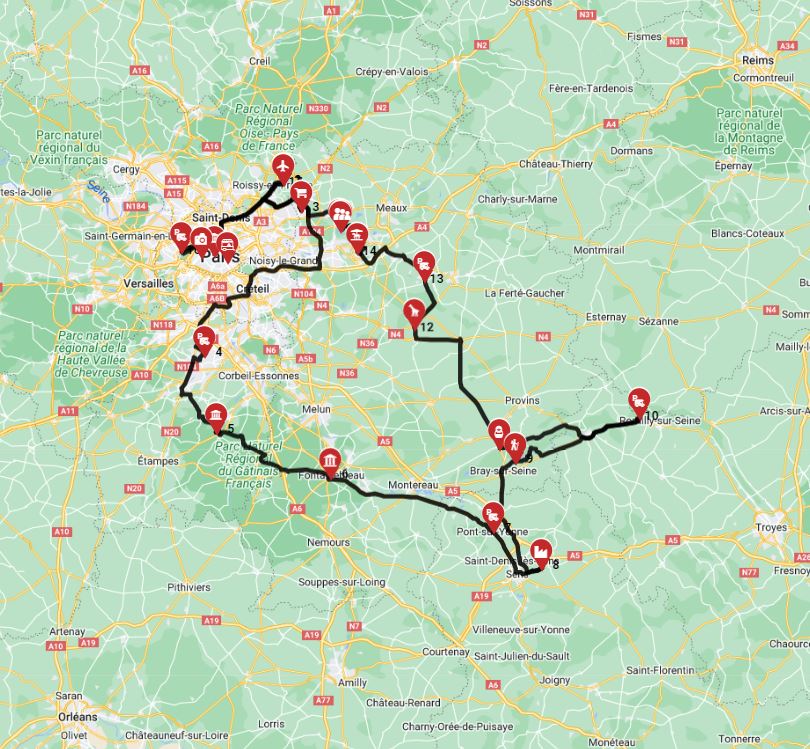
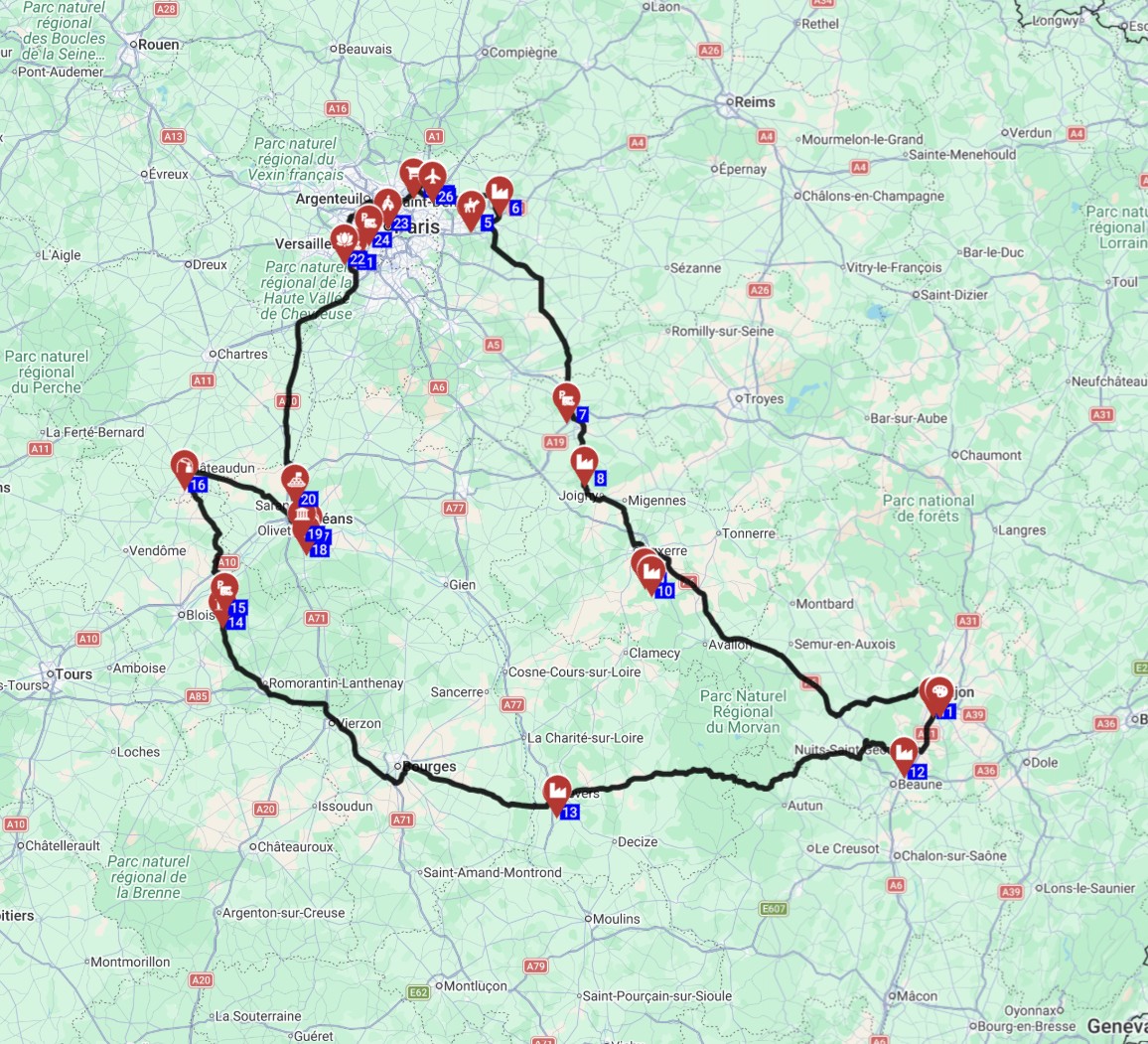
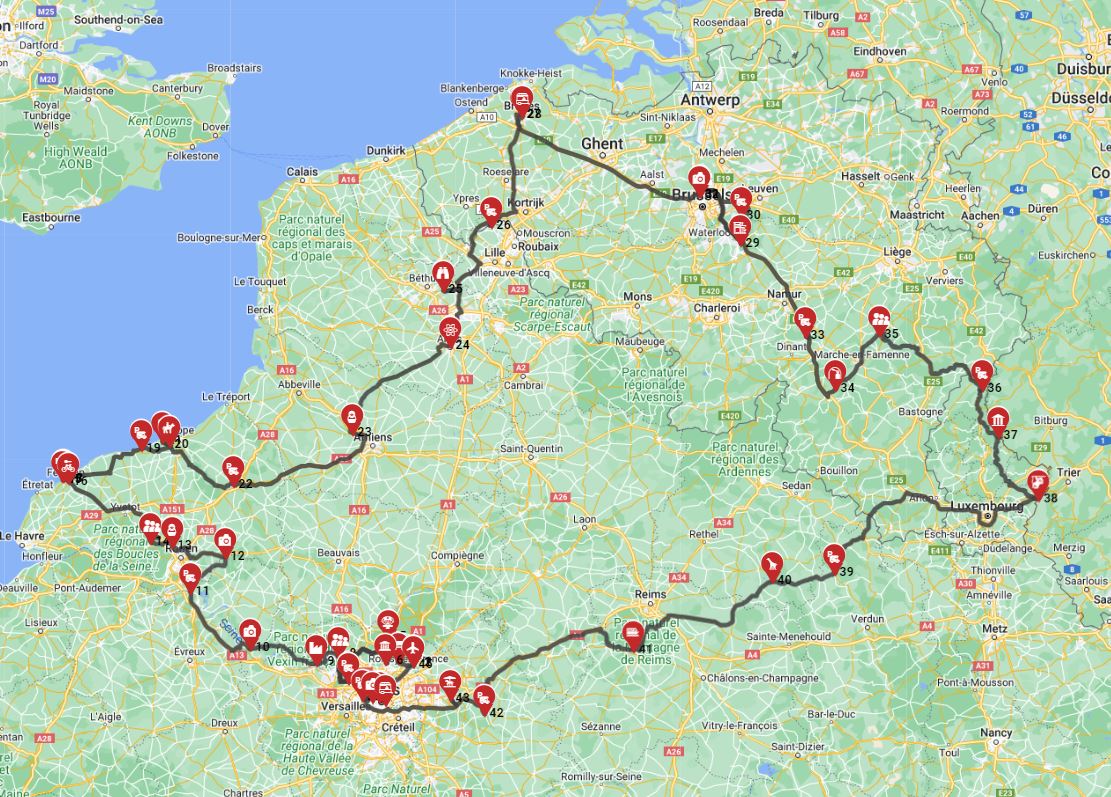
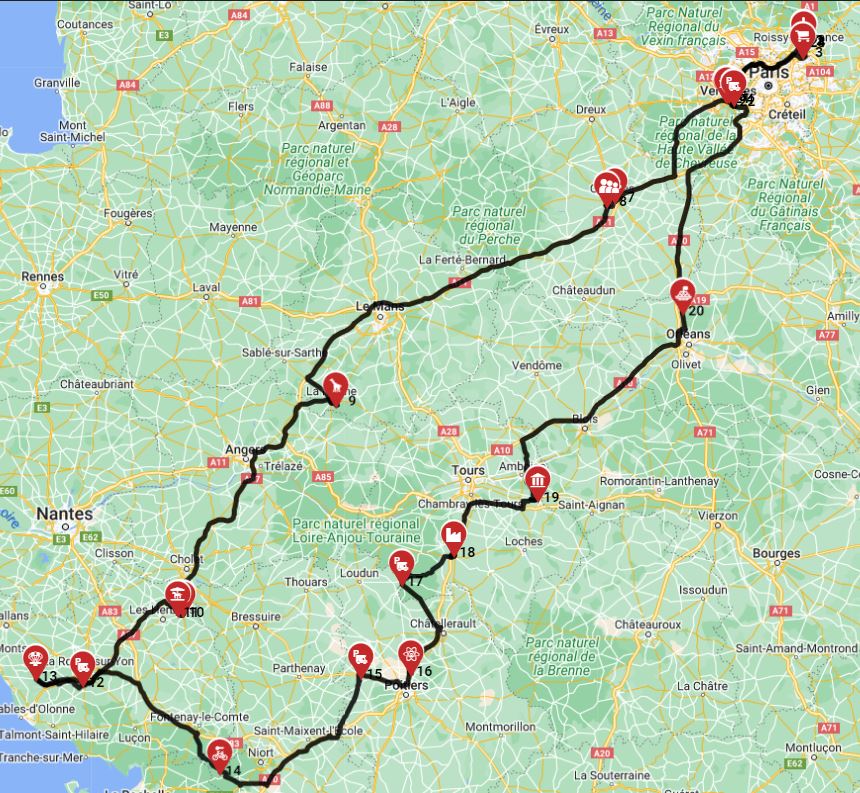
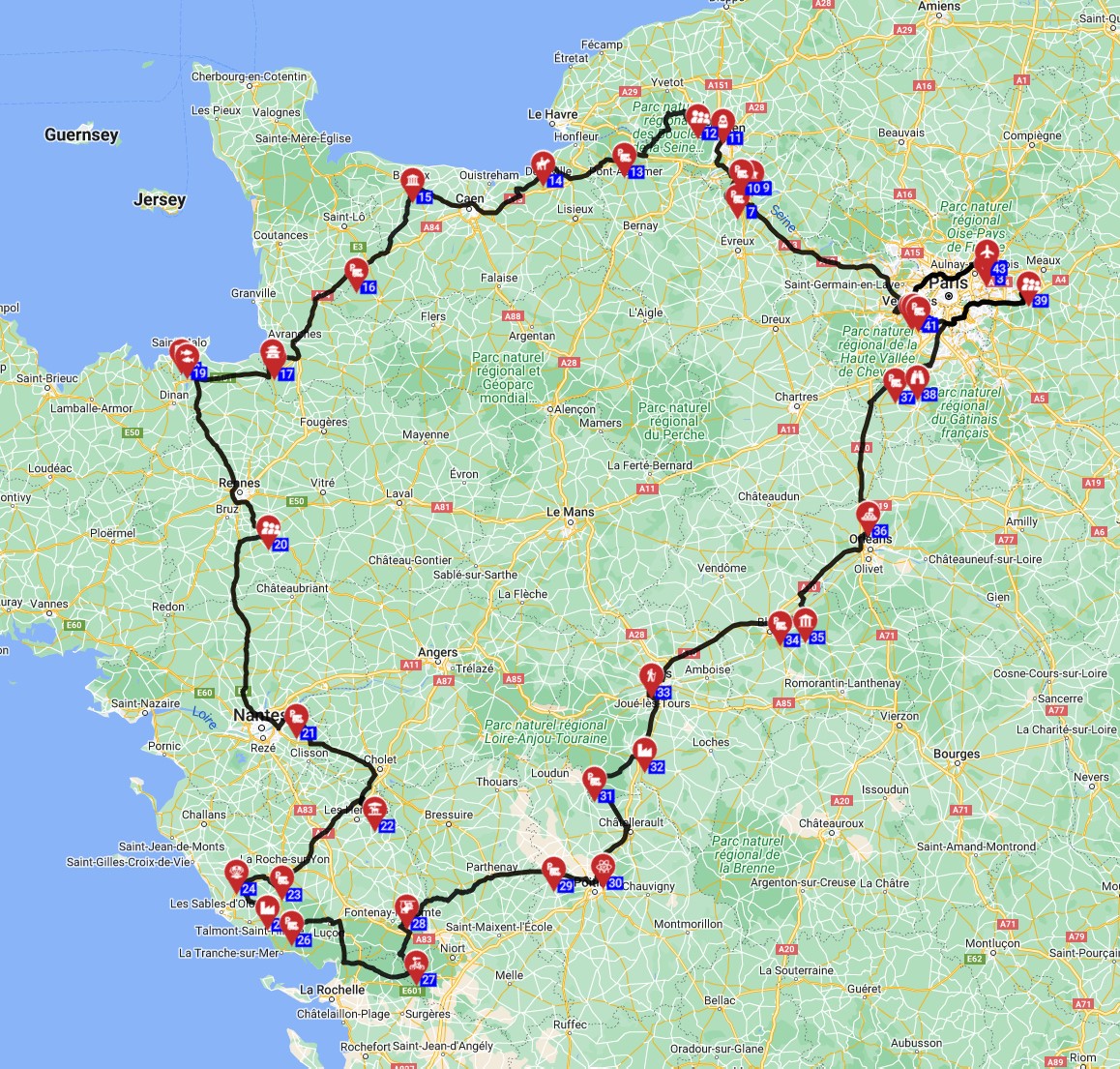
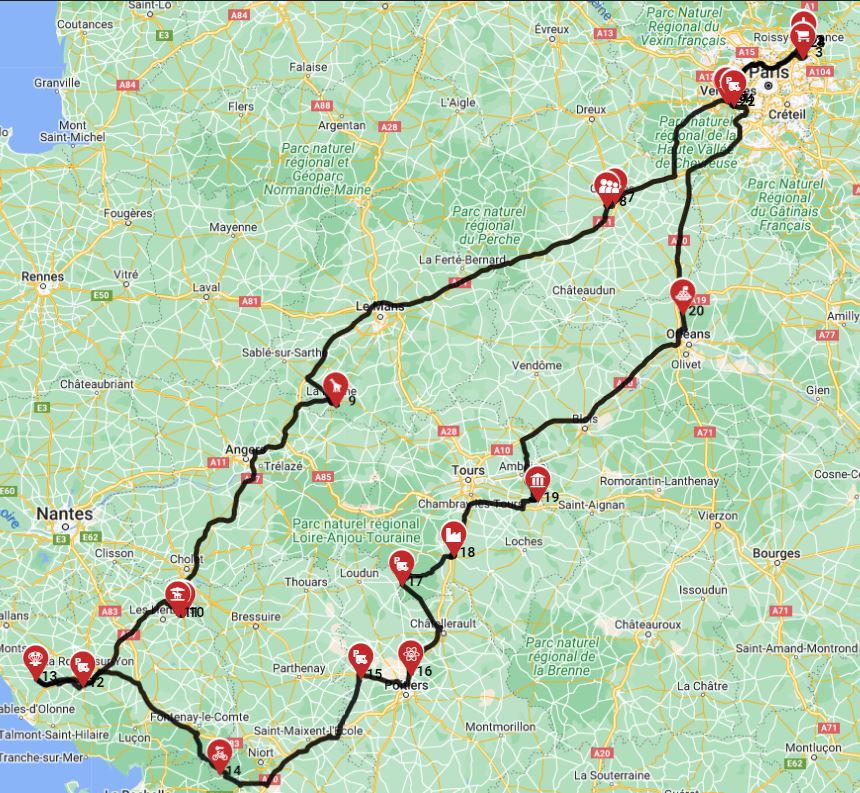
Consider the RV PLANET routes for pre-planned itineraries, such as the "
Final Thoughts
Embracing a rented RV adventure in Paris as a senior traveler opens up a world of comfortable exploration, allowing you to savor every moment at your own pace. From the practicalities of navigating French roads and managing your budget to the joys of discovering quaint villages and iconic Parisian landmarks, this guide provides the essential tips for a truly memorable experience. Remember, the key is thoughtful preparation and a willingness to immerse yourself in the journey. Traveling slowly, perhaps covering a maximum of 100-150 km per day, allows you to truly feel the local culture, taste the exquisite food, and appreciate the stunning scenery that France has to offer.
With Bandana Caravan, you have a trusted partner every step of the way. We compare prices across 50+ suppliers to ensure you get the best deals, and our commitment to full transparency means you'll never encounter hidden fees. So, take a deep breath, get inspired for your next trip, and prepare to create unforgettable memories. The charm of Paris and the freedom of the open road await!
Find Motorhome Rentals in Paris