In This Guide
- Top 5 Tips for RV Rental for Seniors in North Europe
- Before You Book - Class, Dates, Insurance
- Pre-Trip Prep - Packing Checklist for North Europe
- On the Road - Driving, Fueling, Navigation
- At the Campground - Setup, Hookups & Etiquette
- RV Rental for Seniors-Specific Tips for North Europe
- Common Mistakes to Avoid in North Europe
- What is the 3-3-3 rule for RV travel?
- What is the best RV for seniors?
- What is the 4-4-4 rule for RV travel?
- Is it cheaper to rent an RV or stay in hotels?
- How much does it cost to rent an RV in Europe?
- What is the 333 rule for campervan?
- Is Europe RV friendly?
- How easy is it to travel around Europe in a motorhome?
- What are the drawbacks of renting an RV?
- Is it possible to travel around Europe in an RV?
Embarking on a motorhome adventure through North Europe is an incredible way to experience its stunning fjords, vibrant cities, and serene landscapes. For senior travelers, a rented RV offers unparalleled freedom and comfort, allowing you to set your own pace and truly savor every moment. Imagine waking up to the gentle sounds of a Norwegian fjord or enjoying a freshly brewed coffee with a view of a Swedish forest – that's the magic of RV travel!
At Bandana Caravan, we've been helping tens of thousands of travelers explore the world by RV since 2001, providing a seamless and transparent booking experience. We're true RV specialists, not just a side department of a larger travel agency, which means we genuinely understand the nuances of a fantastic motorhome journey. For live availability and current prices, start with our RV Rental North Europe - Complete Guide 2026 guide.
Top 5 Tips for RV Rental for Seniors in North Europe
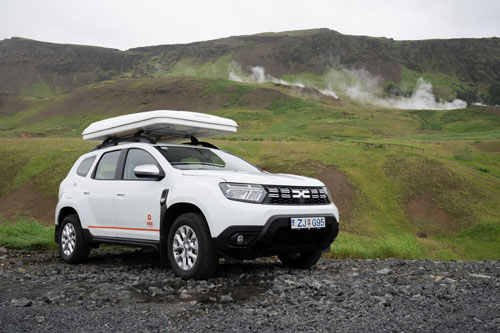
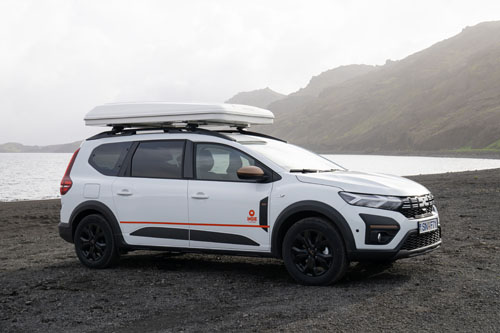
Planning an RV adventure in North Europe as a senior traveler becomes a more relaxed and enjoyable experience by focusing on practicalities that ensure comfort and ease. Opt for compact, automatic transmission motorhomes, such as a "Category Van" or a "2 Berth Hi Top" with a length of around 6 meters, for easier navigation on North European roads which can be narrower than in other regions.
Secondly, plan your route with realistic daily distances, aiming for a maximum of 100-150 km per day on average, to account for varied terrain and driving conditions. Thirdly, pre-book campsites, especially if traveling during peak season (June-August) or to popular national parks, as spots fill quickly and wild camping rules vary significantly by country. Familiarize yourself with local driving regulations, including speed limits, specific tolls, and environmental zones, to avoid unexpected fines. Lastly, pack layers and prepare for all weather conditions, as North European weather can be unpredictable, even in summer, ensuring you have waterproof and windproof outerwear. These tips are designed to enhance your travel ease and enjoyment, making your journey as smooth as possible. On the routes offered through RV PLANET routes, you can itemize and track every expense along the way for easy budgeting.
Before You Book - Class, Dates, Insurance
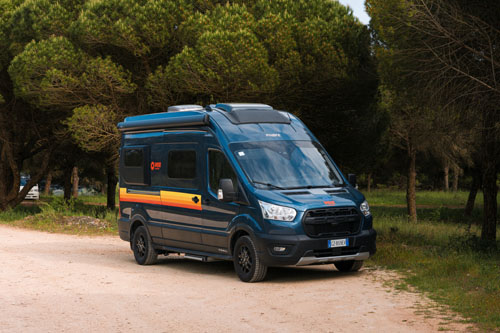
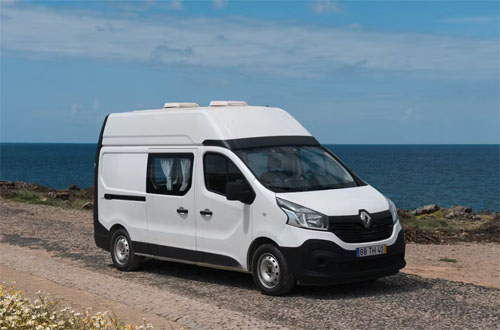
Before finalizing your North Europe RV rental, it's essential to carefully consider your vehicle class, travel dates, and insurance coverage to ensure a comfortable and secure trip. Choosing the right RV class for seniors often involves prioritizing smaller, more maneuverable models like campervans (Class B equivalents in Europe) or compact motorhomes (Class C equivalents), such as a "V3" or a "Luxury Small" with a fresh water tank of 100 liters, that typically offer automatic transmissions and easy access, reducing driving stress. These smaller vehicles, often under 7 meters in length, are ideal for navigating charming towns and winding coastal roads. For couples, a "camper for rent example Jackpot" is a great choice.
Locking in rental dates for a North Europe RV trip is best done several months in advance, especially for popular summer months (June-August) or specific events, to ensure availability and potentially better rates, which can start from €80-€100 per day in the shoulder season. However, if you are a spontaneous traveler, remember that many national and state parks reserve only 25-30% of spots for advance booking, with the rest available on a first-come, first-serve basis. You'll find a spot; if not at the first campground, then the next one. Just remember to call ahead before driving. Insurance options are crucial, with basic liability insurance typically included in the rental price; however, considering comprehensive coverage for peace of mind, which may reduce your deductible, is highly recommended. Our platform allows you to see prices including the most comprehensive coverage by selecting that option during your search, ensuring full transparency with no hidden fees.
Pre-Trip Prep - Packing Checklist for North Europe
Preparing a comprehensive packing checklist tailored to North Europe's diverse climate and RV living ensures a comfortable and hassle-free journey. Consider packing essentials that cater to various weather conditions and the convenience of mobile living. For example, even in summer, temperatures can drop, especially in coastal or mountainous regions. Our detailed RV PLANET routes also provide insights into budgeting for ancillary costs like groceries, helping you plan meals and pack efficiently.
Clothing Essentials:
- Waterproof and windproof outerwear: a good quality jacket and trousers are invaluable.
- Warm layers: fleece jackets, wool sweaters, and thermal base layers for chilly evenings or higher altitudes.
- Comfortable walking shoes: sturdy, waterproof boots are essential for exploring natural parks.
- Slippers or indoor shoes: for comfort inside your rented motorhome.
- Sun protection: hat, sunglasses, and sunscreen, especially for summer and high-latitude sun.
- Quick-dry towels: space-saving and efficient for RV bathrooms.
Kitchen & Dining:
Many rental motorhomes come with basic kitchen kits, but confirming specifics with your supplier is always a good idea. To inspire your onboard culinary adventures, check out our RV-friendly recipes playlist for delicious and easy meal ideas.
- Basic cooking utensils and a compact pot/pan set.
- Reusable water bottles and coffee cups to minimize waste and stay hydrated.
- Small cooler or insulated bag for day trips.
- Dish soap, sponge, and kitchen towels.
Safety & Navigation:
- First-aid kit with personal medications and any necessary prescriptions.
- Headlamp or flashlight: indispensable for navigating campsites at night.
- Reflective vest and warning triangle: often legally required in European vehicles.
- European electrical adapter and power bank: for charging devices.
- GPS device or reliable navigation app with offline map capabilities.
Important Documents:
- Valid driving license and International Driving Permit (IDP): recommended for non-English speaking visitors, though not mandatory in all cases, it can streamline interactions.
- Passport and any required visas.
- RV rental agreement and insurance documents.
- Credit cards and some local currency: for tolls, small purchases, and emergencies.
On the Road - Driving, Fueling, Navigation
Navigating North Europe in a rented RV requires attention to regional driving laws, road conditions, and efficient fueling strategies to ensure a smooth and enjoyable journey. Driving in North Europe involves adapting to varying speed limits (which are often lower for larger vehicles like RVs), understanding environmental zones in cities that may require specific permits, and being prepared for narrower, winding roads, especially in scenic areas like Norway's fjords. Drive slowly and carefully, and you can drive almost anywhere without issues. No need to stress - just use common sense and pay attention.
Fueling up can be managed by using apps like Fuelio or GasBuddy to find petrol stations and compare prices, remembering that diesel is more common for motorhomes, and some remote areas may have fewer options, so plan ahead. For navigation, rely on updated GPS systems or apps like Google Maps, Waze, or specific RV navigation apps that factor in vehicle dimensions, helping avoid unsuitable routes or low bridges. Consider pre-downloading offline maps for areas with limited connectivity. Be aware of ferry systems, especially crucial for island hopping or crossing fjords in countries like Norway; planning for these crossings in advance is advisable as they are often an integral part of the road network and may require booking. Furthermore, budget for specific bridge tolls and environmental zone requirements (e.g., in Sweden and Norway), which can be managed by systems like AutoPASS in Norway. To effectively budget for these additional expenses, remember that RV PLANET routes offer tools to itemize and track every expense along the way.
At the Campground - Setup, Hookups & Etiquette
Successful campground setup in North Europe involves understanding basic hookup procedures and adhering to local etiquette for a pleasant and respectful experience. Upon arrival at a campsite, typically park your rented campervan or motorhome first and then connect your electrical hookup to stabilize power (usually 220-240V), followed by water hookup for fresh water supply, ensuring secure connections to avoid leaks. Many sites offer 16-amp connections.
Waste disposal involves emptying grey water (from sinks/showers) and black water (from the toilet) at designated dump stations, a process crucial for hygiene and environmental responsibility. You can find these facilities readily available at most organized campsites. Observe quiet hours, usually from late evening until early morning (e.g., 10 PM to 7 AM), to respect other campers, minimize noise, and avoid running generators unless absolutely necessary and permitted. Familiarize yourself with local campsite rules regarding waste sorting, pet policies (many campsites are pet-friendly, but always confirm), and barbecue usage, which often vary by country and even by individual campground. For instance, in some areas, open fires might be restricted due to fire risk. Choosing a modern motorhome like a "Category Family 5" often provides comfortable onboard facilities like a 100-liter fresh water tank and a 100-liter waste water tank, enhancing your stay.
RV Rental for Seniors-Specific Tips for North Europe
When renting an RV for seniors in North Europe, prioritizing ergonomic design, comfortable bedding, and easy-to-access facilities significantly enhances the travel experience. Opt for smaller, automatic transmission campervans or compact motorhomes, such as a "V2L" (with a 100-liter fresh water tank and automatic transmission) or a "Category Small AT" (which typically features automatic transmission and is ideal for a couple), that are easier to maneuver on potentially narrower European roads and in city environments. These vehicles often range from 5.5 to 7 meters in length, providing a good balance of space and agility. Our range includes numerous options like the "Active Pop Top" which offers easy handling.
Plan a slower pace, incorporating more two or three-night stays in each location to minimize constant driving and allow ample time for relaxation and exploration without rush, adhering to the spirit of slow travel. Choose rented RVs with adequate storage for personal mobility aids if needed, and ensure the bathroom facilities are easily accessible and comfortable to use, with features like a marine cassette toilet and hot/cold water supply. Research campsites offering accessible facilities and amenities, and consider ones closer to towns or attractions to reduce walking distances. Many suppliers offer vehicles like the "Combi Van" or "EcoLine 2" that prioritize comfort and ease of use, ensuring a relaxing journey across North Europe. For longer trips and more comfort, you might consider a "Luxury" model, often featuring a 100-liter fresh water tank and a 86-liter refrigerator.
Common Mistakes to Avoid in North Europe
Avoiding common pitfalls can significantly enhance an RV trip for seniors in North Europe, ensuring a smoother and more enjoyable journey. One frequent mistake is over-scheduling; instead, plan a flexible itinerary with buffer days to accommodate unforeseen delays or spontaneous detours, allowing for a more relaxed pace of max 100-150 km per day. North Europe is best explored slowly, taking time to feel the place, connect to the culture, the food, and the scenery.
Another pitfall is underestimating costs; budget comprehensively for fuel (which can average €1.80 per liter), tolls, ferries, campsite fees (typically €20-€45 per night), and potential environmental zone charges, which can add up quickly in North Europe. RV PLANET routes can help you itemize and track every expense. Instead of ignoring local regulations, research specific driving laws for each country you visit, including required safety equipment (e.g., reflective vests, warning triangles, which are often provided by the rental supplier) and wild camping rules, which can vary from the generous 'Allemannsretten' in Scandinavia to stricter rules elsewhere. Finally, rather than relying solely on paper maps or intermittent phone signal, ensure you have reliable digital navigation tools and understand how to use them, preferably with offline map capabilities, to avoid getting lost in areas with patchy internet or remote locations.
🎬 Video coming soon
What is the 3-3-3 rule for RV travel?
The 3-3-3 rule for RV travel suggests driving no more than 300 miles (approximately 480 kilometers), stopping by 3 PM, and staying at least 3 nights in one location, promoting a relaxed and enjoyable pace. This rule is particularly beneficial for seniors, as it significantly reduces driving fatigue and allows more time to immerse in each destination without feeling rushed. In North Europe, where distances between attractions can often be shorter and roads more winding (especially in fjord country), adapting this rule to '300 kilometers' and allowing for earlier stops (e.g., 2 PM) can be even more practical, emphasizing the 'slow travel' experience recommended for this region. Adhering to a slower pace also allows for better navigation of smaller roads and enjoying the unique scenic routes found across Nordic countries, making your journey more about the experience than the destination.
What is the best RV for seniors?
The best RV for seniors typically offers ease of driving, comfortable living space, and accessible features, often pointing towards smaller, automatic campervans (Class B) or compact motorhomes (Class C). These vehicles, like a "Category Van" or "2 Berth Sandpiper" (approx. 6.2 meters long with automatic transmission), are easier to maneuver through North European towns and on winding roads, and many come with automatic transmissions, reducing driving stress. For comfortable travel, look for models with low entry steps, spacious bathrooms, comfortable beds that are easy to access (e.g., double bed 140/190cm), and intuitive controls for appliances. For North Europe specifically, a smaller footprint (e.g., under 6-7 meters) is advantageous for navigating ferries, fitting into smaller campsites, and driving on historical routes without issues. Our inventory includes options like the "Combi Van" (5 meters long, automatic) that are ideal for couples seeking comfort and maneuverability.
What is the 4-4-4 rule for RV travel?
The 4-4-4 rule for RV travel is a variation of pacing advice, suggesting driving no more than 400 kilometers, arriving by 4 PM, and staying a minimum of 4 nights, further promoting a leisurely journey. Similar to the 3-3-3 rule, this guideline prioritizes comfort over speed, which is ideal for seniors looking to explore North Europe without feeling rushed. Applying this rule to North Europe means ample time to experience local culture, enjoy extended hikes or sightseeing, and manage the RV's services without daily pressure. This extended stay approach allows for a deeper dive into unique regional experiences, from local markets to less-visited natural wonders, and helps in understanding local cultural etiquette for RVers.
Is it cheaper to rent an RV or stay in hotels?
Renting an RV can be more cost-effective than staying in hotels for trips involving multiple destinations in North Europe, especially when factoring in the significant savings from cooking meals in the RV rather than eating out. While initial RV rental costs (which can range from €70-€200+ per day) and fuel expenses (averaging €1.80 per liter) can be substantial, the ability to self-cater and avoid daily hotel expenses, restaurant bills, and separate transportation costs often results in overall savings for longer trips, particularly week-long adventures or extended road trips. Budget optimization for an RV trip in North Europe should also consider ferry costs, bridge tolls, and varying campsite fees, which can impact the total expenditure. Compared to hotels, a rented motorhome provides a flexible accommodation and transport solution, allowing for exploration of hidden gems and scenic routes that might be harder to access via traditional lodging and public transport. Many travelers find that the freedom and experience offered by a rented RV far outweigh any potential extra costs. For detailed cost breakdowns, you might consult our "RV Rental in North Europe - Prices and Best Deals 2026" guide.
How much does it cost to rent an RV in Europe?
The cost to rent an RV in Europe varies significantly based on vehicle size, rental duration (Bandana focuses on trips of 1 week or more), season, and pick-up location, typically ranging from €70 to €200+ per day for a standard model. For a smaller campervan or compact motorhome suitable for seniors in North Europe, expect prices to start at the lower end during off-peak seasons (shoulder months like May or September) and rise considerably during peak summer (June-August). For example, a 2-berth campervan might cost €80-€120 per day in May, but €150-€200+ in July. Beyond the dynamic daily rental fee, which changes based on availability like flight tickets, budget for mandatory insurance, one-way fees (if applicable, from €150-€500), bedding packages, cleaning fees, and importantly, fuel, which can be expensive in Nordic countries (e.g., €1.80-€2.00 per liter). A deeper dive into budget optimization includes considering fuel efficiency of the RV (many diesel models offer 9-14 liters/100 km), researching discount cards for campsites, and planning meals to be cooked in the RV to save on food costs. Our full transparency means what you see is what you pay, with no surprise fees at pickup.
What is the 333 rule for campervan?
The 333 rule for campervan travel is identical to the 3-3-3 RV rule, advocating for driving no more than 300 miles/kilometers, stopping by 3 PM, and staying at least 3 nights, emphasizing a relaxed pace tailored for smaller vehicles. For campervans in North Europe, this rule is particularly relevant as it encourages a slower exploration of scenic routes and charming villages that are often more accessible to smaller vehicles like the "Combi Van" (5 meters long). This pacing helps conserve fuel (many campervans offer 8-12 liters/100 km), reduces stress associated with long driving days on unfamiliar roads, and allows ample time for managing waste/water and finding suitable parking/camping spots. It adapts well to the unique North European experience, where the journey itself, with its Midnight Sun in summer or potential Northern Lights viewing, is as important as the destination. This approach promotes connection to the culture, food, and scenery, aligning perfectly with our slow travel philosophy.
Is Europe RV friendly?
Europe is generally RV-friendly, offering a vast network of campsites and services, though regulations and infrastructure can vary by country and region, particularly in North Europe. North European countries (Norway, Sweden, Finland, Denmark) provide excellent infrastructure for RVs, including well-maintained roads, numerous campsites (with 25-30% of spots often available first-come-first-serve), and designated service points for waste and water. However, specific challenges include navigating smaller, winding roads in mountainous or coastal areas, particularly in Norway. Drive slowly and carefully, and you can drive almost anywhere without issues. No need to stress - just use common sense and pay attention. Understanding varying wild camping rules by country (e.g., 'Allemansrätten' in Sweden and Norway allows limited wild camping with strict etiquette) is also important. Environmental zones in cities (requiring specific permits), specific bridge tolls, and extensive ferry systems (common in Norway) require pre-planning and understanding of regional driving laws for RVs, including speed limits and required safety equipment. Overall, with careful planning, Europe, and particularly North Europe, offers an incredibly rewarding RV travel experience.
How easy is it to travel around Europe in a motorhome?
Traveling around Europe in a rented motorhome is generally straightforward with good planning, offering immense flexibility and immersion into diverse landscapes and cultures, especially in regions like North Europe. The ease of travel is enhanced by a comprehensive network of motorhome-friendly campsites, 'Stellplätze' (in Germany/Austria) or 'bobilparkering' (in Norway) for overnight parking, and service areas for waste and water management. While overall ease is high, infrastructure challenges in North Europe can include navigating narrower roads, busy city centers, and utilizing extensive ferry systems, which require pre-booking and understanding of schedules. Successfully traveling involves adapting to regional driving laws (a standard car driver's license is sufficient for all motorhome classes), being prepared for varying road conditions (especially seasonally), and using essential technology and apps for navigation, fuel, weather, and finding parking/camping spots. For comprehensive trip planning and route ideas, our RV PLANET (rvplan.net) sister company offers over 1,300 pre-planned routes across 5 continents, making your journey even easier.
What are the drawbacks of renting an RV?
While renting an RV offers immense freedom, potential drawbacks can include higher fuel consumption compared to cars, typically 10-25 liters per 100 km depending on vehicle size, and potentially complex navigation in urban areas due to vehicle size. Drive slowly and carefully, and you can drive almost anywhere without issues. No need to stress - just use common sense and pay attention. Another factor is the continuous need for careful waste and water management; while dump stations are common, they require regular attention. In North Europe, specific drawbacks might involve navigating narrower, winding roads and specific bridge tolls or environmental zones that can add to costs and complexity, necessitating upfront planning. Other considerations include the learning curve for operating RV systems (e.g., hookups, heating, fresh water tank management), the time spent on daily setup and pack-down, and the potential for mechanical issues in remote areas, although our 24/7 support means real people are behind you before, during, and after your booking to help with coordination. While crime prevention is generally less of a concern in North Europe, awareness of road conditions and potential wildlife encounters (e.g., reindeer, moose) are important safety considerations.
Is it possible to travel around Europe in an RV?
Yes, it is absolutely possible and a highly popular way to travel around Europe in an RV, with extensive infrastructure supporting such adventures across the continent, including North Europe. Millions of travelers choose rented RVs annually for the freedom, flexibility, and often cost-effectiveness they offer when exploring Europe's diverse regions. North Europe, specifically, provides an exceptional backdrop for RV travel with its stunning natural landscapes, well-maintained roads, and a culture that generally welcomes motorhomes. The minimum rental age is 21, and a standard car driver's license is all that's required. However, successful travel requires planning for specific regional nuances like varying driving laws, environmental zones, and the availability of overnight parking beyond general camping, which can differ from country to country. For example, knowing the details of "Winter RV Rental in North Europe - Pricing Guide 2026" can make a big difference for off-season adventures. With a solid plan and a reliable rental, your European RV dream can become a reality. We compare final prices across 50+ suppliers so you don't have to worry about hidden fees or surprises.
What You Shouldn't Miss
- **Norway's Geirangerfjord & Trollstigen:** Drive the breathtaking Trollstigen mountain road (seasonal) and take a ferry through the majestic Geirangerfjord, a UNESCO World Heritage site, experiencing some of Europe's most dramatic scenery.
- **Sweden's Coastal Archipelago:** Explore the thousands of islands along the Swedish coast, particularly around Gothenburg or Stockholm, offering picturesque villages, fresh seafood, and tranquil camping.
- **Finland's Lake District & Sauna Culture:** Immerse yourself in the serene beauty of Finland's vast lake district, dotted with countless saunas. A traditional Finnish sauna is an experience not to be missed.
- **Danish Hygge in Small Towns:** Discover the charm of 'hygge' in Denmark's smaller towns and coastal areas, enjoying cozy cafes, local markets, and a relaxed pace of life from your rented motorhome.
- **Arctic Circle Crossing in Lapland:** Head north into the Arctic Circle in Norway, Sweden, or Finland to experience the magic of the Midnight Sun in summer or the ethereal Northern Lights in winter.
- **Iceland's Golden Circle & Ring Road:** While not typically classified as North Europe in the same way as Scandinavia, Iceland offers an unparalleled RV experience with its famous Golden Circle route and the complete Ring Road journey, revealing volcanoes, hot springs, and glaciers.
Looking for expert insights from Avi Bandana? Top 5 Adventures – recommendations from Avi Bandana
Final Thoughts
North Europe by rented RV offers an unforgettable journey, especially for seniors seeking comfort, flexibility, and deep immersion into stunning landscapes and unique cultures. With careful planning around vehicle choice, a relaxed itinerary, and an understanding of local customs, your adventure will be rich with discovery and ease. Remember, the journey itself is often the destination, so embrace the slow pace and enjoy every moment.
At Bandana Caravan, we are committed to making your RV rental experience seamless and joyful, from transparent pricing to supportive coordination. We provide you with the tools and information to confidently embark on your dream trip. Discover top destinations and planning tips, all in one place!
Ready to explore the majestic fjords of Norway, the serene lakes of Finland, or the charming cities of Denmark at your own comfortable pace? Start comparing options and planning your personalized route today. Find rv rental for Rentals in North Europe!