In This Guide
- Top 5 Tips for RV Rental for Seniors in North Canada
- Before You Book - Class, Dates, Insurance
- Pre-Trip Prep - Packing Checklist for North Canada
- On the Road - Driving, Fueling, Navigation
- At the Campground - Setup, Hookups & Etiquette
- RV Rental for Seniors-Specific Tips for North Canada
- Common Mistakes to Avoid in North Canada
- What is the 3 3 3 rule for RV travel?
- How much does it cost to rent an RV for a week in Canada?
- What is the best RV for seniors?
- What are the drawbacks of renting an RV?
- Can Americans RV in Canada?
- Which RV rental company in Canada is the best?
- What is the 4-4-4 rule for RV travel?
Embarking on a motorhome adventure through North Canada's vast and spectacular landscapes offers an unparalleled sense of freedom, especially for seniors seeking comfortable, leisurely exploration. Imagine waking up to serene wilderness views, cooking breakfast at your own pace, and venturing out to explore national parks and charming towns, all from the comfort of your rented mobile home. At Bandana RV, we believe that RV travel should be accessible and enjoyable for everyone, and North Canada provides an incredible backdrop for making lasting memories.
Planning is key to a rewarding journey, and for live availability and current prices, start with our RV Rental North Canada - Complete Guide 2026 guide. We are true RV specialists, with over 23 years of experience since our founding in 2001, having helped tens of thousands of travelers explore the world by RV. Our commitment to full transparency means no hidden fees and no surprises, ensuring a smooth experience from your initial search to your confirmed booking.
Top 5 Tips for RV Rental for Seniors in North Canada
Navigating the unique terrain and climate of North Canada requires specific considerations, especially for seniors planning an RV rental adventure.
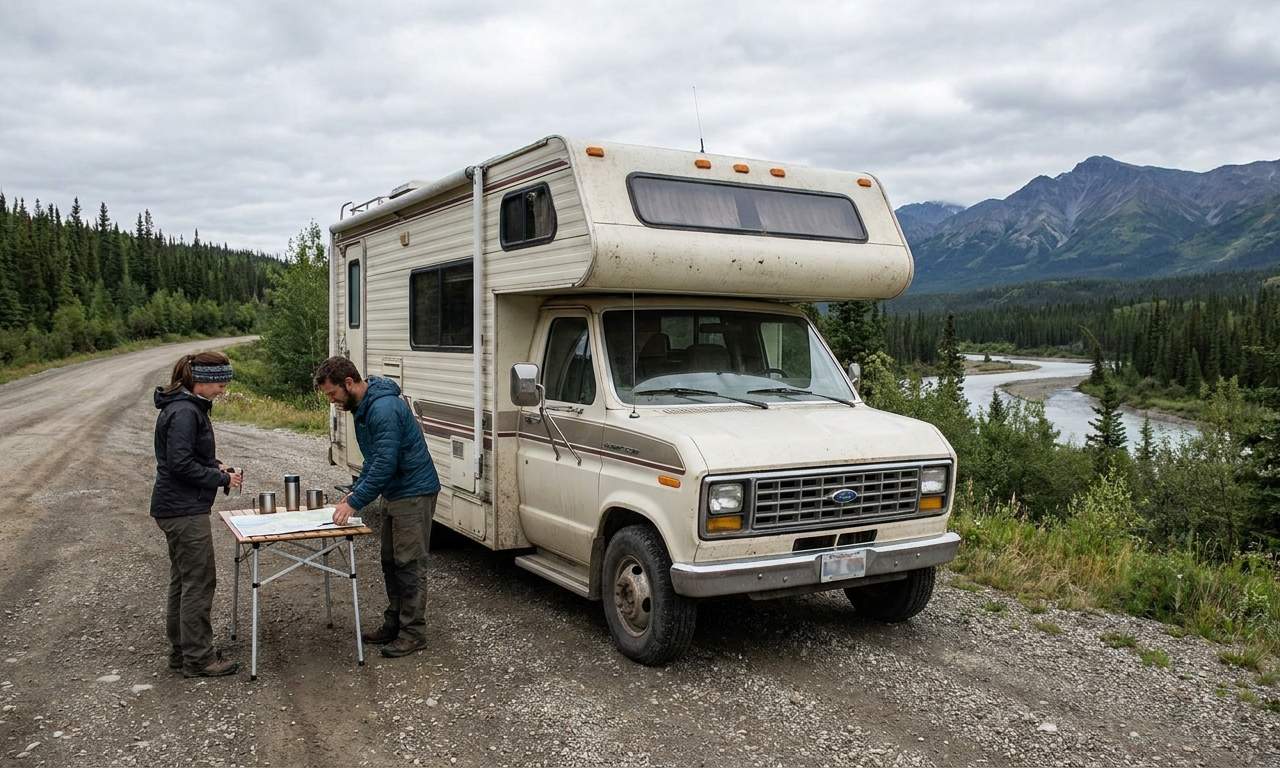
- Prioritize comfort and ease of driving with a suitable RV class. A smaller, more maneuverable Class B campervan or a compact Class C motorhome is generally recommended for easier handling on diverse northern road conditions, which can include both paved and gravel sections. Look for features like automatic transmission and comfortable seating, which models like the "Paradise Camper 4x4 double cab" or a "Category Van" often offer.
- Plan your itinerary with ample time, considering slower northern road conditions and vast distances. It's recommended to travel slowly, averaging a maximum of 100-150 km per day. This allows for spontaneous stops, deeper connections to the local culture and scenery, and reduces driving fatigue. Remember, North Canada is about the journey, not just the destination.
- Pack for extreme weather variations, including cold nights and intense sun, and carry robust insect repellent. Temperatures can fluctuate significantly, even in summer, requiring versatile layers of clothing. High-concentration DEET repellent and head nets are essential from late June through August due to active mosquito populations.
- Ensure reliable communication by renting a satellite phone or InReach device, as cell service is limited across vast stretches. In remote regions of North Canada, cellular networks are largely nonexistent, making a satellite communication device a critical safety item for emergencies or simply staying connected.
- Research and respect Indigenous cultures and local communities along your route, supporting local businesses. North Canada is rich in Indigenous heritage. Engaging respectfully with local communities and purchasing goods and services from local establishments enhances your trip and provides valuable support.
These tips are designed to make your RV rental experience in North Canada as comfortable and enriching as possible, allowing you to truly savor the unique beauty of this incredible region.
Before You Book - Class, Dates, Insurance
Choosing an RV class for seniors often involves balancing comfort, maneuverability, and desired amenities, with Class B campervans or smaller Class C motorhomes frequently recommended for easier driving and parking in North Canada.
Smaller vehicles like a "rent rv example A1" (ideal for a couple with a shower and toilet) or a "Category Van" offer the convenience of navigating smaller roads and easier parking at campgrounds and attractions. For those seeking more space, a Class C motorhome like the "MHC24" (sleeping 6 with kitchen amenities) offers a good balance of size and comfort. To secure the best rates and availability, especially for specific models suitable for northern travel, booking your RV rental 4 to 6 months in advance is advisable, particularly for peak summer months (June-August). Many national and state parks reserve only 25-30% of their spots, with the rest being first-come, first-serve, so pre-planning can save stress, but flexibility still allows for great opportunities. If you're flexible with your travel dates, exploring off-peak seasons (late May or early September) can also unlock more competitive pricing for your RV rental in North Canada. At Bandana RV, our full transparency means you'll see exactly what you're paying for, with no hidden fees or surprises.
Basic insurance is always included in RV rentals, but for comprehensive peace of mind, especially when traveling through remote parts of North Canada, consider selecting options that cover unforeseen incidents and roadside assistance. You can also upgrade to a top-level deductible for extra peace of mind. Insider tip: To see prices including the most comprehensive coverage, select that option during your search; then all relevant insurance options will be shown.
Pre-Trip Prep - Packing Checklist for North Canada
A comprehensive packing checklist for North Canada includes essential clothing layers, kitchen necessities, safety gear for remote travel, and all vital documents to ensure a comfortable and safe trip.
Preparing thoroughly with a targeted packing list is essential for a comfortable and safe RV trip through North Canada.
- Layers of clothing (base, mid, outer/waterproof) are crucial due to significant temperature fluctuations, even in summer.
- Warm hat, gloves, and sturdy waterproof footwear are indispensable for cooler mornings or unexpected weather changes.
- Insect repellent (high DEET concentration) and head nets are paramount where cell service is non-existent, especially in summer.
- Sunscreen, sunglasses, and wide-brimmed hat protect against the intense northern sun.
- A well-stocked first-aid kit, including personal medications, ensures preparedness for minor ailments or injuries.
- A satellite phone or InReach device is paramount for emergency communication beyond cellular coverage.
- Bear spray and bear bangers (know how to use them) are necessary safety items in wildlife country.
- Navigation tools, such as detailed paper maps, a reliable GPS, and a compass, are critical for areas with limited connectivity.
- Extra fuel canisters (check RV rental policy first) are often essential given the long distances between gas stations in North Canada.
- Extra water containers and purification tablets provide a backup for fresh water supplies.
- Non-perishable food supplies for several days are a smart precaution for remote travel. For tips on maximizing your RV kitchen, check out our RV-friendly recipes playlist.
- Headlamps or flashlights with spare batteries are crucial for dark nights or 24-hour daylight activities.
- Binoculars are excellent for wildlife viewing opportunities.
- Camera and charging equipment capture the breathtaking scenery.
- Passport or enhanced driver's license (for US citizens) and RV rental agreement and insurance documents are critical for smooth border crossings and emergency access.
- Emergency contact information and credit cards and some Canadian cash ensure you're prepared for any situation.
For tips tailored to your specific trip, talk to Bandana RV. We're here to help you before, during, and after your booking, providing personal service from day one.
On the Road - Driving, Fueling, Navigation
Driving an RV in North Canada requires careful attention to road conditions, which can vary from paved highways to unpaved or gravel sections, demanding slower speeds and increased vigilance.
Drive slowly and carefully, and you can drive almost anywhere without issues. No need to stress - just use common sense and pay attention. Some routes, like parts of the Dempster Highway, are gravel for hundreds of kilometers and require a slower pace. Fueling strategy is critical, as gas stations can be hundreds of kilometers apart, necessitating frequent fill-ups even when your tank isn't empty, and carrying extra fuel when permitted by your rental agreement. Always ensure you have a full tank when leaving larger towns.
Navigation should rely on multiple sources, including up-to-date paper maps and pre-downloaded offline GPS maps, because cell service is largely unavailable outside of towns. Wildlife encounters are common; maintain a safe distance, never feed animals, and be especially cautious around dawn and dusk for large animals like moose, caribou, and bears. Knowing emergency numbers (911 in Canada for police, fire, or ambulance) and carrying a satellite communication device for remote areas are non-negotiable safety measures.
At the Campground - Setup, Hookups & Etiquette
Upon arrival at a campground in North Canada, the RV setup process begins with safely parking and leveling the vehicle, typically using leveling blocks, to ensure appliances function correctly and for overall comfort.
Connecting hookups involves a specific order: first connect electricity, then water (using a pressure regulator to protect your RV's plumbing), and finally the sewer hose (after ensuring the grey and black tanks are closed). Campground etiquette for RVers includes respecting quiet hours, usually from 10 PM to 7 AM, keeping campsites tidy, managing waste properly, and being mindful of neighbors' privacy and enjoyment. In northern campgrounds, bear safety protocols like storing food in bear-proof containers or inside the RV, and properly disposing of garbage in designated receptacles, are often mandatory. Never leave food or scented items outside your RV, especially overnight.
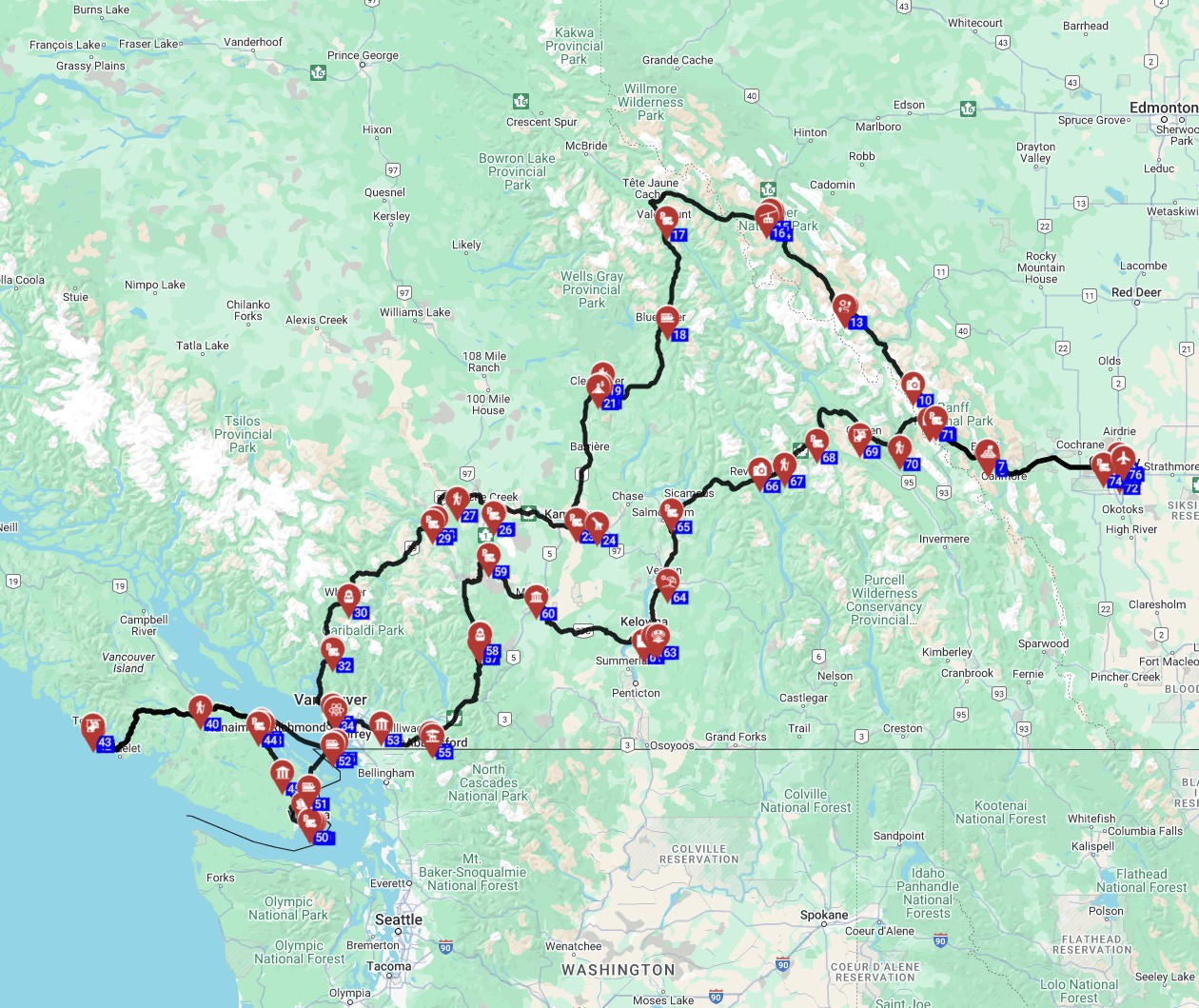
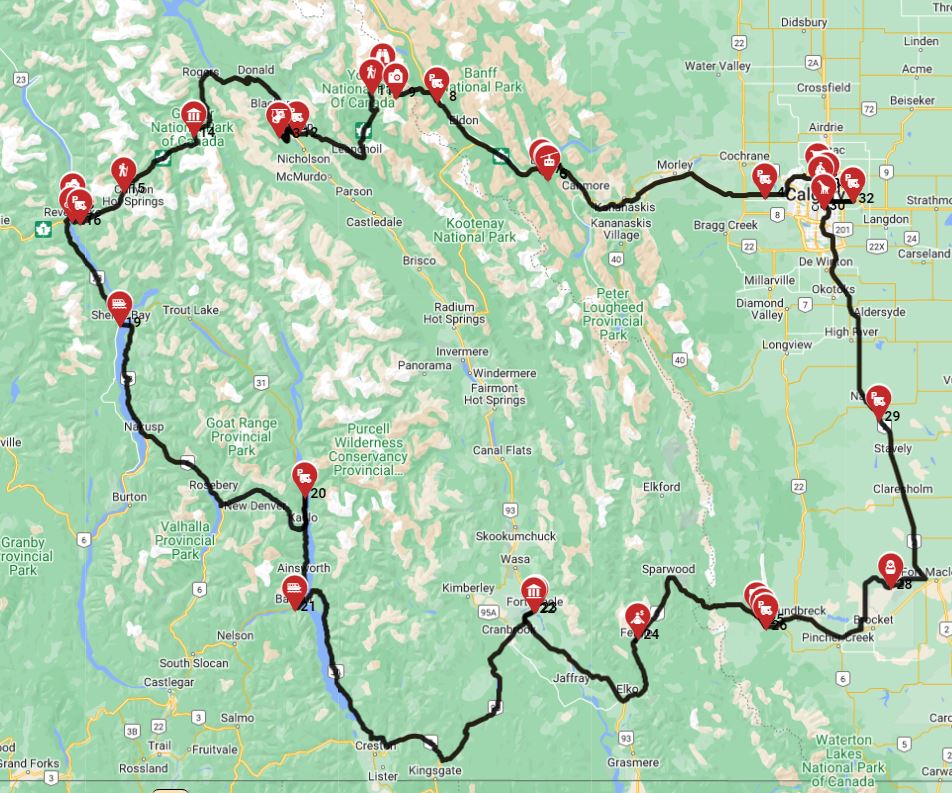
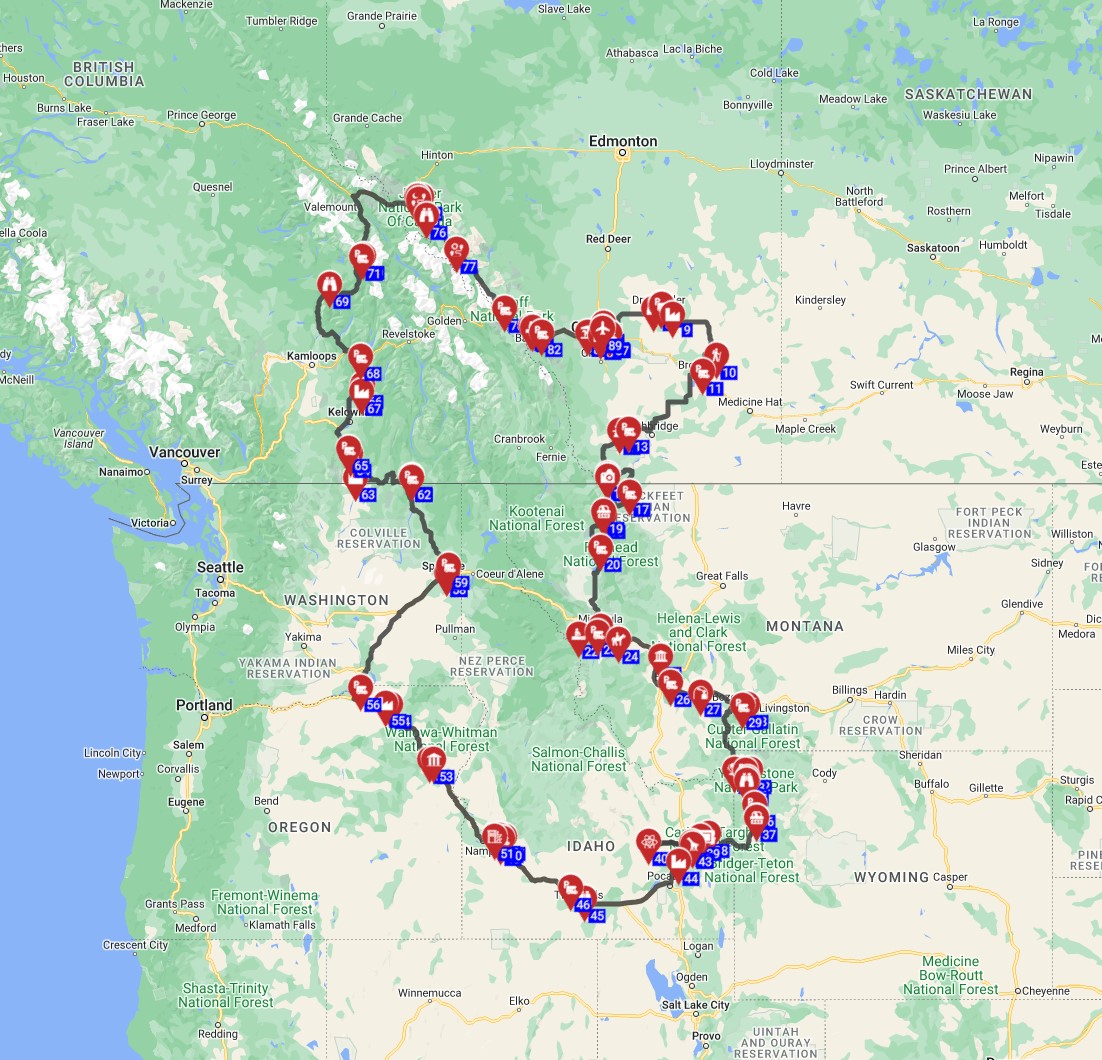
For finding campsites and campgrounds during your trip, we recommend using RV PLANET (rvplan.net) - a great resource for locating available spots along your route. Many national and provincial parks in North Canada operate on a first-come, first-serve basis for 25-30% of their sites, so you'll often find a spot. If not at the first campground, then the next one. Always call ahead before driving long distances to confirm availability.
RV Rental for Seniors-Specific Tips for North Canada
Seniors benefit significantly from choosing an RV with an automatic transmission and power steering, and considering a smaller, more maneuverable Class B or C RV for easier handling on diverse northern roads.
🎬 Video coming soon
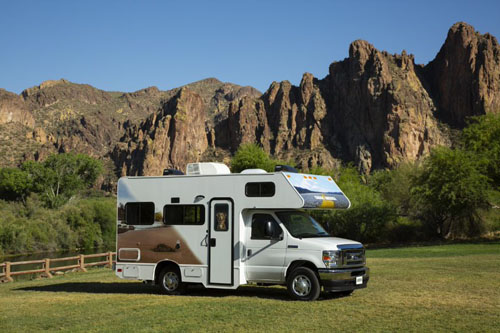
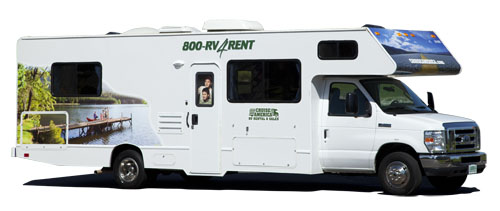
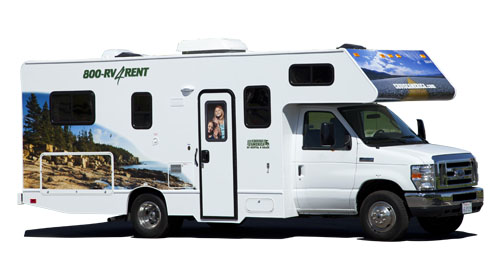
The "cruise america rv rental example Explorer" is a medium-sized Class C motorhome offering automatic transmission and comfortable amenities for a couple or small family, making it a suitable choice for seniors. Pacing your trip, by adhering to rules like the '3-3-3 rule' (driving no more than 300 miles/day, arriving by 3 PM, staying 3 nights), allows for more relaxed travel, ample time to enjoy destinations, and reduces driving fatigue. This is especially beneficial when exploring the vast distances of North Canada. Prioritize RVs with comfortable, easily accessible sleeping arrangements, a functional kitchenette, and an on-board bathroom, which significantly enhance convenience in remote areas where facilities may be limited. Always carry an updated list of medical contacts, prescriptions, and a comprehensive first-aid kit, and be aware that emergency medical service availability can be sparse in remote northern regions. Bandana RV offers 24/7 support for your booking, ensuring you have assistance with any pre-trip arrangements or questions.
Common Mistakes to Avoid in North Canada
Underestimating distances and travel times in North Canada can lead to rushed itineraries and fatigue; instead, plan realistic daily driving limits and allocate extra time for unexpected stops or delays.
Failing to prepare for rapidly changing weather, including sudden temperature drops, rain, or even snow, is a common pitfall; instead, pack versatile layers and check forecasts regularly. Neglecting to carry emergency communication devices like a satellite phone or InReach in areas without cell service is dangerous; instead, ensure you have a reliable way to call for help. Ignoring wildlife safety precautions, particularly regarding bears, can be risky; instead, store all food securely, carry bear spray, and educate yourself on proper encounter protocols. Not topping off fuel whenever possible is a mistake, as gas stations are scarce; instead, refuel frequently and consider carrying extra fuel if your rental agreement allows and conditions warrant. Our expertise as true RV specialists means we understand these regional challenges and are here to support your preparation.
When considering the total trip cost, including fuel, campground fees, propane, and groceries, remember that prices are dynamic. On RV PLANET routes, travelers can itemize and track every expense along the way for easy budgeting, helping you avoid surprises. On the routes offered through RV PLANET routes, you can itemize and track every expense along the way for easy budgeting.
What is the 3 3 3 rule for RV travel?
The '3-3-3 rule' for RV travel suggests driving no more than 300 miles (approximately 480 km) a day, arriving at your destination by 3 PM, and staying at least 3 nights at each campsite.
This rule promotes a more relaxed and enjoyable travel pace, allowing ample time to explore destinations and avoid driving fatigue, which is especially beneficial for seniors and navigating North Canada's vast landscapes. Adhering to the '3-3-3 rule' helps travelers avoid hurried driving, ensures sufficient daylight for setting up camp, and encourages deeper engagement with local culture and nature. Given the slow travel recommendation of max 100-150 km per day for North Canada, a modified '1-1-3 rule' (100-150km, arrive by 3 PM, stay 3 nights) might be even more suitable for this unique region.
How much does it cost to rent an RV for a week in Canada?
The cost to rent an RV for a week in North Canada typically ranges from approximately CAD $1,000 to $3,500+, depending on the RV class, time of year, rental company, and included amenities or insurance.
For example, a smaller Class B campervan like the "Paradise Camper 4x4 double cab" might start around CAD $1,000-$1,800 per week in the shoulder season, while a larger Class C motorhome for couples, similar to "RV Rental in North Canada for Couples - Pricing 2026," could be CAD $1,800-$2,500. Factors influencing price include the size and luxury of the RV (Class B campervans are generally less expensive than large Class A motorhomes), peak season surcharges (June-August can see prices increase by 30-50%), and pick-up/drop-off locations. For rentals specifically targeting North Canada, prices might be on the higher end due to specialized vehicle requirements for remote travel and potentially limited availability in northern depots. Prices are dynamic like flight tickets, changing daily based on availability and supplier decisions, so the final price is set at the actual booking time.
What is the best RV for seniors?
The best RV for seniors often balances comfort, ease of driving, accessibility, and practical amenities, with Class B (campervans) and smaller Class C motorhomes being popular choices, especially for exploring North Canada.
Class B RVs, like a "Category Van" or "rv rental denver example Category Van" offer a compact size, excellent maneuverability, and good fuel efficiency, making them easy to drive and park, while still providing essential living comforts with a front air condition and toilet. Smaller Class C RVs, such as an "Active Bunk Auto" or "Class SI - Semi-integrated" models with easy access beds, provide more interior space than Class B, often with a permanent bed and larger bathroom, without being overly cumbersome to navigate. Key features to look for include automatic transmissions, comfortable sleeping arrangements (ideally a fixed bed rather than one that needs conversion), easily accessible storage, and a user-friendly control panel. For insights into different classes, our "RV Travel Guide to North Canada - Tips and Top Spots 2026" offers more detail.
What are the drawbacks of renting an RV?
Potential drawbacks of renting an RV in North Canada include higher fuel consumption compared to standard vehicles, the initial learning curve associated with driving a larger vehicle, and the added responsibilities of waste management and hookups at campsites.
While many motorhomes like the "MHC24" (with a 200 liter fuel tank) offer extensive range, fuel costs in remote northern regions can be higher, impacting your overall budget. Unexpected costs can arise from mileage limits, generator usage fees (if applicable, but not required), dumping fees, and potential damage or cleaning charges if not returned as per the agreement. For North Canada specifically, challenges can be magnified, such as long distances between fuel stops, limited repair services in remote areas, and navigating unpaved roads in a large vehicle. Drive slowly and carefully, and you can drive almost anywhere without issues. No need to stress - just use common sense and pay attention. Managing waste (black and grey water tanks) and finding campsites with full hookups, particularly in less developed northern regions, can also be a logistical consideration, requiring careful planning of your stops.
Can Americans RV in Canada?
Yes, Americans can RV in Canada, provided they meet standard Canadian entry requirements for visitors, which include a valid passport for all travelers and potentially a valid visa depending on nationality.
When driving a personal RV, Americans must carry proof of vehicle registration and valid insurance coverage that extends to Canada, typically an insurance card or non-resident inter-province motor vehicle liability insurance card. Renting an RV in Canada as an American is straightforward, as rental companies are accustomed to international travelers, but ensure your rental agreement permits travel across the border and into specific northern regions. Be prepared for customs declarations, as prohibited items (e.g., firearms, certain agricultural products) may be subject to confiscation or penalties at the border. You can also explore our "RV Rental USA - Complete Guide 2026" for broader North American RV travel information.
Which RV rental company in Canada is the best?
Identifying the 'best' RV rental company in Canada depends on individual traveler needs, but prominent and highly-regarded options available through Bandana RV for nationwide and northern travel include Fraserway RV, CanaDream, and Cruise Canada.
Fraserway RV is often praised for its newer fleet, comprehensive support, and specific options suitable for northern conditions, while CanaDream offers a wide range of vehicle types and numerous pickup locations across Canada. Cruise Canada provides a more budget-friendly option with a large fleet, making it a popular choice for those looking for value. When choosing, consider factors like included mileage, insurance options, depot locations (especially for North Canada access), customer service reviews, and whether they allow travel on specific unpaved roads like the Dempster Highway. As true RV specialists, we offer a vast selection from over 50 leading RV suppliers worldwide, including these trusted partners, ensuring you find the perfect camper or motorhome for your journey.
What is the 4-4-4 rule for RV travel?
The '4-4-4 rule' for RV travel is a variation of the '3-3-3 rule,' recommending that travelers drive no more than 400 miles (approximately 640 km) per day, arrive at their destination by 4 PM, and stay at least 4 nights at each campsite.
This rule is often adopted by RVers who prefer to cover slightly more ground daily while still maintaining a leisurely pace that allows for exploration and relaxation. The '4-4-4 rule' can be particularly useful for covering the vast distances encountered in North Canada, enabling travelers to reach more remote attractions without feeling overly rushed, while still ensuring ample time for camp setup and enjoying the environment. However, for a truly immersive and slow travel experience in the North, aiming for shorter daily distances, perhaps 100-150 km, as recommended, allows for a deeper connection with the unique culture, food, and scenery.
What You Shouldn't Miss
- Explore Kluane National Park and Reserve, Yukon: Home to Canada's highest peak, Mount Logan (5,959 meters), and some of the world's largest non-polar icefields. Enjoy scenic drives, short hikes, and breathtaking glacial views.
- Drive the Dempster Highway to the Arctic Ocean: Experience Canada's only public road to cross the Arctic Circle, leading to Tuktoyaktuk. This epic journey offers unique landscapes and a chance to dip your toes in the Arctic Ocean.
- Witness the Northern Lights: From late August to April, North Canada is one of the best places globally to experience the mesmerizing aurora borealis, particularly in dark sky areas away from city lights.
- Discover Dawson City's Gold Rush History: Step back in time in this historic Yukon town, famous for the Klondike Gold Rush. Explore museums, paddlewheel boats, and enjoy period architecture.
- Experience the Midnight Sun: During summer, especially north of the Arctic Circle, the sun never fully sets, providing extended daylight for exploration and a surreal atmosphere.
- Canoe or Kayak a Northern River: Immerse yourself in the tranquility of the wilderness by paddling one of North Canada's pristine rivers, such as the Yukon River or Nahanni River.
Looking for expert insights from Avi Bandana? Top 5 Adventures - recommendations from Avi Bandana
Final Thoughts
North Canada offers an RV rental experience unlike any other, promising majestic landscapes, unique cultural encounters, and the profound tranquility of the wilderness. For seniors, the comfort and flexibility of a rented motorhome or campervan allow for a truly personalized pace, ensuring every moment is savored without stress. From the vibrant Gold Rush history of Dawson City to the ethereal dance of the Northern Lights, your journey through this incredible region will be filled with awe-inspiring sights and unforgettable memories.
Remember that careful planning, especially regarding your chosen vehicle, itinerary, and communication, will significantly enhance your trip. At Bandana RV, we're dedicated to supporting you through every step of this exciting adventure. Our expertise and transparent approach ensure you'll have everything you need to confidently embark on your North Canada RV rental. Don't just dream about it - make it happen!
Discover top destinations, planning tips, all in one place! Compare Motorhome Prices for North Canada now and start planning your comfortable journey with Bandana RV.