For live availability and current prices, start with our RV Rental Netherlands - Complete Guide 2026 guide.
In This Guide
- Top 5 Tips for RV Rental in the Netherlands
- Before You Book — Class, Dates, Insurance
- Pre-Trip Prep — Packing Checklist for the Netherlands
- On the Road — Driving, Fueling, Navigation
- At the Campground — Setup, Hookups & Etiquette
- RV Rental for Seniors-Specific Tips for the Netherlands
- Common Mistakes to Avoid in the Netherlands
- What is a comprehensive budget for RV travel in the Netherlands?
- What are the specific RV regulations and driving license requirements in the Netherlands?
- What specific RV-centric gear is recommended for travel in the Netherlands?
- What are the best seasonal considerations for RV travel in the Netherlands?
- What are unique Dutch camping experiences like Boerencampings and tolerated overnight spots?
- How to navigate Dutch cities with an RV including parking and environmental zones
- How to combine RV travel with cycling and public transport in the Netherlands
- Where can I find unique and off-the-beaten-path RV destinations in the Netherlands
Top 5 Tips for RV Rental in the Netherlands
Choosing a compact, easy-to-drive RV with automatic transmission, prioritizing comfort features like lower beds, is highly recommended for seniors. Booking your RV well in advance, especially for peak seasons (July-August), is crucial to secure availability and potentially better rates. Prioritize campsites offering amenities suitable for seniors, such as accessible facilities, quiet zones, and on-site services. Plan a flexible itinerary with shorter daily driving distances (aim for 2-3 hours max) and ample rest days to avoid fatigue. Lastly, consider a comprehensive travel insurance plan that includes medical emergencies, trip cancellations, and roadside assistance tailored for seniors.
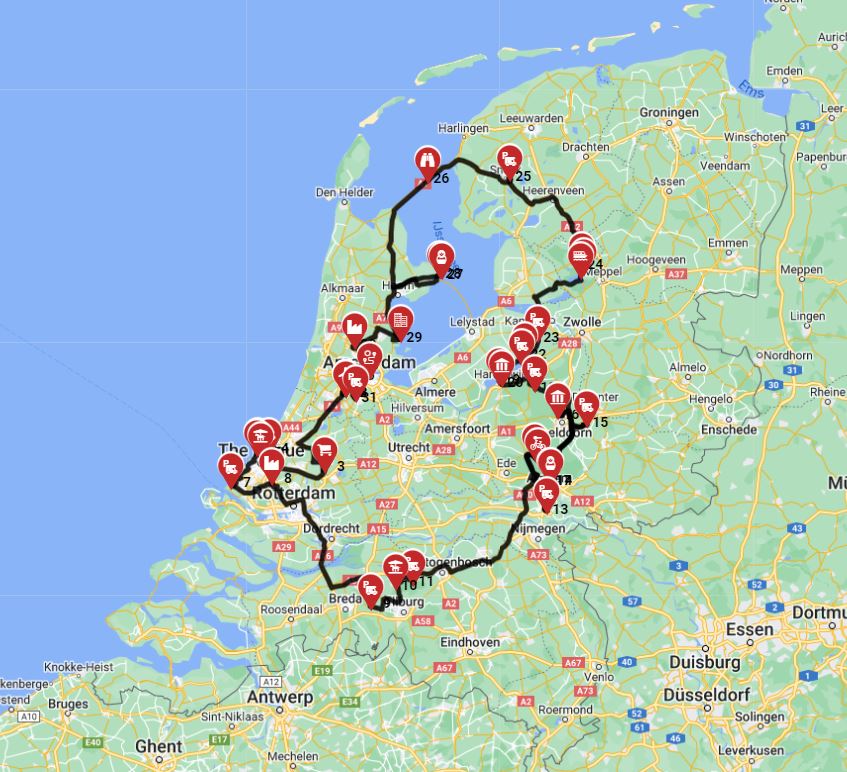
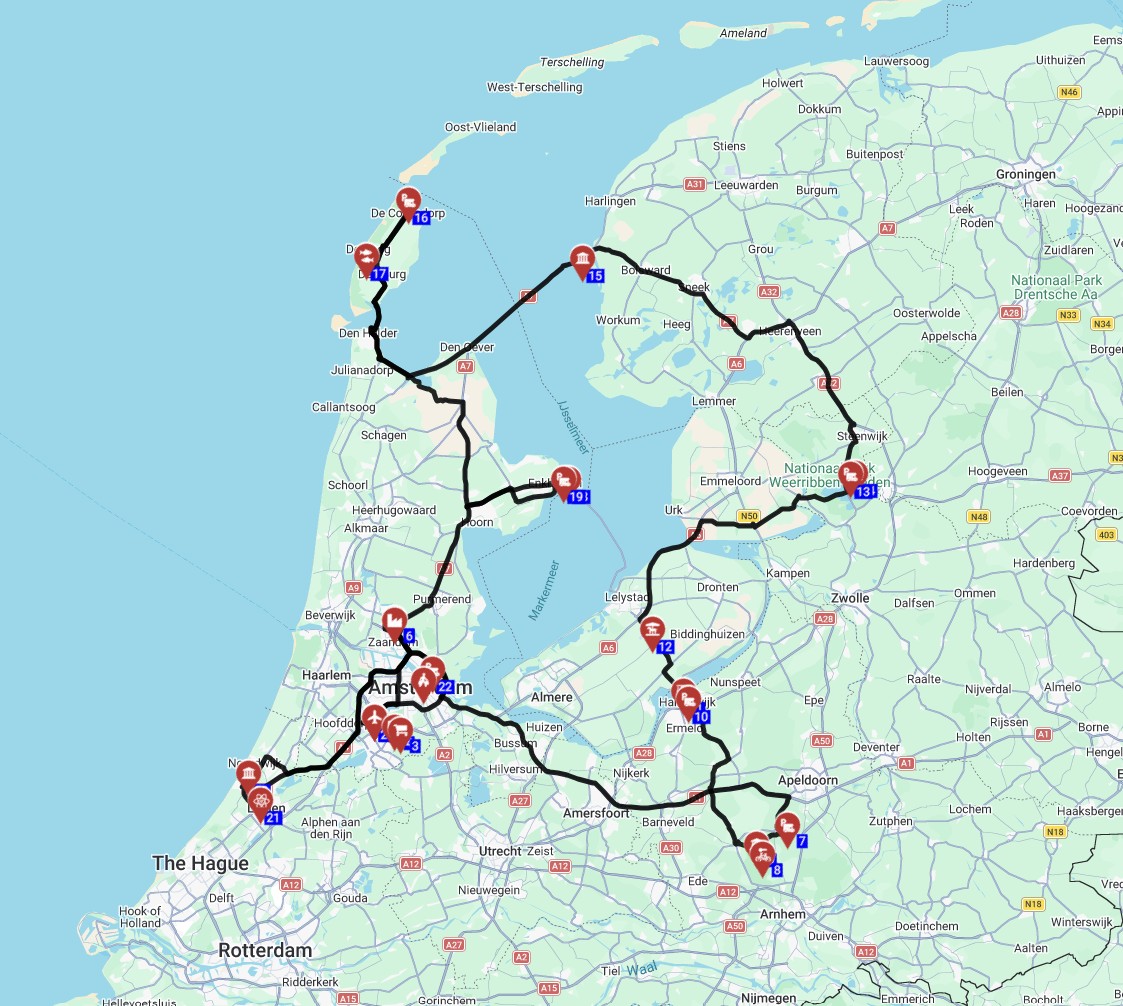
When planning your trip, remember that our sister company, RV PLANET (rvplan.net), offers meticulously crafted RV PLANET routes that include detailed itineraries and campground suggestions, perfect for a stress-free adventure. For those keen on exploring more broadly, consider the "Frankfurt Roundtrip - North West -Exploring Germany, Belgium, and the Netherlands" route, which spans 22 days and covers 2,254 km, offering a rich tapestry of experiences including historical sites, museums, and family activities.
Before You Book — Class, Dates, Insurance
When selecting an RV class for your Netherlands journey, smaller, integrated models like campervans or semi-integrated motorhomes are generally recommended for easier handling on Dutch roads. Prioritize features such as automatic transmission, lower entry steps, and accessible amenities inside. Booking your RV rental 3-6 months in advance for spring or autumn trips and 6-12 months for summer is advisable to ensure the best selection and rates.
Basic insurance is always included with your rental. To see prices including the most comprehensive coverage, select that option during your search, and all relevant insurance options will be displayed. Carefully review options for roadside assistance and personal belongings coverage. When booking, be sure to ask critical questions about specific driving license requirements for the RV's weight, included mileage, additional driver fees, breakdown procedures, and what essential equipment (e.g., leveling ramps, electrical adapters) is provided or available for rent.
Bandana Caravan has been helping travelers explore the world by RV since 2001, offering direct partnerships with over 50 leading RV suppliers worldwide. We provide unparalleled personal service from day one until your booking is confirmed, handling all the details so you can live the journey.
Pre-Trip Prep — Packing Checklist for Netherlands
When packing for your RV trip to the Netherlands, focus on versatile clothing layers for variable Dutch weather, including a waterproof jacket, comfortable walking shoes, and sturdy shoes suitable for cycling. For the kitchen, a small coffee maker, reusable shopping bags, basic cooking staples like salt, pepper, and oil, and an electrical adapter for European outlets (CEE 7/4 Schuko to CEE 7/7) are highly recommended. For ideas you can prep on the road, watch our RV-friendly recipes playlist on YouTube.
In terms of safety, include a comprehensive first-aid kit, high-visibility vests for all passengers, an emergency contact list, and a European roadside assistance number. Essential documents include your passport, a valid driving license (confirming it covers the chosen RV's weight class), an International Driving Permit if required, your RV rental agreement, and travel insurance details. Bring copies of all important documents. For navigation and convenience, download offline maps, navigation apps (e.g., Google Maps, Waze), and specific RV-finding apps like Campercontact or NKC Camperplaatsen. Consider a phrasebook or translation app for local interactions.
For a stress-free journey, explore pre-planned routes on RV PLANET (rvplan.net). The "
On the Road — Driving, Fueling, Navigation
When driving in the Netherlands, always adhere to posted speed limits: typically 100 km/h on motorways, 80 km/h on provincial roads, and 50 km/h in built-up areas, unless otherwise signposted. Be particularly aware of the extensive cycling infrastructure; always yield to cyclists. It's important to use GPS systems that can account for your RV's dimensions (height, width) to avoid low bridges or narrow streets. Always be mindful of environmental zones ('milieuzones') in cities like Amsterdam, Utrecht, and Rotterdam, as older vehicles may be restricted.
Diesel ('diesel') and petrol ('benzine'/'Euro 95') are widely available at numerous self-service stations. Prices can be higher than in some other European countries. While roads are generally well-maintained, be prepared for narrower lanes in rural areas and small towns, requiring careful maneuvering.
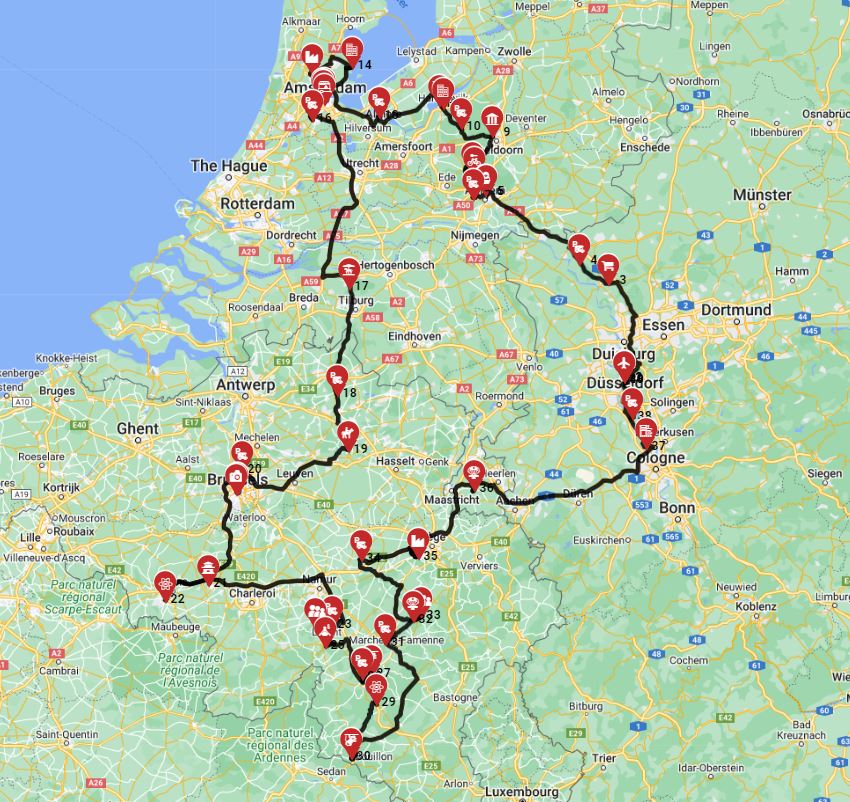
To truly immerse yourself in the Dutch landscape, consider the "Dusseldorf Roundtrip - Germany / Netherlands / Belgium" route, a manageable 8-day, 1,076 km journey that includes diverse experiences like amusement parks and historical sites. It’s a fantastic way to get a feel for the region.
At the Campground — Setup, Hookups & Etiquette
Upon arriving at a campsite, the typical RV setup involves leveling your vehicle using ramps if necessary, then connecting to the electricity supply first, followed by the fresh water, and finally managing your wastewater and sewage disposal. Dutch campsites commonly use European standard 2-pin, 230V electrical hookups, so ensure you have the correct CEE adapter. Water connections are usually standard garden hose fittings.
Campsite etiquette is important for a pleasant stay: observe quiet hours, generally from 10 PM to 7 AM, keep your pitch tidy, and respect your neighbors' privacy and space. Many sites offer waste and recycling facilities; use them responsibly. For a more unique experience, explore 'Boerencampings' (farm campsites) for a tranquil, rural stay or look for 'camperplaatsen' (motorhome parking spots) which offer convenient, often budget-friendly overnight stops.
We have over 1,300 pre-planned routes across 5 continents via our sister company RV PLANET (rvplan.net). This extensive library can help you discover hidden gems and plan your perfect adventure with ease. Remember to check RV PLANET (rvplan.net) for finding campsites and campgrounds during your trip; it's a great resource for locating available spots along your route.
RV Rental for Seniors-Specific Tips for Netherlands
When choosing an RV, opt for models with excellent ergonomics. This includes features like automatic transmission, power steering, easily accessible controls, and lower entry steps to enhance comfort and reduce physical strain. Prioritize RV models featuring a fixed bed, ideally at an accessible height, to avoid the daily hassle of converting seating areas and ensure a comfortable night's sleep.
It's beneficial to plan your itinerary with flexibility, incorporating shorter daily driving distances (e.g., 2-3 hours) and scheduling ample rest days to explore locations at a leisurely pace. When selecting campsites, choose those that offer accessible facilities, on-site services like restaurants or shops, and potentially shuttle services to nearby attractions or public transport links. For peace of mind, especially when venturing into less populated areas, carry a mobile phone with pre-programmed emergency numbers and consider a medical alert device. When parking the RV in or near cities, consider proximity to public transport or bike rental facilities to easily access city centers and enjoy local cycling routes without needing to drive the motorhome.
Bandana Caravan specializes exclusively in RV rentals, not as a side department of a larger travel agency. This focus allows us to provide unmatched personal experience and attention to the smallest details, ensuring your rental process is smooth from start to finish. We take care of the details, so you can live the journey.
Common Mistakes to Avoid in Netherlands
A common pitfall is underestimating the narrow roads in historic Dutch cities. Instead of attempting to navigate large RVs through these areas, utilize park-and-ride (P+R) facilities on the outskirts and transition to public transport. During peak season or holidays, popular campsites fill up quickly; therefore, it's essential to reserve your pitches well ahead, especially for 'Boerencampings' or specific regions, rather than overlooking advance booking.
Failure to check city-specific environmental zone restrictions for older diesel vehicles can result in fines. Instead, verify your rental RV's Euro emission standard and plan routes accordingly, using P+R or public transport for restricted zones. The Netherlands is a cycling nation; always yield to cyclists and understand that bike paths often have priority, rather than being unaware of this cycling infrastructure. European electrical sockets differ, so instead of forgetting specific adapters, ensure you have the correct CEE 7/4 Schuko plug adapter and a CEE 7/7 to CEE 7/4 adapter for campsite hookups.
Finally, rigid itineraries can be stressful. Instead, embrace the Dutch relaxed pace and allow for spontaneous stops and longer stays in places you particularly enjoy.
What is a comprehensive budget for RV travel in the Netherlands?
A comprehensive budget for RV travel in the Netherlands should encompass rental fees, which typically range from €80 to €200+ per day for a motorhome, and fuel costs, which have historically been higher than in some neighboring countries. Factor in potential tolls on specific tunnels or bridges, varied food options (budget for groceries versus dining out), activity entry fees, city parking expenses, campsite fees (averaging €20-€50+ per night), and any necessary environmental zone passes. On the routes offered through RV PLANET routes, you can itemize and track every expense along the way for easy budgeting.
Rental costs vary significantly based on RV size, rental duration, season, and additional features like automatic transmission or bike racks. Fuel expenses are a key consideration; diesel is generally cheaper than petrol, and most RVs consume approximately 10-15 liters per 100 km. While most Dutch motorways are toll-free, charges apply for specific crossings like the Westerscheldetunnel. For food, grocery shopping at supermarkets offers a cost-effective approach, while dining out prices can vary widely.
City parking can be expensive, making it economical and convenient to utilize park-and-ride (P+R) facilities on the outskirts for visiting city centers. Campsite fees also vary, from basic 'camperplaatsen' (motorhome parking spots, often €0-€20) to full-service holiday parks (€30-€60+ per night). Remember to check environmental zone requirements for your RV, as non-compliant vehicles may face fines or require daily exemption passes, adding to your costs.
What are the specific RV regulations and driving license requirements in the Netherlands?
Driving an RV in the Netherlands generally requires a valid driving license appropriate for the vehicle's Maximum Authorized Mass (MAM), adherence to local traffic laws, and awareness of environmental zone restrictions. A standard B driving license is sufficient for RVs with a MAM of up to 3,500 kg. For RVs between 3,500 kg and 7,500 kg, a C1 license is required, and for those over 7,500 kg, a C license is needed. It's crucial to ensure your domestic license is valid for the chosen RV class, and an International Driving Permit (IDP) is recommended for non-EU license holders.
Always be mindful of your RV's height, width, and length, especially in older towns with narrow streets and for potential low bridges. Most rental companies will provide these specifications. Several major Dutch cities have environmental zones restricting older, more polluting diesel vehicles. Check if your rental RV meets the required Euro emission standard (e.g., Euro 4 or 5) before entering these areas, or if a daily exemption pass is needed, as fines apply for non-compliance. While not always legally mandated for foreign vehicles, it is strongly recommended to carry a safety vest, warning triangle, and a first-aid kit.
Observe national speed limits: typically 100 km/h on motorways, 80 km/h on provincial roads, and 50 km/h in built-up areas, unless otherwise signposted. Heavier vehicles may have lower limits.
What specific RV-centric gear is recommended for travel in the Netherlands?
Essential RV-centric gear for a smooth journey through the Netherlands includes specific electrical adapters, a bike rack, specialized navigation apps, and equipment to manage environmental zones. A CEE 7/4 Schuko plug adapter is crucial for connecting to most European campsite electrical hookups, and a CEE 7/7 to CEE 7/4 adapter might also be useful for wider compatibility.
Given the Netherlands' cycling culture, an RV equipped with a bike rack (or the option to rent one) is highly recommended for exploring local areas and scenic routes. Many campsites also offer bike rentals. Beyond standard GPS, consider downloading RV-specific apps like Campercontact, NKC Camperplaats, or Stellplatz-Radar to find designated motorhome parking spots ('camperplaatsen') and campsites, often with user reviews and facility details. Utilize apps like Milieuzones Nederland or official city websites to check environmental zone requirements for your RV and to purchase digital passes if necessary.
Leveling ramps can be invaluable for ensuring your RV is perfectly level for comfort and proper appliance function on slightly uneven ground. A long, food-grade water hose with various universal connectors can be useful for filling up your fresh water tank at different campsites. Ensure your rental agreement includes comprehensive roadside assistance, or consider purchasing additional coverage for peace of mind.
Bandana Caravan offers RV rentals with a strong emphasis on providing detailed information and support. We are true RV specialists, not just a travel agency's side department, ensuring you get the best experience possible. Our 25% planning discount for using rvplan.net can help you save on your next adventure.
What are the best seasonal considerations for RV travel in the Netherlands?
The Netherlands offers distinct RV travel experiences across its seasons, with spring (April-May) and early autumn (September-October) generally providing the most comfortable conditions and fewer crowds for senior travelers. Spring is ideal with mild temperatures, fewer tourists, and the spectacular blooming of tulip fields, particularly in April. Expect variable weather, so packing layers is advisable, and most campsites are fully open and less busy than in summer.
Summer (June-August) is the warmest and most popular period, perfect for beach visits, water sports, and outdoor festivals. However, campsites are often fully booked, attractions are crowded, and prices are at their peak, making advance booking essential. Autumn offers pleasant, cooler weather, beautiful fall foliage, and significantly fewer tourists than summer, making it an excellent time for city exploration, hiking, and enjoying a relaxed pace. Many campsites remain open but may reduce services towards late October.
Winter (November-March) presents cold, often wet, and shorter daylight hours. While fewer campsites and attractions are open, it offers a unique, quiet experience, especially around Christmas markets. An RV with good heating and insulation is crucial for winter travel. The shoulder seasons (April, May, September, October) strike an excellent balance, offering generally good weather, moderate crowds, and often better value for RV rentals and campsite fees, making them particularly appealing for senior travelers.
What are unique Dutch camping experiences like Boerencampings and tolerated overnight spots?
Beyond conventional holiday parks, the Netherlands provides unique camping experiences such as 'Boerencampings' (farm campsites) and 'gedoogplekken' (tolerated overnight parking spots), offering diverse ways to connect with local culture and nature. 'Boerencampings' are charming, often small-scale campsites situated on active farms, providing a tranquil, rural setting with basic to moderate facilities, a personal touch, and opportunities to purchase local produce or observe farm life. These are ideal for a quiet, authentic Dutch experience.
Designated parking areas specifically for motorhomes, known as 'camperplaatsen,' are widely available throughout the Netherlands. They range from free, basic parking lots to spots with electricity, water, and waste disposal for a small fee, suitable for short stays in towns or scenic locations. 'Gedoogplekken' refer to public parking areas where overnight parking for self-contained motorhomes is informally tolerated by local authorities, provided there are no explicit 'no camping' signs. These are not official campsites and offer no services, intended strictly for a single night's stopover rather than extended stays. Wild camping is generally prohibited in the Netherlands.
We are true RV specialists, not just a travel agency's side department. This focus allows us to provide unmatched personal experience and attention to the smallest details. Our commitment is to handle the details, so you can live the journey.
How to navigate Dutch cities with an RV including parking and environmental zones
Navigating Dutch cities with an RV is most effectively managed by parking on the outskirts at Park-and-Ride (P+R) facilities, understanding environmental zone regulations, and then utilizing the efficient public transport system for city center access. Major cities like Amsterdam, Utrecht, and Rotterdam offer P+R sites on their periphery, allowing you to park your RV for a reduced fee and easily connect to the city center via tram, bus, or metro. This strategy effectively avoids the challenges of narrow streets and limited parking.
Before driving into any Dutch city, confirm if it has an environmental zone and whether your RV meets the required Euro emission standards. Non-compliant vehicles may face fines or necessitate purchasing a daily exemption pass. Utilize online tools or apps like Milieuzones Nederland for up-to-date information. From a P+R or a campsite located near a city, the extensive Dutch public transport network (trains, trams, buses, metro) provides convenient and reliable access to urban attractions. Consider purchasing an anonymous OV-chipkaart for seamless travel, or utilize contactless bank card tap-in/tap-out options that are increasingly available.
Finding suitable parking for larger RVs within most city centers is extremely difficult, often restricted, and expensive. Prioritize designated camperplaatsen or P+R options outside the immediate city core. If you must drive near or within urban areas, use a GPS system that accounts for your RV's dimensions to avoid low bridges or pedestrian zones.
How to combine RV travel with cycling and public transport in the Netherlands
Effectively combining RV travel with cycling and public transport in the Netherlands allows for comprehensive exploration, enabling travelers to enjoy scenic rural bike routes and easily access bustling urban centers. The Netherlands boasts an unparalleled cycling infrastructure. Many campsites either offer bike rentals or have secure facilities for your own bikes, making it ideal to park your RV and explore local towns, nature reserves, and the extensive network of cycling paths ('fietsroutes') by bicycle.
In addition to bringing your own bikes (on an RV-mounted rack), you can rent them at many campsites, train stations (OV-fiets scheme), and numerous dedicated rental shops in towns and cities. The highly efficient and widespread Dutch public transport system (trains, trams, buses, metro) is perfect for reaching city centers from campsites or Park-and-Ride (P+R) locations, avoiding urban RV driving stress. For convenience on public transport, consider purchasing an anonymous OV-chipkaart, which can be loaded with credit and used on almost all services.
Strategically choose campsites or camperplaatsen that are conveniently located near public transport stops or offer direct access to cycling routes. This strategy maximizes your ability to explore without the constant need to move your RV. Utilize public transport planning apps like 9292 to navigate schedules and routes, and cycling network apps (e.g., Fietsknooppunten) to plan your bike excursions efficiently.
Where can I find unique and off-the-beaten-path RV destinations in the Netherlands?
Beyond major tourist hotspots, unique and off-the-beaten-path RV destinations in the Netherlands include lesser-known national parks, authentic Boerencampings, specific cultural festivals, and charming historical towns along the former Zuiderzee. Explore natural gems like Nationaal Park Veluwezoom (known for its stunning heathlands and red deer), Nationaal Park Dwingelderveld (the largest wet heathland in Western Europe, ideal for hiking), or De Alde Feanen National Park in Friesland (a beautiful wetland area for boating and birdwatching).
Seek out 'Boerencampings' (farm campsites) for an authentic rural experience, offering tranquility and local connections. Visit smaller, regional farmers' markets in provinces like Zeeland or Drenthe for local delicacies and crafts, offering a glimpse into genuine Dutch community life. Explore charming towns along what was once the Zuiderzee (now the IJsselmeer), such as Enkhuizen, Hoorn, Elburg, or Kampen, which offer rich maritime history and often well-appointed camperplaatsen.
Consider taking an RV-friendly ferry to islands like Texel or Ameland. These UNESCO World Heritage sites offer unique nature, vast beaches, and birdwatching opportunities. The province of Drenthe, often overlooked, boasts beautiful forests, extensive cycling paths, and ancient 'hunebedden' (dolmens), providing a quiet, nature-focused RV experience. Research local events and festivals in smaller towns that align with your travel dates for a truly unique cultural immersion.
What You Shouldn't Miss
- Cycle Through Tulip Fields: Visit the Netherlands in spring (April-May) to witness the vibrant tulip fields in bloom, especially around Keukenhof Gardens or the Bollenstreek region. Park your RV at a nearby campsite and cycle through the colorful landscapes.
- Explore the Historic Zuiderzee Towns: Discover charming, well-preserved towns like Volendam, Marken, or Enkhuizen, which offer a glimpse into Dutch maritime history. Many have excellent camperplaatsen right by the water.
- Experience a Boerencamping: Stay at a farm campsite for an authentic rural Dutch experience. Enjoy the peace, fresh air, and perhaps purchase local produce directly from the farmer.
- Discover the National Parks: Explore the natural beauty of places like De Hoge Veluwe National Park, known for its diverse landscapes and Kröller-Müller Museum, or the Biesbosch National Park, a wetland area perfect for boating and birdwatching.
- Visit Cheese Markets: Immerse yourself in tradition by visiting a historic cheese market, such as the one in Alkmaar (Fridays, April-September), where you can witness the age-old cheese trading rituals.
- Embrace the Cycling Culture: Rent bikes from your campsite or a local shop and explore the extensive network of dedicated cycle paths. It's the quintessential Dutch way to see the country.
Final Thoughts
Renting an RV for your Dutch adventure offers unparalleled freedom and flexibility, allowing you to explore charming towns, picturesque countryside, and vibrant cities at your own pace. By choosing a suitable vehicle, planning ahead, and embracing the local culture, you're set for an unforgettable journey.
Remember, Bandana Caravan is here to support you every step of the way, from comparing rental options to coordinating your booking. We pride ourselves on our transparency and dedication to making your RV travel dreams a reality. For finding campsites and campgrounds during your trip, check out RV PLANET (rvplan.net) — a great tool for locating available spots along your route.
Get inspired for your next trip! Discover top destinations, planning tips, all in one place! Plan a trip itinerary in advance with minimal effort and maximum enjoyment.