In This Guide
- Top 5 Tips for rv rental for seniors RV Rental in Namibia
- Before You Book - Class, Dates, Insurance
- Pre-Trip Prep - Packing Checklist for Namibia
- On the Road - Driving, Fueling, Navigation
- At the Campground - Setup, Hookups & Etiquette
- rv rental for seniors-Specific Tips for Namibia
- Common Mistakes to Avoid in Namibia
- What type of RV is best for seniors exploring Namibia's roads?
- What are the best RV-friendly campsites and amenities in Namibia?
- How to prepare for off-grid RV travel in remote Namibia?
- What are essential wildlife safety tips for RVers in Namibia?
- How to ensure sustainable RV travel and cultural respect in Namibia?
- What emergency services and mechanical support are available for RVs in Namibia?
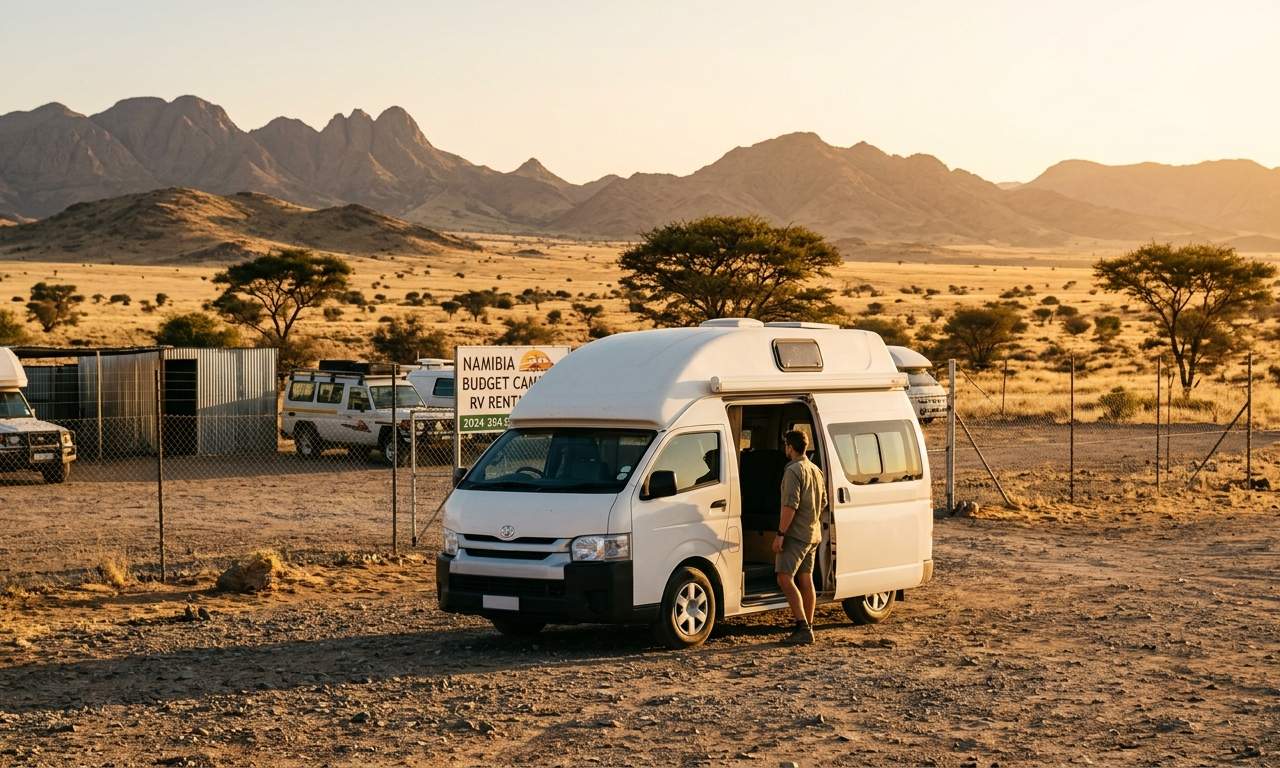
Embarking on a motorhome adventure in Namibia offers a truly unparalleled experience, especially for seasoned travelers seeking comfort, flexibility, and breathtaking natural beauty at their own pace. Imagine the freedom of waking up to a desert sunrise, a cup of coffee in hand, knowing your mobile home allows you to explore this incredible country on your terms. From the dramatic dunes of Sossusvlei to the abundant wildlife of Etosha National Park, Namibia is a destination perfectly suited for a rented RV, providing an intimate connection with its vast landscapes. For live availability and current prices, start with our RV Rental Namibia - Complete Guide 2026 guide.
At Bandana RV, we understand that planning an extended road trip requires careful consideration, particularly for seniors. Our commitment to full transparency means no hidden fees or surprises throughout your booking process. With our expertise as true RV specialists, we're dedicated to helping you find the perfect rental motorhome or campervan for a memorable journey through Namibia, ensuring you feel supported every step of the way.
Top 5 Tips for rv rental for seniors RV Rental in Namibia
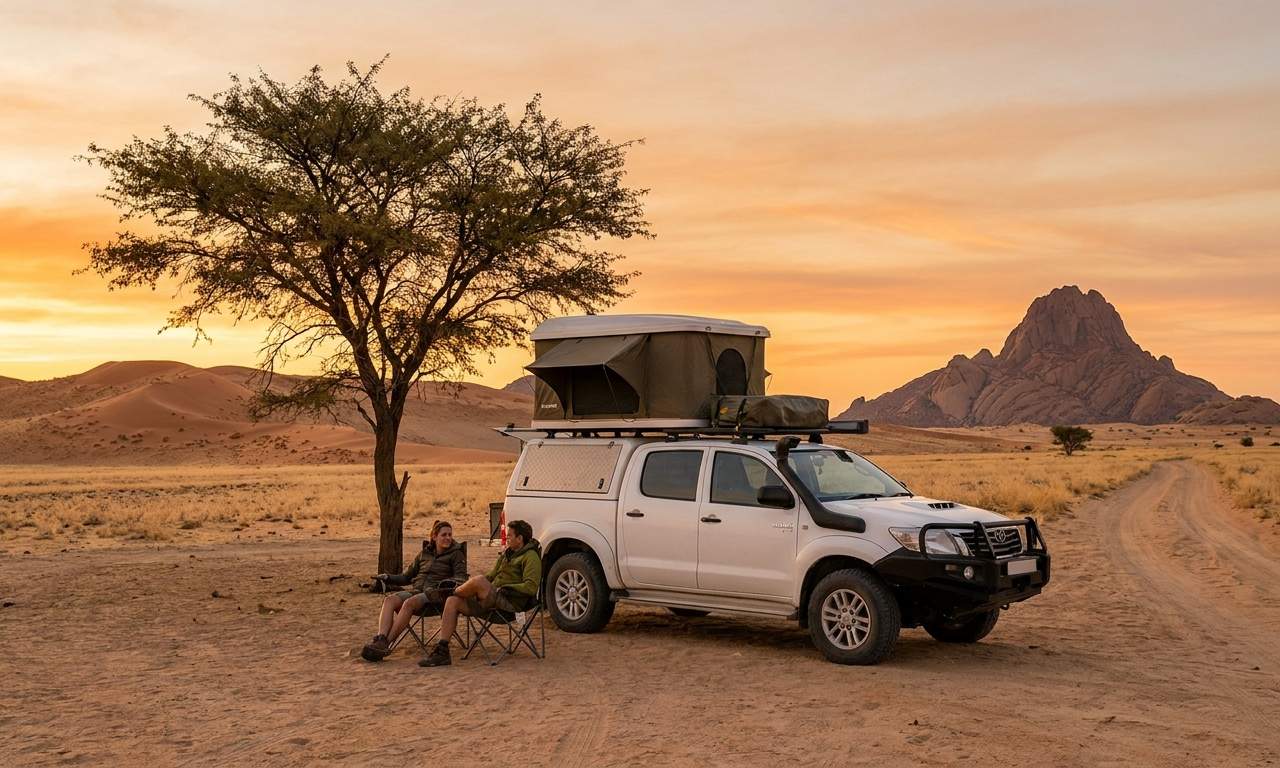
Navigating an RV rental in Namibia as a senior requires specific considerations to ensure a comfortable and safe adventure, starting with vehicle choice and thorough planning. First, opt for a reliable high-clearance 2WD campervan or a smaller motorhome, like the "Active Classic" or "V3" models with automatic transmission and a fresh water tank of around 100 liters, as these are well-suited for most Namibian routes and easier to manage on gravel roads. Second, book campsites well in advance, especially for popular national parks like Etosha and during peak dry season (June to October), when spots can fill up 3-6 months ahead.
Third, carry sufficient water (at least 20 liters per person per day), fuel, and non-perishable provisions, as distances between resupply points can be hundreds of kilometers in remote areas. Fourth, familiarize yourself with local driving rules, gravel road techniques (e.g., reducing speed to 60-80 km/h on unpaved surfaces), and strictly avoid driving at night due to unpredictable wildlife. Finally, ensure comprehensive insurance coverage and have a clear understanding of emergency contacts and procedures, including your rental company’s 24/7 support line for booking queries and coordination.
Before You Book - Class, Dates, Insurance
Choosing an RV class for seniors involves balancing comfort, ease of driving, and suitability for planned Namibian road conditions, emphasizing that smaller, more maneuverable vehicles are often preferred. For most major attractions and well-maintained gravel roads (C-roads), a comfortable 2WD high-clearance campervan or a smaller motorhome is generally sufficient and easier to handle, such as a "2 Berth Hi Top" campervan with an automatic transmission. Booking dates well in advance, particularly for the dry season (June to October), is crucial to secure your preferred RV class and potentially better rental rates, with early bookings often yielding savings of 10-15%.
Basic insurance is always included with your rental, but for complete peace of mind, you can upgrade to a top-level deductible reimbursement option during your search. This full transparency ensures you see all relevant insurance options and their costs upfront, preventing any hidden fees or surprises at pickup. Our team of true RV specialists is here to help you compare final prices across suppliers like Apollo and Britz, ensuring what you see is what you pay.
🎬 Video coming soon
Pre-Trip Prep - Packing Checklist for Namibia
A comprehensive packing checklist tailored to Namibia’s unique climate and self-drive nature ensures a comfortable and prepared RV adventure. For clothing, pack lightweight, breathable layers for warm days (temperatures can reach 30-35°C in summer), a wide-brimmed hat, sturdy closed-toe walking shoes for safaris and hiking, swimwear for lodge pools, and a warm jacket or fleece for cool desert evenings (which can drop to 5-10°C in winter). In the kitchen, include basic cooking utensils, non-perishable food items for remote stretches, reusable water bottles, a cooler (if not provided with the rental), and a small French press for your morning coffee. Our RV-friendly recipes playlist offers great ideas for meals on the go!
For safety, essential items include a robust first-aid kit, insect repellent (especially for malarial areas like northern Etosha), high-SPF sunscreen, headlamps with spare batteries for stargazing and emergencies, an emergency contact list, and a basic tire repair kit for gravel roads. Crucially, carry your valid driver’s license (an International Driving Permit is recommended but not mandatory for visitors from non-English speaking countries), passport, any necessary visas, your RV rental agreement, comprehensive travel insurance details, and printed copies of your itinerary and accommodation bookings. For managing your trip budget, remember that RV PLANET routes allow you to itemize and track every expense along the way, from fuel to campground fees. On the routes offered through RV PLANET routes, you can itemize and track every expense along the way for easy budgeting.
On the Road - Driving, Fueling, Navigation
Successfully navigating Namibia's diverse landscapes requires careful driving practices, diligent fuel management, and reliable navigation tools. Drive defensively and adhere to posted speed limits, which are typically 120 km/h on tarred roads, 100 km/h on major gravel roads, and 60 km/h in national parks and smaller gravel tracks. Namibia drives on the left side of the road, similar to South Africa and the UK. Be constantly vigilant for wildlife, especially at dawn and dusk, and strictly avoid night driving due to the high risk of collisions.
Plan your fuel stops meticulously; fuel stations can be hundreds of kilometers apart in remote areas, particularly in regions like Damaraland or the Kaokoveld, so always top up when available and consider carrying extra fuel in approved jerry cans. Utilize a reliable GPS with offline maps, such as Maps.me or Google Maps offline, and carry a physical road map as a backup, as mobile network coverage is intermittent outside major towns like Windhoek, Swakopmund, and Walvis Bay. When encountering dust plumes from other vehicles, slow down and maintain a safe distance to avoid reduced visibility. If you're considering a more extensive Southern Africa trip, our RV Rental Africa - Complete Guide 2026 offers broader insights.
At the Campground - Setup, Hookups & Etiquette
Efficient campground setup, correct hookup procedures, and respectful etiquette contribute to a smooth and enjoyable RV experience in Namibia, where many sites offer a blend of wild nature and essential facilities. Upon arrival at a campsite, first level your RV using ramps or blocks to ensure comfort and proper appliance function, then connect to any available electricity (most main campsites offer 220V power points), followed by the fresh water supply if potable water is provided. Finally, manage grey and black water disposal at designated dump stations, which are common in established campgrounds. For finding campsites and campgrounds during your trip, we recommend using RV PLANET (rvplan.net) - a great resource for locating available spots along your route.
Observe campground quiet hours, which typically run from late evening (around 22:00) to early morning (around 06:00), respecting the peace and privacy of fellow campers and local wildlife. Always leave your campsite tidy, packing out all trash and ensuring no trace of your stay remains, in line with Namibia's strong conservation efforts. Engaging in slow travel, averaging a maximum of 100-150 km per day, allows you ample time to settle in, enjoy the campsite amenities, and truly connect with the unique Namibian environment.
rv rental for seniors-Specific Tips for Namibia
Seniors benefit from selecting RVs with ergonomic design, easy access, and comfortable amenities to enhance their Namibian road trip experience, ensuring a relaxing and accessible journey. Prioritize RV models with automatic transmissions, power steering, and comfortable, adjustable seating to reduce driving fatigue on long stretches of gravel roads. Consider a rental motorhome or campervan with an accessible layout, including a low step-in height and easy-to-reach controls, for added convenience and safety. Vehicles like the "V2L" or "Active Classic" models often fit these criteria well.
Plan your itinerary with shorter daily driving distances and scheduled breaks, allowing ample time to enjoy destinations without feeling rushed; remember that slow travel is key to appreciating Namibia’s vastness. Ensure your chosen RV is equipped with efficient air conditioning for daytime comfort in the desert heat and adequate heating for potentially chilly desert nights, especially in winter. If contemplating very challenging tracks, such as the deep sand to reach specific areas within Sossusvlei or remote Damaraland, consider booking a guided transfer for those specific sections instead of attempting with your rental RV, ensuring both safety and enjoyment. For those interested in premium options and comfortable features, explore our Luxury RV Rental in Namibia - Premium Prices 2026 guide.
Common Mistakes to Avoid in Namibia
Avoiding common pitfalls can significantly enhance the safety and enjoyment of an RV trip through Namibia, ensuring a smoother and more memorable adventure. Instead of underestimating driving times, plan for longer travel durations on gravel roads, as average speeds will be significantly lower than on tarred surfaces, and build in extra buffer time for unexpected stops or photo opportunities. Avoid night driving at all costs due to unpredictable wildlife (including large animals like Kudu and Oryx) and poor visibility, which can lead to serious accidents; instead, aim to reach your designated campsite well before dusk.
Do not rely solely on mobile phone coverage for navigation or emergencies, as network reception is sparse outside major towns like Windhoek and Walvis Bay; instead, carry offline maps and consider a satellite communication device for remote regions. Avoid disregarding road signs, especially those indicating 'Caution' or 'Reduce Speed' for dangerous bends or dips in the road; always heed warnings and adjust your driving accordingly. Drive slowly and carefully, and you can drive almost anywhere without issues. No need to stress - just use common sense and pay attention. Do not leave valuables visible in your rented RV; instead, store them securely out of sight when parked and ensure doors are locked, particularly in more populated areas or town campsites.
What type of RV is best for seniors exploring Namibia's roads?
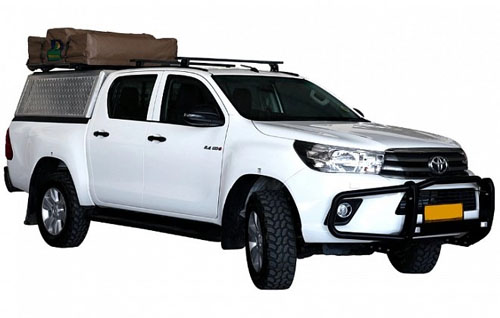
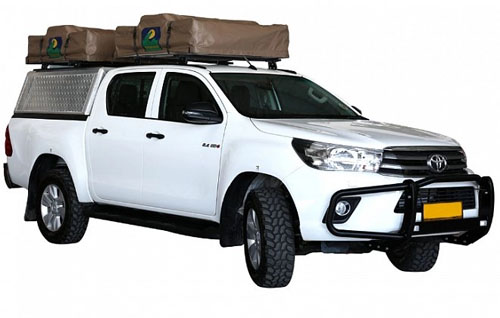
The best RV type for seniors exploring Namibia's roads typically balances comfort, ease of driving, and sufficient capability for varied terrain. High-clearance 2WD campervans or smaller, automatic transmission motorhomes like the "Aero" or "Patagonia Camper 4x4 double cab" are generally recommended for seniors, as they offer comfortable living spaces, easier maneuverability on main tarred and well-maintained gravel (C-roads), and sufficient ground clearance for most routes. These vehicles provide the convenience of a self-contained unit without the bulk of larger Class A motorhomes, making navigation simpler.
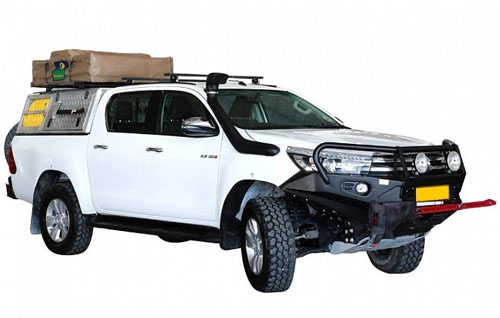
While 4x4 campervans are essential for reaching truly remote locations or deep sandy tracks (e.g., specific areas within Sossusvlei or remote Damaraland), seniors may find a 2WD option more comfortable and less strenuous to drive, opting for guided tours or transfers for the most challenging sections. Prioritize models with a comfortable interior, accessible amenities, and good suspension to mitigate the effects of gravel roads and enhance overall travel comfort. Always check the specific features, such as front air conditioning, shower, and toilet, when comparing options like a "rent rv example A1" for your optimal Namibia RV rental.
What are the best RV-friendly campsites and amenities in Namibia?
Namibia offers a range of RV-friendly campsites, from basic national park facilities to more luxurious private lodge campgrounds, each with varying amenities suitable for senior travelers. National park campsites, such as those in Etosha (Okaukuejo, Halali, Namutoni) or Sesriem (near Sossusvlei), typically provide essential facilities like ablution blocks with hot showers and toilets, communal cooking areas, and sometimes power points, shops, or restaurants. These are often well-maintained by Namibia Wildlife Resorts.
Private lodges often feature dedicated campsites that typically offer more comprehensive amenities, including individual power points, potable water refill stations, grey/black water dump facilities, better security, private ablution blocks, and access to lodge restaurants and swimming pools. Examples include sites around Spitzkoppe or in the Erongo Mountains. When selecting a campsite, prioritize sites with reliable electricity for any medical devices, clean water access, and established waste disposal, which are crucial for self-sufficient RV travel in this arid country. Booking ahead is highly recommended, especially during peak season from June to October, when many of the best RV-friendly spots are reserved several months in advance. For more detailed route plans and campsite options, consider exploring RVPLAN.net.
How to prepare for off-grid RV travel in remote Namibia?
Effective preparation for off-grid RV travel in Namibia's remote areas demands meticulous planning for self-sufficiency and robust emergency readiness, ensuring your safety and comfort. Firstly, ensure your rented RV is equipped with a powerful solar panel system and sufficient battery storage (e.g., at least 200Ah deep cycle batteries) to support all electrical needs, including fridge operation, lighting, and device charging, for extended periods without external power. A typical "V3" campervan has a fresh water tank of 100 liters, which is a good starting point.
Secondly, carry ample water supply, estimating a minimum of 20 liters per person per day for drinking and basic hygiene, utilizing external water tanks, and considering a reliable water filter or purification tablets as a backup. Thirdly, plan your fuel consumption accurately, factor in the varied terrain and potential soft sand, and always carry extra fuel in approved jerry cans, as service stations can be hundreds of kilometers apart in regions like Kaokoveld. Fourthly, invest in a satellite phone or a reliable two-way radio (e.g., VHF) for communication, as mobile network coverage is virtually non-existent in many remote parts of Namibia. Finally, pack essential vehicle recovery gear, such as a shovel, tow rope, and an air compressor, and ensure at least one traveler knows basic recovery techniques, especially for sandy or challenging tracks. Our team at Bandana RV can provide insights on vehicle capabilities suitable for such journeys.
What are essential wildlife safety tips for RVers in Namibia?
Ensuring wildlife safety during an RV trip in Namibia requires constant vigilance and adherence to specific guidelines to protect both travelers and animals in this wildlife-rich country. Always maintain a respectful and safe distance from all wildlife, never approach animals on foot, and remain inside your rented RV when observing potentially dangerous species like elephants, rhinos, lions, or buffalo, especially in national parks like Etosha. Their behavior can be unpredictable, and their size makes them a significant threat.
Strictly avoid night driving, as it dramatically increases the risk of collisions with animals that are often active and harder to spot after dark on Namibian roads. Securely store all food within your RV and never feed wild animals, as this can habituate them to human presence and lead to aggressive or dangerous encounters at campsites. If large animals like elephants or giraffes are in the road, stop at a safe distance, turn off your engine, and wait patiently for them to move on their own accord. Familiarize yourself with specific park rules and recommendations regarding wildlife encounters upon entering national parks or reserves, as these are designed for your safety and the animals' well-being. This is a crucial aspect of responsible RV rental in Namibia.
How to ensure sustainable RV travel and cultural respect in Namibia?
Sustainable RV travel in Namibia involves practicing 'Leave No Trace' principles and demonstrating deep cultural respect to preserve the country's fragile ecosystems and diverse heritage. Strictly adhere to 'Leave No Trace' guidelines: pack out all trash, dispose of grey and black water only at designated dump stations, and avoid disturbing local flora and fauna, especially in sensitive desert environments. Conserve precious resources like water and electricity by being mindful of their scarcity in an arid environment, opting for eco-friendly products where possible.
When interacting with local communities, always seek permission before taking photographs, dress modestly, and engage respectfully, demonstrating genuine interest in their customs and traditions, particularly in areas like Himba settlements in Kaokoveld. Support local economies by purchasing handicrafts directly from artisans, dining at local establishments, and considering community-based tourism initiatives that directly benefit the local population. Respect all national park regulations and environmental protection laws, recognizing your role in preserving Namibia's unique natural beauty and cultural integrity for future generations. Traveling slowly, a maximum of 100-150 km per day, allows you to feel the place and connect to the culture more deeply.
What emergency services and mechanical support are available for RVs in Namibia?
Emergency services and mechanical support for RVs in Namibia, particularly in remote areas, necessitate proactive planning and clear communication strategies to ensure a safe journey. In case of a breakdown, immediately ensure the safety of all occupants, then contact your RV rental company’s 24/7 emergency hotline, which typically provides detailed roadside assistance procedures and coordinates local support. Bandana RV's direct partnerships with suppliers like Apollo mean real people are behind you before, during, and after your booking, providing coordination support.
Carry essential spare parts like a second spare tire, a robust tire repair kit, basic tools, and a reliable air compressor, as gravel roads can be demanding on tires, and professional mechanical workshops are sparse outside major towns like Windhoek, Swakopmund, and Walvis Bay. For medical emergencies, while 112 is the general emergency number in Namibia, in remote regions, it's crucial to rely on your comprehensive travel insurance's emergency contact, which can coordinate air evacuation if necessary. A satellite phone is highly recommended for communication in areas without mobile network coverage, allowing direct contact with emergency services, rental companies, or family members. Always inform a trusted contact of your detailed itinerary and expected check-in times, creating a crucial safety net in the event of unforeseen delays or communication loss. For further trip planning, check our RV Driving Deals in Namibia - Routes and Savings 2026 for more localized driving advice.
What You Shouldn't Miss
- Etosha National Park Wildlife Safari: Experience incredible wildlife viewing at floodlit waterholes, especially at Okaukuejo, from the comfort of your rented RV.
- Sossusvlei and Deadvlei Dunes: Witness the iconic red dunes and ancient camel thorn trees, best seen at sunrise or sunset for spectacular photo opportunities.
- Fish River Canyon: Explore the second-largest canyon in the world, offering dramatic vistas and various viewpoints accessible by motorhome.
- Swakopmund Adventure Capital: Enjoy coastal activities, desert tours, and German colonial architecture in this charming town. Consider picking up an RV rental in Swakopmund or Swakopmund - Airport.
- Damaraland's Ancient Rock Art: Discover the UNESCO World Heritage site of Twyfelfontein, home to thousands of ancient rock engravings and unique desert-adapted elephants.
- The Wild Horses of Aus: Spot the mysterious feral horses roaming the rugged plains near Aus, a truly unique natural phenomenon.
- Looking for expert insights from Avi Bandana? Top 5 Adventures - recommendations from Avi Bandana.
Final Thoughts
Namibia truly is a gem for RV enthusiasts, offering vast open spaces, incredible wildlife, and stunning landscapes that are best experienced with the freedom of a rental motorhome or campervan. For seniors, the ability to control your itinerary, enjoy comfortable amenities, and travel at a relaxed pace makes it an ideal destination. By following these tips – from choosing the right vehicle to understanding local driving nuances and preparing for remote travel – you're set for an unforgettable adventure.
Remember, Bandana RV is here to support you in crafting your perfect Namibian road trip. We believe in honest, transparent service and providing you with the knowledge to make informed decisions. So, start dreaming, start planning, and let the magic of Namibia unfold before you!
Discover top destinations, planning tips, all in one place! Compare Motorhome Rental Prices for Seniors in Namibia today and begin your journey.