In This Guide
- Top 5 Tips for RV Rental for Seniors in Botswana
- Before You Book - Class, Dates, Insurance
- Pre-Trip Prep - Packing Checklist for Botswana
- On the Road - Driving, Fueling, Navigation
- At the Campground - Setup, Hookups & Etiquette
- RV Rental for Seniors-Specific Tips for Botswana
- Common Mistakes to Avoid in Botswana
- Is it safe to RV in Botswana
- What is the best time to RV in Botswana
- Can you drive an RV from South Africa to Botswana
- What is the cost of RV rental in Botswana
- Do you need a 4x4 for Botswana RV rental
- How much does it cost to rent a 4x4 in Botswana
- Are there RV parks in Botswana
Botswana, a land of vast wilderness, abundant wildlife, and captivating landscapes, offers an unparalleled adventure for seniors seeking a unique RV rental experience. Imagine waking up to the sounds of the African bush from the comfort of your rented motorhome, ready to explore the Okavango Delta, Chobe National Park, or the expansive Kalahari. We understand that comfort and peace of mind are paramount, and at Bandana RV, we're dedicated to ensuring your Botswanan journey is as smooth and memorable as possible. For live availability and current prices, start with our RV Rental Botswana - Complete Guide 2026 guide.
Top 5 Tips for RV Rental for Seniors in Botswana
Choosing a comfortable, easy-to-drive 4x4 camper or RV suitable for varied terrain and accessible for seniors is the first crucial step for a memorable RV rental in Botswana. You'll want a vehicle that can handle the mix of tarred roads and challenging sandy or gravel tracks, offering features like a pop-top roof for easier wildlife viewing and robust suspension. Our direct partnerships with over 50 leading RV suppliers worldwide, including Apollo and Britz, ensure you have access to a range of suitable vehicles.
- Choose an ergonomically friendly 4x4 camper with comfortable seating and easy entry/exit, ideally with an automatic transmission for navigating diverse Botswanan terrain. For instance, a "Patagonia Camper 4x4 double cab" offers 4 Wheel Drive and a compact size for easier handling.
- Plan a flexible itinerary with ample rest days, aiming for maximum 100-150 km of driving per day on average, to avoid fatigue and truly connect with Botswana's culture, food, and scenery.
- Ensure comprehensive travel and vehicle insurance, including medical evacuation and roadside assistance specific to remote African regions, is in place for peace of mind. You can upgrade to a top-level deductible for extra confidence.
- Pack essentials thoughtfully, considering Botswana's varied climate, all personal medications with copies of prescriptions, and robust communication devices like a satellite phone for areas with unreliable cell signal.
- Book your RV and accommodations well in advance, especially for the dry peak seasons (May-October), to secure preferred options within popular national parks and avoid disappointment, as many prime campsites have limited availability.
Before You Book - Class, Dates, Insurance
Selecting the right RV class for seniors in Botswana involves balancing comfort with maneuverability, with smaller, robust 4x4 campers often being ideal for navigating varied terrain and ensuring accessibility. Consider models that offer essential amenities like a functioning shower and toilet, comfortable beds, and sufficient storage for a week-long trip or longer. You might find Class B campervans with features like "Front Air condition" and an "Ideal for a couple" layout or more robust "Patagonia Camper 4x4 double cab" options particularly appealing.
Booking dates depend heavily on seasonal preferences and vehicle availability; it is advisable to book at least 6-12 months in advance, especially for the dry season (May-October), to secure your preferred RV and campsites. While some spontaneous bookings might be possible, popular national parks often reserve only 25-30% of spots in advance, with the rest being first-come-first-serve. Rest assured, you'll find a spot-if not at the first campground, then the next one. Always call ahead before driving long distances.
Comprehensive insurance is crucial for peace of mind in Botswana; basic insurance is always included, but considering a more encompassing policy that covers roadside assistance, recovery services, and medical evacuation is highly recommended. You can easily view all insurance options during the booking process to select the coverage that best suits your needs. Our commitment to full transparency means no hidden fees and no surprises in your final booking price.
Insider Tip: Basic insurance is always included with your RV rental. To see prices including the most comprehensive coverage, select that option during your search on our platform - then all relevant insurance options will be shown. This ensures you’re fully aware of your options and protected for your adventure in Botswana. For those interested in pricing details, refer to "RV Rental in Botswana - Prices and Best Deals 2026" or "Weekly RV Rental in Botswana - Pricing 2026".
Pre-Trip Prep - Packing Checklist for Botswana
A thorough packing checklist for a Botswana RV trip should account for varied climates, potential remoteness, and personal comfort, including appropriate clothing, essential kitchen items, critical safety gear, and all necessary documents. Given Botswana's wild nature, preparedness is key to a comfortable and safe adventure.
- Lightweight, breathable long-sleeved shirts and trousers (for sun and insect protection)
- Warm layers for cool evenings and early mornings, especially during the dry season (May-October).
- Wide-brimmed hat and sunglasses for sun protection.
- Comfortable walking shoes and sandals.
- Swimsuit (if applicable for lodges with pools or water activities).
- Reusable water bottles and water purification tablets/filter, as clean drinking water sources can be sparse.
- Non-perishable food items and snacks for remote areas. If you enjoy cooking on board, check out our RV-friendly recipes playlist for inspiration.
- Basic cooking spices, oil, coffee/tea.
- Cooler/fridge (if not built into the rented RV, though most campervans like the "Patagonia Camper 4x4 double cab" include one).
- Comprehensive first-aid kit with personal medications and prescription copies.
- Insect repellent and anti-malarials (if advised by your doctor for specific regions).
- Headlamp or flashlight with extra batteries.
- Binoculars and a wildlife guide for enhanced game viewing.
- Satellite phone or robust communication device for remote areas where cell signal is non-existent.
- Basic vehicle recovery gear (shovel, tow strap, tire repair kit, air compressor).
- Emergency water (minimum 5-10 liters) and extra fuel jerry cans.
- Passport and visa (if required).
- International Driving Permit (IDP) alongside your home country license (recommended for non-English speakers, though not always mandatory).
- Vehicle rental agreement and any necessary permits for cross-border travel.
- Comprehensive travel and medical insurance documents.
- Copies of all important documents (stored separately and digitally).
On the Road - Driving, Fueling, Navigation
Navigating Botswana by RV requires careful consideration of varying road conditions, strategic fueling due to sparse stations, and reliable navigation tools to ensure a smooth and safe journey. Botswana drives on the left side of the road, similar to South Africa, which can be an adjustment for some drivers.
Driving: Adhere to local speed limits (typically 120 km/h on tarred roads, lower on gravel and in parks), be extremely cautious of wildlife (especially at dawn and dusk), be aware of varying road surfaces (tar, gravel, deep sand), and drive defensively. Always allow generous travel time for unpaved sections; these can significantly slow your pace. No need to stress - just use common sense and pay attention. Drive slowly and carefully, and you can drive almost anywhere without issues.
Fueling: Carry extra fuel in jerry cans when venturing into remote areas, as fuel stations can be hundreds of kilometers apart. Always fill up your tank when the opportunity arises, even if it's only half empty. Diesel is the most common fuel type for larger RVs and 4x4 campers, though petrol is also available. When considering the total trip cost, remember that fuel can be a significant ancillary expense; on RV PLANET routes, travelers can itemize and track every expense along the way for easy budgeting. On the routes offered through RV PLANET routes, you can itemize and track every expense along the way for easy budgeting.
Navigation: Utilize reliable offline maps (e.g., Maps.me, Tracks4Africa), a dedicated GPS device, and a physical map, as phone signal is often unreliable or non-existent in many areas. Inform someone of your planned route and expected arrival times, especially when traveling through remote regions. This is a good habit for safety, ensuring someone knows your whereabouts.
At the Campground - Setup, Hookups & Etiquette
Setting up an RV at a Botswanan campground involves a systematic approach to vehicle placement and utility hookups, complemented by respectful etiquette towards wildlife and fellow campers. Botswana's campsites often blend seamlessly with nature, offering an immersive experience.
Setup: Choose a level spot, deploy stabilizers if your campervan or motorhome has them, and secure your campsite from wildlife by properly storing all food, closing doors and windows, and keeping a tidy area. Remember, you're in the wilderness, and animals are curious. Respecting their space and keeping a clean site is paramount. Ensure your rented RV, such as an "Active Pop Top" or similar campervan, is positioned to maximize comfort and safety.
Hookups: Connect shore power first (if available and compatible), then water, and finally manage gray/black water according to campsite rules, which often involve designated dump stations. Always double-check utility hookups for proper connection and compatibility. Be aware that many national park campsites offer minimal facilities, so self-sufficiency, especially with water and power, is a key consideration. For finding campsites and campgrounds during your trip, we recommend using RV PLANET (rvplan.net) - a great resource for locating available spots along your route.
Etiquette: Observe quiet hours, minimize generator use, manage waste responsibly by carrying out all trash and using designated bins, and maintain a respectful and safe distance from all wildlife within and around the campground. This includes not approaching animals, not feeding them, and never leaving food unattended. This helps protect both you and the incredible Botswanan wildlife.
RV Rental for Seniors-Specific Tips for Botswana
Seniors planning an RV trip in Botswana can enhance their experience by choosing an ergonomically friendly vehicle, planning a relaxed itinerary, prioritizing comfort and health, and ensuring reliable communication. A well-planned trip allows for maximum enjoyment of Botswana’s unique charm.
Ergonomic Class Picks: Opt for motorhomes and campervans with lower entry steps, comfortable seating, automated transmissions, and easy-to-reach controls. Consider models with spacious interiors and accessible amenities for ease of movement. Vehicles like a "hire campervan example Paradise S/T" or a compact "rv rental denver example Category Van" might be ideal for their smaller footprint and automatic transmission, making them easier to manage on varied roads. While larger Class C motorhomes like "rv rentals example Comfort Class" offer more space, their size might be a consideration for navigation on narrower tracks.
Pacing: Plan shorter driving days, ideally no more than 3-4 hours, and include multiple-night stays at key locations to reduce fatigue and allow for deeper, unhurried exploration of areas. Remember our mantra: travel slowly, max 100-150 km per day on average. Take time to feel the place, connect to the culture, the food, and the scenery. This pace is particularly beneficial for enjoying the serene beauty of Botswana.
Comfort and Health: Ensure the rented RV has adequate air conditioning/heating, comfortable beds, and a functional onboard toilet and shower for convenience, especially in remote areas where facilities may be basic. Carry a detailed list of all medications and medical history. Having these comforts available in your RV rental means you have a mobile home-base wherever your adventure takes you, reducing reliance on potentially scarce external facilities.
Communication: Due to limited cell service in many parts of Botswana, carry a satellite phone or high-frequency (HF) radio for emergencies and staying connected, providing an important safety net. This is a practical consideration for any remote travel in Africa, ensuring help is reachable if needed.
Guided Experiences: Consider incorporating guided game drives or walks, even if self-driving. This can enhance safety by having local experts navigate challenging terrain, provide valuable insights into wildlife and ecology, and offer a more relaxed experience without the stress of constant navigation.
Common Mistakes to Avoid in Botswana
Avoiding common pitfalls in Botswana RV travel, such as underestimating distances or neglecting essential preparations, can significantly improve the safety and enjoyment of your journey for seniors. Being prepared ensures your trip remains an incredible adventure, not a series of challenges.
- Not carrying enough fuel/water: Instead, always refuel and replenish water whenever possible, and carry extra jerry cans for both when heading into remote areas, as distances between facilities can be vast (e.g., hundreds of kilometers).
- Driving at night: Instead, plan to reach your destination well before dusk (around 4-5 PM) to avoid wildlife collisions and navigating difficult, unlit terrain in the dark. Wildlife is highly active at night, posing significant risks.
- Underestimating road conditions: Instead, research routes thoroughly, inquire about current conditions from locals or your rental company, and assume unpaved roads will be slow, challenging, and require a 4x4. Drive slowly and carefully, and you can drive almost anywhere without issues.
- Ignoring wildlife safety protocols: Instead, always keep a safe distance from animals, store all food securely within your vehicle, and never leave your vehicle in designated wildlife areas unless explicitly safe to do so. This is critical for your safety and the well-being of the wildlife.
- Failing to book campsites in advance: Instead, secure campsite bookings, especially within popular national parks and reserves like Chobe, several months ahead, particularly for peak season (May-October), as availability is limited and sought after.
- Relying solely on phone navigation: Instead, use a combination of offline maps (like Maps.me), a dedicated GPS device loaded with Tracks4Africa, and physical maps, as cellular service is intermittent or non-existent in many remote parts of Botswana.
Is it safe to RV in Botswana
RVing in Botswana is generally safe for seniors, provided travelers adhere to comprehensive safety protocols, are prepared for remote conditions, and respect wildlife, mitigating risks like wildlife encounters, getting stuck, or communication blackouts. The key is thorough preparation and a cautious approach.
Wildlife Encounters: Maintain safe distances from animals, never feed them, and secure your campsite from inquisitive wildlife. Drive cautiously, especially at dawn and dusk when animals are most active, as Botswana's roads are often unfenced. Be particularly aware of the massive elephant population, especially in northern regions around Kasane and Chobe National Park.
Road Safety: Many roads, particularly in national parks like Moremi and Central Kalahari, are unpaved, sandy, or muddy. Drive slowly, stay aware of changing conditions, and carry basic recovery gear (shovel, tow strap, air compressor) or ensure your rental includes comprehensive assistance. Remember, you can upgrade to a top-level deductible for extra peace of mind, covering potential recovery services.
Remote Areas and Communication: Be prepared for limited or no cell service outside of major towns such as Gaborone or Maun. Carrying a satellite phone or robust two-way communication device is crucial for emergencies and to inform others of your itinerary, ensuring you're never truly isolated. This level of planning is part of what makes Bandana RV your true RV specialists, helping you anticipate every detail.
Emergency Protocols: Understand your rental company's emergency procedures, carry a comprehensive first-aid kit tailored to your needs, and strongly consider a medical evacuation insurance policy. Knowing who to call and what steps to take in an emergency is vital for travel in remote parts of Botswana.
Vehicle Breakdown: Learn basic troubleshooting for your rented RV and know how to contact emergency assistance efficiently in remote locations, which may involve using a satellite phone or HF radio. Our dedicated support team is with you before, during, and after your booking to coordinate assistance, ensuring real people are behind you every step of the way.
What is the best time to RV in Botswana
The best time to RV in Botswana for seniors largely depends on wildlife viewing preferences and tolerance for heat, with the dry winter season (May to October) generally offering prime conditions for wildlife, milder temperatures, and easier road navigation. This period ensures a more comfortable and accessible adventure.
Dry Season (May-October): This period is ideal for wildlife viewing as animals congregate around dwindling water sources, making them easier to spot. Temperatures are cooler and more pleasant, ranging from 15-25°C (59-77°F) during the day, and the risk of malaria is lower. Road conditions are generally at their best, with less mud and easier sandy tracks, suitable for 4x4 campervans like the "Patagonia Camper 4x4 double cab".
Shoulder Seasons (April & November): These months offer a good balance of fewer crowds and decent wildlife viewing opportunities, though temperatures begin to rise, and some rains might occur in November. April sees lingering green landscapes, while November is the start of the "emerald season" with newborn animals, but also higher temperatures, often exceeding 30°C (86°F).
Wet Season (December-March): Characterized by lush landscapes and excellent birdwatching, but temperatures are high with increased humidity and mosquitoes. Many roads can become very challenging, muddy, or even impassable for RVs, even 4x4 models, especially in the northern delta regions. This season is generally less recommended for seniors due to the heat and potentially difficult driving conditions.
Pacing for Seniors: Consider traveling during the shoulder seasons or early dry season to avoid the extreme heat and larger crowds of mid-winter, allowing for a more relaxed and comfortable pace of travel in Botswana. This aligns with our recommendation to travel slowly, ensuring you fully enjoy your extended road trip.
Can you drive an RV from South Africa to Botswana
Yes, it is entirely possible to drive an RV from South Africa to Botswana, but a detailed understanding of border crossing procedures, required vehicle documentation, and specific driver's license requirements is essential for a smooth entry. Many travelers begin their southern Africa RV adventure in cities like Johannesburg or Cape Town.
Border Posts: Popular crossings include Martin's Drift (Groblersbrug), Kazungula (for access to Chobe National Park), and Ramatlabama. Research their specific operating hours and expected wait times in advance, especially during public holidays. Always budget ample time for border formalities, which can vary from 1-3 hours depending on the traffic.
Documentation for Rental Vehicles: You will absolutely need a letter of authorization from your RV rental company explicitly permitting cross-border travel, the original vehicle registration papers, and proof of insurance. Temporary import permits for the vehicle are typically arranged and paid for at the border, costing approximately 150-300 BWP (Botswana Pula). For detailed guidance on one-way rental considerations, refer to our "One-Way RV Rental in Botswana - Price Guide 2026".
Driver's License: A standard car driver's license is sufficient for driving all motorhome classes (Class A, Class B, and Class C). However, an International Driving Permit (IDP) is highly recommended for visitors from non-English-speaking countries, although it is not always mandatory in most cases for Botswana. Ensure both are current and valid for your entire rental period.
Customs Procedures: Be prepared for vehicle inspection and declaring any goods. Ensure you comply with all agricultural regulations regarding fresh produce, meat, and dairy products to avoid confiscation. These rules are strictly enforced to prevent the spread of animal diseases. For a broader overview of regional travel, check out "RV Rental Africa - Complete Guide 2026".
What is the cost of RV rental in Botswana
The cost of RV rental in Botswana varies widely based on the vehicle type, rental duration, season, and included features, with a deeper dive into budgeting needing to account for hidden costs like national park fees, extensive fuel consumption, and potential recovery services. Prices are dynamic, similar to flight tickets, changing daily based on availability and seasonality.
Rental Rates: Expect daily rates to range from $150-$400 USD or more for well-equipped 4x4 campers. These rates depend on the vehicle's size, amenities (e.g., rooftop tents, fridge), and the rental company's offerings. A compact "Patagonia Camper 4x4 double cab" might be at the lower end, while a more spacious "Active Pop Top" campervan could be higher. Larger Class C motorhomes would typically fall into the higher end of this range, if available and suitable for the intended terrain.
Seasonality: Peak dry season (May-October) will incur significantly higher costs compared to the wet or shoulder seasons due to increased demand. Booking well in advance during this period can help mitigate some of these price increases.
Hidden Costs: Factor in substantial National Park entry fees (charged per person per day and per vehicle per day, often $30-$70 USD per person), extensive fuel costs (especially in remote areas where fuel is more expensive), and potential recovery service fees if your vehicle gets stuck. For comprehensive budgeting tools that itemize these ancillary costs, explore RV PLANET routes.
Insurance: While basic insurance is usually included, opting for comprehensive coverage that includes excess waivers and specialized off-road recovery can add to the daily rate but provides greater peace of mind and protection. This is an optional upgrade that many seniors choose for their Botswana adventure.
Budgeting: Allocate additional funds for food, water, any planned activities (e.g., guided safaris, mokoro trips), and potential vehicle wear and tear, such as tire repairs, which are common on unpaved roads. Transparency in pricing is a core value at Bandana RV - what you see is what you get, with no hidden fees or surprises.
Do you need a 4x4 for Botswana RV rental
For most RV travel in Botswana, especially when venturing into national parks and remote reserves, a 4x4 vehicle is not just recommended but often a necessity due to challenging road conditions, requiring consideration of specific vehicle types, modifications, and tire choices. Main tarred roads are generally fine for 2WD motorhomes, but the true Botswanan wilderness demands a 4x4.
Necessity in Parks: Access to iconic destinations like Moremi Game Reserve, Chobe National Park, and the Central Kalahari Game Reserve almost always requires a high-clearance 4x4 with low-range capabilities to navigate deep sand, mud, and water crossings. Relying on a standard 2WD motorhome in these areas could lead to getting stuck and significant recovery costs.
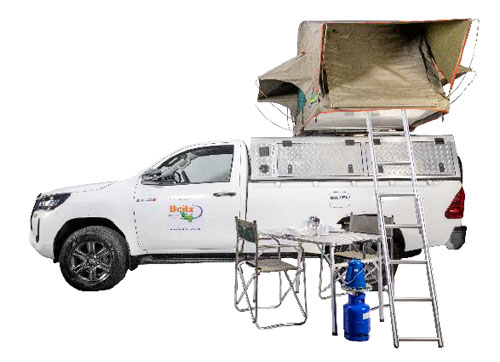
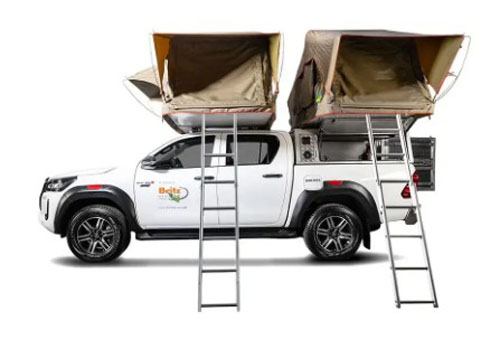
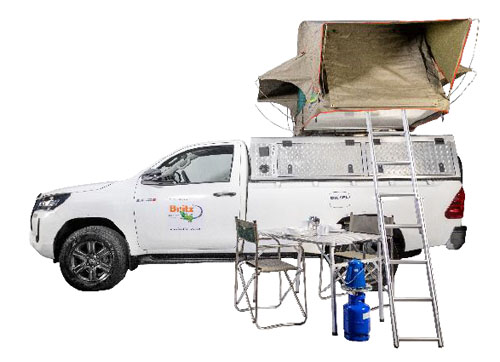
Vehicle Types: Heavy-duty 4x4 campers, often based on robust pick-up trucks with rooftop tents or pop-top cabins, are preferred for their durability and off-road capabilities. Examples include the "Patagonia Camper 4x4 double cab." Lighter-duty 4x4s may suffice for main paved routes and some well-maintained gravel roads but are less suitable for deep sand or mud in remote park areas. We rent motorhomes and campervans, and suitable 4x4 options are available in the campervan segment.
Essential Modifications: Look for rentals equipped with critical modifications such as long-range fuel tanks (e.g., 140-180 liters), extra water tanks, a dual-battery system for powering fridges, and often a winch for self-recovery. These features significantly enhance your self-sufficiency and safety in remote Botswana.
Tire Types: All-terrain (A/T) tires are generally sufficient for most conditions, but mud-terrain (M/T) tires might be beneficial for wet season travel. Always ensure the vehicle has at least one, preferably two, good quality spare tires, and that you know how to change them.
Roadside Repair: Familiarize yourself with basic roadside repair skills (e.g., changing a tire, checking fluid levels) or ensure your rental package includes robust breakdown assistance and recovery services for remote areas. Our comprehensive booking support includes coordinating with suppliers for such services.
How much does it cost to rent a 4x4 in Botswana
The cost to rent a 4x4 vehicle suitable for Botswana's challenging terrain, often configured as a fully equipped campervan, typically ranges from $150 to $400 USD per day, with prices influenced by the vehicle's features, included camping equipment, and the travel season. These are dynamic prices, fluctuating with demand and availability.
Base Rental Price: Standard 4x4 vehicles, such as a Toyota Hilux or Land Cruiser, equipped for camping (with rooftop tents, cooking gear, and a fridge/freezer), can start around $150-$250 USD per day. Fully kitted-out luxury 4x4 campervans or larger overlanders can exceed $400 USD per day. For instance, a "Patagonia Camper 4x4 double cab" offers robust features at competitive rates.
Included Equipment: Many 4x4 rentals are offered as 'fully equipped' packages, meaning they come with rooftop tents, all necessary camping and cooking gear, a fridge/freezer, and basic recovery tools, which are factored into the rental price. Always confirm what's included to avoid surprises.
Long-Term Rentals: Discounts are often available for rentals exceeding two weeks or a month, making longer trips more cost-effective on a daily rate. This encourages the slow travel we advocate, allowing you more time to explore places like the Okavango Delta or cities like Maun.
Additional Costs: Remember to budget for insurance upgrades, substantial national park fees (which can be a significant portion of the total cost, often $30-$70 USD per person per day), extensive fuel consumption, and any optional extras like satellite phones or additional recovery services. Our commitment to full transparency means you'll see all these costs upfront.
Seasonal Variation: Expect higher prices during the peak dry season (June to September) due to high demand, with lower rates available in the shoulder or wet seasons. Booking early can often lock in better prices. For a comprehensive overview of pricing, consider our "RV Rental in Botswana - Prices and Best Deals 2026" guide.
Are there RV parks in Botswana
Botswana offers a variety of camping options suitable for RVs and 4x4 campers, ranging from well-serviced private campsites to rustic national park sites, though traditional 'RV parks' with extensive hookups are less common than basic campgrounds. The focus is on embracing the wilderness experience.
National Park Campsites: Found in iconic areas like Chobe National Park, Moremi Game Reserve, and Central Kalahari Game Reserve, these sites are often unfenced and rustic, providing basic facilities like long-drop toilets and limited water. They require advance booking and adherence to strict conservation rules. Sites like Third Bridge in Moremi or Savuti in Chobe offer an incredible immersive experience.
Private Lodges & Campsites: Many private lodges and reserves offer dedicated campsites with more amenities, including ablution blocks with hot showers, braai (BBQ) areas, and sometimes even power points. These typically offer more security and comfort, providing a good balance between wilderness and convenience. You might find more traditional RV park amenities around major towns like Gaborone or Kasane.
Wild Camping: Generally not permitted within national parks or reserves to protect wildlife and visitors. Outside these areas, permission from landowners is required, making designated campsites the safest and most responsible option. It's always best to stick to established campgrounds for safety and to respect local regulations.
Facilities: Expect more basic amenities compared to RV parks in developed countries. Full hookups (water, electricity, sewage) are rare, so self-sufficiency, especially regarding water and power, is a key consideration for RV travelers. Be prepared to rely on your RV's onboard tanks and solar charging systems, if available.
Booking: Booking all campsites, particularly those within national parks, several months in advance is crucial, especially during the dry season, as availability is limited and highly sought after. While many parks reserve only 25-30% of spots, the rest are first-come-first-serve. You'll find a spot; if not at the first campground, then the next one. Always call ahead before driving. Remember, you can also use RV PLANET (rvplan.net) to plan your stops and find available campsites.
🎬 Video coming soon
What You Shouldn't Miss
- Chobe National Park's Savuti and Riverfront: Experience unparalleled game viewing, especially large herds of elephants, from your rented 4x4 camper. The Chobe Riverfront near Kasane is particularly famous for its animal concentrations during the dry season.
- Okavango Delta Mokoro Trip: Leave your motorhome at a designated camp near Maun and embark on a traditional mokoro (dugout canoe) safari, gliding silently through the waterways and experiencing the delta's unique ecosystem up close.
- Moremi Game Reserve's Pristine Wilderness: Explore the diverse landscapes and abundant wildlife, from big cats to rare birds, within this protected section of the Okavango Delta. The campsites here offer an authentic bush experience.
- Makgadikgadi Salt Pans Stargazing: Drive your 4x4 campervan onto the vast, flat expanse of the Makgadikgadi Pans during the dry season for a surreal landscape and some of the clearest, darkest night skies imaginable.
- Central Kalahari Game Reserve's Remote Beauty: For a truly off-the-beaten-path adventure, journey into the heart of the Kalahari, renowned for its black-maned lions and unique desert-adapted wildlife. This requires careful planning and a well-equipped 4x4.
- Looking for expert insights from Avi Bandana? Top 5 Adventures - recommendations from Avi Bandana
Final Thoughts
Exploring Botswana by RV offers an incredible opportunity for seniors to experience one of Africa's most pristine wildernesses at their own comfortable pace. With proper planning, the right 4x4 campervan, and a flexible itinerary, you can navigate diverse landscapes, witness spectacular wildlife, and create memories that will last a lifetime. Remember, traveling slowly allows you to truly immerse yourself in the local culture, savor the food, and appreciate the stunning scenery that Botswana has to offer.
At Bandana RV, we're dedicated to making your RV rental journey seamless and stress-free. Our expertise, transparent pricing, and comprehensive support mean you can focus on the adventure ahead. So, why wait? Imagine yourself on the route, ready for an unforgettable exploration. Discover top destinations, planning tips, all in one place!
Ready to embark on your next great adventure? Find RV Rental for Seniors in Botswana and start planning your perfect trip today!