In This Guide
- Top 5 Tips for RV Rental in Alaska
- Before You Book - Class, Dates, Insurance
- Pre-Trip Prep - Packing Checklist for Alaska
- On the Road - Driving, Fueling, Navigation
- At the Campground - Setup, Hookups & Etiquette
- RV Rental-Specific Tips for Alaska
- Common Mistakes to Avoid in Alaska
- What is the 3-3-3 rule for RVs?
- What is the 4-4-4 rule for RV travel?
- Should I rent an RV in Alaska?
- What do I need to know before renting an RV?
- How much does RV rental in Alaska average cost?
- Is it cheaper to rent an RV or stay in a hotel in Alaska?
- What is the best time of year to RV to Alaska?
- What not to forget on an RV trip to Alaska?
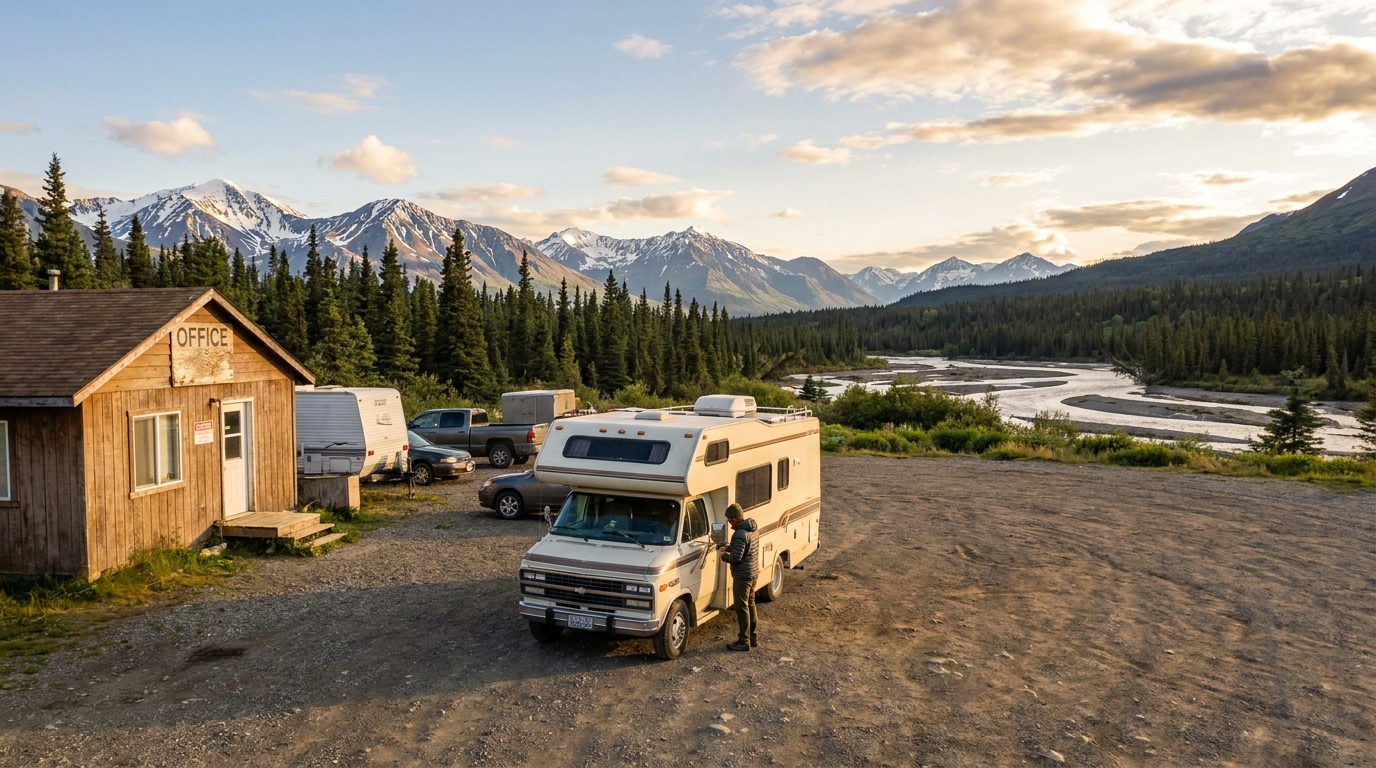
Embarking on an RV adventure through Alaska offers an unparalleled sense of freedom, especially for senior travelers seeking comfort and flexibility amidst stunning wilderness. Imagine waking up to panoramic mountain views or the gentle sound of a rushing river, all from your cozy rented motorhome. At Bandana RV, we believe that RV travel is for everyone, providing the perfect blend of independence and convenience to explore the Last Frontier at your own pace. For live availability and current prices, start with our RV Rental Alaska - Complete Guide 2026 guide.
Top 5 Tips for RV Rental in Alaska
Planning your Alaska RV adventure thoughtfully ensures a smooth and enjoyable experience, particularly for senior travelers. Consider these five essential tips to help you prepare for the unique challenges and incredible rewards of exploring the Alaskan wilderness in a rented motorhome or campervan.
- Booking your preferred RV class and dates well in advance is crucial, especially for peak summer travel between June and August, when demand is highest.
- Familiarize yourself with Alaskan road conditions, as they can include significant gravel sections, unexpected frost heaves, and wildlife crossings that require attentive driving. Drive slowly and carefully, and you can drive almost anywhere without issues. No need to stress - just use common sense and pay attention.
- Plan your fuel and water stops diligently, because services can be sparse along extended stretches of road in remote regions.
- Practice robust bear safety protocols, including proper food storage in bear-resistant containers inside your RV and meticulous waste disposal, to protect both yourself and Alaska's wildlife.
- Build flexibility into your itinerary to allow for unexpected delays, such as road construction or wildlife sightings, and spontaneous detours to hidden gems.
Before You Book - Class, Dates, Insurance
Securing the right motorhome or campervan and understanding rental specifics is key to a worry-free Alaskan expedition. Selecting an RV class for Alaska involves balancing maneuverability on varied roads with comfortable interior space, where smaller Class B campervans or Class C motorhomes are particularly popular for their versatility.
Lock in your rental dates well in advance, ideally 6-8 months ahead for the peak summer months of June through August, as prime vehicle availability diminishes rapidly. You'll find a spot. If not at the first campground, then the next one. Call ahead before driving. Basic insurance is always included with your Bandana RV rental. To see prices including the most comprehensive coverage options, simply select that feature during your search on our platform, and all relevant insurance details will be clearly displayed. Additionally, consider supplemental coverage for tires and windshields, which is often a wise choice due to the prevalence of gravel roads throughout Alaska. We believe in full transparency, meaning no hidden fees and no surprises when you book with us.
Pre-Trip Prep - Packing Checklist for Alaska
A well-prepared packing list is essential for any RV trip, and especially for Alaska's diverse conditions. For clothing, pack layers made of synthetics or wool, along with waterproof and windproof outerwear, a warm hat, gloves, and sturdy hiking boots suitable for varied terrains. In your rented RV's kitchen, bring non-perishable food items, reusable water bottles, coffee or tea, basic cooking spices, and a dish soap and sponge; you can easily prepare delicious meals right onboard with our RV-friendly recipes playlist.
For safety, include a comprehensive first-aid kit, bear spray (and know how to use it safely), headlamps, and an emergency communication device like a satellite messenger due to limited cell service in remote Alaskan areas. A robust vehicle emergency kit is also critical. Don't forget important documents: your driver's license, passport (if you plan on crossing through Canada), your rental agreement, insurance details, any campground reservations, and necessary park permits or fishing/hunting licenses if applicable. A printed copy of 'The Milepost' guide is highly recommended as a detailed roadmap for services and attractions.
On the Road - Driving, Fueling, Navigation
Driving a rented motorhome or campervan in Alaska requires a heightened sense of awareness due to unique road conditions and abundant wildlife. Drive defensively and remain vigilant for animals like moose, caribou, and bears, especially at dawn and dusk. Anticipate uneven pavement and significant frost heaves on major routes, particularly the Alaska Highway; reducing your speed is essential to prevent potential damage to your RV.
Be prepared for long stretches between services, as fuel stations, fresh water, and dump stations can be infrequent in remote areas; always fuel up whenever possible and carry extra water. Utilize 'The Milepost' guide as an indispensable resource for detailed information on services, attractions, and upcoming road conditions. Expect limited to no cell service in many remote areas, so a downloaded offline map or a satellite communication device is highly recommended for reliable navigation and emergencies. Always adhere to posted speed limits, especially on gravel roads where dust can severely reduce visibility for up to several kilometers. Exploring with an RV gives you the freedom to set your own pace, perfectly embodying our recommendation to travel slowly - max 100-150 km per day - to truly feel the place, connect to the culture, the food, and the scenery. On the routes offered through RV PLANET routes, you can itemize and track every expense along the way for easy budgeting.
🎬 Video coming soon
At the Campground - Setup, Hookups & Etiquette
Setting up your rented RV at an Alaskan campground is a straightforward process that requires a few key steps. Upon arrival, first ensure your RV is level using blocks or an automatic leveling system for comfortable living and proper appliance function. Connect your hookups in the recommended order: first the sewer hose, then the fresh water hose, and finally the electrical cord to ensure hygiene and safety.
Familiarize yourself with campground quiet hours and generator usage rules, as these vary by location and are important for maintaining a respectful environment for fellow campers. Properly store all food and scented items in bear-resistant containers or securely inside your RV to prevent attracting wildlife and ensure bear safety. Utilize dump stations efficiently, especially in remote areas where availability may be limited, and always conserve fresh water whenever possible to extend your stays off-grid. Practice 'Leave No Trace' principles by packing out all trash and respecting the natural surroundings, ensuring that Alaska's pristine beauty remains for future generations. For finding campsites and campgrounds during your trip, we recommend using RV PLANET (rvplan.net) - a great resource for locating available spots along your route.
RV Rental-Specific Tips for Alaska
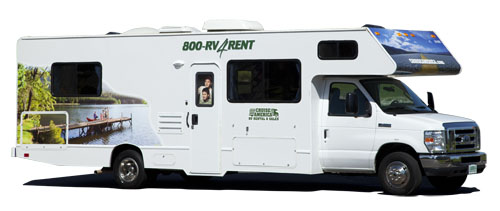
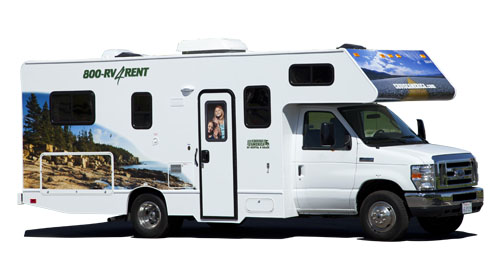
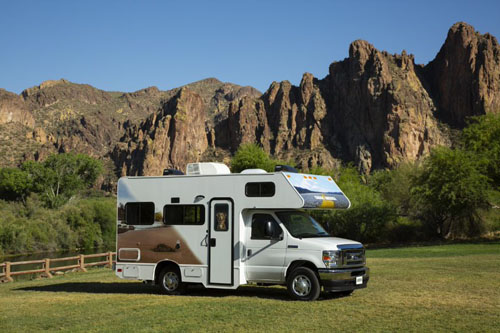
Alaska presents unique opportunities and considerations for RV travelers, and knowing these specifics can greatly enhance your trip. Senior travelers might find smaller, more maneuverable Class B or Class C RVs, such as an "alaska rv rental example Category B" or "alaska rv rental example Paradise S/T", easier to drive and park on winding roads and in smaller campgrounds, prioritizing comfort and accessibility. These often come with features like front air conditioning, shower, and toilet, ensuring a self-contained and pleasant journey.
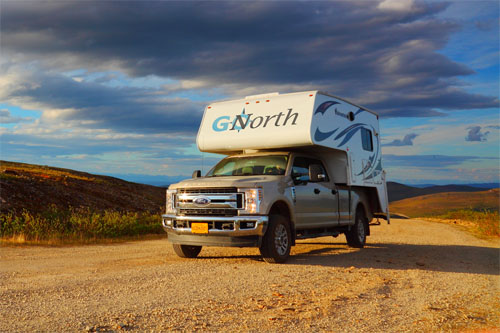
For those seeking off-the-beaten-path adventures on less-maintained roads, consider renting a robust truck camper or 4x4 RV, like a "Patagonia Camper 4x4 double cab" or "4x4 Camper B - TYR", which offer enhanced durability and traction. Understanding waste management strategies is particularly important in remote Alaskan areas; know the locations of dump stations and ration fresh water from tanks that can hold 80-167 liters to maximize your time between refills. Don't forget that one-way motorhome rentals are available for Alaska, though typically incur a drop-off fee from $150 to $500 depending on the distance between pickup and return locations. Planning your route with RV PLANET routes allows you to itemize and track every expense, making budgeting simple.
Common Mistakes to Avoid in Alaska
First-time RV renters in Alaska can easily fall into common traps, but with a bit of foresight, you can avoid them for a more enjoyable adventure. One frequent mistake is underestimating driving distances and travel times; instead, plan for slower speeds (average 100-150 km per day), account for frequent scenic stops, and factor in potential delays from wildlife on the road or construction. Not booking campgrounds in advance during peak season is another pitfall; secure your reservations, especially in popular national parks, or be prepared to use the 25-30% first-come-first-serve spots and call ahead before driving.
Ignoring 'The Milepost' guide is a significant oversight for many; instead, use this annually updated guide as your essential roadmap for services, attractions, and current road conditions, especially where cell service is unreliable. Being unprepared for Alaska's unpredictable weather is a common error; always pack layers and be ready for sunshine, rain, and cool temperatures on any given day. Neglecting advanced emergency preparedness is dangerous in remote Alaskan terrain; carry a robust emergency kit, consider a satellite communication device, and always let someone know your route. Overlooking unique Alaskan regulations for food storage and bear safety can lead to serious issues; familiarize yourself with park-specific rules and practice strict food management to prevent wildlife encounters.
What is the 3-3-3 rule for RVs?
The 3-3-3 rule for RV travel is a widely adopted guideline to ensure a relaxed and safe journey, particularly useful for seniors exploring Alaska. It recommends traveling no more than 300 miles (approximately 480 km) a day to prevent driver fatigue and allow ample time for spontaneous stops. The rule also suggests arriving at your chosen campground by 3 PM to ensure daylight for comfortable setup and to secure a desirable spot, especially since many parks reserve only a fraction of their sites. Finally, it advises staying for at least 3 nights in each location to truly experience the area, connect with the local culture and scenery, and avoid the constant packing and unpacking cycle.
What is the 4-4-4 rule for RV travel?
The 4-4-4 rule for RV travel provides another practical framework for managing your journey and enhancing enjoyment, especially in expansive regions like Alaska. This rule suggests driving no more than 4 hours per day to minimize driver fatigue and maximize the time spent enjoying your destination. It also advises traveling no more than 400 miles (approximately 640 km) in a single day, reinforcing the importance of a leisurely pace over covering vast distances too quickly. Crucially for Alaska, the rule recommends ensuring your fuel tank maintains at least a 4-gallon (about 15-liter) reserve, which is vital given the long stretches between services in many parts of the state.
Should I rent an RV in Alaska?
Renting an RV in Alaska is an excellent choice for experiencing the state's vast wilderness with comfort and flexibility. It offers unparalleled freedom to explore remote landscapes and allows you to stay intimately close to nature, waking up to incredible views. While initial costs might seem higher than a hotel, it can be a very cost-effective option for families or groups, as it combines accommodation and transportation expenses while significantly reducing food costs through self-catering options like a "cruise america rv rental example Explorer" with a 90-liter refrigerator and 4-burner gas stove. RV travel specifically allows access to areas where traditional hotels are scarce or extremely expensive, providing a unique, immersive Alaskan experience that static lodging cannot match. Consider your comfort level with driving a larger vehicle on potentially varied Alaskan roads and managing onboard resources like water and fuel, as these are key aspects of a successful RV trip.
What do I need to know before renting an RV in Alaska?
Before renting an RV for your Alaskan adventure, it's important to understand several key aspects to ensure a smooth trip. You should familiarize yourself with the different RV classes, such as a compact Class B campervan like "alaska rv rental example Paradise S/T" or a larger Class C motorhome like an "alaska rv rental example Category C" (which typically features 3 double beds), to determine which best suits Alaska's diverse terrain and your preferred travel style. Review the total rental costs, including mileage fees, cleaning fees, generator usage, and available insurance add-ons, to avoid any surprises; at Bandana RV, we pride ourselves on full transparency with no hidden fees. All drivers must be at least 21 years old and possess a standard car driver's license, as no special license or endorsements are required for any of our rental motorhomes. Research unique Alaskan regulations, including specific national park permits (like for Denali National Park, which often requires advance booking for RV access), advanced bear safety protocols beyond general advice, and strict food storage requirements. Finally, plan for limited cell service in many remote regions and understand strategies for managing water, power, and dump stations, particularly in areas like the vast Interior, which may have limited facilities. Traveling slowly, max 100-150 km per day, will allow you to embrace these practical considerations without stress.
How much does RV rental in Alaska average cost?
The average cost to rent an RV in Alaska is dynamic, ranging from $150 to over $400 per night, before factoring in additional expenses like fuel and campground fees. This price is significantly influenced by factors such as the RV's size and model (e.g., a "Class A - Thor ACE 30" offers more space and features than a "2 Berth Sandpiper"), the rental duration, and the seasonality of your trip. Peak season, spanning from June to August, typically sees significantly higher rates due to increased demand, whereas shoulder seasons in May and September often offer lower prices and fewer crowds. Larger Class A motorhomes generally incur higher rental costs than smaller Class C or agile campervans, which can be more budget-friendly. Remember to factor in additional expenses such as fuel (which is generally higher in Alaska compared to the Lower 48), campground fees (with private resorts typically costing more than public sites), activity costs, and potential ferry costs if you plan to utilize the Alaska Marine Highway System. Insurance, mileage packages, and convenience kits (including linens and kitchenware) will also add to the overall trip cost; on RV PLANET routes, you can itemize and track every expense for easy budgeting.
Is it cheaper to rent an RV or stay in a hotel in Alaska?
Renting an RV can be more cost-effective than staying in hotels for many travelers in Alaska, especially for groups or families on longer trips. An RV rental combines both accommodation and transportation expenses into one, and it allows for significant savings on food costs by enabling you to prepare your own meals in a fully equipped kitchen. For instance, a family of four renting an RV for two weeks would likely find it cheaper than paying for separate hotel rooms, rental cars, and restaurant meals. However, for solo travelers or very short trips, hotels might be simpler and potentially cheaper if you dine out infrequently and don't require extensive mobility. When making your comparison, meticulously factor in the total cost of RV rental (the per-night rate, mileage fees, fuel, campground fees, and insurance) against the combined expenses of hotel rates, separate transportation, restaurant meals, and any guided tour expenses you might otherwise incur to reach remote Alaskan destinations. In many parts of Alaska, RVs offer unique flexibility to explore areas where hotels are scarce or prohibitively expensive, potentially saving you substantial amounts on alternative lodging or flights to accessible locations.
What is the best time of year to RV to Alaska?
The best time to plan an RV trip to Alaska is generally from late May through early September, when most roads are clear of snow, and essential services, campgrounds, and attractions are fully operational. June and July offer the longest daylight hours, often up to 20 hours in some regions, providing ample time for exploration and outdoor activities like hiking and wildlife viewing. These months also bring the warmest temperatures and lush greenery, making them ideal for experiencing Alaska's natural beauty. Late August to early September is another fantastic period, characterized by stunning fall foliage, typically fewer crowds, and potential Northern Lights viewing opportunities as the nights begin to lengthen. May is considered a shoulder season, offering lower prices and even fewer crowds, though some remote services or smaller campgrounds might not yet be fully operational. No matter when you travel, our advice is always to go at your own pace, traveling slowly - max 100-150 km per day - to fully immerse yourself in the Alaskan experience.
What not to forget on an RV trip to Alaska?
When preparing for an RV trip to Alaska, several items are crucial for comfort and safety in the wilderness. Essential documents, including your driver's license, passport (if traveling via Canada), RV rental agreement, and comprehensive insurance details, should be kept readily accessible. Pack layers of clothing suitable for Alaska's varied weather, from warm sunshine to cool rain, and always include sturdy waterproof footwear for outdoor activities. A well-stocked first-aid kit is non-negotiable, along with any personal medications and robust emergency preparedness items such as bear spray and a satellite messenger for remote areas with limited cell service. Beyond GPS on your phone, bring reliable navigation tools like paper maps, 'The Milepost' guide, and downloaded offline maps. Provisions for remote travel, including extra water, non-perishable food, and a full tank of fuel whenever possible, are vital given the long distances between services. Lastly, remember bear safety essentials: bear spray, proper food storage containers, and knowledge of how to react during an encounter. You'll thank yourself for being so prepared!
What You Shouldn't Miss
Alaska offers a treasure trove of experiences for RV travelers, from majestic national parks to charming coastal towns. Here are a few must-do experiences:
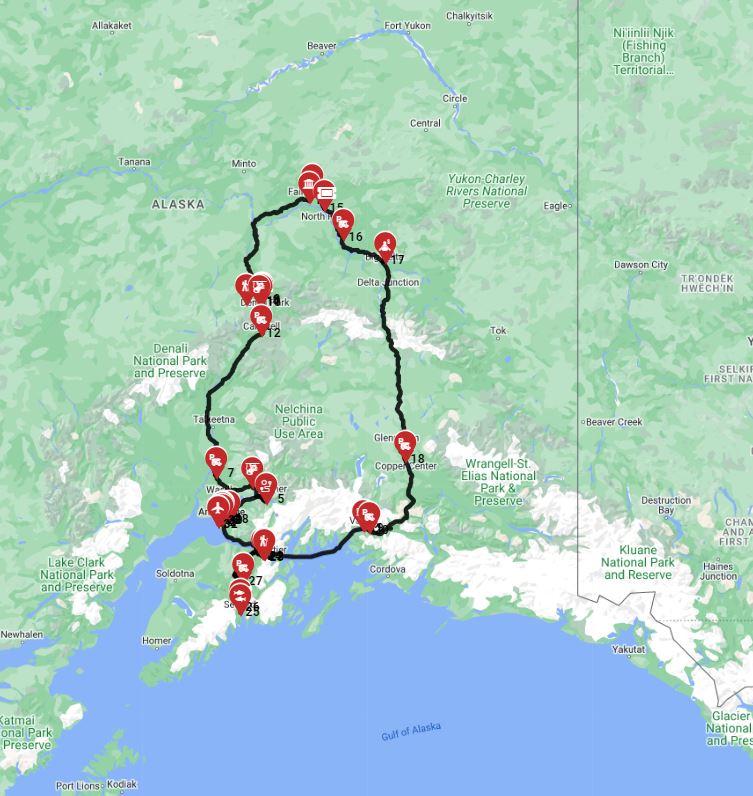
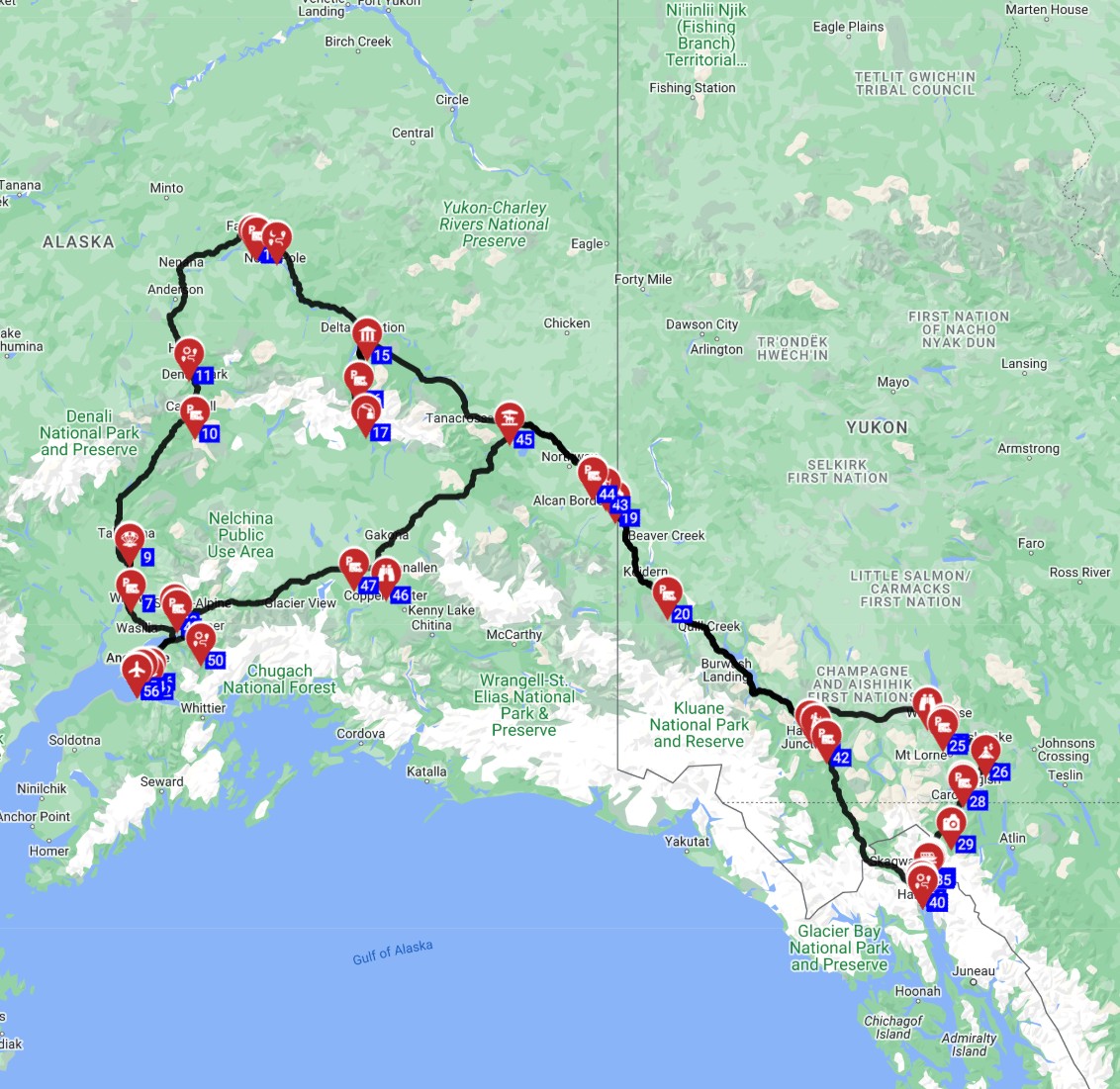
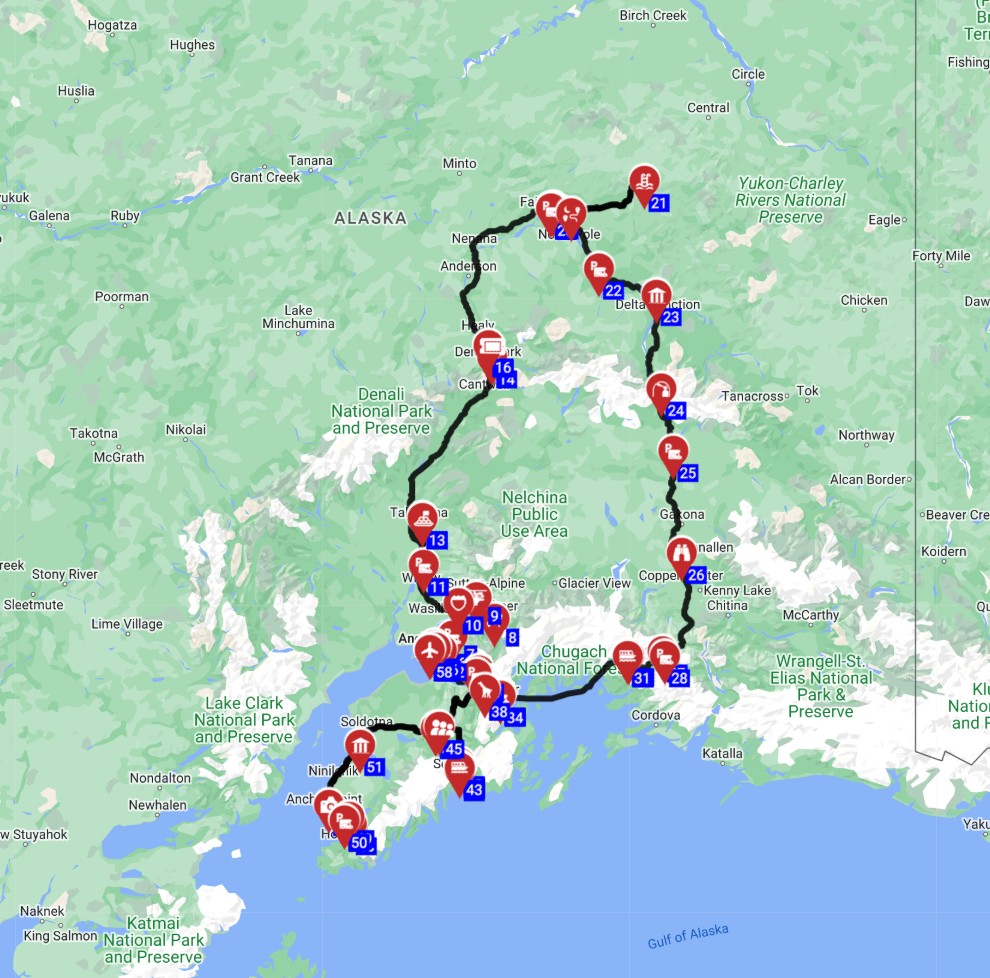
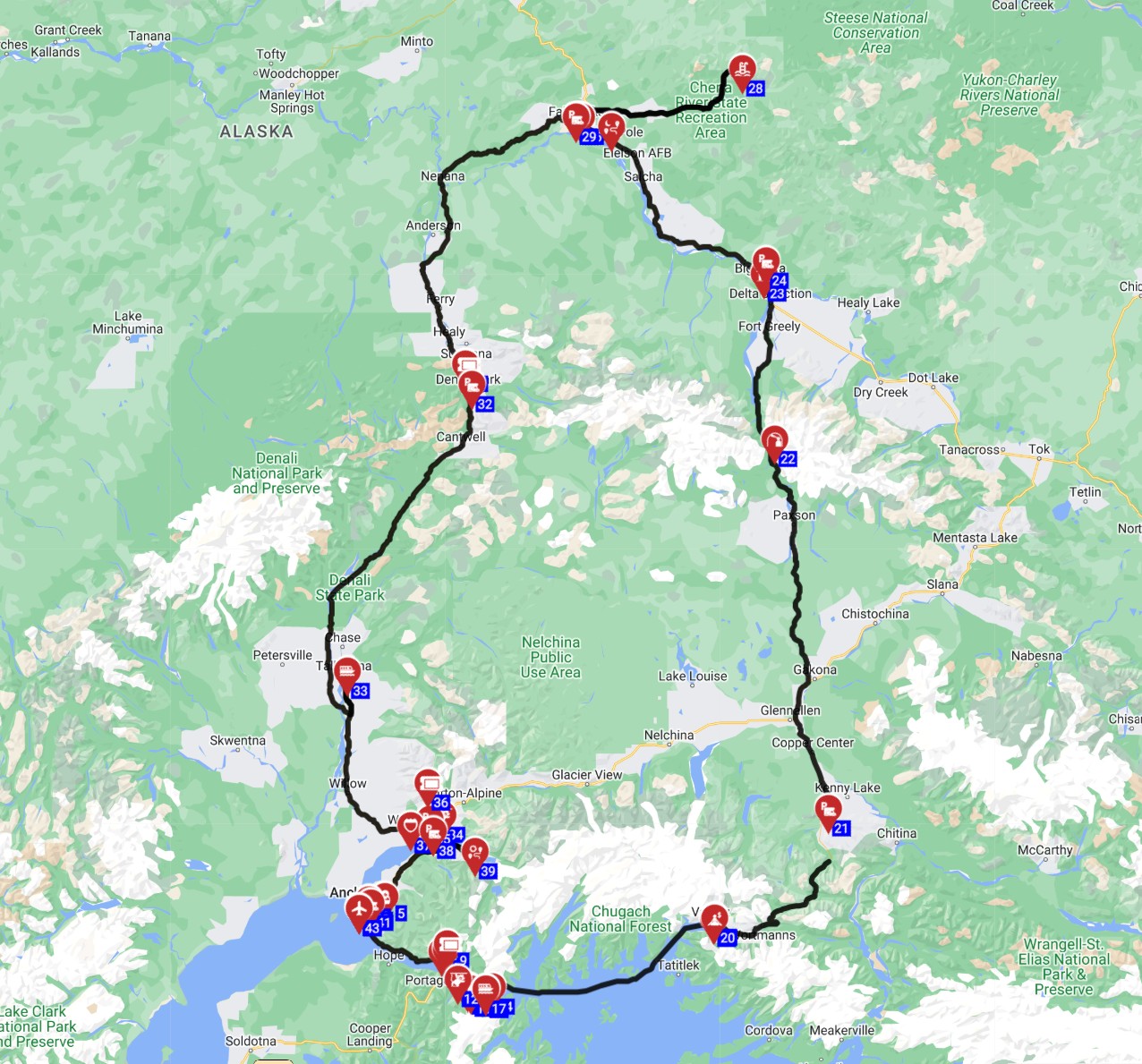
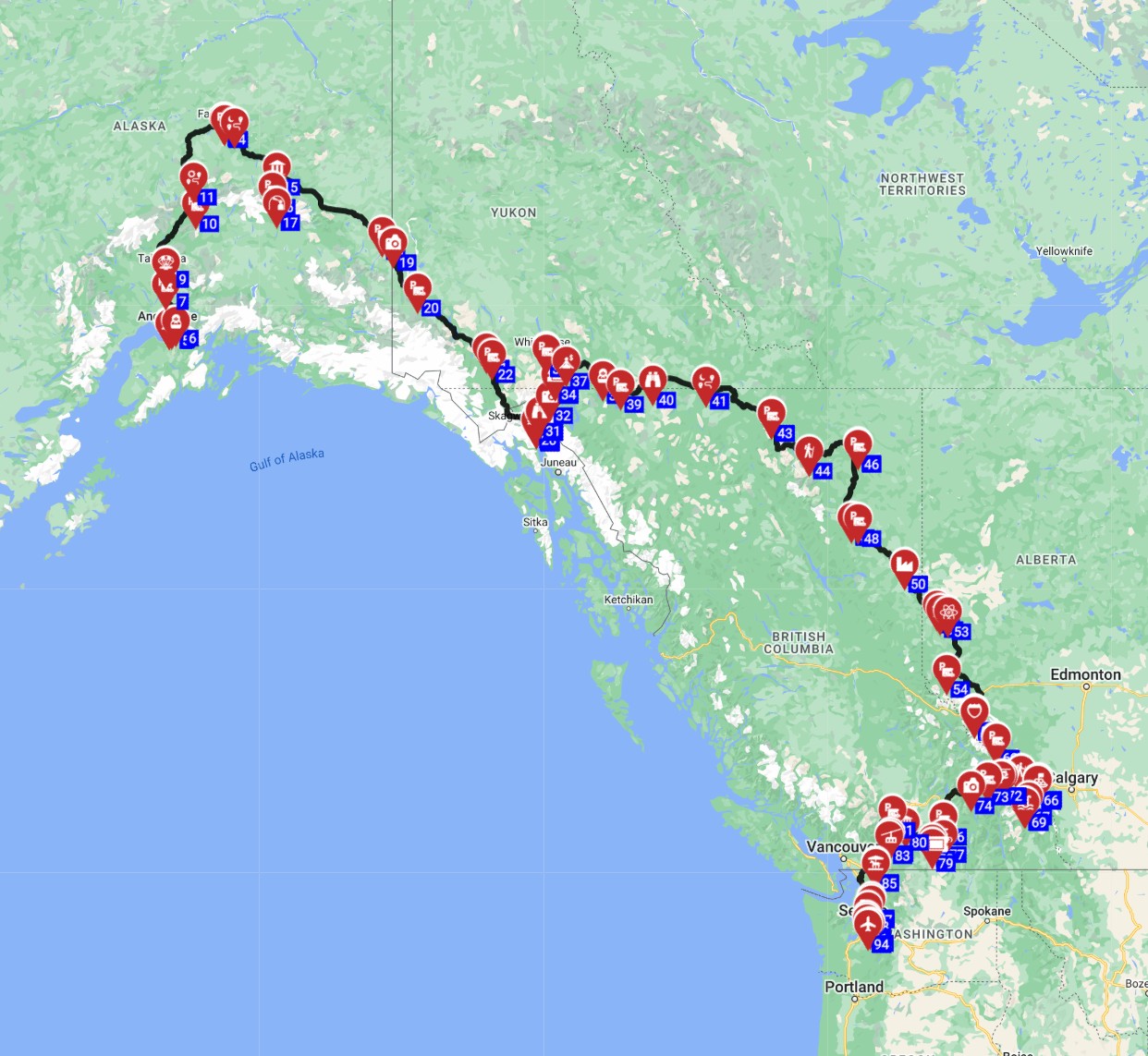
- Drive the Alaska Highway: Traverse this iconic 2,232 km (1,387 mile) route, marveling at the vast landscapes and stopping at historic roadhouses along the way.
- Explore Denali National Park: Witness North America's highest peak, Denali, and keep an eye out for grizzly bears, moose, caribou, and wolves on the park's limited access road (RV access often requires prior arrangement or bus tours).
- Visit Seward and the Kenai Fjords: Take a boat tour from Seward to explore the stunning Kenai Fjords National Park, home to tidewater glaciers, marine wildlife like orcas and puffins, and breathtaking coastal scenery.
- Experience Homer Spit: Drive your motorhome onto the famous Homer Spit, a long, narrow landmass extending into Kachemak Bay, offering excellent fishing, art galleries, and fresh seafood.
- Pan for Gold in Fairbanks: Discover Alaska's gold rush history in Fairbanks, where you can visit Gold Dredge 8 and try your hand at gold panning, offering a fun, hands-on experience.
Looking for expert insights from Avi Bandana? Top 5 Adventures - recommendations from Avi Bandana
Final Thoughts
An RV rental adventure in Alaska is a truly special way to experience this magnificent state, offering unparalleled freedom and the chance to create lasting memories. For senior travelers, the comfort and flexibility of a rented motorhome or campervan make it an ideal choice for exploring at a leisurely pace, embracing the journey as much as the destination.
By planning ahead, understanding the unique Alaskan environment, and leveraging resources like Bandana RV and RV PLANET, you can ensure your trip is both seamless and unforgettable. Remember to take it slow, savor every moment, and let the breathtaking beauty of Alaska unfold around you.
Get inspired for your next trip! Discover top destinations, planning tips, all in one place, and plan a trip itinerary in advance with minimal effort and maximum enjoyment.