In This Guide
- Top 5 Tips for RV Rental in Zambia
- Before You Book - Class, Dates, Insurance
- Pre-Trip Prep - Packing Checklist for Zambia
- On the Road - Driving, Fueling, Navigation
- At the Campground - Setup, Hookups & Etiquette
- RV Rental-Specific Tips for Zambia
- Common Mistakes to Avoid in Zambia
- What are the road conditions like for RVs in Zambia
- How do I manage RV logistics in Zambia for fuel and water
- Where can I find RV-friendly campsites in Zambia and what amenities do they offer
- What should I budget for an RV rental trip in Zambia
- What unique RV routes in Zambia go beyond traditional safaris
- How do I ensure health and safety during an RV trip in Zambia
- Top Cities for RV Rental in Zambia
- RV Rental Africa - Complete Guide 2026
- What You Shouldn't Miss
Embarking on a motorhome adventure through Zambia offers unparalleled freedom to explore its stunning landscapes, vibrant culture, and incredible wildlife at your own pace. With a rented RV, you transform your journey into a comfortable, self-sufficient expedition, whether you're chasing the spray of Victoria Falls or seeking solitude in a national park. For live availability and current prices, start with our RV Rental Zambia - Complete Guide 2026 guide. We are true RV specialists, dedicated to making your African road trip dreams a reality with full transparency and dedicated support.
Top 5 Tips for RV Rental in Zambia
To ensure a successful RV rental in Zambia, prioritize selecting the right vehicle, booking early, packing strategically, understanding local driving conditions, and meticulously planning your campsites. First, choose a 4x4 pop-top or robust campervan as these are generally better suited for Zambia's diverse road network, which often includes extensive gravel and dirt tracks. Second, secure your RV rental well in advance, especially for peak travel seasons from June to October, to guarantee availability and potentially secure better daily rates, which can range from $150-$400 USD for a Class C motorhome. Third, pack comprehensively for self-sufficiency, including a detailed first-aid kit, vehicle recovery gear like a high-lift jack, navigational aids such as offline GPS maps, and sufficient water and non-perishable food supplies for longer stretches between towns. Fourth, familiarize yourself with Zambian driving etiquette, including a general speed limit of 100 km/h on open roads, and potential road hazards like potholes and wildlife, particularly when planning long distances outside of daylight hours. Fifth, always pre-book your campsites, especially within National Parks, and confirm their RV-specific amenities such as power hook-ups, water points, and waste disposal facilities, as these can vary significantly.
Before You Book - Class, Dates, Insurance
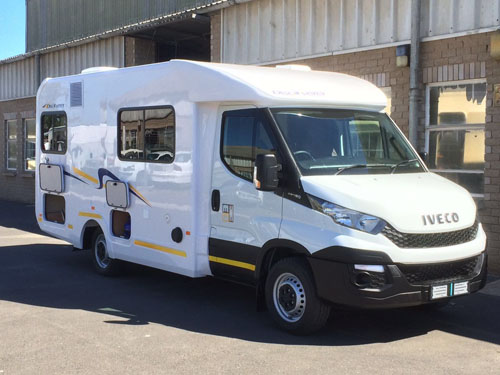
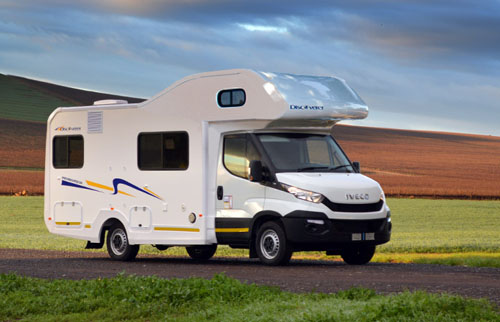
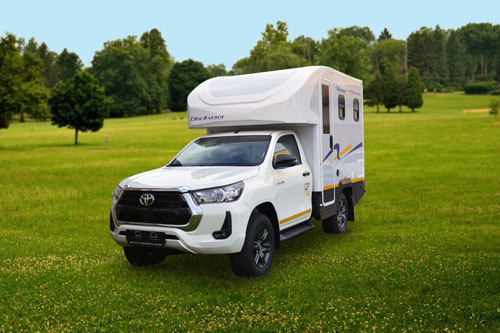
When booking an RV rental in Zambia, carefully select your vehicle class based on expected road conditions, confirm your travel dates early, and understand your insurance options to ensure comprehensive coverage. Consider an RV class suitable for Zambian roads: while larger motorhomes offer comfort, 4x4 pop-tops or rugged campervans are often more practical for gravel roads and off-the-beaten-path destinations, providing necessary ground clearance and capability for varying terrains. For instance, a "Patagonia Camper 4x4 double cab" is designed for such conditions. Lock in your travel dates as early as possible, ideally 3-6 months in advance for peak season (June to October), to ensure the widest selection of vehicles and potentially lower rental costs. Spontaneous travelers should know that many national/state parks reserve 25-30% of spots for first-come-first-serve arrivals, so you'll often find a spot, even if it's not the first campground. Basic insurance is always included with RV rentals in Zambia; to see prices including the most comprehensive coverage, select that option during your search on our platform. This coverage can protect you against various incidents from minor damage to roadside assistance, and you can upgrade to a top-level deductible for extra peace of mind.
For those looking for premium amenities and spacious living, our Luxury RV Rental in Zambia - Premium Prices 2026 provides details on high-end motorhome options like a "campervan hire new zealand example Euro Deluxe", which offers 3 double beds, rooftop AC, and TV. We believe in full transparency: what you see is what you get, with no hidden fees or surprises.
Pre-Trip Prep - Packing Checklist for Zambia
Effective pre-trip preparation for an RV rental in Zambia involves a strategic packing checklist covering clothing for diverse climates, kitchen essentials for self-catering, comprehensive safety gear, and all necessary documentation, including provisions for connectivity and potential border crossings.
Clothing and Personal Items:
- Lightweight, breathable clothing for hot days (temperatures can exceed 30°C in warmer months).
- Warmer layers for cool evenings, especially in higher altitudes or during cooler months (June-August, nighttime lows can reach 5°C).
- Rain gear (waterproof jacket and trousers) for unexpected showers, particularly outside the dry season.
- Wide-brimmed hat and sunglasses for sun protection.
- Sturdy closed-toe shoes (for hiking/walking) and comfortable sandals or flip-flops.
- High-SPF sunscreen and effective insect repellent with DEET or Picaridin.
Kitchen & Food Supplies:
- Reusable water bottles and water purification tablets/filter, as tap water quality varies.
- Non-perishable food items and staple pantry supplies for extended periods between larger towns.
- Cooler or ensure your rented RV has a functional refrigerator (many motorhomes like the "cruise america rv rental example Explorer" have a 90-liter fridge).
- Basic cooking utensils, pots, pans, and cutlery are often included, but it's wise to double-check with your supplier. For some delicious on-the-road meal ideas, check out our RV-friendly recipes playlist.
- Biodegradable soap and dishwashing liquid to minimize environmental impact.
Safety and Navigation Gear:
- Comprehensive first-aid kit (including anti-malarials if necessary, rehydration salts, bandages, and antiseptic).
- Headlamps or flashlights with extra batteries, crucial for unlit campsites and night excursions.
- Emergency roadside kit (jump starter, basic tools, tire repair kit, spare fuses) and a tire pressure gauge.
- Fire extinguisher (legally required for all vehicles in Zambia) and a reflective vest and two reflective triangles.
- Satellite phone or robust communication device for remote areas where mobile network coverage can be unreliable.
- Offline GPS maps (like Maps.Me or Gaia GPS) alongside up-to-date physical maps.
Documentation & Connectivity:
- Valid passport with at least six months' validity and necessary visas for Zambia.
- International Driving Permit (IDP) alongside your national driver's license (minimum driver age is 21).
- Vehicle registration papers, rental agreement, and temporary import permits (if crossing borders, a Carnet de Passage may be required).
- Copies of all important documents (digital and physical) stored separately.
- Travel insurance details, including emergency contact numbers.
- Local SIM card or eSIM activated for mobile network coverage in populated areas; consider satellite options for very remote regions for reliable communication.
On the Road - Driving, Fueling, Navigation
Navigating Zambia by RV requires careful attention to varying road conditions, strategic fueling due to availability, and reliable navigation methods, along with an awareness of specific hazards. Zambian roads vary significantly: main arterial routes, such as the Great North Road (part of the Cape to Cairo Highway), are generally tarred and in reasonable condition, suitable for most motorhome types. However, many roads leading to attractions, national parks, and remote areas are gravel, dirt, sand, or prone to mud during the rainy season (November to April). Larger motorhomes may feel the impact of corrugations differently than standard 4x4s, demanding slower speeds and cautious driving to prevent vehicle damage. For example, a "C-LARGE" motorhome with a length of 9.1m will handle rough patches differently than a more compact campervan.
Fuel availability in Zambia can be sporadic outside major towns; it is crucial to refuel at every opportunity, carry extra jerry cans for longer distances (e.g., if driving more than 300 km between large towns), and note that payment is typically cash, though some larger stations accept cards. Diesel quality can vary, so using fuel from reputable stations is advised, and carrying a spare fuel filter can be beneficial for older RVs. Utilize a combination of GPS (offline maps like Maps.Me or Gaia GPS are highly recommended) and up-to-date physical maps for comprehensive navigation; local advice from campsite managers or villagers can also be invaluable for current road conditions. Drive slowly and carefully, and you can drive almost anywhere without issues. No need to stress - just use common sense and pay attention. Avoid driving at night due to increased risks from wildlife crossing roads, pedestrians, cyclists, unlit vehicles, and the potential for livestock, which can pose significant hazards for any rented RV.
At the Campground - Setup, Hookups & Etiquette
Setting up your RV at a Zambian campground involves specific steps for leveling, connecting utilities, and adhering to local etiquette and regulations to ensure a comfortable and respectful stay. Upon arrival, select a suitable spot, level your RV using ramps or blocks to ensure appliances function correctly and for comfortable sleeping. Then, proceed with hookups: first connect fresh water (using a filter to ensure potability), then electricity (check voltage, usually 220-240V, and ensure you have the correct adapter), and finally, position your grey and black water hoses for disposal at designated dump points (if available) or prepare for manual emptying at communal points. Many campsites, particularly in national parks, may only offer cold showers and long-drop toilets, so be prepared for varying levels of facilities.
Campsites in Zambia vary from national park sites with basic facilities to private lodges offering full amenities like powered sites, hot showers, flush toilets, designated water points, and sometimes even grey/black water dump stations. Always confirm what's available when booking and secure your vehicle and belongings, as security measures vary greatly. Respect campground quiet hours, typically from 10 PM to 6 AM, keep noise levels down, and dispose of all waste responsibly in designated areas, adhering to a 'leave no trace' philosophy to minimize environmental impact and support ethical tourism. Be mindful of wildlife, even in fenced campsites; keep food secured inside your rented motorhome (many models like the "MH23 Medium - Economy" offer refrigerators up to 170 liters), never approach or feed wild animals, and observe safety guidelines provided by the campground staff, particularly in unfenced national park sites. For finding campsites and campgrounds during your trip, we recommend using rvplan.net - a great resource for locating available spots along your route, where you can also itemize and track every expense along the way for easy budgeting with RV PLANET routes. On the routes offered through RV PLANET routes, you can itemize and track every expense along the way for easy budgeting.
RV Rental-Specific Tips for Zambia
Tailoring your RV rental experience in Zambia to specific traveler profiles, such as families, seniors, budget-conscious individuals, or luxury seekers, can significantly enhance trip enjoyment and suitability. For families with children, choose an RV with ample sleeping space, such as a 6-berth "Euro Deluxe" model, and consider a flexible itinerary that includes shorter drives (max 100-150 km per day on average), nap-friendly stops, and campsites with playgrounds or family-friendly activities, ensuring children are entertained and comfortable. Our Family RV Rental in Zambia - Pricing Guide 2026 offers more insights for family trips.
Senior travelers might prioritize RVs with easier access, comfortable beds, and ergonomic controls; consider a vehicle class that doesn't require extensive physical exertion for setup or driving, and plan routes with frequent, accessible rest stops. Budget travelers can save costs by opting for smaller, more fuel-efficient campervans, utilizing free or low-cost overnight parking spots where safe and permitted, and focusing on self-catering with food sourced from local markets to reduce restaurant expenses. Consider a compact campervan like the "rv rental denver example Category Van". Luxury travelers can enhance their experience with premium RV models offering sophisticated amenities, perhaps a spacious Class A motorhome like the "Class A - Thor ACE 30", consider adding a private chef for campsite meals, or opt for pre-arranged guided tours that complement their self-drive adventure with specialized experiences.
Common Mistakes to Avoid in Zambia
Avoiding common pitfalls in RV travel through Zambia can lead to a smoother and more enjoyable journey, emphasizing proactive planning, vehicle care, and cultural awareness. Instead of underestimating road conditions, thoroughly research your planned routes and vehicle suitability for varying surfaces (tar, gravel, sand) and seasonal changes; opt for an RV with good ground clearance and 4x4 capability if venturing off main roads, as many local suppliers offer these. Rather than neglecting essential vehicle checks, perform daily inspections of tires (pressure, tread), fluid levels, and lights, and ensure all recovery gear is accessible, especially before long drives in remote areas. A "Truck Camper" might have a fresh water tank of 122 liters, important to check daily.
Instead of driving at night, plan your travel to arrive at your campsite well before dusk to mitigate risks from wildlife, pedestrians, and poor visibility on unlit roads. Rather than ignoring local cultural etiquette, research and practice respectful interactions with communities, support local businesses, and be mindful of photography customs to foster positive engagement. Always adhere to 'leave no trace' principles; utilize designated bins, manage grey/black water responsibly at appropriate dump points, and avoid littering to protect Zambia's natural beauty. Instead of relying solely on mobile network coverage, which can be limited in remote areas, invest in offline maps and consider a satellite communication device for emergencies to ensure consistent connectivity. We strive for full transparency, ensuring you have all the information to avoid these common mistakes before you even hit the road.
What are the road conditions like for RVs in Zambia
Road conditions for RVs in Zambia vary significantly, ranging from well-maintained tarred highways to challenging gravel, dirt, and sandy tracks, with impacts differing for RVs compared to standard 4x4s due to size and weight. Major roads connecting cities like Lusaka, Livingstone, and Ndola are generally tarred and in reasonable condition, suitable for most RV types, though potholes can be prevalent, especially after the rainy season. For instance, traveling the T1 highway (part of the Great North Road) is mostly paved and manageable. However, roads leading to national parks, remote attractions, and rural areas are predominantly gravel or dirt, which become extremely challenging with corrugations, sand patches, and mud during the rainy season (November to April).
Larger RVs, such as Class C motorhomes with lengths up to 9.4 meters like the "rv rental atlanta example Eclipse Camper", may struggle with clearance and maneuverability on these rougher surfaces, while 4x4 pop-tops or rugged campervans are better equipped to handle the diverse terrains and require slower speeds to prevent vehicle damage. Drive slowly and carefully, and you can drive almost anywhere without issues. No need to stress - just use common sense and pay attention. Drivers should always carry spare tires, tire repair kits, and be prepared for potential breakdowns, as assistance can be hours away in remote regions. Understanding these varied conditions is crucial when planning your specific RV route plans in Zambia.
How do I manage RV logistics in Zambia for fuel and water
Managing RV logistics in Zambia for fuel and water requires proactive planning due to varying availability and quality, emphasizing regular refills and strategic water sourcing and waste disposal. Fuel stations are common in major towns and along main highways but become scarce in rural and remote areas; it's critical to top up your tank whenever possible, carry extra jerry cans for extended remote travel (considering an RV like the "cruise america example Explorer" has an 82-liter fresh water tank and a 75-liter fuel tank), and note that cash is the primary payment method for fuel, though some larger stations accept cards. Diesel quality can vary, so using fuel from reputable stations is advised, and carrying a spare fuel filter can be beneficial for older RVs.
Water refill points are generally available at established campsites, lodges, and some community centers; always purify water obtained from unknown sources or carry a robust water filter, and ensure you have sufficient carrying capacity for your rented RV. Many rental campervans, such as the "V3" model, typically come with a 100-liter fresh water tank. Waste disposal for grey and black water is primarily handled at designated dump points found at larger, private campsites or lodges; wild camping often necessitates carrying out all waste, requiring careful planning for storage and responsible disposal in approved locations. Before embarking on your week-long trip, plan out your fuel and water stops carefully, especially if your route involves remote areas of Zambia.
Where can I find RV-friendly campsites in Zambia and what amenities do they offer
RV-friendly campsites in Zambia are available across national parks, private reserves, and along popular tourist routes, offering a range of amenities from basic facilities to more luxurious options tailored to RV needs. National Parks often provide basic campsites, such as those in South Luangwa National Park, with long-drop toilets, cold showers, and sometimes a communal water tap; these offer immersive wildlife experiences but typically lack power hook-ups or advanced waste disposal, requiring a high degree of self-sufficiency from your rented motorhome. These sites might accommodate 10-15 RVs, with 25-30% usually available on a first-come, first-served basis.
Private campsites and lodges, especially around popular destinations like Victoria Falls (in Livingstone) or Kafue National Park, offer more comprehensive amenities including powered sites (220-240V), hot showers, flush toilets, designated water points, and sometimes even grey/black water dump stations. These can accommodate a wider range of RVs, from compact campervans to larger Class C motorhomes. Community campsites, found in some rural areas, offer a more authentic cultural experience with very basic facilities, often supporting local communities directly. It is crucial to book campsites in advance, particularly during peak season (June-October), and confirm RV-specific amenities, security measures (which vary greatly), and any regulations regarding generators or fires. When planning your route, use rvplan.net to discover available campsites and their features, ensuring your rental caravan has everything you need for a comfortable stay.
What should I budget for an RV rental trip in Zambia
Budgeting for an RV rental trip in Zambia involves considering rental costs, fuel consumption for larger vehicles, campsite fees, food sourcing for self-catering, and potential hidden charges, totaling a variable but manageable expense. RV rental costs typically range from $150 to $400 USD per day, depending on vehicle type (campervan vs. 4x4 pop-top vs. larger motorhome like the "C-30" with a 208-liter fuel tank), age, amenities, and rental duration, with longer rentals (e.g., a two-week adventure) often having lower daily rates. For current and detailed pricing, our "RV Rental in Zambia - Prices and Best Deals 2026" guide offers comprehensive information.
Fuel consumption for RVs in Zambia can be significant due to vehicle size and variable road conditions, with diesel prices around $1.50 - $2.00 USD per liter; budget for higher consumption (up to 25 liters per 100 km) on gravel or sandy roads. Campsite fees vary from $15-$50 USD per person per night for basic national park sites to $50-$100+ USD per vehicle or per person for private lodges with full hook-ups and amenities. Self-catering can significantly reduce food costs, with groceries from local markets and supermarkets being relatively affordable; budget $20-$40 USD per person per day for food if cooking most meals inside your mobile home. Potential ancillary costs include one-way fees (from $150-$500), extra insurance for specific coverages, national park entrance fees (e.g., $20-30 USD per person per day), vehicle crossing fees for certain ferries, and border crossing permits if traveling to neighboring countries. Our "Weekly RV Rental in Zambia - Pricing 2026" article provides more detailed breakdowns. We believe in full price transparency, so you won't encounter hidden fees or surprises when booking with Bandana RV.
What unique RV routes in Zambia go beyond traditional safaris
Beyond traditional wildlife safaris, Zambia offers diverse RV routes that explore rich cultural sites, non-wildlife natural attractions like Victoria Falls from unique angles, vibrant local markets, and various off-the-beaten-path destinations. One unique route could involve starting at Victoria Falls in Livingstone, exploring not just the falls themselves but also local Tonga cultural villages, engaging in white-water rafting, and visiting the Mukuni Park cultural village. RV travelers staying in Livingstone can access several well-equipped campsites, some with stunning views or direct access to Zambezi River activities, making it an excellent base.
An RV journey north could include exploring the Bangweulu Wetlands, known for the rare shoebill stork and distinct birdlife, offering a different ecological focus away from large game, requiring a 4x4 campervan like a "Patagonia Camper 4x4 double cab." Venturing into the Eastern Province allows for visits to local markets in Chipata, interactions with Chewa communities, and exploring lesser-known natural spots. For a blend of history and nature, consider routes that include archaeological sites like Kalambo Falls (if accessible by RV) or specific locations within the Copperbelt for a glimpse into Zambia's mining heritage and urban culture. Remember to travel slowly, max 100-150 km per day on average, to fully feel the place, connect to the culture, the food, and the scenery.
How do I ensure health and safety during an RV trip in Zambia
Ensuring health and safety during an RV trip in Zambia involves strategic planning for secure overnight parking, cautious driving, awareness of medical facilities, and strict adherence to wildlife precautions when camping outside fenced areas. Always opt for secure overnight parking within established, guarded campsites or lodges; avoid wild camping in unverified locations, especially within wildlife areas or near communities without prior local consultation. Minimizing night driving is crucial to reduce risks from wildlife on roads, unlit vehicles, and pedestrians; plan your daily travel to arrive at your destination well before sunset, especially if you have a larger motorhome like a Class A.
Familiarize yourself with the locations of major hospitals and clinics along your planned route, particularly in larger towns like Lusaka and Livingstone, and carry a comprehensive medical kit for minor ailments and emergencies. When camping outside fenced areas or in national parks, adhere to strict wildlife precautions: keep all food secured, never approach or feed wild animals, store water wisely to avoid attracting animals, and be aware of your surroundings at all times, especially at dawn and dusk. For instance, a Class C motorhome like the "C-SMALL" typically has a 115-liter fresh water tank that needs to be secured. Remember, common sense and paying attention are your best safety tools.
Top Cities for RV Rental in Zambia
Zambia offers several excellent starting points for your RV adventure, with major hubs providing access to diverse regions and attractions. Each city offers unique experiences and logistical advantages for picking up your rented camper or motorhome.
- Livingstone: The gateway to Victoria Falls, Livingstone is arguably the most popular starting point for RV rentals in Zambia. It offers numerous RV-friendly campsites right near the falls and along the Zambezi River, making it an ideal base for activities like white-water rafting, bungee jumping, and safaris in Mosi-oa-Tunya National Park. You can find detailed information specifically about "Livingstone" and "Livingstone - Airport" pickup options.
- Lusaka: As Zambia's capital, Lusaka provides the widest range of amenities and RV services. While city driving requires careful attention, it's a key hub for longer overland trips and offers excellent access to the Great North Road, leading to the country's central and northern regions.
- Ndola: Located in the Copperbelt Province, Ndola is a significant industrial center. It serves as a good base for exploring the northern parts of Zambia, including the Nsobe Game Camp and local cultural sites.
- Chipata: In the Eastern Province, Chipata is the closest major town to South Luangwa National Park, renowned for its walking safaris. Renting an RV here gives you a strategic advantage for an early start to one of Africa's premier wildlife destinations.
- Mfuwe: While smaller, Mfuwe is right on the doorstep of South Luangwa National Park. A rented campervan here offers immediate access to safari experiences, minimizing travel time to game drives and park entrances.
- Kasama: Further north, Kasama is a jump-off point for exploring remote attractions like the Chishimba Falls and the historic rock art sites of Mwela Rocks National Monument, offering a unique blend of nature and culture for the adventurous RV traveler.
- Solwezi: Serving the North-Western Province, Solwezi is increasingly important due to mining operations. It can be a logistical point for those venturing into lesser-explored areas of western Zambia, or even towards Angola.
Choosing the right city to pick up your rented RV depends entirely on your planned itinerary and desired experiences in Zambia. Bandana RV partners with suppliers across these key locations to offer you flexibility and choice.
RV Rental Africa - Complete Guide 2026
Zambia is just one incredible piece of the vast and diverse continent of Africa waiting to be explored by RV. If your travel aspirations extend beyond Zambia's borders, considering a broader African adventure by motorhome opens up a world of possibilities, from the deserts of Namibia to the coastlines of South Africa. For comprehensive information on continent-wide RV travel, including regulations, costs, and best routes across various countries, our "RV Rental Africa - Complete Guide 2026" is an invaluable resource. This guide delves into everything you need to know about planning an epic African road trip, offering insights into cross-border travel, vehicle suitability for different terrains, and unique experiences available across the continent. With over 20 years of experience, Bandana Caravan is dedicated to helping tens of thousands of travelers explore the world by RV, and Africa offers some of the most rewarding journeys.
What You Shouldn't Miss
A RV rental trip to Zambia is an invitation to discovery, offering experiences far beyond the ordinary. Here are a few must-do highlights:
- Victoria Falls: Witnessing Mosi-oa-Tunya (The Smoke That Thunders) from the Zambian side is breathtaking. Consider a helicopter flight for an aerial perspective, or a sunset cruise on the Zambezi River for wildlife viewing.
- South Luangwa National Park: Embark on a walking safari, pioneered in this very park, to experience wildlife truly on foot. It offers an intimate encounter with nature unlike any other game drive.
- Kafue National Park: Explore Zambia's largest national park, a pristine wilderness offering diverse ecosystems and exceptional wildlife viewing, especially for leopards and a wide array of birdlife.
- Lower Zambezi National Park: Combine game drives with canoe safaris on the Zambezi River. It's a fantastic way to see elephants, hippos, and various bird species from a different vantage point.
- Bangweulu Wetlands: For the truly adventurous with a 4x4 campervan, visit these remote wetlands to see the endemic Black Lechwe and the elusive Shoebill Stork, a unique ornithological treasure.
- Local Markets: Immerse yourself in Zambian culture by visiting bustling local markets in towns like Lusaka or Chipata. It’s an authentic way to experience local life, find fresh produce, and connect with communities.
🎬 Video coming soon
Looking for expert insights from Avi Bandana? Top 5 Adventures - recommendations from Avi Bandana
Final Thoughts
Exploring Zambia by a rented motorhome is an adventure that promises incredible memories, from the thundering spectacle of Victoria Falls to the serene wilderness of its national parks. With the right preparation and a spirit of discovery, you'll find that Zambia offers an RV experience unlike any other. Remember to embrace slow travel, allowing yourself time to truly connect with the culture, taste the local food, and absorb the breathtaking scenery. We are here to support you every step of the way, ensuring your booking process is smooth and transparent, so you can focus on the journey.
At Bandana RV, we believe that God is in the small details, and we take care of them. That's what makes the big difference in your travel experience. We're confident that with these tips and our unwavering support, your RV rental trip in Zambia will be an unforgettable chapter in your travel story. Get inspired for your next trip and discover top destinations, planning tips, all in one place!