In This Guide
- Top 5 Tips for RV Rental in West Europe
- Before You Book - Class, Dates, Insurance
- Pre-Trip Prep - Packing Checklist for West Europe
- On the Road - Driving, Fueling, Navigation
- At the Campground - Setup, Hookups & Etiquette
- RV Deals-Specific Tips for West Europe
- Common Mistakes to Avoid in West Europe
- What are the most scenic RV routes in West Europe?
- How can I experience local culture with an RV in West Europe?
- What are the best tips for wild camping safely in West Europe?
- How can I travel sustainably by RV in West Europe?
- Can you take an RV on the Eurostar or other intermodal transport?
- Is RV travel popular in West Europe?
West Europe, a dream destination for many, truly comes alive when explored from the comfort and flexibility of a rented RV, campervan, or motorhome. Imagine the freedom of waking up to a different stunning view each day, from the rolling vineyards of France to the majestic peaks of the Swiss Alps, all at your own pace. With Bandana RV, your journey to discovering the best RV rental deals in West Europe starts with clarity and confidence. We believe in full transparency, meaning no hidden fees and no surprises, so you can focus on the adventure ahead.
For live availability and current prices, start with our RV Rental West Europe - Complete Guide 2026 guide. It’s packed with insights to help you plan your ideal trip.
Top 5 Tips for RV Rental in West Europe
Finding the best RV rental deals in West Europe hinges on smart planning and thorough comparison, ensuring you maximize value for your adventure. Renting an RV opens up incredible opportunities, and with these tips, you'll be well on your way to a seamless and affordable trip.
First, booking early, ideally 3-6 months in advance for peak season travel in West Europe (June-August), will significantly secure better rates and a wider selection of vehicles. This proactive approach can often lead to savings of up to 25% on daily rental costs, especially for popular Class C motorhomes or even a compact "rv rental denver example Category Van" for two travelers. Second, comparing offers from multiple rental platforms and local providers is essential to uncovering the most competitive RV rental deals. Our platform makes this easy by allowing you to compare final prices across 50+ leading RV suppliers worldwide, such as El Monte, Cruise America, Apollo, and Britz, all founded in 2001 and committed to helping tens of thousands of travelers.
Third, flexibility with your travel dates allows you to take advantage of off-season pricing, which presents substantial savings. Traveling in shoulder seasons like May-June or September-October often means milder weather, fewer crowds, and lower daily rental rates. For example, a "hire campervan example Paradise S/T" could be €50-€80 cheaper per day outside of July and August. Fourth, carefully reviewing insurance options is crucial to understand coverage levels and potential excess charges. Basic third-party liability insurance is always included, but considering an upgrade to a top-level deductible reimbursement for extra peace of mind is a smart move, protecting you from unexpected out-of-pocket expenses up to $2,500. Finally, reading recent customer reviews provides invaluable insight into the quality of the rented RVs and the rental company's service, helping you choose a supplier known for reliability and excellent support, a core value at Bandana RV.
Before You Book - Class, Dates, Insurance
Before confirming your RV rental in West Europe, making informed decisions about vehicle class, rental dates, and insurance coverage is paramount for a smooth and enjoyable trip. Choosing the right RV class involves matching vehicle size and amenities to your travel style and group size. Options range from nimble campervans, perfect for navigating narrow village roads and city centers like those found in "RV Travel Guide to West Europe - Tips and Top Spots 2026", to larger motorhomes offering ample living space for families. For instance, a compact "rv rental denver example Category Van" is ideal for a couple, featuring front air conditioning, a shower, and a toilet. In contrast, a "rv rentals example Comfort Class" motorhome can comfortably sleep families of 2+2 with three double beds, and usually comes with a robust fresh water tank of 120-150 liters, minimizing the need for frequent refills.
Locking in your RV rental dates well in advance, particularly 3-6 months ahead for summer or popular festival periods, typically yields the best prices and ensures vehicle availability. Spontaneous travelers might find day-to-day availability, but pre-planners often benefit from better deals. Understanding your RV rental insurance options is crucial for peace of mind, as basic insurance is always included, covering third-party liability and often a collision damage waiver with an excess. This fundamental coverage protects against major incidents. To see prices including the most comprehensive coverage, select that option during your search on our platform; then all relevant insurance options, including the ability to upgrade to a top-level deductible reimbursement, will be shown. Always review the specific terms and conditions of your chosen policy, including any exclusions or additional coverage for items like tires and windshields. This is part of our full transparency promise, ensuring no surprises. You can explore more about pricing in "RV Rental in West Europe - Prices and Best Deals 2026" and "Luxury RV Rental in West Europe - Premium Prices 2026".
Pre-Trip Prep - Packing Checklist for West Europe
A comprehensive packing checklist for an RV trip in West Europe ensures you are prepared for varied climates and activities, covering everything from essential clothing to necessary safety documents. Packing efficiently for a rented RV means prioritizing versatile items and being mindful of the storage space, whether you're in a compact campervan like a "2 Berth Hi Top" or a larger "Euro Deluxe" motorhome.
Essentials for your West Europe RV adventure include power adaptors for European outlets (CEE 7/4 'Schuko' type is common) to keep all your devices charged, and reliable navigation tools to help you find your way across diverse landscapes. Don't forget your personal documents: passport/ID, an International Driving Permit (recommended for non-EU license holders, though not always mandatory), vehicle registration, and your rental agreement. Having copies of all important documents stored separately from the originals can be a real lifesaver. When preparing meals in your RV kitchen, remember to bring a sharp knife and a few essential spices. For more inspiration, check out our RV-friendly recipes playlist.
- Rain jacket and waterproof shoes
- Layers of clothing (t-shirts, sweaters, light jackets)
- Comfortable walking shoes
- Swimsuit (for coastal areas or lakes)
- Reusable water bottles and coffee cups
- Basic cooking utensils and a sharp knife
- Small cutting board
- Dish soap and sponge
- Cooler bag for extra perishables
- First-aid kit
- High-visibility vest(s)
- Warning triangle
- Headlamp or flashlight
- European power adapter (CEE 7/4 'Schuko' type usually)
- Passport/ID cards
- International Driving Permit (if required for your license)
- Vehicle registration and insurance documents
- Rental agreement
- Copies of all important documents (stored separately)
🎬 Video coming soon
On the Road - Driving, Fueling, Navigation
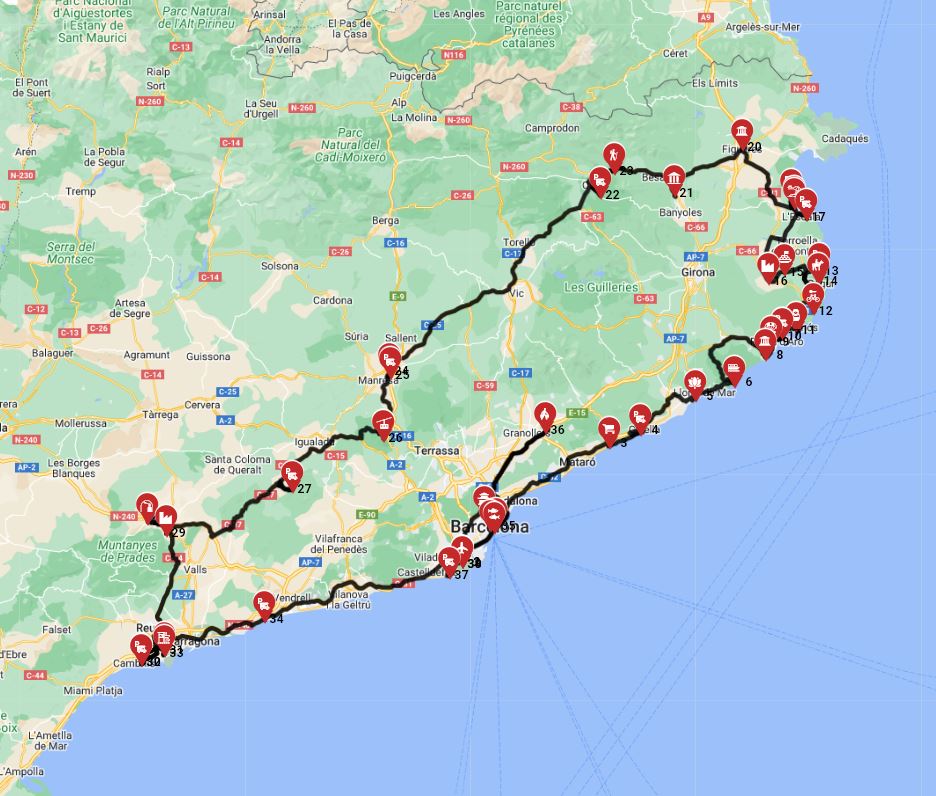
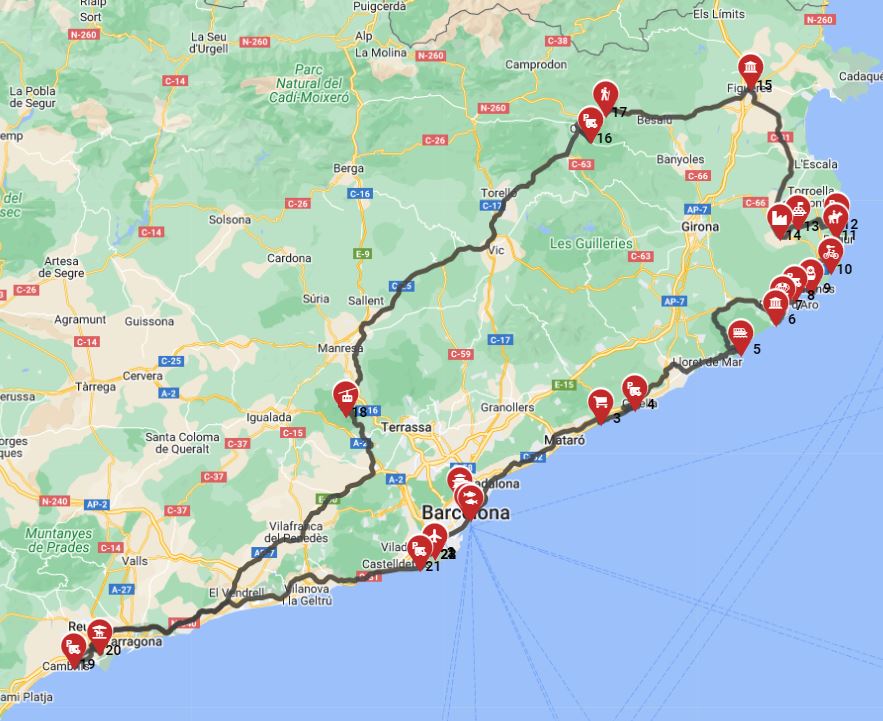
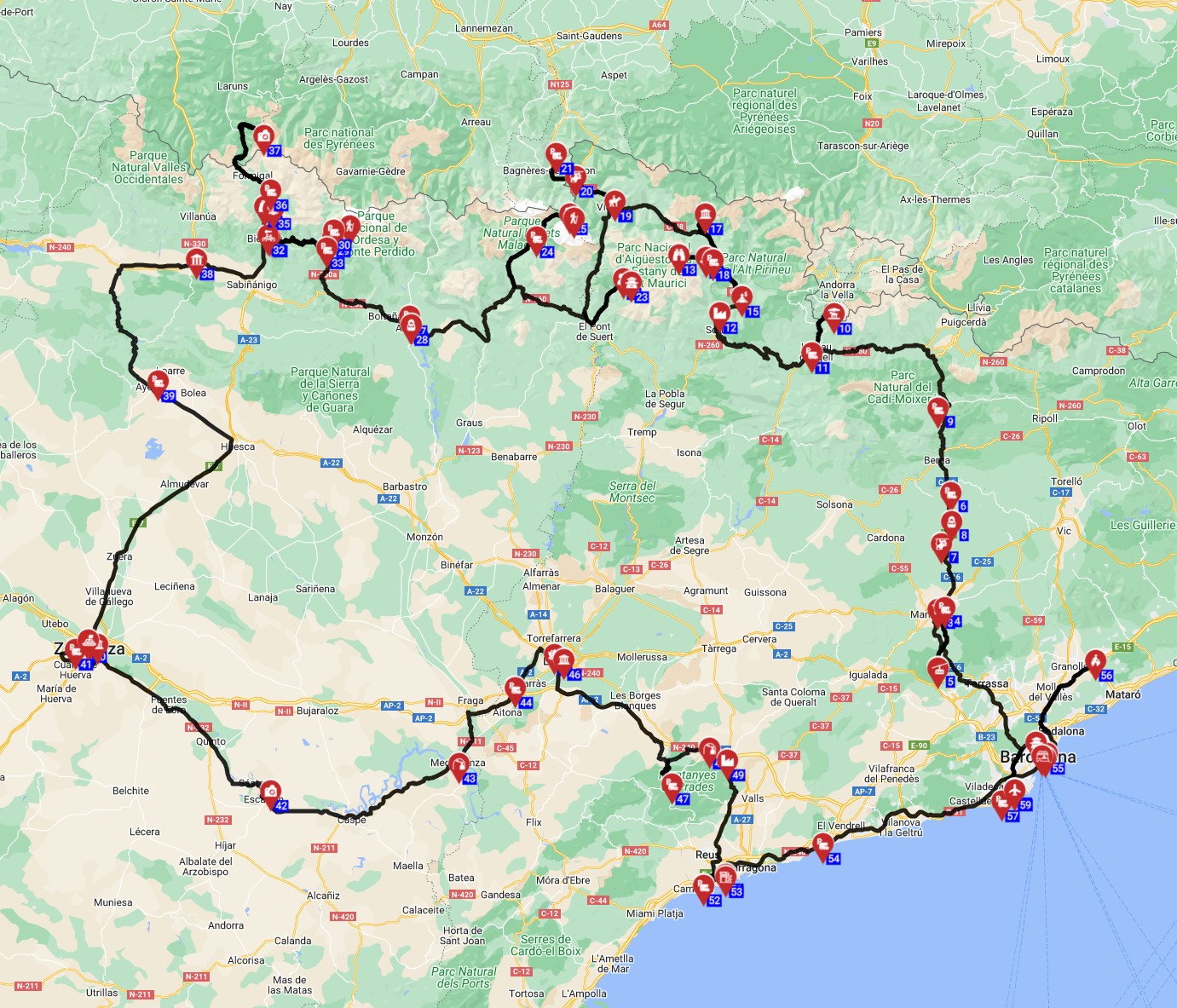
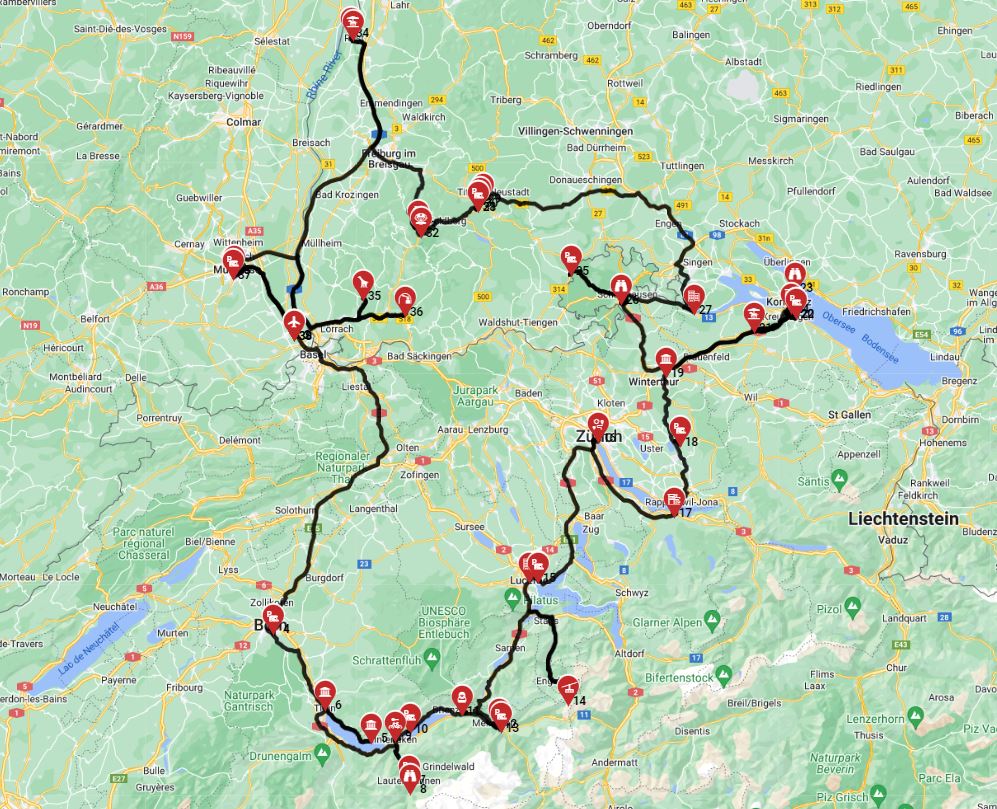
Navigating West Europe by rented RV requires awareness of local driving laws, fuel types, and effective navigation strategies to ensure a smooth journey. Drive slowly and carefully, and you can drive almost anywhere without issues; no need to stress, just use common sense and pay attention. Driving rules vary by country, but common considerations include speed limits, which are often lower for RVs (e.g., 100 km/h for a 3,500 kg motorhome on French motorways), toll road systems, and city center low-emission zones (LEZs). Always research country-specific requirements for environmental stickers, such as Crit'Air in France or Umweltplakette in Germany, as entering designated zones without the correct sticker can result in fines ranging from €68 to €3,000, ensuring a smooth journey when exploring cities like Paris or Berlin. On the routes offered through RV PLANET routes, you can itemize and track every expense along the way for easy budgeting.
Fueling an RV in West Europe involves understanding the common 'Diesel' and 'Essence/Benzin' labels, as diesel is widely used and typically cheaper than gasoline. Apps like Fuelio or Shell Motorist can help you find stations and compare prices, vital for managing your travel budget. Effective navigation can be achieved using RV-specific GPS systems or smartphone apps like Google Maps and Sygic, which can account for vehicle dimensions and avoid unsuitable roads. Remember, traveling slowly, averaging 100-150 km per day, allows you to truly feel the place, connect to the culture, the food, and the scenery. Be mindful of urban driving challenges, including narrow streets and limited parking, often prompting travelers to park on the outskirts and use public transport for city exploration. For detailed expense tracking and budgeting for fuel, tolls, and other ancillary costs, check out the RV PLANET routes which offer itemized expense tracking tools.
At the Campground - Setup, Hookups & Etiquette
Setting up at a West European campground typically involves a straightforward process of parking, connecting utilities, and adhering to site-specific etiquette to ensure a comfortable stay for everyone. When you arrive, take a moment to assess your spot, ensuring your rented motorhome or campervan, whether it's a "Class I Van" or a larger "Group G" with bunk beds, is level and positioned correctly. The standard hookup order begins with connecting electricity, usually requiring a European adapter for the CEE 7/4 'Schuko' socket, then fresh water (ensure your hose is potable), and finally, managing grey and black water waste at designated points. Many campsites offer 16-amp hookups, ensuring sufficient power for your onboard appliances.
Proper waste disposal is paramount, requiring the use of specific grey water drains and chemical toilet emptying stations, often labeled 'sanitärstation' in Germany or 'dump station' across English-speaking sites. Observing quiet hours, usually between late evening and early morning (e.g., 10 PM to 7 AM), is a universal campground etiquette expected across West Europe to respect fellow campers' peace. Maintain a clean campsite and be considerate of your neighbors, especially regarding noise levels and space, contributing to a pleasant community atmosphere. While many national/state parks reserve 25-30% of spots for online booking, the remaining 70-75% are available first-come-first-serve. You'll find a spot; if not at the first campground, then the next one. Always call ahead before driving to confirm availability, especially during busy seasons. We believe in being supportive before, during, and after your booking, ensuring you have the resources to travel confidently.
RV Deals-Specific Tips for West Europe
Securing optimal RV rental deals in West Europe often involves comparing prices across different booking platforms and direct rental company websites to uncover the best value. Bandana RV specializes in this by providing a comprehensive comparison of final prices from over 50 leading suppliers, ensuring full transparency with no hidden fees or conversion commissions. This approach allows travelers to see exactly what they're paying, making it easier to budget for the overall trip, as detailed in "RV Rental Deals in West Europe - Latest Offers 2026".
Flexibility with your travel dates and duration can significantly impact your RV rental deals, as off-peak seasons and longer rental periods frequently come with reduced daily rates. For example, a two-week adventure in September could be considerably more affordable than a similar trip in July. Look for special promotions or early bird discounts typically offered by rental companies several months in advance of popular travel periods; booking 3-6 months out can save you up to 25%. Consider booking a slightly older model RV, which often offers the same functionality and comfort, including amenities like a refrigerator and gas stove, at a lower price point compared to brand-new vehicles. For example, some "More than 4 years on the road" models like a "camper for rent example Jackpot" can provide excellent value. Always inquire about what is included in your RV rental deals, such as mileage limits, additional drivers, and basic amenities, to avoid unexpected costs. Our team of true RV specialists is here to support you in comparing these options and ensuring you get the best deal.
Common Mistakes to Avoid in West Europe
One common mistake to avoid in West Europe is failing to account for specific vehicle size restrictions, as many historic towns and narrow roads are unsuitable for larger RVs; instead, plan routes tailored to your vehicle's dimensions or opt for smaller campervans like an "Active Compact Select." Neglecting to research local driving laws and regulations, such as mandatory high-visibility vests or environmental zone stickers, can lead to fines ranging from €68 to €3,000, depending on the country. Always check country-specific requirements before crossing borders or entering urban areas, particularly in cities like London, Paris, or Berlin where Low Emission Zones are common.
Underestimating the cost of tolls and fuel is a frequent oversight; instead, budget generously for these ancillary expenses and consider purchasing a toll vignette or electronic toll device where applicable. Fuel costs can vary significantly, from around €1.60/liter to €2.00/liter for diesel, so factoring this into your overall trip budget is essential. Improper waste disposal, particularly with grey and black water, is a significant environmental and social issue; instead, always use designated dump stations at campgrounds or service areas, which are widely available. Not pre-booking popular campsites, especially during peak season (June-August), can leave you without a spot; instead, reserve your stays in advance, particularly for desirable locations such as national parks where only 25-30% of spots are reservable, with the rest being first-come, first-serve. For help planning your routes and tracking costs, explore the RV PLANET routes.
What are the most scenic RV routes in West Europe?
West Europe offers numerous scenic RV routes, from the majestic Alps to the picturesque coastal drives, catering to diverse preferences for natural beauty and cultural exploration. For a classic tour, Germany's Romantic Road is famed for its medieval towns and castles like Neuschwanstein, stretching approximately 460 kilometers from Würzburg to Füssen, offering charming stops every 50-80 km. The Atlantic Coast routes in France and Portugal provide stunning ocean views, fresh seafood, and opportunities for surfing or relaxing on pristine beaches, often with beachside campervan parking available for models like the "Juliette 2-3".
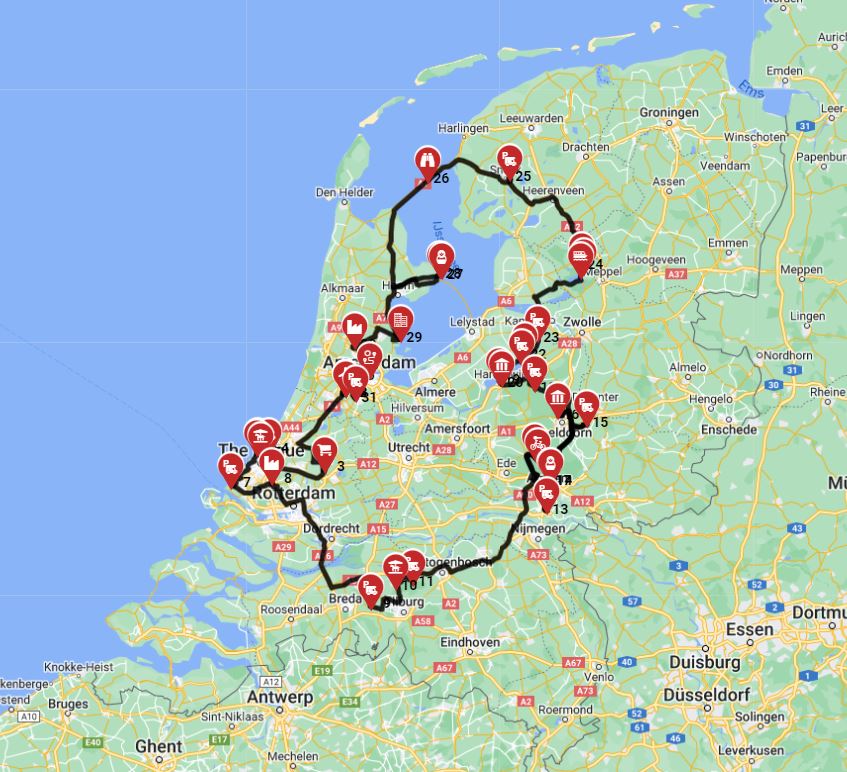
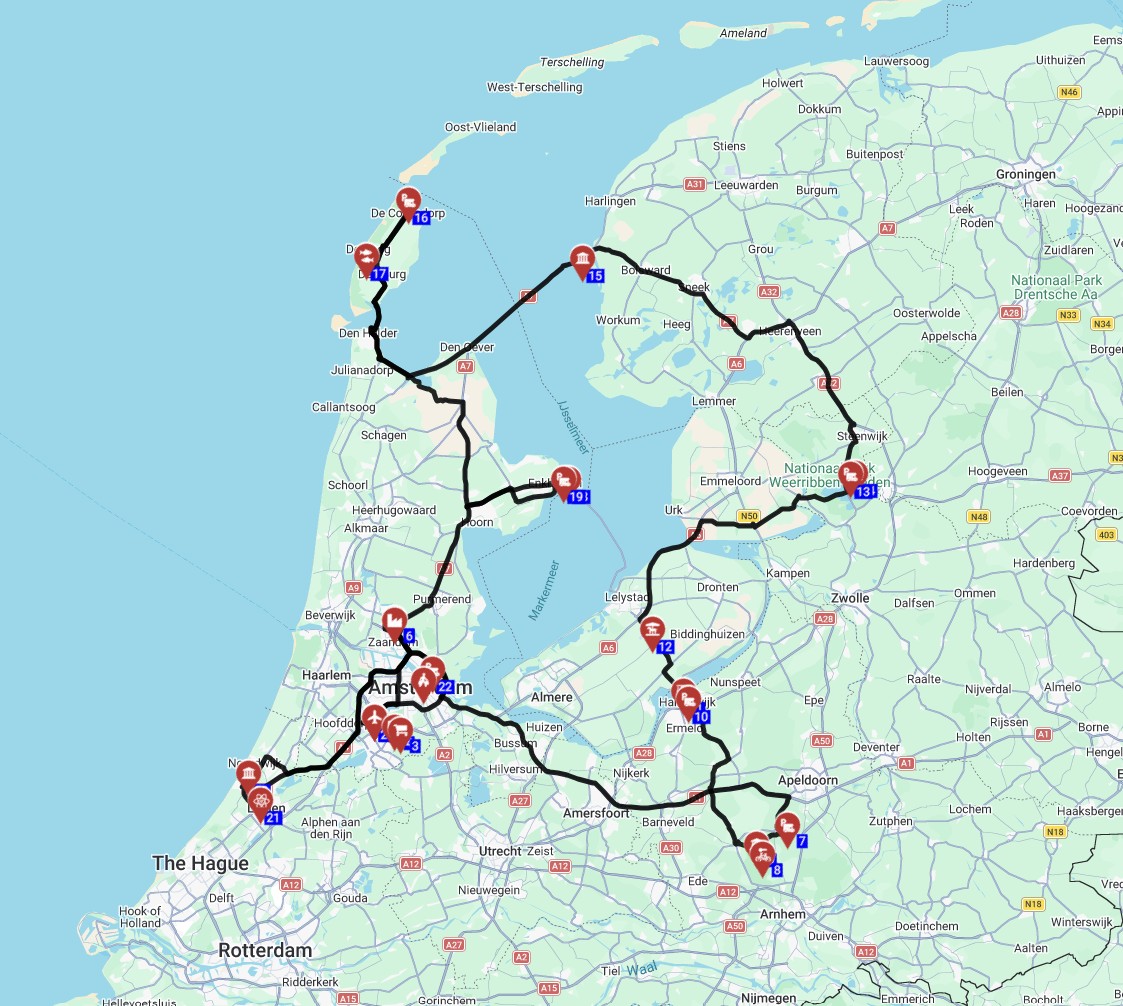
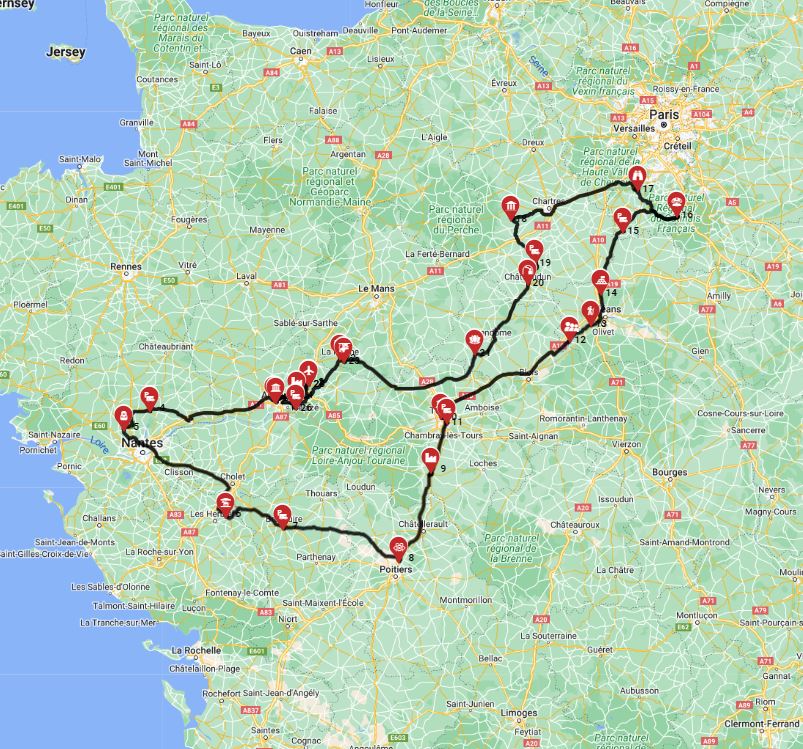
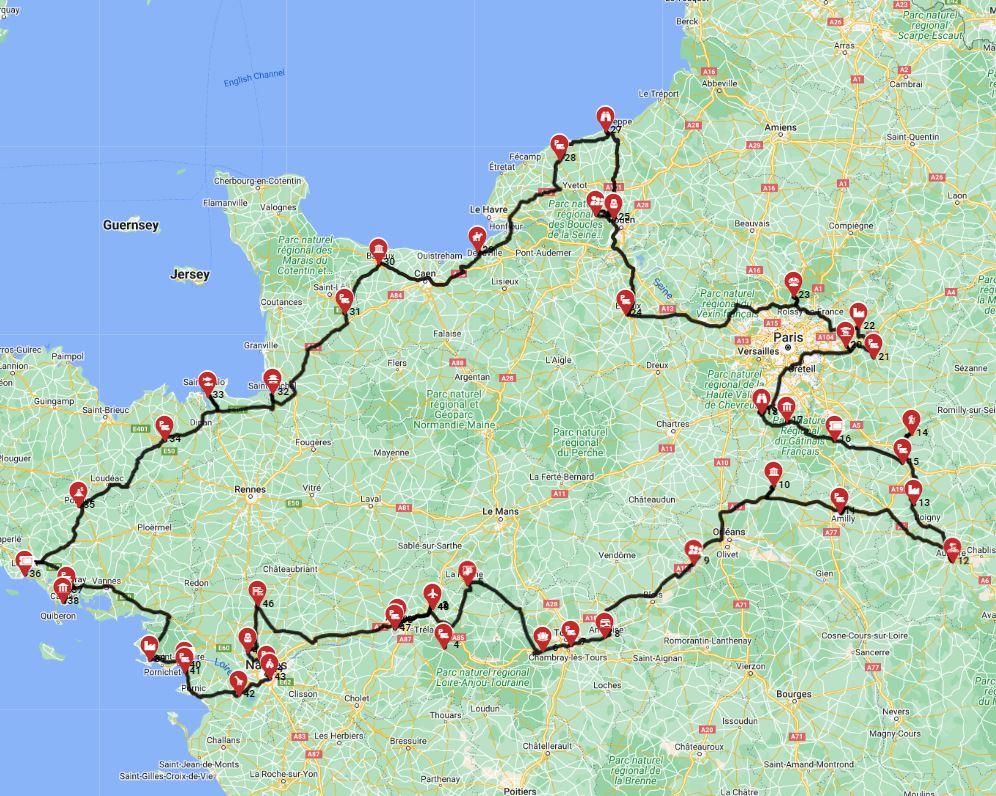
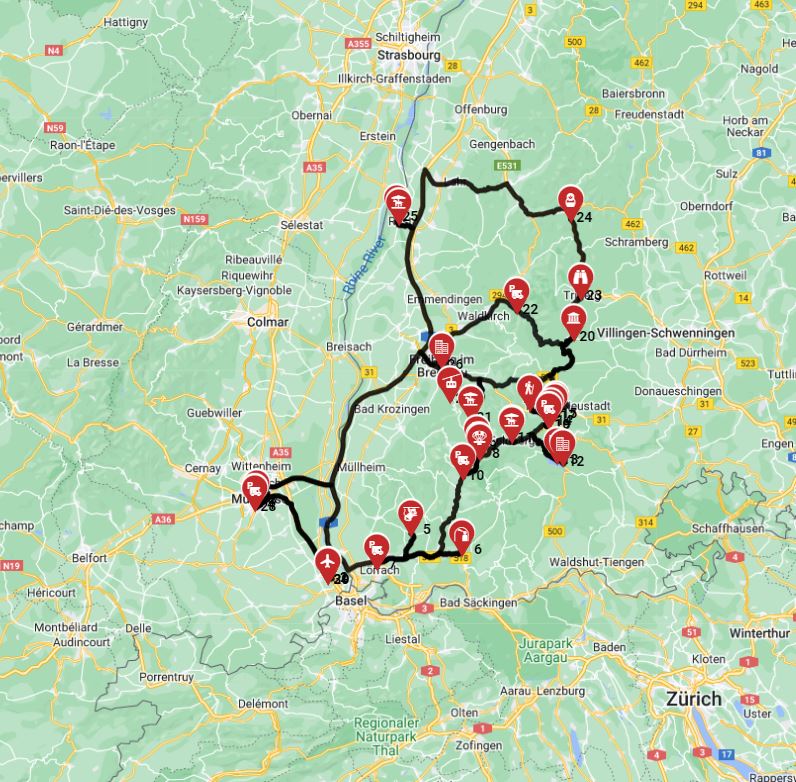
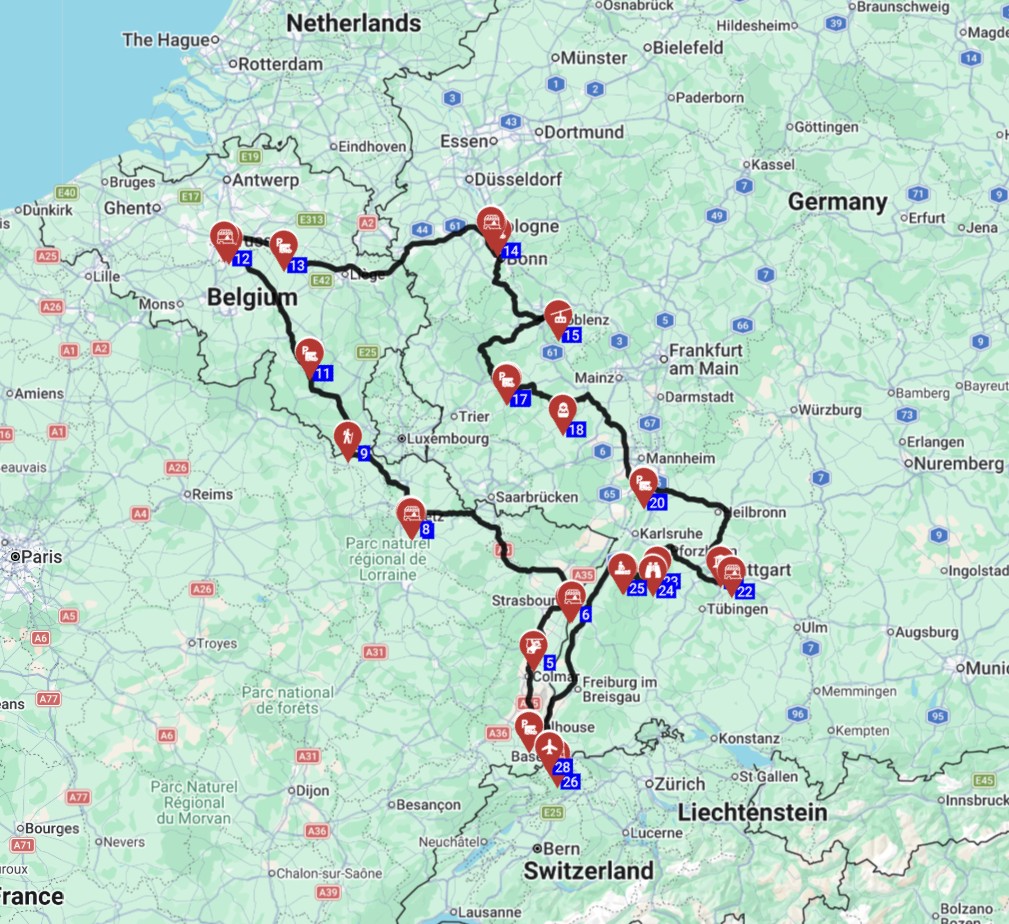
For mountainous vistas, the Swiss and Austrian Alps provide breathtaking drives through high passes and charming villages, ideal for those seeking dramatic landscapes, such as the Grossglockner High Alpine Road in Austria with its 36 hairpin bends and peak elevation of 2,504 meters. Coastal drives, like the Wild Atlantic Way in Ireland, spanning over 2,500 km, or parts of the Scottish Highlands, offer rugged beauty and opportunities for hiking, kayaking, and wildlife spotting. Utilizing specialized RV route planners and community forums can help uncover niche, themed itineraries tailored to interests such as wine regions (e.g., Bordeaux or Tuscany), historical sites (e.g., Roman ruins in Italy), or specific culinary trails. RV PLANET (rvplan.net), our sister company, features over 1,300 pre-planned routes across 5 continents, including many curated itineraries for West Europe, making route planning seamless.
How can I experience local culture with an RV in West Europe?
Experiencing local culture with an RV in West Europe involves deliberately seeking out local markets, participating in festivals, utilizing smaller campsites near villages, and engaging with local communities. Prioritize staying at smaller, independently-run campsites or Stellplatze/Aires in or near villages and towns, which often offer more opportunities for authentic local interaction than large, tourist-centric parks. These sites, often with just 20-50 pitches, provide a quieter atmosphere and direct access to local life.
Make an effort to visit local food markets, known as 'marchés' in France or 'Wochenmärkte' in Germany, for fresh produce, regional specialties, and a genuine taste of daily life; cooking these ingredients in your rented motorhome's kitchen is a fantastic way to immerse yourself. For culinary adventures, remember to check out our RV-friendly recipes playlist. Research local festivals, fêtes, or seasonal events happening during your travel dates, as these are prime opportunities to immerse yourself in traditions, music, and food; many towns host annual wine or harvest festivals from September to October. Engage with locals by learning a few basic phrases in the local language, patronizing small businesses, and simply being open to conversation and cultural exchange. Traveling slowly, perhaps covering only 100-150 km per day, allows you ample time to linger in these charming spots and truly connect with the local culture.
What are the best tips for wild camping safely in West Europe?
Wild camping in West Europe requires understanding specific country regulations, prioritizing safety through discreet parking and pre-trip research, and always practicing leave-no-trace principles. The legality of wild camping, or 'freedom camping,' varies significantly by country; for example, it's generally tolerated in Norway and Sweden under 'Allemannsretten' (the right to roam) with strict environmental rules, but it is mostly illegal in Germany, France, and the Netherlands outside designated areas, carrying fines up to €500.
Always research the specific rules for each country and region you plan to visit, often relying on apps like 'Park4Night' or 'Campercontact' to find legal or tolerated overnight spots, many of which are free or cost a nominal fee (e.g., €5-€15). Prioritize safety by parking in well-lit, non-isolated areas when possible, avoiding signs indicating 'no overnight parking,' and trusting your instincts about a location. Choose spots that don't block access or disturb residents. Practice absolute leave-no-trace principles: leave your spot cleaner than you found it, pack out all waste (including organic waste), respect local flora and fauna, and ensure discreet parking to minimize disturbance. This responsible approach helps preserve the privilege of finding peaceful overnight spots.
How can I travel sustainably by RV in West Europe?
Sustainable RV travel in West Europe involves minimizing environmental impact by conserving resources, practicing responsible waste management, adhering to environmental zones, and supporting local economies. Conserve water by taking shorter showers and using efficient washing methods; a standard "V3" campervan has a 100-liter fresh water tank, which can be extended with mindful usage. Minimize electricity consumption by unplugging devices when not in use and utilizing solar power where available, a feature on many newer RVs.
Implement diligent waste sorting by separating plastics, paper, glass, and organic waste, utilizing recycling facilities at campsites or public collection points, which are prevalent throughout West Europe. Adhere to Low Emission Zones (LEZs) and other environmental regulations in cities, ensuring your RV meets emission standards or planning alternative transportation for urban visits; this may require pre-ordering a Crit'Air sticker for France or an Umweltplakette for Germany. Support local economies by purchasing food from local markets, dining at independent restaurants, and engaging with small businesses in the towns and villages you visit. This helps ensure your adventure benefits the communities you experience. When planning your routes, consider exploring itineraries available on RV PLANET (rvplan.net) that focus on lesser-known regions and local experiences, promoting slow and responsible tourism. Remember, Bandana RV is committed to helping you have an incredible journey, and responsible travel ensures these beautiful destinations remain pristine for future generations.
Can you take an RV on the Eurostar or other intermodal transport?
While you cannot take an RV directly on the Eurostar passenger train, other intermodal transport options exist for RVs in Europe, such as various ferry services and vehicle-carrying trains. The Eurostar is a high-speed passenger-only service, not designed for vehicles like your rented motorhome or campervan. However, the Eurotunnel Le Shuttle service, which runs between Calais, France, and Folkestone, UK, is the primary way to transport an RV across the English Channel, accommodating vehicles up to 4.2m high and 18m long with dedicated RV lanes for easy boarding.
Numerous ferry routes connect West European countries, providing convenient passage to islands like Ireland, Corsica, Sardinia, or between mainland destinations, often with dedicated RV lanes and facilities. For example, ferries from France to Ireland can take approximately 17 hours, accommodating large "MH-A" motorhomes. Vehicle-carrying trains, though less common than ferries, operate on specific routes for longer distances or through scenic regions, allowing travelers to rest while their RV is transported; some services might even connect northern Germany to southern Austria, offering a convenient overnight option. Thorough planning and booking in advance are essential for intermodal travel, as spaces for RVs on ferries and trains can be limited, and prices vary significantly, especially for a "One-Way RV Rental in West Europe - Price Guide 2026" which often incur additional fees for cross-border travel. Always check ferry operator websites for specific vehicle dimension restrictions and booking procedures.
Is RV travel popular in West Europe?
RV travel is indeed very popular and growing in West Europe, supported by extensive infrastructure, a vibrant community, and a diverse range of scenic destinations that attract millions of travelers annually. The popularity of RVing has surged, particularly since 2020, as travelers seek flexible, self-contained, and nature-oriented vacation options. This trend has led to an increase in available rental options, including various Class B campervans perfect for young couples and Class C motorhomes ideal for families of 2+2, like the "Paradise Family 5" or "C-MEDIUM PLUS".
West Europe boasts a well-developed network of campsites, 'Stellplätze' (Germany/Austria), 'Aires de Service' (France), and 'Sostas' (Italy) specifically designed for RVs, offering various amenities and price points, from basic overnight parking to full-service sites costing €30-€50 per night. A strong sense of community exists among RVers, fostered through online forums, social media groups, and interactions at campsites, where travelers often share tips and experiences. The appeal spans diverse demographics, from families seeking outdoor adventures in the Dolomites to retirees exploring cultural heritage in Normandy, all drawn to the freedom and flexibility of the RV lifestyle. For a deeper dive into the broader European RV scene, consider reading our "RV Rental Europe - Complete Guide 2026".
What You Shouldn't Miss
- Explore the Alsace Wine Route, France: Drive your rented campervan through charming villages like Colmar and Eguisheim, stopping at local wineries for tastings. This 170 km route is ideal for slow travel.
- Hike in the Bavarian Alps, Germany: Park your motorhome near Garmisch-Partenkirchen and discover stunning trails leading to Zugspitze, Germany's highest peak at 2,962 meters, or explore picturesque lakes.
- Discover the Coastal Beauty of Portugal's Algarve: Rent a campervan and cruise along the golden beaches and dramatic cliffs, enjoying fresh seafood and charming fishing villages for a week-long trip.
- Experience Swiss Mountain Passes: Take a breathtaking drive through iconic passes like Furka Pass or Grimsel Pass, offering panoramic views and opportunities for spectacular photography with your rented RV.
- Wander through Bruges, Belgium: Park your RV on the city outskirts and take public transport into this UNESCO World Heritage city, enjoying its canals, medieval architecture, and delicious chocolates.
Looking for expert insights from Avi Bandana? Top 5 Adventures - recommendations from Avi Bandana.
Final Thoughts
Embarking on an RV adventure through West Europe is more than just a vacation; it's an opportunity to create lasting memories, discover hidden gems, and experience a profound sense of freedom. With the right planning and knowledge, you can unlock incredible RV rental deals and navigate the continent with ease and confidence. Remember to travel slowly, savor each moment, and immerse yourself in the rich tapestry of cultures, foods, and landscapes that West Europe has to offer.
At Bandana RV, we're here to support you every step of the way, from comparing the perfect campervan for a couple to finding a spacious motorhome for your family adventure. Our commitment to transparency and our genuine expertise ensure your trip planning is as joyful as the journey itself. So, what are you waiting for? Your West European RV dream is within reach!
Discover top destinations, planning tips, all in one place! Plan a trip itinerary in advance with minimal effort and maximum enjoyment. Compare Motorhome Prices for West Europe now!