In This Guide
- Top 5 Tips for RV Rental in Spain
- Before You Book - Class, Dates, Insurance
- Pre-Trip Prep - Packing Checklist for Spain
- On the Road - Driving, Fueling, Navigation
- At the Campground - Setup, Hookups & Etiquette
- RV Rental-Specific Tips for Spain
- Common Mistakes to Avoid in Spain
- What are the legal rules for RV parking versus wild camping in Spain?
- How much does an RV trip in Spain cost?
- What are the safety tips for RV travel in Spain?
- Can you bring your own RV to Spain?
- How to travel sustainably with an RV in Spain?
- Are there regional variations for RV travel in Spain?
- What are the alternatives to traditional campsites for RVs in Spain?
- Can I travel with pets in an RV in Spain?
- What You Shouldn't Miss
- Why Book with Bandana Caravan
- Final Thoughts
- Frequently Asked Questions
Spain, with its vibrant culture, diverse landscapes, and stunning coastlines, offers an unparalleled experience for travelers looking to explore by rented RV. Imagine the freedom of waking up to a different view each day, from the sun-drenched beaches of Andalusia to the majestic peaks of the Pyrenees. At Bandana Caravan, we've been helping tens of thousands of travelers since 2001 discover the magic of motorhome adventures, and we're excited to share our expert advice for your Spanish journey. For live availability and current prices, start with our RV Rental Spain - Complete Guide 2026 guide.
Top 5 Tips for RV Rental in Spain
Securing an enjoyable RV rental in Spain begins with smart planning and understanding local nuances.
- Book your RV rental well in advance, especially for peak seasons (June-August and major holidays like Semana Santa), to secure the best selection of motorhomes and campervans and competitive prices. Many travelers find booking 3-6 months out offers an average of 15-20% savings.
- Understand the critical distinction between 'parking' and 'camping' in Spain: parking is generally allowed wherever cars can legally park, while 'camping' involves deploying awnings, setting up chairs, or using leveling jacks, which is restricted outside designated areas.
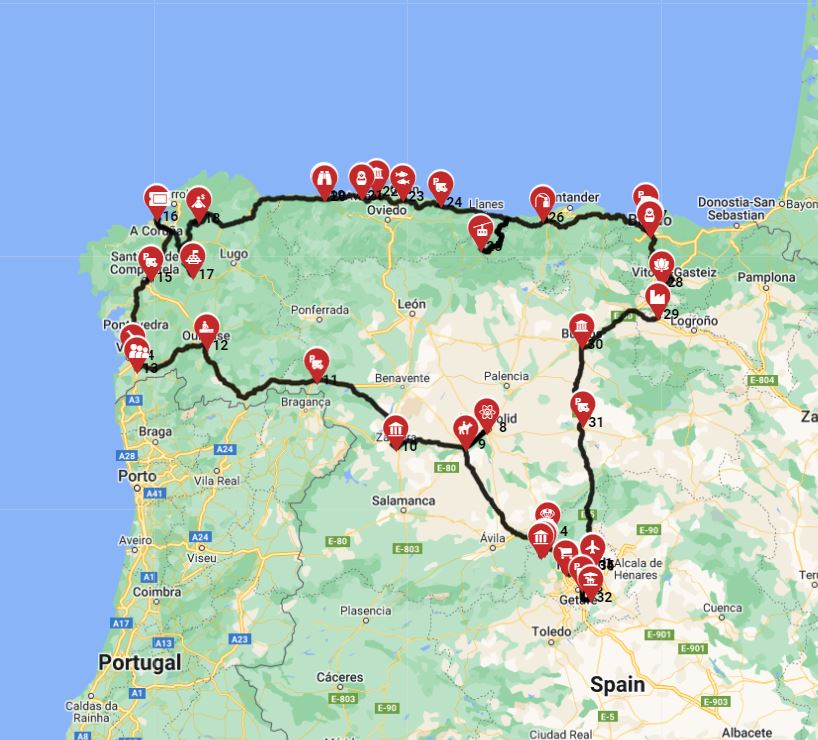
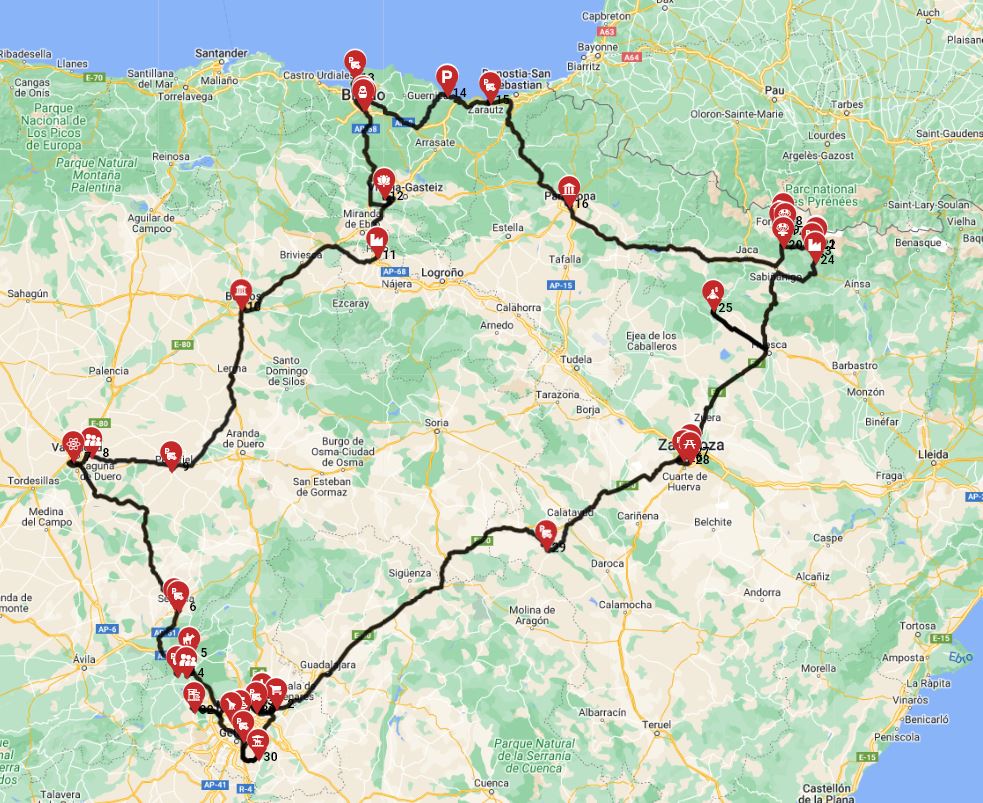
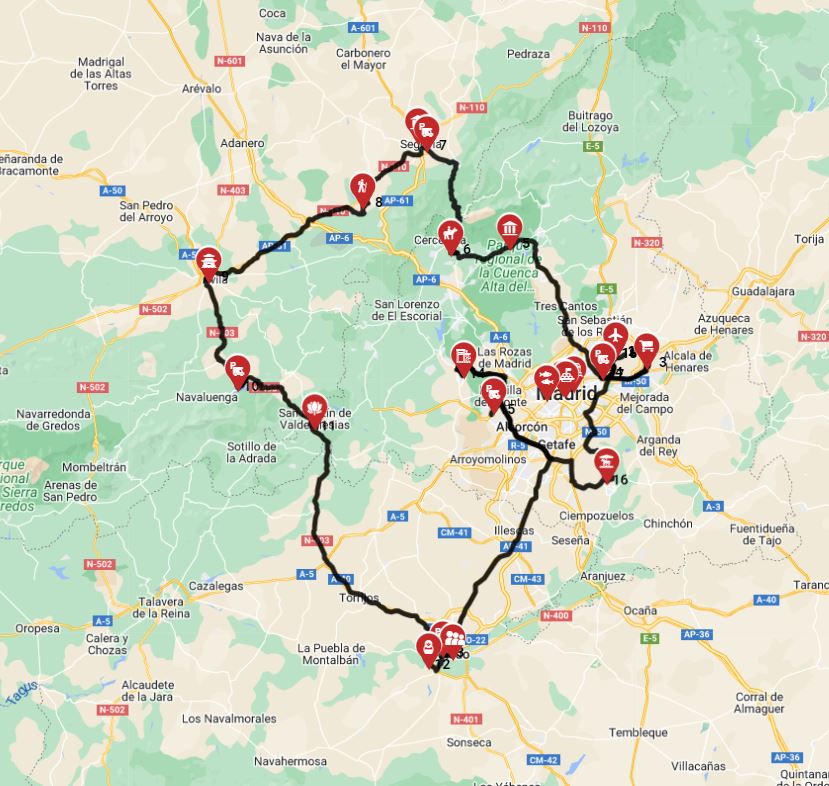
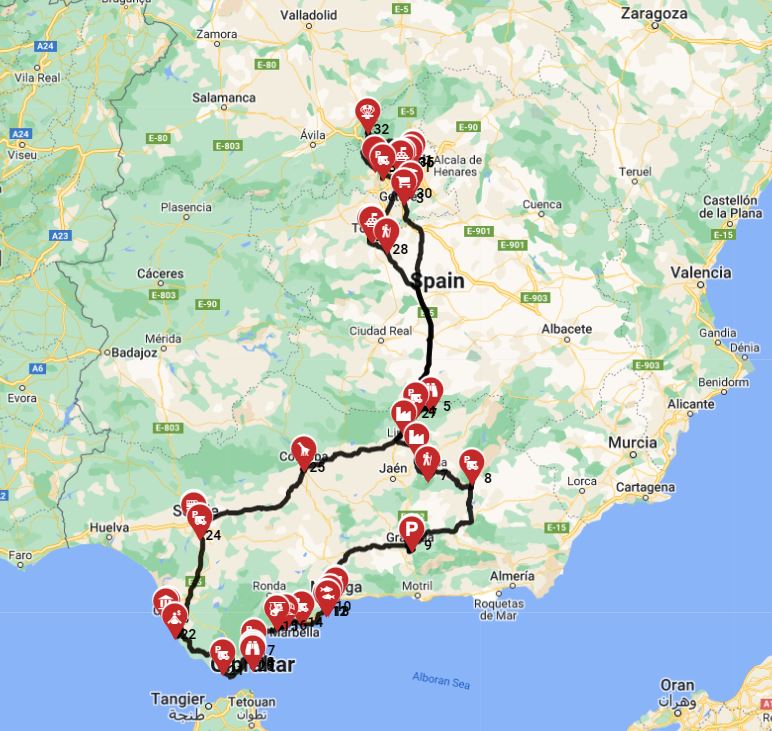
- Budget comprehensively for your RV trip, including not just the rental cost, but also fuel, highway tolls (which can vary from €10-€50+ per day depending on your route), campsite fees, and optional insurance upgrades. To track these expenses easily, remember that RV PLANET routes allow you to itemize and track every expense along the way.
- Familiarize yourself with Spanish road signs and traffic laws; notably, speed limits often differ for motorhomes compared to cars. For example, on standard roads, RVs might have a limit of 80 km/h where cars can go 90 km/h.
- Consider purchasing a local SIM card or e-SIM for reliable mobile data and navigation throughout your journey in Spain, as connectivity can be inconsistent in more remote areas.
Before You Book - Class, Dates, Insurance
Choosing the right RV class and understanding your insurance options are fundamental steps for a smooth motorhome adventure in Spain.
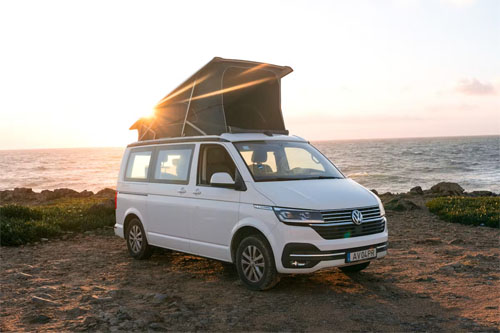
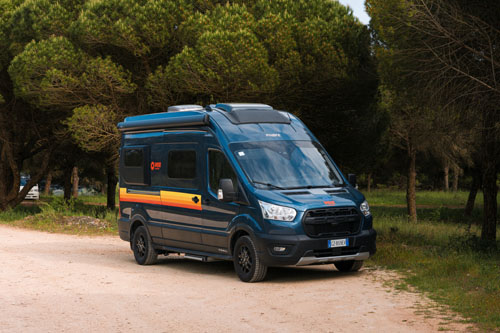
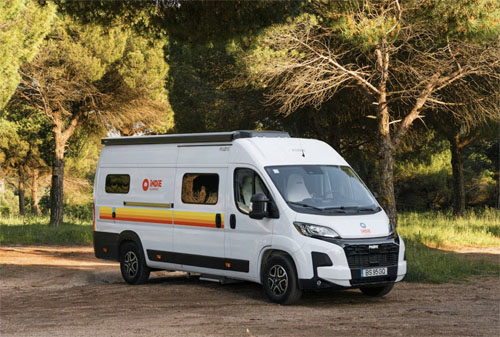
- Choosing an RV class depends on your group size, comfort needs, and driving experience. For instance, a compact campervan like the "Category Van" (Ideal for a couple) or a "Luxury rv rentals example Carthago Malibu 600" is nimble for city navigation and scenic coastal roads like those around Alicante. For a larger family or group of friends, a Class C motorhome such as the "rv rentals example Comfort Class" (Ideal for a big family / group of friends) or an "MHA30" offers more space and amenities for extended trips.
- Lock in your travel dates as early as possible, typically 3-6 months out, to benefit from early bird discounts and ensure availability, particularly during Spanish school holidays and summer. However, don't stress if you're a spontaneous traveler; many national and state parks reserve 25-30% of their spots for first-come, first-serve arrivals daily, so you'll always find a spot. If not at the first campground, then the next one. Always call ahead before driving.
- Basic insurance is always included with your RV rental in Spain, providing fundamental coverage. To see prices including the most comprehensive coverage, select that option during your search; then all relevant insurance options will be shown.
- Evaluate additional insurance options for extra peace of mind, such as reducing excess liability or covering specific items like tires and windshields. Remember, you can upgrade to a top-level deductible reimbursement for extra peace of mind, though it is an optional upgrade and not included by default. This commitment to full transparency means no hidden fees, no surprises during your booking process.
Pre-Trip Prep - Packing Checklist for Spain
Effective packing ensures comfort and readiness for your RV rental adventure across Spain’s diverse regions.
- Pack versatile clothing suitable for Spain's diverse climates, including layers for cooler evenings, especially in mountainous areas like the Picos de Europa, and lightweight, breathable fabrics for hot days along the coast or in southern cities.
- Ensure you have essential documents: passports, your standard car driving license (sufficient for all motorhome classes), an International Driving Permit (IDP) if you're from a non-English speaking country (recommended, though not mandatory in most cases), your RV rental booking confirmation, and travel insurance details.
- Bring a European power adapter (Type F or E plug), a quality GPS (or offline maps downloaded to your phone), and a well-stocked first-aid kit, along with any personal medications.
- For kitchen needs, verify what's included by your rental agency; often, basic crockery and cutlery are provided, but consider bringing a small French press or specific cooking tools. Enjoying meals prepared in your rental campervan kitchen is part of the charm! You can find inspiration and ideas in our RV-friendly recipes playlist.
On the Road - Driving, Fueling, Navigation
Navigating Spain in a rented motorhome offers incredible freedom, but a few local tips will make your journey smoother.
- Driving an RV in Spain requires attention to specific road signs for large vehicles, particularly in historic towns with narrow streets or low bridges. However, there's no need to stress; drive slowly and carefully, and you can drive almost anywhere without issues. Just use common sense and pay attention.
- Fueling up means seeking out larger service stations on main highways, as smaller village pumps may not accommodate bigger RVs; 'Gasóleo A' is the standard diesel fuel, commonly used by most rental motorhomes like the "Combi Van" or a larger "Group G" model.
- Use a GPS system with RV-specific settings, if available, to avoid unsuitable routes; Google Maps is generally reliable but may not account for vehicle dimensions, so cross-referencing with a physical map or local apps is a good idea.
- Be aware of Spain's extensive toll road network ('autopistas de peaje'); consider acquiring an electronic toll device or have a credit card/cash ready. Remember to embrace slow travel; aim for a maximum of 100-150 km per day on average to truly take time to feel the place, connect to the culture, the food, and the scenery.
At the Campground - Setup, Hookups & Etiquette
Making the most of your overnight stops in Spain involves understanding campground procedures and respecting local customs.
- Upon arriving at your pitch, first park and level your rental RV to ensure appliances like the refrigerator function correctly and for comfortable sleeping. This is especially important for larger Class A or Class C motorhomes.
- Connect to electricity (using a CEE 7/4 or 'Schuko' adapter if needed for EU sockets) before connecting to the fresh water supply, ensuring you have a potable water hose specifically for drinking water.
- Properly dispose of greywater and blackwater at designated service points, never into storm drains or natural areas, to maintain environmental hygiene. Respectful waste disposal is crucial for sustainable RV travel.
- Respect campground quiet hours, typically from late evening until morning, and be mindful of your neighbors by keeping noise levels down and maintaining clean surroundings. For finding campsites and campgrounds during your trip, we recommend using RV PLANET (rvplan.net) - a great resource for locating available spots along your route.
RV Rental-Specific Tips for Spain
Tailoring your RV rental in Spain to your travel style enhances your experience, whether you're a family, a couple, or on a budget.
- For families exploring Spain, consider motorhomes like the "Category Family 5" which offers bunk beds, separate sleeping areas, and ample storage for toys and luggage. Plan routes with kid-friendly attractions and research campsites with playgrounds and swimming pools.
- Senior travelers might prefer smaller, automatic campervans for easier handling and ergonomic layouts, ensuring comfortable access to amenities. Research campsites with accessible facilities and shaded pitches for relaxation.
- Budget-conscious travelers can save significantly by cooking most meals in their rental RV, exploring local markets for fresh ingredients, and seeking out free 'áreas de servicio' for overnight stays to avoid higher campsite fees. Look into our "Cheap RV Rental in Spain - Budget Guide 2026" for more detailed advice.
- Luxury seekers can enhance their RV trip with premium models like an "Exclusive First" Class A motorhome offering high-end amenities, booking exclusive campsites with extensive facilities, and opting for services like pre-stocked fridges for ultimate convenience. For an in-depth look, consult our "Luxury RV Rental in Spain - Premium Prices 2026" guide.
Common Mistakes to Avoid in Spain
Being aware of common pitfalls helps you navigate your Spanish RV rental experience with confidence and ease.
- Instead of attempting to wild camp in restricted areas, which can lead to fines, utilize designated 'áreas de servicio para autocaravanas' or book campsites in advance, especially during peak season. Remember Spain's 'parking vs. camping' rule: you can park and sleep, but not set up camp.
- Rather than underestimating fuel and toll costs, factor these into your budget early, as they can significantly impact your total trip expense. Prices for RV Rental in Spain - Prices and Best Deals 2026 are dynamic, so planning helps.
- Avoid driving your rented motorhome into historic city centers without prior research; many have strict access restrictions for large vehicles and expensive, limited parking. It's often better to park on the outskirts and use public transport.
- Ensure you carry all necessary documents (passport, driving license, rental agreement, insurance) and a European power adapter to avoid inconveniences. A small 'Camper Angel' or 'Camper Hawai' can easily navigate towns, but even then, research parking.
- Instead of relying solely on physical maps, download offline GPS maps for Spain, as mobile signal can be inconsistent in remote areas, particularly in mountainous regions.
What are the legal rules for RV parking versus wild camping in Spain?
In Spain, RV 'parking' is generally permitted wherever cars can legally park, provided the vehicle does not exceed its designated parking space and is not 'camping'. The critical distinction, outlined in the national Instrucción 08/V-74 DGT, is that 'camping' involves deploying elements like awnings, leveling jacks, opening windows beyond the vehicle's footprint, or setting out tables and chairs, which is broadly prohibited outside of official campsites or designated RV service areas ('áreas de servicio para autocaravanas'). Wild camping, which involves overnight stays in undesignated natural areas with 'camping' activities, is broadly restricted across Spain and can incur significant fines, typically starting from €100 for minor infractions up to €600 for repeated offenses or protected areas. Regulations can vary by autonomous community and even by municipality, so it is crucial to check local ordinances for your specific travel areas; using apps like Park4Night can help identify legal overnight spots.
How much does an RV trip in Spain cost?
An RV trip in Spain typically costs between €80 to €250 per day, with significant variations based on the RV size, rental season, and personal spending habits. Rental fees for the RV itself range from €50-€150 per day for smaller campervans like a "V3" in off-season to €150-€250+ for larger motorhomes during peak summer months. Fuel costs are a major component; diesel ('Gasóleo A') prices in Spain can fluctuate but expect to pay around €1.50-€1.80 per liter, with average consumption around 10-15 liters per 100km for an RV. Tolls on Spanish 'autopistas de peaje' can add €10-€50+ per day depending on your route, while campsite fees usually range from €15-€40 per night for a pitch with hookups. Other expenses include food (€20-€50+ per day for self-catering, more for dining out), insurance upgrades (€10-€30 per day), and optional activities or unexpected costs. For more detailed insights into budgeting, explore our Cheap RV Rental in Spain - Budget Guide 2026 and Weekly RV Rental in Spain - Pricing 2026 articles. On the routes offered through RV PLANET routes, you can itemize and track every expense along the way for easy budgeting.
What are the safety tips for RV travel in Spain?
Prioritizing safety ensures a worry-free RV travel experience throughout Spain. Always lock doors and windows in your rental RV, even when you are present, and consider additional security measures like steering wheel locks, especially in urban areas or popular tourist spots. Be vigilant about your surroundings; avoid leaving valuables visible inside the RV and opt for well-lit, busy parking areas or secure campsites for overnight stays. When driving a larger vehicle like a "MHC30" or "Group H", be mindful of narrow roads, particularly in historic town centers, and strong winds on open highways, which can affect stability. Familiarize yourself with emergency numbers: 112 for all emergencies (police, ambulance, fire), and ensure your rental provider's roadside assistance contact is readily available. Avoid parking in isolated areas, especially overnight, and research areas known for petty crime before arriving; local advice or camper forums can be helpful for current conditions.
Can you bring your own RV to Spain?
Yes, you can bring your own RV to Spain, typically via ferry from countries like the UK or Ireland, or by driving across land borders from other European nations. When traveling by ferry, ensure your booking accurately reflects the RV's dimensions to avoid issues; popular routes include those from Portsmouth/Plymouth to Santander/Bilbao. For non-EU registered vehicles, you may need a temporary import declaration and must ensure your vehicle insurance (Green Card) covers travel in Spain. An International Driving Permit (IDP) is recommended for non-EU license holders, although some national licenses are recognized. Ensure your RV complies with Spanish road regulations, including emission standards and any specific safety equipment requirements like reflective vests and warning triangles. However, if you are looking for a hassle-free vacation, renting a motorhome in Spain provides a ready-to-go adventure without the complexities of international vehicle transport and ownership.
How to travel sustainably with an RV in Spain?
Traveling sustainably with a rental RV in Spain involves conscious choices to protect the environment and support local communities. Minimize your environmental footprint by carefully managing waste: separate recyclables (paper, plastic, glass) and dispose of them in designated bins at campsites or public recycling points. Conserve water and electricity by taking shorter showers, turning off lights and appliances when not in use, and utilizing the water-saving features often found in modern rental motorhomes and campervans. Show respect for local communities by keeping noise levels down, particularly in residential areas or small villages, and by supporting local businesses and markets, buying fresh produce and artisanal goods. Choose eco-friendly campsites or designated 'áreas de servicio' that prioritize sustainable practices, and avoid wild camping in sensitive natural areas to protect ecosystems. Always stay on marked roads and trails, avoid disturbing wildlife, and leave no trace behind to preserve Spain's natural beauty for future travelers.
Are there regional variations for RV travel in Spain?
Yes, Spain's diverse geography and decentralized governance mean RV travel can vary significantly across its 17 autonomous communities. Parking and camping regulations, while generally consistent under the national DGT instruction, can have nuanced differences at the regional or municipal level; for instance, some coastal towns may have stricter overnight parking rules for rental campervans than inland areas. Climate conditions vary drastically: the south (Andalucía) can experience extreme summer heat, while northern regions (Galicia, Asturias) are greener and wetter, and mountainous areas (Pyrenees, Sierra Nevada) may have snow and require specific driving precautions in winter. Road conditions and accessibility to certain sites, especially in mountainous or rural areas, might be more challenging for larger Class A or Class C RVs. Awareness of regional languages, such as Catalan in Catalonia, Basque in the Basque Country, or Galician in Galicia, can enhance your cultural experience and help with local interactions, though Castilian Spanish is widely understood everywhere.
What are the alternatives to traditional campsites for RVs in Spain?
Beyond traditional campsites, Spain offers several excellent alternatives for overnight stays with your rental motorhome. 'Áreas de Servicio para Autocaravanas' are dedicated service areas often found near towns, providing essential facilities like fresh water, waste disposal (grey and black water), and sometimes electricity, with many being free or very low cost. The 'España Discovery' program provides unique overnight parking opportunities at hundreds of vineyards, farms, and artisan producers across Spain, typically for free with the expectation of purchasing local products, offering a delightful cultural exchange. Many municipalities designate specific parking zones where RVs are permitted to park overnight, often without 'camping' activities; these can be found using apps like Park4Night, which offers a database of over 120,000 locations across Europe. Some private landowners may also offer overnight parking for a small fee or upon request, though this requires direct communication and permission. While strict, some remote, non-protected areas may allow 'parking' (not camping) for a night, but extensive research into local regulations is crucial to avoid fines.
Can I travel with pets in an RV in Spain?
Yes, traveling with pets in a rented RV is generally possible and increasingly popular in Spain, provided your pet meets all entry requirements. This includes having a pet passport, being microchipped, and having up-to-date rabies vaccinations as per EU regulations. Specific restrictions may apply to certain dog breeds (e.g., 'dangerous breeds'), requiring muzzles and leashes in public, so research local laws if applicable. Many campsites in Spain are pet-friendly, but always confirm their pet policy and any associated fees (typically €3-€5 per night) when booking; some may have designated pet areas or leash rules. When in public, pets must generally be on a leash, and access to some public spaces, restaurants, or beaches may be restricted; look for 'perros bienvenidos' (dogs welcome) signs. Ensure your RV is well-ventilated for your pet's comfort, especially in hot weather, and plan regular stops for walks and hydration. For more detailed information on regulations and pet-friendly locations, check out our Pet-Friendly RV Rental in Spain - Pricing 2026 guide.
What You Shouldn't Miss
Spain is a treasure trove of experiences waiting for you and your rental RV. Here are some of our top recommendations:
- The Alhambra in Granada: This stunning Moorish palace and fortress complex is a UNESCO World Heritage site and an absolute must-see. Book tickets well in advance to ensure entry.
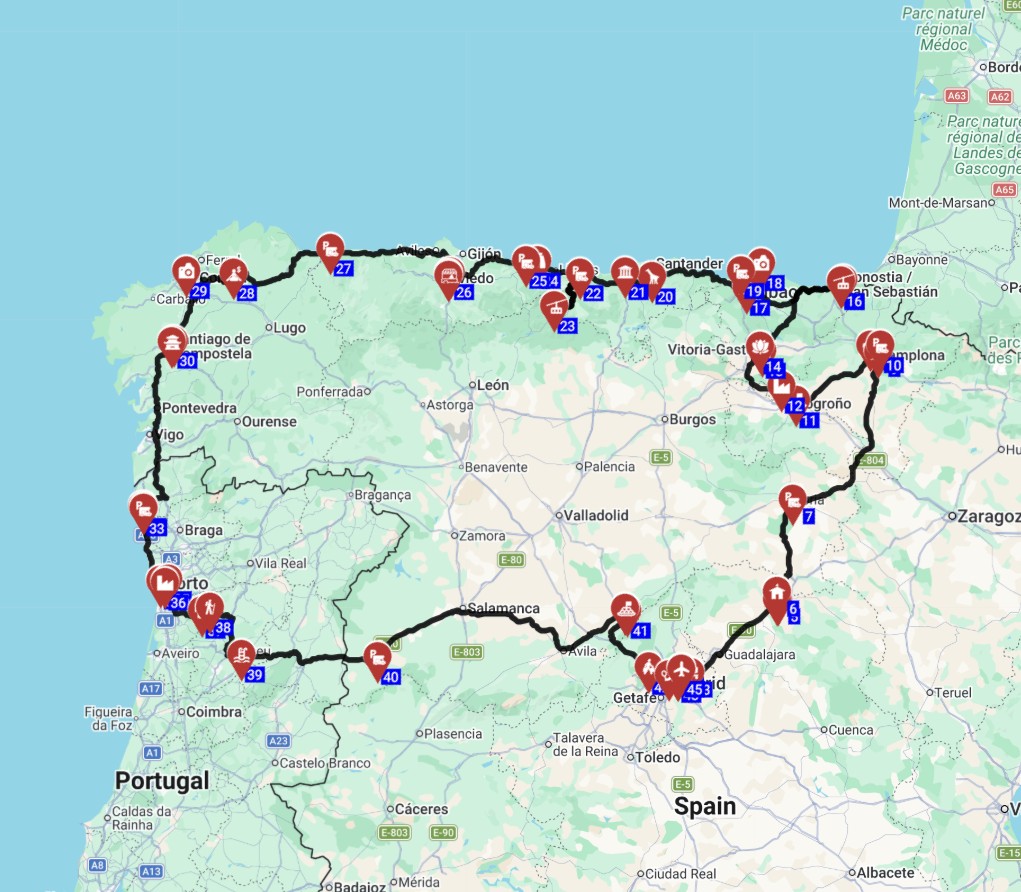
- The Camino de Santiago: While you might not hike the whole route, driving sections of this historic pilgrimage in your campervan allows you to experience its spiritual atmosphere, visit charming towns, and enjoy the diverse landscapes of northern Spain.
- Picos de Europa National Park: Nestled in northern Spain, this breathtaking mountain range offers dramatic scenery, hiking trails for all levels, and traditional villages. It's a true gem for nature lovers and Class B or C motorhomes can easily access the main visitor areas.
- La Rioja Wine Region: Indulge in Spain's renowned wines by visiting the picturesque vineyards of La Rioja. Many bodegas offer tours and tastings, and some even participate in the 'España Discovery' program for overnight RV stays.
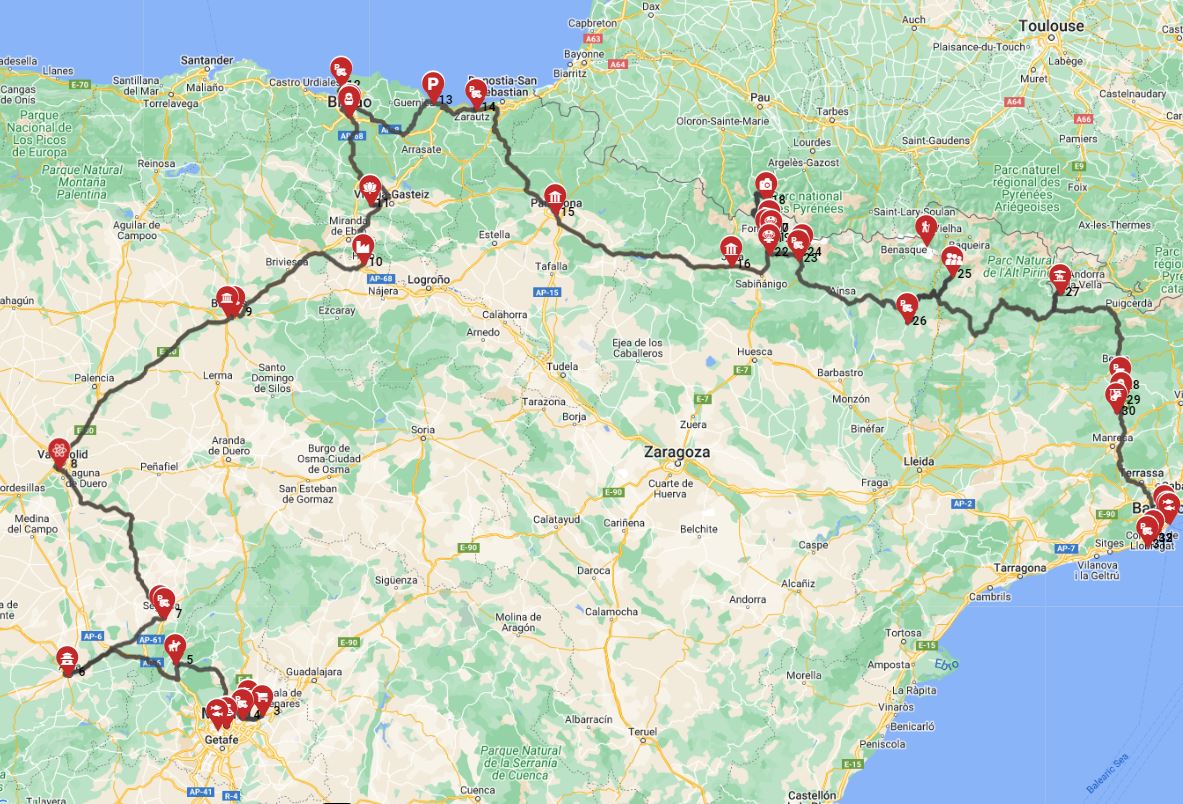
- Coastal Drives of the Costa Brava: Explore the stunning coves, cliff-top villages, and crystal-clear waters of Catalonia's Costa Brava. The winding roads are perfect for a comfortable "Adak Argonaut 21 - Gold" or similar mid-size rental motorhome, with plenty of coastal campsites to choose from.
- Barcelona's Gothic Quarter and Gaudi Architecture: Park your rental RV on the city's outskirts and take public transport into Barcelona to immerse yourself in its unique blend of history and modernist art. Don't miss Sagrada Familia and Park Güell.
Looking for expert insights from Avi Bandana? Top 5 Adventures - recommendations from Avi Bandana
🎬 Video coming soon
Final Thoughts
A rented motorhome trip through Spain truly offers a unique way to experience this magnificent country. From its historic cities and charming villages to its stunning coastlines and rugged mountains, every turn brings a new discovery. With Bandana Caravan, you have a partner who understands RV travel inside and out, providing you with transparent pricing, unwavering support, and the tools to plan an unforgettable journey.
So, whether you're dreaming of a two-week adventure tracing the footsteps of ancient civilizations or an extended road trip savoring the flavors of each region, we're here to help make it a reality. Embark on your Spanish RV adventure with confidence and create memories that will last a lifetime.
Compare Motorhome Prices for Spain today and start planning your perfect getaway!