In This Guide
- Top 5 Tips for RV Rental in North East US
- Before You Book - Class, Dates, Insurance
- Pre-Trip Prep - Packing Checklist for North East US
- On the Road - Driving, Fueling, Navigation
- At the Campground - Setup, Hookups & Etiquette
- RV Rental-Specific Tips for North East US
- Common Mistakes to Avoid in North East US
- What is the 3-3-3 rule for RV travel?
- What is the 444 rule for RVs?
- What to consider when renting an RV?
- What is the 2 2 2 rule for RV travel?
- What is the 3 3 3 rule for rving?
- What is the cheapest way to rent an RV?
- Is it cheaper to rent an RV or stay in a hotel?
- What is the 444 rule for RV travel?
- What is the 3-3-3 rule for RVing?
- What is the 444 rule for RV travel?
The North East US offers an incredible tapestry of landscapes, from rugged coastlines and pristine lakes to historic cities and rolling mountains, making it an ideal destination for an RV adventure. With a rented motorhome, you have the freedom to chase vibrant fall foliage, explore charming seaside towns, or hike through majestic national forests at your own pace. Planning an extended road trip through states like Maine, Vermont, New York, or Massachusetts requires a bit of insider knowledge to ensure a smooth and enjoyable journey. For live availability and current prices, start with our RV Rental North East US - Complete Guide 2026 guide.
Top 5 Tips for RV Rental in North East US
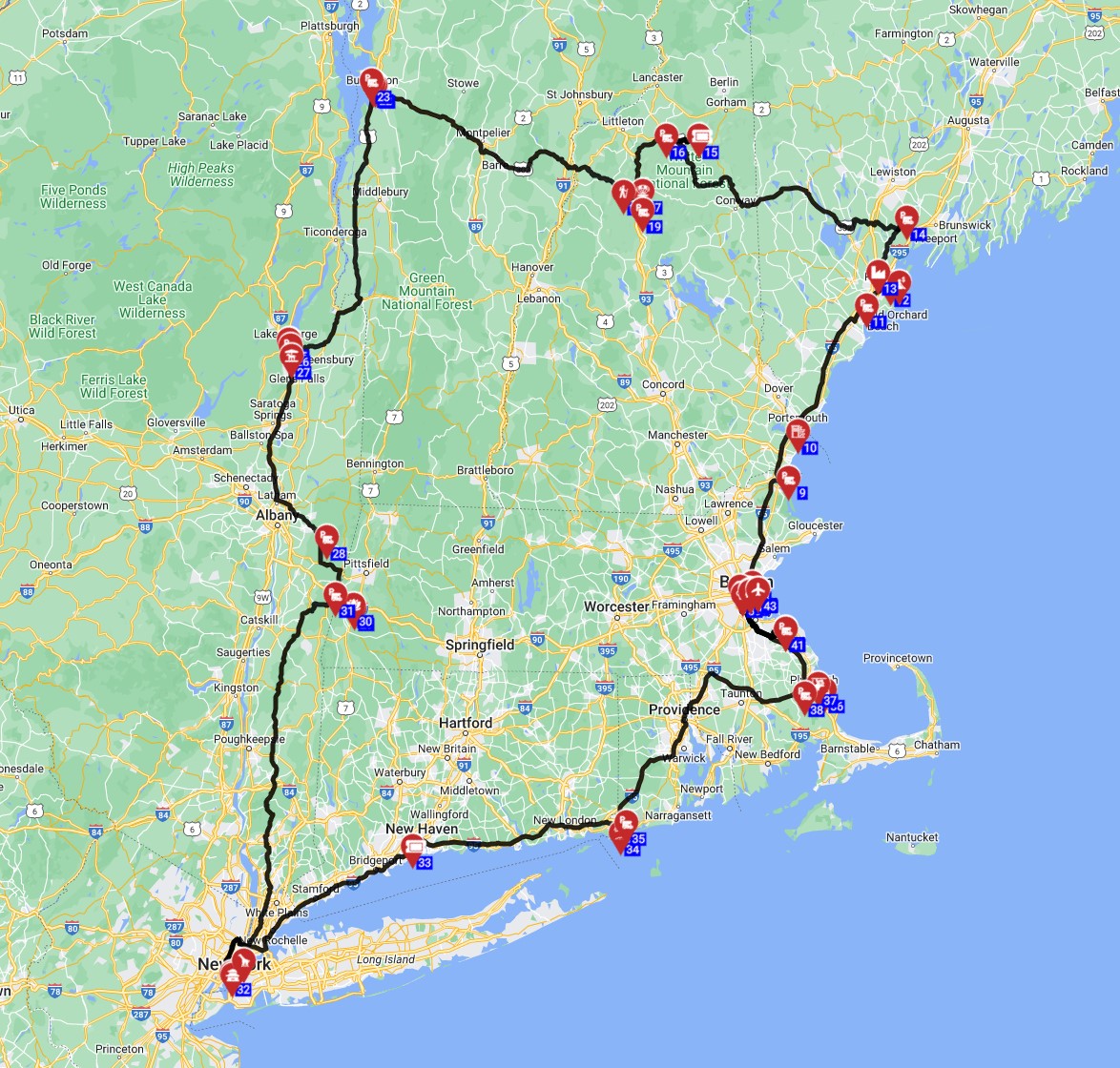
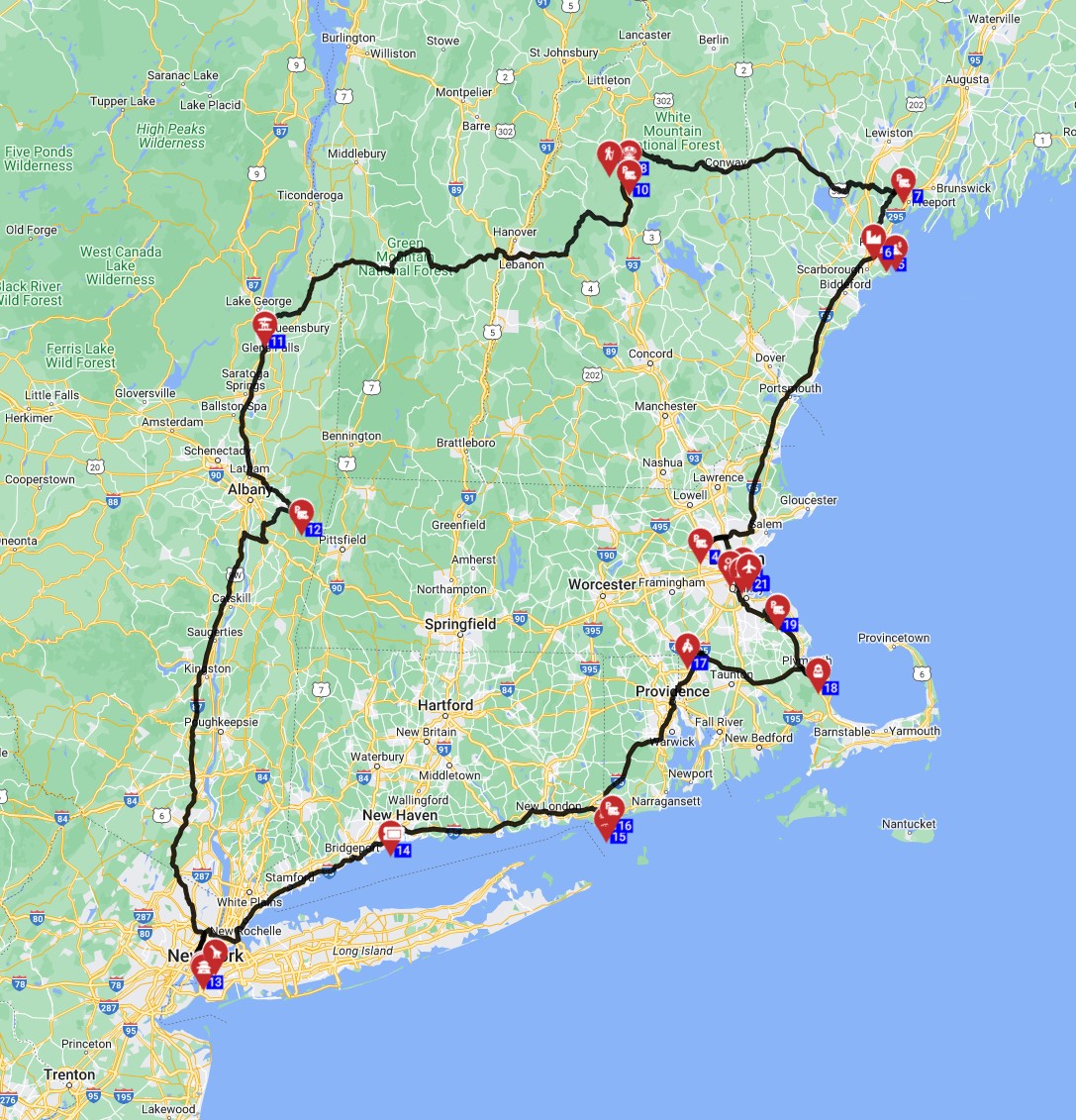
Booking your RV and campgrounds well in advance is crucial, especially for high-demand periods like the fall foliage season (typically late September to mid-October) or summer holidays, to secure your preferred spots. Choosing an RV size suitable for the North East's often winding, narrower roads and smaller historic town streets will enhance your travel flexibility; for example, a compact Class B campervan like the 'hire campervan example Paradise S/T' or a smaller Class C motorhome is generally more maneuverable. Familiarize yourself with state-specific tolls, bridge clearances (some historic bridges have low limits of 3.3 meters or 11 feet), and potential ferry routes, particularly in coastal states like Maine or New York, to avoid unexpected detours. Packing layers of clothing is essential, as North East weather can be highly variable, even within a single day or short drive, with temperatures fluctuating by 10-15 degrees Celsius (20-30 degrees Fahrenheit). Lastly, prioritize planning your route around major attractions, but remain flexible enough to explore unexpected local gems, taking advantage of the slow travel philosophy of averaging 100-150 km per day. On the routes offered through RV PLANET routes, you can itemize and track every expense along the way for easy budgeting.
Before You Book - Class, Dates, Insurance
When preparing for your North East RV rental, several key decisions will shape your trip, beginning with the type of vehicle. Consider RV Class carefully; Class B (campervans) or smaller Class C motorhomes are often more maneuverable on the North East's historic roads and fit into a wider array of campgrounds than larger Class A motorhomes. The 'rv rental denver example Category Van' is a great example of a compact, versatile campervan that is ideal for a couple, offering a shower and toilet within its small footprint. Locking in your travel dates early is also critical, as popular North East seasons (summer, fall foliage) book up quickly, and securing your RV and campground reservations 6 to 12 months in advance is recommended for prime spots. Regarding insurance, basic coverage is always included, but to see prices incorporating the most comprehensive options, select that choice during your search on Bandana Caravan – then all relevant insurance options will be clearly displayed with full transparency. Before finalizing your booking, review rental agreements carefully for mileage limits, pet policies, and specific North East considerations like toll transponders, ensuring no hidden fees or surprises.
Pre-Trip Prep - Packing Checklist for North East US
A well-prepared packing checklist for your North East US RV rental ensures comfort and readiness for diverse conditions. For clothing, layers are paramount: include fleeces, rain jackets, t-shirts, and warm hats, along with sturdy walking shoes suitable for varied terrain and swimwear for coastal or lake activities. In the kitchen, basic cooking utensils, dish soap, reusable bags, and a coffee maker are typically essential, alongside non-perishable food items for flexibility, enabling you to prepare delicious meals on the go. Check out our RV-friendly recipes playlist for inspiration! For safety, a first-aid kit, flashlight, roadside assistance contacts, a portable charger, and emergency road flares are crucial items to have on board. Essential documents include your RV rental agreement, driver's license (a standard car driver's license is sufficient for all motorhome classes), insurance details, campground reservations, state park passes, and information on any toll transponders. For navigation, an RV-specific GPS that accounts for height and weight restrictions is highly recommended, complemented by physical maps as backup for areas with spotty cell service. Finally, outdoor gear such as camp chairs, effective bug spray (especially for coastal and wooded areas), binoculars for wildlife viewing, and hiking essentials will enhance your exploration of the North East's natural beauty.
On the Road - Driving, Fueling, Navigation
Navigating your rented RV through the North East demands attentiveness due to varied road conditions and infrastructure. When driving in the North East, be mindful of winding, often narrow roads, particularly in rural and coastal areas, and watch for historic stone bridges with lower clearance. Drive slowly and carefully, and you can drive almost anywhere without issues. No need to stress - just use common sense and pay attention. For fueling, planning stops carefully is wise; some scenic routes have fewer gas stations, and diesel prices can vary significantly between states. Utilizing an RV-specific GPS system is highly recommended for navigation, as it factors in vehicle height, weight, and length to help you avoid low bridges, tunnels, or restricted roads common throughout the North East. Many North East states have electronic tolls (EZ-Pass is widely accepted); inquire with your rental provider about transponder options to avoid penalties, which contributes to the overall trip cost. To avoid traffic congestion, it's best to avoid driving through major cities like Boston, NYC, or Philadelphia during rush hour, and instead, consider parking outside cities and using public transport, or simply travel during off-peak times. When planning your budget for ancillary costs like fuel, tolls, and campground fees, remember that RV PLANET routes allow you to itemize and track every expense, making budgeting effortless.
At the Campground - Setup, Hookups & Etiquette
Setting up your rented RV at a North East campground is a straightforward process that begins upon arrival. First, level your RV using blocks to ensure appliances function correctly and for comfortable sleeping. Next, connect your power, then your water, and finally the sewer hose, always ensuring the sewer hose is properly secured at both ends to prevent leaks. Understand different amperage requirements for power pedestals (30A vs. 50A) and conserve water where possible, especially in more rustic North East campgrounds that may have limited resources. Observing campground etiquette is important for a pleasant experience for everyone: adhere to quiet hours, typically 10 PM to 7 AM, keep campsites tidy, respect your neighbors' privacy, and always keep pets leashed and clean up after them. Local rules vary significantly across the North East; many state parks have unique regulations regarding campfires, alcohol consumption, or specific wildlife precautions, so always check upon arrival to avoid any issues.
RV Rental-Specific Tips for North East US
Tailoring your RV rental choice and travel style to your group's needs ensures a memorable North East adventure. For families, selecting a motorhome with adequate sleeping and living space, such as a Class C 'rv rentals example Comfort Class' which typically offers three double beds for up to six people, is ideal. Plan kid-friendly stops at state parks or beaches, and factor in nap times when planning driving segments to keep everyone happy. Seniors may prefer opting for Class B campervans or smaller Class C motorhomes for easier driving and maneuvering, ensuring the RV has easy access steps and a comfortable, ergonomic layout, like the compact 'rent rv example A1' for a couple. Budget travelers can find significant savings by looking for state parks or national forests that offer cheaper camping options, considering boondocking where permitted (always check local regulations carefully in the North East), and traveling during shoulder seasons like late spring or early fall. Luxury seekers can explore RVs with premium amenities, perhaps a Class A motorhome like the 'rent rv example E3' featuring a TV and exclusive design, adding services like campground concierge or grocery delivery for an elevated experience. For pet owners, confirming pet policies with both the RV rental company and all planned campgrounds is crucial, as rules vary widely across the North East, ensuring your furry companions are welcome.
Common Mistakes to Avoid in North East US
Avoiding common pitfalls can significantly enhance your North East RV rental experience. Overestimating daily mileage is a frequent mistake; instead, adhere to RV travel rules like 3-3-3 or 2-2-2 to truly enjoy the scenic beauty and numerous stops across the North East, averaging 100-150 km per day. Not booking in advance is another common error, especially during peak fall foliage season or summer holidays, as RVs and campgrounds in popular areas like Cape Cod, Acadia, or Vermont book up several months ahead. Ignoring bridge clearances and weight limits is a critical oversight in the North East; instead, use an RV-specific GPS and always double-check road signs to avoid dangerous situations on older infrastructure, which often has specific restrictions. Underestimating weather variability is also common; instead, pack for all four seasons, as North East weather can change rapidly from sun to rain to cool temperatures even within a single day. Lastly, neglecting local regulations can lead to unnecessary issues; research specific state park rules, local recycling mandates, and waste disposal guidelines for each area you visit to ensure compliance and a smooth trip.
What is the 3-3-3 rule for RV travel?
The 3-3-3 rule for RV travel suggests driving no more than 300 miles (approximately 480 km) a day, arriving at your campground by 3 PM, and staying for a minimum of 3 nights. This guideline is particularly beneficial for North East RV travel, encouraging a slower, more immersive pace to navigate winding scenic byways and fully enjoy charming towns and natural attractions. Adhering to the 3-3-3 rule minimizes driving fatigue and allows ample time for setting up camp, relaxing, and exploring local attractions without feeling rushed. It helps avoid the stress of rushing to find a campsite in the often-dense North East, especially since many national and state parks only reserve 25-30% of spots, with the rest being first-come-first-serve. This pacing promotes deeper immersion into the diverse culture and landscapes, from coastal Maine villages to the serene Adirondacks, aligning perfectly with Bandana Caravan's recommendation to travel slowly.
What is the 444 rule for RVs?
The 4-4-4 rule for RVs recommends driving no more than 400 miles (approximately 640 km) in a day, arriving at your destination by 4 PM, and staying for at least 4 nights. This variation of the travel pacing rule can be useful for North East trips that involve covering slightly longer distances between major regions, such as transitioning from the Mid-Atlantic states to New England. While still promoting a relaxed pace, the 4-4-4 rule offers more flexibility for RVers who aim to visit multiple distinct areas within a broader North East itinerary. It provides a balance between efficient travel and allowing enough time to settle in and explore each new location without feeling constantly rushed. This rule is often adopted by more experienced RVers or those with a specific list of distant attractions across the North East, ensuring dedicated time at each stop.
What to consider when renting an RV?
When renting an RV for a North East trip, critical considerations include selecting an RV class appropriate for local roads, understanding peak season demand, and ensuring adequate insurance coverage. Matching the RV size to your travel style and the North East's infrastructure is paramount; smaller RVs (Class B or C) are often better suited for historic towns and winding roads compared to larger models. Booking your RV rental well in advance, especially for popular North East travel windows like summer and fall foliage season, is highly advisable as availability can be limited, though flexibility in dates can always help secure a last-minute rental. Review insurance options thoroughly, understanding what basic coverage entails versus more comprehensive plans, like an optional top-level deductible reimbursement, that protect against various incidents. Finally, budget for additional costs specific to the North East, such as electronic tolls (which many states have), varying gas prices, and potentially higher campground fees in prime locations, using tools like RV PLANET routes to itemize expenses.
What is the 2 2 2 rule for RV travel?
The 2-2-2 rule for RV travel advises driving no more than 200 miles (approximately 320 km) a day, arriving at your campground by 2 PM, and staying for a minimum of 2 nights. This rule is exceptionally well-suited for a deep dive into specific North East regions, such as exploring coastal Maine villages, Vermont's scenic byways, or the historic towns of Massachusetts. By limiting daily mileage to around 100-150 km on average, RVers can truly savor the journey, making frequent stops at local attractions, farm stands, and small businesses. The early arrival time allows for maximum daylight to set up camp, relax, and begin immediate exploration of the surroundings without feeling rushed. The 2-night minimum stay facilitates a more authentic local immersion, enabling visitors to experience the rhythm of North East communities beyond quick tourist stops, fostering genuine connection to the culture, food, and scenery.
What is the 3 3 3 rule for rving?
The 3-3-3 rule for RVing, recommending no more than 300 miles (approximately 480 km) of driving daily, reaching your destination by 3 PM, and staying at least 3 nights, is a fundamental principle for enjoyable and safe North East adventures. This guideline helps RVers avoid fatigue on the region's diverse roadways, which can range from dense city outskirts to winding mountain passes and mountain roads. Arriving by 3 PM ensures you have sufficient daylight for navigating new campgrounds, connecting hookups, and familiarizing yourself with the site and surrounding area, making setup a breeze. Staying for at least three nights allows for two full days of exploration without the constant stress of packing up and moving, perfect for enjoying North East state parks or charming small towns. It promotes a more relaxed travel style, allowing spontaneous detours to roadside attractions or local eateries that define the North East experience, fostering connection to the local culture and food.
What is the cheapest way to rent an RV?
The cheapest way to rent an RV often involves booking significantly in advance, traveling during the North East's shoulder seasons, and comparing prices across Bandana Caravan's network of over 50 leading RV suppliers. Consider renting during the late spring (April-May) or early fall (September-October) in the North East to take advantage of lower rental rates and fewer crowds, potentially saving up to 25% compared to peak summer. Opt for a smaller, more fuel-efficient RV class, such as a Class B campervan, to save on both rental fees and gas, which can be a significant ancillary cost in the North East. Always factor in all costs, including the rental rate, insurance, mileage fees, preparation fees, and North East campground fees, for a true cost comparison. Utilizing our transparent platform ensures no hidden fees, helping you find the best value for your budget without any surprises.
Is it cheaper to rent an RV or stay in a hotel?
Whether renting an RV is cheaper than staying in a hotel in the North East depends largely on the trip's duration, the number of travelers, the type of RV, and your travel habits. For families or larger groups (4-6 people), an RV can often be more cost-effective due to combined accommodation and transportation, plus significant savings from cooking meals in your RV's kitchen with its refrigerator and stove, compared to dining out three times a day. Hotel stays in popular North East cities and tourist hubs like Boston, New York City, or Cape Cod can be very expensive, making an RV a compelling alternative for exploring multiple destinations over a week-long trip. RV costs include rental fees, fuel (which can be substantial, averaging 18-25 liters per 100 km for a Class C), campground fees ($30-$80/night), and groceries. Hotel costs primarily cover accommodation, dining out, and parking (which can also be expensive in cities). For short, solo trips focusing solely on city exploration, a hotel might be more convenient and sometimes comparable in price; however, for extended travel exploring multiple North East natural and cultural sites, an RV often offers greater value, flexibility, and a richer experience, especially when using RV PLANET for detailed budgeting.
What is the 444 rule for RV travel?
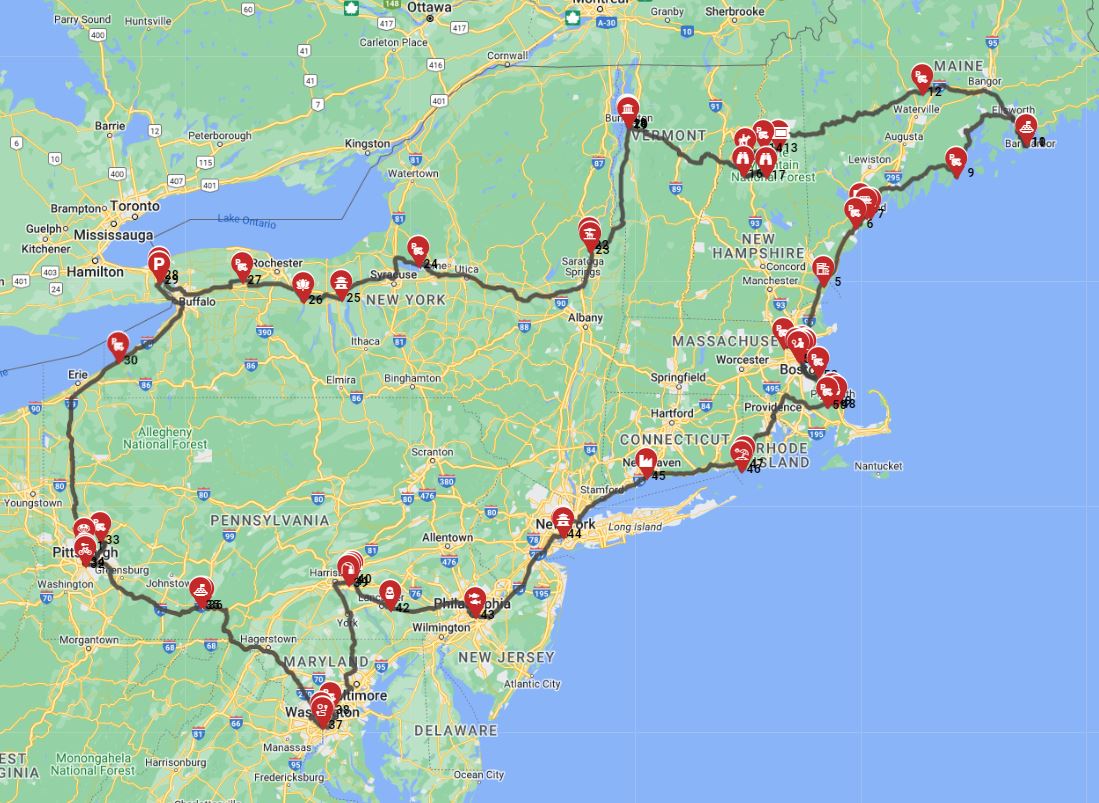
The 4-4-4 rule for RV travel suggests limiting daily drives to no more than 400 miles (approximately 640 km), aiming to reach your destination by 4 PM, and planning a minimum four-night stay. This strategy provides a practical framework for efficiently covering more ground while still allowing for substantial exploration in the North East. This rule is particularly useful when planning a North East itinerary that includes significant travel between diverse areas, such as moving from the serene Finger Lakes region in New York to the bustling coast of Maine. While less focused on "slow travel" than the 2-2-2 or 3-3-3 rules, the 4-4-4 approach still ensures dedicated time at each destination. It helps manage longer transit days by guaranteeing an earlier arrival at the campground, allowing time for setup and evening relaxation. Consider this rule if your North East itinerary involves moving between distinct regions and you prefer a slightly faster pace.
What is the 3-3-3 rule for RVing?
The 3-3-3 rule for RVing, which involves limiting daily drives to under 300 miles (approximately 480 km), arriving by 3 PM, and committing to a three-night minimum stay, is an optimal strategy for a relaxed and enriching North East vacation. This method is highly recommended for exploring the diverse landscapes of the North East, from rugged coastlines to picturesque mountains and historic villages. It significantly reduces the mental and physical strain of daily travel, allowing RVers to fully engage with their surroundings and make the most of each stop. The early arrival ensures ample time for campsite setup and evening activities, while the extended stay promotes local immersion and discovery of hidden gems. Implementing the 3-3-3 rule helps to create a vacation rhythm that prioritizes experience and enjoyment over simply covering distance in the beautiful, yet often challenging, North East, enhancing your connection to the culture, the food, and the scenery.
What is the 444 rule for RV travel?
The 4-4-4 rule for RV travel, recommending limiting daily drives to 400 miles (about 640 km), aiming to reach your destination by 4 PM, and planning a minimum four-night stay, offers a strategic balance for exploring broader North East regions. This rule is particularly suitable for those who want to cover more territory on their trip through North East US, perhaps visiting both the White Mountains of New Hampshire and the historical sites of Philadelphia on an extended two-week adventure. It provides a flexible guideline that allows for covering more distance than the slower 2-2-2 or 3-3-3 rules, while still maintaining a reasonable pace to prevent travel burnout. The four-night minimum stay ensures sufficient time at each location to unpack, relax, and fully experience the local attractions before moving on. By adhering to this rule, RV travelers can appreciate the varied landscapes and attractions of the North East without feeling constantly rushed or overscheduled, making it perfect for a rented motorhome from a supplier like El Monte or Cruise America.
What You Shouldn't Miss
- Drive the Kancamagus Highway, New Hampshire: This 56-kilometer (34.5-mile) scenic byway offers breathtaking views of the White Mountains, especially during fall foliage. Several pull-offs and short hiking trails provide opportunities to stop and immerse yourself in nature.
- Explore Acadia National Park, Maine: Experience rugged coastal beauty, granite peaks, and historic carriage roads. While there, drive up Cadillac Mountain for incredible sunrise or sunset views (reservations often required for vehicles).
- Visit Charming Vermont Villages: Wander through towns like Stowe, Woodstock, and Manchester, known for their picturesque settings, local crafts, and delicious maple syrup. Our "RV Travel Guide to North East US - Tips and Top Spots 2026" offers more local insights.
- Cape Cod Coastal Loop, Massachusetts: Discover sandy beaches, lighthouses, and quaint towns. Consider a day trip to Martha's Vineyard or Nantucket via ferry (check RV-specific ferry rules and costs in advance).
- Hudson Valley Wine Region, New York: Take a leisurely drive through scenic vineyards, historic estates, and enjoy farm-to-table dining experiences in this beautiful region along the Hudson River.
- Looking for expert insights from Avi Bandana? Top 5 Adventures - recommendations from Avi Bandana.
Final Thoughts
Exploring the North East US in a rented RV offers an unparalleled sense of freedom and discovery. Imagine waking up to ocean views on the Maine coast, parking amidst the stunning fall colors of Vermont, or having a mobile base to discover Boston's rich history. With careful planning and attention to these essential tips, your journey will be filled with memorable moments and seamless experiences. Remember, the key is to embrace the slow travel philosophy – average 100-150 km per day, savoring every moment, connecting with the local culture, enjoying delicious food, and soaking in the incredible scenery.
We're here to support you every step of the way, from comparing the best motorhome rental options to coordinating all the details for your trip. So, take the leap, embrace the open road, and let your North East US RV adventure begin!
🎬 Video coming soon
Ready to find your perfect rental campervan or motorhome? Discover top destinations, planning tips, all in one place!
Check out our guide for RV Rental USA - Complete Guide 2026 for more comprehensive information on renting a mobile home for your journey.