In This Guide
- Top 5 Tips for RV Rental in North Canada
- Before You Book - Class, Dates, Insurance
- Pre-Trip Prep - Packing Checklist for North Canada
- On the Road - Driving, Fueling, Navigation
- At the Campground - Setup, Hookups & Etiquette
- RV Rental-Specific Tips for North Canada
- Common Mistakes to Avoid in North Canada
- What is the 3-3-3 rule for RV travel?
- How much to rent an RV for a week in Canada?
- What are the drawbacks of renting an RV?
- Can Americans RV in Canada?
- What is the 4-4-4 rule for RV travel?
- Is it easy to drive an RV in Canada?
- What should Americans know before visiting Canada?
Embarking on a motorhome adventure in North Canada is an unparalleled experience, offering breathtaking landscapes, unique wildlife, and a sense of true wilderness exploration. From the Yukon's vast territories to the Northwest Territories' aurora-filled skies, renting an RV provides the freedom to discover this incredible region at your own pace. At Bandana RV, we're true RV specialists, dedicated to making your journey seamless and unforgettable. For live availability and current prices, start with our RV Rental North Canada - Complete Guide 2026 guide.
Top 5 Tips for RV Rental in North Canada
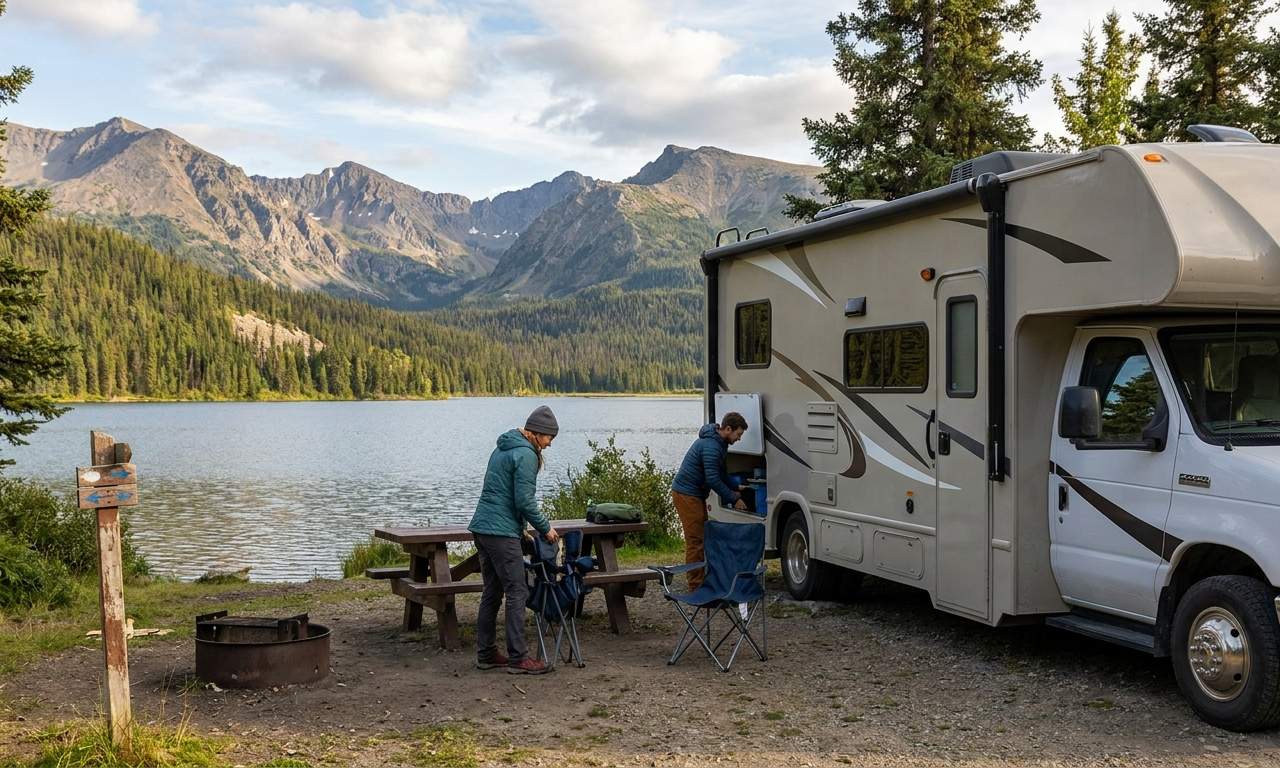
Planning your routes carefully is paramount when renting an RV in North Canada, given the vast distances, limited services, and potential for gravel roads like the famous Dempster Highway. This 737 km (458 miles) route is predominantly unpaved, requiring drivers to be extra vigilant. Choosing an RV suitable for northern conditions, prioritizing reliability and potentially higher ground clearance, will enhance your experience. Consider a robust Class C motorhome, many of which offer features like 100-liter fresh water tanks and powerful heating systems for comfort. Packing for all weather conditions, including cold, rain, and intense sun, along with robust bear safety equipment, is essential for survival and enjoyment. Be sure to factor in higher fuel costs and plan your fuel stops meticulously in remote areas where services can be hundreds of kilometers apart. Finally, securing satellite communication, such as a Garmin InReach or Spot device, is absolutely essential for areas without cell service, providing a critical lifeline in remote Northern travel. Remember, travel slowly, aiming for a maximum of 100-150 km per day on average, to truly absorb the unique culture, food, and scenery of North Canada. On the routes offered through RV PLANET routes, you can itemize and track every expense along the way for easy budgeting.
Before You Book - Class, Dates, Insurance
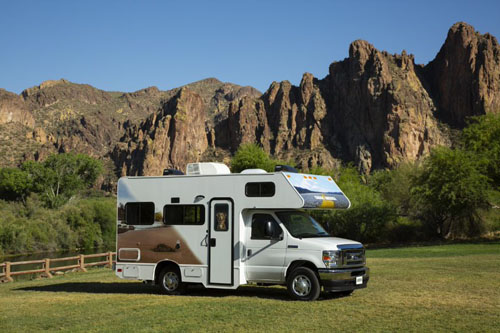
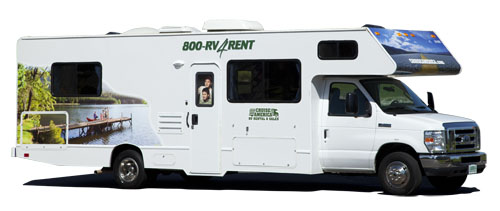
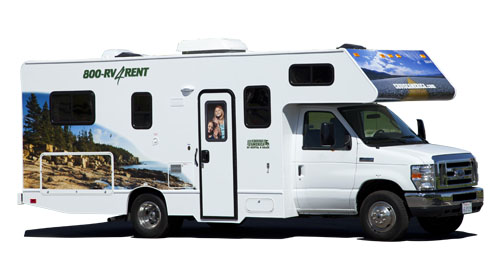
Selecting the right RV class for your North Canada adventure depends on your comfort needs, group size, and planned routes; for instance, a Class C motorhome like the "cruise america rv rental example Explorer" with a 75-liter fuel tank offers versatility for families of 2+2, while a more compact Class B campervan provides better maneuverability on potentially narrower, unpaved roads. Booking your RV rental dates well in advance, especially for the peak season from June to August, is highly recommended to ensure availability and secure better rates for popular northern destinations. Our transparent comparison platform helps you see exactly what's available. Basic insurance is always included with your rental; to view prices that incorporate the most comprehensive coverage, simply select that option during your search, and all relevant insurance packages, including options to upgrade to a top-level deductible for extra peace of mind, will be clearly displayed. We believe in full transparency, so there are no hidden fees or surprises.
Pre-Trip Prep - Packing Checklist for North Canada
A comprehensive packing list is crucial for an RV rental trip through North Canada, where conditions can change rapidly and services are sparse. Layered clothing, including a moisture-wicking base, fleece, and a waterproof/windproof outer shell, is vital for adapting to fluctuating temperatures which can drop significantly even in summer. Don't forget a warm hat, gloves, and extra socks. Sturdy hiking boots are essential for exploring the rugged terrain. Bear spray, and crucially, knowledge of how to use it, is a non-negotiable safety item, alongside a comprehensive first-aid kit suitable for remote areas. Due to limited cell service, a satellite phone or device like a Garmin InReach or Spot is a critical communication tool. Always carry extra, full fuel and water containers. Non-perishable food supplies for at least a few emergency days are also wise. High-quality insect repellent (with DEET) and a head net will be your best friends against northern mosquitoes. Always bring paper maps or offline digital maps for areas without GPS or cell service. Ensure you have your valid driver's license (a standard car license is sufficient for all motorhome classes), passport, and copies of your rental agreement readily accessible. Finally, binoculars are excellent for spotting the abundant wildlife, from caribou to eagles.
On the Road - Driving, Fueling, Navigation
Driving a rented RV in North Canada requires vigilance due to long distances, variable road conditions (including extensive gravel sections on routes like the Alaska Highway and the Dempster), and large wildlife. Drivers must be prepared for slower speeds on unpaved surfaces and remain attentive for animals such as moose, caribou, and bears, especially at dawn and dusk. Drive slowly and carefully, and you can drive almost anywhere without issues. No need to stress - just use common sense and pay attention. Plan your fuel stops meticulously; gas stations can be hundreds of kilometers apart in northern territories, and prices are generally higher, sometimes 15-30% above southern averages. To assist with budgeting all ancillary trip costs like fuel, tolls, and campground fees, remember that RV PLANET routes allow travelers to itemize and track every expense. Utilizing offline maps or a GPS with pre-downloaded routes is crucial, as cell service is extremely limited or non-existent outside of major towns. Be prepared for sudden weather changes, including snow even in summer at higher elevations. Always check territorial highway reports for the Yukon, Northwest Territories, and Nunavut regularly for up-to-date road conditions, especially before embarking on challenging routes like the Dempster Highway. For even more detailed travel advice, consult a "RV Travel Guide to North Canada - Tips and Top Spots 2026".
At the Campground - Setup, Hookups & Etiquette
Upon arrival at a North Canada campground, first assess your designated site and level your rented RV using leveling blocks if necessary to ensure comfort and proper appliance function, such as refrigerators. Connect your hookups in a specific order: first, secure your electricity cable to the RV and then the campground pedestal; next, connect your fresh water hose (using a pressure regulator is advisable to protect your RV's plumbing); and finally, attach your sewer hose to the RV and then to the campground's dump station connection. Proper handling of black and grey water tanks is essential, and many campgrounds in more remote areas might only offer basic dry camping options, so conserving water and power is key. Always observe quiet hours, typically from 10 PM to 7 AM, by minimizing noise, dimming exterior lights, and respecting your neighbors. Properly storing food and trash is paramount to avoid attracting wildlife, especially bears, which are common visitors in Northern Canada campgrounds. Use bear-proof lockers where provided and keep a clean campsite. For cooking inside your RV, check out our RV-friendly recipes playlist for delicious and easy meal ideas.
RV Rental-Specific Tips for North Canada
Tailoring your RV rental choice and trip planning to your group type is crucial for a comfortable journey through North Canada's unique environment. For families of 4-6 people, consider a larger Class C motorhome or even a Class A, like the "rv rentals utah example Sunrise Escape" which sleeps 5 and has a 170-liter refrigerator. These vehicles provide dedicated sleeping areas and more space for kids, along with amenities for longer drives between remote northern attractions; remember to plan frequent stops. Retired couples or young couples might prefer a more nimble Class B campervan, such as the "rv rental denver example Category Van" which is ideal for a couple and easy to maneuver, offering better fuel efficiency on northern roads and in smaller towns. Budget travelers should actively explore free overnight parking options, such as designated rest stops or pull-outs, and consider dry camping in territorial parks to save on campground fees, always preparing for limited services. For those seeking luxury, premium RV models with enhanced insulation and robust heating are ideal for cooler northern nights, along with add-ons like satellite internet for connectivity in remote areas. Consider a "Luxury RV Rental in North Canada - Premium Prices 2026" for more upscale options.
Common Mistakes to Avoid in North Canada
Underestimating distances and travel times is a common error for those renting an RV in North Canada; instead, significantly pad your itinerary to account for slower speeds on gravel roads, extensive wildlife viewing opportunities, and sparse fuel stops. Neglecting emergency preparedness for remote areas is dangerous; ensure you have a comprehensive emergency kit, reliable satellite communication, and enough food and water supplies for several days beyond your planned stops. Failing to research road conditions beforehand can lead to significant issues; always check territorial highway reports regularly, especially for challenging routes like the Dempster Highway, which may require specific vehicle types or tires and can be impacted by weather. Ignoring wildlife safety protocols, especially for bears, is a critical mistake; proactively learn and practice proper food storage, waste disposal, and bear spray usage, and always give animals plenty of space. Another pitfall is expecting constant cell service; outside of major communities like Whitehorse or Yellowknife, connectivity is minimal to non-existent, so offline maps and communication devices are indispensable. Finally, avoid over-scheduling your trip; remember our advice to travel slowly, max 100-150 km per day, allowing time to truly feel the place and connect with its natural beauty.
What is the 3-3-3 rule for RV travel?
The '3-3-3 rule' for RV travel generally recommends driving no more than 300 miles (approximately 480 km) a day, arriving at your destination by 3 PM, and staying for a minimum of 3 nights, providing a balanced pace for enjoying the journey. While this is a guideline for leisurely travel, adapting this rule for North Canada often means driving fewer than 300 miles due to slower speeds on unpaved roads, increased vigilance for wildlife, and frequent stops for scenic views. Arriving by 3 PM is particularly beneficial in northern regions where daylight hours can be very long in summer but rapidly diminish in shoulder seasons, allowing ample time for campsite setup before dusk. Staying three nights can allow for deeper exploration of remote northern parks and communities, offering time for hiking, fishing, or cultural experiences without constant packing and unpacking. For pre-planned routes that embrace this slow travel philosophy, check out RV PLANET (rvplan.net) and its 1,300+ routes across 5 continents, including North Canada. Don't forget about the 25% planning discount when you use rvplan.net!
How much to rent an RV for a week in Canada?
Renting an RV for a week in North Canada can range from approximately CAD $700 to $2,500+, depending significantly on the RV class, time of year, rental duration, and specific region, with North Canada often having slightly higher base rates due to fewer suppliers and increased operational costs. Factors influencing the total cost include the size of the RV (Class B campervan, Class C, or Class A motorhome), the rental season (peak summer months are typically the most expensive), included mileage packages, comprehensive insurance options, and optional add-ons like kitchen kits or linens. For a week-long trip in North Canada, expect fuel costs to be higher than in southern regions, potentially adding several hundred dollars to the overall budget, alongside varied campground fees which can range from free dry camping to $50+ per night for full hookups. Booking well in advance, especially for popular northern routes during summer, can help secure better rates and ensure vehicle availability, and using our platform ensures you compare final prices across suppliers with full price transparency. For specific details, refer to "RV Rental in North Canada - Prices and Best Deals 2026".
What are the drawbacks of renting an RV?
Renting an RV, while offering incredible freedom, can come with certain drawbacks, such as the overall cost which includes not only rental fees but also fuel, campground fees, and insurance, potentially exceeding traditional travel expenses, especially in remote North Canada where fuel prices are higher. Driving a rented RV, particularly a larger model like a Class C "MHC28" (length 7.3m, width 2.51m), can be challenging on narrow or unpaved northern roads, requiring more focus and slower speeds than a standard vehicle. RV travel involves ongoing responsibilities like managing fresh water tanks (e.g., 160 liters in an "MHC28"), waste tanks, hookups, and performing regular vehicle maintenance checks, which might not appeal to all travelers. Limited flexibility in parking and navigating urban areas means you often need a separate mode of transport once parked at a campsite, as downtown parking for large RVs can be scarce even in smaller northern cities. In North Canada specifically, limited cell service and vast distances between services can amplify any issues like mechanical breakdowns or medical emergencies, demanding comprehensive preparedness and communication tools. Despite these challenges, the rewards of exploring North Canada by RV are truly exceptional.
Can Americans RV in Canada?
Yes, Americans can absolutely enjoy an RV rental adventure in North Canada, provided they meet standard entry requirements, including a valid passport, and ensure their RV rental agreement and insurance are valid for cross-border travel. American citizens are generally granted entry for tourism for up to six months without requiring a visa, though specific border crossing procedures and questioning will apply. It's crucial to confirm with your chosen rental company that they permit international travel into Canada; Bandana partners with leading RV suppliers like El Monte and Cruise America, many of whom facilitate such cross-border journeys. Ensure your standard car driver's license is valid for the class of RV you are driving, as no special license or CDL is required for any of our rental motorhomes or campervans. Finally, be aware of Canadian customs regulations regarding what can be brought into the country, especially for firearms, alcohol, and certain food items, to avoid any issues at the border. For broader planning, our "RV Rental USA - Complete Guide 2026" offers useful context for North American travel.
What is the 4-4-4 rule for RV travel?
The '4-4-4 rule' for RV travel suggests driving no more than 400 miles (approximately 640 km) a day, stopping by 4 PM, and ideally staying for a minimum of 4 nights, offering a slightly more ambitious pace than the 3-3-3 rule. For a North Canada itinerary, adhering to 400 miles a day might be overly ambitious due to potentially slower average speeds on northern roads, the need for heightened wildlife vigilance, and variable daylight in certain seasons. Arriving by 4 PM still allows ample time for campsite setup, a relaxing dinner (perhaps some RV-friendly recipes from our RV-friendly recipes playlist), and enjoying evening activities, which is particularly valuable in regions with varying sunset times. A four-night stay can offer extended opportunities to explore specific northern destinations like national parks, allowing for day trips and more immersive experiences without constant relocation. Ultimately, both the 3-3-3 and 4-4-4 rules serve as flexible guidelines; the most important aspect of RV travel, especially in the North, is to travel slowly, maximizing your connection to the culture, food, and scenery.
Is it easy to drive an RV in Canada?
Driving a rented RV in Canada is generally straightforward on major highways, but it can be more challenging in North Canada due to vast distances, potential for unpaved roads (like sections of the Alaska Highway or the entire Dempster Highway), and varied weather conditions. Road conditions in northern territories are often well-maintained but may include lengthy gravel or unpaved sections that require slower speeds and careful driving to prevent damage to your motorhome or campervan. Navigation in cities, even smaller northern ones like Whitehorse or Yellowknife, typically requires extra caution due to the RV's size, though traffic is generally lighter than in southern Canadian metropolises. Crucially, wildlife encounters are common in North Canada, necessitating vigilant driving, especially at dawn and dusk, to avoid collisions with large animals like moose, caribou, and bears. A standard car driver's license is sufficient for all motorhome classes (Class A, Class B, and Class C) rented in North Canada, and an International Driving Permit (IDP) is recommended for visitors from non-English-speaking countries but is not mandatory in most cases. Overall, with common sense and careful attention, you can drive almost anywhere in North Canada without issues.
What should Americans know before visiting Canada?
Before visiting North Canada, Americans should ensure they have a valid passport, understand Canadian entry requirements, and be aware of customs regulations for importing goods, especially firearms, alcohol, and certain foods, which can be quite strict. Familiarize yourself with Canadian currency; while most places accept major credit cards, it's wise to have some Canadian dollars (CAD) for smaller vendors or remote areas, and be prepared for potential credit card transaction fees. Note that Canada uses the metric system for distances (kilometers) and temperatures (Celsius), which is important for understanding road signs and weather forecasts. Ensure your cell phone plan includes international roaming or consider purchasing a local SIM card upon arrival, although connectivity is often limited or non-existent in remote areas of North Canada. Be aware of Canadian healthcare system differences; travel insurance that specifically covers medical emergencies, including potential air evacuation from remote regions, is highly recommended. For those looking for more specific pricing information for their trip, consider exploring "RV Rental in North Canada for Couples - Pricing 2026" or "Family RV Rental in North Canada - Pricing Guide 2026".
What You Shouldn't Miss
Looking for expert insights from Avi Bandana? Top 5 Adventures - recommendations from Avi Bandana:
- Drive the Dempster Highway: This epic 737 km (458 miles) gravel road is Canada's only public road crossing the Arctic Circle, offering incredible views of the Mackenzie Delta and an unparalleled wilderness experience.
- Witness the Northern Lights in Yellowknife: With 240+ nights of aurora borealis visibility annually, Yellowknife, NWT, is a prime location to experience the magical dancing lights from late August to April.
- Explore Kluane National Park and Reserve: Home to Canada's highest peak, Mount Logan (5,959 meters or 19,551 feet), this Yukon gem offers stunning glacier views, incredible hiking, and abundant wildlife including Dall sheep and grizzly bears.
- Visit the Signpost Forest in Watson Lake: A charming and quirky roadside attraction on the Alaska Highway, featuring over 100,000 signs from visitors worldwide, a testament to global travelers.
- Discover Indigenous Culture in Inuvik: Located north of the Arctic Circle, Inuvik offers a chance to learn about Inuvialuit and Gwich'in traditions, art, and way of life, including traditional drumming and storytelling.
Final Thoughts
Exploring the majestic wilderness of North Canada in a rented motorhome or campervan is an adventure of a lifetime, offering unparalleled freedom to discover pristine landscapes, abundant wildlife, and rich cultural experiences. While the journey demands careful planning and respect for the remote environment, the rewards are immense. Imagine waking up to a breathtaking mountain view, cooking a delicious breakfast in your mobile home, and setting off to explore the next hidden gem. We at Bandana RV are here to support you in every step, from choosing the perfect vehicle to planning your route.
Remember to embrace the spirit of slow travel; covering a maximum of 100-150 km per day will allow you to truly immerse yourself in the vastness and beauty of this incredible region. With the right preparation and our expert advice, your North Canada RV rental trip will be filled with cherished memories and incredible discoveries.
🎬 Video coming soon
Ready to begin your unforgettable journey? Compare Motorhome Prices for North Canada now and find the perfect RV for your northern adventure!