In This Guide
- Top 5 Tips for RV Rental Deals in New York
- Before You Book - Class, Dates, Insurance
- Pre-Trip Prep - Packing Checklist for New York
- On the Road - Driving, Fueling, Navigation
- At the Campground - Setup, Hookups & Etiquette
- RV Rental Deals-Specific Tips for New York
- Common Mistakes to Avoid in New York
- What is the rule of 3 with an RV?
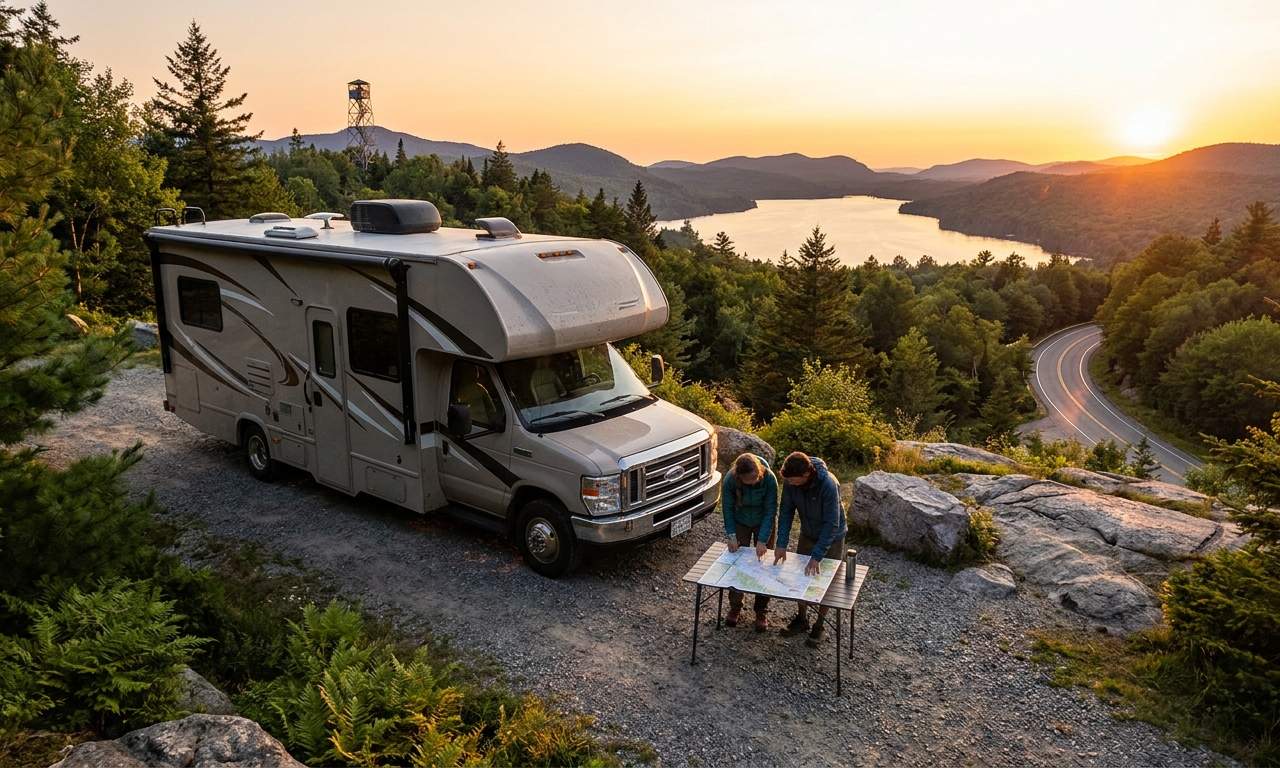
Embarking on a motorhome adventure through New York offers an incredible sense of freedom, allowing you to explore everything from the bustling streets of Manhattan to the serene wilderness of the Adirondacks at your own pace. Finding the best RV rental deals in New York means being smart about your planning and knowing where to look. With the right approach, you can unlock an unforgettable journey without breaking the bank. For live availability and current prices, start with our RV Rental New York - Complete Guide 2026 guide, which provides extensive information on planning your adventure.
Top 5 Tips for RV Rental Deals in New York
Securing the best RV rental deals in New York requires strategic planning, with early booking and flexible dates often leading to significant savings. Imagine yourself driving through scenic Upstate New York, knowing you've snagged a great deal.
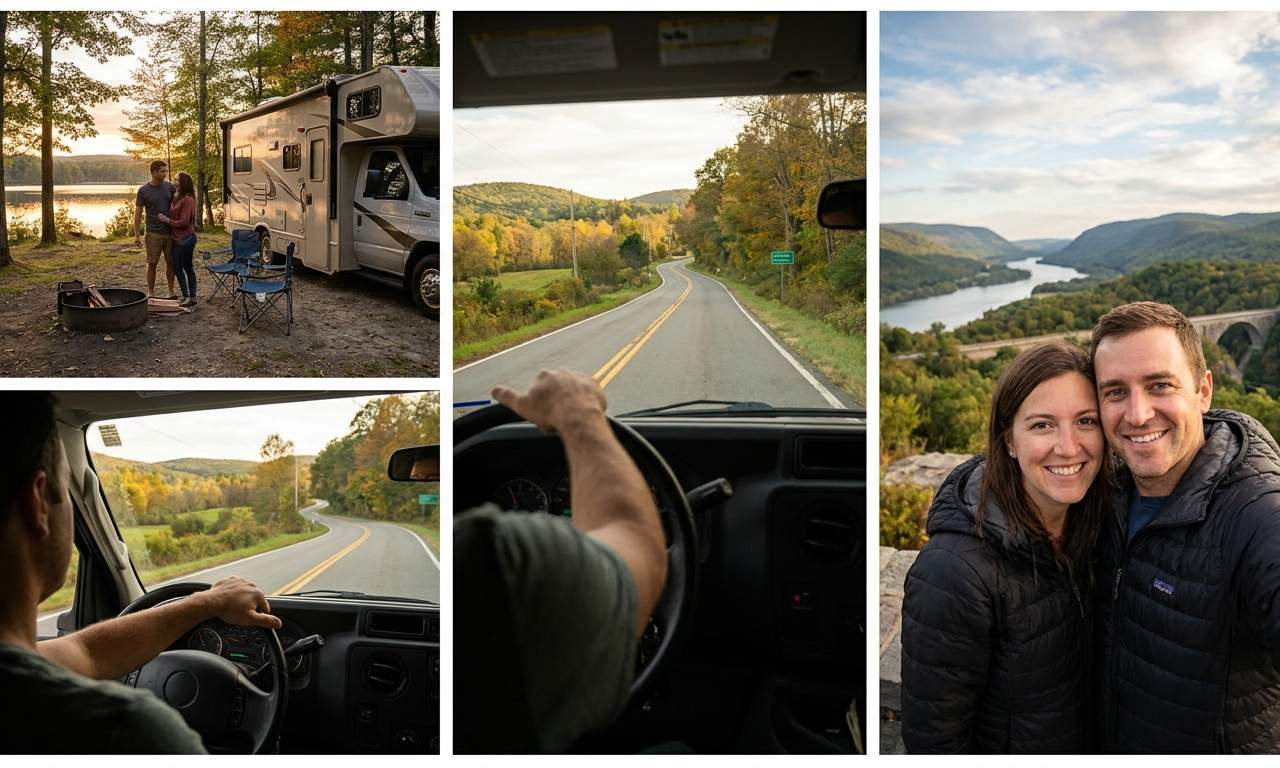
- **Book early, especially for peak seasons like fall foliage or summer.** Rental prices for popular periods in New York can increase by 20-30% closer to the departure date, so booking 3-6 months in advance is advisable.
- **Consider shoulder seasons (late spring, early fall) for lower rates and fewer crowds.** For example, May or September travel can often save 15-20% on daily rates compared to July or October.
- **Be flexible with pick-up/drop-off dates and locations to snag special offers.** Adjusting your start date by a day or two can sometimes reveal an RV Rental Deals in New York with bundled essentials or extra mileage packages.
- **Compare prices across various RV types; smaller models often have better daily rates and fuel efficiency.** A compact Class B campervan, like the `rv rental denver example Category Van`, might cost $100-$180 per day, while a large Class C motorhome such as an `rv rentals example Comfort Class` could range from $200-$400 daily.
- **Look for bundled deals that include essentials or extra mileage.** Some suppliers offer packages that combine unlimited mileage, kitchen kits, or linen sets, potentially saving over $100 on ancillary costs for a week-long trip.
To really lock in those savings, be sure to utilize our platform to compare options from 50+ leading RV suppliers worldwide, including El Monte, Cruise America, Apollo, and Britz. We ensure full price transparency, so what you see is truly what you pay, with no hidden fees or surprises.
Before You Book - Class, Dates, Insurance
Selecting the right RV class, timing your booking, and understanding insurance are crucial steps before committing to your New York adventure. Knowing these details helps you navigate the options and make informed decisions.
Choosing Your RV Class
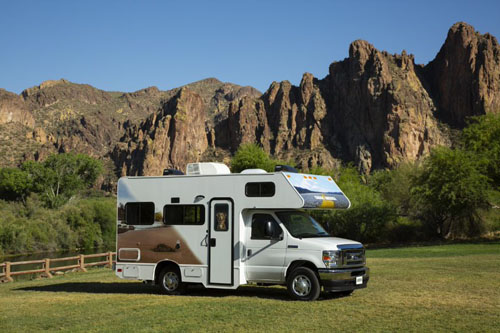
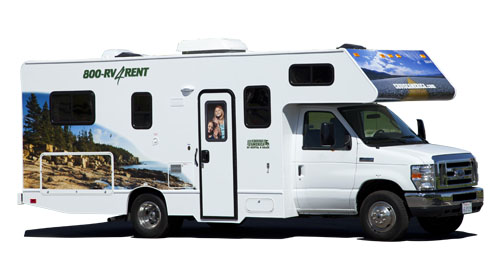
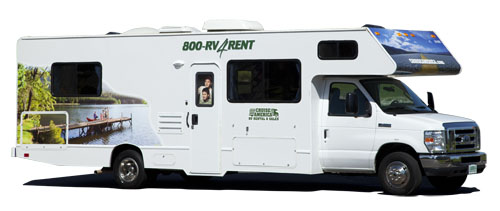
For RV rental deals, consider Class B (campervans) or Class C RVs, which balance comfort, maneuverability, and cost-effectiveness for exploring New York's diverse landscapes. Class B campervans, like the `Patagonia Camper 4x4 double cab`, are perfect for couples, offering a compact solution with essential amenities. Class C motorhomes, such as the `cruise america rv rental example Explorer`, typically range from 7 to 9 meters in length, providing more space for families of 2+2 with multiple sleeping areas including a bed over the cab and a rear double bed. Class A motorhomes offer luxury but come with higher rental fees and fuel consumption, ideal for those prioritizing spacious living and premium features for a grand tour of New York.
Optimal Booking Dates
To secure the best RV rental deals in New York, aim to book 3-6 months in advance for peak season travel (July-August and October for fall foliage), which can offer up to 25% savings on standard rates. Off-season travel (late fall, winter, early spring) may allow for last-minute deals but can limit availability of certain amenities or campsites in some remote New York regions. Spring (May-early June) and early Fall (late September) typically offer a sweet spot with pleasant weather and moderate prices, often 10-15% lower than peak summer rates.
Understanding Insurance Options
Basic liability insurance is always included with your RV rental in New York, covering third-party damages. To see prices including the most comprehensive coverage, select that option during your search; then all relevant insurance options, such as supplemental liability insurance and personal accident coverage, will be shown. Review coverage details carefully, as personal auto policies sometimes offer supplemental RV coverage, and certain credit cards might provide limited protection, potentially saving you on additional insurance costs. You can upgrade to a top-level deductible for extra peace of mind, reducing your out-of-pocket liability significantly in case of an incident.
Pre-Trip Prep - Packing Checklist for New York
A well-prepared packing list ensures comfort and readiness for New York's diverse climates and outdoor activities, from bustling city parks to serene state forests. Before hitting the road, organize your essentials efficiently.
- Layered clothing (essentials for varied New York weather, from 15°C in spring to 30°C in summer)
- Rain gear and waterproof shoes (crucial for unexpected showers, especially in mountainous regions)
- Hiking boots or comfortable walking shoes (for exploring parks like Central Park or trails in the Catskills)
- Swimsuits (for lakes, rivers, or resort pools in places like the Finger Lakes)
- Flashlights or headlamps with extra batteries (essential for campgrounds without full lighting)
- First-aid kit and any necessary prescription medications (keep them easily accessible)
- GPS device or reliable mapping apps (offline maps recommended for remote areas like the Adirondacks where cell service may be spotty)
- Printed copies of reservations (RV, campsites) and important contact numbers.
- Driver's license and RV rental agreement (the minimum driver age is 21, and a standard car license is sufficient).
- Credit cards and some cash (for tolls, small vendors, especially in rural areas).
- Cookware, utensils, and basic pantry items (salt, pepper, oil) to maximize your RV kitchen's potential. If you're looking for inspiration, check out our RV-friendly recipes playlist for delicious meal ideas on the go.
- Cooler for extra food and drinks (especially helpful for day trips from your campground).
- Biodegradable soap and toiletries (to minimize environmental impact at campgrounds).
- Camp chairs and a small outdoor table (for enjoying evenings at your campsite).
- Insect repellent and sunscreen (seasonal necessities, particularly in summer).
- Entertainment (books, games, movies) for downtime or rainy days inside your mobile home.
Most rentals typically include basic kitchenware and linens, but it's always wise to confirm with your chosen supplier. Planning ahead ensures you’ll be ready for any adventure that New York throws your way.
On the Road - Driving, Fueling, Navigation
Navigating New York by RV requires awareness of state-specific driving considerations, fueling strategies, and effective navigation tools to ensure a smooth trip. Always pay attention to signage and plan ahead.
Driving in New York
Be mindful of bridge heights, especially on parkways and older routes; always check your RV's clearance, which can vary from 3.2 meters (10.5 feet) for a campervan like a `hire campervan example Paradise S/T` to over 3.7 meters (12 feet) for larger Class C motorhomes. Many parkways in New York have low bridge clearances (often less than 14 feet) and strictly prohibit commercial vehicles, including many RVs, so plan your routes on interstates and state highways like I-87 (New York State Thruway) or I-81. Mountain passes in regions like the Adirondacks and Catskills can be steep and winding; downshift to control speed and maintain safety. Drive slowly and carefully, and you can drive almost anywhere without issues. No need to stress - just use common sense and pay attention.
Fueling Large Rigs
Plan fuel stops strategically in New York, as not all gas stations can accommodate larger motorhomes. Look for truck stops or stations specifically advertised as "RV friendly" along major interstates like I-90. Regularly monitor your fuel gauge, especially when exploring more remote areas such as parts of the Catskills or Tug Hill Plateau, where stations may be sparse. Fuel costs are a significant part of any RV trip budget; on average, a Class C motorhome might consume 20-25 liters per 100 km (around 9-12 MPG). On the routes offered through RV PLANET routes, you can itemize and track every expense along the way for easy budgeting.
Navigation Challenges
GPS systems designed for commercial vehicles or apps like RV Life Trip Wizard can help avoid low bridges and restricted parkways, making navigation easier in and around cities like Syracuse or Albany. Offline maps are valuable for areas with spotty cell service, particularly in the more remote areas of the Adirondacks. Be prepared for tolls, particularly around NYC (e.g., the Verrazzano-Narrows Bridge or George Washington Bridge tolls can be $10-$17+); consider getting an E-ZPass for convenience and potential savings. You can itemize and track every expense along the way for easy budgeting with RV PLANET routes.
RV-Friendly Attractions
Seek out attractions with dedicated RV parking; many New York State Parks and larger tourist sites, such as Niagara Falls State Park, offer this. Explore local farm-to-table restaurants and wineries (e.g., in the Finger Lakes region or Hudson Valley) by planning ahead for RV parking at specific establishments or nearby public lots. For a true taste of local culture, visit traditional markets like the Union Square Greenmarket in NYC (though RV parking here is tricky) or farmers markets in smaller towns like Ithaca, where parking is more accessible.
At the Campground - Setup, Hookups & Etiquette
A smooth campground experience in New York involves understanding proper RV setup, hookup procedures, and adhering to local campground etiquette. Whether you're at a private resort or a state park, these tips ensure a pleasant stay for everyone.
Setting Up Your RV
Upon arrival at a New York campground, first ensure your site is clear and level; many sites at state parks like Watkins Glen State Park offer paved or gravel pads. Position your RV carefully, then deploy leveling jacks (if applicable) to stabilize your vehicle. Connect electrical, water, and sewer hookups in the correct order: electrical first, then water, and finally sewer. Always check that the water pressure reducer is attached to prevent damage to your RV's plumbing, as campground water pressure can vary significantly.
Hookup Order
- Electrical: Connect your power cord to the RV, then securely plug into the pedestal, and finally, flip the breaker at the pedestal (ensure it matches your RV's 30-amp or 50-amp requirement).
- Water: Connect a water pressure regulator to the campground spigot, then attach your freshwater hose to the regulator and your RV's freshwater inlet. Turn on water slowly to check for leaks.
- Sewer: Connect the sewer hose to your RV's black tank outlet, then securely to the dump station port. Open the black tank valve first to release solids, then close it. Next, open the grey tank valve to flush the hose with soapy water before closing all valves and disconnecting.
Many RVs, like the `cruise america example EX - Group B`, come equipped with spacious refrigerators and gas stoves, making campground cooking a breeze. Remember to empty your waste water tanks and refill your fresh water tank before leaving your campsite, or at a designated dump station. A useful resource for finding these facilities is rvplan.net.
Campground Etiquette
Observe quiet hours, typically from 10 PM to 7 AM at New York campgrounds, by minimizing noise, outdoor lighting, and generator use. Respect others' privacy by not cutting through occupied campsites, particularly in busy areas like Lake George RV Park. Keep your site tidy, dispose of trash properly in designated receptacles, and follow pet rules (leash laws are common, and many state parks allow pets in certain loops). In state parks like Letchworth or Watkins Glen, familiarize yourself with specific regulations regarding campfires, generator hours, and length limits, as these can vary. For example, some New York State Parks have length limits around 30-35 feet for RVs, so check ahead.
RV Rental Deals-Specific Tips for New York
For those seeking RV rental deals in New York, strategic planning around budget, itinerary, and local exploration can maximize savings and enhance your experience. Consider how different choices impact your overall trip cost.
Embrace State Parks & Harvest Hosts
New York State Parks offer affordable camping fees, often ranging from $15-$35 per night for electric hookups, and stunning natural beauty in regions like the Adirondacks or Finger Lakes. For unique, often free, overnight stays, explore Harvest Hosts locations (wineries, farms, breweries) which can provide an authentic culinary experience without traditional campground fees (membership required). Our comprehensive comparison platform helps you find options like the `Paradise Family 5` motorhome, which is ideal for a family of five and comes equipped with a gas stove for preparing meals, further reducing dining expenses.
Off-Peak Travel
Traveling during the shoulder seasons (May-early June, September-October) typically offers lower rental rates, reduced campground fees (potentially saving $10-20 per night), and fewer crowds, enhancing the RV rental deals experience in New York. You can expect to save 10-20% on the base rental price compared to peak summer dates. Checking "Cheap RV Rental in New York - Budget Guide 2026" can provide more insights.
Cook Your Own Meals
Utilize the RV kitchen, common in most motorhomes like the `MH19 Small - Economy` with its 3-burner stove and refrigerator, to prepare meals and snacks, significantly reducing dining costs. Visit local farmers markets in towns across New York, from Ithaca to Saratoga Springs, for fresh, regional ingredients. This is a great way to experience New York's culinary scene economically. Don't forget to explore our RV-friendly recipes playlist for easy meal ideas.
Flexible Itineraries for Savings
Consider one-way rentals if available deals align with your travel plans, potentially saving on return fuel and time. While a drop-off fee typically applies, sometimes promotional deals like those found in "One-Way RV Rental in New York - Price Guide 2026" can offset this. Look for RV rental companies offering discounts for longer rentals (e.g., 10-15% off for rentals exceeding two weeks) or early bird bookings (up to 25% savings). RV PLANET offers 1,300+ pre-planned routes across 5 continents, and by using rvplan.net for route planning, you can get a 25% planning discount.
Utilize Free Overnight Parking
Research options for free overnight parking at approved big-box stores (e.g., Walmart locations) or truck stops, especially for transit nights between major destinations like New York City and Niagara Falls. Always ask permission first and prioritize safety. This can significantly reduce accommodation costs, particularly for longer trips like a "Weekly RV Rental in New York - Pricing 2026" adventure.
Common Mistakes to Avoid in New York
Being aware of common RVing pitfalls in New York can prevent unnecessary stress and enhance your travel experience. Planning can help you avoid surprises and ensure a smoother trip.
Ignoring Bridge Heights
Instead, always check your RV's exact height (e.g., a Class C `CA-25` is 3.5 meters/11.5 feet tall) and plan routes using RV-specific GPS or maps that account for low bridges, particularly on New York's parkways (like the Taconic State Parkway or Merritt Parkway) where RVs are often prohibited. Overpasses in areas like Long Island can be notoriously low, sometimes under 10 feet.
Underestimating New York Traffic
Instead, avoid driving through major metropolitan areas, especially NYC (Manhattan traffic moves at an average of 11.5 mph), with an RV during peak hours. Consider parking at an RV-friendly commuter lot outside the city, such as in Stamford, CT, or Jersey City, NJ, and using public transport (trains, ferries) for city exploration. Driving a large motorhome like a `MH-A` (8.8 meters long) through narrow city streets can be challenging, but driving slowly and carefully, you can drive almost anywhere without issues.
Forgetting to Book Campsites Ahead
Instead, secure campsite reservations, especially during peak season or for popular state parks like those in the Finger Lakes region (e.g., Watkins Glen State Park) or Adirondacks (e.g., Lake Placid/Wilmington KOA). Many popular spots book up months in advance, with some state park reservations opening 9 months prior. While 25-30% of spots are often first-come-first-serve, it's safer to call ahead before driving.
Neglecting Seasonal Preparations
Instead, pack and prepare your rented RV according to the season. While spring and fall are popular for New York RV trips, summer brings humidity and bugs, requiring screens and appropriate ventilation. Winter travel in designated RVs, like a `2 Berth Hi Top` with "Winter Ready" features, requires specific RV winterization knowledge for temperatures that can drop below 0°C (32°F) and preparedness for cold weather camping in designated facilities, especially in upstate areas or when driving from New York to a colder state like Vermont, which might have winter tire requirements.
Not Planning for Tolls and Fuel
Instead, budget for New York's extensive tolls (e.g., the New York State Thruway, which can cost $30+ for a cross-state RV trip) and plan fuel stops for larger rigs, as not all stations can accommodate their length and height. Consider purchasing an E-ZPass in advance to save time and money on toll roads. For a clearer picture of potential ancillary costs like fuel, tolls, and campground fees, remember that RV PLANET routes allow you to itemize and track every expense for easy budgeting.
Overlooking Water and Dump Station Availability
Instead, plan your itinerary to include regular access to water fill-ups and dump stations, particularly if you are boondocking or staying at sites without full hookups. Many gas stations or rest stops along major highways like I-88 (Southern Tier Expressway) offer dump stations for a small fee (typically $10-$20). RV PLANET (rvplan.net) is a great resource for locating available spots along your route for finding campsites and campgrounds during your trip.
What is the rule of 3 with an RV?
The "Rule of 3" with an RV is a guideline for comfortable and sustainable travel, suggesting campers move no more than 300 miles (approximately 480 km) a day, stay at least 3 nights in each location, and arrive at their destination by 3 PM. This approach promotes a relaxed, immersive travel experience, particularly beneficial for exploring diverse regions of New York. A typical `rent a motorhome example CA-25` motorhome (7.6m length, 5 seats) is well-suited for such a travel style.
300 Miles a Day
Limiting daily driving to 300 miles, or approximately 100-150 km per day on average, encourages a relaxed pace, allowing for scenic stops and exploration of New York's hidden gems, reducing driver fatigue, and minimizing the risk of accidents. For example, a drive from New York City to Niagara Falls (around 400 miles) would be comfortably split over two days, allowing for stops in the Finger Lakes region or Hershey, Pennsylvania, as highlighted in some RV PLANET routes. This slower travel lets you feel the place, connect to the culture, the food, and the scenery.
3 Nights in Each Location
Staying longer, at least 3 nights in each campsite, such as at a state park like Allegany State Park or a private campground near Lake George, reduces the frequency of setting up and breaking down camp. This approach offers more time to explore local attractions in depth, reduces fuel consumption by minimizing travel days, and helps you truly relax and enjoy the destination without feeling rushed. This is perfect for exploring specific New York regions like the Catskills or the Hudson Valley in detail.
Arrive by 3 PM
Arriving at your campground by 3 PM provides ample daylight to navigate the campground, comfortably set up your RV without rush, and address any unexpected issues before dark. It also allows time to enjoy campground amenities like swimming pools or hiking trails, or nearby activities on your arrival day in New York. Early arrival ensures you have the best choice of first-come-first-serve spots and can settle in before crowds arrive.
What You Shouldn't Miss
New York is brimming with diverse experiences waiting for your RV adventure. Here are some top recommendations:
- **Niagara Falls State Park:** Witness the awe-inspiring power of Niagara Falls from the U.S. side, including Maid of the Mist boat tours and Cave of the Winds. RV parking is available nearby, and local dumps stations are in Niagara Falls, NY.
- **Explore the Finger Lakes Wine Region:** Spend a few days touring Seneca Lake Wine Trail or Cayuga Lake Wine Trail, visiting some of the over 100 wineries in the region. Many offer RV parking through Harvest Hosts for members, like Wagner Vineyards on Seneca Lake. Don't miss Watkins Glen State Park for its stunning gorges and waterfalls.
- **Adirondack Park Scenic Byways:** Drive the scenic routes through the vast Adirondack Park, enjoying majestic mountains and tranquil lakes. Stay at campgrounds like Lake Placid/Wilmington KOA or Fish Creek Pond Campground, offering over 300 sites.
- **Historic Hudson Valley:** Discover grand estates, charming towns like Cold Spring, and Revolutionary War sites such as West Point. RV-friendly campgrounds are available in the region, providing a comfortable base to explore both history and nature.
- **Letchworth State Park - The Grand Canyon of the East:** Marvel at the Genesee River Gorge, featuring three major waterfalls and depths up to 600 feet. The park offers RV camping with electric hookups and is an ideal stop for hiking and incredible photo opportunities on your way through Western New York.
- **Taste New York's Local Flavors:** Seek out local farm stands and farmers' markets across the state for fresh produce, artisan cheeses, and craft beverages. Many smaller towns offer ample RV parking, making it easy to stock your RV kitchen and try local specialties.
Looking for expert insights from Avi Bandana? Top 5 Adventures - recommendations from Avi Bandana
Avi Bandana, our founder, is passionate about helping you discover the best of RV travel. Here are some of his top route plans specifically curated for New York, available on RV PLANET (rvplan.net). These professional itineraries cover everything from logistics to local attractions, ensuring a seamless and enriching journey.
🎬 Video coming soon
Final Thoughts
Exploring New York by rented RV is an experience like no other, offering unparalleled flexibility to discover everything from the vibrant city life to tranquil natural wonders. By following these tips on booking, preparation, and on-road navigation, you're well on your way to finding the best RV rental deals in New York and creating lasting memories.
Remember to embrace the journey, take your time, and savor every moment. Travel slowly, max 100-150 km per day, allowing yourself to truly feel the place, connect to the local culture, savor the food, and immerse yourself in the breathtaking scenery. With our full transparency and dedicated support, your New York RV adventure is set to be seamless and enjoyable.
Get inspired for your next trip! Discover top destinations, planning tips, all in one place, and plan a trip itinerary in advance with minimal effort and maximum enjoyment. Your perfect New York motorhome adventure awaits.
Find Motorhome Rentals in New York