In This Guide
- Top 5 Tips for RV Rental in Marseille
- Before You Book - Class, Dates, Insurance
- Pre-Trip Prep - Packing Checklist for Marseille
- On the Road - Driving, Fueling, Navigation
- At the Campground - Setup, Hookups & Etiquette
- RV Rental Deals-Specific Tips for Marseille
- Common Mistakes to Avoid in Marseille
- What are the new rules for motorhomes in France?
- Where is the cheapest country to rent a campervan?
- What stickers do I need on my motorhome to travel in France?
- How many days in Marseille is enough?
- What not to forget on an RV trip?
- Is France camper friendly?
Top 5 Tips for RV Rental in Marseille
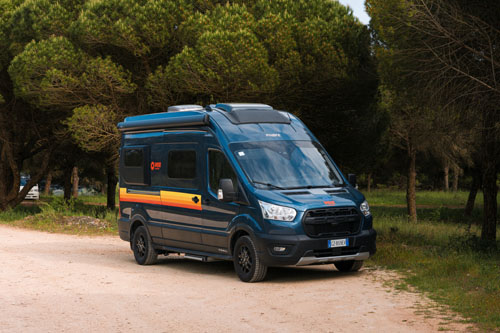
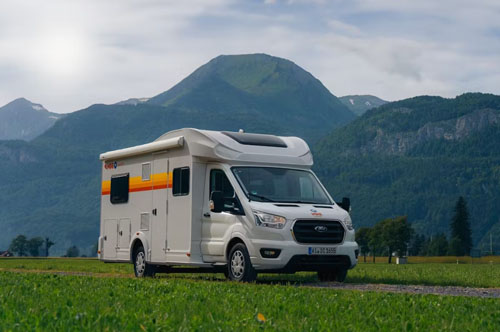
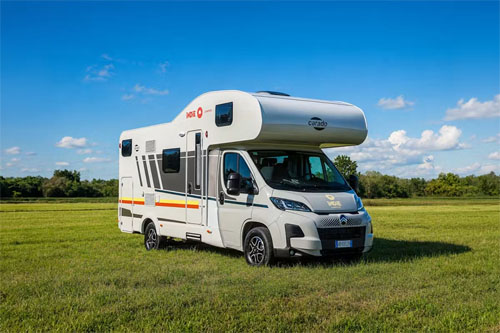
Booking your RV rental in Marseille several months in advance, especially for peak season, helps secure better rates and availability. Imagine yourself cruising the coastal roads of Provence, the Mediterranean breeze in your hair, all because you planned ahead! For live availability and current prices, start with our RV Rental Marseille - Complete Guide 2026 guide. We believe in full transparency, ensuring no hidden fees or surprises pop up later, which is why comparing options early is key. Comparing different motorhome rental platforms and local suppliers will uncover competitive deals across various vehicle classes. Whether you're looking for a compact campervan like the 'Category Van' ideal for a couple, or a larger Class C motorhome such as the 'cruise america rv rental example Explorer' for a family of four with a spacious 82-liter fresh water tank, choice and price can vary. Familiarize yourself with French traffic regulations, including mandatory Crit'Air vignettes and speed limits, well before your trip to Marseille. This preparation ensures a smooth journey and helps you avoid unexpected fines. Planning your overnight stays using *aires de service* (motorhome stopovers) or established campsites offers more amenities and peace of mind than wild camping. There are over 3,000 such spots across France, many offering essential services like water and waste disposal. Consider visiting Marseille during the shoulder seasons (spring or fall) for fewer crowds and potentially lower rental costs, often saving up to 25% on daily rates. Don't worry about finding a spot: many national and state parks reserve only 25-30% of spots online, with the rest available first-come-first-serve. You'll find a spot; if not at the first campground, then the next one. Just call ahead before driving.
Before You Book - Class, Dates, Insurance
Choosing the right RV class for your Marseille trip depends on your group size, budget, and comfort preferences. Compact campervans like the 'hire campervan example Paradise S/T' are ideal for city navigation and couples, while larger integrated motorhomes or Class C models like the 'rv rentals example Comfort Class' offer more space and amenities for families, often featuring 3 double beds and ample storage. We help you compare these options seamlessly. Lock in your rental dates as early as possible, typically 3-6 months out, to access a wider selection of vehicles and often more favorable pricing, particularly if planning a trip during the high season (June-August). Prices are dynamic, similar to flight tickets, and change daily based on availability, seasonality, and supplier marketing decisions. Basic insurance is always included with RV rentals in France, covering third-party liability. However, for enhanced peace of mind and more comprehensive coverage, you can upgrade to a top-level deductible for extra protection; simply select that option during your search to see all relevant insurance options included in the price. Consider the duration of your trip, as longer rentals sometimes qualify for daily rate discounts, potentially offering better value for extended explorations of Marseille and Provence. For instance, a two-week adventure might offer a better per-day rate than a shorter week-long trip. Review the rental provider's cancellation policy thoroughly before booking, understanding any fees or deadlines for changes, as part of our full transparency promise.Pre-Trip Prep - Packing Checklist for Marseille
A well-prepared packing checklist ensures a smooth RV trip to Marseille, covering essentials for comfort, safety, and compliance with local regulations. Packing light but smart is always a good strategy for your rented motorhome adventure. For clothing, pack layers suitable for warm days and cooler evenings, including swimwear for coastal areas like Plage des Catalans and comfortable walking shoes for city exploration in areas like Le Panier. In the kitchen, bring reusable bags for market shopping at Noailles Market, a small coffee maker (if not provided), and basic cooking spices to complement fresh local produce. For inspiration on meals, check out our RV-friendly recipes playlist. Essential safety items for a rented RV in France include a reflective vest for each passenger, a warning triangle, and a first-aid kit, as required by law. Most importantly, ensure you have your international driving permit (recommended for non-English speaking countries, though not always mandatory), vehicle registration, rental agreement, passport, and the mandatory Crit'Air vignette displayed on your windscreen. For budgeting and planning ancillary trip costs, RV PLANET routes allows you to itemize and track every expense.On the Road - Driving, Fueling, Navigation
Navigating Marseille and the surrounding Provence region by RV requires awareness of local road conditions, speed limits, and fueling options. Remember, drive slowly and carefully, and you can drive almost anywhere without issues. No need to stress - just use common sense and pay attention, even with a larger motorhome. In France, speed limits for motorhomes generally vary based on vehicle weight and road type, typically 130 km/h on motorways (110 km/h in wet conditions) for vehicles under 3.5 tonnes, and lower limits apply for heavier vehicles and on secondary roads. Fueling stations are widely available throughout France, with most offering both diesel (Gazole) and unleaded petrol (Essence Sans Plomb); always ensure you know your rented RV's fuel type and plan stops, as stations can be less frequent in rural areas. Utilize GPS navigation systems that can account for vehicle dimensions (height, width, weight) to avoid unsuitable roads, especially when driving through Marseille's narrower city streets or historic villages. Be prepared for toll roads (péages) on most French motorways; these can be paid with cash, credit card, or via an electronic toll tag (e.g., Liber-t badge) for smoother passage, saving valuable travel time. For more specific driving insights, refer to our "Budget RV Driving in Marseille - Save on Fuel 2026" guide. Remember to travel slowly, max 100-150 km per day on average, to fully feel the place, connect to the culture, the food, and the scenery of Provence.At the Campground - Setup, Hookups & Etiquette
Setting up your RV at a campground in Marseille involves a sequential process for hookups and adherence to local etiquette to ensure a pleasant and respectful stay. Imagine unwinding under the Provençal sun at a place like Camping Cigalière, just outside Cassis, with your rented mobile home. Upon arrival, select your pitch and park your RV, ensuring it is level, using leveling blocks if necessary, for optimal appliance function and comfort. Connect your electrical hookup first, plugging your RV's power cable into the campsite's electrical pedestal, then connect your freshwater hose to the designated tap for immediate access to running water. Position your grey water hose and black water cassette for easy disposal at the *vidange* (waste disposal) points, typically found within the campsite or at *aires de service* near the Marseille airport. Respect quiet hours, usually from 10 PM to 7 AM, and maintain a considerate noise level throughout the day, ensuring your outdoor setup does not encroach on neighboring pitches. This consideration makes for a harmonious atmosphere for all campers. For additional tips on campsite logistics, check out the "RV Travel Guide to Marseille - Tips and Top Spots 2026" video.RV Rental Deals-Specific Tips for Marseille
For budget-conscious RV travelers, finding free or low-cost overnight parking in Marseille can significantly reduce trip expenses by utilizing designated *aires de service* often equipped with basic amenities. These spots, often found in smaller towns surrounding Marseille, offer excellent value. Maximize your budget by cooking meals in your rented RV using fresh produce purchased from local markets, such as Marseille's vibrant Noailles Market or the Marché des Capucins, which offer authentic regional ingredients at great prices. Cooking onboard saves money and allows you to enjoy local flavors. Consider renting a smaller, more fuel-efficient campervan or Class B motorhome, such as a 'Category Van' or 'Active Classic', which generally incurs lower fuel costs and is easier to navigate and park in crowded urban areas like Marseille. To save on expensive city parking in Marseille, research campsites on the periphery that offer good public transport connections into the city center, enabling easy access to attractions like Notre-Dame de la Garde. Look for rental deals during the off-season (November to March) or consider longer rental periods, as many providers offer discounted daily rates for extended trips. Our "Cheap RV Rental in Marseille - Budget Guide 2026" provides further strategies.Common Mistakes to Avoid in Marseille
Avoiding common pitfalls can significantly enhance your RV rental experience in Marseille and Provence, ensuring a smoother and more enjoyable journey for families and couples alike. We've been helping tens of thousands of travelers since 2001, so we know the small details that make a big difference. Instead of relying solely on on-the-spot bookings for campsites, reserve your pitches in advance, especially during peak season, to secure your preferred locations and avoid fully booked sites. Many national and regional parks, even those with first-come-first-serve spots, benefit from an early call ahead. Do not underestimate the importance of the Crit'Air vignette; instead, ensure you order and display it well before your trip to comply with France's low-emission zone regulations in cities like Marseille. You can find more details on this in the "RV Rental in Marseille - Prices and Best Deals 2026" article. Avoid attempting to drive and park a large RV directly in Marseille's very narrow historic city center; instead, park at designated RV parks or *aires de service* on the city's outskirts, such as those near Parc Chanot, and use public transport. Rather than neglecting waste disposal planning, locate *aires de service* or campsites with proper grey and black water emptying facilities beforehand, as improper disposal can lead to fines and environmental damage. Don't forget to account for additional costs beyond the rental fee, such as fuel, toll roads, and campground fees; instead, create a comprehensive budget that includes these essential expenses, easily done with RV PLANET routes.What are the new rules for motorhomes in France?
As of 2024, new rules for motorhomes in France primarily focus on environmental regulations and driving safety, impacting vehicles based on their weight and emission standards. Staying informed ensures a worry-free week-long trip. The Crit'Air vignette (air quality certificate) is mandatory for driving in low-emission zones (ZFEs), which are expanding to more cities, including some areas within Marseille; ensure your rented RV has the correct sticker corresponding to its emissions class (e.g., Class 2 or 3 for most modern diesel motorhomes). Speed limits for motorhomes weighing over 3.5 tonnes are generally stricter than for lighter vehicles, often set at 80 km/h on national roads and 100 km/h on motorways, so drivers should verify limits relevant to their specific vehicle and always adhere to signage. Specific regulations regarding parking in urban areas have become more stringent; many municipalities restrict overnight parking for RVs in city centers, encouraging the use of designated *aires de service* or official campsites, particularly around major attractions like the Vieux-Port. New requirements for blind spot warning stickers ('angles morts') are mandatory for vehicles over 3.5 tonnes, including many motorhomes, when driving in urban areas, to enhance safety for other road users.Where is the cheapest country to rent a campervan?
While specific rental costs vary greatly by season, demand, and vehicle type, some sources suggest that countries like Portugal, Germany, or parts of Eastern Europe might offer lower base rental rates for campervans compared to other Western European nations. Our platform allows you to compare global prices in 30+ currencies with full price transparency. However, when considering an RV trip specifically to Marseille, focusing on finding the best value *within France* is more practical and reduces international travel complexities. To find the cheapest deals in France, consider renting during the shoulder seasons (April-May, September-October), booking well in advance (3-6 months), opting for smaller, more fuel-efficient campervans (like a 2-berth 'Camper Van'), and comparing prices across multiple Bandana partner suppliers such as Apollo and Britz. Factoring in total trip costs, including fuel, tolls, and campground fees, is crucial, as a slightly higher rental rate in France might be offset by reduced travel distances or specific local deals on attractions in Provence. For a broader perspective on European RV travel, consult our "RV Rental France - Complete Guide 2026". We handle the details, you live the journey, ensuring personal service from day one.What stickers do I need on my motorhome to travel in France?
To legally travel with a motorhome in France, the most crucial sticker required is the Crit'Air vignette, which indicates your vehicle's emission class and is mandatory for accessing low-emission zones (ZFEs). This applies to all rented motorhomes, regardless of size. The Crit'Air sticker must be purchased online in advance from the official French government website and affixed to the lower right-hand corner of your RV's windscreen; driving in a ZFE without it can result in a fine of €68 or more. For motorhomes weighing over 3.5 tonnes, an 'angles morts' (blind spot) sticker is now legally required on the sides and rear of the vehicle when traveling in urban areas, alerting other road users to blind spots, especially important when navigating busy streets around Marseille's city center. While not a sticker, ensure you carry a reflective vest for each occupant and a warning triangle within your RV, as these are legally required safety items for all vehicles in France. No other specific universal stickers are generally required for motorhomes to travel across France; however, always check local regulations for any specific temporary zones or events during your extended road trip.How many days in Marseille is enough?
For a focused exploration of Marseille itself, 2 to 3 full days are generally enough to experience the main attractions, though 5 to 7 days allow for deeper immersion and day trips to the stunning surrounding Provence region. This flexible approach lets you truly connect with the culture and scenery. A 2-3 day itinerary could include visiting the historic Vieux-Port, the iconic Notre-Dame de la Garde, strolling through the vibrant Le Panier district, and enjoying fresh seafood at a local restaurant, making efficient use of public transport from your RV parking on the outskirts. With 5-7 days, rented RV travelers can combine city sightseeing with excursions to the stunning Calanques National Park (e.g., Cassis), the charming town of Aix-en-Provence, or the picturesque lavender fields (in season, typically June-July). This longer duration also provides more flexibility for leisurely drives along the coast or exploring smaller, RV-friendly villages in the Luberon or Camargue regions. Consider your travel pace and interests; those who enjoy a more relaxed pace or extensive hiking will benefit from allocating more time. We recommend slow travel - max 100-150 km per day on average - to take time to feel the place, connect to the culture, the food, and the scenery. For detailed route plans, our "Weekly RV Rental in Marseille - Pricing 2026" guide offers inspiration.What not to forget on an RV trip?
Beyond standard travel items, several specific considerations for an RV trip to Marseille can prevent common inconveniences and ensure a smoother, more enjoyable journey. God is in the small details, and we take care of them. That's what makes the big difference. Do not forget essential documents like your Crit'Air vignette, an International Driving Permit (if applicable), and any specific rental agreement details. Remember power adaptors for European electrical outlets (Type E or F) and a long extension cord (at least 25 meters), as campsite hookups can vary in distance from your pitch. Pack a basic toolkit for minor RV repairs (e.g., screwdriver, pliers), a strong flashlight, and a comprehensive first-aid kit, as well as any prescription medications you might need. Include reusable water bottles to stay hydrated in the Mediterranean climate, a comfortable pair of walking shoes for exploring the city's hilly terrain, and a French phrasebook or translation app to navigate local interactions effectively. Don't forget a camera to capture the breathtaking views from the Calanques!Is France camper friendly?
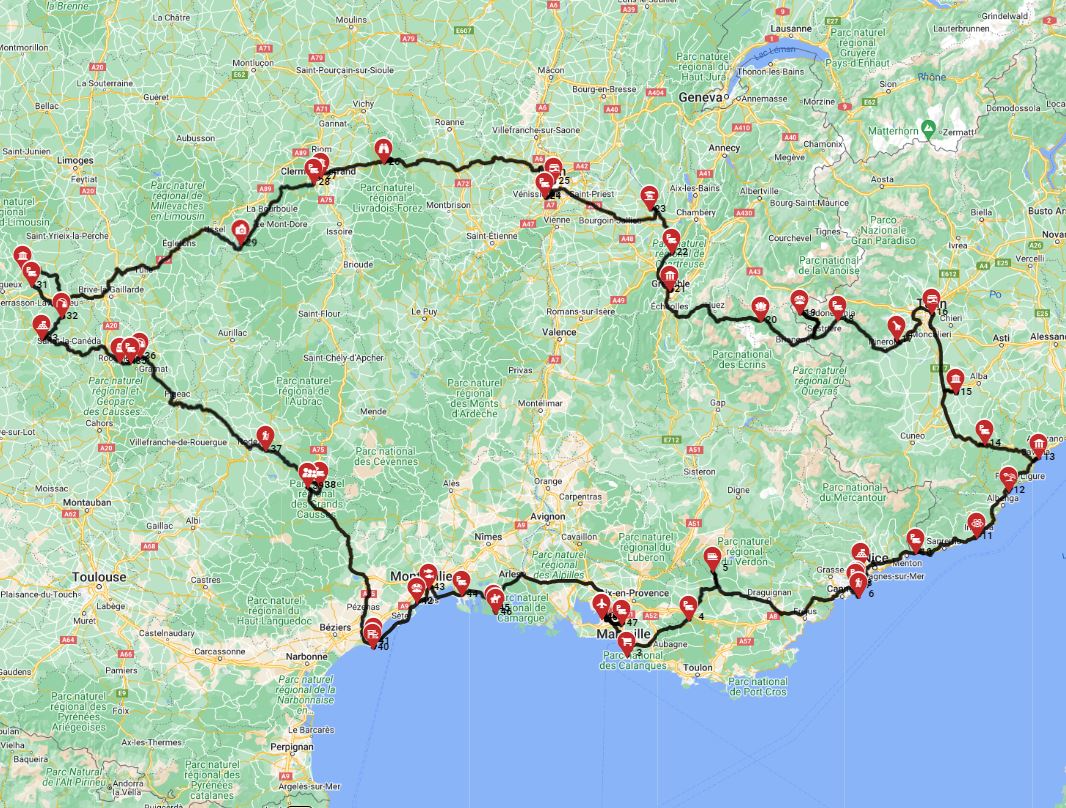
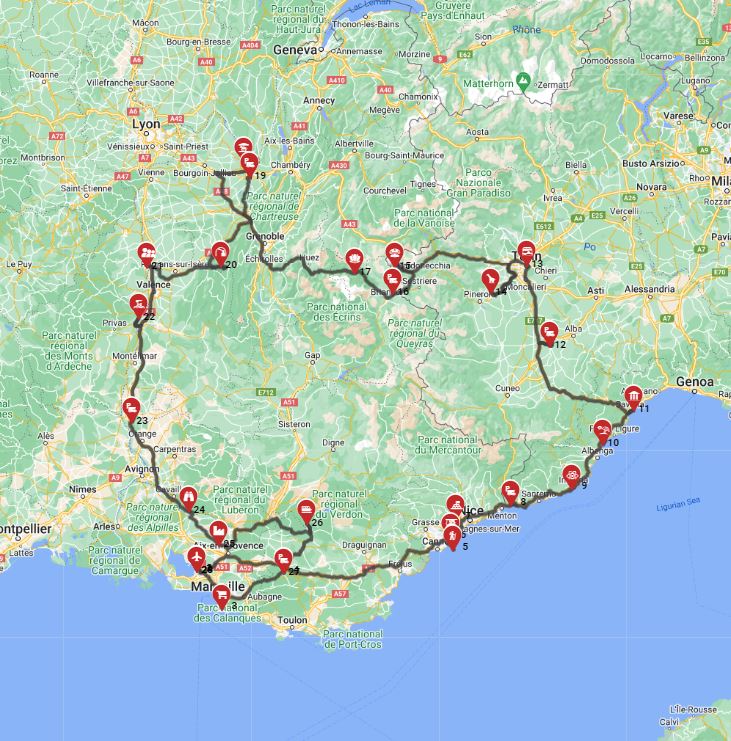
France is widely considered a highly camper-friendly country, offering extensive infrastructure and a welcoming attitude towards motorhome and campervan travelers. This makes it an ideal destination for an extended road trip with a rented RV. The country boasts a vast network of *aires de service*, which are designated motorhome stopovers providing facilities for fresh water, grey water disposal, and black water emptying; many of these are free or low-cost, even in regions close to Marseille. Campsites ('campings') are abundant and diverse, ranging from basic municipal sites to luxurious holiday parks, often located in scenic areas like the coastal stretch towards Cassis and equipped with excellent amenities. While urban driving and parking in dense cities like Marseille can be challenging for larger RVs, the overall road network is well-maintained, facilitating travel through varied landscapes from coastlines to mountains. Local attitudes are generally positive towards campers, provided travelers respect local regulations, especially regarding parking and waste disposal, ensuring a pleasant experience for all. Bandana offers pre-planned routes via RV PLANET, designed by professionals, to make your French RV adventure even easier.🎬 Video coming soon
What You Shouldn't Miss
- Explore the Vieux-Port: Spend a morning wandering the bustling Old Port of Marseille, watching fishermen sell their catch, and enjoying fresh *bouillabaisse*. It’s a sensory feast and the historical heart of the city.
- Hike the Calanques National Park: Just a short drive south from Marseille, the stunning Calanques offer incredible hiking trails, secluded coves with turquoise waters (like Calanque de Sormiou), and breathtaking views of the Mediterranean coastline.
- Visit Notre-Dame de la Garde: Drive your RV to the parking below the basilica, then take a leisurely walk up (or use public transport) to this iconic landmark for panoramic 360-degree views of Marseille, its islands, and the sea.
- Discover Le Panier District: Get lost in the narrow, winding streets of Marseille's oldest neighborhood, Le Panier. You'll find charming artisan shops, colorful street art, and quaint cafes perfect for a coffee break.
- A Day Trip to Aix-en-Provence: Park your RV at a designated spot outside this elegant city (about 30 km north of Marseille) and take a bus into the center to explore its tree-lined Cours Mirabeau, vibrant markets, and beautiful fountains.
Final Thoughts
An RV rental in Marseille promises an unforgettable adventure, blending city exploration with the stunning natural beauty of Provence. From the historic charm of the Vieux-Port to the majestic Calanques, your motorhome or campervan becomes your personal gateway to discovering this vibrant region at your own pace. With Bandana Caravan, you're not just renting a vehicle; you're gaining a partner dedicated to making your journey seamless, transparent, and truly inspiring. Remember, planning is key to unlocking the best deals and ensuring a smooth trip, but spontaneous discoveries are just as rewarding. With our expert guidance, transparent pricing, and robust support, you're well-equipped to embark on your dream French road trip. Don't just dream about it – make it happen! Get inspired for your next trip! Find Motorhome Rentals in MarseilleOn the routes offered through RV PLANET routes, you can itemize and track every expense along the way for easy budgeting.