For live availability and current prices, start with our RV Rental Japan - Complete Guide 2026 guide.
In This Guide
- Top 5 Tips for RV Rental in Japan
- Before You Book - Class, Dates, Insurance
- Pre-Trip Prep - Packing Checklist for Japan
- On the Road - Driving, Fueling, Navigation
- At the Campground - Setup, Hookups & Etiquette
- RV Rental-Specific Tips for Japan
- Common Mistakes to Avoid in Japan
- What Do Foreigners Need for RV Rental in Japan
- What Type of RV is Best for Japan
- How Difficult is Driving an RV in Japan
- How Much Does RV Rental Cost in Japan
- What are the Rules for RV Camping Etiquette in Japan
- What You Shouldn't Miss
- Why Book with Bandana Caravan
- Final Thoughts
- Frequently Asked Questions
Top 5 Tips for RV Rental in Japan
Planning an RV rental in Japan requires careful consideration to ensure a smooth and enjoyable adventure. To secure your preferred vehicle and potentially better rates, book your rented RV well in advance, especially for popular seasons like cherry blossom (late March-early April) or autumn foliage (October-November). Early booking is key, whether you are a pre-planner or a spontaneous traveler, as peak availability can shift quickly. Next, obtaining an International Driving Permit (IDP) from your home country before departure is absolutely essential, as it is a mandatory legal document for driving in Japan and cannot be acquired upon arrival. Opting for a compact campervan or a smaller Class C motorhome is generally advisable for easier navigation on Japan's narrower roads and to simplify parking in both bustling urban areas and serene rural spots. Drive slowly and carefully, and you can drive almost anywhere without issues. No need to stress - just use common sense and pay attention. Furthermore, familiarize yourself with Japan's unique road signs, traffic laws (driving on the left), and general driving etiquette to ensure a safe and smooth journey. Finally, make liberal use of apps and online resources to plan your overnight stays at designated campgrounds, RV parks, or Michi-no-Eki (roadside stations) to avoid unauthorized overnight parking. For live availability and current prices, start with our RV Rental Japan - Complete Guide 2024 guide.Before You Book - Class, Dates, Insurance
Choosing the right motorhome class for your Japanese adventure is a crucial pre-booking step. Japan's infrastructure often favors compact campervans (van conversions) or Class C motorhomes under 6 meters for easier navigation and parking in cities and rural areas; consider vehicle length and width when choosing for optimal maneuverability and toll gate compatibility. We offer a wide range of motorhomes for rent, from nimble campervans like an "Active Compact Select" to comfortable Class C models similar to an "Adak Argonaut 21 - Gold." To secure your preferred RV and potentially better rates, it's advisable to book your rental 3-6 months ahead, particularly for travel during peak seasons such as late March to early April for cherry blossoms or October to November for autumn foliage. Even if you prefer spontaneous trips, many national and state parks reserve only 25-30% of spots in advance, leaving the rest for first-come, first-served arrivals, so you'll often find a spot. If not at the first campground, then the next one; just call ahead before driving. Basic insurance is always included with RV rentals in Japan, covering third-party liability and often a collision damage waiver with an excess. For enhanced security, you can upgrade to a top-level deductible for extra peace of mind, which is an optional add-on available during the booking process. Remember, prices for your chosen campervan or motorhome rental are dynamic, similar to flight tickets, changing daily based on availability, seasonality, and supplier marketing decisions. The final price is always set at the actual booking time, with full transparency and no hidden fees, a core part of Bandana's philosophy.Pre-Trip Prep - Packing Checklist for Japan
For a smooth RV trip in Japan, a comprehensive packing checklist ensures you have all necessary items, from essential documents to practical gear, for your motorhome rental. Start with essential documents:- International Driving Permit (IDP)
- Passport & Visa (if applicable)
- RV Rental Confirmation
- Travel Insurance Details
- Emergency Contact Information
- Layered clothing for varying temperatures
- Comfortable walking shoes
- Rain jacket & Umbrella
- Swimsuit for onsen/beaches
- Slippers (for indoor use, common in Japan)
- Reusable water bottle & coffee cup
- Basic cooking spices
- Small cutting board & knife
- Dish soap & sponge
- Portable cooler/insulated bag
- Portable Wi-Fi device or local SIM card
- Offline maps app (e.g., Google Maps)
- Translation app (e.g., Google Translate)
- Power bank & adapters (Japan uses Type A/B, 100V)
- Basic first-aid kit
- Headlamp/flashlight
At the Campground - Setup, Hookups & Etiquette
Navigating campgrounds in Japan is generally straightforward, but adhering to local etiquette ensures a respectful and enjoyable experience for everyone. Upon arriving at an RV park or campground in Japan, check in at the reception, carefully noting your assigned pitch and any specific rules or amenities for the site. Connecting your rented RV involves following a typical sequence: first, park and level your vehicle, then connect electrical hookups (many sites are 100V and may require a Japanese-spec adapter), followed by fresh water, and finally, ensure proper positioning for grey and black water disposal. Adherence to waste disposal guidelines is paramount in Japan; meticulously separate trash into designated categories (e.g., burnable, non-burnable, plastics, recyclables) at provided bins. Observe quiet hours, typically from 9 PM to 7 AM, by keeping noise levels low, avoiding loud conversations, and refraining from playing music loudly to ensure a peaceful environment for all campers. Show respect for Japanese cultural etiquette by being mindful of others' privacy, keeping shared facilities clean and tidy, and removing shoes in designated areas. RV PLANET offers excellent resources for locating available spots along your route and understanding campground specifics.RV Rental-Specific Tips for Japan
Embracing the network of Michi-no-Eki (roadside stations) across Japan is a unique and highly recommended aspect of RV travel. These stations provide excellent amenities like clean restrooms, local food, and often allow free overnight parking for RVs (though not typically for full camping setups like awnings and outdoor cooking). Integrating visits to public onsen (hot springs) into your itinerary is a wonderful idea; these are deeply ingrained in Japanese culture and offer a unique, relaxing way to unwind and refresh after a day of driving. Prioritizing a compact campervan or a smaller Class C RV, such as an "Acer" or a "Category Small AT", significantly enhances the travel experience, as these vehicles are better suited for navigating Japan's often narrow rural roads and finding parking in smaller towns and attractions. Imagine yourself driving through picturesque villages in a comfortable, easy-to-maneuver camper. Plan your trip according to the season; spring (cherry blossoms) and autumn (foliage) offer comfortable weather and stunning scenery, while summer can be hot and humid, and winter brings heavy snow to many northern and mountainous regions. A portable Wi-Fi device or a local SIM card with generous data is an indispensable tool for RV travel in Japan, crucial for reliable navigation, translation, finding local amenities, and booking accommodations on the go. For more pricing details, check our RV Rental in Japan - Prices and Best Deals 2024.Common Mistakes to Avoid in Japan
Avoiding common pitfalls can make your RV rental in Japan experience even more enjoyable. A common mistake is forgetting to obtain an International Driving Permit (IDP) before arriving in Japan; instead, ensure you secure your IDP in your home country as it is a legal requirement and cannot be acquired upon arrival. Attempting extensive 'wild camping' is generally a mistake in Japan; instead, prioritize using designated campgrounds, RV parks, or Michi-no-Eki for overnight stays to respect local regulations and cultural norms regarding private property and public spaces. Underestimating the cost of expressway tolls is a frequent error; instead, budget realistically for these expenses, and consider renting an Electronic Toll Collection (ETC) card with your RV to streamline payments and potentially save money on specific routes. Failing to understand Japan's meticulous waste disposal rules can lead to issues; instead, familiarize yourself with the strict trash sorting guidelines for burnable, non-burnable, plastics, and recyclables at campgrounds and public facilities. Relying solely on a Japanese-only in-vehicle GPS can be challenging; instead, have a reliable backup such as a smartphone with English-language navigation apps (e.g., Google Maps with downloaded offline areas) and a stable data connection. Looking for a "Cheap RV Rental in Japan - Budget Guide 2024"? We have resources to help you plan wisely.What Do Foreigners Need for RV Rental in Japan
Foreigners planning an RV rental in Japan primarily require an International Driving Permit (IDP), issued in their home country, which must be carried alongside their valid domestic driver's license to legally drive a rented RV in Japan. A standard car driver's license is sufficient for all motorhome classes, from a compact "hire campervan example Paradise S/T" to a larger Class C motorhome like an "Adventurer." A valid passport is essential for all international travelers, and depending on your nationality, a visa for Japan may also be necessary; confirm visa requirements well in advance of your trip. For seamless navigation and communication throughout Japan, it is highly recommended to obtain a local SIM card or rent a portable Wi-Fi device upon arrival. Pre-trip preparation should include familiarizing oneself with Japan's unique traffic laws, understanding common road signs, and learning basic cultural etiquette, particularly concerning waste disposal and public conduct. Downloading essential travel apps, such as a reliable translation app (e.g., Google Translate) and an offline mapping or transit app (e.g., Google Maps), is crucial for enhancing your travel independence.What Type of RV is Best for Japan
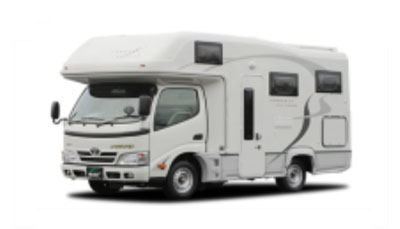
When considering what type of RV is best for Japan, compact campervans or smaller Class C motorhomes, typically under 6 meters (about 20 feet) in length, are generally considered the best options for navigating Japan's often narrower roads, tighter parking spaces, and smaller campground pitches. These more maneuverable vehicles, such as a "campervan hire example Active Classic" or a "rent motorhome example A1," offer significant advantages for driving through both bustling city streets and winding rural mountain passes, making the overall driving experience less stressful. Drive slowly and carefully, and you can drive almost anywhere without issues. No need to stress - just use common sense and pay attention. When choosing an RV, consider the number of travelers and your required sleeping capacity, but prioritize a vehicle that balances interior comfort with external dimensions suitable for Japanese infrastructure. Opting for a rented RV with efficient fuel consumption is also a wise choice, as gasoline costs can be a significant part of your travel budget in Japan. Reviewing specific vehicle dimensions, including height and width, is important to ensure compatibility with local tunnels, bridges, and parking structures.How Difficult is Driving an RV in Japan
Driving a rented RV in Japan can present unique challenges for foreign visitors, primarily due to driving on the left side of the road, the prevalence of narrower rural and city streets, and potentially unfamiliar road signage. Japanese expressways are generally well-maintained and efficient but typically incur significant tolls, which can add up quickly; an ETC (Electronic Toll Collection) card is highly recommended for smooth passage and potential cost savings. Finding suitable parking for larger RVs in urban centers can be particularly difficult and expensive, making the choice of a smaller, more compact vehicle, like a "campervan hire example MiniVan" or "rent rv example A2", advantageous for city exploration. Drive slowly and carefully, and you can drive almost anywhere without issues. No need to stress - just use common sense and pay attention. While Japanese drivers are generally polite and adhere to traffic laws, constant vigilance is required, especially when navigating unfamiliar routes or complex intersections. Utilizing a reliable English-speaking GPS or a navigation app on your smartphone is crucial, as some in-vehicle systems may only offer Japanese language options, complicating directions.How Much Does RV Rental Cost in Japan
The cost of RV rental in Japan typically ranges from ¥15,000 to ¥35,000 (approximately $100-$230 USD) per day in 2024, varying significantly based on the RV's size, rental duration, the season of travel, and the specific rental provider. Beyond the base rental fee, significant additional expenses to budget for include fuel, which averages around ¥170-¥190 per liter (approximately $1.10-$1.25 USD) for regular gasoline in 2024, and expressway tolls, which can be substantial on long journeys. Campground fees usually range from ¥1,000 to ¥5,000 (approximately $7-$35 USD) per night, depending on amenities and location, while urban parking can also incur costs from ¥500-¥1,000+ per hour. Renting an ETC card with your RV is highly recommended for managing tolls efficiently and potentially accessing discounts, helping to mitigate overall driving expenses. To manage costs effectively, consider booking during off-peak seasons, cooking some of your meals in the RV, and utilizing free overnight parking options at Michi-no-Eki when appropriate. Our "RV Rental Deals in Japan - Latest Offers 2024" guide provides more in-depth pricing details and tips.What are the Rules for RV Camping Etiquette in Japan
RV camping in Japan requires strict adherence to designated areas; 'wild camping' or parking overnight outside of official campgrounds, RV parks, or approved Michi-no-Eki (roadside stations) is generally prohibited and culturally discouraged. At Michi-no-Eki, while overnight parking for rest is usually allowed, it's crucial to understand that these are not campgrounds; full camping setups like deploying awnings, setting out chairs, or cooking extensively outdoors are typically not permitted. Observing quiet hours, usually beginning around 9 PM, is essential; minimize noise levels, avoid loud conversations or music, and use generators sparingly or not at all during these times to respect fellow campers. Japanese culture emphasizes meticulous waste disposal; RVers must diligently sort their trash into specific categories-burnable, non-burnable, plastics, and recyclables-and dispose of it in designated bins. Show respect when using shared facilities, such as public onsen (hot springs) or restrooms, by maintaining cleanliness, tidiness, and following any specific local rules, like removing shoes where indicated. Travel slowly, max 100-150 km per day on average. Take time to feel the place, connect to the culture, the food, and the scenery.What You Shouldn't Miss
- **Explore Kyoto's Temples and Gardens:** Park your rented motorhome outside the city center and use public transport to immerse yourself in the ancient beauty of places like Fushimi Inari-taisha and Arashiyama Bamboo Grove.
- **Drive the scenic routes of Hokkaido:** Discover vast national parks and stunning coastlines in Japan's northernmost prefecture, ideal for extended road trips with a campervan.
- **Experience a traditional Onsen:** Seek out one of the many public hot spring resorts, especially in areas like Hakone or Beppu, for a truly relaxing cultural immersion.
- **Visit the historic sites of Hiroshima and Miyajima:** Reflect at the Peace Memorial Park and take a ferry to see the iconic floating torii gate.
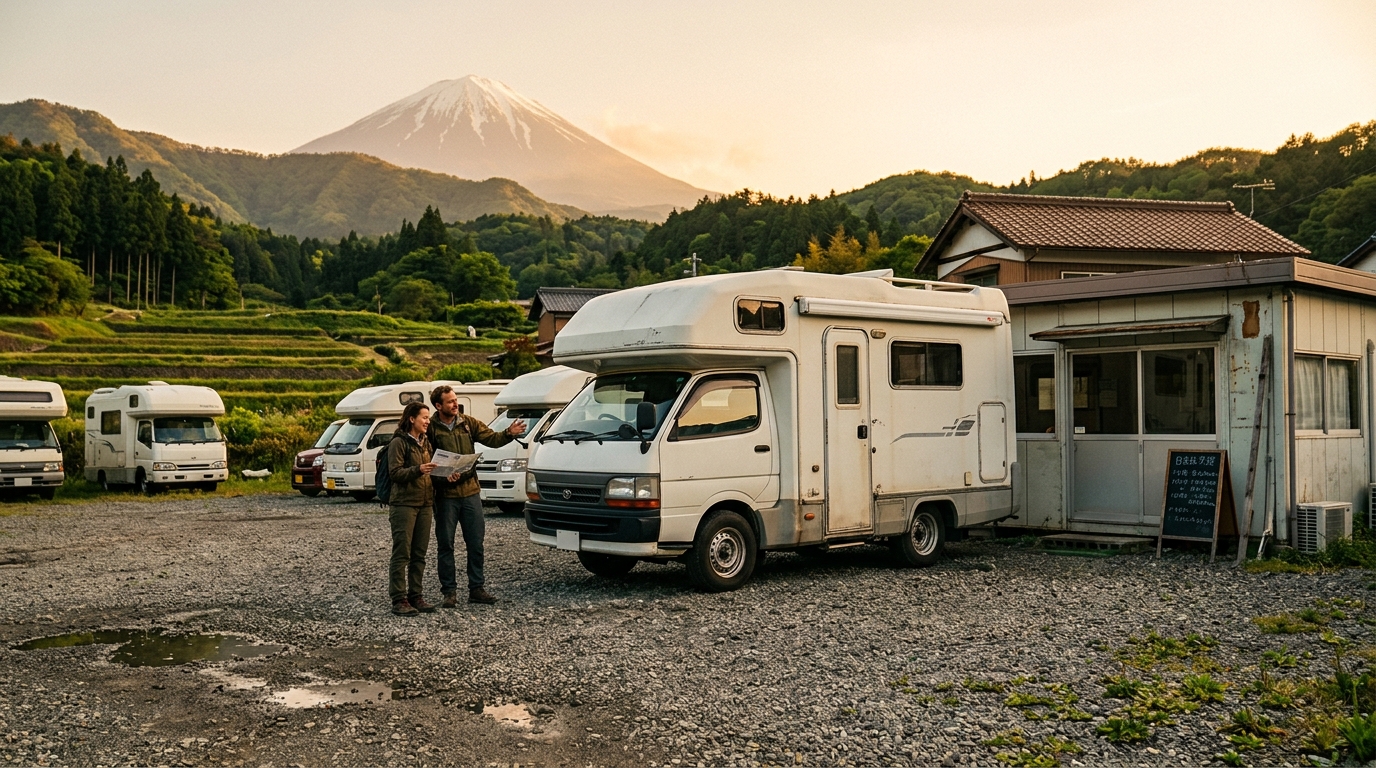
- **Hike Mount Fuji's surrounding areas:** Enjoy the views of Japan's most famous peak from the Fuji Five Lakes region, where many RV-friendly campgrounds offer breathtaking vistas.
Final Thoughts
An RV rental in Japan is more than just a vacation; it's an opportunity to immerse yourself in a unique culture, explore breathtaking landscapes, and create unforgettable memories at your own pace. With a little preparation and an open mind, you'll find that Japan offers an incredibly rewarding experience for motorhome travelers. From the bustling streets of Tokyo to the tranquil temples of Kyoto and the majestic views of Mount Fuji, your rented campervan is your key to discovering it all. We at Bandana Caravan are here to support you every step of the way, making the process of finding and booking your ideal RV rental as straightforward and stress-free as possible. Compare motorhome prices for Japan today and let us help you embark on your extraordinary adventure. Get ready to hit the road and experience the magic of Japan!On the routes offered through RV PLANET routes, you can itemize and track every expense along the way for easy budgeting.