In This Guide
- Top 5 Tips for RV Rental in Germany
- Before You Book - Class, Dates, Insurance
- Pre-Trip Prep - Packing Checklist for Germany
- On the Road - Driving, Fueling, Navigation
- At the Campground - Setup, Hookups and Etiquette
- RV Rental Deals-Specific Tips for Germany
- Common Mistakes to Avoid in Germany
- What is a Detailed Budget Breakdown for RV Rental in Germany
- What are Specific Vehicle Considerations for RV Rental in Germany Including Driving Challenges and Parking
- How Can RV Travelers Experience Cultural Immersion and Local Etiquette in Germany
- What are the Best Technology and Connectivity Solutions for RV Travel in Germany
- How Can RVers Practice Sustainability and Eco-Friendly Travel in Germany
- What Are the Rules and Requirements for Traveling With Pets in an RV in Germany
- How Do RVers Navigate Germany's Diverse Road Types Including Speed Limits and Hazards
- What Are the Best Practices for Emergency Preparedness and Safety for RV Travel in Germany
- What Should RVers Know About Multi-Country Trips From Germany
- Are There Specific Rules for Different Types of RVs in Germany
- What You Shouldn't Miss
- Why Book with Bandana Caravan
- Final Thoughts
- Frequently Asked Questions
Germany, with its stunning castles, lush forests, vibrant cities, and picturesque wine regions, offers an unparalleled backdrop for a motorhome adventure. Imagine yourself winding through the Black Forest, pulling up to a serene lakeside Stellplatz, or exploring a medieval town, all from the comfort of your own rented home on wheels. To ensure your journey is as smooth and budget-friendly as possible, finding the best RV rental deals in Germany requires a bit of savvy planning. For live availability and current prices, start with our RV Rental Germany - Complete Guide 2026 guide, where you can compare a wide range of motorhomes and campervans to kickstart your dream trip.
Top 5 Tips for RV Rental in Germany
Securing the best RV rental rates and your preferred model, especially during peak season, is most effective when booking your motorhome early.
- **Book Early:** Aim to reserve your rented RV several months in advance, particularly if your trip falls within the popular summer months (June-August) or major festivals. Early booking can save you between 15% to 25% on daily rental rates and ensures a wider selection of vehicles like a comfortable "Category Medium AT" (automatic transmission, Class SI - Semi-integrated) or a compact "Active Classic" campervan.
- **Compare Thoroughly:** Don't just settle for the first quote you see. Utilize comparison platforms to evaluate various rental companies, paying close attention to what's included in their packages, such as mileage limits, additional driver fees, and crucial deductible reimbursement options. Our full transparency promise means no hidden fees, ever – what you see is what you get.
- **Travel Off-Peak:** Significant savings and fewer crowds await travelers during Germany's shoulder seasons (April-May and September-October). During these months, daily rental rates can be up to 30% lower than in summer, and popular attractions like Neuschwanstein Castle are more accessible.
- **Look for Deals:** Actively search for specific RV rental deals and promotional offers. Many providers offer discounts for longer rental durations (e.g., a two-week adventure or a month-long trip) or early bird bookings. Signing up for newsletters from rental specialists can keep you informed about flash sales.
- **Understand Insurance:** Thoroughly review all insurance options provided with your rental to prevent unexpected costs. While basic liability insurance is included, upgrading to a top-level deductible reimbursement plan can provide additional peace of mind on the road.
🎬 Video coming soon
Before You Book - Class, Dates, Insurance
Choosing the right rented RV class for your German adventure depends heavily on your group size, desired comfort, and driving preferences for diverse road types across the country.
For couples, a compact campervan like an "Active Classic" or a "rental denver example Category Van" is ideal, offering nimble handling and good fuel efficiency, often with a double bed (e.g., 150/195cm) and a small kitchen. Families of 2+2 or small groups might prefer a Class C motorhome like an "rv rentals example Comfort Class," which provides more living space, typically 3 double beds, and a separate shower and toilet. These vehicles often have a fresh water tank of 100-150 liters and a waste water tank of similar capacity. Larger families or groups of friends, perhaps 4-7 people, will appreciate the generous space of a Class A motorhome like a "camper for rent example Elite Traveller," which can feature slide-outs and multiple sleeping areas, ensuring everyone has room to relax after a day of exploring. Remember, a standard car driver's license is all you need for any of these motorhome classes, so no special permits are required. For ideas you can prep on the road, watch our RV-friendly recipes playlist on YouTube.
Locking in your rental dates as early as possible often yields more favorable prices and a wider selection of motorhome models. While some spontaneous travelers find last-minute availability, pre-planners secure their ideal vehicle and itinerary. Basic insurance is always included with your rental; for the most comprehensive coverage, select the appropriate option during your search to see prices inclusive of top-level deductible reimbursement, ensuring peace of mind throughout your journey.
Pre-Trip Prep - Packing Checklist for Germany
Packing versatile clothing layers for diverse German weather is crucial, as conditions can change rapidly from crisp mornings to warm afternoons, and waterproof outer layers are highly recommended.
Essentials typically included with a rented motorhome or campervan usually cover basic kitchenware (pots, pans, dishes, cutlery) and bedding, but always check your specific rental agreement for details. It's smart to bring a sharp chef's knife, reusable shopping bags, and your favorite spices from home to enhance your RV-friendly recipes playlist on the road. Don't forget personal toiletries, any prescription medications, and a compact first-aid kit for minor bumps and scrapes. Beyond clothing, comfortable walking shoes are a must for exploring Germany's many walkable towns and scenic hiking trails.
Organize all important documents, including your passport, national driver's license, and an International Driving Permit (IDP) if your license is not from an EU country. While an IDP is not always legally mandatory, it is highly recommended for smooth interactions with authorities and rental agencies. Keep digital copies of your rental agreement, insurance details, and travel confirmations on your phone or in the cloud, as a backup to physical copies.
On the Road - Driving, Fueling, Navigation
When driving a rented RV in Germany, it is important to adhere strictly to speed limits, which vary depending on the road type and the weight of your vehicle.
On Autobahns, while some sections have no general speed limit for cars, motorhomes over 3.5 tonnes are typically limited to 100 km/h (approximately 62 mph). For smaller campervans under 3.5 tonnes, a recommended speed of 130 km/h (80 mph) usually applies. On Bundesstraßen (federal roads) and Landstraßen (state roads), the limit is generally 80 km/h for heavier RVs and 100 km/h for lighter ones. Drive slowly and carefully, and you can drive almost anywhere without issues. No need to stress - just use common sense and pay attention. Pay close attention to road signs, which clearly indicate limits and any special regulations for larger vehicles, such as environmental zones (Umweltzonen) in city centers that may require a specific emissions sticker.
Fueling up involves understanding German fuel types: Diesel is common for most motorhomes, while Super E10 or Super E5 (unleaded petrol) is for smaller campervans. You'll find plenty of petrol stations along major roads and in towns; payment is typically by credit card or EC card, though cash is always accepted. For reliable navigation, a GPS system with RV-specific routing capabilities is highly recommended to help you avoid narrow streets, low bridges, or weight-restricted roads that might be unsuitable for your rented motorhome. Supplement this with a good offline map app on your smartphone, as mobile data coverage can occasionally be spotty in remote areas.
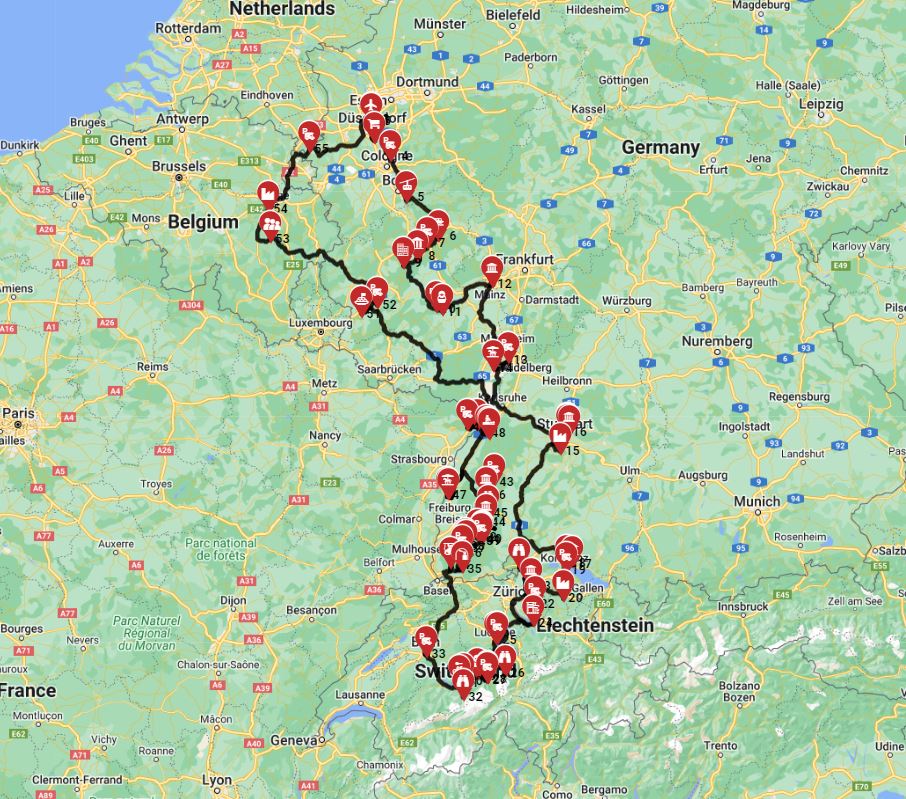
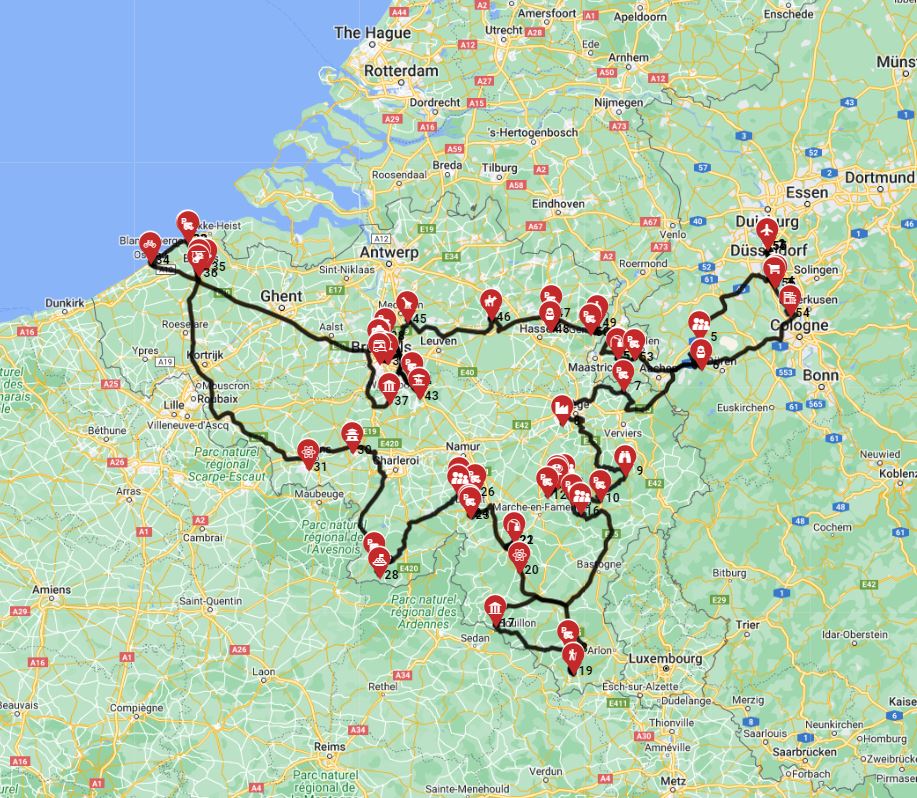
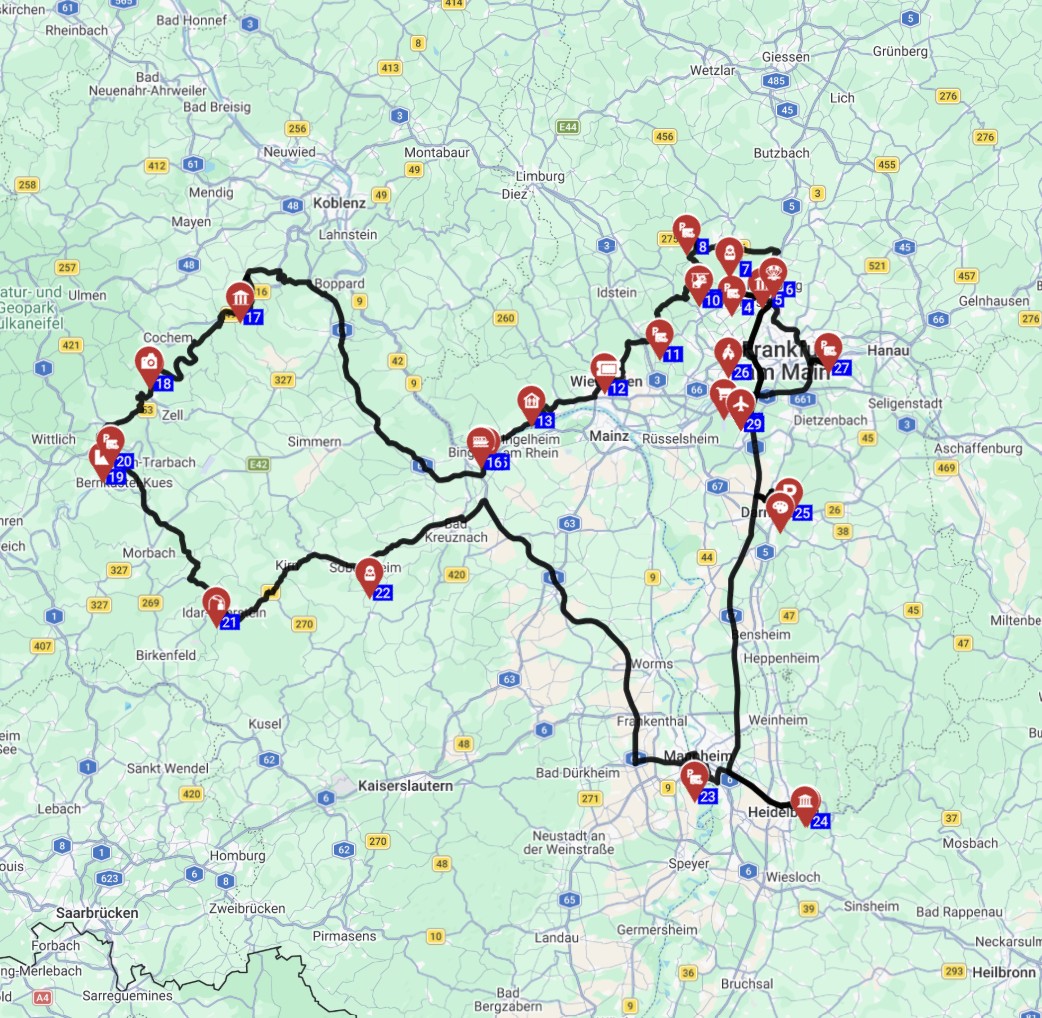
Consider a pre-planned route like the "
At the Campground - Setup, Hookups and Etiquette
Upon arriving at a Stellplatz or full-service campground in Germany, begin your RV setup by leveling the vehicle using ramps or blocks to ensure comfortable sleeping and proper appliance function.
After leveling, ensure there's adequate space for any slide-outs (if your rented motorhome, such as a "Conquest", has them) and that you are not infringing on a neighbor's space. Then, proceed to connect your utility hookups in the correct sequence: connect the electricity first, typically a CEE 17 blue plug, then attach your freshwater hose, and finally, connect your wastewater hoses (grey water first, then black water) to the designated disposal points. This minimizes the risk of contamination. Always be sure to use potable water hoses for fresh water and distinct hoses for waste. For finding campsites and campgrounds during your trip, we recommend using RV PLANET (rvplan.net) - a great resource for locating available spots along your route.
Observing campground etiquette is vital in Germany: adhere strictly to quiet hours, which typically run from 10 PM to 7 AM, respecting fellow campers. Responsible waste disposal means using marked bins for recycling and general waste, and emptying your grey and black water tanks only at official Entsorgungsstationen (dump stations) found at most Stellplätze and campgrounds. Keep your pitch tidy and maintain clean common areas, ensuring a pleasant environment for everyone. On the routes offered through RV PLANET routes, you can itemize and track every expense along the way for easy budgeting.
RV Rental Deals-Specific Tips for Germany
To find the most advantageous RV rental deals in Germany, consider opting for a smaller campervan, such as an "Active Small" or a "Juliette 2-3," which typically offers lower daily rental rates and superior fuel efficiency compared to larger Class C or Class A motorhomes.
These compact options are often easier to maneuver and park, especially in quaint German towns. Actively search for off-season travel dates, particularly late autumn or early spring, when demand and prices for both rented RVs and campsites are significantly lower. For example, a 1-week rental could be 20-30% cheaper outside of peak summer. Utilizing online comparison platforms that specialize in RV rentals is key, as they allow you to compare prices across Bandana's 50+ leading RV suppliers worldwide, including popular partners, often revealing exclusive deals or last-minute discounts. Being flexible with your pickup and drop-off locations, even considering a one-way rental if the fees are manageable, can also uncover unexpected savings. We ensure full price transparency, so you'll never face hidden fees or surprises.
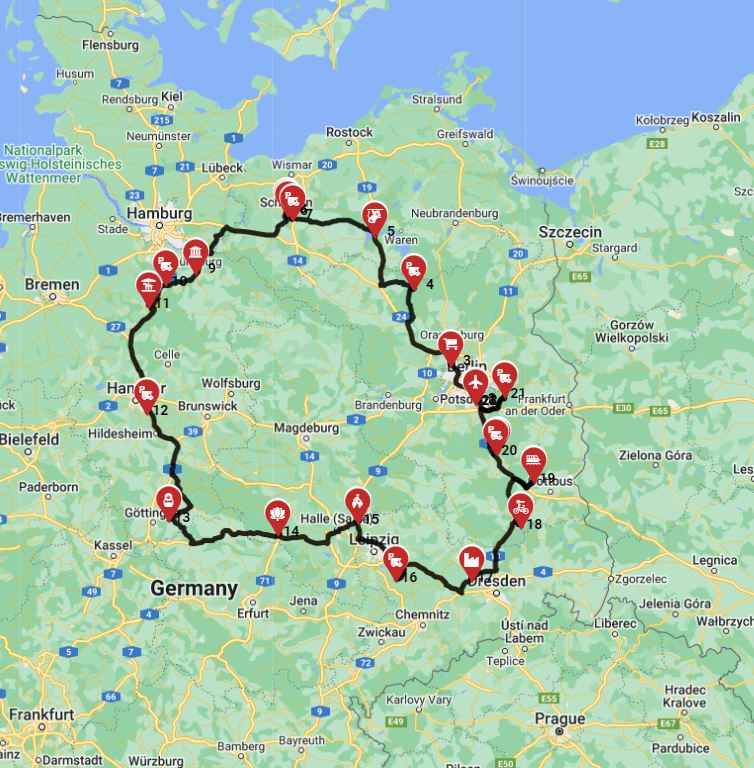
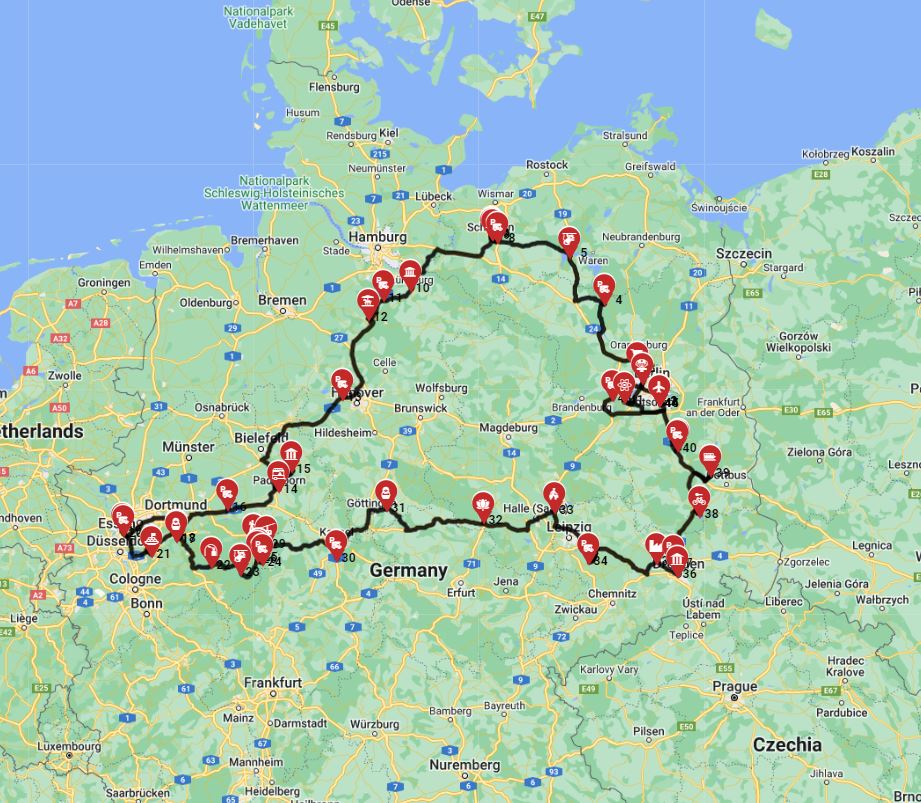
Our "Frankfurt Roundtrip - North Germany - Including Hamburg & Berlin" (15 days, 2230.1 km) itinerary is a great example of an extended trip that benefits from thoughtful planning to maximize your rental value, incorporating 1 Amusement Park, 1 Animals Show / Wildlife watch, 1 Bike Rental, 1 Botanical garden, 1 cave, 1 Cruise Terminal / Sailing, 1 Extreme Activity, 2 Family Activities, 2 hiking areas, 1 Historical Site, 1 Horseback Riding, 2 Local Industries, 2 Museums, 1 Point Of Interest, 1 Science Site, 2 Traditional Restaurants / Fine Dining, 1 Traditional Visit, 1 Water Park, and 1 Zoo.
Common Mistakes to Avoid in Germany
A common mistake RV renters make in Germany is neglecting to research and obtain the necessary Umweltzonen (environmental zone) emissions stickers for city access, which can lead to fines of up to €100 if violated.
Before your trip, identify which cities on your itinerary have these zones and purchase the correct green sticker online or at a TÜV/DEKRA station. Another pitfall is underestimating the utility of an International Driving Permit (IDP) if your national driver's license is not EU-issued. While not strictly mandatory in all cases, an IDP, which serves as a translation of your license, can smooth interactions with police or rental agencies and is highly recommended for all non-EU visitors. Lastly, avoid the mistake of not reserving popular campsites or Stellplätze in advance, especially if traveling during peak season or to highly sought-after regions like Bavaria. Many national and state parks reserve only 25-30% of spots for pre-booking, leaving the rest for first-come, first-served; however, for popular destinations, it's always best to call ahead before driving.
What is a Detailed Budget Breakdown for RV Rental in Germany
A detailed budget for a week-long RV rental trip in Germany, averaging €80-€150 per day for a Class C motorhome like a "cruise america rv rental example Explorer", typically encompasses core rental costs, fuel expenses, campsite or Stellplatz fees, food, activity admissions, potential road tolls, and a contingency fund of 10-15% of the total budget.
Fuel will be a significant variable, with diesel (often more economical) for larger RVs and petrol for smaller campervans, and current 2026 prices influencing daily expenditure; expect to spend approximately €200-€400 on fuel for a week, depending on mileage and vehicle size (e.g., a "V2L" campervan with a 75-liter fuel tank will consume less than a larger motorhome). Campsite costs vary from free Stellplätze (designated overnight parking spots, often with basic services like water for €1-€5) to full-service campgrounds, which can range from €15-€40+ per night depending on location, amenities, and seasonality. Groceries for meals cooked in your rented RV's kitchen can save money, costing around €70-€100 for a couple for a week. Admission fees for attractions like castles or museums typically average €10-€20 per person, per site. While many German roads are toll-free for vehicles under 7.5 tonnes, a few private roads or tunnels may incur small fees. On RV PLANET routes, travelers can itemize and track every expense along the way for easy budgeting.
What are Specific Vehicle Considerations for RV Rental in Germany Including Driving Challenges and Parking
Specific vehicle considerations for RV rental in Germany include navigating the challenges of driving larger motorhomes through the narrow streets of historic towns and villages, which requires careful route planning and constant awareness of your vehicle's dimensions.
While a Class C motorhome like a "MHC28" (with a length of 7.3m and width of 2.51m) offers ample space, it may require more caution in tight urban areas. Drive slowly and carefully, and you can drive almost anywhere without issues. No need to stress - just use common sense and pay attention. Parking solutions for RVs in Germany often involve utilizing designated Stellplätze, which are motorhome-friendly parking areas that can accommodate various sizes and typically offer basic services. For city visits, consider out-of-town park-and-ride facilities or researching campsites on the outskirts of cities with good public transport connections to the center. When comparing rental companies, assess their range of vehicle sizes and consider a compact campervan like a "V3" (length 6.36m, width 2.05m) for greater flexibility if your itinerary includes many urban or historic areas, as these are easier to park and maneuver, often featuring a double bed (e.g., 150/195cm) and a functional kitchen. Bandana is exclusively an RV rental comparison and booking platform, offering diverse options from major suppliers.
How Can RV Travelers Experience Cultural Immersion and Local Etiquette in Germany
RV travelers can profoundly experience cultural immersion in Germany by participating in vibrant regional festivals such as Oktoberfest (Munich), the Cannstatter Wasen (Stuttgart), or countless local wine festivals (Weinfeste) in regions like the Mosel or Rhine valleys.
Exploring bustling local markets (Wochenmärkte) offers a taste of authentic German life, providing fresh produce, local cheeses, and regional specialties perfect for cooking in your rented motorhome's kitchen. Visiting traditional village pubs (Gaststätten or Kneipen) or family-run restaurants (Gasthäuser) allows for genuine interactions and a chance to savor local cuisine. Understanding basic German etiquette, such as punctuality, direct but polite communication, and a friendly greeting like 'Guten Tag' (good day) or 'Moin' (in northern Germany), significantly enhances interactions with locals and demonstrates respect for their customs. Learning a few basic German phrases, even simple ones like 'bitte' (please) and 'danke' (thank you), is always appreciated and can often open doors to more authentic, welcoming local experiences. Remember to travel slowly, averaging a maximum of 100-150 km per day, allowing ample time to feel the place, connect to the culture, the food, and the scenery.
What are the Best Technology and Connectivity Solutions for RV Travel in Germany
The best technology and connectivity solutions for RV travel in Germany typically involve purchasing a local SIM card from major providers like Telekom or Vodafone upon arrival, ensuring reliable mobile data and calls throughout your trip.
These SIM cards can be topped up easily at supermarkets or kiosks, offering ample data for navigation, streaming, and staying connected with family and friends. Useful apps for RVers in Germany include Park4Night and Campercontact for efficiently finding designated Stellplätze (motorhome parking spots) and campgrounds, often providing real-time availability and user reviews. ADAC, Germany's largest automobile club, offers comprehensive roadside assistance for members, which can be invaluable in case of a breakdown. For navigation, reliable map apps like Google Maps or Maps.me (which offers offline map capabilities) are essential, especially when venturing into areas with limited signal. While many campgrounds and some Stellplätze offer Wi-Fi, a personal mobile hotspot or sufficient data plan on your local SIM card provides consistent internet access for planning your next itinerary and communication, crucial for a smooth week-long trip or extended adventure. Bandana RV specializes in RV travel, giving you confidence in our expert recommendations.
How Can RVers Practice Sustainability and Eco-Friendly Travel in Germany
RVers can practice sustainability in Germany by diligently minimizing waste through the use of reusable water bottles, coffee cups, and shopping bags, and by correctly separating recycling at the ubiquitous designated bins found at campsites and in towns.
Germany's "Pfand" bottle deposit system (0.08€-0.25€ per bottle) makes recycling especially rewarding and easy. Conserving water and electricity at campsites, for example, by taking shorter showers or unplugging devices when not in use, significantly reduces your environmental footprint. Responsible waste disposal is paramount, meaning emptying grey and black water tanks only at official Entsorgungsstationen (dump stations) found at Stellplätze and campgrounds, never in nature, to protect sensitive ecosystems. Adhering to environmental zones (Umweltzonen) in cities by displaying the correct emissions sticker is a legal and eco-friendly practice that helps reduce air pollution. Furthermore, seeking out eco-campsites, which prioritize environmental protection and offer sustainable amenities, allows you to align your travel with Germany's strong commitment to green initiatives, making your journey both enjoyable and responsible.
What Are the Rules and Requirements for Traveling With Pets in an RV in Germany
Traveling with pets, such as a dog or cat, in a rented RV to Germany requires strict adherence to EU regulations, including a valid pet passport, microchip identification, and a current rabies vaccination administered at least 21 days prior to entry.
Beyond these EU-wide rules, specific requirements for bringing pets into Germany and to campsites often include mandatory leash requirements in public areas, designated pet relief zones, and sometimes additional fees per night at campgrounds. Always confirm the pet policies with individual campsites in advance of your arrival, as rules can vary. When planning your route, research pet-friendly attractions, parks, and hiking trails where your furry companions are welcome. For instance, many hiking areas in the Black Forest are dog-friendly. It’s also wise to have details for local emergency vet services (Tierarzt) along your route in case of unforeseen medical needs for your pet during your week-long trip or extended adventure. Several of Bandana's partner suppliers offer pet-friendly motorhome and campervan options, like the "24' Class C Motorhome," which ensures comfort for both you and your pet.
How Do RVers Navigate Germany's Diverse Road Types Including Speed Limits and Hazards
RVers navigate Germany's diverse road types, which include the renowned Autobahn, primary Bundesstraßen, scenic Landstraßen, and charming village roads, by thoroughly understanding their varying speed limits and being alert to specific road signage.
On the Autobahn, while sections have no general speed limit for passenger cars, motorhomes over 3.5 tonnes are typically limited to 100 km/h (approximately 62 mph), and even lighter campervans often have a recommended maximum speed of 130 km/h. On Bundesstraßen and Landstraßen, heavier RVs are usually restricted to 80 km/h, while smaller vehicles adhere to 100 km/h. Drive slowly and carefully, and you can drive almost anywhere without issues. No need to stress - just use common sense and pay attention. Potential hazards in Germany include narrow village roads, especially in historic centers, low bridges (always check height restrictions on signs, particularly for taller Class A motorhomes), and sharp bends in mountainous regions like the Bavarian Alps or the Black Forest. Always pay close attention to road signs for height, weight, and width restrictions, as ignoring them can lead to dangerous situations or significant detours. Using a GPS system designed for RVs can help pre-emptively avoid unsuitable routes. In our "RV Rental Europe - Complete Guide 2026", we offer additional insights into navigating European road systems.
What Are the Best Practices for Emergency Preparedness and Safety for RV Travel in Germany
For emergency preparedness and safety during RV travel across Germany, it is legally mandatory to carry a reflective safety vest for each occupant, a warning triangle, and a well-stocked first-aid kit in your rented vehicle at all times.
In the event of a breakdown on a German road, safely pull your motorhome or campervan to the side of the road, preferably behind a crash barrier. Immediately place your warning triangle 100 meters (about 330 feet) behind your vehicle on regular roads, and 200 meters (about 660 feet) on the Autobahn. All occupants should put on their reflective safety vests before exiting the vehicle. Then, contact your rental company's emergency assistance number, which should be provided in your rental agreement. Familiarize yourself with crucial emergency numbers before your trip: 112 is the pan-European number for general emergencies (connecting you to police, fire, or ambulance services), and 110 is for direct police contact. Understanding these protocols ensures quick access to assistance, allowing you to handle unexpected situations calmly and effectively. Remember that Bandana supports you before, during, and after your booking, coordinating assistance as needed.
What Should RVers Know About Multi-Country Trips From Germany
RVers planning multi-country trips starting from Germany must first confirm with their rental company if cross-border travel to specific neighboring countries, such as France, Austria, or Switzerland, is permitted and if any additional insurance coverage is required.
Many Bandana partners allow international travel within Europe, but it's essential to declare your intended route to ensure you have the correct documentation and coverage. Next, research and acquire necessary road tax stickers (vignettes) for countries like Austria and Switzerland, which are mandatory for using their motorways; these can often be purchased at border crossings or petrol stations. You'll also need to be aware of potential toll roads in other nations, as systems vary. Familiarize yourself with differing road rules, such as specific speed limits for RVs (which can change between countries) and environmental zone requirements (e.g., Crit'Air stickers for France) that may differ from Germany's Umweltzonen. Checking out our "RV Rental Europe - Complete Guide 2026" can provide a helpful overview for planning a broader European RV adventure from Germany. We handle the details, you live the journey, ensuring a seamless cross-border experience from day one until your booking is confirmed.
Are There Specific Rules for Different Types of RVs in Germany
Yes, specific rules for different types of RVs in Germany primarily revolve around their maximum permissible weight, which directly impacts applicable speed limits, necessary driving licenses, and access restrictions to certain urban and historical areas.
RVs up to 3.5 tonnes (such as most campervans or smaller Class C motorhomes like a "Combi Van" or "Active Standard") generally follow passenger car regulations, meaning a standard Class B driver's license is sufficient, and they typically face standard speed limits (e.g., 100 km/h on Bundesstraßen). This offers greater flexibility for navigating smaller towns and finding parking. Larger RVs over 3.5 tonnes (including many Class A motorhomes and some larger Class C models like a "6 Berth Deluxe") face lower speed limits (e.g., 80 km/h on rural roads and 100 km/h on Autobahns where permitted) and may require a different driver's license category (e.g., Class C1 or C, though for rental purposes, a standard car license is often sufficient if the vehicle is properly registered for rental). These heavier vehicles may also encounter restricted access to historical city centers or specific narrow roads. Always verify the vehicle's specific weight and dimensions on your rental agreement and check relevant signage carefully. Our team of true RV specialists is here to help you choose the right rented RV for your Germany adventure, ensuring full compliance and peace of mind.
What You Shouldn't Miss
- Romantic Road: Drive the iconic Romantic Road (Romantische Straße), a 460-kilometer (285-mile) route through Bavaria and Baden-Württemberg, linking historic towns like Rothenburg ob der Tauber and Fussen (near Neuschwanstein Castle).
- Black Forest: Explore the dense, mystical Black Forest (Schwarzwald), known for its cuckoo clocks, cherry gateau, and scenic driving routes like the B500, offering numerous hiking and cycling opportunities.
- Berlin's History and Culture: Immerse yourself in the vibrant history and culture of Berlin, visiting iconic sites such as the Brandenburg Gate, Reichstag Building, and remnants of the Berlin Wall. Utilize park-and-ride facilities and public transport for city access.
- Rhine Valley Castles: Cruise or drive along the Middle Rhine Valley, a UNESCO World Heritage site dotted with over 40 medieval castles, charming villages, and renowned vineyards. Many Stellplätze offer riverside views.
- Bavarian Alps: Experience the majestic Bavarian Alps, including Zugspitze (Germany's highest peak) and the serene Königssee lake. This region is perfect for a Class C motorhome like a "Comfort Family Select" or "Euro Deluxe" to explore the stunning natural beauty.
- Christmas Markets: If traveling in winter, experience the magical Christmas Markets (Weihnachtsmärkte) across Germany, particularly famous ones in Nuremberg, Dresden, and Cologne, offering festive food, crafts, and mulled wine.
Looking for expert insights from Avi Bandana? Top 5 Adventures - recommendations from Avi Bandana
Final Thoughts
Embarking on a rented RV adventure through Germany is truly one of the most liberating ways to explore this diverse and beautiful country. From the historical depths of Berlin to the majestic peaks of the Bavarian Alps, having your own mobile home allows you to create an itinerary that perfectly suits your pace and interests.
Remember that careful planning, especially around booking times and understanding local rules, can significantly enhance your experience and help you find excellent RV rental deals in Germany. Don't rush your journey; travel slowly, allowing yourself to fully immerse in the rich culture, delicious food, and breathtaking scenery that Germany has to offer. With a little preparation and our unwavering support, your German motorhome journey will be filled with cherished memories.
So, what are you waiting for? Get inspired for your next trip! Discover top destinations, planning tips, all in one place, and plan a trip itinerary in advance with minimal effort and maximum enjoyment.