In This Guide
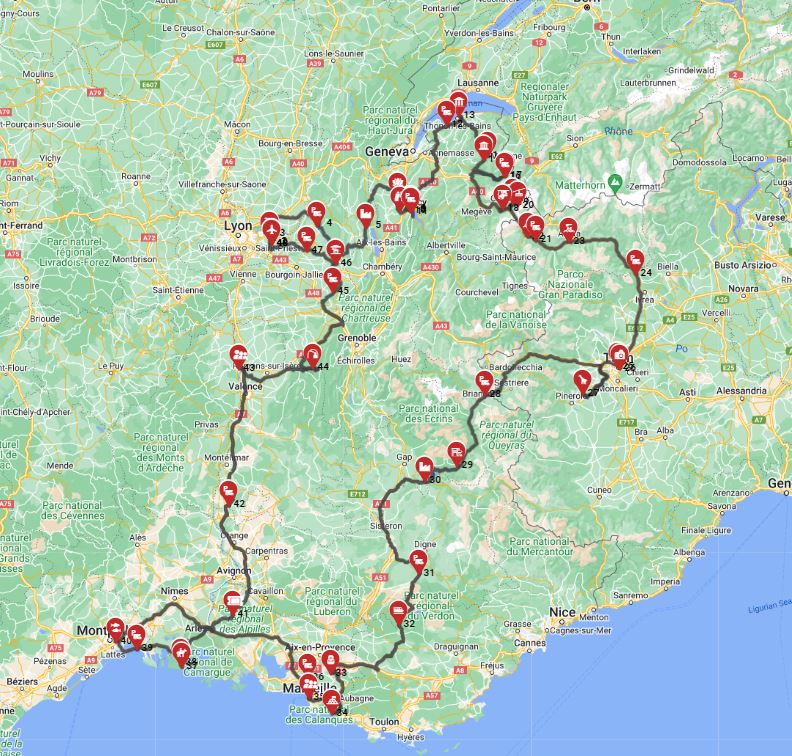
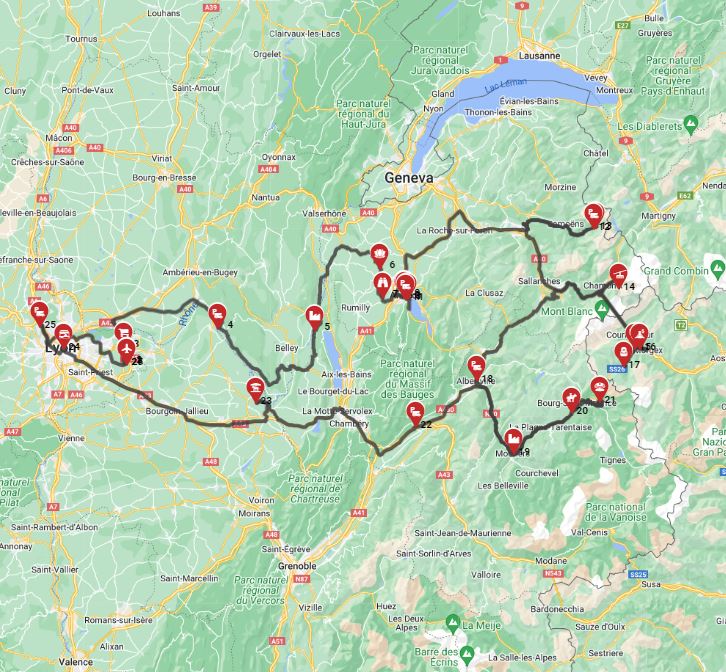
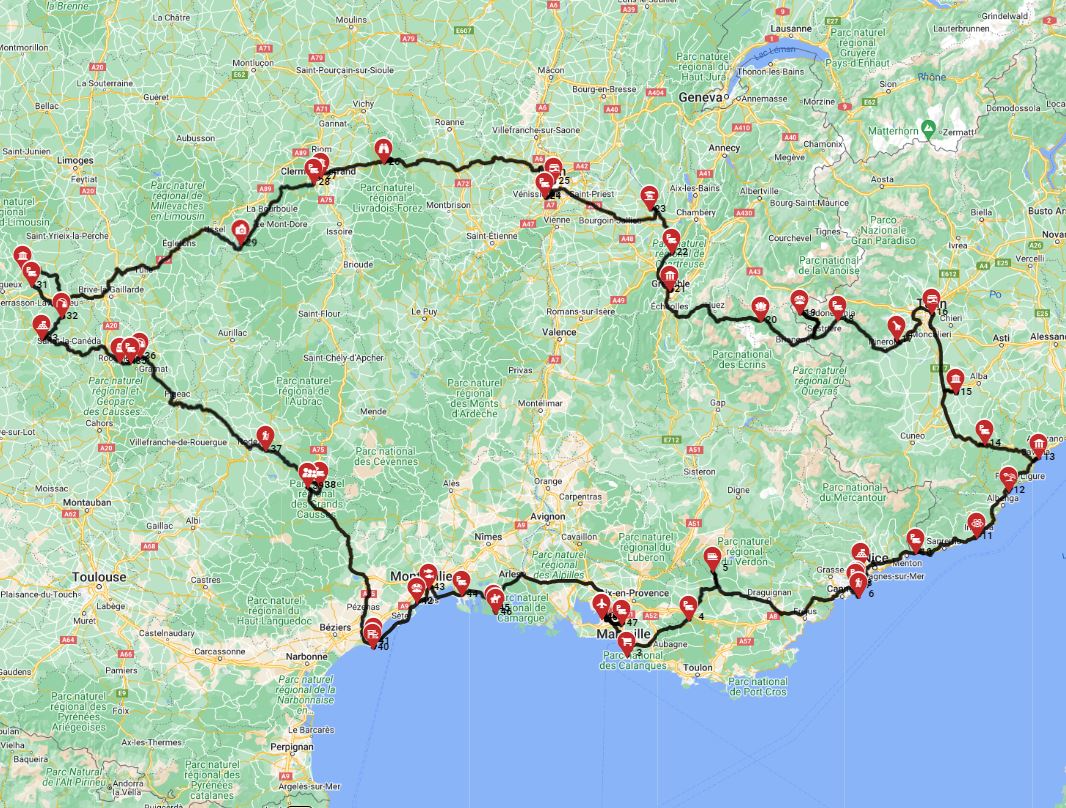
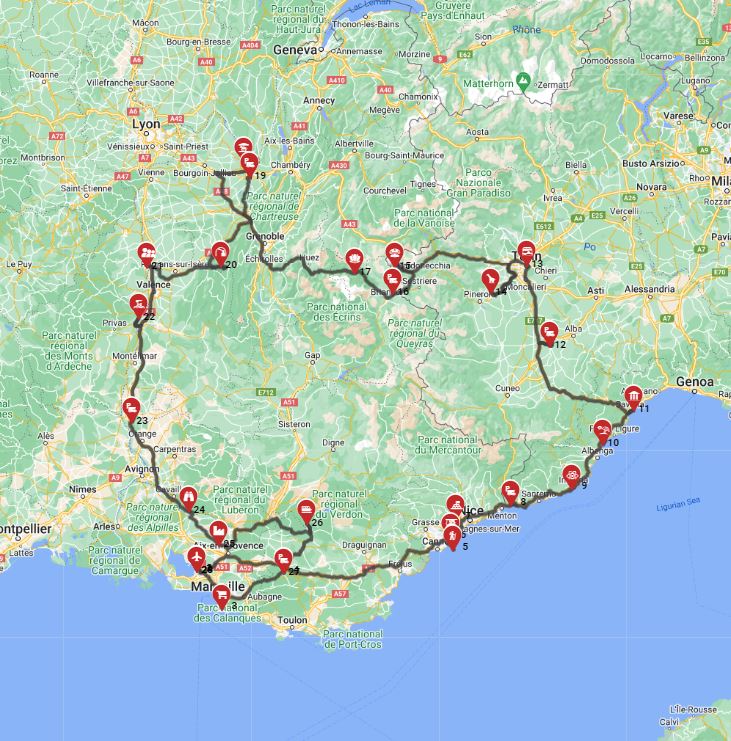
Ah, France! The mere mention of it conjures images of rolling vineyards, quaint villages, stunning coastlines, and a culture rich in history and gastronomy. Imagine yourself exploring these iconic landscapes from the comfort of your own rented motorhome. An RV trip in France offers unparalleled freedom, allowing you to immerse yourself in the local way of life, from vibrant markets to tranquil countryside. With Bandana RV, we're here to ensure your journey is seamless and unforgettable. For live availability and current prices, start with our RV Rental France - Complete Guide 2026 guide.
Top 5 Tips for RV Rental Deals in France
Finding the best RV rental deals in France requires strategic planning, especially when aiming for peak experiences without peak prices. Booking early is paramount to securing better rates and a wider selection of vehicles, particularly for popular travel periods like July and August where prices can be 20-30% higher. For instance, a small campervan like the "rv rental denver example Category Van" for two people, which typically features a front air conditioner and a recent model, might cost around €80-€120 per day when booked 4-6 months out, but jump to €150-€200 closer to the date.
Comparing prices across multiple platforms is crucial to unveil the best overall deal, ensuring you scrutinize all included and hidden fees, as Bandana RV prides itself on full transparency with no surprises. Considering travel during shoulder seasons, such as May-June or September-October, often yields significantly lower rates, fewer crowds, and pleasant weather conditions, potentially saving you up to 30% on daily rental costs. Always verify what's included in your rental package upfront to prevent unexpected costs for essential items like kitchen kits, bedding, or outdoor furniture, as these add-ons can increase your total trip cost by €50-€200. Finally, many suppliers offer reduced daily rates for extended trips of 2 weeks or more, so look for long-term rental discounts if your adventure allows, further optimizing your budget. On the routes offered through RV PLANET routes, you can itemize and track every expense along the way for easy budgeting.
Before You Book - Class, Dates, Insurance
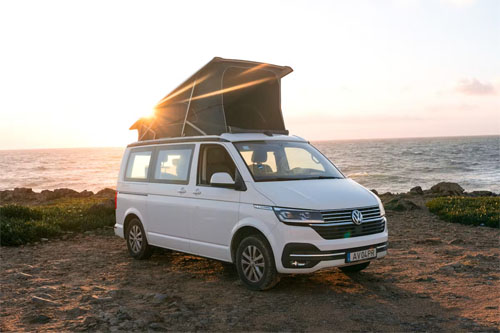
Selecting the right RV class is a foundational decision impacting both your comfort and driving experience in France. Smaller campervans, such as a "hire campervan example Paradise S/T" for couples, often prove more agile and fuel-efficient on France's winding country roads and within historic city centers, offering greater flexibility with parking. Larger motorhomes, like a "campervan hire new zealand example Euro Deluxe," which can accommodate 4-6 people with features like multiple double beds and a roof air conditioner, offer more space and amenities but require careful navigation, especially in older towns where streets might be narrower. Drive slowly and carefully, and you can drive almost anywhere without issues. No need to stress - just use common sense and pay attention.
Locking in your booking dates well in advance, ideally 3-12 months before peak travel periods, ensures better availability and more favorable pricing, as popular models can be reserved quickly. Understanding your insurance options is also vital for peace of mind; basic insurance is always included in your rental, but you can upgrade to a top-level deductible for extra protection and reduced liability in case of an incident. Bandana RV's comparison platform allows you to select comprehensive coverage during your search, displaying all relevant pricing details with full transparency so there are no surprises at pickup.
Pre-Trip Prep - Packing Checklist for France
A well-organized packing checklist will significantly enhance your RV adventure in France, ensuring you have everything you need without overpacking. Layered clothing is essential for France's varied climates, from sunny Mediterranean coasts to cooler mountainous regions, so include a waterproof jacket and comfortable walking shoes for exploring villages and trails. Kitchen essentials like reusable bags for market visits, a small cooler for picnics, and basic spices are invaluable for preparing meals in your RV's kitchen, allowing you to enjoy fresh local produce and authentic French flavors; check out our RV-friendly recipes playlist for inspiration.
Mandatory safety items such as a first-aid kit, a high-visibility vest for each passenger, and a warning triangle are legally required to be carried in your vehicle, so confirm these are included with your rental or pack your own. Gather all necessary documents, including your valid national driver's license (a standard car license is sufficient for all motorhome classes), an International Driving Permit (recommended for non-EU visitors, though not mandatory in all cases), your passport, and copies of your rental agreement and insurance details. For seamless navigation and connectivity, consider a local SIM card or eSIM, download offline maps, and bring a power bank for your devices.
🎬 Video coming soon
On the Road - Driving, Fueling, Navigation
Navigating French roads in your rented motorhome is an enjoyable experience with a little preparation. Familiarize yourself with French driving rules, which include driving on the right side of the road, mandatory seatbelt usage for all passengers, and speed limits typically ranging from 80-130 km/h on highways, 80 km/h on national roads, and 50 km/h in urban areas. Pay close attention to specific road signs, particularly those indicating RV restrictions or parking limitations in historic towns and villages. Drive slowly and carefully, and you can drive almost anywhere without issues. No need to stress - just use common sense and pay attention.
Utilize RV-specific navigation apps like Park4Night or Campercontact to avoid narrow streets, low bridges, and to locate appropriate parking spots, often found on the outskirts of towns with 'Camping-Car' signs. Diesel, known as 'Gazole,' is the most common fuel for RVs in France and is often cheapest at large supermarket petrol stations (e.g., Carrefour, Leclerc). Be aware of 'péage' (toll) roads, which are common on major French highways; you can pay with cash or card, or consider purchasing an electronic badge like a Liber-t tag for convenient automatic payments. To stay connected for real-time navigation and access online resources, a local SIM card or eSIM is recommended, and downloading offline maps ensures coverage even in rural areas. Practicing eco-friendly driving by minimizing idling, respecting speed limits, and planning efficient routes also contributes to a smoother and more sustainable journey.
At the Campground - Setup, Hookups & Etiquette
Mastering campground setup is key to a relaxing RV experience in France. Once you arrive at your chosen spot, carefully park and level your rented motorhome, then engage the parking brake and secure it with wheel chocks. The next step is to connect your electricity hookup, typically a blue CEE plug (Europlug), to a 220-240V, 16-amp power supply. Following this, connect your fresh water hose to the designated potable water tap, ensuring it's a clean hose used only for fresh water. Finally, manage your grey water (from sinks and showers) and black water (from the toilet) disposal at the designated 'vidange' (dumping) points, ensuring proper hygiene and environmental responsibility. We compare final prices across 50+ suppliers so you don't have to worry about these details, knowing your RV is well-equipped.
Adhering to campground etiquette is essential for a harmonious stay; respect 'quiet hours,' which typically run from 10 PM to 8 AM, and keep noise to a minimum. Maintain a tidy pitch, disposing of all waste in the appropriate bins, and follow any waste sorting guidelines provided by the campground to minimize your environmental impact. Conserving resources is also vital: use water and electricity judiciously, and opt for eco-friendly cleaning products when possible. Many French campsites offer a range of amenities, including fresh bread delivery services, swimming pools, and activity programs, providing a wonderful opportunity to relax and connect with other travelers.
RV-Specific Tips for France
France offers unique opportunities for RVers seeking an authentic and budget-friendly travel experience beyond traditional campsites. Leveraging 'Aires de Service pour Camping-Cars' is a fantastic strategy; these dedicated motorhome stopovers, found in most towns and often free or low-cost (typically under €20), provide essential services like fresh water, waste disposal, and sometimes electricity. The distinctive 'France Passion' program allows free overnight stays at hundreds of vineyards, farms, and artisan producers, offering unparalleled local immersion, where you can sample local wines and produce directly from the source. Apps like Park4Night are invaluable for locating these options and many other overnight spots throughout the country.
Maximizing savings by preparing your own meals is another excellent tip; explore local markets for fresh, seasonal ingredients and regional specialties, transforming your rented RV's kitchen into a mobile French bistro. This not only cuts down on dining costs, which can significantly add to your overall trip expense, but also offers a deeper cultural connection through food. For managing all your ancillary trip costs, including groceries, campground fees, and fuel, RV PLANET routes allow you to itemize and track every expense for easy budgeting. Traveling during shoulder seasons (April-May or September-October) benefits from lower rental rates, reduced campsite fees, and fewer tourist crowds, while still enjoying pleasant weather. Opting for smaller, more fuel-efficient campervans (like a Class B model) or compact Class C motorhomes can significantly reduce fuel expenses, which can be considerable on a week-long trip, and enhance maneuverability on smaller French roads. When booking your RV rental, remember that a "Patagonia Camper 4x4 double cab" is ideal for a couple and is a small RV size, whereas a "cruise america rv rental example Explorer" can sleep 4 people comfortably and offers a double bed and a bed over the cab, ensuring you pick the right size for your journey.
Common Mistakes to Avoid in France
Even seasoned travelers can make common mistakes when RVing in France, but with awareness, you can easily avoid them. One frequent error is underestimating the challenges of navigating narrow French roads, particularly in historic villages. While you can drive almost anywhere without issues if you proceed slowly and carefully, choosing an RV size appropriate for your comfort level and itinerary, or prioritizing smaller campervans, can make a significant difference. Another mistake is ignoring local road signs and restrictions, especially those specifically for RVs (often marked with a 'Camping-Car' symbol and a red circle with a diagonal line for prohibition); using RV-specific GPS navigation helps you avoid restricted areas and low bridges.
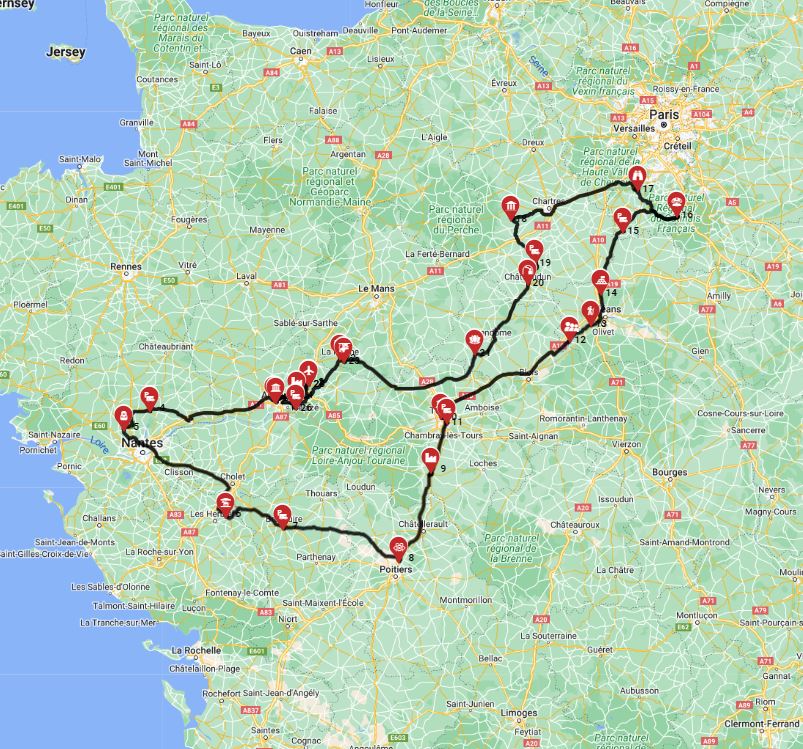
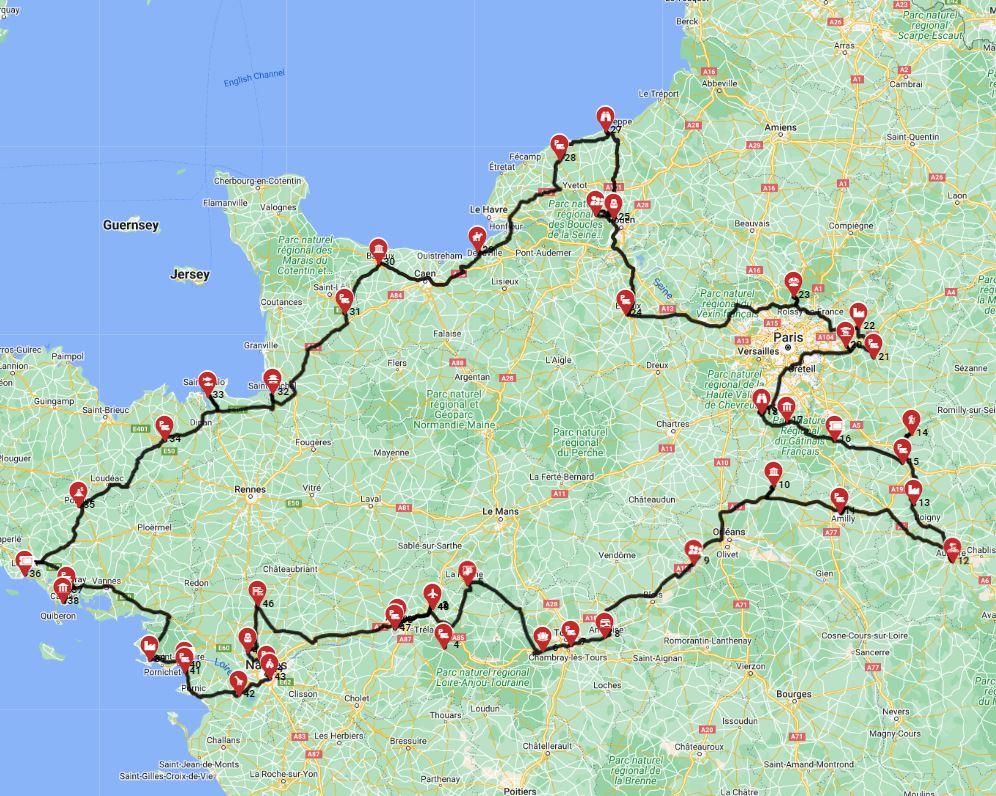
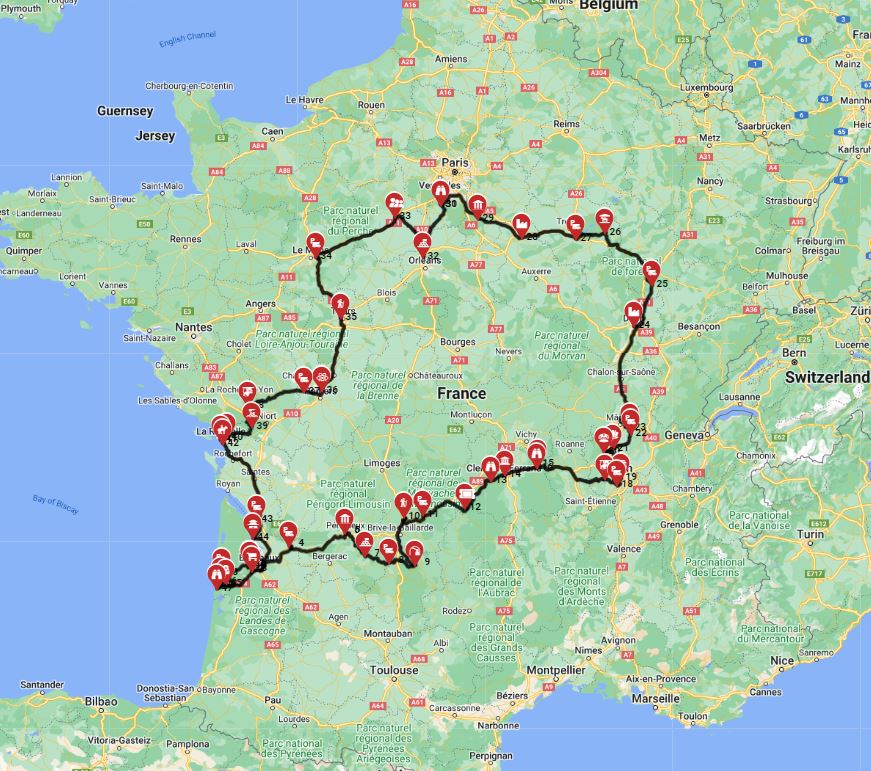
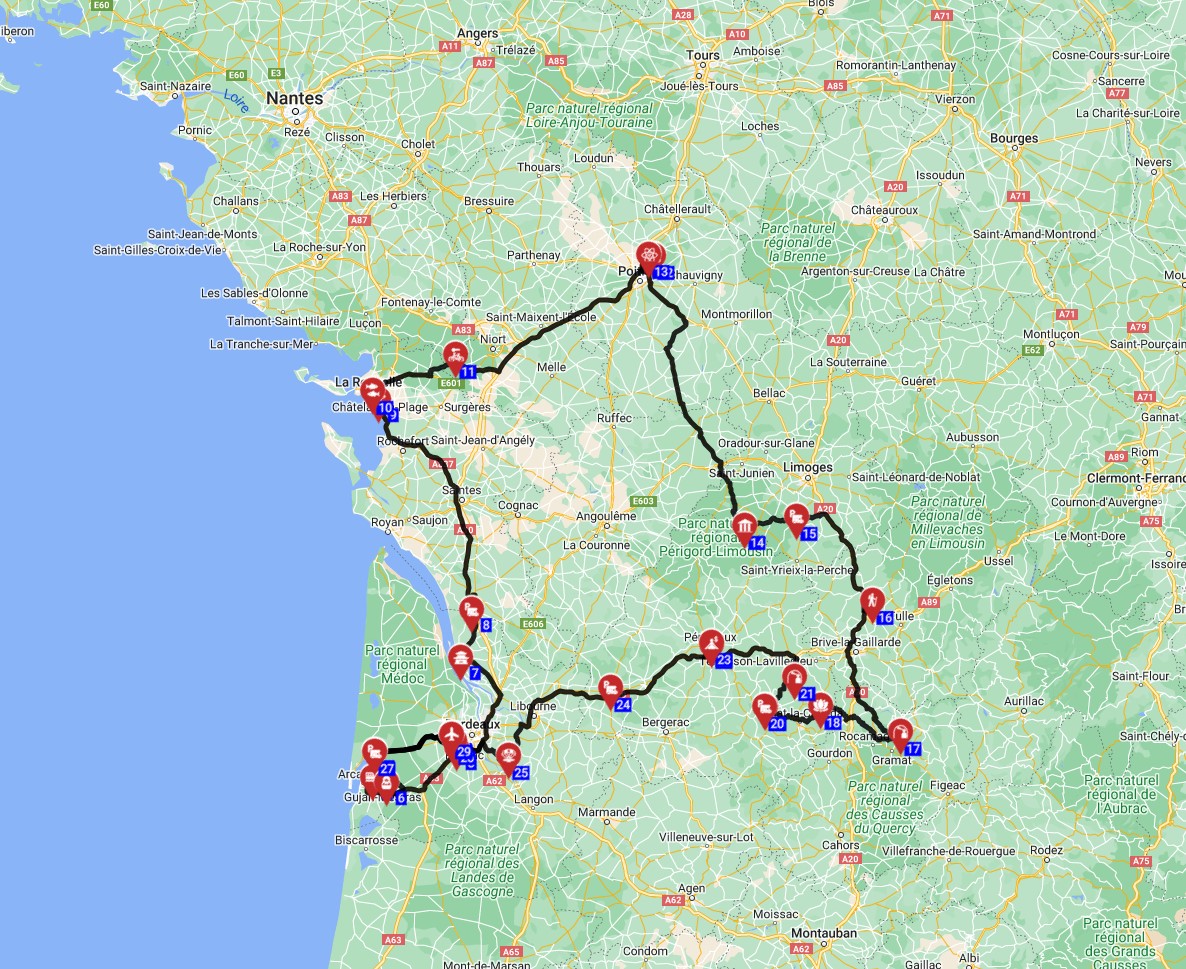
Refrain from not booking campgrounds or *Aires de Service* in advance during peak season. While many are first-come-first-serve, popular spots fill up quickly. Always secure your overnight stays early, or use apps like Park4Night to find available spots on the go and call ahead. For international visitors, forgetting to carry an International Driving Permit (IDP) alongside your national license can lead to issues, even if it's not strictly mandatory in all cases. It’s a simple step that offers peace of mind. Ensure your rented RV is equipped with mandatory safety items like a high-visibility vest and warning triangle, as these are legal requirements. Finally, resist the urge to over-schedule your RV trip. Travel slowly, maximum 100-150 km per day on average, and allow flexibility for spontaneous stops, unexpected discoveries, and deeper cultural immersion. Our Rent&Plan service provides pre-planned routes by professionals, helping you avoid this common pitfall and offering a 25% planning discount when you use rvplan.net.
What You Shouldn't Miss
- Chateaux of the Loire Valley: Explore magnificent castles like Château de Chambord and Château de Chenonceau, with many offering RV parking nearby.
- Lavender Fields of Provence: Plan your trip for late June to early August to witness the breathtaking purple landscapes around Valensole and Sault.
- D-Day Landing Beaches & Mont Saint-Michel: Journey through Normandy's poignant historical sites before marveling at the iconic tidal island abbey.
- Scenic Drives in the French Alps: Traverse breathtaking mountain passes on routes like the Route des Grandes Alpes, experiencing stunning natural beauty.
- Dordogne's Prehistoric Caves: Discover the ancient artistry of Lascaux IV and the charming medieval towns along the Dordogne River.
- Côte d'Azur Coastline: Enjoy the glamour of Nice and Cannes, or find secluded coves for a relaxing day by the Mediterranean Sea.
Looking for expert insights from Avi Bandana? Top 5 Adventures - recommendations from Avi Bandana
Final Thoughts
A motorhome adventure through France promises an unparalleled blend of culture, history, and stunning natural beauty, all explored at your own pace. By utilizing these tips for finding the best deals, preparing thoroughly, and navigating local customs with confidence, you're set for an incredible journey. Remember, the key is to embrace slow travel, allowing yourself the time to truly connect with each place, savor the food, and soak in the scenery.
Whether you're exploring the charming cities of Angers and Annecy or venturing further to the unique Corsica region (see our Ajaccio - Corsica and Ajaccio - Corsica Airport guides), a rented RV offers the ultimate flexibility. With Bandana RV, you have a trusted partner comparing final prices across 50+ suppliers, ensuring you embark on your French road trip with honesty and transparency. So, pack your bags, prepare your palate, and get ready to discover the magic of France!
Discover top destinations and planning tips all in one place, or plan a trip itinerary in advance with minimal effort and maximum enjoyment. Compare Motorhome Prices for France now to begin your unforgettable journey.