In This Guide
- Top 5 Tips for RV Rental in Estonia
- Before You Book - Class, Dates, Insurance
- Pre-Trip Prep - Packing Checklist for Estonia
- On the Road - Driving, Fueling, Navigation
- At the Campground - Setup, Hookups & Etiquette
- RV-Specific Tips for Estonia
- Common Mistakes to Avoid in Estonia
- When is the Best Time to RV in Estonia?
- How Long Should I Rent an RV in Estonia?
- What are the Best RV Itineraries in Estonia?
- Is it Safe to RV in Estonia?
- What Cultural Experiences Can I Have by RV in Estonia?
- What Type of RV is Best for Estonia?
- What Types of RV Campgrounds are in Estonia?
- What is Included in an RV Rental in Estonia?
- How Much Does an RV Trip in Estonia Cost?
- Can You Wild Camp with an RV in Estonia?
- Where Can I Find RV Dump and Fill Stations in Estonia?
- What You Shouldn't Miss
- Why Book with Bandana Caravan
- Final Thoughts
- Frequently Asked Questions
Estonia, with its pristine forests, sprawling bogs, and captivating Baltic coastline, offers an idyllic setting for an RV rental adventure. Imagine the freedom of exploring medieval towns like Tallinn, wandering through untouched national parks, and discovering charming fishing villages, all from the comfort of your mobile home. With a rented motorhome, you're not just booking a vacation; you're unlocking a flexible, intimate way to connect with Estonia's unique culture and breathtaking natural beauty.
To ensure a smooth and budget-friendly journey, understanding the nuances of RV rental in Estonia is key. For live availability and current prices, start with our RV Rental Estonia - Complete Guide 2026 guide. We're here to help you navigate every step, from choosing the perfect campervan to mastering local road etiquette, ensuring your Estonian road trip is nothing short of spectacular. We believe in full transparency, which means no hidden fees or surprises throughout your booking process.
Top 5 Tips for RV Rental in Estonia
Securing the best value for your RV rental in Estonia involves strategic planning and attention to detail. Firstly, booking your campervan or motorhome well in advance, especially for summer travel, generally yields better rates and wider availability. Many travelers report savings of up to 25% by reserving 3-6 months before their trip, particularly for popular 4-berth Class C motorhomes, like a "Category Family 5" model.
Secondly, consider traveling during the shoulder seasons of spring (May-June) or early autumn (September-October) for typically lower prices and fewer crowds. These periods often offer pleasant weather for exploring Estonia's natural landscapes without the peak summer rush. Thirdly, opting for a smaller, more fuel-efficient RV, such as a compact campervan like the "hire campervan example Paradise S/T" which averages 10-13 L/100km, can significantly reduce your overall trip costs if your travel party is compact and budget is a priority. Fourthly, compare offers from multiple rental providers to find competitive deals and package inclusions, leveraging platforms that clearly outline all costs from various suppliers, just like Bandana Caravan does. Finally, actively look for special promotions or long-term rental discounts, as many companies offer better per-day rates for extended adventures of a week or more.
Before You Book - Class, Dates, Insurance
Choosing the right RV class for your Estonian journey is essential, as it depends on your group size, comfort preferences, and planned route. For couples or solo adventurers navigating winding coastal roads and smaller towns, a compact campervan (Class B) with features like a double bed and a compact kitchen often provides excellent maneuverability and fuel efficiency.
Families or larger groups may prefer a Class C motorhome, such as a "Category Family 5" model with ample sleeping capacity and a larger fresh water tank of around 100-150 liters, offering more amenities and living space for longer trips. Locking in your rental dates as early as possible, ideally 3-6 months ahead for peak summer season (July-August), often secures the best pricing and vehicle choice. Basic third-party insurance is always included with RV rentals in Estonia, but for truly comprehensive coverage and greater peace of mind, you can upgrade to a top-level deductible reimbursement, which is an optional add-on. We encourage you to carefully review all insurance choices and their associated costs during your search to select the option that best suits your travel style.
Pre-Trip Prep - Packing Checklist for Estonia
Packing for your Estonian RV rental adventure requires a thoughtful approach to ensure comfort and preparedness for varied conditions. Given Estonia's often unpredictable climate, it is advisable to pack versatile clothing layers suitable for quickly changing weather, including waterproof outer shells and warm mid-layers even in summer. Don't forget comfortable walking shoes for exploring national parks and city streets. Essentials for self-catering, like a reusable water bottle and a few basic cooking spices, will be invaluable, especially if you plan to enjoy some RV-friendly recipes playlist on board. While many rentals include basic kitchenware, confirming this beforehand is wise.
Safety gear such as a first-aid kit, reflective vests (mandatory for roadside stops outside urban areas), and a torch is highly recommended. Always carry your necessary travel documents, including your passport, driver's license (a standard car driver's license is sufficient for all motorhome classes), and any rental agreements. An International Driving Permit (IDP) is recommended for visitors from non-English speaking countries, though not strictly mandatory in all cases. Remember, a well-organized packing list ensures you have everything needed for comfortable and safe RV travel throughout your extended road trip.
On the Road - Driving, Fueling, Navigation
Driving an RV in Estonia is generally a straightforward experience due to well-maintained roads and sparse traffic outside of major cities like Tallinn. However, it's crucial to pay attention to speed limits, which are typically 50 km/h in urban areas, 90 km/h on rural roads, and occasionally 110 km/h on certain motorways during summer. Drive slowly and carefully, and you can drive almost anywhere without issues. No need to stress - just use common sense and pay attention. Be particularly mindful on gravel roads, common in national parks and more remote regions, adjusting your speed to avoid damage and ensure comfort. Remember, slow travel is the best travel - aim for a maximum of 100-150 km per day on average to truly soak in the scenery.
Fueling up is convenient across Estonia, with numerous petrol stations available, especially along main routes. Diesel (marked as "diisel") is the predominant fuel type for most RVs, and it is always a good idea to fill your tank before venturing into more remote areas, especially on islands or deeply forested regions where stations can be sparse. For navigation, rely on a combination of a reliable GPS device, pre-downloaded offline maps (using apps like Google Maps or Maps.me) for areas with spotty mobile signal, and even a physical map as a backup. While major roads are well-signposted, some smaller, more picturesque routes might not be perfectly mapped digitally, making local navigation more of an adventure.
At the Campground - Setup, Hookups & Etiquette
Setting up your RV at an Estonian campground is a simple process that enhances your comfort and connection with nature. Upon arrival, find your designated spot, ensure your rented motorhome is level using blocks if necessary, and then proceed with utility hookups. The typical order for hookups begins with connecting electricity (220-240V European standard), followed by fresh water, and finally the wastewater hose for grey and black water tanks. Always double-check all connections are secure to prevent leaks and ensure proper functioning of your RV's systems.
Campground etiquette in Estonia, much like in the rest of Europe, emphasizes respect for fellow campers and the natural environment. Observe quiet hours, usually from 10 PM to 7 AM, to ensure a peaceful atmosphere for everyone. Maintain the cleanliness of your campsite and shared facilities, such as showers and toilets, leaving them as you found them. Be mindful of your neighbors' privacy and personal space, and avoid excessive noise or intrusive lighting. Many campsites offer communal areas for cooking or recreation, providing a wonderful opportunity to connect with other travelers.
RV-Specific Tips for Estonia
To maximize value during your RV rental in Estonia, consider several key strategies. Firstly, renting a smaller, more fuel-efficient campervan or Class C motorhome like the "cruise america example EX-Group A" or a "rent motorhome example A1" (both known for their compact size and efficiency) offers easier maneuverability on Estonia's diverse road network and can reduce fuel costs significantly. Booking your vehicle well in advance, particularly for the popular summer months of July and August, generally secures the best per-day rates and a wider selection of vehicles, with some early bird deals offering 10-20% savings. On the routes offered through RV PLANET routes, you can itemize and track every expense along the way for easy budgeting.
Secondly, exploring Estonia during its shoulder seasons - late spring (May-June) or early autumn (September-October) - can lead to substantial savings on rental prices and provide a more tranquil experience with fewer tourists. Thirdly, look for rental packages that include essential amenities such as linens, kitchenware, and a GPS unit, as these can add up to €50-€100 if purchased separately upon arrival. Fourthly, take advantage of Estonia's extensive network of free RMK campsites; while basic, they offer incredible access to nature and can save you €15-€30 per night in campground fees. Finally, always read your rental agreement thoroughly to understand mileage limits, one-way fees (if applicable, typically €150-€400), and fuel policies to avoid any unexpected costs.
Common Mistakes to Avoid in Estonia
Many first-time RV renters in Estonia make common mistakes that can easily be avoided with a little foresight. A prevalent error is relying solely on digital maps, as mobile coverage can be patchy in remote Estonian areas, particularly within national parks or on smaller islands. Instead, download offline maps before your trip or carry a physical road map as a reliable backup.
Another mistake is over-packing; Estonia's varied climate means versatile layers are better than excessive outfits. Pack clothes that can be mixed and matched and adapt to quick weather changes, reducing clutter in your rented campervan. Many travelers also mistakenly assume all wild camping rules are the same as paid campgrounds. While Estonia upholds the 'Everyman's Right' to access natural spaces, it has specific limitations for RVs, generally permitting overnight parking on state-owned land that is not cultivated or privately designated, provided you cause no disturbance. Always clarify where true overnight RV camping is permitted versus just stopping for a rest. Finally, instead of assuming all roads are paved, be prepared for gravel roads, especially when exploring national parks and rural routes. Adjust your speed accordingly and drive slowly and carefully to ensure a comfortable journey and avoid unnecessary wear on your motorhome.
When is the Best Time to RV in Estonia?
The best time to embark on an RV rental adventure in Estonia is typically from late May to early September. This period offers the warmest weather, with average temperatures ranging from 15-25°C, providing ideal conditions for outdoor activities and comfortable driving. Additionally, these months boast the longest daylight hours, sometimes up to 18 hours in June, allowing for extended exploration of Estonia’s stunning natural landscapes and historical sites.
Shoulder seasons, specifically May and September, strike an excellent balance between pleasant weather, fewer crowds, and potentially lower rental prices for motorhomes or campervans. Ferries to islands like Saaremaa and Hiiumaa operate frequently during this time. While winter RV travel (November-April) can offer unique experiences of frozen lakes and snow-covered forests, it presents significant challenges due to icy roads and shorter daylight, making it more suitable for experienced RVers with specialized vehicles equipped for cold weather. Most rental suppliers cease operations or offer limited fleets during the coldest months.
How Long Should I Rent an RV in Estonia?
The ideal RV rental duration in Estonia largely depends on your desired itinerary and depth of exploration. For a comprehensive tour covering both major cities and key natural attractions, a 7-10 day trip is often recommended. This allows sufficient time to experience highlights like Tallinn, Lahemaa National Park, and the Baltic coast without feeling rushed, typically covering 700-1000 kilometers.
Shorter trips of 3-5 days are suitable for focusing on a specific region, such as a city-coast loop from Tallinn to Lahemaa National Park and back, or exploring the cultural richness of Southern Estonia. For those eager to undertake island hopping to Saaremaa and Hiiumaa, or to delve deeper into Setomaa's unique heritage, a 10-day or longer rental is highly recommended. This extended duration, following the slow travel philosophy of averaging 100-150 km per day, ensures you have ample time to feel the place, connect to the culture, the food, and the scenery, making the most of your rented motorhome experience.
What are the Best RV Itineraries in Estonia?
Estonia offers diverse RV itineraries tailored to various interests and durations, providing unique experiences from coastal nature to cultural city explorations. A popular 7-day nature and culture itinerary typically includes starting in Tallinn, then heading east to explore Lahemaa National Park's coastal villages and forests (approx. 70 km one way).
From there, you might journey south to discover the vast expanse of Lake Peipsi and the unique Old Believer villages, before continuing west to Soomaa National Park for bog walks and canoe trips. Conclude your loop with a visit to the charming coastal town of Pärnu, a total driving distance of about 600-800 km. For a more extensive 10-day adventure, consider adding the islands of Saaremaa and Hiiumaa via a convenient ferry, allowing exploration of their historical windmills, lighthouses, and distinct island cultures. Another option is to delve into Southern Estonia, including the university city of Tartu and the unique Seto cultural region. These route plans, often available through platforms like RV PLANET (rvplan.net), can help you itemize and track every expense along the way for easy budgeting, ensuring a well-organized and memorable RV rental journey.
🎬 Video coming soon
Is it Safe to RV in Estonia?
Estonia is widely considered a very safe country for RV travel, characterized by low crime rates and a welcoming atmosphere. The infrastructure is generally well-maintained, with good road conditions that make driving a rented motorhome or campervan a pleasant experience. Travelers, including solo female adventurers and families with kids, can feel secure exploring the country's diverse regions.
While the overall safety is high, it's always wise to practice common sense precautions, such as locking your vehicle, not leaving valuables unattended, and being aware of your surroundings, especially in more urban areas like Tallinn. In rural areas and national parks, be mindful of wildlife; deer and elk can occasionally cross roads, particularly during dawn and dusk. Driving cautiously and adhering to speed limits will help mitigate this risk. In the rare event of an emergency, the nationwide emergency number is 112, connecting you to police, ambulance, or fire services. It's also advisable to have your RV rental supplier's 24/7 support contact information readily available for any mechanical issues, though our partners ensure well-maintained, recent-model vehicles for your peace of mind.
What Cultural Experiences Can I Have by RV in Estonia?
RV travel in Estonia offers unique opportunities for cultural immersion that extend far beyond the capital city of Tallinn. With your rented motorhome, you can easily access rural areas rich in tradition. A must-try experience is visiting a traditional Estonian smoke sauna, particularly in the Setomaa region of Southern Estonia, where this ancient practice is a UNESCO Intangible Cultural Heritage.
Explore local food markets in smaller towns to taste regional delicacies and connect with local producers. Many villages and farm stays welcome RV travelers, offering insights into authentic Estonian farm life and hospitality. Consider a journey to Kihnu Island, a UNESCO cultural space, accessible by ferry, where women still wear traditional folk costumes daily, and old customs are vibrantly preserved. Throughout the summer, numerous rural festivals, craft markets, and open-air museums dot the countryside, providing direct interaction with local communities and a taste of authentic Estonian life, all at your own pace. With a motorhome, your cultural journey through Estonia becomes an intimate and personal discovery.
What Type of RV is Best for Estonia?
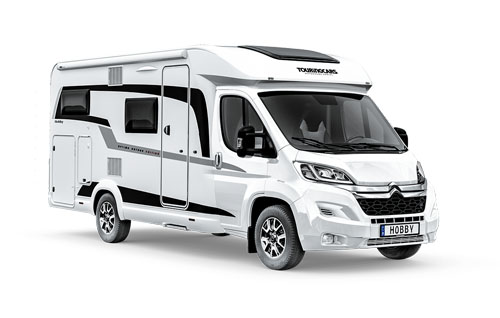
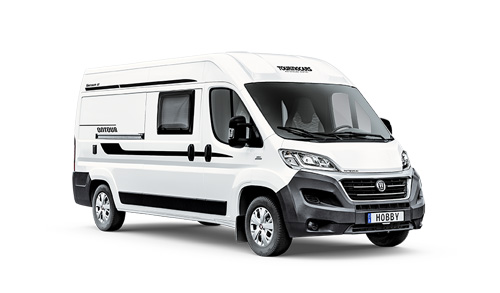
The best RV type for your Estonian adventure hinges on your group size and desired maneuverability. For couples or small families, a compact campervan (Class B) or a smaller Class C motorhome is generally preferred, offering a balance of comfort and agility. Vehicles like the "V3" campervan, with sleeping for 2 and a length of 6.36 meters, or a "rent motorhome example A1", are excellent choices for navigating Estonia's varied terrain, including narrower rural roads and city streets, while also providing good fuel efficiency (around 11-13 L/100km).
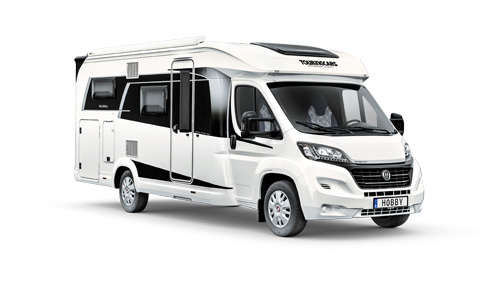
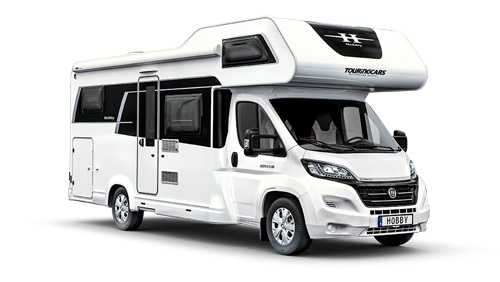
Larger families or groups of 4-6 might find a medium to large Class C motorhome, such as the "Category Family 5" (sleeping up to 6 with a length of 7 meters) or a "Group G" (sleeping up to 7 with a length of 6.75 meters), more suitable. These models offer additional living space, more sleeping berths, and amenities like a larger refrigerator and separate shower/toilet facilities. While larger motorhomes provide more comfort, remember that driving slowly and carefully, paying attention to road conditions, allows you to drive almost anywhere without issues, regardless of size. There's no need to stress about vehicle size limitations in Estonian cities or on main roads.
What Types of RV Campgrounds are in Estonia?
Estonia offers a diverse range of RV campground options to suit every traveler's preference, from rustic wilderness sites to fully-equipped private parks. The most unique and popular options are the state-run RMK (Riigimetsa Majandamise Keskus - State Forest Management Centre) campsites and rest areas. These sites, often free or very low cost, are spread throughout national parks and forests, providing basic facilities such as fire pits, picnic tables, and dry toilets. Many RMK sites are perfectly suitable for overnight RV parking and offer an unparalleled connection to nature.
In addition to RMK, Estonia has numerous private campsites, particularly along the coast and near popular attractions. These paid sites typically offer a wider array of amenities, including electricity hookups, fresh water, dump stations, modern showers, flush toilets, and sometimes even Wi-Fi and laundry facilities. Booking procedures for private sites can vary, with some requiring reservations in advance, especially during peak season. Unique options like farm stays or glamping sites with RV hookups are also emerging, providing a more personal, localized experience often with additional cultural offerings or farm-to-table food. For finding campsites and campgrounds during your trip, we recommend using RV PLANET (rvplan.net) - a great resource for locating available spots along your route.
What is Included in an RV Rental in Estonia?
A standard RV rental package in Estonia typically includes the motorhome or campervan itself, basic third-party insurance coverage, and essential safety equipment like a first-aid kit and fire extinguisher. Most vehicles will also come equipped with a fresh water tank (e.g., 80-120 liters), wastewater tanks, a kitchen area with a stove (often 2-3 burners) and refrigerator, and a dining area that converts into sleeping berths.
Beyond these basics, specific inclusions can vary significantly by rental company and the package tier you choose. Many rentals from suppliers like Touring Cars EST or McRent SE include basic kitchenware (pots, pans, cutlery), linens, and sometimes even a camping table and chairs, but it is always crucial to verify these specifics directly with your chosen provider to avoid surprises. Additional amenities such as a GPS navigation system, WiFi hotspot, bicycle racks, or a top-level deductible reimbursement for enhanced insurance coverage are often available as optional add-ons, which may incur extra fees. Always review your rental agreement carefully to understand what is included and what might be an additional cost, adhering to our principle of full transparency.
How Much Does an RV Trip in Estonia Cost?
The total cost of an RV trip in Estonia is dynamic, much like flight tickets, changing daily based on factors such as rental duration, RV class, seasonality, and your travel style. However, a realistic estimate for a comprehensive week-long trip can help in budgeting. For a couple renting a compact campervan like the "cruise america example EX-Group A" during the shoulder season, daily rental rates might start from €60-€100, while a larger 4-berth Class C motorhome like the "Category Family 5" could be €130-€180 per day in peak summer.
Beyond the rental, anticipate additional expenses: fuel costs typically average €30-€70 per day, assuming around 100-150 km of driving with a vehicle consuming 10-14 liters per 100 km. Campground fees for paid sites average €15-€30 per night, though numerous free RMK sites can reduce this significantly. Groceries for two people self-catering in their RV kitchen could be €20-€40 per day, allowing for delicious meals on board. Ferry fees for island hopping to Saaremaa or Hiiumaa generally add €10-€20 per crossing for an RV and passengers. Tolls are not common in Estonia, but occasional parking fees in popular tourist areas may apply. Overall, a 1-week RV trip in Estonia for a couple could range from €800-€1500, while a 2-week adventure might be €1500-€2800. Families with kids in larger motorhomes should budget accordingly for increased fuel consumption and food costs. On RV PLANET routes, travelers can itemize and track every expense along the way for easy budgeting.
Can You Wild Camp with an RV in Estonia?
Yes, wild camping with an RV is largely permissible in Estonia, thanks to the country's 'Everyman's Right' (õigus igamehe maale), provided it's done responsibly and without disturbing others or the environment. This right typically applies to state-owned forests, undeveloped natural areas, and uncultivated private land where no 'No Camping' or 'Private Property' signs are present. However, it's crucial to understand the distinction for vehicles.
While you can generally park your rented motorhome or campervan for an overnight stay on suitable state-owned land, this is usually interpreted as parking for rest rather than setting up a full camp with awnings extended or extensive outdoor furniture. The RMK (State Forest Management Centre) provides hundreds of official, well-maintained forest campsites and designated rest areas suitable for RVs, many of which are free and offer basic facilities like fire pits, dry toilets, and picnic tables. These offer a more structured 'wild camping' experience. Always ensure you leave no trace, carry out all your waste, and respect local signage. Avoid private land or cultivated fields unless you have explicit permission from the landowner to ensure a hassle-free RV rental journey.
Where Can I Find RV Dump and Fill Stations in Estonia?
RV dump and fill stations in Estonia are primarily located at official campsites, ensuring travelers can properly manage their waste and water supplies throughout their journey. Most private campgrounds, especially larger ones catering to international visitors, offer facilities for emptying grey and black water tanks and refilling fresh water. Often, these services are accessible even to non-guests for a small fee (typically €5-€15).
Beyond private campgrounds, some larger petrol stations along main highways, particularly those equipped for trucks, may have designated service points for RVs. It is always recommended to utilize apps like Campercontact or Park4night, which are excellent resources for locating the nearest dump and fill stations across the country, especially when planning routes through less populated areas or heading to remote RMK sites where such facilities are not available. Planning your route to include stops at these service points will ensure a comfortable and environmentally responsible RV rental experience.
What You Shouldn't Miss
- **Explore Old Town Tallinn:** Wander through the enchanting UNESCO-listed medieval Old Town, marveling at its Gothic spires, cobblestone streets, and vibrant squares. Parking your rented RV just outside the city center makes it easy to explore this historical gem.
- **Hike the Viru Bog Boardwalk:** Immerse yourself in Estonia's unique bog landscapes by walking the iconic Viru Bog boardwalk in Lahemaa National Park. It's an accessible 3.5 km circular trail with RV-friendly parking available at the entrance.
- **Island Hop to Saaremaa:** Take a scenic ferry ride with your motorhome to Saaremaa, Estonia's largest island. Discover its meteorite crater, historical windmills, and the charming town of Kuressaare with its impressive Episcopal Castle.
- **Visit Soomaa National Park:** Experience the "fifth season" (spring floods) or canoe through the winding rivers and floodplains of Soomaa. Numerous RMK campsites offer serene spots for your RV rental near the park's entry points.
- **Discover Setomaa's Unique Culture:** Journey to the southeastern corner of Estonia to Setomaa, a region with a distinct indigenous culture, language, and culinary traditions. Look for local markets and traditional smoke saunas for an unforgettable experience.
- **Relax on the Pärnu Beaches:** Enjoy the sandy beaches and spa town atmosphere of Pärnu, often referred to as Estonia's summer capital. Many RV-friendly campsites are located just outside the city, offering easy access to the coast.
Looking for expert insights from Avi Bandana? Top 5 Adventures - recommendations from Avi Bandana.
Final Thoughts
Estonia truly offers a spectacular backdrop for an unforgettable RV rental journey. From the vibrant streets of Tallinn to the tranquil serenity of its bogs and islands, having your own motorhome provides the ultimate freedom to explore at your own pace. Remember, the key to a fantastic trip lies in careful planning, understanding local nuances, and choosing the right vehicle for your adventure.
We're here to support you before, during, and after your booking, ensuring that every detail is handled with care. So pack your bags, prepare for scenic drives, and get ready to create lasting memories in this Baltic gem. Discover top destinations, planning tips, all in one place!
Ready to hit the road? Compare Motorhome Prices for Estonia and find your perfect rental today.